Concrete Tile Roofing: Benefits, Costs & Maintenance
Property owners seeking a roofing solution that balances longevity, aesthetic versatility, and performance often turn to concrete tile roofing as a proven choice. This durable roofing material has protected homes and commercial buildings for decades, offering exceptional resistance to weather, fire, and impact damage while maintaining its structural integrity through extreme temperature fluctuations. Whether you're planning a full reroof, evaluating options for new construction, or exploring alternatives to traditional asphalt shingles, understanding the characteristics, costs, and maintenance requirements of concrete tile roofing helps inform decisions that affect your property's protection and value for years to come.
What Makes Concrete Tile Roofing Different
Concrete tile roofing consists of molded Portland cement, sand, and water formed into interlocking tiles that create a protective barrier over roof decking. Unlike clay tiles that require kiln firing, concrete tiles cure through a hydraulic process that produces consistent strength and dimensional stability. This manufacturing method allows for precise control over shape, texture, and color, giving property owners access to profiles ranging from flat and low-profile designs to barrel and S-shaped configurations that replicate traditional clay or slate aesthetics.
The composition of concrete tiles delivers substantial weight, typically ranging from 8 to 12 pounds per square foot depending on profile and thickness. This heft contributes to superior wind resistance and impact protection but requires adequate structural support from roof framing. Most residential roofs built to modern building codes can accommodate concrete tile weight, though older structures may need reinforcement before installation.
Durability and Lifespan Characteristics
One of the most compelling attributes of concrete tile roofing is its exceptional longevity. Properly installed and maintained concrete tile roofs can last 50 years or more, significantly outperforming asphalt shingles that typically require replacement every 20 to 25 years. This extended lifespan stems from concrete's inherent resistance to rot, insect damage, and degradation from ultraviolet radiation.
Concrete tiles maintain their protective qualities through freeze-thaw cycles, making them suitable for climates that experience temperature extremes. The material's density and composition resist moisture absorption that causes other roofing materials to deteriorate prematurely. When individual tiles do sustain damage from impact or severe weather, replacement involves removing and swapping specific tiles rather than extensive section repairs.
Cost Considerations and Investment Value
The initial investment in concrete tile roofing typically exceeds that of conventional asphalt shingles, with material and installation costs ranging from $10 to $18 per square foot installed, according to comprehensive roofing cost analyses. This positions concrete tiles in the mid-to-upper range of residential roofing materials, below natural slate but above most asphalt and synthetic options. Several factors influence final project costs:
- Roof complexity and pitch: Steeper slopes and intricate designs require more labor and safety equipment
- Tile profile and finish: Premium profiles with specialized colors or textures carry higher material costs
- Structural reinforcement: Additional framing support adds to overall project expense
- Underlayment requirements: Quality water barriers and battens ensure proper performance
- Regional labor rates: Installation costs vary significantly by geographic market
Long-Term Financial Performance
Despite higher upfront costs, concrete tile roofing delivers favorable long-term economics through reduced maintenance expenses and extended replacement intervals. Property owners avoid the recurring costs of replacing roofing systems every two decades, and the material's durability minimizes repair needs beyond occasional tile replacement. Insurance companies frequently offer premium reductions for homes with Class A fire-rated and impact-resistant roofing materials, providing ongoing savings that offset initial investment.
Energy efficiency represents another financial benefit. Concrete tiles create natural ventilation channels between the tile surface and roof deck, reducing heat transfer into living spaces. This thermal performance can lower cooling costs by 10 to 20 percent in warm climates, generating cumulative savings over the roof's lifespan. Fort Worth property owners particularly benefit from this characteristic given the region's extended cooling seasons.
| Cost Factor | Concrete Tiles | Asphalt Shingles | Clay Tiles |
|---|---|---|---|
| Material Cost/SF | $3-$6 | $1-$3 | $6-$10 |
| Installation/SF | $7-$12 | $3-$5 | $10-$15 |
| Expected Lifespan | 50+ years | 20-25 years | 75+ years |
| Maintenance Needs | Low | Moderate | Low |
| Energy Efficiency | High | Moderate | High |
Installation Process and Requirements
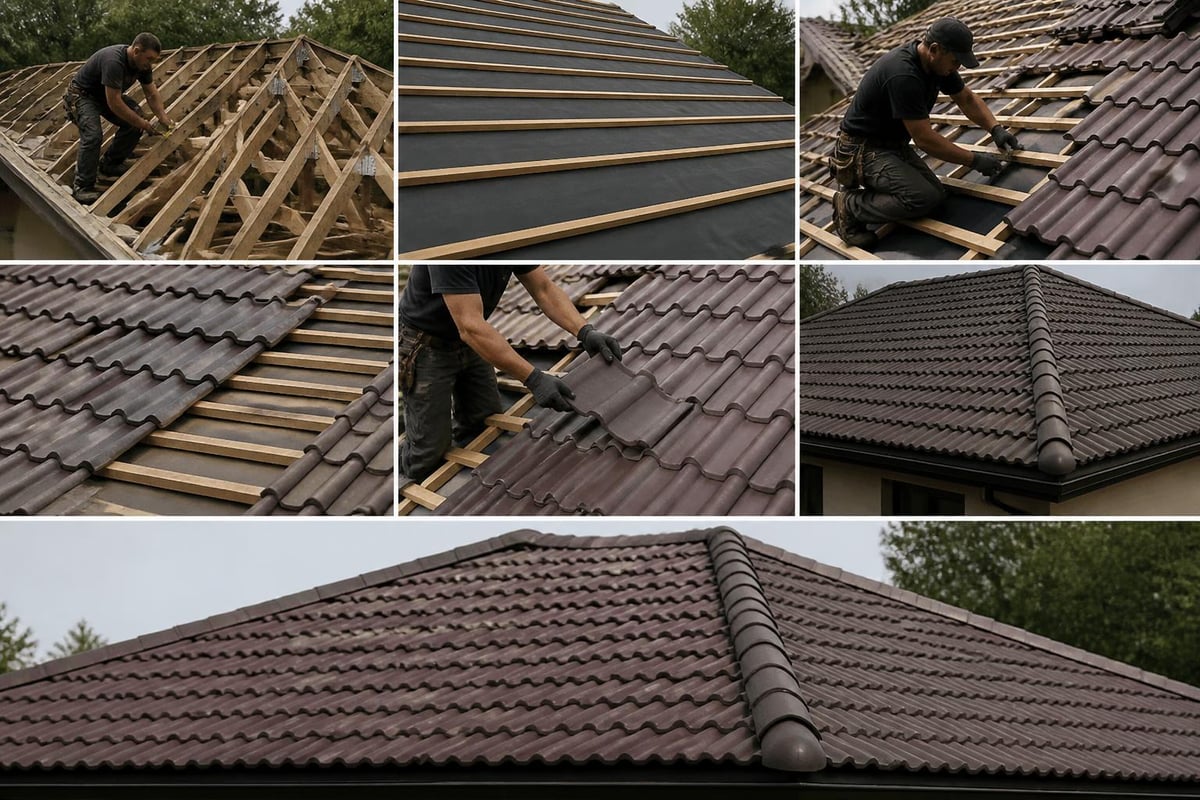
Successful concrete tile roofing installation demands experienced crews who understand proper battening systems, underlayment selection, and tile attachment methods. Unlike asphalt shingle installation that many contractors perform routinely, concrete tile work requires specialized knowledge of load distribution, flashing integration, and waterproofing details. The installation process follows a systematic approach:
- Structural assessment verifies that roof framing can support tile weight and identifies any required reinforcement
- Deck preparation ensures a clean, flat surface with proper fastening and addresses any defects
- Underlayment installation provides primary water protection using quality synthetic materials rated for tile applications
- Batten installation creates the support framework that elevates tiles and enables proper water drainage
- Tile placement proceeds from eave to ridge following manufacturer specifications for overlap and fastening
- Ridge and hip detailing incorporates specialized caps and closure pieces that maintain weathertight performance
- Valley and penetration flashing integrates with tile profiles to direct water away from vulnerable areas
Working with Professional Installation Teams
The complexity of concrete tile installation makes contractor selection critical to long-term performance. Property owners benefit from working with companies that maintain in-house crews experienced in tile roofing rather than general contractors who subcontract specialty work. Residential roofing services that focus on quality craftsmanship ensure proper installation techniques that prevent future leaks and tile displacement.
Reputable contractors provide detailed documentation of underlayment specifications, fastening patterns, and material selections that comply with manufacturer requirements and building codes. This documentation becomes essential for warranty activation and insurance claim support should storm damage occur. Contractors who offer comprehensive warranties covering both materials and labor demonstrate confidence in their installation quality and provide property owners with long-term protection.
Performance Benefits and Functional Advantages
Beyond longevity, concrete tile roofing delivers multiple performance attributes that benefit property owners. Understanding these functional advantages helps evaluate whether concrete tiles align with specific property requirements and environmental conditions.
Fire Resistance: Concrete tiles carry Class A fire ratings, the highest classification for roofing materials. This non-combustible characteristic provides critical protection in areas prone to wildfires or where building codes mandate fire-resistant construction. The tiles won't ignite from airborne embers or radiant heat, creating a defensive barrier that protects underlying structures.
Wind Performance: Properly installed concrete tiles resist wind uplift through their weight and interlocking design. Many profiles achieve wind resistance ratings exceeding 110 mph when installed according to manufacturer specifications. This performance proves valuable in regions that experience severe thunderstorms and occasional tornado activity.
Impact Resistance: The material's density and strength enable concrete tiles to withstand hail impact better than many alternatives. Tile roofs demonstrate superior durability against impact damage that would dent metal roofing or crack asphalt shingles. This characteristic becomes particularly relevant in areas that experience frequent hail events.
Acoustic and Thermal Properties
Concrete tile roofing provides excellent sound dampening, reducing interior noise from rain, hail, and exterior sources. The material's mass absorbs sound energy that passes through lighter roofing materials, creating quieter interior environments. This acoustic performance benefits properties located near airports, highways, or other noise sources.
The thermal mass of concrete tiles moderates temperature fluctuations by absorbing heat during peak sun exposure and releasing it gradually as temperatures drop. Combined with the air space created by batten installation, this characteristic maintains more stable attic temperatures and reduces thermal stress on roof structures. Property owners in climates with significant day-night temperature variations particularly benefit from this moderating effect.
Maintenance Requirements and Common Issues
While concrete tile roofing requires less maintenance than many alternatives, periodic attention ensures optimal performance throughout the material's lifespan. Understanding maintenance needs and potential issues enables property owners to protect their investment and address problems before they escalate.
Routine Inspection and Care
Annual roof inspections identify potential problems early, allowing for simple repairs rather than extensive damage correction. Property owners should examine their concrete tile roofs for:
- Cracked or broken tiles that expose underlayment to weather
- Displaced tiles from wind or foot traffic
- Deteriorated ridge caps and hip tiles
- Damaged flashing around chimneys, vents, and valleys
- Moss or algae growth that retains moisture
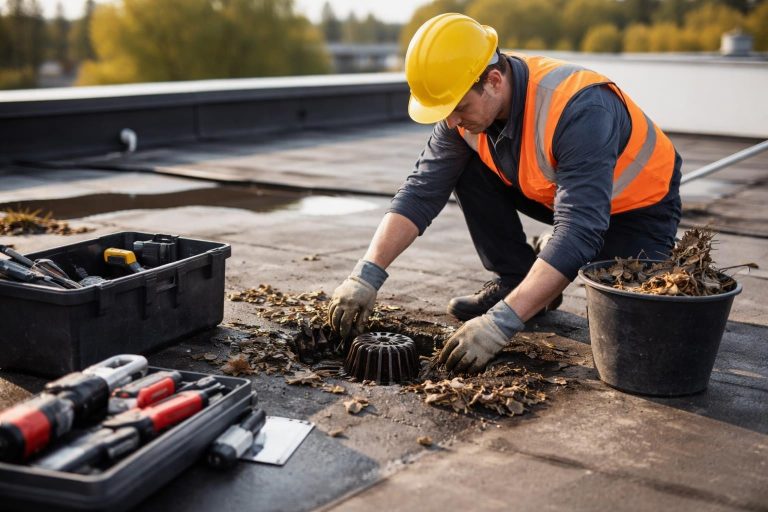
- Debris accumulation in valleys and behind tiles
Professional contractors can assess underlayment condition, which remains hidden beneath tiles but provides primary water protection. Most concrete tile failures result from underlayment deterioration rather than tile degradation, making periodic professional evaluation valuable for long-term performance. Working with experienced teams familiar with roofing warranty requirements helps maintain coverage and ensure proper documentation.
Addressing Common Problems
Several issues affect concrete tile roofs over time, though most remain straightforward to address when caught early. Cracked tiles typically result from foot traffic, falling branches, or thermal stress, requiring individual tile replacement. Walking on concrete tile roofs demands caution and knowledge of proper stepping points to avoid damage.
Underlayment degradation occurs gradually as materials age beyond their rated lifespan. Property owners may need underlayment replacement before tiles reach end of life, particularly with older installations using felt underlayment rather than modern synthetic products. This maintenance involves removing and reinstalling sections of tile to access and replace deteriorated water barriers.
| Maintenance Task | Frequency | DIY vs Professional |
|---|---|---|
| Visual inspection | Annually | DIY acceptable |
| Professional assessment | Every 3-5 years | Requires professional |
| Gutter cleaning | 2-4 times yearly | DIY acceptable |
| Tile replacement | As needed | Requires professional |
| Underlayment evaluation | Every 10-15 years | Requires professional |
| Flashing inspection | Annually | Professional recommended |
Design Versatility and Aesthetic Options
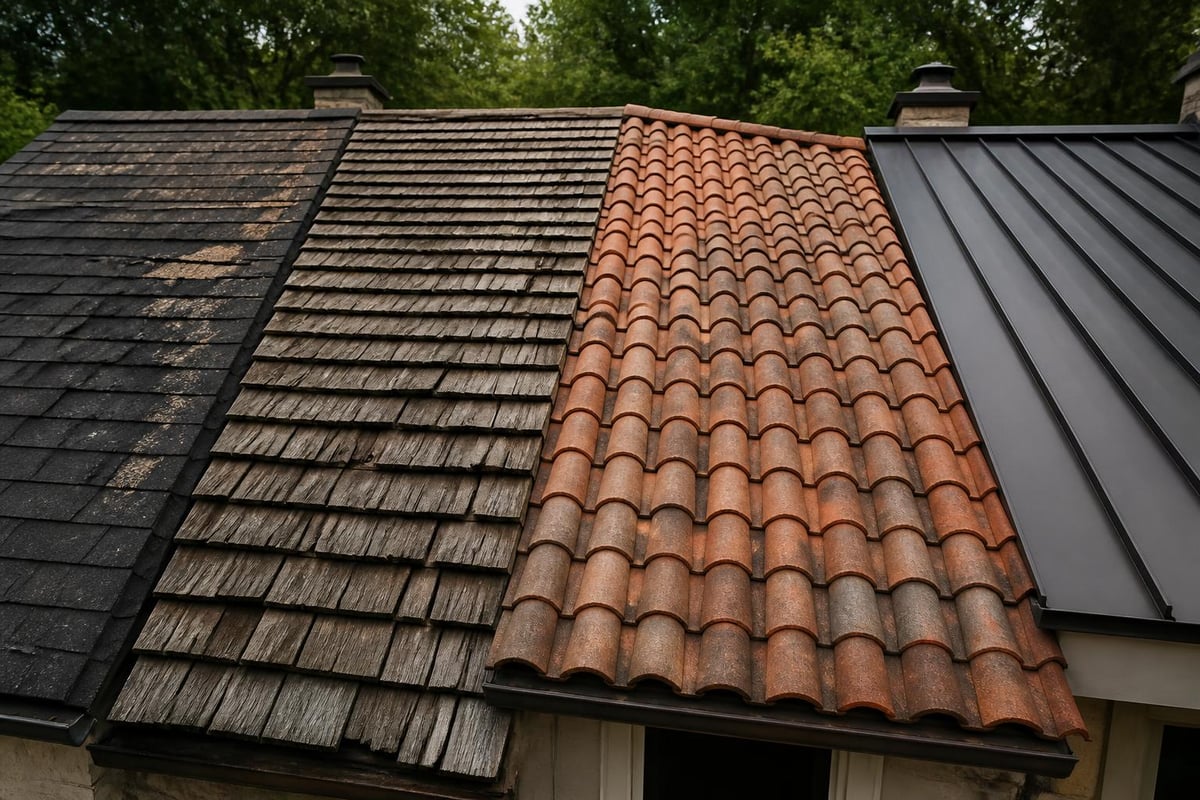
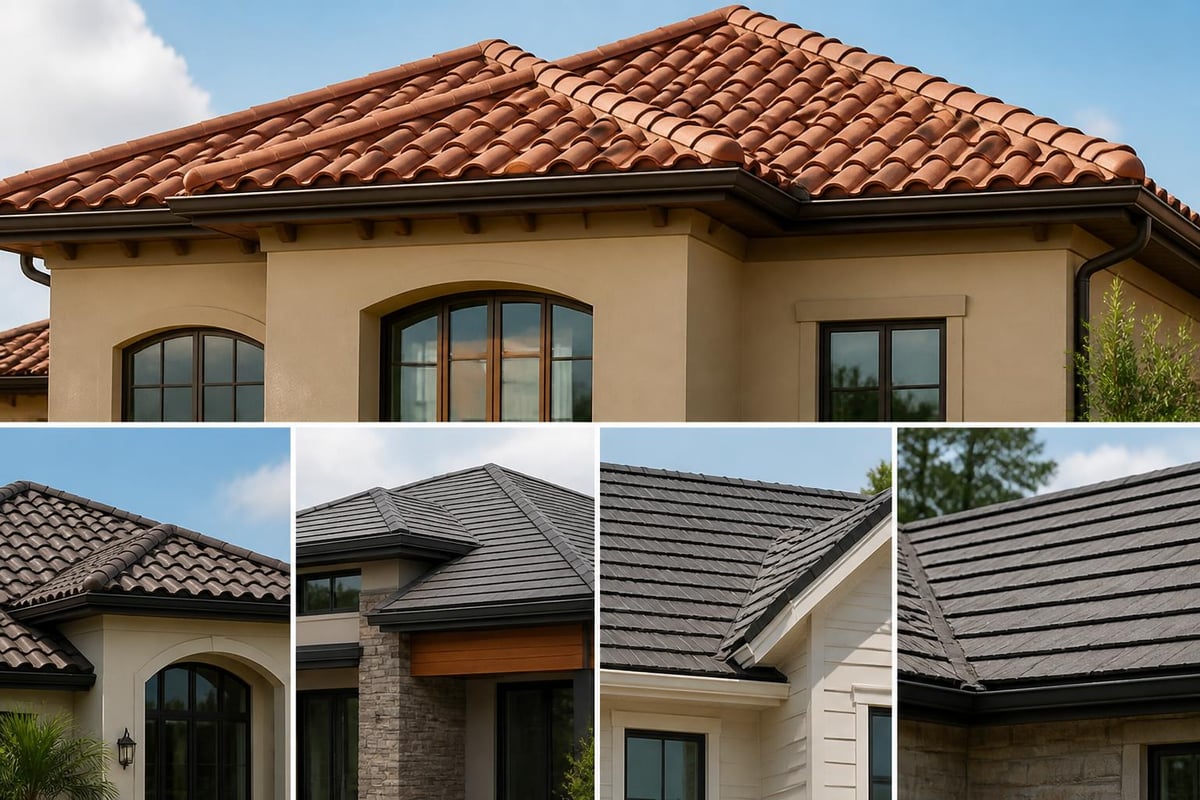
Concrete tile roofing offers remarkable design flexibility through varied profiles, colors, and finishes that complement diverse architectural styles. Manufacturers produce tiles that replicate traditional clay barrel tiles, flat slate profiles, and contemporary low-profile designs, allowing property owners to achieve specific aesthetic goals while benefiting from concrete's performance characteristics.
Profile and Style Selections
Different tile profiles create distinct visual effects and perform differently across roof pitches and complexity levels. Barrel or S-profile tiles deliver classic Mediterranean and Spanish Colonial aesthetics with pronounced curves and shadow lines. These profiles work best on moderate to steep pitches where their dimensional character remains visible from ground level.
Flat or slate-profile tiles provide clean, contemporary appearances that suit modern architectural styles. These lower-profile options install on shallower pitches than barrel tiles and create smooth, refined roof surfaces. The reduced profile also minimizes wind resistance and facilitates installation on complex roof geometries.
Low-profile or shake-style tiles mimic wood shake appearances while delivering concrete's durability and fire resistance. These options appeal to property owners seeking rustic or traditional aesthetics without wood's maintenance demands and vulnerability to fire, insects, and rot.
Color and Finish Options
Concrete tile manufacturers offer extensive color palettes through integral pigments and surface coatings. Integral coloring incorporates pigments throughout the tile thickness, ensuring color consistency even if surface wear occurs. Surface coatings provide enhanced color vibrancy and additional weather protection while allowing for multicolor blends that create dimensional appearances.
Property owners can select from earthy terracotta and brown tones that replicate traditional clay, neutral grays and blacks that suit contemporary designs, or specialty colors that coordinate with specific architectural details. Many manufacturers offer blend packages that combine multiple colors within a single installation, creating varied, natural-looking roof surfaces that avoid monotonous uniformity.
Climate Performance and Regional Suitability
Concrete tile roofing performs reliably across diverse climate conditions, though certain characteristics make it particularly well-suited for specific environments. Understanding how concrete tiles respond to regional weather patterns helps property owners evaluate suitability for their locations.
Performance in Hot and Humid Climates
The thermal properties and ventilation characteristics of concrete tiles make them exceptionally effective in hot climates where cooling costs dominate energy expenses. The air gap between tiles and roof deck creates continuous ventilation that exhausts heat rather than transferring it into attic spaces. This characteristic proves particularly beneficial in the Fort Worth area, where summer temperatures regularly exceed 95°F and cooling demands extend from May through September.
Concrete's resistance to moisture absorption prevents problems common with organic roofing materials in humid environments. The material won't support mold or mildew growth, and it resists degradation from constant exposure to humidity. Seven benefits of concrete tile roofs include exceptional performance in challenging weather conditions that cause premature failure of conventional materials.
Cold Climate Considerations
While concrete tiles perform well in freezing conditions, proper installation becomes critical in climates that experience freeze-thaw cycles. Quality underlayment and ice barrier installation protect against water infiltration from ice dams. The tiles themselves resist damage from freezing, though accumulated snow loads must be considered during structural evaluation.
Concrete tiles shed snow more readily than textured asphalt shingles, reducing snow accumulation that creates excessive loads. However, the smooth surface can allow snow to slide unexpectedly, potentially damaging gutters or creating hazards near building entrances. Installing snow guards addresses this concern on properties where controlled snow release proves necessary.
Storm Resilience and Impact Protection
Property owners in areas prone to severe weather particularly value concrete tile roofing's storm performance. The material's inherent strength and properly engineered attachment systems enable it to withstand conditions that destroy lighter roofing materials.
Hail resistance represents a significant advantage in regions that experience frequent hailstorms. Concrete tiles rated for severe hail impact meet stringent testing standards that verify performance against simulated hailstones. Understanding the advantages and disadvantages of concrete tile roofs helps property owners evaluate whether the investment aligns with their risk management priorities and insurance considerations.
Wind uplift resistance stems from multiple factors including tile weight, interlocking edges, and proper fastening. Modern installation techniques incorporate multiple fasteners per tile and mechanical attachment that prevents displacement during high-wind events. This engineered approach ensures that properly installed concrete tiles remain secured during severe thunderstorms and tropical systems.
Insurance and Storm Documentation
Many insurance carriers recognize concrete tile roofing's superior performance through premium reductions for impact-resistant and fire-rated materials. Property owners should verify available discounts during policy reviews and ensure proper documentation of roofing specifications. When storm damage does occur, working with experienced contractors who understand insurance requirements streamlines the claims process.
Detailed documentation of roof condition before and after weather events supports insurance claims and verifies the extent of necessary repairs. Professional contractors experienced in roof repair insurance processes provide the photographic evidence, damage assessments, and scope documentation that insurance adjusters require for claim approval.
Environmental Impact and Sustainability
Concrete tile roofing offers several environmental advantages that appeal to property owners prioritizing sustainable building practices. The material's longevity reduces the frequency of roof replacements, minimizing construction waste and resource consumption over building lifespans. Unlike asphalt shingles that contribute millions of tons to landfills annually, concrete tiles often last the entire life of structures, eliminating multiple replacement cycles.
The manufacturing process uses readily available, naturally occurring materials without petroleum-based components common in asphalt products. Portland cement production does generate carbon emissions, but the extended lifespan and energy efficiency benefits offset manufacturing impacts over the roof's service life. Many manufacturers incorporate recycled materials into concrete tile production, further reducing environmental footprint.
Recyclability potential distinguishes concrete tiles from composite materials that resist recycling. At end of life, concrete tiles can be crushed and repurposed as aggregate for new concrete products, road base, or landscaping materials. This recyclability creates circular economy opportunities that reduce landfill burden and conserve virgin materials.
Concrete tile roofing delivers exceptional durability, energy efficiency, and aesthetic versatility for property owners seeking long-term roofing solutions that withstand demanding weather conditions while maintaining value. Whether you're planning a residential reroof, evaluating options for commercial property, or need expert assessment of your existing tile roof, Texcore Construction provides the experienced, in-house crews and detailed documentation that ensure proper installation and lasting performance throughout the Fort Worth area.