
Roof Repair Storm Damage: Complete Recovery Guide
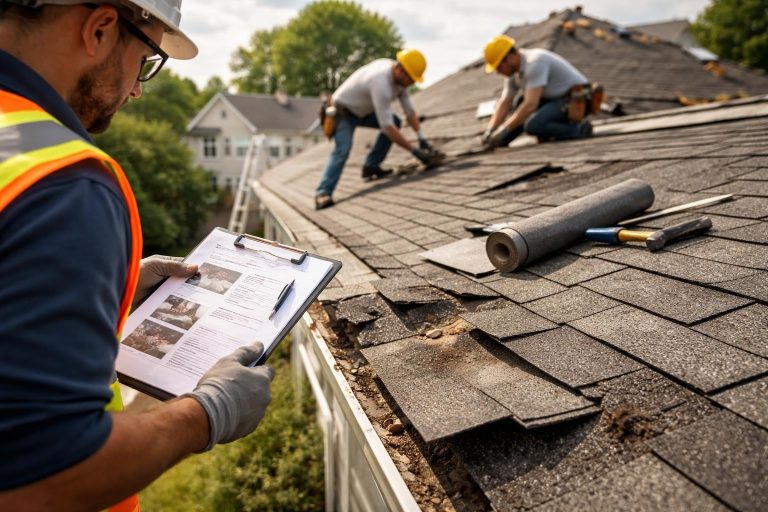
Storm damage to roofing systems represents one of the most common and costly property issues homeowners and business owners face across North Texas. When severe weather strikes with high winds, hail, or heavy rainfall, roofs bear the brunt of nature's force, often sustaining damage that compromises structural integrity and allows water intrusion. Understanding how to properly assess, document, and repair storm-related roof damage can save thousands of dollars and prevent secondary issues like mold growth, interior damage, and compromised building safety. This comprehensive guide walks through everything property owners need to know about roof repair storm damage, from initial inspection through complete restoration.
Identifying Common Types of Storm Damage to Roofing Systems
Storm damage manifests in numerous forms depending on weather conditions, roofing materials, and structure age. Recognizing these damage patterns early allows property owners to act quickly before minor issues escalate into major structural problems.
Wind Damage Patterns and Impact
High winds create distinctive damage signatures across roofing systems. Shingle blow-off represents the most visible form of wind damage, where entire sections lift away from the roof deck and expose underlayment or bare wood. Wind uplift typically begins at roof edges, ridges, and corners where aerodynamic forces concentrate.
Beyond complete shingle loss, wind creates subtle damage that's equally concerning:
- Creasing and folding where shingles bend backward but remain attached
- Seal line failures that allow shingles to lift during future storms
- Granule displacement from surface abrasion against adjacent materials
- Fastener pull-through where nails tear through weakened shingle material
Metal roofing systems experience different wind damage manifestations. Standing seam panels can separate at their interlocking joints, while fasteners may back out or pull through panel material entirely. Wind damage to shingles often presents challenges during insurance claims because subtle damage may not be immediately visible from ground level.
Hail Impact Signatures and Material Degradation
Hail damage varies significantly based on stone size, impact velocity, and roofing material composition. Asphalt shingles display bruising where hail stones compress the underlying mat without immediately breaking the surface. These impact sites appear as dark spots with missing granules and exposed asphalt.
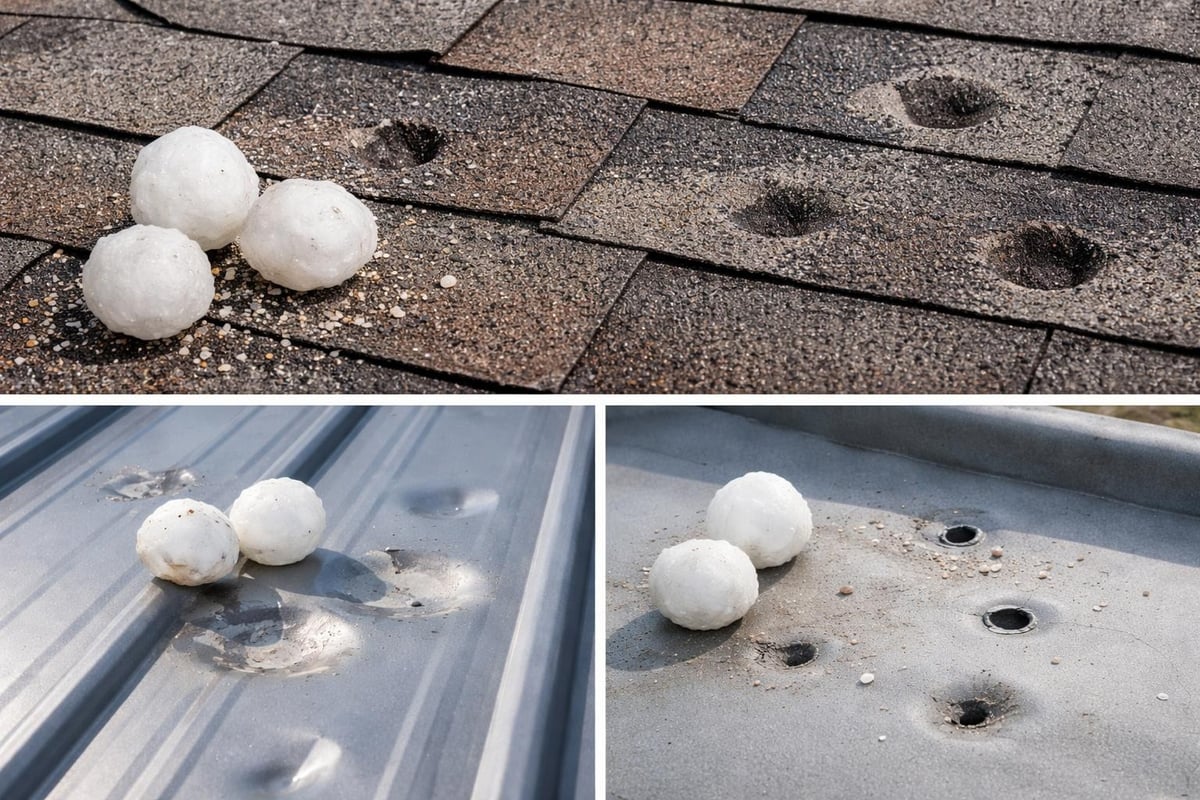
| Hail Size | Typical Damage | Repair Urgency |
|---|---|---|
| Under 1 inch | Granule loss, minor bruising | Monitor condition |
| 1-1.5 inches | Consistent bruising, mat compression | Schedule repair within months |
| 1.5-2 inches | Cracking, severe bruising, compromised seals | Immediate repair needed |
| Over 2 inches | Punctures, structural damage, complete failure | Emergency response required |
Metal roofing shows hail damage through denting and coating fractures. While metal panels rarely puncture from hail alone, repeated impacts weaken protective coatings and accelerate corrosion. Understanding roof damage restoration after storms helps property owners recognize when professional assessment becomes essential.
Water Intrusion and Secondary Damage
Storm-driven rain exploits every vulnerability in roofing systems. Horizontal rain forces water beneath shingles designed only to shed vertically-falling precipitation. Compromised flashing around chimneys, vents, and valleys allows water to bypass primary waterproofing layers.
Water intrusion rarely stops at the roof deck. Once inside, moisture migrates through insulation, saturates ceiling materials, and creates ideal conditions for mold growth. The EPA’s guidance on mold prevention emphasizes rapid response to water intrusion events, noting that mold colonies can establish within 24-48 hours of material saturation.
Immediate Response Steps After Storm Events
Quick action following severe weather minimizes damage progression and preserves insurance claim validity. Property owners should implement a systematic approach to post-storm assessment and temporary protection.
Safe Initial Assessment Protocols
Never access roof surfaces immediately after storms when conditions remain hazardous. Ground-level inspection using binoculars allows initial damage survey without risking personal injury on wet, debris-covered surfaces.
Document everything observable from ground level:
- Missing or damaged shingles and visible underlayment
- Debris accumulation in valleys and against penetrations
- Sagging areas indicating structural compromise
- Water stains on soffits, fascia, or interior ceilings
- Displaced or damaged flashing components
Professional inspection becomes necessary when ground-level assessment reveals potential damage. Experienced contractors use proper safety equipment and understand structural warning signs that untrained observers might miss.
Emergency Tarping and Temporary Protection
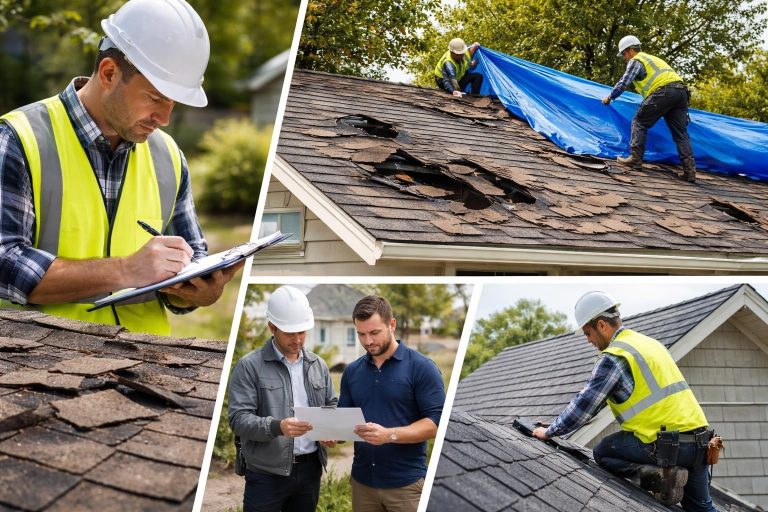
When roof repair storm damage creates active leaks or exposes large areas to weather, emergency tarping provides critical temporary protection. Proper tarping technique involves securing heavy-duty poly sheeting to undamaged roof areas using wooden battens rather than relying solely on sandbag weight.
Inadequate tarping often causes more damage than it prevents. Improperly secured tarps flap in wind, abrading remaining shingles and allowing water infiltration at edges. Tarps must extend beyond damaged areas and secure to solid roof structure, not compromised materials.
For property owners managing multiple buildings or commercial facilities in storm-prone regions, connecting with vetted contractors through platforms like Oferta.fi streamlines the process of obtaining competitive bids for emergency services and permanent repairs.
Professional Damage Assessment and Documentation
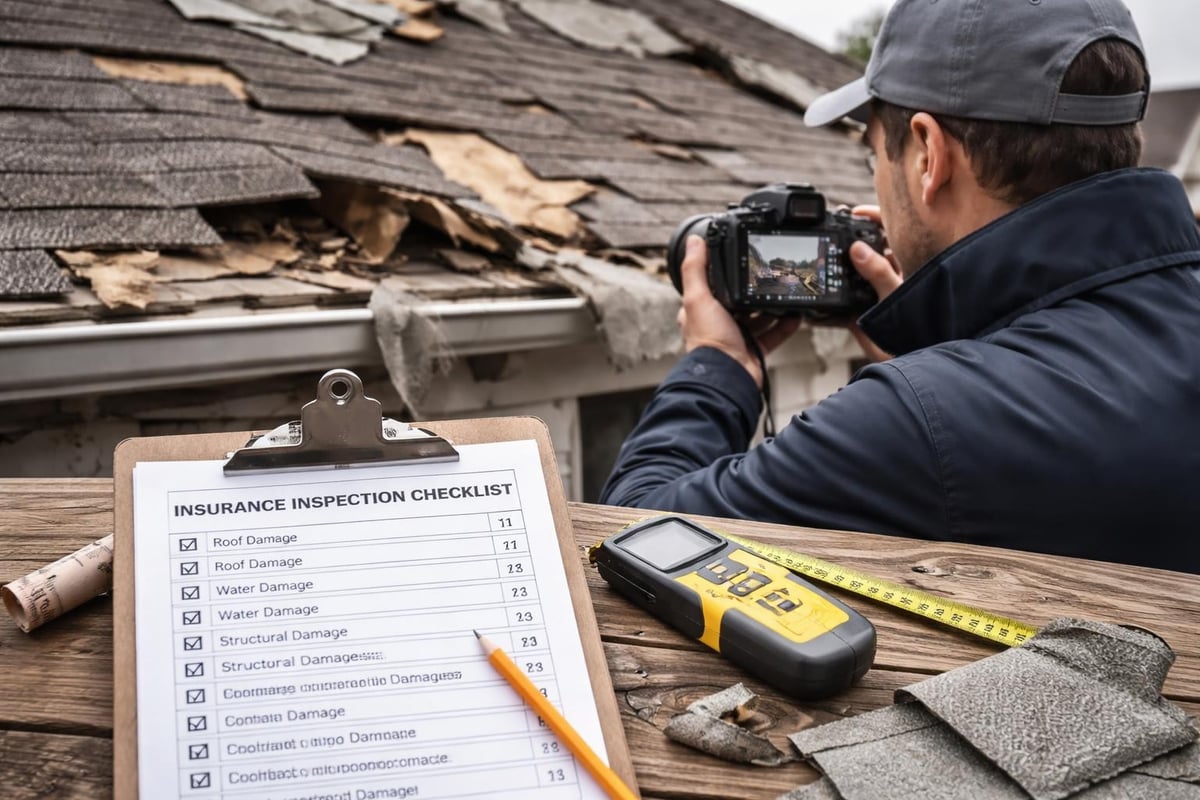
Thorough documentation separates successful insurance claims from denied coverage. Professional roofing contractors understand what evidence adjusters require and how to present damage in terms insurance policies recognize.
Comprehensive Inspection Methodology
Complete roof inspections extend beyond obvious damage zones. Systematic grid inspection divides roofs into sections, ensuring no areas escape scrutiny. This methodical approach identifies damage patterns that reveal storm severity and impact distribution.
Professional inspectors examine multiple roof planes and components:
- All visible shingle surfaces on every slope and plane
- Ridge caps, hip caps, and specialized closure systems
- Flashing around penetrations, walls, and transitions
- Gutters, downspouts, and edge metal components
- Ventilation systems and their integration points
- Interior spaces for water stains and structural concerns
Modern inspection technology enhances documentation quality. Aerial measurement and high-resolution imaging provides detailed damage mapping that supports insurance claims with objective, measurable evidence.
Insurance Claim Documentation Requirements
Insurance adjusters evaluate claims based on specific damage criteria and policy language. Matching storm date to damage characteristics establishes causation, while widespread consistent damage patterns demonstrate storm-related impact rather than gradual deterioration.
Essential documentation elements include:
- Time-stamped photographs showing damage from multiple angles
- Measurements of damaged areas and impact density
- Weather service reports confirming storm severity and timing
- Written descriptions correlating damage to specific weather events
- Material specifications and manufacturer datasheets
For comprehensive guidance on navigating the claims process, understanding insurance claims for roof damage requirements helps property owners avoid common pitfalls that delay or reduce claim settlements.
Repair Versus Replacement Decision Framework
Not all storm damage requires complete roof replacement. Understanding when repair suffices versus when full replacement becomes necessary protects property owners from both inadequate fixes and unnecessary expenses.
Damage Extent Evaluation Criteria
Percentage of affected area represents the primary decision factor. Most insurance policies and building codes require replacement when damage exceeds 25-30% of any roof plane. Below this threshold, localized repairs may restore functionality without full tear-off.
| Damage Extent | Recommended Action | Typical Timeline |
|---|---|---|
| Under 10% | Targeted repair of damaged sections | 1-3 days |
| 10-25% | Repair with long-term monitoring | 3-5 days |
| 25-50% | Strong replacement consideration | 1-2 weeks |
| Over 50% | Full replacement required | 2-4 weeks |
Material availability influences repair feasibility. Discontinued shingle lines or custom metal panel profiles may be unavailable, forcing replacement even when damage extent might otherwise allow repair. Color matching presents similar challenges, as weathered existing materials rarely match new products from the same manufacturer.
Long-Term Performance Considerations
Remaining service life of undamaged sections factors into repair decisions. Repairing five-year damage on a ten-year-old roof leaves only ten years maximum service life, while replacement provides 20-30 years of protection. This analysis becomes particularly important for commercial properties managing multiple roof assets and capital planning cycles.
The National Roofing Contractors Association provides guidance on service life expectations for various roofing systems under different climate conditions. These industry standards help property owners make informed decisions balancing immediate costs against long-term value.
Proper assessment of roof damage restoration after storm events requires evaluating both immediate functionality and projected performance over remaining design life.
Roof Repair Storm Damage Restoration Process
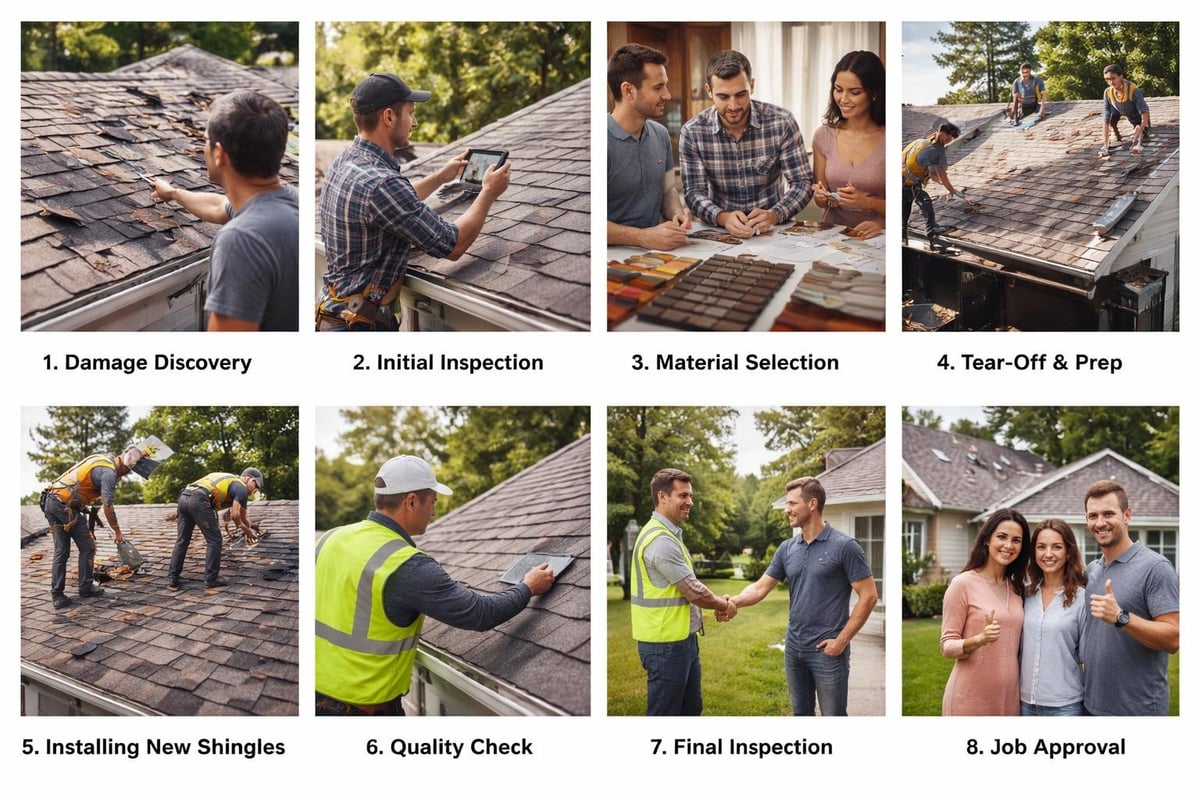
Professional restoration follows structured workflows that ensure quality, safety, and code compliance. Understanding these processes helps property owners set realistic expectations and identify contractors who follow industry best practices.
Preparation and Material Procurement
Pre-construction planning begins before crews arrive on site. Material ordering accounts for documented damage plus a contingency percentage for unforeseen issues discovered during tear-off. Color lot matching ensures new materials blend seamlessly with existing installations on partial repairs.
Site preparation protects property and occupants:
- Establishing material staging areas away from structures
- Installing ground protection for landscaping and hardscaping
- Arranging dumpster placement for debris removal
- Notifying occupants about noise, access restrictions, and timelines
- Coordinating with property management for commercial buildings
Weather monitoring influences scheduling decisions. Professional contractors track forecast windows and postpone work when conditions threaten quality or safety rather than pushing through marginal weather.
Repair Execution and Quality Control
Systematic repair execution prevents the scattered approach that creates gaps in coverage and inconsistent quality. Section completion methodology finishes entire roof planes before moving to adjacent areas, ensuring waterproof integrity at each day's conclusion.
Quality control checkpoints occur throughout installation:
- Substrate inspection and repair before new materials installation
- Fastener pattern verification against manufacturer specifications
- Flashing detail execution at penetrations and transitions
- Final inspection of completed work before demobilization
For property owners needing immediate leak response while planning comprehensive repairs, Emergency Roof Repair services provide critical stopgap protection that prevents secondary damage during the claim and restoration process.
Code Compliance and Permitting Requirements
Storm damage repairs must satisfy current building codes, which often differ from standards in place during original construction. Triggered upgrades occur when repair extent crosses code-mandated thresholds requiring portions of work to meet current rather than historical standards.
Common code compliance requirements include:
- Enhanced wind resistance in high-wind zones through improved fastening
- Upgraded underlayment specifications for ice dam protection
- Ventilation improvements to meet current airflow ratios
- Fire rating compliance in wildland-urban interface areas
Permitting requirements vary by jurisdiction and damage extent. Most municipalities require permits for substantial repairs beyond simple shingle replacement, with inspections verifying code compliance before issuing certificates of completion.
Managing Costs and Insurance Coverage
Understanding cost structures and insurance policy language helps property owners supporting your insurance claim with thorough documentation while avoiding common claim pitfalls that reduce settlements or trigger denials.
Typical Storm Damage Repair Costs
Repair costs vary dramatically based on damage extent, material selection, structural complications, and regional labor rates. North Texas pricing reflects moderate labor costs but accounts for summer heat challenges requiring early morning or evening work during peak temperatures.
Residential storm damage repair costs (2026):
- Minor shingle repairs (under 100 sq ft): $800-$1,500
- Moderate section replacement (100-500 sq ft): $2,000-$6,000
- Substantial repairs requiring structural work: $6,000-$15,000
- Complete residential replacement: $8,000-$25,000+
Commercial projects scale significantly higher based on building size, access complexity, and system type. Flat roof membrane repairs cost $4-$8 per square foot for materials and labor, while complete commercial reroofs range from $4-$12 per square foot depending on system selection.
Insurance Policy Navigation
Actual Cash Value (ACV) versus Replacement Cost Value (RCV) policies create vastly different claim outcomes. ACV policies depreciate roof age and condition, reducing payouts substantially. RCV policies pay full replacement cost regardless of age, subject to policy limits and deductibles.
Understanding policy exclusions prevents claim surprises:
- Cosmetic damage exclusions deny claims for hail dimpling that doesn't affect function
- Matching limitations restrict replacement to damaged sections rather than entire roofs
- Depreciation schedules reduce coverage based on roof age
- Maintenance requirements may void coverage for poorly maintained systems
Common myths about storm damage roof repair and insurance coverage often lead property owners to delay claims or accept inadequate settlements. Professional guidance helps navigate complex policy language and adjuster negotiations.
Preventing Future Storm Damage
While no roofing system can withstand all weather extremes, proper design, material selection, and maintenance significantly improve storm resistance and reduce repair frequency.
Impact-Resistant Material Selection
Class 4 impact-rated shingles feature modified asphalt formulations and reinforced mats that resist hail damage better than standard products. While these premium shingles cost 10-20% more initially, many insurance companies offer premium discounts that offset the price difference over the shingle's lifetime.
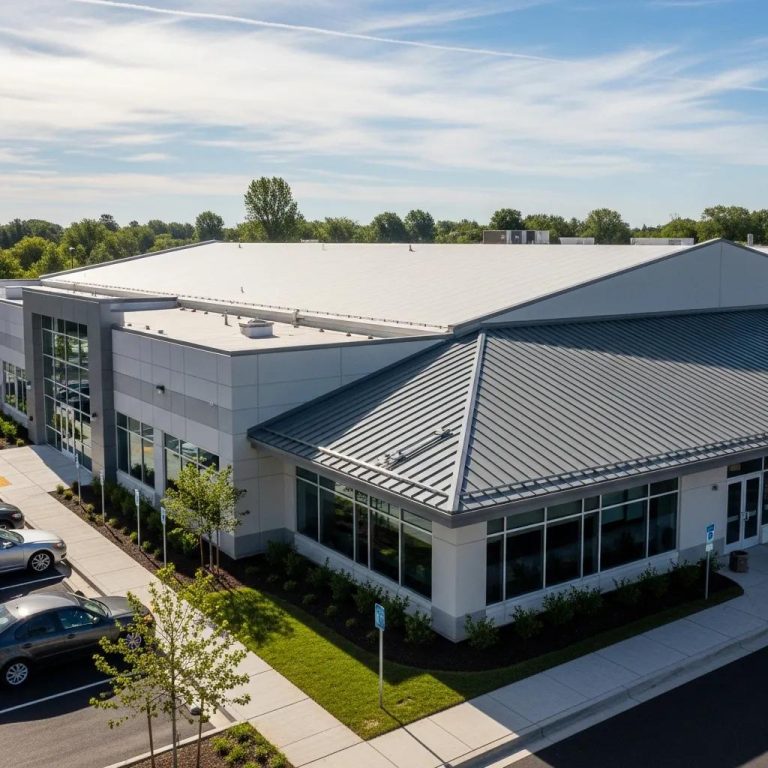
Metal roofing systems provide superior wind and hail resistance compared to asphalt products. Standing seam metal roofs resist wind uplift through continuous panel attachment rather than relying on individual fasteners exposed to wind forces. When properly installed, metal systems regularly survive storms that destroy conventional shingle roofs.
For commercial facilities, understanding whether TPO roofing is the best choice involves evaluating hail resistance, wind uplift ratings, and long-term durability against storm damage risks specific to the Fort Worth region.
Maintenance Programs and Vulnerability Reduction
Preventive maintenance identifies and addresses minor issues before storms exploit them. Annual inspections catch loose shingles, degraded sealant, and flashing deterioration that create entry points for wind-driven rain.
Essential maintenance activities include:
- Debris removal from valleys, gutters, and drainage systems
- Sealant renewal around penetrations and flashing
- Fastener inspection and replacement where backing out
- Tree trimming to prevent branch impact during winds
- Attic ventilation verification to prevent moisture accumulation
Tips for securing insurance coverage for roof repair emphasize documented maintenance history as evidence of responsible property stewardship, which strengthens claims and may influence coverage decisions.
Working With Professional Roofing Contractors
Contractor selection dramatically influences repair quality, timeline, and overall satisfaction. Understanding what separates qualified professionals from inadequate operators protects property owners from costly mistakes and incomplete work.
Qualification Verification and Licensing
Licensing requirements vary by state and municipality. Texas requires roofing contractors performing work over $10,000 to hold appropriate registrations, while municipal permits mandate additional local compliance. Verify licenses through state and local regulatory agencies rather than relying solely on contractor representations.
Beyond basic licensing, professional qualifications include:
- Manufacturer certifications for specific roofing systems
- Workers' compensation and general liability insurance
- Safety training documentation and OSHA compliance
- Local business establishment and track record
- Professional association memberships and standing
Storm chasers flood areas after severe weather, offering below-market pricing and quick starts. These transient operators often lack proper licensing, insurance, and commitment to warranty service. They collect deposits, perform substandard work, and disappear before issues surface.
Contract Terms and Project Documentation
Detailed written contracts protect both parties by establishing clear expectations, scope definitions, payment schedules, and warranty terms. Verbal agreements and handshake deals create disputes when memories differ about project details.
Essential contract elements include:
- Complete scope of work with specific materials and specifications
- Project timeline with start and completion dates
- Payment schedule tied to completion milestones
- Warranty coverage for materials and labor
- Permit responsibility and code compliance guarantees
- Cleanup and disposal procedures
- Change order processes for unforeseen conditions
Understanding the comprehensive approach to storm damage roofing including regulatory compliance, insurance protocols, and construction licensing helps property owners evaluate contractor capabilities beyond lowest-bid pricing.
Professional contractors use in-house crews rather than subcontracting work to unknown third parties. This direct employment model ensures quality control, consistent communication, and accountability throughout the project lifecycle. When roof wind damage requires immediate attention, established local contractors with dedicated crews respond faster and more reliably than companies coordinating multiple subcontractor schedules.
Roof repair storm damage requires systematic assessment, proper documentation, and qualified professional execution to restore protection and maximize insurance recovery. Understanding damage types, repair versus replacement criteria, and insurance policy nuances empowers property owners to make informed decisions that balance immediate costs against long-term performance. When storm damage strikes your Fort Worth property, Texcore Construction delivers rapid response with in-house crews, detailed documentation for insurance claims, and quality craftsmanship backed by five-year labor warranties. Contact our team for comprehensive storm damage assessment and transparent repair recommendations that protect your investment.