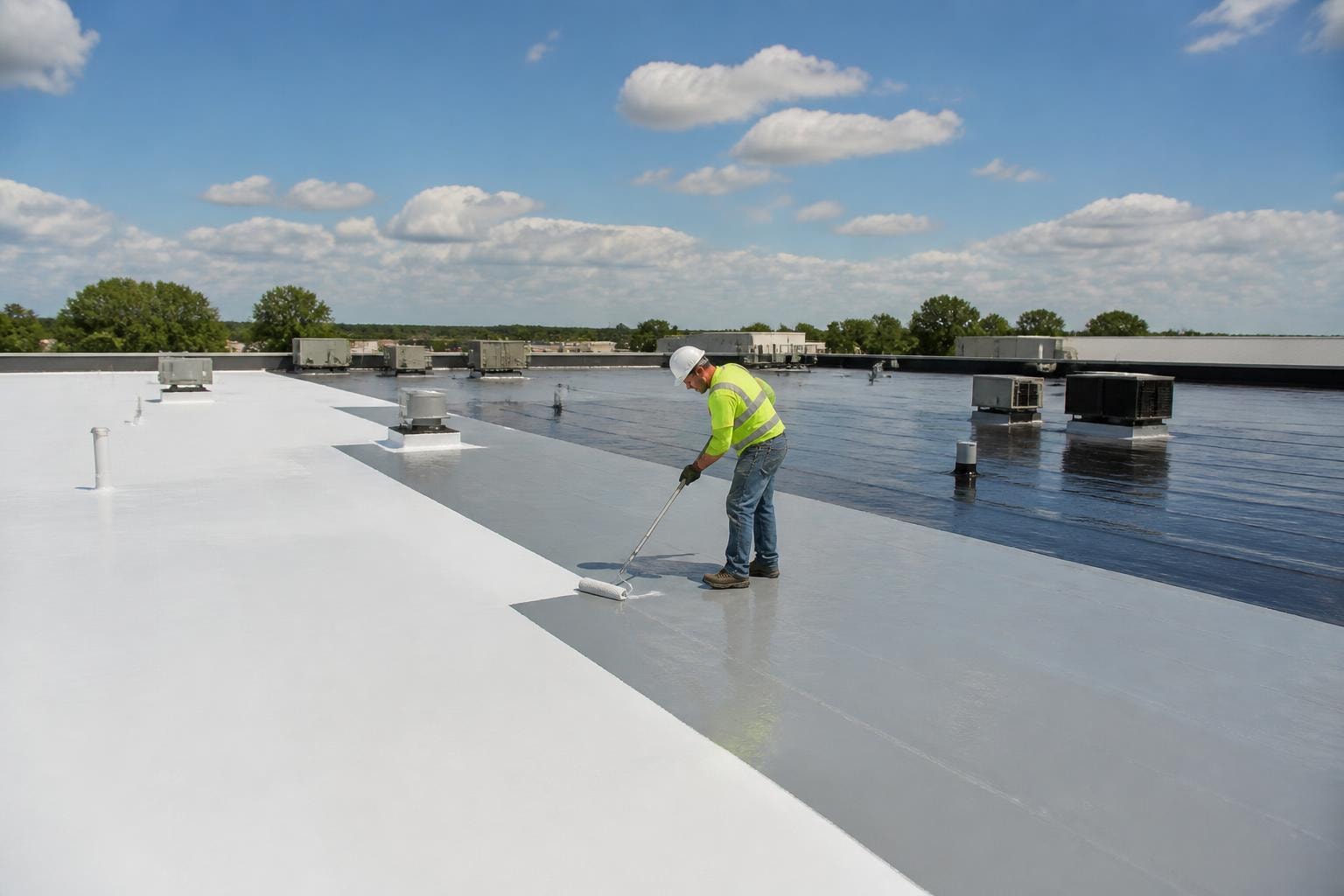
Industrial Roof Coatings: Complete Guide for Facilities
Industrial facilities face unique roofing challenges that demand specialized protection solutions. Industrial roof coatings have emerged as a critical component in maintaining, protecting, and extending the service life of commercial roofing systems across warehouses, manufacturing plants, distribution centers, and processing facilities. These specialized protective layers deliver cost-effective performance, energy efficiency, and long-term asset protection when properly selected and applied. Understanding the technology, application methods, and performance characteristics of these systems enables facility managers to make informed decisions that optimize both initial investment and lifetime value.
Understanding Industrial Roof Coating Technology
Industrial roof coatings represent advanced protective systems engineered to withstand harsh environmental conditions while delivering measurable performance benefits. These specialized formulations create seamless, monolithic barriers that protect underlying roof substrates from water intrusion, UV degradation, thermal cycling, and chemical exposure.
The Roof Coatings Manufacturers Association provides comprehensive information about how these systems function as renewable protection layers. Unlike traditional roofing materials that require complete replacement at end-of-life, properly maintained coating systems can be recoated multiple times, extending roof service life by decades.
Chemical Composition and Performance Properties
Different coating chemistries deliver distinct performance characteristics suited to specific industrial applications.
Acrylic elastomeric coatings offer excellent reflectivity, flexibility, and UV resistance. These water-based systems cure through evaporation and provide outstanding resistance to dirt accumulation and thermal cycling. Their high solar reflectance values make them particularly effective in southern climates where cooling load reduction drives significant energy savings.
Silicone coatings deliver superior weathering resistance and maintain flexibility across extreme temperature ranges. These systems resist ponding water better than other coating types and demonstrate exceptional long-term color retention. Their hydrophobic properties prevent moisture absorption, making them ideal for facilities with flat or low-slope roof sections where water accumulation presents ongoing challenges.
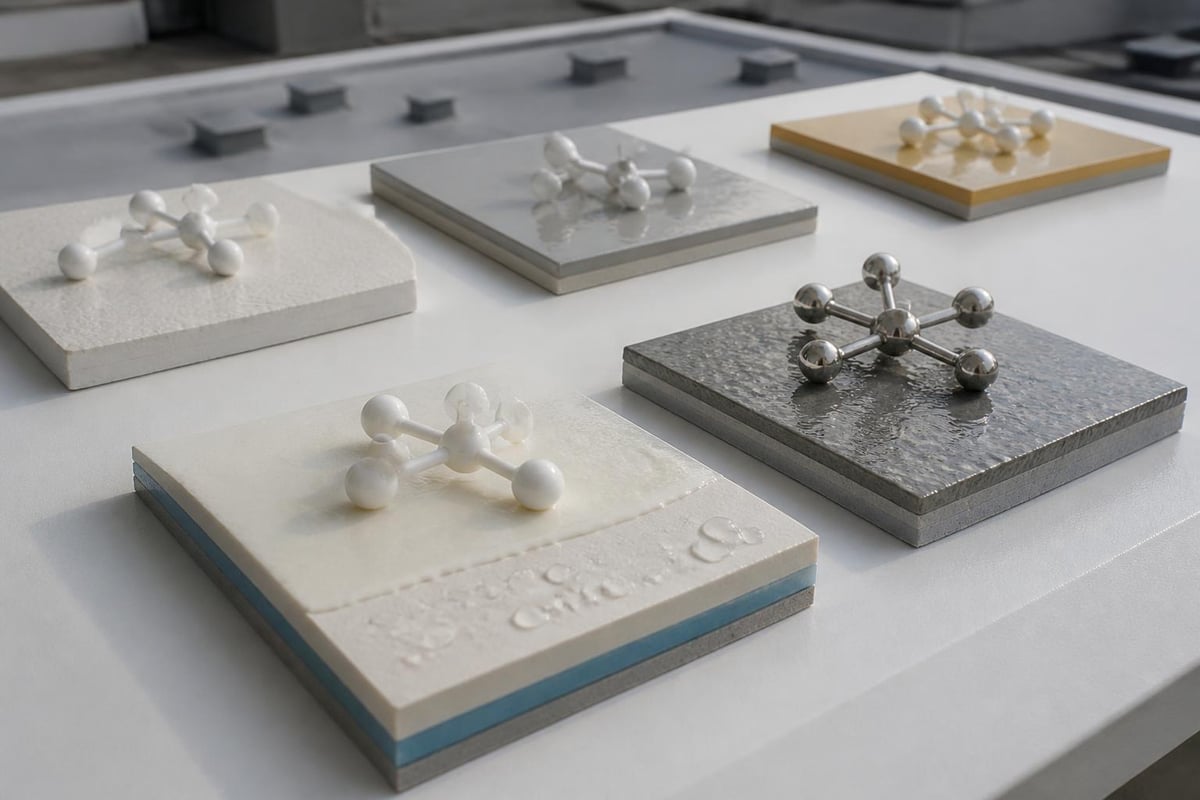
Polyurethane formulations provide exceptional abrasion resistance and impact protection. These two-component systems create dense, durable barriers suitable for high-traffic roof areas or facilities where airborne particulates cause accelerated surface degradation. Their superior adhesion properties make them effective on challenging substrates including aged modified bitumen and certain metal roof systems.
Aluminum-pigmented coatings combine reflective pigments with asphalt or acrylic binders to deliver both UV protection and thermal performance. Aluminum roof coatings reflect solar radiation while the metallic flakes create overlapping barriers that resist moisture penetration and chemical exposure.
| Coating Type | Primary Benefit | Best Application | Expected Service Life |
|---|---|---|---|
| Acrylic Elastomeric | Reflectivity & Flexibility | Sloped Metal Roofs | 10-15 years |
| Silicone | Ponding Water Resistance | Low-Slope Commercial | 15-20 years |
| Polyurethane | Impact & Abrasion Resistance | High-Traffic Areas | 12-18 years |
| Aluminum Asphalt | UV & Chemical Protection | Modified Bitumen | 8-12 years |
Application Methods and Surface Preparation Requirements
Successful industrial roof coating performance depends fundamentally on proper surface preparation and application technique. Inadequate preparation represents the primary cause of premature coating failure across industrial installations.
Critical Pre-Application Steps
Surface cleanliness determines coating adhesion and long-term performance. Industrial facilities must address contamination from airborne pollutants, manufacturing byproducts, biological growth, and accumulated debris before coating application begins.
Power washing removes loose material and surface contaminants, but facilities must allow adequate drying time before coating application. Moisture trapped beneath coating layers leads to blistering, delamination, and accelerated system failure. Most coating manufacturers specify maximum substrate moisture levels measured using calibrated moisture meters.
Substrate repairs address structural deficiencies that coating systems cannot bridge. Facilities should complete all necessary repairs to fasteners, seams, penetrations, and damaged areas before coating work begins. Industrial roofing contractors often coordinate these repairs as part of comprehensive commercial roofing systems restoration projects.
Primer application enhances adhesion on challenging substrates including aged coatings, weathered metals, and porous concrete. Primer selection must match both the substrate type and topcoat chemistry to ensure proper inter-coat adhesion. Some modern coating systems feature self-priming formulations that eliminate separate primer application on specific substrates.
Professional Application Techniques
Industrial roof coatings require precise application to achieve specified dry film thickness and uniform coverage. Application methods vary based on coating viscosity, substrate condition, and project scale.
- Spray application delivers rapid coverage across large industrial roof areas with consistent mil thickness when performed by experienced crews
- Roller application provides superior material transfer on textured surfaces and ensures proper saturation of granulated cap sheets
- Brush application addresses detail areas, penetrations, and transitions where precision matters more than speed
- Multiple coat systems build specified dry film thickness through sequential applications rather than single heavy coats
The ASTM standards for roof coating application establish industry benchmarks for proper installation procedures. These guidelines address environmental conditions, application rates, and inter-coat timing requirements that significantly impact final system performance.
Energy Efficiency and Sustainability Benefits
Industrial roof coatings deliver measurable energy savings through solar reflectance and thermal emittance properties. These performance characteristics reduce heat gain through roof assemblies, lowering cooling loads and extending HVAC equipment service life.
Quantifiable Performance Metrics
Cool roof technology relies on two key measurements. Solar reflectance indicates the percentage of solar energy reflected away from the roof surface rather than absorbed as heat. Thermal emittance measures how efficiently the roof surface releases absorbed heat back to the atmosphere.
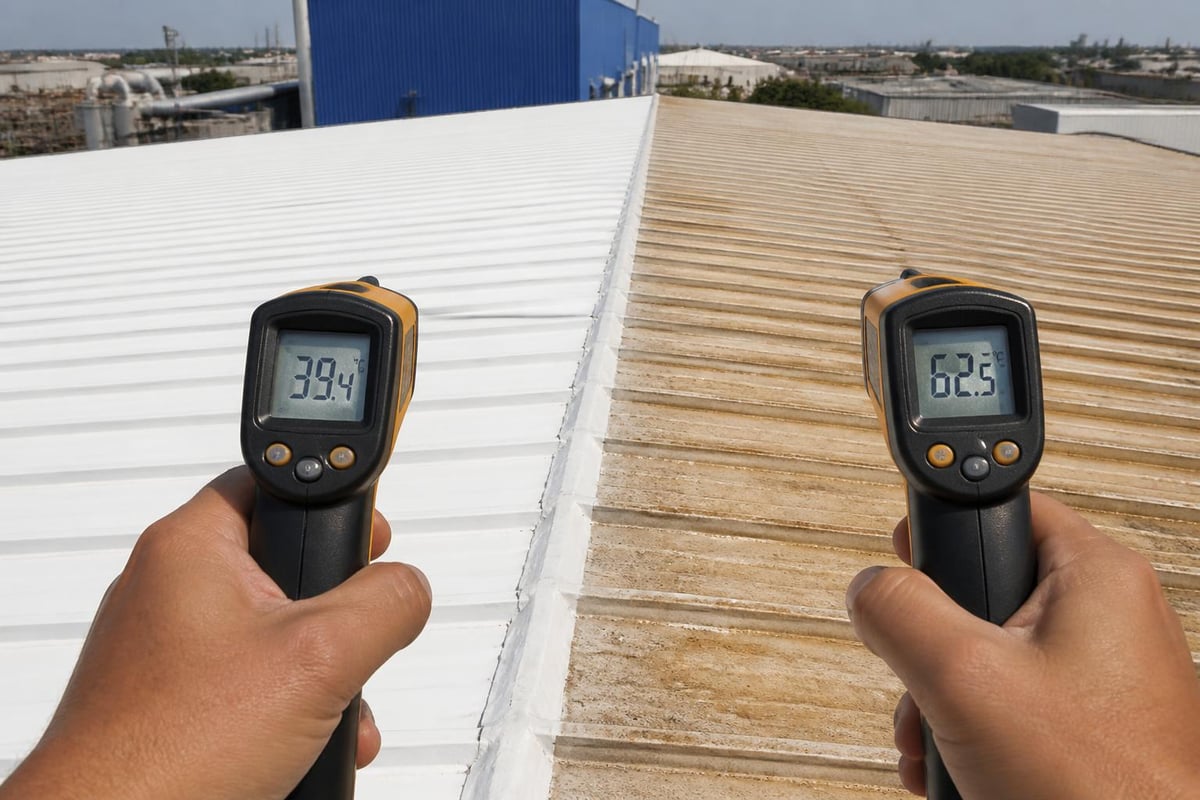
High-performance reflective coatings achieve solar reflectance values exceeding 0.85 and thermal emittance above 0.90. These properties translate directly into reduced roof surface temperatures, often lowering peak temperatures by 50-80 degrees Fahrenheit compared to uncoated dark surfaces.
Energy modeling studies demonstrate that reflective roof coatings can reduce annual cooling costs by 10-30 percent depending on climate zone, facility operation patterns, and existing insulation levels. These savings accumulate year after year, often providing payback periods of three to five years even before considering extended roof service life.
Environmental Impact Reduction
Beyond direct energy savings, industrial roof coatings contribute to broader sustainability objectives. Restoration coating systems extend existing roof service life, diverting millions of tons of roofing waste from landfills annually. This approach embodies circular economy principles by maximizing asset utilization rather than premature replacement.
Many coating formulations now feature low volatile organic compound (VOC) content, reducing air quality impacts during application. Water-based acrylic and silicone systems emit minimal odor and allow facility operations to continue during coating installation, minimizing business disruption.
Selection Criteria for Industrial Applications
Choosing appropriate coating systems requires evaluating multiple factors including substrate type, facility operational requirements, environmental exposure, and budget constraints. No single coating type delivers optimal performance across all industrial applications.
Substrate Compatibility Assessment
Different roof substrates demand specific coating chemistries for proper adhesion and performance. Metal roof systems often perform best with high-solids acrylic or silicone coatings that accommodate thermal movement without cracking. Modified bitumen and built-up roofs typically require either asphaltic aluminum coatings or specially formulated acrylics designed for asphalt compatibility.
Single-ply membrane roofs present unique challenges. Some TPO and PVC formulations require specialized bonding primers, while EPDM substrates generally accept most coating types after proper cleaning and priming. Facilities managing industrial roofing across multiple buildings may require different coating systems tailored to each roof type.
Slope considerations influence coating selection. Low-slope and flat roof areas demand coatings with superior ponding water resistance, making silicone formulations particularly attractive. Steeper slopes allow broader coating options since water drains more effectively.
Environmental Exposure Analysis
Industrial facilities face varying environmental stressors based on geographic location and surrounding operations. Coastal facilities contend with salt spray and high humidity requiring coatings with exceptional corrosion resistance. Manufacturing plants with chemical emissions need systems resistant to specific airborne contaminants.
Temperature extremes affect coating performance and longevity. Northern facilities experience greater thermal cycling stress, favoring highly flexible elastomeric systems. Southern installations prioritize solar reflectance and UV stability to combat intense sun exposure.
| Environmental Factor | Recommended Coating Type | Key Performance Property |
|---|---|---|
| High Humidity/Moisture | Silicone | Hydrophobic Surface |
| Chemical Exposure | Polyurethane | Chemical Resistance |
| Extreme UV | Acrylic or Silicone | UV Stability |
| Thermal Cycling | Elastomeric Acrylic | Flexibility |
| Industrial Pollutants | Aluminum Asphalt | Barrier Protection |
Maintenance Requirements and Service Life Extension
Industrial roof coatings require ongoing maintenance to achieve their full service life potential. Regular inspection and minor repairs prevent small issues from escalating into major system failures.
Routine Inspection Protocols
Facility managers should implement quarterly roof inspections focusing on coating condition, drainage performance, and early signs of distress. These inspections identify areas requiring attention before water intrusion damages building interiors or inventory.
Visual assessment checks for coating chalking, cracking, blistering, or delamination. Minor defects caught early often require only localized repairs rather than complete recoating. Drainage areas deserve particular attention since standing water accelerates coating degradation even in formulations designed for ponding water resistance.
Documentation of coating condition over time establishes baseline performance data and supports warranty claims if premature failure occurs. Photographic records captured during routine inspections provide valuable evidence of proper maintenance when making warranty or insurance claims related to roof repair insurance coverage.
Proactive Maintenance Strategies
Simple maintenance activities significantly extend coating service life. Removing debris prevents moisture accumulation and biological growth that degrades coating surfaces. Trimming overhanging trees eliminates leaf accumulation and reduces physical damage from falling branches during storms.
Recoating schedules should align with manufacturer recommendations and observed coating condition. Most industrial roof coatings benefit from maintenance recoats every 8-12 years, well before complete system failure occurs. These maintenance coats cost substantially less than full restoration projects while adding another decade of service life.
Facilities should maintain detailed records including original coating specifications, application dates, maintenance activities, and repair history. This documentation proves invaluable when planning future work or evaluating proposals from roofing contractors.
Cost Analysis and Return on Investment
Industrial roof coatings deliver compelling financial returns when evaluated across complete lifecycle costs rather than initial investment alone. Understanding both direct and indirect cost factors enables accurate financial modeling.
Initial Investment Components
Coating project costs include material expenses, surface preparation, application labor, and project management. Material costs vary significantly based on coating type, specified dry film thickness, and required coverage rates. Premium silicone systems typically cost more per gallon than standard acrylics but often require fewer coats to achieve specified performance.
Surface preparation frequently represents 30-40 percent of total project costs on industrial facilities. Extensive repairs or contamination removal drive costs higher, while well-maintained roofs in good condition minimize preparation requirements. Facilities that defer routine maintenance often face higher restoration costs when coating projects finally proceed.
Application labor costs depend on roof accessibility, complexity, and required safety equipment. Large, unobstructed warehouse roofs allow efficient spray application at lower per-square-foot labor rates. Complex facilities with numerous penetrations, skylights, and roof-mounted equipment require more labor-intensive detail work.
Long-Term Value Proposition
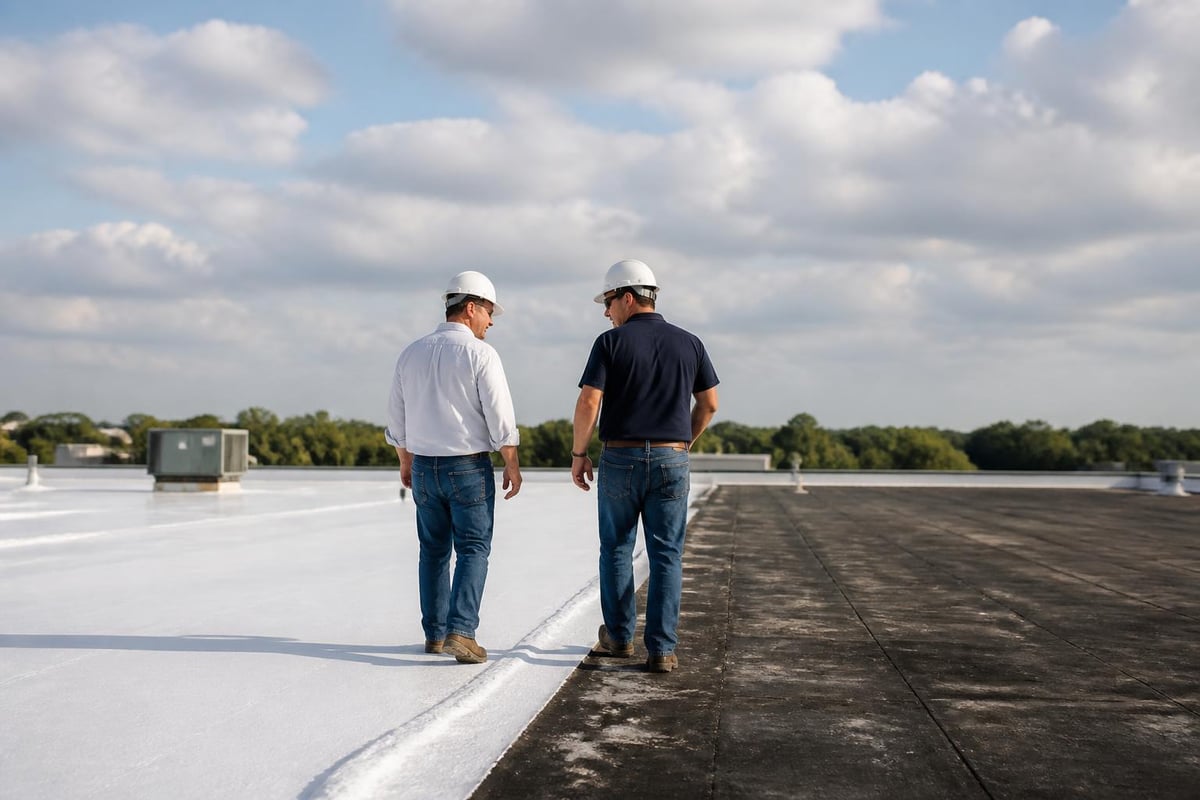
Industrial roof coatings typically cost 25-40 percent of comparable tear-off and replacement projects. This dramatic cost difference provides immediate financial benefit, but long-term value extends well beyond initial savings.
Extended roof service life defers major capital expenditures, preserving cash flow for other business priorities. Coating systems properly maintained through periodic recoating can extend total roof service life by 20-30 years beyond original design life.
Energy savings accumulate throughout coating service life, reducing operating expenses every month. For large industrial facilities with substantial cooling loads, annual energy savings can reach tens of thousands of dollars. These ongoing savings continue even after coating projects achieve payback, contributing to long-term profitability.
Reduced business disruption represents another significant but often overlooked value component. Coating restoration allows facilities to maintain normal operations during roof work, avoiding costly production shutdowns required for complete roof replacement. The comprehensive roofing services approach coordinates coating projects around operational schedules to minimize impact.
Performance Testing and Quality Verification
Ensuring coating system performance requires rigorous testing protocols during both product selection and post-application verification. Industry standards provide frameworks for evaluating coating quality and confirming proper installation.
Pre-Selection Product Testing
Facility managers should request independent test data confirming coating performance claims. Key properties including tensile strength, elongation, tear resistance, and accelerated weathering performance should meet or exceed published ASTM testing standards for industrial protective coatings.
Third-party certification from organizations like CRRC (Cool Roof Rating Council) provides verified performance data for solar reflectance and thermal emittance. These independent ratings enable accurate comparison between competing products and support energy modeling calculations.
Warranty terms vary significantly between coating manufacturers and application contractors. Strong warranties covering both material defects and installation workmanship provide additional confidence in system performance. Facility managers should carefully review warranty exclusions, maintenance requirements, and claim procedures before final product selection.
Post-Application Quality Control
Verifying proper coating installation protects facility investments and ensures expected performance. Dry film thickness measurements using calibrated gauges confirm that applied coating meets specified mil thickness across all roof areas.
Adhesion testing through pull-off tests or cross-hatch methods validates proper surface preparation and coating adhesion to substrate. These destructive tests performed in representative locations provide objective evidence of installation quality.
Documentation requirements should include application records noting weather conditions, batch numbers, coverage rates, and dry film thickness measurements. This documentation supports warranty claims and helps facility managers track coating performance over time. Detailed project records also prove valuable when reviewing proposals from contractors for future maintenance work.
Common Application Challenges and Solutions
Industrial roof coating projects encounter predictable challenges that experienced contractors anticipate and address through proper planning and execution. Understanding these common issues helps facility managers set realistic expectations and evaluate contractor capabilities.
Weather-Related Installation Constraints
Coating application requires specific environmental conditions for proper curing and performance. Most systems prohibit application when substrate temperatures fall below 50°F or when rain threatens within specified timeframes. High humidity can extend drying times and compromise film formation.
Project scheduling must account for seasonal weather patterns and facility operational calendars. Spring and fall typically provide optimal application conditions in most regions, balancing temperature requirements against precipitation risks. Summer heat can cause coating to cure too rapidly, creating application difficulties, while winter cold prevents proper curing altogether.
Contingency planning addresses weather delays that extend project timelines. Facilities should discuss weather-related schedule extensions during contract negotiations and establish clear protocols for protecting partially completed work if conditions deteriorate unexpectedly.
Complex Roof Details and Penetrations
Industrial facilities feature numerous roof penetrations, expansion joints, and detail areas requiring specialized attention. These critical areas represent the highest risk for future leaks if not properly addressed during coating application.
- Detail coating at penetrations requires reinforcing fabric embedded in thick base coats before topcoat application
- Expansion joints need compatible flexible sealants rather than rigid coating materials that crack under movement
- Equipment curbs and parapet walls demand multi-coat systems with proper flashing integration
- Drainage areas benefit from extra coating thickness to combat accelerated wear from water flow
Experienced industrial roofing contractors develop systematic approaches to these challenges, ensuring consistent quality across all roof areas. Their expertise proves particularly valuable on complex facilities where detail work represents a substantial portion of total project scope.
Operational Coordination Requirements
Unlike residential projects, industrial coating applications must coordinate with ongoing facility operations. Manufacturing schedules, shipping requirements, and safety protocols create additional project complexity beyond basic technical installation.
Access restrictions limit when and where coating crews can work. Some facilities permit roof access only during specific hours or require escorts for all contractor personnel. These constraints affect project duration and labor efficiency.
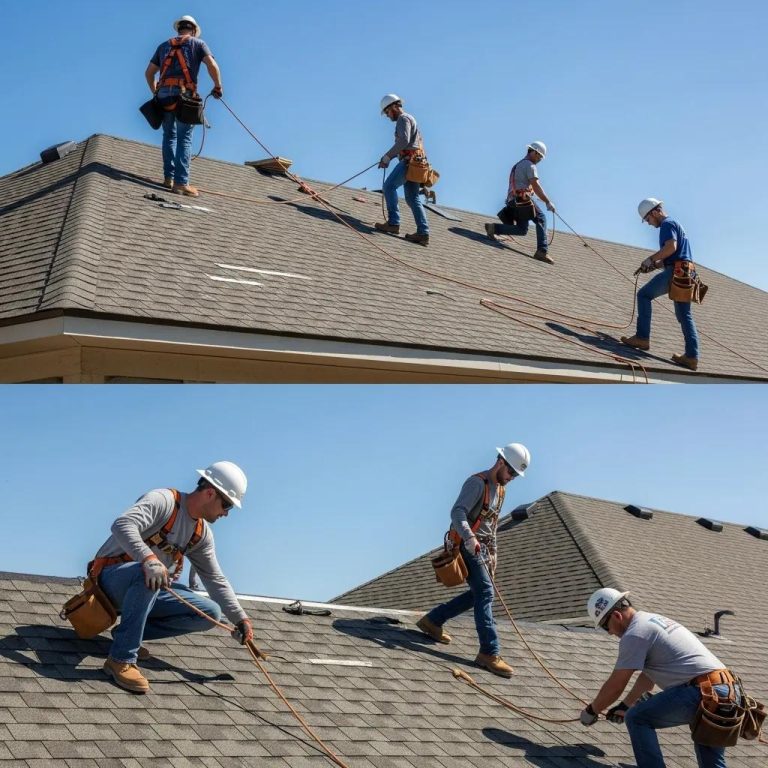
Safety coordination ensures coating work doesn't create hazards for facility personnel or visiting contractors. Hot work permits, fall protection systems, and material storage areas require advance planning and clear communication between facility management and coating contractors.
Industrial roof coatings represent proven technology for extending roof service life, improving energy efficiency, and reducing total ownership costs across warehouse, manufacturing, and distribution facilities. Selecting appropriate coating systems based on substrate compatibility, environmental exposure, and operational requirements ensures optimal performance and return on investment. When your Fort Worth facility needs expert coating evaluation, restoration work, or comprehensive roof protection, Texcore Construction delivers professional assessment, transparent recommendations, and quality installation backed by in-house crews and a five-year labor warranty.