What to Do Immediately After a Storm: Emergency Roof Protection Steps
How to Protect Your Roof Immediately After a Storm
After a storm, homeowners often face the daunting task of assessing and protecting their roofs from further damage. Immediate action is crucial to prevent leaks and structural issues that can arise from storm damage. This article provides essential steps to take right after a storm, focusing on safety, temporary repairs, documentation for insurance claims, and hiring professional help. By following these guidelines, homeowners can effectively mitigate damage and ensure their homes remain safe and secure. We will explore safety priorities, temporary repair methods, documentation practices, insurance claim processes, contractor selection, and preventative maintenance strategies.
How Can You Prioritize Safety Immediately After Storm Roof Damage?
Prioritizing safety is the first step after experiencing roof damage from a storm. Homeowners should assess their surroundings and ensure that they are not in immediate danger from falling debris or electrical hazards. Understanding how to conduct a safe inspection is vital to avoid injuries while evaluating the extent of the damage.
What Are the Key Ground-Level Inspection Techniques to Assess Roof Damage Safely?
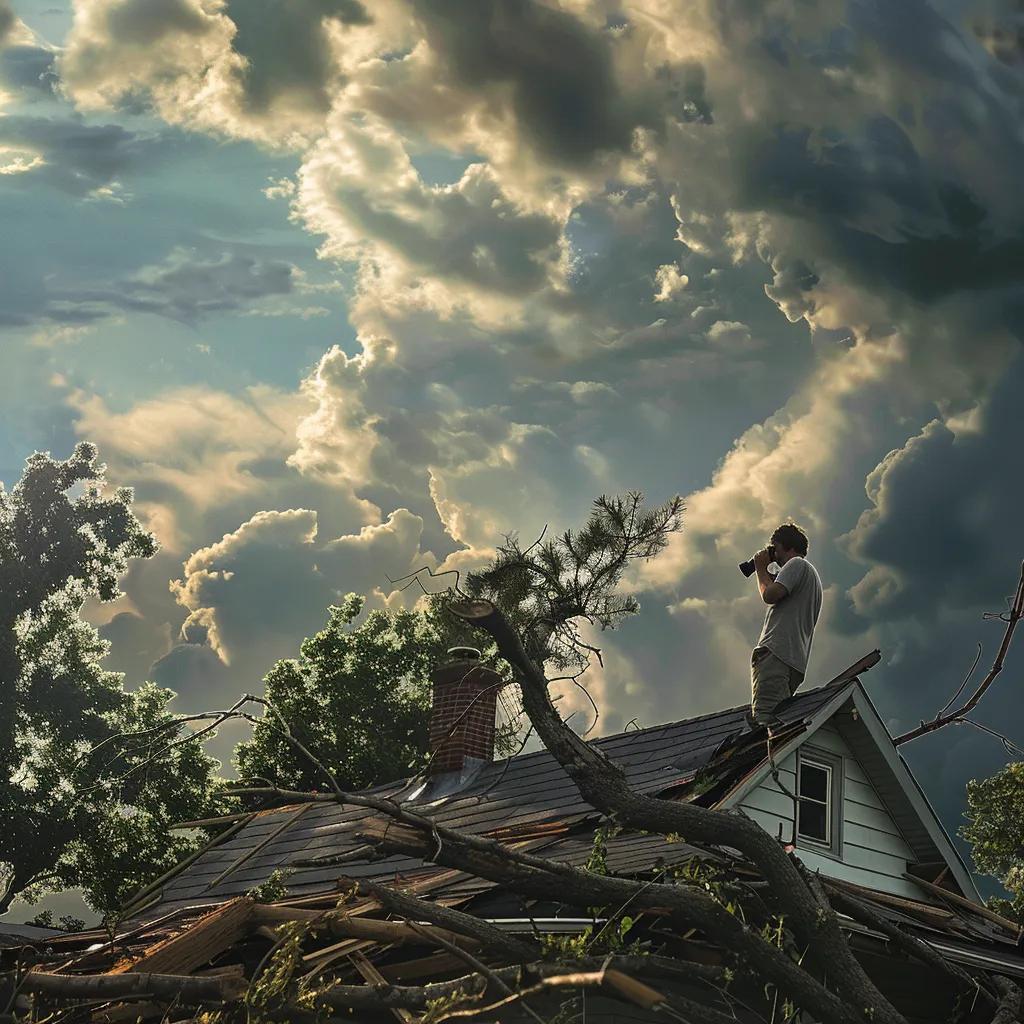
- Use Binoculars: Inspect the roof from a distance using binoculars to identify visible signs of damage, such as missing shingles, lifted shingles, or sagging areas.
- Look for Debris: Check the ground around the house for fallen branches or debris that may indicate roof damage.
- Observe Water Accumulation: Look for areas where water may be pooling, as this can signal potential leaks or drainage issues.
These techniques help homeowners safely assess their roofs without climbing onto the structure, reducing the risk of accidents.
How Do You Identify Electrical Hazards and Structural Instability After a Storm?
- Check for Downed Power Lines: Stay clear of any downed power lines, as they pose a significant risk of electrocution.
- Inspect for Sagging Ceilings or Walls: Look for signs of sagging or bulging ceilings or walls, which may indicate structural damage that requires immediate attention.
- Avoid Entering Severely Damaged Structures: If the roof or structure appears severely damaged, do not enter the home until it has been assessed by a professional.
By recognizing these hazards, homeowners can protect themselves and their families from potential dangers.
What Are the Best Temporary Roof Repair Methods to Prevent Further Damage?
Temporary roof repairs are essential to prevent further damage until permanent solutions can be implemented. Homeowners can utilize several effective methods to secure their roofs after a storm.
How to Properly Tarp a Damaged Roof: Step-by-Step Guide

- Gather Materials: Obtain a heavy-duty tarp, ropes or bungee cords, and a ladder. Ensure the tarp is large enough to cover the damaged area.
- Secure the Tarp: Place the tarp over the damaged section of the roof, extending it at least two to three feet beyond the damage on all sides.
- Anchor the Tarp: Use ropes, bungee cords, or roofing nails with wooden battens to secure the tarp to the roof, ensuring it is tight and will not blow away in the wind.
- Check for Safety: Always prioritize safety when using a ladder and working on the roof. If unsure, consider hiring a professional.
This method provides a temporary barrier against rain and wind, helping to minimize further damage.
What Are Effective DIY Sealing Techniques for Minor Roof Leaks After a Storm?
- Use Roofing Cement or Sealant: Apply roofing cement or a high-quality roof sealant to small cracks or holes to create a waterproof seal.
- Sealant Around Flashing: Ensure that flashing around chimneys, vents, and skylights is properly sealed to prevent leaks.
- Temporary Patching: Use plastic sheeting or heavy-duty duct tape as a temporary patch for small leaks until a permanent repair can be made.
These techniques can help manage minor leaks effectively while waiting for professional repairs.
How Should You Document Roof Damage to Support Your Insurance Claim?
Documenting roof damage is crucial for supporting insurance claims. Proper documentation can expedite the claims process and ensure homeowners receive the compensation they deserve.
What Are the Best Practices for Photographing and Video Recording Roof Damage?

- Use Natural Light: Take photographs during the day to ensure clear visibility of the damage.
- Capture Wide and Close-Up Shots: Include both wide-angle shots of the entire roof and close-ups of specific damage areas.
- Record Video Walkthroughs: Create a video walkthrough of the damage to provide a comprehensive view for the insurance adjuster.
These practices help create a thorough record of the damage, which is essential for the claims process.
Why Is Keeping Damaged Materials Important for Insurance Claims?
- Proof of Damage: Keeping damaged shingles or materials provides tangible evidence for adjusters.
- Avoiding Disputes: Having physical proof can help avoid disputes with insurers regarding the extent of the damage.
- Documenting Extent of Damage: Retaining materials allows for a more accurate assessment of the damage’s severity.
By following these practices, homeowners can strengthen their claims and ensure a smoother process.
When and How Should You File a Roof Insurance Claim After Storm Damage?
Filing an insurance claim promptly after storm damage is essential for recovery. Homeowners should understand the steps involved in this process.
What Steps Should You Follow to Review Your Policy and Contact Your Insurer?
- Review Coverage Limits and Exclusions: Understand what is covered under the policy, including any exclusions, and any deductibles that may apply.
- Identify Necessary Documentation: Gather all necessary documents, including photographs, videos, repair estimates, and any receipts for temporary repairs.
- Contact Your Insurer Promptly: Reach out to the insurance company as soon as possible to report the damage and initiate the claims process.
These steps ensure that homeowners are prepared when contacting their insurers.
How Do You Work Effectively with Insurance Adjusters During the Claim Process?
- Be Prepared with Documentation: Have all documentation ready to present to the adjuster during their visit.
- Ask Clarifying Questions: Don’t hesitate to ask questions if any part of the process is unclear.
- Follow Up on Claim Status: Keep in touch with the insurance company to stay updated on the claim’s progress.
By maintaining clear communication, homeowners can facilitate a smoother claims process.
How Do You Choose and Hire a Professional Roofing Contractor for Emergency Repairs?
Selecting a qualified roofing contractor is crucial for effective emergency repairs. Homeowners should take care to choose a reputable professional.
What Questions Should You Ask to Identify a Reputable Emergency Roofing Contractor?
- Inquire About Licensing and Insurance: Ensure the contractor is licensed according to local regulations and carries liability insurance and workers’ compensation.
- Ask for References and Past Work: Request references from previous clients to gauge their satisfaction and verify completed projects.
- Discuss Warranty Options: Understand what warranties are offered for both materials and labor.
These questions help ensure that homeowners select a qualified contractor for their repairs.
How Can You Avoid Storm Chasers and Unlicensed Roofers?
- Recognizing High-Pressure Sales Tactics: Be cautious of contractors who pressure you to sign contracts immediately or demand large upfront payments.
- Verifying Contractor Credentials: Check for proper licensing, insurance, and local business registration before hiring.
- Researching Online Reviews and Complaints: Look for reviews, ratings, and any complaints filed with the Better Business Bureau or local consumer protection agencies.
By being informed, homeowners can protect themselves from unqualified contractors.
What Preventative Roof Maintenance Steps Can Reduce Future Storm Damage?
Preventative maintenance is key to reducing the risk of storm damage in the future. Homeowners should adopt regular maintenance practices to protect their roofs.
How Often Should You Schedule Roof Inspections and Maintenance?
- Schedule Annual Professional Inspections: Have a licensed roofing professional inspect the roof at least once a year.
- Conduct Post-Storm Assessments: After any significant storm, assess the roof for damage, either personally using safe methods or by hiring a professional.
- Look for Signs of Immediate Inspection Needs: Be aware of signs like missing, cracked, or curled shingles, leaks, or water stains that require prompt attention.
These practices help ensure that roofs remain in good condition and can withstand future storms.
What Are the Benefits of Upgrading to Storm-Resistant Roofing Materials Like FORTIFIED Standards?
- Increased Durability Against Storms: Storm-resistant materials and construction methods, such as those meeting FORTIFIED standards, are designed to withstand high winds, hail, and heavy rain.
- Potential Insurance Discounts: Many insurers offer discounts or credits for homes with upgraded roofing systems that meet recognized storm-resistant standards.
- Long-Term Cost Savings on Repairs: Investing in quality materials and construction can reduce the frequency and cost of repairs over time.
By upgrading to storm-resistant materials and following FORTIFIED guidelines, homeowners can enhance their roof’s resilience and protect their investment.