Home Roof Restorations: A Complete Guide
Your roof protects everything beneath it, but years of weather exposure, thermal cycling, and environmental stress gradually diminish its performance. Home roof restorations offer property owners a strategic middle ground between ongoing repairs and complete replacement, extending roof life while addressing cumulative damage. Understanding when restoration makes financial sense, what the process involves, and how to evaluate quality work helps homeowners make informed decisions about one of their property's most critical protective systems.
What Home Roof Restorations Actually Involve
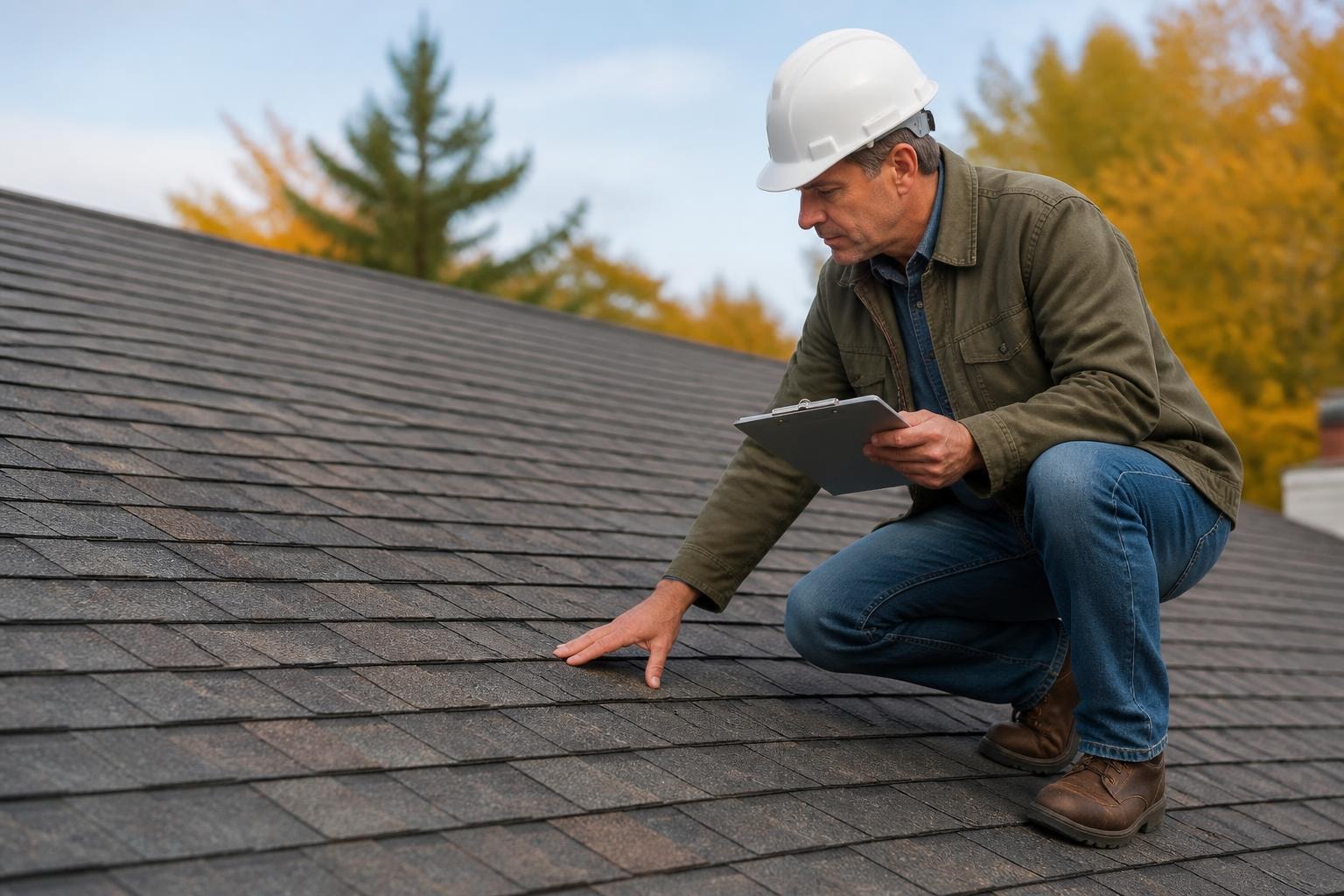
Home roof restorations represent comprehensive rehabilitation of existing roofing systems through systematic repair, cleaning, treatment, and protective coating application. Unlike isolated repairs that address single problems, restoration takes a holistic approach to roof health.
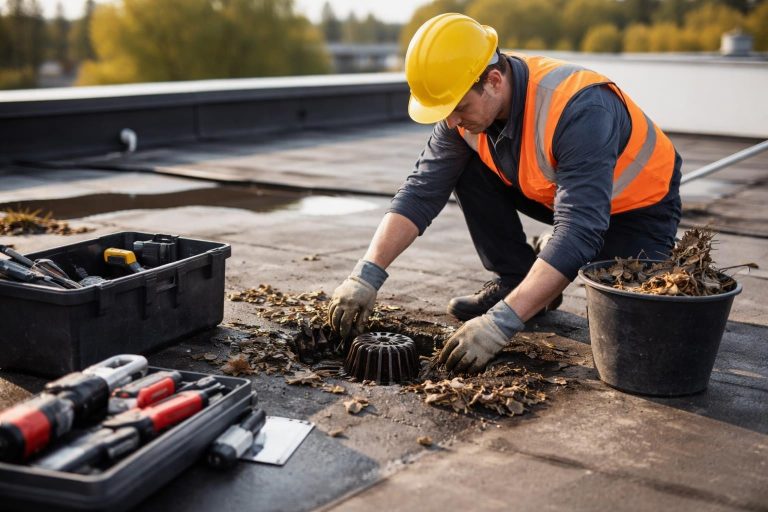
The restoration process addresses multiple deterioration factors simultaneously. Surface cleaning removes biological growth, debris accumulation, and pollutants that accelerate material breakdown. Structural repairs fix damaged decking, rafters, or trusses that compromise roof integrity. Component replacement tackles worn flashings, ridge caps, valleys, and transition areas where leaks typically originate.
The Multi-Stage Restoration Process
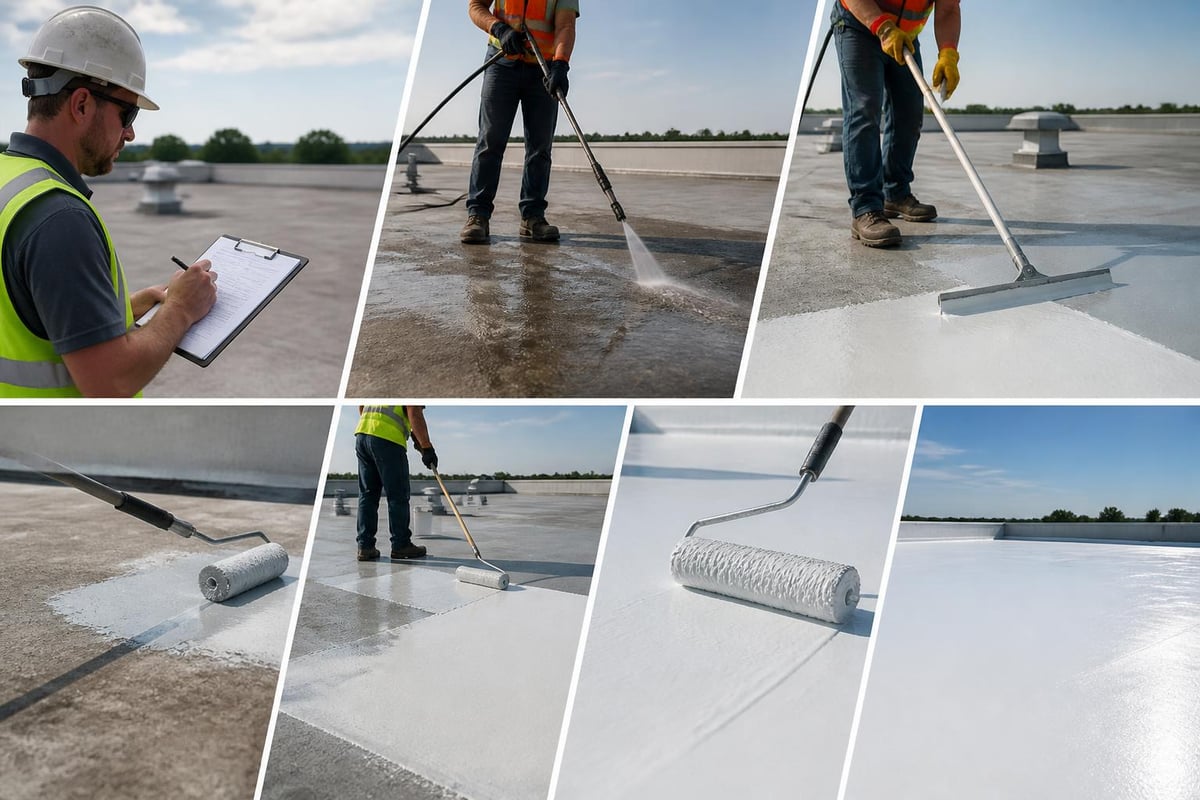
Professional home roof restorations follow a methodical sequence that builds on each completed phase:
- Comprehensive inspection and documentation of existing conditions, damage patterns, and structural concerns
- Cleaning and preparation to remove all debris, growth, and loose materials from the roof surface
- Structural repairs addressing decking damage, fastener pull-through, and substrate deterioration
- Component replacement of flashings, boots, caps, and transition pieces showing wear
- Surface treatment with primers, sealants, or base coats specific to roof material type
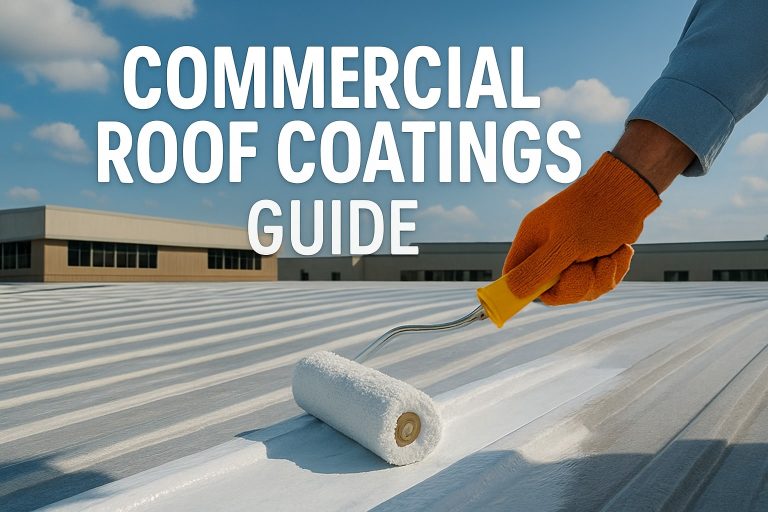
- Protective coating application in multiple layers for UV resistance and weatherproofing
- Final inspection and warranty documentation confirming work quality and coverage terms
Each stage requires specific expertise and appropriate materials. Rushing through preparation or skipping surface treatment compromises the entire restoration outcome, as premature roof restoration failures often stem from inadequate preparation rather than coating failure.
When Restoration Makes More Sense Than Replacement
Timing determines restoration success. Acting too early wastes resources on roofs with substantial remaining life, while waiting too long means addressing damage beyond restoration capabilities.
Several clear indicators suggest home roof restorations offer better value than replacement:
- Surface deterioration without structural compromise shows wear patterns limited to the outer protective layer
- Isolated leak sources stem from specific flashing failures or penetration issues rather than widespread material failure
- Recent installation within the last 10-15 years on quality materials means the substrate remains sound
- Budget constraints make restoration the only feasible option for maintaining protection
- Energy efficiency goals can be achieved through reflective coatings without full replacement
The cost differential matters significantly. According to comprehensive restoration guides, restoration typically costs 40-60% less than replacement while extending roof life by 10-15 years when properly executed.
| Factor | Restoration | Replacement |
|---|---|---|
| Cost Range | $3.50-$7.00 per sq ft | $8.00-$15.00 per sq ft |
| Time Required | 2-5 days | 5-10 days |
| Disruption Level | Minimal | Moderate to high |
| Life Extension | 10-15 years | 20-30 years |
| Structural Upgrade | Limited | Complete |
Fort Worth homeowners considering roof work should obtain professional roof inspections that clearly differentiate between damage requiring restoration versus issues necessitating replacement.
Signs Your Roof Needs Restoration Now
Specific visual and performance indicators signal restoration urgency. Granule loss on asphalt shingles exposes underlying materials to UV damage and accelerates deterioration. Minor curling or cupping at shingle edges indicates thermal stress but doesn't necessarily require replacement. Isolated leak patterns following storms suggest flashing or seal failures rather than systemic breakdown.
Understanding key signs that indicate restoration over replacement helps homeowners avoid unnecessary expenses while maintaining adequate protection.
Material-Specific Restoration Approaches
Different roofing materials require distinct restoration methodologies. Asphalt composition shingles respond well to cleaning, minor repairs, and protective sealant application when granule coverage remains adequate. Metal roofing benefits from rust treatment, fastener tightening, and specialized coating systems that bond to metal surfaces. Tile roofs need individual tile replacement, underlayment assessment, and mortar restoration at hips and ridges.
Asphalt Shingle Restoration Details
Composition shingles dominate residential applications throughout Fort Worth, making asphalt-specific restoration techniques particularly relevant for homeowners.
The restoration process for asphalt roofs begins with thorough cleaning using low-pressure washing and specialized cleaners that remove algae, moss, and lichen without damaging granules. Following cleaning, contractors assess each shingle for lifting, cracking, or excessive wear. Spot repairs address individual damaged shingles while maintaining aesthetic consistency across the roof plane.
Advanced elastomeric coatings designed specifically for asphalt shingles provide several benefits:
- Restore granule protection through thick, flexible coating films
- Reflect solar radiation to reduce cooling costs by 10-25%
- Seal minor cracks and prevent water infiltration at worn areas
- Extend service life by protecting the asphalt layer from UV breakdown
- Improve wind resistance by increasing inter-shingle bonding
Application requires specific weather conditions. Temperatures between 50-90°F with low humidity allow proper coating cure without premature drying or delayed set times.
Critical Mistakes That Compromise Restoration Quality
Poor contractor selection represents the most common restoration failure point. Homeowners who hire based solely on price often receive inadequate preparation, thin coating application, or improper material selection for their specific roof type.
Common roof restoration mistakes include skipping thorough diagnostics before starting work, which leads to addressing symptoms rather than underlying problems. Inadequate surface preparation prevents coatings from bonding properly, resulting in premature peeling or delamination. Wrong product selection occurs when contractors apply coatings incompatible with existing roof materials or local climate conditions.
Quality Control Measures
Homeowners should verify specific quality indicators throughout the restoration process:
| Checkpoint | Quality Indicator | Red Flag |
|---|---|---|
| Initial Inspection | Detailed written report with photos | Verbal-only assessment |
| Cleaning | Multiple rinse cycles, visible difference | Quick spray-down only |
| Repairs | Like-material replacement, proper fastening | Mixed materials, exposed nails |
| Coating Application | Multiple passes, specified mil thickness | Single thin coat |
| Documentation | Photos of each stage, material receipts | No process documentation |
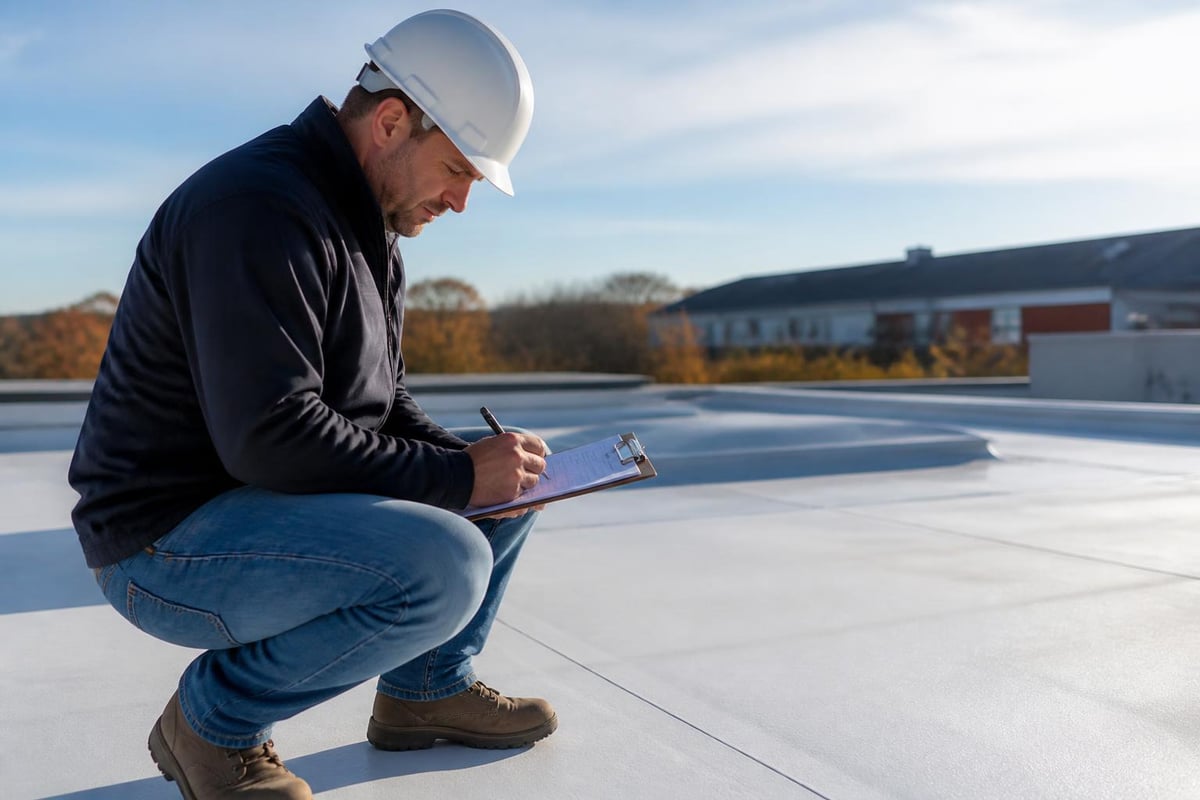
Reputable contractors provide comprehensive documentation at each stage. Insurance claim support specialists understand documentation requirements and maintain detailed records that satisfy warranty conditions and potential future insurance needs.
Cost Factors and Budget Planning
Material quality drives significant cost variation in home roof restorations. Entry-level acrylic coatings cost $0.50-$1.00 per square foot for materials alone, while premium silicone or polyurea systems run $2.00-$4.00 per square foot. Labor costs add another $2.00-$5.00 per square foot depending on roof complexity, accessibility, and local market rates.
Several factors increase restoration costs beyond baseline estimates:
- Steep pitch roofs require additional safety equipment and slower work pace
- Multiple penetrations from vents, chimneys, and skylights increase flashing work
- Extensive repairs to damaged decking or structural members add material and labor costs
- Access challenges on multi-story homes or properties with limited staging areas
- Premium coatings with enhanced warranties or performance specifications
Fort Worth homeowners should budget $4,500-$12,000 for typical single-family home roof restorations, with variations based on roof size, material type, and damage extent. Detailed restoration guides for homeowners provide cost breakdowns by roof type and regional considerations.
Financing and Insurance Coverage
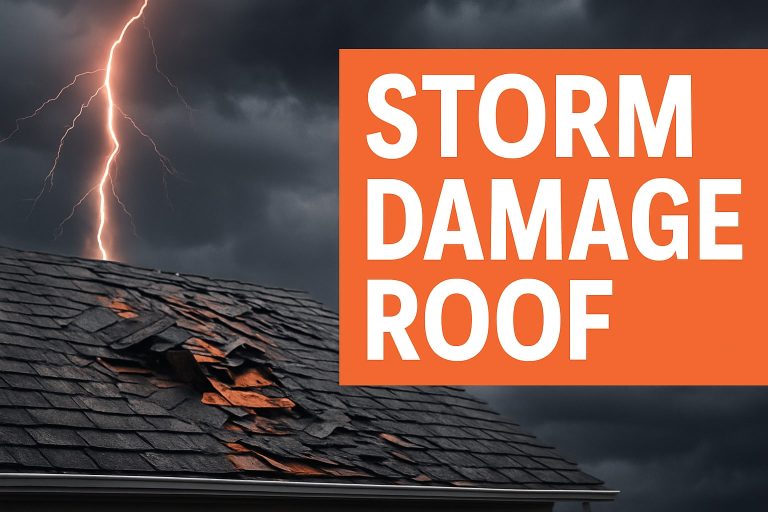
Many home roof restorations qualify for insurance coverage when storm damage or specific events trigger the need. Hail damage, wind-blown debris impact, and sudden weather events typically fall within policy coverage, while general wear from aging may not.
Homeowners should document existing conditions before storms strike. Pre-storm photos and inspection reports establish baseline conditions that help differentiate between covered damage and pre-existing wear. When working with insurance adjusters, detailed damage documentation and professional assessments strengthen claim validity and supporting your insurance claim with thorough documentation.
Long-Term Performance and Maintenance
Post-restoration maintenance determines how long benefits last. Even the highest-quality restoration requires ongoing attention to achieve projected lifespan extensions.
Essential maintenance activities include:
- Quarterly visual inspections from ground level to spot obvious issues early
- Annual professional inspections that check coating integrity, flashing condition, and penetration seals
- Prompt debris removal after storms to prevent accumulation and moisture retention
- Immediate leak response to address problems before water causes structural damage
- Recoating every 7-10 years to maintain protective barriers and extend restoration benefits
According to roof restoration maintenance experts, simple maintenance routines can double the effective lifespan gained from professional restoration work.
Performance Monitoring
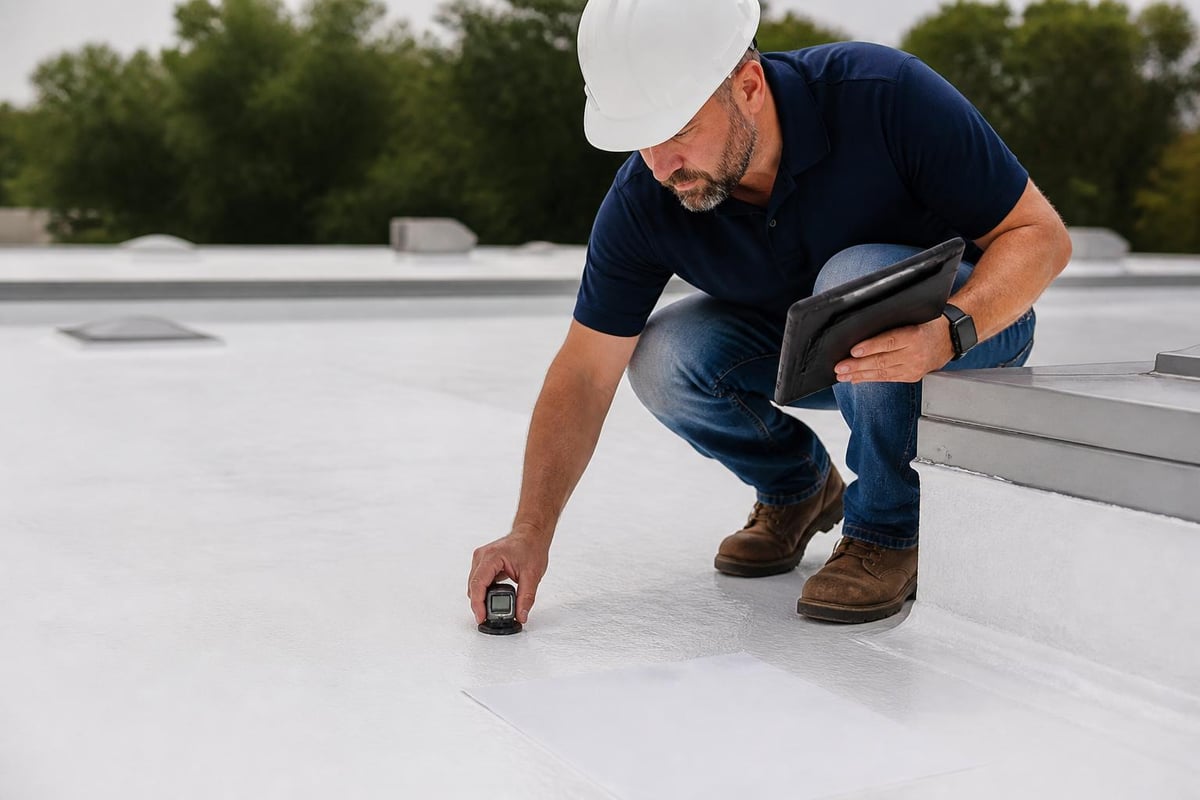
Homeowners should track specific performance indicators that reveal restoration effectiveness. Interior ceiling appearance shows whether leaks have stopped or moisture infiltration continues. Energy bill trends indicate whether reflective coatings deliver promised cooling cost reductions. Coating condition during annual inspections reveals whether protective layers maintain integrity or show premature degradation.
Establishing baseline measurements before restoration allows meaningful comparison. Photograph specific roof areas, document current cooling costs, and note any interior staining before work begins. Post-restoration comparison validates contractor claims and helps identify warranty-covered issues early.
Selecting Qualified Restoration Contractors
Contractor credentials separate professional restoration specialists from general repair companies dabbling in restoration work. Licensed, insured contractors protect homeowners from liability while demonstrating minimum competency standards. Specific restoration training and manufacturer certifications indicate expertise with coating systems and application techniques.
Homeowners should verify several contractor qualifications:
- Active state licensing for roofing contractors with verification through state databases
- Comprehensive insurance including general liability and workers' compensation coverage
- Manufacturer certifications for specific coating products being proposed
- References from recent projects involving similar roof types and restoration scopes
- Written warranties covering both materials and labor for specified periods
- Detailed proposals itemizing all work phases, materials, and associated costs
The proposal review process reveals contractor thoroughness. Ultimate guides to roof restoration emphasize that quality contractors provide comprehensive written scopes detailing every restoration phase, not just bottom-line pricing.
Red Flags During Contractor Selection
Certain contractor behaviors signal potential problems. Pressure tactics demanding immediate decisions or offering "today-only" pricing suggest questionable business practices. Cash-only payment requests eliminate paper trails and consumer protections. No physical business address makes pursuing warranty claims or resolving disputes difficult.
Unusually low bids often indicate substandard materials, inadequate preparation, or plans to add charges during work. When restoration quotes vary by more than 40-50% for similar scopes, the lowest bid probably omits critical elements that ensure long-term performance.
DIY Restoration Considerations
Homeowner restoration work remains possible for small, simple roofs with easy access and minimal complexity. DIY roof restoration tips outline appropriate projects for skilled homeowners versus work requiring professional expertise.
Suitable DIY restoration scenarios include:
- Single-story roofs with low pitch allowing safe access and movement
- Small surface areas under 1,500 square feet that can be completed in reasonable timeframes
- Minimal repairs needed with structural elements remaining sound
- Simple roof geometry without complex valleys, dormers, or multiple planes
DIY work saves labor costs but requires significant time investment and equipment purchases. Homeowners need appropriate safety gear, application tools, cleaning equipment, and repair materials. The learning curve for proper coating application means first attempts may not achieve professional-quality results.
When Professional Help Becomes Necessary
Safety concerns make professional contractors essential for steep-pitch roofs, multi-story homes, or properties with challenging access. Structural repairs involving decking replacement, rafter reinforcement, or truss work require carpentry skills and code knowledge beyond typical homeowner capabilities. Warranty requirements from coating manufacturers often mandate certified applicator installation for coverage validity.
Fort Worth homeowners tackling roof work themselves should recognize when projects exceed safe DIY limits. Professional contractors bring specialized equipment, trained crews, and liability coverage that protect both workers and property owners.
Regional Considerations for Fort Worth Homes
North Texas climate patterns create specific challenges for home roof restorations. Intense summer heat with temperatures exceeding 100°F for extended periods tests coating durability and accelerates UV degradation. Dramatic temperature swings between seasons cause thermal expansion and contraction that stresses roof materials and fasteners.
Fort Worth-specific factors affecting restoration planning include:
- Hail frequency requires impact-resistant materials and regular post-storm inspections
- Wind exposure in open areas demands secure fastening and proper edge detail attention
- High humidity periods during spring and fall promote biological growth requiring preventive treatment
- Clay soil movement causes foundation shifts that may affect roof structure alignment
Understanding complete restoration processes helps Fort Worth homeowners account for local conditions when planning projects and selecting materials.
Seasonal Timing Strategies
Spring and fall offer ideal restoration windows in Fort Worth. Moderate temperatures between 60-80°F allow proper coating cure without extreme heat or cold complications. Lower humidity during these seasons accelerates drying times and reduces moisture-related application issues.
Summer heat creates challenges despite longer daylight hours. Morning-only work schedules help contractors avoid peak afternoon temperatures that cause premature coating skinning or worker heat stress. Winter freezes occasionally prevent work entirely when temperatures drop below manufacturer-specified application minimums.
Home roof restorations deliver substantial value when properly timed, professionally executed, and followed by consistent maintenance. Understanding the complete process, realistic cost expectations, and quality indicators helps Fort Worth property owners make informed decisions that extend roof life while managing investment wisely. When your roof shows signs of wear but replacement seems premature, Texcore Construction provides detailed assessments, transparent recommendations, and expert craftsmanship backed by in-house crews and comprehensive warranties that ensure your restoration investment delivers lasting protection.