
Inspection for Roof: Essential Guide for Property Owners
A thorough inspection for roof systems represents one of the most critical preventive maintenance tasks a property owner can undertake. Whether managing a commercial building or maintaining a residential home, understanding what makes an effective roof inspection can save thousands of dollars in unexpected repair costs. Regular inspections identify minor issues before they escalate into major structural problems, extend the service life of your roofing system, and provide documentation essential for insurance claims and property transactions.
Understanding the Inspection for Roof Process
The inspection for roof systems follows a comprehensive methodology that examines both visible and hidden components. Professional inspectors evaluate everything from surface materials to underlying structural elements, creating a complete picture of your roof's current condition.
Key areas covered during a professional inspection include:
- Roofing material condition and remaining lifespan
- Flashing integrity around penetrations and transitions
- Drainage systems and water flow patterns
- Structural decking and support systems
- Ventilation adequacy and functionality
- Interior signs of water intrusion or damage
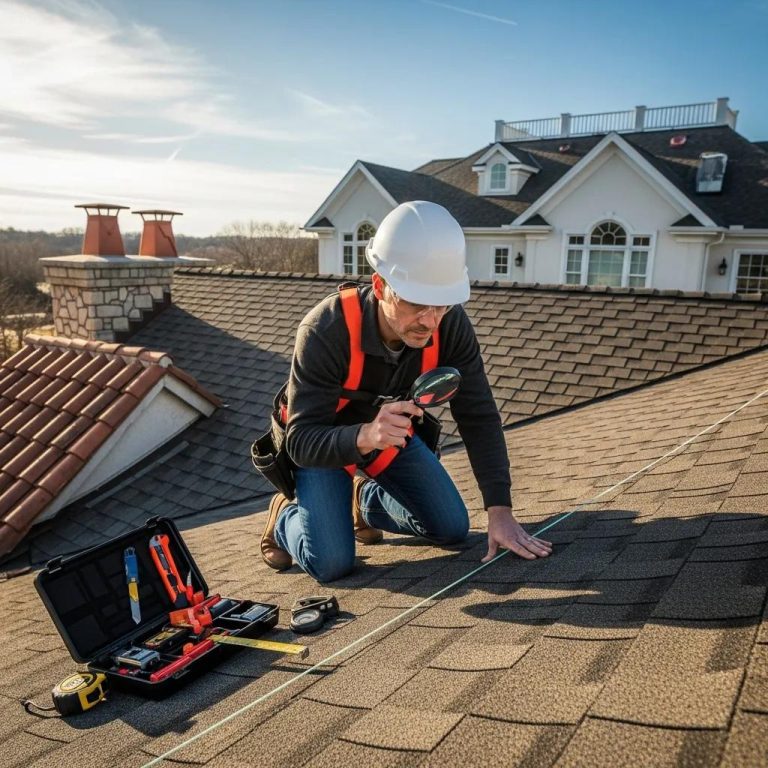
The inspection process typically begins with a visual assessment from ground level, followed by a detailed examination of the roof surface itself. Inspectors document findings through photographs, measurements, and detailed notes that create a permanent record of your roof's condition at a specific point in time.
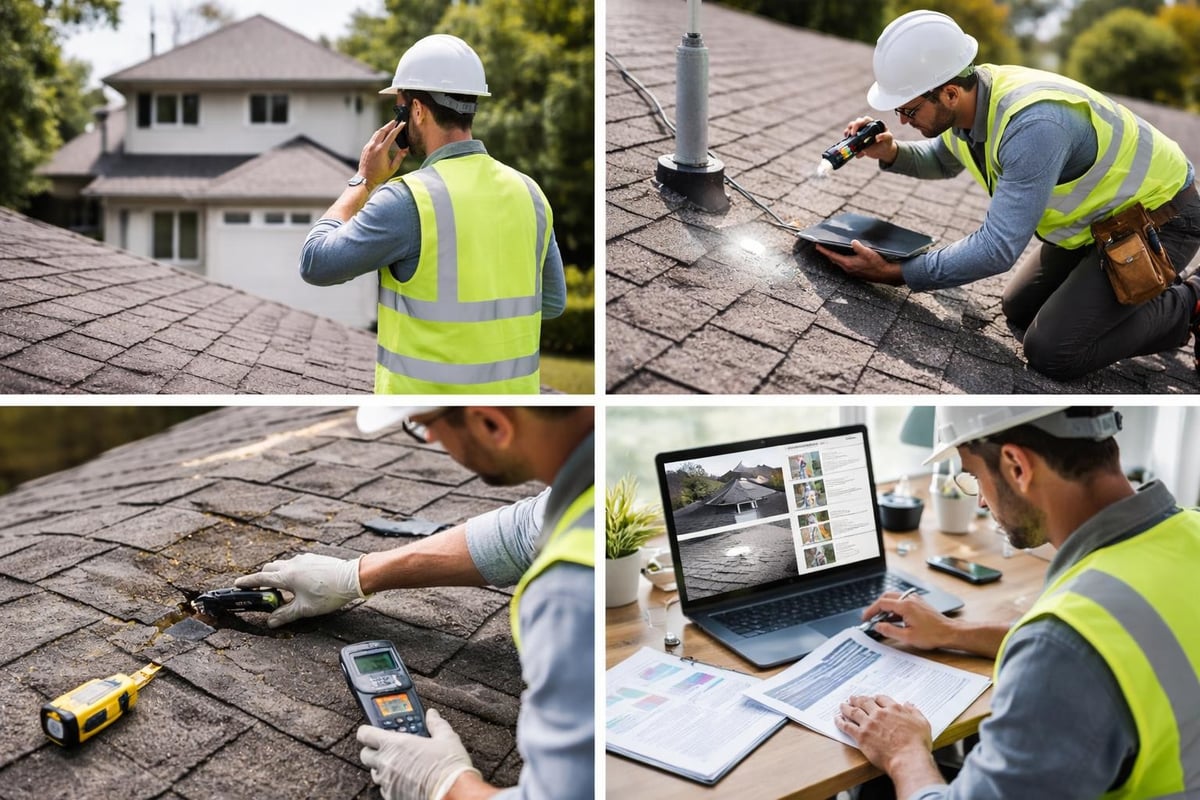
Modern technology has transformed how professionals conduct inspections. Advanced inspection methods now incorporate infrared scanners to detect moisture trapped beneath roofing materials and aerial drones to safely access difficult areas without risking inspector safety or causing damage to fragile roof surfaces.
Inspection Frequency and Timing
Determining when to schedule an inspection for roof systems depends on multiple factors including roof age, local weather patterns, and the type of roofing material installed. Fort Worth property owners face unique challenges from severe thunderstorms, hail events, and temperature extremes that can accelerate roof deterioration.
| Situation | Recommended Frequency |
|---|---|
| New roof (first 5 years) | Annually |
| Established roof (6-15 years) | Twice annually (spring and fall) |
| Aging roof (15+ years) | Quarterly |
| After severe weather event | Immediately |
| Before property sale/purchase | As needed |
Seasonal timing matters significantly. Spring inspections identify winter damage and prepare your roof for summer storms, while fall inspections ensure your system is ready for temperature fluctuations and potential ice formation. The spring home maintenance checklist provided by industry experts emphasizes the importance of post-winter roof evaluations.
Commercial properties with flat or low-slope roofing systems require more frequent attention than residential steep-slope roofs. These systems are particularly vulnerable to ponding water, membrane deterioration, and seam failures that develop gradually between inspection cycles.
What Inspectors Examine During Roof Evaluations
A comprehensive inspection for roof systems examines dozens of individual components, each contributing to overall system performance. Understanding these elements helps property owners recognize warning signs and communicate effectively with roofing professionals.
Exterior Surface Assessment
The most visible aspect of any inspection focuses on the roofing material itself. Inspectors evaluate shingles, tiles, metal panels, or membrane systems for specific types of damage and deterioration.
Shingle roof examinations identify:
- Missing, cracked, or curling shingles
- Granule loss indicating age or hail damage
- Algae or moss growth suggesting moisture retention
- Improperly sealed or lifted edges
- Storm impact points and punctures
For commercial flat roofs, inspectors assess membrane condition, looking for blistering, punctures, or separation at seams. Modified bitumen systems require careful examination of surface granules and cap sheet integrity, while TPO and EPDM membranes are checked for shrinkage, cracking, and proper adhesion.
Professional inspectors document findings using standardized checklists that ensure no critical element is overlooked. The Hanover Insurance Group provides detailed inspection checklists that cover various roofing systems and help identify potential issues before they cause significant damage.
Flashing and Penetration Points
Flashing represents one of the most vulnerable components of any roofing system. These metal or membrane materials seal transitions between different roof planes and around penetrations like chimneys, vents, and skylights.
An inspection for roof flashing examines:
- Proper overlap and fastening methods
- Sealant condition and adhesion
- Rust, corrosion, or material fatigue
- Gap formation allowing water infiltration
- Proper integration with roofing materials
Many roof leaks originate at flashing failures rather than damage to primary roofing materials. Inspectors pay particular attention to valley flashing, where two roof planes meet and water volume concentrates during rainfall.
Wall flashing at vertical surfaces requires careful evaluation, as these locations experience significant thermal movement that can break seals over time. Step flashing along dormers and chimneys must maintain proper overlap with both roofing materials and wall cladding to prevent water entry.
Interior Inspection Components
While most people associate roof inspections with exterior evaluations, the interior assessment provides equally valuable information about system performance and potential problems. Attic spaces reveal issues invisible from the roof surface.
Inspectors examine interior spaces for water stains, mold growth, and structural damage indicating active or previous leaks. Proper ventilation assessment determines whether adequate airflow exists to prevent moisture accumulation and temperature extremes that shorten roof lifespan.
Structural and Decking Evaluation
The structural components supporting roofing materials rarely receive attention until problems become severe. A thorough inspection for roof systems includes careful evaluation of decking, rafters, and trusses.
Critical structural elements include:
- Decking integrity and attachment to framing
- Rafter or truss condition and proper spacing
- Signs of sagging or structural movement
- Water damage to wood components
- Proper load distribution and support
Inspectors look for soft spots in decking that indicate deterioration from water intrusion or age. Commercial buildings with steel deck systems require examination for rust, proper fastening, and adequate insulation installation above the structural deck.
Professional inspection services like those offered through Roof Inspection provide detailed documentation of structural conditions, helping property owners understand not just surface issues but underlying system integrity.
Drainage System Assessment
Water management determines roof longevity more than almost any other factor. An inspection for roof systems must thoroughly evaluate how water moves across the surface and away from the building.
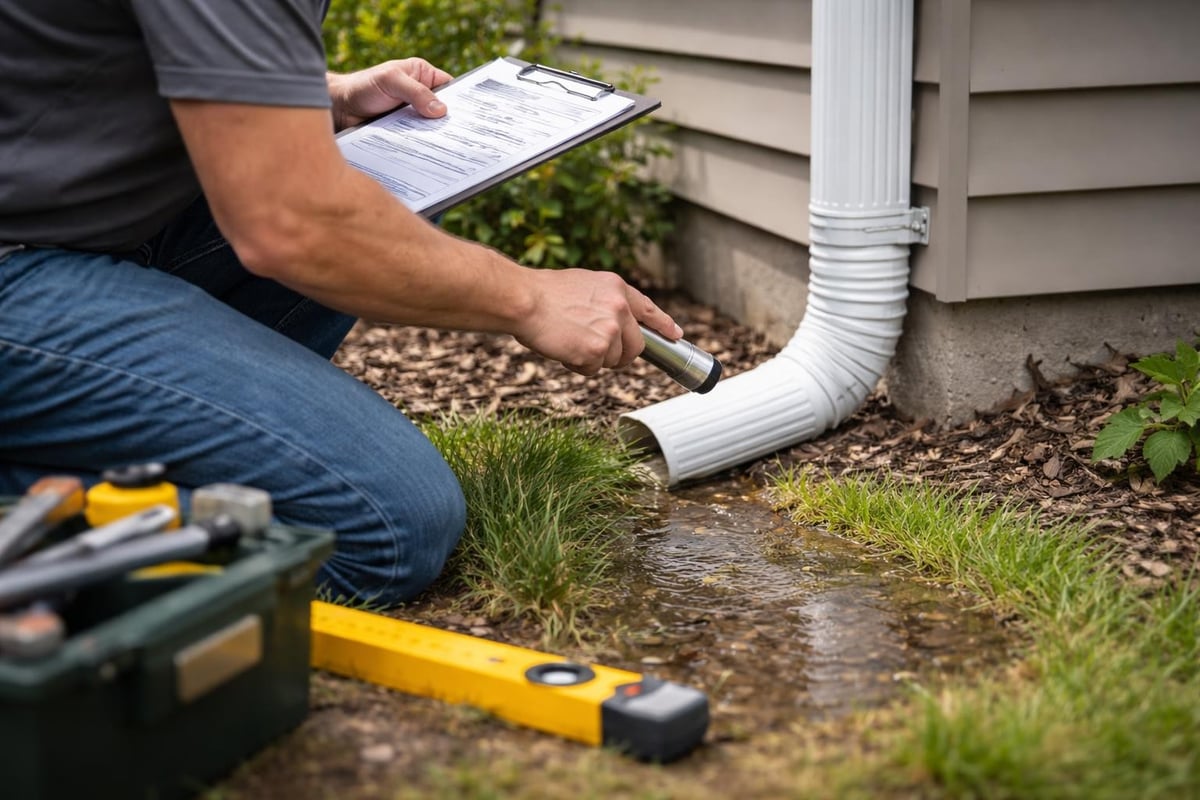
Gutters and downspouts receive detailed attention during inspections. Blocked or improperly sloped gutters cause water to back up under roofing materials, leading to rot and leaks. Inspectors verify that all drainage components are securely attached, properly sized for roof area, and discharge water away from building foundations.
| Drainage Issue | Potential Consequences |
|---|---|
| Clogged gutters | Water infiltration at eaves, fascia rot |
| Inadequate slope | Ponding water, accelerated membrane deterioration |
| Missing downspouts | Foundation damage, landscape erosion |
| Undersized drains | System overflow during heavy rainfall |
Flat commercial roofs present unique drainage challenges. Inspectors measure for ponding water, which is defined as water remaining on a roof surface more than 48 hours after rainfall. Areas of ponding indicate inadequate slope or blocked drains that require correction before serious damage occurs.
The relationship between drainage and roof performance cannot be overstated. Understanding what to do immediately after a storm helps property owners protect their investment when severe weather impacts drainage systems.
Storm Damage Detection and Documentation
Fort Worth's weather patterns make storm damage assessment a critical component of any inspection for roof systems. Hail, high winds, and severe thunderstorms can cause damage that isn't immediately apparent but progressively worsens over time.
Hail Damage Identification
Hail impact creates specific damage patterns that trained inspectors recognize. On asphalt shingles, hail strikes appear as dark spots where granules have been knocked off, exposing the underlying mat. Metal roofs show denting, while tile and slate may exhibit cracking or complete fractures.
The size and density of hail impacts matter for insurance claims. Inspectors document the number of strikes per square foot, the size of impacts, and whether damage has compromised the waterproofing integrity of roofing materials. IKO’s detailed inspection checklist helps property owners understand what professionals look for during hail damage assessments.
Wind damage manifests differently than hail impact. Missing shingles, lifted edges, and torn membrane sections indicate wind forces exceeded the roof system's design capacity. Inspectors examine fastening patterns and edge details where wind loads concentrate.
Creating Documentation for Insurance Claims
Proper documentation during an inspection for roof systems becomes essential when filing insurance claims. Insurers require specific evidence demonstrating that damage occurred from a covered event rather than normal wear and deterioration.
Effective documentation includes:
- Dated photographs showing damage details
- Written descriptions of damage location and extent
- Measurements of affected areas
- Material samples when appropriate
- Weather event correlation data
Professional roofing contractors understand insurance requirements and create documentation that supports successful claims processing. Clear communication between inspectors, property owners, and insurance adjusters streamlines the claims process and helps ensure adequate coverage for necessary repairs.
Common Issues Discovered During Inspections
Regular inspections for roof systems consistently reveal recurring problems that, when addressed early, prevent expensive emergency repairs. Understanding these common issues helps property owners recognize when professional evaluation is necessary.
Minor leaks often go undetected until water damage becomes visible inside the building. By that time, structural components may have experienced significant deterioration requiring extensive repairs beyond simple leak fixes. Professional inspections identify moisture infiltration before interior damage occurs.
Inadequate ventilation represents another frequent discovery. Attic spaces without proper airflow experience temperature extremes that accelerate shingle aging and create condensation problems leading to mold growth and wood rot. Inspectors assess ventilation adequacy and recommend improvements when necessary.
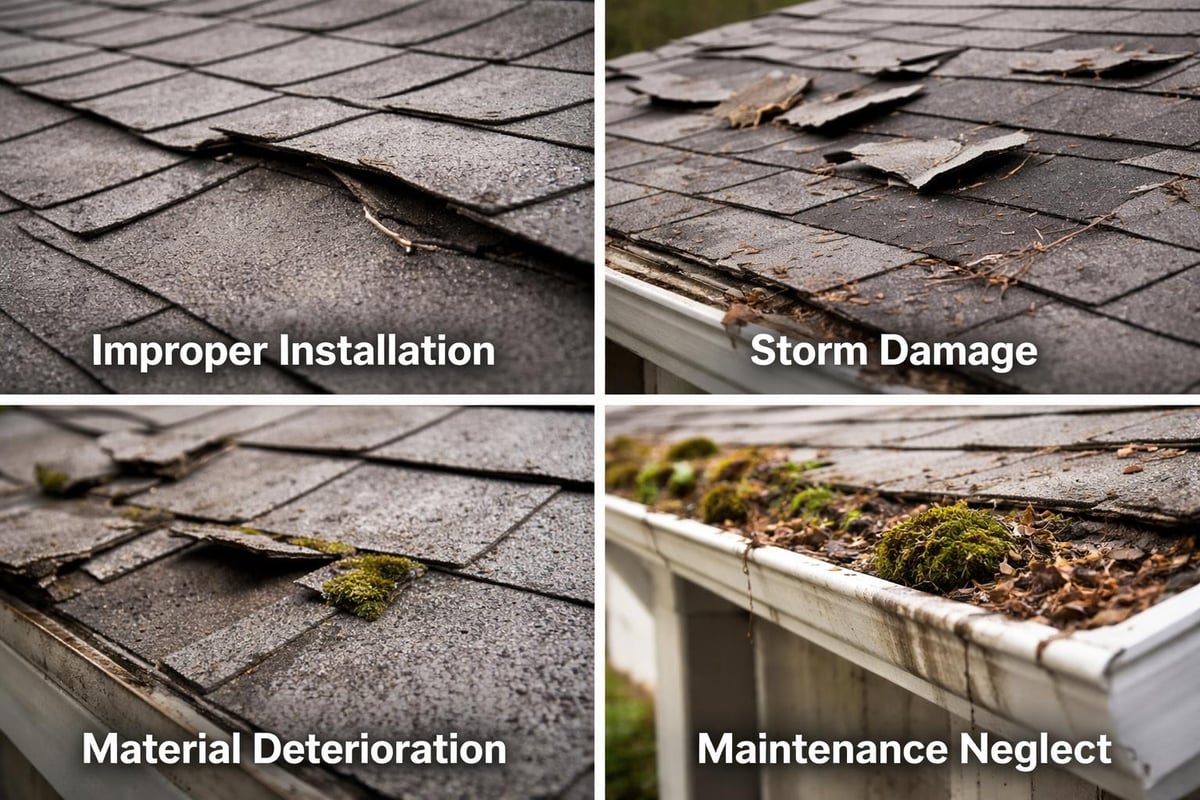
Improper previous repairs create ongoing problems. Well-intentioned but incorrectly executed patch work often makes situations worse by trapping moisture or creating new leak pathways. Professional inspectors identify substandard repair work and recommend proper remediation.
Choosing Qualified Inspection Services
Not all roof inspections deliver equal value. Property owners benefit from understanding what separates thorough professional evaluations from cursory visual assessments.
Credentials and Experience Matter
Qualified roof inspectors possess specific training in roofing systems, building science, and damage assessment. Many hold certifications from industry organizations demonstrating commitment to ongoing education and professional standards.
Experience with local weather patterns and regional roofing practices significantly impacts inspection quality. Fort Worth property owners benefit from inspectors familiar with hail damage patterns, wind event impacts, and thermal stress issues specific to North Texas climate conditions.
In-house inspection teams offer advantages over subcontracted services. Companies like those providing top-rated roofing services employ their own trained inspectors who maintain consistent quality standards and have direct accountability for findings and recommendations.
Comprehensive Reporting Standards
The inspection report represents the tangible value delivered from an inspection for roof systems. Detailed reports include photographs, measurements, condition ratings for individual components, and clear recommendations prioritized by urgency.
| Report Element | Purpose |
|---|---|
| Executive summary | Quick overview of critical findings |
| Detailed findings | Component-by-component condition assessment |
| Photographic documentation | Visual evidence of conditions |
| Recommended actions | Prioritized repair or replacement needs |
| Cost estimates | Budget planning information |
Quality reports avoid vague language, instead providing specific descriptions of observed conditions and their implications. Rather than stating "roof needs attention," professional reports specify "twelve shingles missing on south slope, exposing underlayment to weather, repair required within 30 days to prevent water intrusion."
Preventive Maintenance Programs
Regular inspection for roof systems forms the foundation of effective preventive maintenance programs. These structured approaches to roof care extend system lifespan and reduce total ownership costs compared to reactive repair-only strategies.
Scheduled inspections catch small problems when repair costs remain minimal. A $200 flashing repair identified during routine inspection prevents a $5,000 interior water damage claim that develops when the problem goes unaddressed.
Developing Inspection Schedules
Property-specific factors determine optimal inspection frequency. Buildings with aging roof systems, those experiencing previous problems, or structures housing sensitive operations require more frequent evaluation than newer installations in less demanding service environments.
Commercial property managers often establish inspection schedules aligned with lease terms, ensuring tenant spaces remain protected and documentation exists for liability purposes. Annual inspections before lease renewals provide objective condition assessments for negotiations.
Residential homeowners benefit from bi-annual inspections, particularly in regions experiencing severe weather events. Spring inspections address winter damage while fall evaluations prepare roofs for upcoming cold weather challenges.
The Institute of Real Estate Management offers inspection resources that help property managers develop systematic evaluation programs ensuring consistent coverage across multiple buildings.
Investment Protection Through Regular Inspections
Understanding the financial implications of inspection for roof programs helps property owners make informed decisions about roof care budgets. The cost-benefit analysis consistently favors proactive inspection programs over reactive emergency response approaches.
A typical professional roof inspection costs between $150 and $400 depending on building size and system complexity. This modest investment identifies issues before they escalate into emergency repairs costing thousands of dollars plus the additional expenses of interior damage, business interruption, or temporary housing during extensive repairs.
Insurance considerations add another financial dimension. Many insurers offer premium discounts for properties with documented regular inspection and maintenance programs. Additionally, claim denials frequently result from damage attributed to deferred maintenance rather than covered events, making inspection documentation valuable protection.
Long-Term Value Creation
Properly maintained roofs deliver full design lifespan and sometimes exceed manufacturer expectations. A 20-year shingle roof with regular inspections and timely minor repairs often performs well into year 22 or 23, while neglected systems fail prematurely at year 15.
Property value correlates directly with roof condition. Real estate transactions include roof evaluations, and recent inspection reports demonstrating good condition support asking prices while inspection findings revealing deferred maintenance become negotiation points reducing sale values.
Commercial tenants increasingly expect landlords to maintain building envelopes proactively. Properties with documented inspection and maintenance programs attract quality tenants and support premium lease rates compared to buildings with uncertain roof conditions.
Emergency Response and Inspection Integration
Storm events and unexpected failures require immediate response, but even emergency situations benefit from thorough inspection for roof damage assessment before permanent repairs begin. This ensures all damage is identified and addressed rather than fixing only the most obvious problems.
Emergency tarping and temporary weatherproofing stop active water intrusion while detailed inspections proceed. This protects building contents and prevents secondary damage that complicates insurance claims and increases total repair costs.
Following severe weather, professional inspections document the full extent of damage across entire roof systems. Wind and hail events rarely affect only one area, and comprehensive evaluation ensures all impacted sections receive proper repair or replacement rather than piecemeal fixes that create long-term performance problems.
Understanding when situations require emergency intervention versus scheduled inspection helps property owners respond appropriately. Active leaks, visible structural damage, or large sections of missing roofing materials demand immediate professional response, while minor issues discovered during visual checks can often wait for scheduled inspection appointments.
Regular inspection for roof systems provides the foundation for effective property protection, cost control, and long-term value preservation. Understanding what professional inspections examine, how often evaluations should occur, and how documentation supports insurance claims and maintenance planning empowers property owners to make informed decisions about roof care. Whether managing a commercial building or protecting a residential investment, comprehensive inspection programs identify problems early when solutions remain simple and affordable. Texcore Construction delivers thorough roof inspections backed by detailed documentation, transparent recommendations, and in-house expertise that helps Fort Worth property owners protect their roofing investments and make confident decisions about repairs, maintenance, and replacement timing.