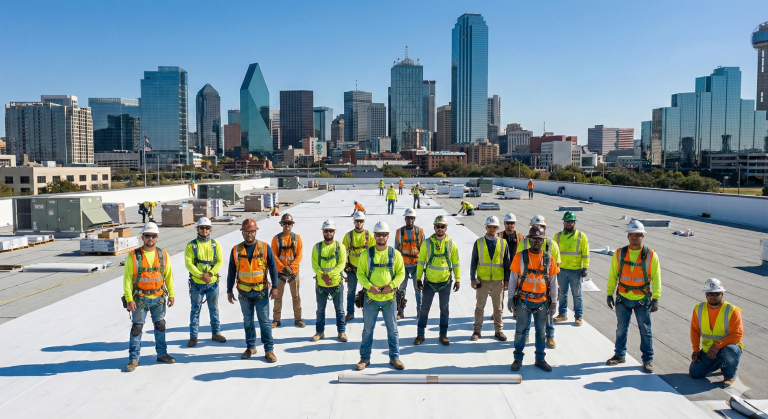
Commercial Roof Coating Services: Energy Efficiency & Extended Life
Maximize Energy Efficiency & Lifespan with Commercial Roof Coatings
Commercial roof coatings are specialized materials applied to existing roofs to enhance their performance, longevity, and energy efficiency. This article explores the various benefits of commercial roof coatings, including how they can significantly reduce energy costs and extend the lifespan of roofing systems. Many building owners face challenges with energy consumption and roof maintenance, leading to increased operational costs. By utilizing commercial roof coating services, these issues can be effectively addressed, providing a sustainable solution that not only protects the roof but also contributes to energy savings. We will delve into the key benefits of these coatings, the types available, the application process, cost considerations, and their environmental advantages.
What Are the Key Benefits of Commercial Roof Coatings?
Commercial roof coatings offer numerous advantages that can significantly impact a building’s operational efficiency and maintenance costs. These coatings are designed to improve energy efficiency, extend the lifespan of roofs, and provide cost-effective solutions for building owners.
How Do Commercial Roof Coatings Improve Energy Efficiency?

Commercial roof coatings enhance energy efficiency primarily through their reflective properties. These coatings reflect a significant portion of sunlight, reducing the heat absorbed by the building. This leads to lower indoor temperatures and decreased reliance on air conditioning systems, resulting in substantial energy savings. For instance, studies indicate that reflective roof coatings can lower cooling costs by up to 15-30%, making them an attractive option for energy-conscious building owners.
In What Ways Do Roof Coatings Extend Roof Lifespan?
Roof coatings protect the underlying roofing materials from UV damage, moisture intrusion, and other environmental factors that can lead to deterioration. By creating a waterproof barrier, these coatings prevent leaks and extend the lifespan of the roof by several years. For example, a well-maintained roof with a quality coating can last up to 10-15 years longer than an uncoated roof, significantly reducing the need for premature replacements.
Which Types of Commercial Roof Coatings Are Best for Your Building?
What Are the Properties and Uses of Silicone Roof Coatings?
Silicone roof coatings are known for their excellent waterproofing capabilities and UV resistance. They are particularly effective on flat roofs, providing a seamless membrane that prevents leaks. Additionally, silicone coatings are highly flexible, allowing them to expand and contract with temperature changes without cracking.
How Do Acrylic and Polyurethane Coatings Compare in Performance?
Acrylic and polyurethane coatings offer distinct advantages depending on the application. Acrylic coatings are water-based, making them easy to apply and environmentally friendly. They provide good UV resistance and are ideal for areas with moderate weather conditions. In contrast, polyurethane coatings are more durable and resistant to chemicals, making them suitable for industrial applications where exposure to harsh substances is common. A comparison table can help clarify their differences:
How Does the Commercial Roof Coating Application Process Work?

Understanding the application process is essential for ensuring the effectiveness of roof coatings. Proper preparation and application techniques are critical to achieving optimal results.
What Are the Steps in Roof Inspection and Surface Preparation?
Before applying a roof coating, a thorough inspection is conducted to assess the roof’s condition. This includes checking for existing damage, debris, and moisture. The surface must be cleaned and repaired as necessary to ensure proper adhesion of the coating. Common preparation steps include:
- Debris Removal: Clearing the roof of leaves, dirt, and other materials.
- Surface Cleaning: Using pressure washing to remove contaminants.
- Repairs: Fixing any cracks or holes in the roofing material.
What Techniques Are Used for Applying Roof Coatings?
The application of roof coatings can be performed using various techniques, including spray, roller, or brush application. Each method has its advantages:
- Spray Application: Provides a uniform coat and is ideal for large areas.
- Roller Application: Suitable for smaller sections and allows for more control.
- Brush Application: Best for detailed work around edges and penetrations.
What Is the Cost and Return on Investment for Commercial Roof Coatings?
How Does Roof Coating Cost Compare to Full Roof Replacement?
The cost of applying a roof coating is generally much lower than that of a full roof replacement. For example, while a complete roof replacement can range from $5 to $10 per square foot, roof coatings typically cost between $1.50 and $4.00 per square foot. This cost-effectiveness makes coatings an attractive option for extending the life of existing roofs without the need for extensive renovations.
What Local Incentives and Rebates Support Energy-Efficient Roof Coatings?
Many local governments and utility companies offer incentives and rebates for energy-efficient upgrades, including roof coatings. These programs can significantly offset the initial investment, making it more affordable for building owners to implement energy-saving solutions. It’s advisable to check with local authorities to identify available programs that can enhance the financial viability of roof coating projects.
How Do Commercial Roof Coatings Protect Different Roof Types?
What Are the Best Coating Solutions for Metal and Single-Ply Roofs?
Metal roofs benefit from coatings that provide corrosion resistance and UV protection. Silicone and acrylic coatings are often recommended for metal roofs due to their flexibility and durability. Single-ply roofs, such as TPO and EPDM, can also be effectively coated with acrylic or silicone options, enhancing their lifespan and energy efficiency.
How Do Coatings Perform on Modified Bitumen and Built-Up Roofs?
Modified bitumen and built-up roofs can be effectively protected with elastomeric coatings, which offer excellent waterproofing and UV resistance. These coatings help to seal seams and joints, preventing leaks and extending the roof’s service life. Case studies have shown that roofs treated with elastomeric coatings can last significantly longer than untreated roofs.
What Environmental and Sustainability Advantages Do Commercial Roof Coatings Offer?
How Do Roof Coatings Reduce Carbon Emissions and Waste?
By improving energy efficiency, roof coatings help lower the carbon footprint of buildings. Reflective coatings reduce the need for air conditioning, leading to decreased energy consumption and associated emissions. Additionally, extending the lifespan of roofs reduces the frequency of replacements, minimizing waste generated from discarded roofing materials.
What Role Do Cool Roof Systems Play in Sustainable Commercial Roofing?
Cool roof systems, which include reflective roof coatings, play a vital role in sustainable commercial roofing. These systems help mitigate the urban heat island effect by reflecting sunlight and reducing heat absorption. This not only lowers energy costs for building owners but also contributes to improved air quality and reduced energy demand in urban areas.
This table illustrates the environmental benefits and potential energy savings associated with different types of commercial roof coatings, highlighting their role in promoting sustainability in the roofing industry.