Commercial Roofing Job: Planning, Execution & Best Practices
Every commercial roofing job represents a significant investment for property owners and managers, requiring careful planning, skilled execution, and rigorous quality control to deliver lasting performance. Whether you're overseeing a full reroof of a warehouse facility or coordinating emergency repairs for an office building, understanding the critical components of a successful commercial roofing job helps ensure project success, safety compliance, and long-term roof integrity. The complexity of commercial roofing work demands attention to detail at every stage, from pre-construction planning through final inspection and warranty documentation.
Pre-Project Planning and Assessment
The foundation of any successful commercial roofing job begins long before the first crew member arrives on-site. Thorough planning reduces costly delays, prevents safety incidents, and establishes clear expectations for all stakeholders involved in the project.
Initial Roof Inspection and Condition Assessment
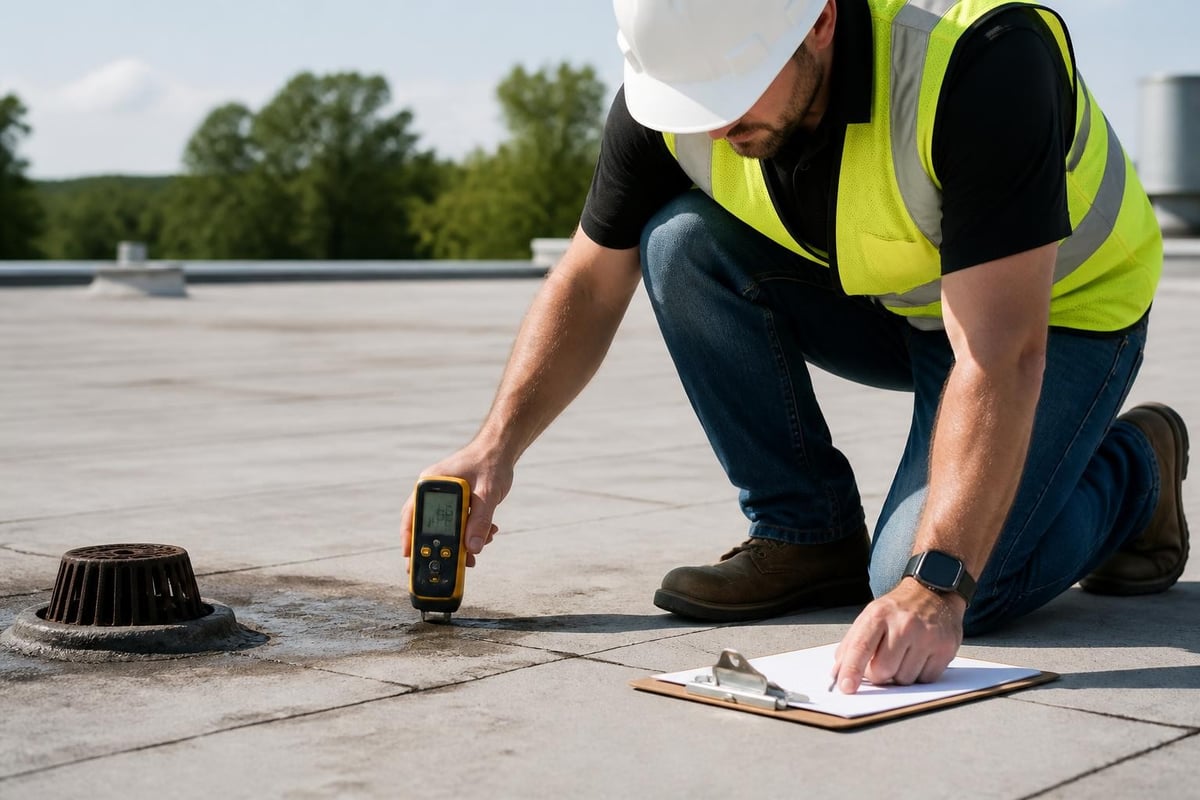
A comprehensive roof assessment identifies existing damage, structural concerns, and underlying issues that may affect the scope and timeline of your commercial roofing job. Professional inspectors examine the entire roofing assembly, including the membrane, flashing details, drainage systems, penetrations, and structural deck conditions.
Key inspection elements include:
- Moisture scanning to detect trapped water within the roofing system
- Core samples to assess insulation conditions and decking integrity
- Drainage evaluation to identify ponding water areas
- Structural load capacity verification for new material installation
- Documentation of existing warranties and system specifications
Understanding the commercial roof inspection process helps property managers make informed decisions about repair versus replacement strategies. When inspectors discover widespread deterioration or multiple leak sources, a full reroof often proves more cost-effective than repeated patch repairs.
Scope Development and Material Selection
Defining a precise scope of work prevents misunderstandings and ensures all parties understand project deliverables. Detailed scopes specify removal procedures, disposal methods, new material specifications, flashing details, and completion standards.
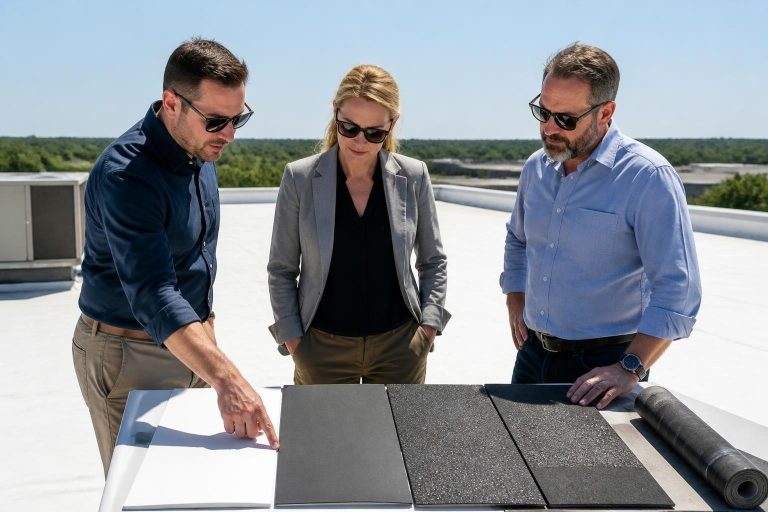
Material selection directly impacts the performance, longevity, and maintenance requirements of the completed commercial roofing job. Consider these factors when choosing roofing systems:
| Material Type | Best Applications | Typical Lifespan | Key Advantages |
|---|---|---|---|
| TPO | Retail centers, offices | 20-30 years | Heat-reflective, weldable seams, cost-effective |
| EPDM | Warehouses, industrial | 25-35 years | Proven durability, easy repairs, weather resistance |
| Modified Bitumen | Low-slope commercial | 15-20 years | Redundant waterproofing, torch or cold-applied |
| Metal Roofing | Manufacturing, distribution | 40-50 years | Long lifespan, recyclable, low maintenance |
Building owners should work with contractors who provide transparent material recommendations based on building use, climate conditions, and budget constraints rather than pushing a single preferred system.
Safety Protocols and Regulatory Compliance
Commercial roofing work consistently ranks among the most hazardous construction activities, making safety planning a non-negotiable priority for every commercial roofing job. Roofing safety standards established by OSHA require comprehensive fall protection, hazard communication, and emergency response procedures.
Fall Protection and Site Safety
Every worker on a commercial roofing job must be protected from fall hazards through engineering controls, personal fall arrest systems, or safety monitoring programs. The specific protection method depends on roof height, slope, and working conditions.
Mandatory safety measures include:
- Guardrail systems installed along roof perimeters and openings
- Personal fall arrest equipment for workers beyond protected zones
- Warning line systems combined with safety monitoring on low-slope roofs
- Covers or barriers for skylights, hatches, and roof penetrations
- Daily hazard assessments before work begins
Implementing commercial roofing safety protocols requires investment in training, equipment, and supervision, but prevents injuries that delay projects and create liability exposure.
Site-specific safety plans address unique hazards like electrical service proximity, HVAC equipment locations, fragile decking materials, and coordination with occupied building operations. The most effective safety programs integrate pre-task planning, daily toolbox talks, and empowered stop-work authority for any crew member observing unsafe conditions.
Weather Monitoring and Environmental Controls
Weather conditions significantly impact both worker safety and installation quality during a commercial roofing job. Most roofing materials require specific temperature ranges and dry conditions for proper adhesion and curing.
Monitor these environmental factors:
- Ambient and substrate temperatures for adhesive application
- Wind speeds that affect material handling and worker stability
- Precipitation forecasts requiring work stoppages
- Humidity levels impacting primer and coating application
- Lightning risk requiring immediate crew evacuation
Experienced contractors maintain weather monitoring systems and adjust schedules proactively rather than starting work in marginal conditions that compromise installation quality or worker safety.
Crew Management and Quality Control
The skill level, organization, and accountability of the roofing crew directly determines the quality and efficiency of every commercial roofing job. Companies that employ in-house crews rather than subcontractors maintain better control over workmanship standards, project timelines, and customer communication.
Crew Structure and Role Assignments
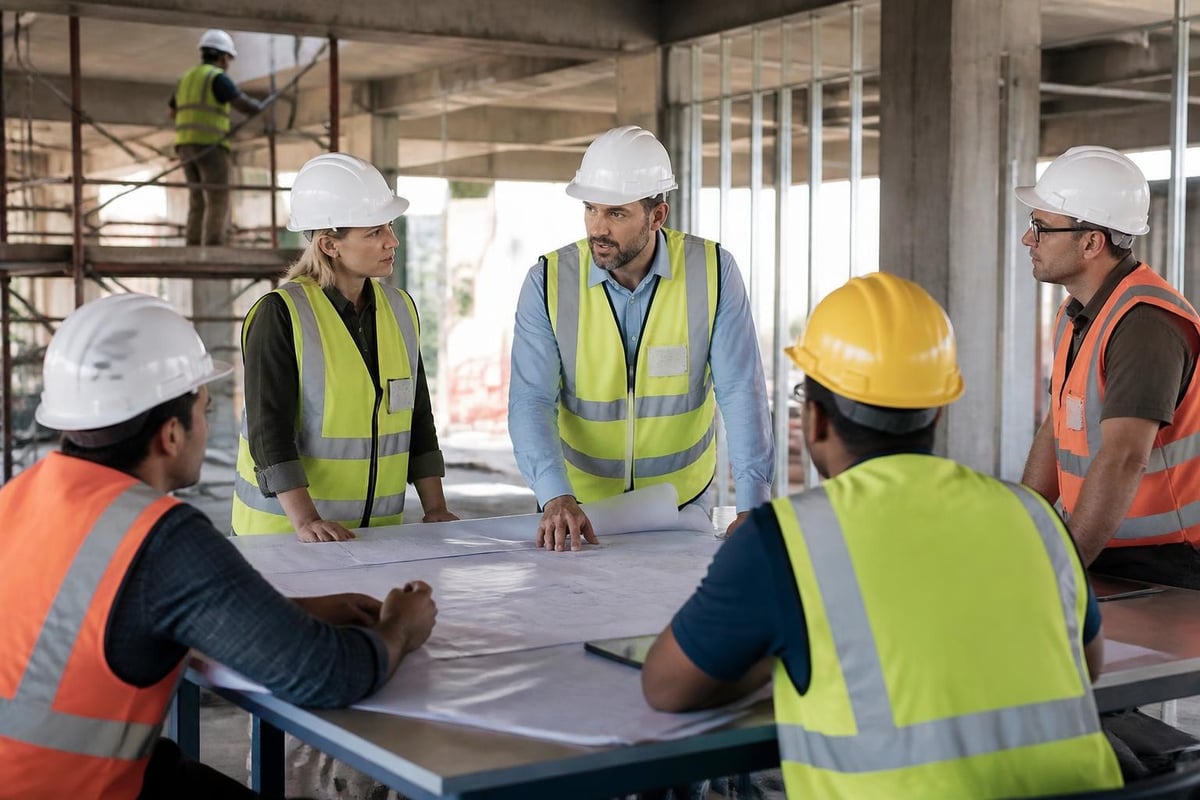
Professional commercial roofing crews operate with clear role definitions and specialized responsibilities. A typical crew structure includes:
- Project foreman: Overall site coordination, safety oversight, customer communication
- Lead installers: System installation, detail work, quality verification
- Material handlers: Staging supplies, equipment operation, cleanup
- Safety monitor: Continuous hazard identification, compliance verification
Smaller commercial roofing jobs may consolidate these roles, while large-scale projects require multiple specialized crews working in coordinated phases. The key factor is clear accountability for each task and quality standard.
Installation Best Practices
Following best practices for commercial roofing installations prevents premature failures and ensures manufacturer warranty compliance. Critical installation standards include proper substrate preparation, correct fastener patterns, and meticulous flashing details.
Quality installation requires:
- Clean, dry substrate surfaces free from debris and contaminants
- Manufacturer-specified adhesive coverage rates and application methods
- Proper seam overlap dimensions and welding temperatures
- Correctly detailed terminations, penetrations, and transitions
- Sequential inspection and verification before covering each layer
Rushing installation to meet aggressive timelines often creates defects that appear months or years later as leaks, membrane failures, or premature deterioration. Professional contractors balance productivity with quality, understanding that callbacks and warranty claims eliminate any time savings from rushed work.
When unexpected conditions arise during a commercial roofing job, such as concealed deck damage or moisture infiltration, experienced contractors document findings and provide transparent recommendations. Property owners deserve clear explanations of changed conditions and accurate revised scopes rather than hidden costs discovered during billing.
Project Documentation and Communication
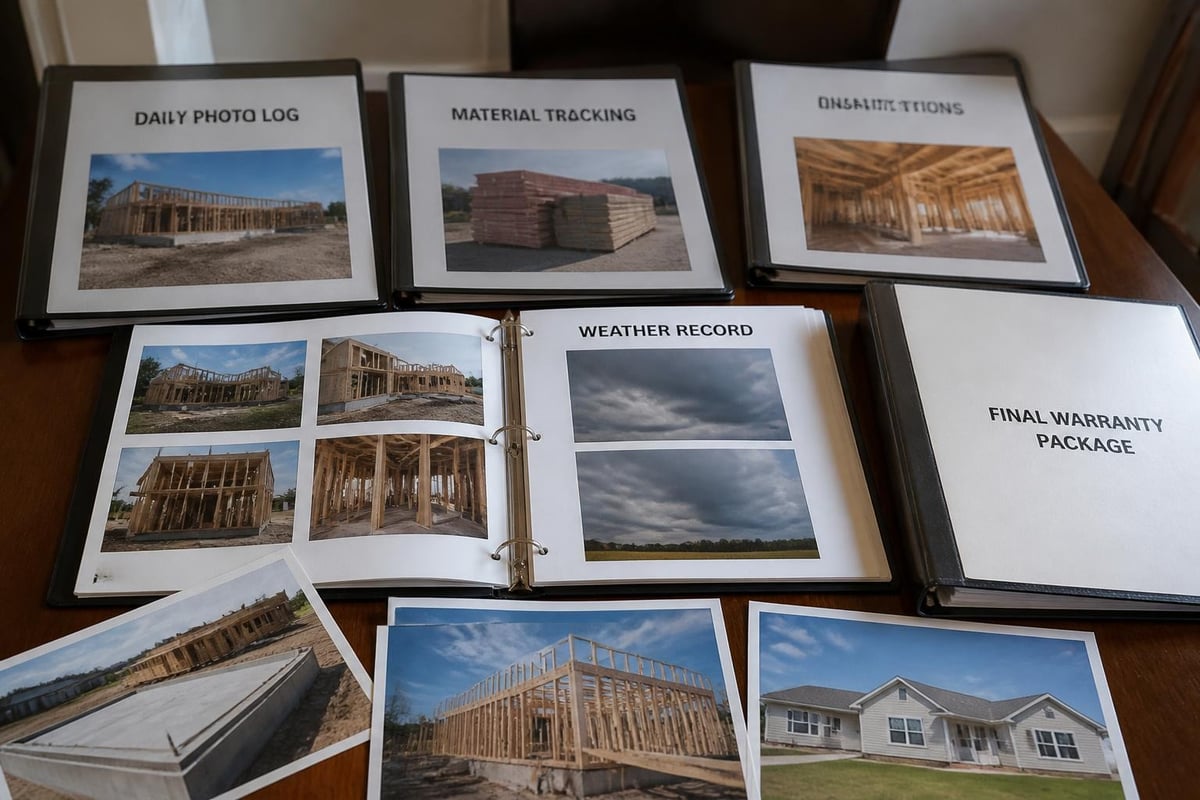
Comprehensive documentation throughout a commercial roofing job protects property owners, ensures warranty validity, and provides valuable maintenance records for future reference. Professional contractors maintain detailed records from initial inspection through project completion.
Progress Documentation Standards
Daily progress documentation creates accountability and provides evidence of proper installation procedures. Effective documentation includes:
| Documentation Type | Purpose | Frequency |
|---|---|---|
| Photo records | Installation verification, condition documentation | Daily at key phases |
| Material receipts | Warranty compliance, specification verification | Per delivery |
| Weather logs | Installation condition validation | Daily |
| Inspection reports | Quality checkpoints, code compliance | Per phase completion |
| Change orders | Scope modifications, additional work | As needed |
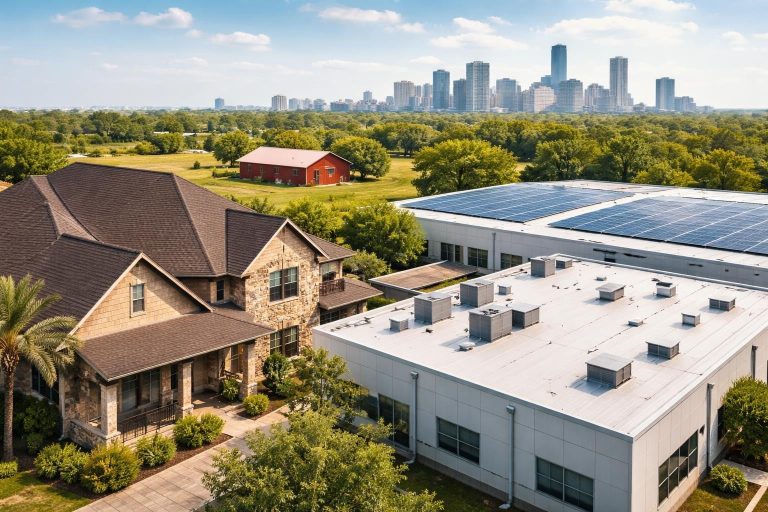
Property managers dealing with industrial roofing projects particularly benefit from detailed documentation that tracks large-scale installations across multiple buildings or roof sections.
Stakeholder Communication Protocols
Complex commercial roofing jobs involve multiple stakeholders including property owners, facility managers, tenants, and building occupants. Establishing clear communication protocols prevents disruptions and manages expectations throughout the project.
Effective communication strategies include:
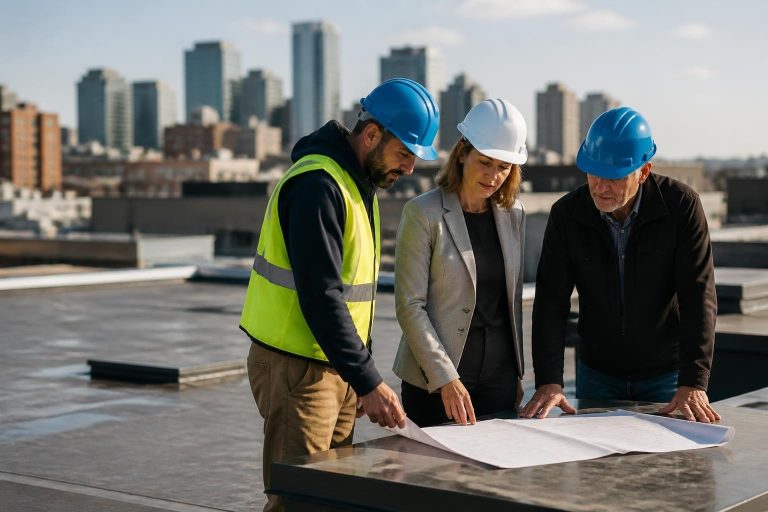
- Pre-construction meetings covering project scope, timelines, and building access
- Daily briefings for facility managers on work areas and anticipated impacts
- Tenant notifications regarding noise, odors, parking restrictions, or utility interruptions
- Progress updates delivered on predetermined schedules with photo documentation
- Completion walkthroughs reviewing finished work and warranty requirements
When emergency situations require emergency roof repair during a planned commercial roofing job, immediate communication with all stakeholders prevents confusion and demonstrates professional crisis management.
Warranty and Long-Term Performance
The completion of installation work represents the beginning rather than the end of a commercial roofing job's lifecycle. Understanding warranty coverage, maintenance requirements, and performance expectations ensures property owners receive maximum return on their roofing investment.
Warranty Types and Coverage
Commercial roofing warranties typically include both manufacturer material warranties and contractor labor warranties. These complementary coverages protect against different failure modes and require different compliance procedures.
Material warranties cover manufacturing defects in roofing membranes, insulation, and accessories. Coverage periods range from 10 to 30 years depending on system type and warranty level. Enhanced warranties often include coverage for labor costs associated with material replacement.
Labor warranties protect against installation defects and workmanship failures. Quality contractors stand behind their work with substantial labor warranty periods, demonstrating confidence in crew skill and installation procedures. Five-year labor warranties provide reasonable protection while contractors offering shorter periods may indicate concerns about workmanship quality.
Warranty activation requires submitting proper documentation to manufacturers within specified timeframes. This documentation includes installation photos, material receipts, and contractor certification of proper installation procedures.
Maintenance Planning and Roof Care
Proactive maintenance extends commercial roof lifespan and prevents minor issues from developing into costly failures. Even the highest-quality commercial roofing job requires periodic inspection and preventive care to achieve its design lifespan.
Property owners should implement these maintenance practices:
- Biannual inspections in spring and fall to identify developing issues
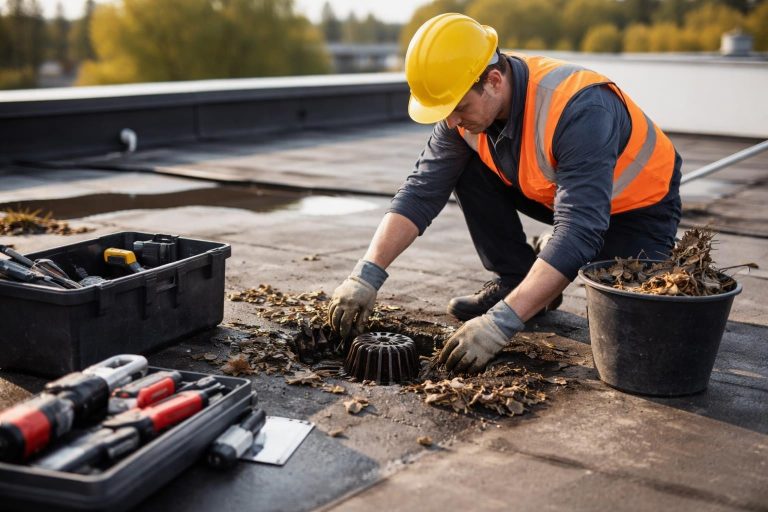
- Immediate debris removal to prevent drainage blockages and ponding water
- Prompt leak investigation when interior water stains or moisture appears
- Documented repairs maintaining warranty compliance and building records
- Professional cleaning of roofing membranes and drainage systems
Working with local roofing companies that offer ongoing maintenance programs ensures consistent care from contractors familiar with the specific roof system and building conditions.
Budget Management and Cost Control
Commercial roofing jobs represent significant capital investments, making accurate budgeting and cost control essential for project success. Understanding cost components and potential variables helps property owners allocate appropriate resources and avoid budget overruns.
Cost Components and Pricing Factors
Multiple factors influence the total investment required for a commercial roofing job. Transparent contractors provide detailed breakdowns explaining how these elements affect project pricing:
- Materials costs: Membrane type, insulation thickness, accessory specifications
- Labor rates: Crew size, project duration, complexity factors
- Disposal fees: Tear-off volume, landfill rates, recycling options
- Site conditions: Roof access difficulty, working height, building occupancy
- Project timing: Seasonal demand, weather delays, expedited schedules
Property managers should request itemized proposals that separate these cost components rather than accepting lump-sum pricing that obscures value analysis. Comparing proposals becomes meaningful only when evaluating equivalent scopes, material specifications, and warranty terms.
Hidden Costs and Contingency Planning
Experienced property owners budget contingency funds for unforeseen conditions commonly discovered during commercial roofing jobs. These discoveries don't represent contractor attempts to increase pricing but rather concealed conditions impossible to identify until removal exposes underlying assemblies.
Common unexpected conditions include:
- Concealed deck deterioration requiring structural repairs
- Wet insulation necessitating additional tear-off and replacement
- Code compliance upgrades mandated by building departments
- Additional drainage modifications to eliminate ponding areas
- Unexpected penetrations or equipment requiring custom flashing
Allocating 10-15% contingency reserves for commercial roofing jobs provides financial flexibility when these conditions appear. Contractors who immediately notify property owners of changed conditions and provide accurate cost impacts demonstrate the transparency that builds long-term client relationships.
Specialized Project Considerations
Different commercial roofing jobs present unique challenges requiring specialized knowledge, equipment, or installation procedures. Understanding these project-specific factors ensures appropriate contractor selection and realistic timeline expectations.
Occupied Building Challenges
Completing a commercial roofing job on an occupied building requires careful coordination to minimize tenant disruption while maintaining productivity and safety. Noise, odors, dust, and equipment staging affect building operations and require proactive management.
Strategies for occupied building projects:
- Phased installation schedules limiting work area size and duration
- Off-hours work for noise-sensitive operations like medical facilities
- Enhanced dust containment and debris management procedures
- Elevator and loading dock coordination for material deliveries
- Tenant communication systems providing advance notice of impacts
The most successful occupied building projects involve facility managers as active partners in developing work schedules, access procedures, and communication protocols that balance roofing requirements with operational needs.
Emergency and Storm-Damaged Roofs
Some commercial roofing jobs originate from emergency situations requiring immediate response to prevent ongoing property damage. Storm events, sudden leaks, or equipment failures demand rapid contractor mobilization and temporary protection measures.
Emergency response priorities include:
- Immediate tarp installation to stop active water intrusion
- Interior protection of valuable equipment and inventory
- Temporary drainage solutions for compromised roof areas
- Rapid damage assessment for insurance documentation
- Expedited permanent repair or replacement scheduling
Property owners benefit from establishing relationships with contractors capable of rapid emergency response before crisis situations occur. Researching contractor capabilities, response protocols, and crew availability during routine maintenance planning prevents scrambling for qualified help during emergencies.
Quality Verification and Final Inspection
The completion phase of a commercial roofing job involves systematic verification that all work meets specifications, safety standards, and warranty requirements. Thorough final inspections protect property owners and establish clear acceptance criteria.
Contractor Final Inspections
Professional roofing contractors conduct internal quality verification before requesting owner acceptance. This self-inspection process identifies deficiencies requiring correction and demonstrates commitment to quality standards.
Final inspection checklists verify:
- Complete membrane coverage with no exposed substrate areas
- Proper fastener patterns meeting manufacturer specifications
- Sealed seams and terminations free from gaps or voids
- Functional drainage with no ponding water 48 hours after rainfall
- Clean job site with all debris and materials removed
Contractors following safety protocols for commercial roof installation maintain organized job sites throughout projects, making final cleanup minimal rather than extensive.
Owner Acceptance Procedures
Property owners should conduct independent inspections before final payment release. Walking the completed roof with the project foreman allows direct communication about any concerns and verification of scope completion.
Owner inspection focus areas include:
- Visual membrane inspection for proper installation appearance
- Flashing detail verification at penetrations and terminations
- Equipment operation confirmation for roof drains and scuppers
- Documentation package review including warranties and photos
- Maintenance requirement discussion and care instructions
Accepting a commercial roofing job without thorough inspection creates disputes when deficiencies appear later. Professional contractors welcome owner scrutiny and address identified concerns promptly rather than defensively.
Successfully managing a commercial roofing job requires attention to planning, safety, quality control, and long-term performance at every project phase. Property owners who understand these critical components make better contractor selections and achieve superior results. When your Fort Worth facility needs expert commercial roofing work delivered by accountable in-house crews, Texcore Construction provides the craftsmanship, documentation, and warranty protection your investment deserves.