
Essential Guide to Commercial Roofing Replacement in 2026
A failing roof can put your entire business at risk, leading to costly disruptions and unexpected repairs. Investing in commercial roofing replacement is more than a maintenance task—it is a strategic decision that protects your property and bottom line.
This comprehensive guide equips you with the knowledge to plan, budget, and complete a successful replacement project. Discover how the right materials, warranties, and expert techniques can save money and boost property value. With a thoughtful approach, you can minimize downtime, extend roof life, and avoid expensive mistakes. Let’s walk through every essential step together.
Understanding Commercial Roofing Systems
Choosing the right roofing system is essential for any commercial roofing replacement project. Understanding the available systems, warning signs, potential risks, and performance factors will help you make informed decisions and protect your investment.
Types of Commercial Roofing Systems
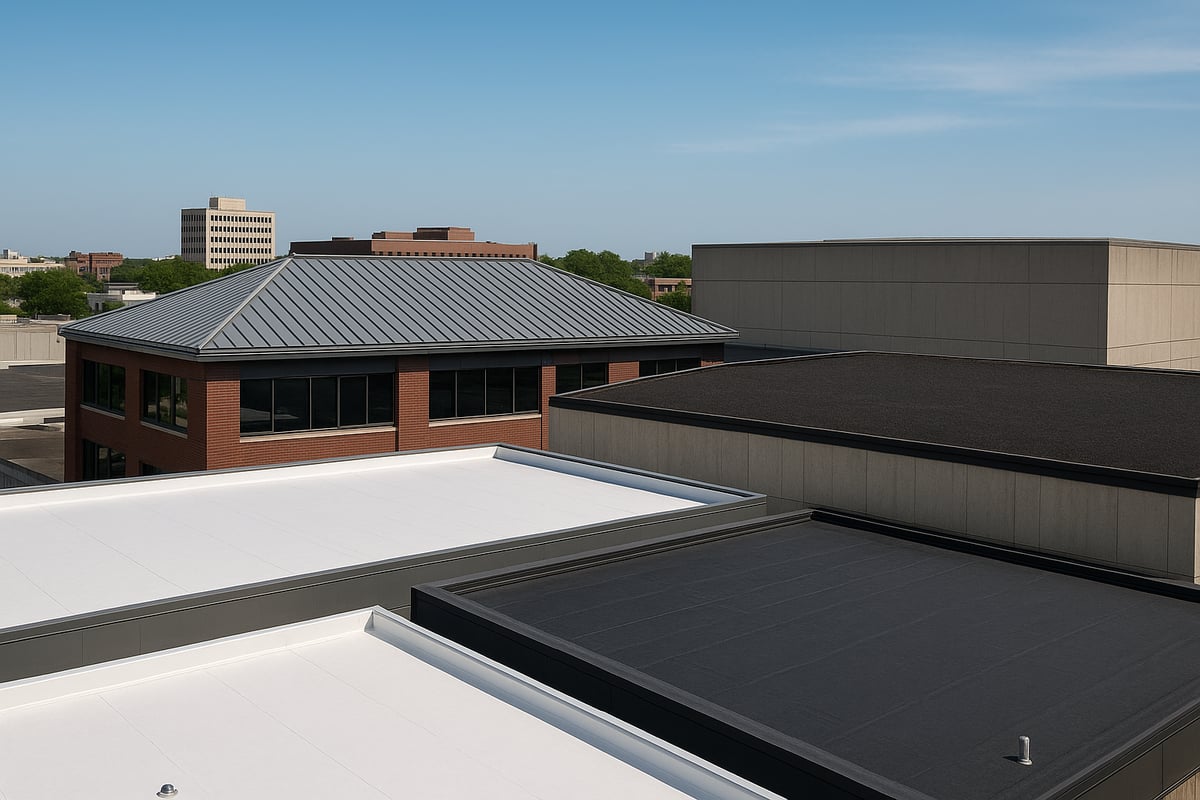
Commercial roofs come in several types, each suited to specific building needs and climates. The most common systems include:
- TPO (Thermoplastic Polyolefin): Highly reflective, energy efficient, and resistant to UV and chemicals.
- EPDM (Ethylene Propylene Diene Monomer): Durable rubber membrane, excellent for warehouses and low-slope roofs.
- PVC (Polyvinyl Chloride): Superior chemical resistance and weldable seams, ideal for restaurants or factories.
- Metal Roofing: Long lifespan, minimal maintenance, and top performance against wind and hail, often used on offices.
- Built-Up Roofing (BUR): Multiple layers of bitumen and fabric, providing redundancy and durability.
- Modified Bitumen: Asphalt-based, flexible, and well-suited for high-traffic areas.
- Roof Coatings: Applied as a liquid for seamless waterproofing, useful for extending roof life.
Each system has strengths and weaknesses. For example, EPDM is affordable and lasts up to 30 years, while metal roofs can exceed 40 years with proper care. Suitability depends on building design, climate, and operational needs. Most commercial roofs last between 20 and 30 years, depending on the material and maintenance.
Common Signs Your Roof Needs Replacement
Recognizing early warning signs is vital to avoid unexpected failures and costly interruptions. Key indicators your property may require commercial roofing replacement include:
- Persistent leaks or recurring water stains inside the building.
- Visible damage such as cracks, blistering, or punctures on the roof surface.
- Roof age exceeding the manufacturer's warranty, often between 20 and 30 years.
- Noticeable increases in energy bills, which may signal insulation failure.
- Structural concerns like sagging, deformed areas, or mold growth.
For instance, higher energy costs could mean your insulation is no longer effective. If you are unsure whether to repair or replace, reviewing a guide on Commercial roofing repair vs replacement can help clarify your options and next steps.
The Risks of Delaying Replacement
Postponing commercial roofing replacement can lead to escalating issues that impact your business and finances. Some risks include:
- Growing repair expenses due to recurring leaks or worsening damage.
- Business interruptions from water intrusion or emergency repairs.
- Health hazards from mold, mildew, and declining indoor air quality.
- Insurance complications if damage is deemed due to negligence or delayed action.
A real-world example involves a retail property where delayed replacement led to major interior water damage, resulting in lost revenue and costly remediation. Timely action can prevent these avoidable setbacks and protect your business continuity.
Key Performance Factors for Modern Roofs
Modern roofing systems are engineered for longevity, efficiency, and safety. When planning commercial roofing replacement, consider these performance factors:
- Energy Efficiency: High-quality insulation and reflective materials help control heating and cooling costs.
- Weather Resistance: Ability to withstand wind, hail, and UV exposure ensures resilience in harsh climates.
- Maintenance Requirements: Systems that are easy to inspect and repair reduce long-term costs.
- Fire Resistance and Code Compliance: Meeting local codes and fire standards is essential for safety and insurance.
For example, TPO and PVC membranes are popular for their high reflectivity, which can significantly lower cooling expenses in warm climates. Evaluating these factors ensures your new roof delivers lasting value and protection.
Planning Your Commercial Roof Replacement
A thoughtful plan is the foundation of a successful commercial roofing replacement. Every step, from the initial inspection to selecting a contractor, shapes the outcome and long-term value of your investment. Careful planning minimizes risk, controls costs, and ensures your business remains operational throughout the project.
Assessing the Scope of Work
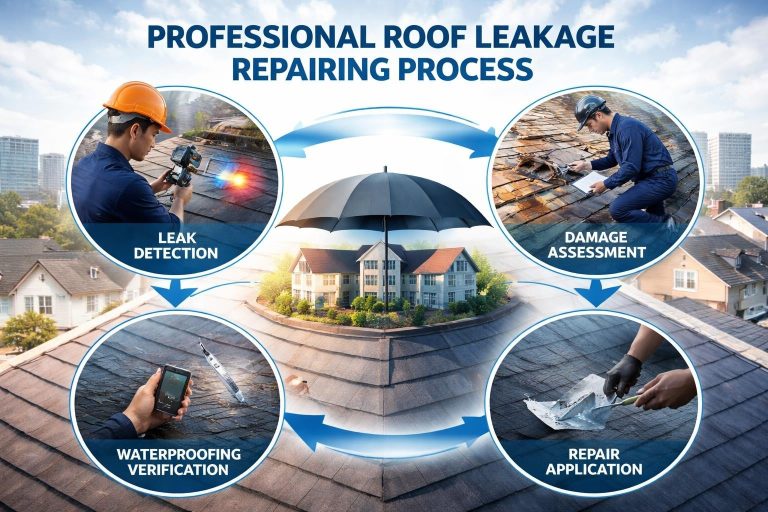
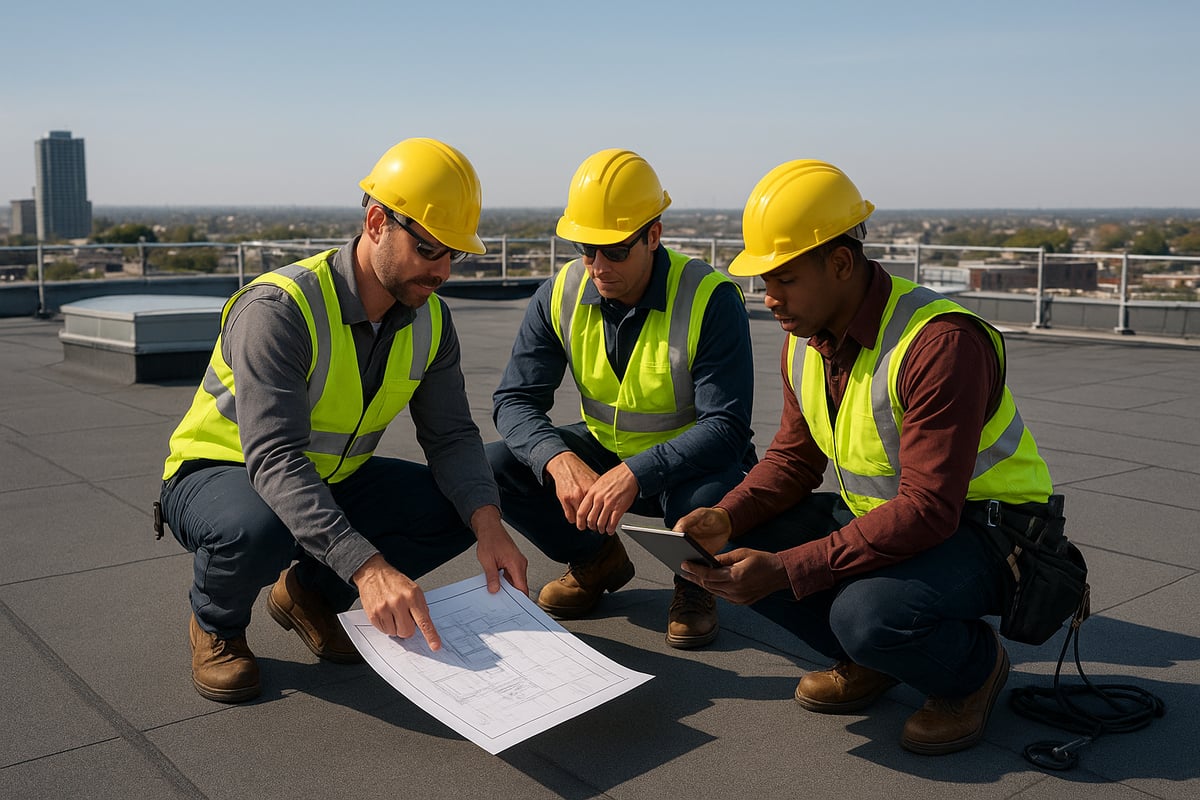
The first step in any commercial roofing replacement is a comprehensive roof inspection by a qualified professional. Inspections uncover visible issues, such as membrane cracks or damaged flashing, and identify hidden problems like wet insulation or deck rot.
Advanced tools, including infrared scans and moisture surveys, reveal moisture trapped beneath the surface. For example, an infrared scan can detect water infiltration that is invisible to the naked eye, preventing costly surprises during the project.
By understanding the full scope of work upfront, you can avoid unexpected delays and ensure your commercial roofing replacement addresses all underlying issues.
Budgeting and Cost Factors
Accurate budgeting is essential for any commercial roofing replacement. Key cost drivers include the size of your roof, chosen materials, project complexity, labor rates, and geographic location.
Costs for flat roofs typically range from $5 to $12 per square foot. Deciding between a full tear-off or an overlay can significantly impact your budget. Tear-offs are more expensive but may be necessary for roofs with structural damage, while overlays can save money if the existing deck is sound.
Contingency funds are vital, as unforeseen issues often arise during replacement. Most projects are completed within one to four weeks, depending on scale. To understand material options and their impact on costs, visit the Best commercial roofing materials resource.
Minimizing Downtime and Business Disruption
One of the biggest concerns with commercial roofing replacement is minimizing disruption to daily operations. Strategic scheduling, such as working during off-hours or weekends, can reduce business interruptions.
For larger facilities, a phased replacement approach allows sections of the roof to be replaced while other areas remain operational. Clear communication with tenants or building occupants is crucial, ensuring everyone is informed about project timelines and safety measures.
For instance, a manufacturing facility may choose to replace its roof in sections to maintain full production and avoid costly shutdowns.
Navigating Permits and Code Compliance
Every commercial roofing replacement must comply with local building codes and regulations. The permit process requires submitting detailed documentation and often includes city inspections at key milestones.
Your contractor should be familiar with Occupational Safety and Health Administration (OSHA) requirements, ensuring proper safety practices are followed throughout the project. Failing to secure the right permits or meet code can result in fines or delays.
For example, some cities require inspections after tear-off and before installing new materials, so coordination with inspectors is critical to staying on schedule.
Selecting the Right Roofing Partner
Choosing the right contractor is vital for a successful commercial roofing replacement. Look for licensed, bonded, and insured professionals with a proven track record. Ask for references, review past project portfolios, and evaluate the warranties offered for both materials and workmanship.
Be wary of red flags such as heavy reliance on subcontractors, lack of clear documentation, or vague, non-itemized estimates. A trustworthy partner will provide transparency, communicate openly, and ensure your project meets all expectations.
Step-by-Step Commercial Roof Replacement Process
When planning a commercial roofing replacement, understanding each step helps ensure the project runs smoothly. A clear process reduces the risk of delays, unexpected costs, and business disruption. Below is a breakdown of each phase, so you can confidently oversee your next commercial roofing replacement project from start to finish.
Step 1: Comprehensive Roof Inspection
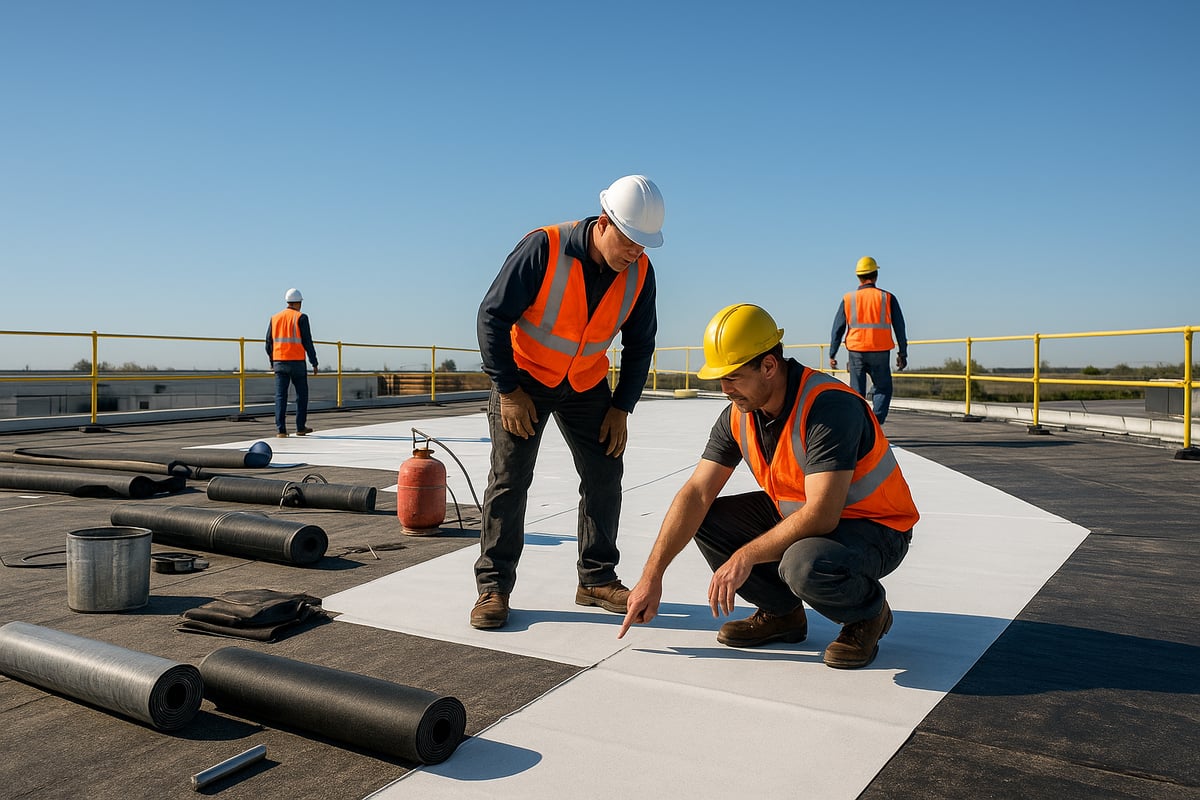
A thorough inspection is the foundation of a successful commercial roofing replacement. Professionals start with a visual survey, checking for cracks, blisters, ponding water, and signs of membrane failure. Core sampling may be used to assess insulation and decking conditions beneath the surface.
Infrared scans and moisture surveys help identify hidden problems, such as trapped water or deteriorated insulation. For example, an inspection may uncover ponding water and saturated insulation that are not visible to the naked eye.
Documenting findings with photos and detailed reports provides a baseline for the next steps. This information ensures your commercial roofing replacement addresses all underlying issues, not just surface symptoms.
Step 2: Scope Development and Proposal
Once the inspection is complete, the next stage of commercial roofing replacement involves developing a detailed scope of work. Contractors present material options, such as TPO or modified bitumen, tailored to your building’s needs and climate.
A transparent, itemized estimate breaks down all costs, including materials, labor, and any necessary repairs. The proposal should outline clear timelines, milestones, and warranty details. For instance, you might receive a proposal comparing the benefits and costs of TPO versus modified bitumen membranes.
This clarity helps you make informed decisions and prepares you for the investment required for a successful commercial roofing replacement.
Step 3: Pre-Construction Planning
Effective pre-construction planning is critical to a seamless commercial roofing replacement. This step covers securing permits, obtaining necessary approvals, and coordinating pre-construction meetings with owners, tenants, or facility managers.
Site preparation includes setting up safety barriers, organizing equipment staging areas, and planning for debris removal. Logistics are mapped out to minimize disruption to daily operations.
Communication is key. Establishing a plan for regular updates and addressing occupant concerns keeps everyone informed and reduces surprises during the commercial roofing replacement process.
Step 4: Tear-Off or Overlay Decision
During commercial roofing replacement, deciding between a full tear-off and a roof overlay is a pivotal moment. Contractors assess the structural deck’s condition to determine the best option.
If the existing roof is structurally sound and free of trapped moisture, an overlay can save time, reduce waste, and lower costs. However, if there is significant damage or code requirements call for it, a full tear-off is necessary for long-term performance.
For example, many building owners opt for an overlay on sound roofs, as this approach can extend the lifespan and reduce the environmental impact of their commercial roofing replacement.
Step 5: Installation of New Roofing System
The installation phase is the heart of commercial roofing replacement. For tear-off projects, crews remove old materials and dispose of debris according to local regulations. Damaged decking and insulation are repaired or replaced to create a solid foundation.
Next, the chosen membrane or panels, such as TPO, PVC, or metal, are installed. Special attention is paid to flashing, edge details, and sealing roof penetrations to prevent leaks. Quality control checks are performed at every stage.
For example, installing a metal roof system in a high wind zone requires precision and strict adherence to manufacturer specifications for optimal durability.
Step 6: Final Inspection and Quality Assurance
After installation, a final inspection is conducted to validate the quality of the commercial roofing replacement. This may involve a manufacturer’s representative or third-party inspector to confirm the system meets warranty requirements.
A punch-list walkthrough with the client ensures any outstanding items are addressed. Documentation, including photos and warranty certificates, is provided for your records. Thorough quality assurance at this stage gives peace of mind and protects your investment.
Step 7: Post-Installation Maintenance Planning
The last step in commercial roofing replacement is planning for ongoing maintenance. Establishing a regular inspection and cleaning schedule, such as annual or biannual checkups, is essential for preserving roof performance and warranty coverage.
Maintenance should include clearing debris from drains, checking for minor damage, and keeping detailed records. For actionable strategies on maximizing your new roof’s life, see these maintenance tips from Fort Worth experts.
Consistent maintenance not only extends the lifespan of your commercial roofing replacement but also helps avoid costly repairs in the future.
Commercial Roofing Materials: Options, Pros & Cons
Choosing the right material is central to a successful commercial roofing replacement. With advancements in roofing technology and a variety of systems available, understanding the features, benefits, and drawbacks of each material empowers property owners to make informed decisions. For a more detailed breakdown of the pros and cons of each roofing system, refer to Best Commercial Roofing Materials for 2025.
| Material Type | Lifespan | Key Strengths | Common Applications |
|---|---|---|---|
| Single-Ply (TPO, EPDM, PVC) | 20–30 years | Energy efficiency, flexibility | Flat/low-slope roofs |
| Built-Up/Modified Bitumen | 15–30 years | Multi-layer protection | High-traffic/industrial |
| Metal | 30–50 years | Durability, low maintenance | Offices, retrofits |
| Fluid-Applied Coatings | 10–20 years | Seamless, cost-effective | Restoration projects |
| Slate/Tile/Specialty | 40+ years | High-end, low maintenance | Historic/landmark buildings |
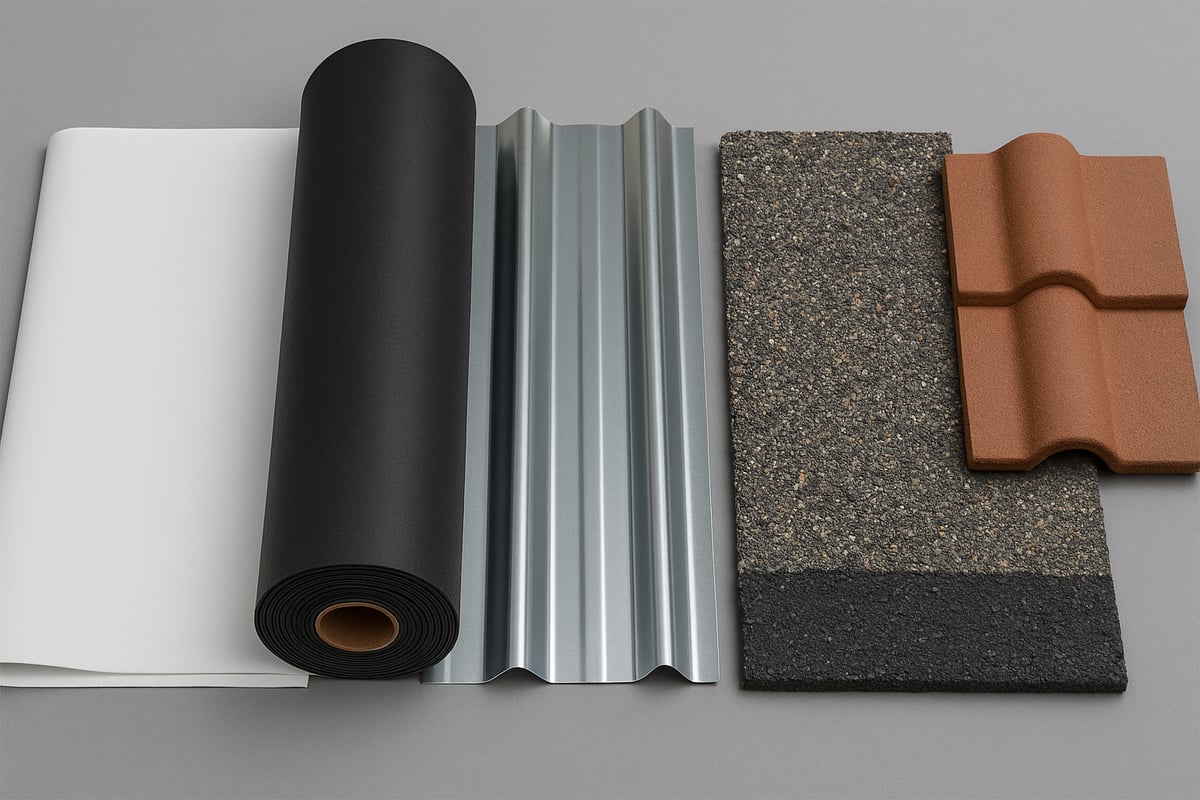
Single-Ply Membranes (TPO, EPDM, PVC)
Single-ply membranes are a leading choice for commercial roofing replacement projects, especially on flat or low-slope buildings. TPO (thermoplastic polyolefin) is favored for its energy efficiency and UV resistance, often lowering cooling costs in hot climates.
EPDM (ethylene propylene diene monomer), a synthetic rubber membrane, is valued for its flexibility and weather resistance, making it ideal for warehouses and large facilities. PVC (polyvinyl chloride) membranes are known for chemical resistance and performance in environments with grease or industrial pollutants.
Each system generally lasts 20 to 30 years. While installation is relatively straightforward, proper seaming and flashing are critical for long-term success. Single-ply systems can be susceptible to punctures, so consider roof traffic and potential hazards during your commercial roofing replacement planning.
Built-Up Roofing (BUR) and Modified Bitumen
Built-up roofing (BUR) and modified bitumen systems have served as commercial roofing replacement standards for decades. BUR consists of multiple layers of asphalt and reinforcing felt, delivering redundancy and durability against leaks.
Modified bitumen adds polymer modifiers for improved flexibility and weather performance. These systems are especially suitable for industrial settings or roofs with frequent foot traffic. Maintenance involves regular inspections and patching of surface cracks or blisters.
Lifespan typically ranges from 15 to 30 years. While BUR and modified bitumen offer excellent waterproofing, their weight and installation complexity may be a consideration during the commercial roofing replacement process.
Metal Roofing Systems
Metal roofing is recognized for its impressive longevity and minimal maintenance, making it an excellent investment for commercial roofing replacement on offices, schools, and retrofits. Common metals include steel, aluminum, and copper.
Standing seam metal roofs provide superior wind and hail resistance, as well as fire safety. They can last 30 to 50 years or more. Metal roofs are often chosen for their ability to shed water efficiently and support solar panel installation.
Retrofit metal systems allow building owners to upgrade without a full tear-off, reducing downtime. For buildings requiring a long-term commercial roofing replacement solution, metal offers durability and curb appeal.
Fluid-Applied Roof Coatings
Fluid-applied roof coatings provide a seamless, waterproof barrier, ideal for extending the life of aging but structurally sound roofs. These coatings, such as silicone or acrylic, are applied directly over existing membranes.
They are cost-effective compared to full commercial roofing replacement, especially where the underlying structure is in good condition. Fluid-applied systems are especially useful for roofs with complex penetrations or irregular shapes.
Routine maintenance, including periodic cleaning and recoating, is essential to maximize lifespan, which typically ranges from 10 to 20 years. These coatings can restore reflectivity, improve energy efficiency, and delay the need for a full commercial roofing replacement.
Slate, Tile, and Specialty Materials
Slate, clay tile, and other specialty materials represent the premium end of commercial roofing replacement options. These materials offer exceptional durability, often exceeding 40 years of service with minimal maintenance.
Their high upfront cost is offset by longevity and timeless appearance. Slate and tile are best suited for sloped or architecturally significant buildings, such as historic properties or landmarks. They are also fire-resistant and provide excellent insulation.
Specialty materials require skilled installation and robust structural support due to their weight. For property owners seeking a distinctive look and long-term value, these options are a compelling choice for commercial roofing replacement.
Warranties, Insurance, and Long-Term Maintenance
A successful commercial roofing replacement is not just about installation, but also about protecting your investment over time. Warranties, insurance, and a strong maintenance plan are essential for maximizing roof value and minimizing risk.
Understanding Roofing Warranties
When you invest in a commercial roofing replacement, understanding your warranty is key to long-term peace of mind. Most projects come with two types of warranties: a manufacturer’s material warranty and a contractor’s workmanship warranty.
Material warranties typically cover defects in the roofing membrane or panels for 10 to 30 years, depending on the product. Workmanship warranties, often ranging from 1 to 10 years, protect you from installation errors. It is important to review what is and is not covered, as some warranties exclude damage caused by neglect or lack of maintenance.
To keep your commercial roofing replacement warranty valid, follow the required maintenance schedule and document all inspections or repairs. For example, a 20-year manufacturer warranty is standard for many systems, but skipping annual inspections could void your coverage.
Navigating Insurance Claims
Severe weather and unexpected events can damage even the best commercial roofing replacement. That is why it is crucial to know how to handle insurance claims efficiently. Start by documenting all roof conditions with photos and detailed inspection reports before and after any event.
If your property suffers storm or hail damage, file a claim promptly and work closely with your insurer’s adjuster. Detailed records help ensure you receive fair coverage and speed up the claim process. For a step-by-step guide on handling insurance during roof work, see Insurance claims for roof damage.
Many property owners find that a well-documented inspection leads to a full commercial roofing replacement after a major storm, rather than just minor repairs. Being proactive with documentation and communication is key.
Preventive Maintenance to Extend Roof Life
Regular upkeep is vital for extending the lifespan of your commercial roofing replacement. Preventive maintenance helps you detect leaks, drainage problems, and membrane damage before they escalate.
Set up a schedule for inspections at least once or twice a year, plus after major storms. Cleaning debris from drains and gutters prevents water buildup and costly repairs. Keep detailed records of all maintenance activities, as this supports both warranty and insurance claims.
Industry insights show that consistent maintenance can add 5 to 10 years to your roof’s life. Investing a little time and effort now pays dividends by reducing unexpected expenses and maximizing your commercial roofing replacement value.
Budgeting for Repairs and Future Replacement
Smart property owners plan ahead for the full lifecycle of their commercial roofing replacement. Set aside annual reserves for minor repairs and routine maintenance to avoid surprises. A good rule of thumb is to allocate funds based on your roof’s age, condition, and size.
Consider implementing a roof asset management program or software to track inspections, repairs, and costs. This makes it easier to plan for the next replacement cycle, typically every 20 to 30 years depending on materials.
For example, a facility manager who budgets for maintenance and future replacement is better prepared for emergencies and can make data-driven decisions. This proactive approach ensures your commercial roofing replacement remains a valuable asset for years to come.
Frequently Asked Questions About Commercial Roof Replacement
Navigating a commercial roofing replacement project brings up many important questions. Below, we address the most common concerns property owners and managers face, helping you make informed decisions at every step.
How long does a commercial roof replacement take?
The timeline for a commercial roofing replacement typically ranges from one to four weeks. The duration depends on several factors, such as building size, roof complexity, weather conditions, and the type of materials used. For example, replacing a simple flat roof on a retail store may be completed in just over a week, while a multi-phase project for a large facility can stretch to a month. Regional factors also play a role; urban projects may take longer due to logistics and access challenges. According to the 360Value Quarterly Reconstruction Cost Analysis Q3 2024, project timelines can vary significantly by location and season. Careful planning helps minimize disruption and keeps your business running smoothly during a commercial roofing replacement.
What determines the cost of a commercial roof replacement?
Several key factors influence the cost of a commercial roofing replacement. These include the total square footage, chosen material, labor rates, roof accessibility, and whether a full tear-off is required. Costs also fluctuate based on local market conditions and building type. For instance, a flat roof in a dense urban area often incurs higher expenses due to material transport and setup. Average costs range from $5 to $12 per square foot, but unique project needs can affect the final budget. The U.S. Roofing Industry Statistics 2025 provides useful data on current pricing trends and material popularity. Always request a detailed, itemized estimate from your contractor before starting a commercial roofing replacement.
How can I choose the best roofing contractor?
Selecting the right partner for your commercial roofing replacement is crucial for quality and peace of mind. Start by verifying that potential contractors are licensed, bonded, and insured. Request references and check online reviews to assess their reputation. Ask to see examples of similar completed projects and inquire about in-house crews versus subcontractors. A reliable contractor will provide a clear, written proposal with transparent pricing and warranty details. Warning signs include vague estimates, reluctance to share documentation, or heavy reliance on third-party labor. Taking time to vet your contractor can ensure a smooth and successful commercial roofing replacement.
What maintenance is required after replacement?
After your commercial roofing replacement, a proactive maintenance plan is essential to protect your investment. Schedule routine inspections—typically once or twice a year—to catch minor issues before they escalate. Key maintenance steps include clearing debris from drains, checking for membrane punctures, and inspecting flashing and seals. Keep detailed records of all inspections and repairs, as this documentation helps maintain your warranty. Regular care can extend your roof's life and prevent unexpected expenses. For example, annual inspections often reveal small problems that, if fixed early, avoid major repairs in the future and maximize the longevity of your commercial roofing replacement.
After learning what goes into a successful commercial roofing replacement, it’s clear that staying proactive is the best way to protect your property and budget. Whether you’re seeing early warning signs of trouble or planning ahead for a major upgrade, having a thorough understanding of your roof’s current condition is essential for smart decision-making and long-term peace of mind. If you want clarity on where your roof stands—and practical next steps—I recommend you Get a Commercial Roof Condition Report from Texcore’s expert team. You’ll gain actionable insights and honest recommendations, tailored to your building’s unique needs.