Flat Roof Repair Materials: Complete Guide
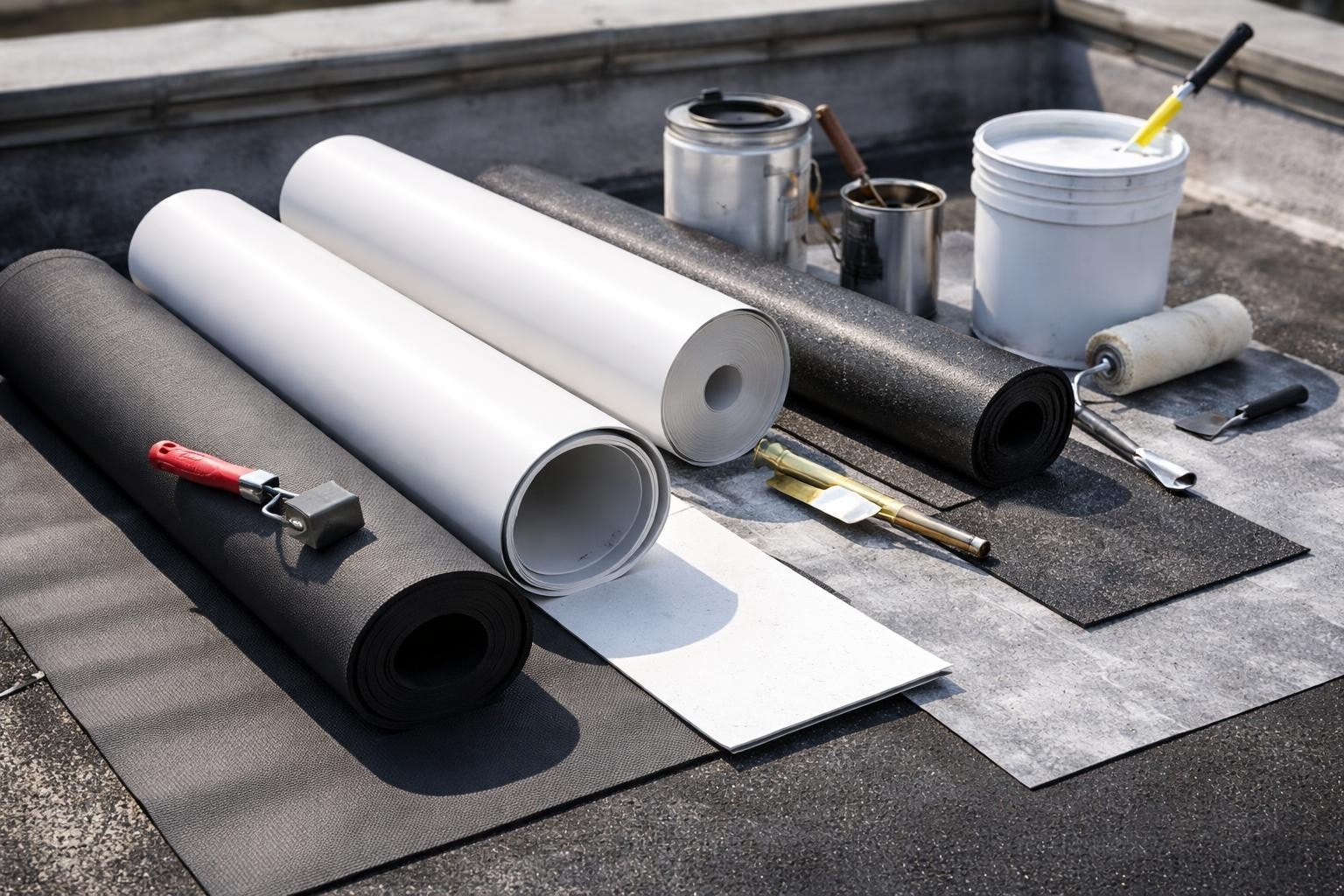
Property owners and facility managers dealing with flat roof issues understand that selecting the right repair materials directly impacts performance, longevity, and cost-effectiveness. The commercial roofing landscape offers numerous flat roof repair materials, each designed for specific damage types, climate conditions, and building requirements. Understanding these materials helps decision-makers choose solutions that address immediate problems while preventing recurring issues. From single-ply membranes to multi-layer systems, the material selection process requires balancing durability, compatibility, installation requirements, and long-term maintenance considerations.
Understanding Flat Roof System Types
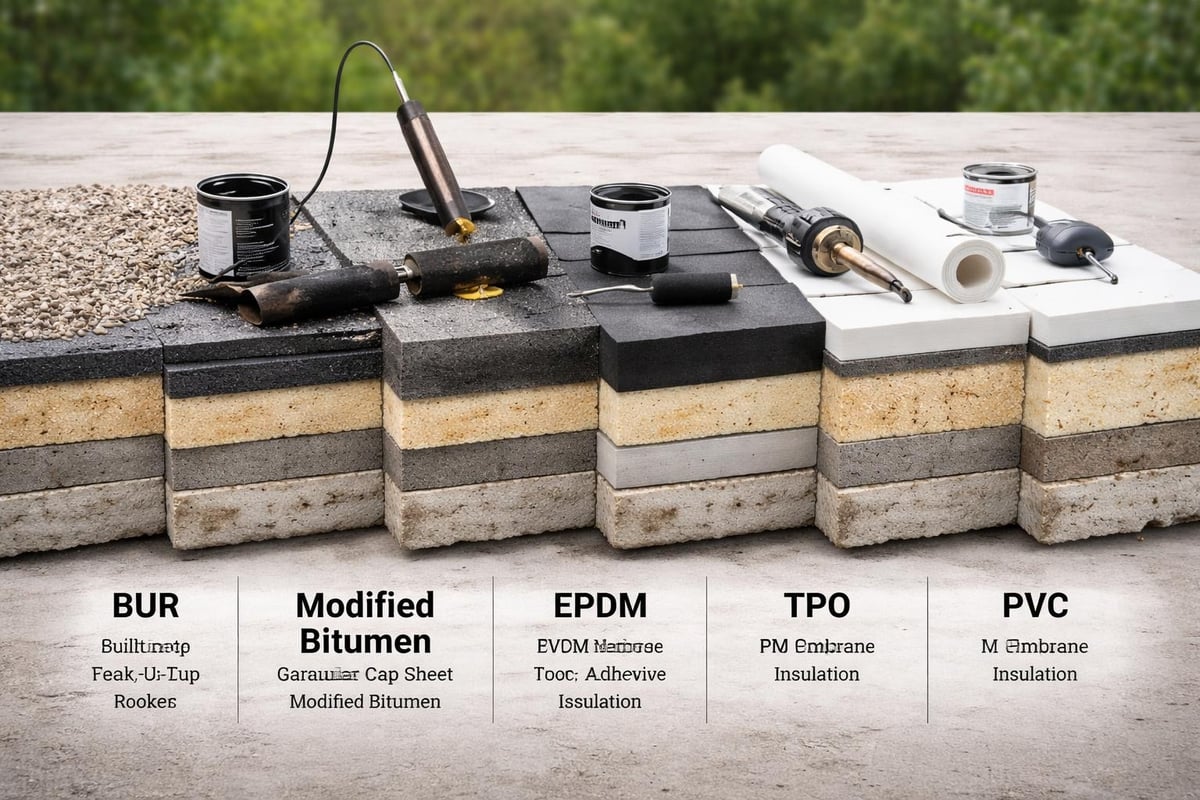
Flat roof repair materials must match the existing roof system to ensure proper adhesion, compatibility, and performance. Commercial buildings typically feature one of several primary flat roofing systems, each requiring specific repair approaches.
Built-up roofing (BUR) systems consist of alternating layers of bitumen and reinforcing fabrics. These traditional systems, sometimes called tar-and-gravel roofs, respond well to patch repairs using compatible asphalt or coal tar products. When addressing BUR failures, contractors typically apply hot asphalt with reinforcing plies or use cold-applied adhesives for smaller repairs.
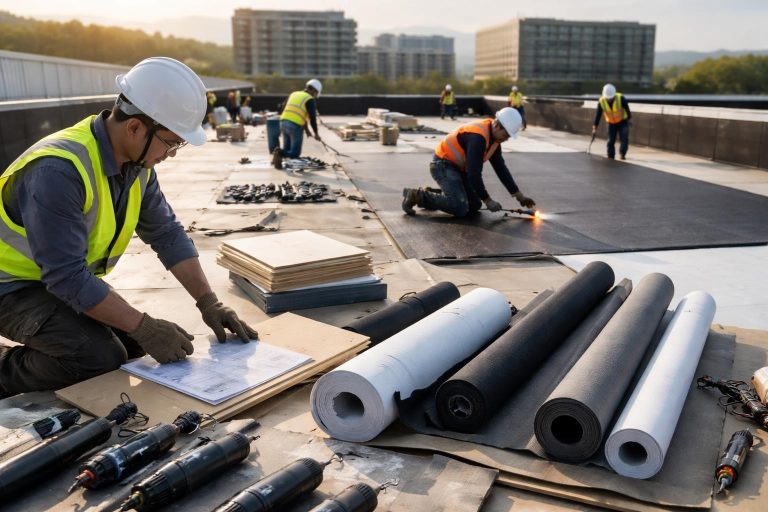
Modified bitumen represents an evolution of BUR technology, incorporating polymer-modified asphalt sheets. Repair materials for modified bitumen systems include APP (atactic polypropylene) and SBS (styrene-butadiene-styrene) products, each requiring different application methods. APP materials typically use torch application, while SBS products work with cold adhesives or heat welding.
Single-ply membrane systems including EPDM, TPO, and PVC dominate modern commercial installations. Each membrane type demands specific flat roof repair materials formulated for chemical compatibility and proper bonding.
EPDM Repair Materials and Applications
EPDM (ethylene propylene diene monomer) rubber roofing requires specialized flat roof repair materials designed for flexible, waterproof bonds. This synthetic rubber membrane excels in temperature extremes and UV resistance, making it popular across diverse climates.
EPDM patch materials include uncured rubber flashing, peel-and-stick patches, and liquid adhesives. Uncured EPDM flashing provides the most durable repair for tears, punctures, and seam failures. This material chemically bonds with the existing membrane, creating a monolithic seal that moves with thermal expansion and contraction.
Property owners should note several critical compatibility factors:
- Cleaning requirements: EPDM repairs demand thorough surface preparation with approved cleaners
- Primer application: Most repairs require specific bonding adhesives or primers
- Curing time: Full bond strength develops over 24-48 hours under proper conditions
- Temperature sensitivity: Installation typically requires temperatures above 40°F
For those considering EPDM roofing in Fort Worth, understanding repair material requirements helps evaluate long-term maintenance costs. Professional contractors stock manufacturer-approved EPDM repair materials to ensure warranty compliance and optimal performance.
TPO and PVC Membrane Repair Solutions
Thermoplastic membranes represent the fastest-growing segment of commercial flat roofing, requiring distinct flat roof repair materials from their thermoset counterparts.
TPO Membrane Repairs
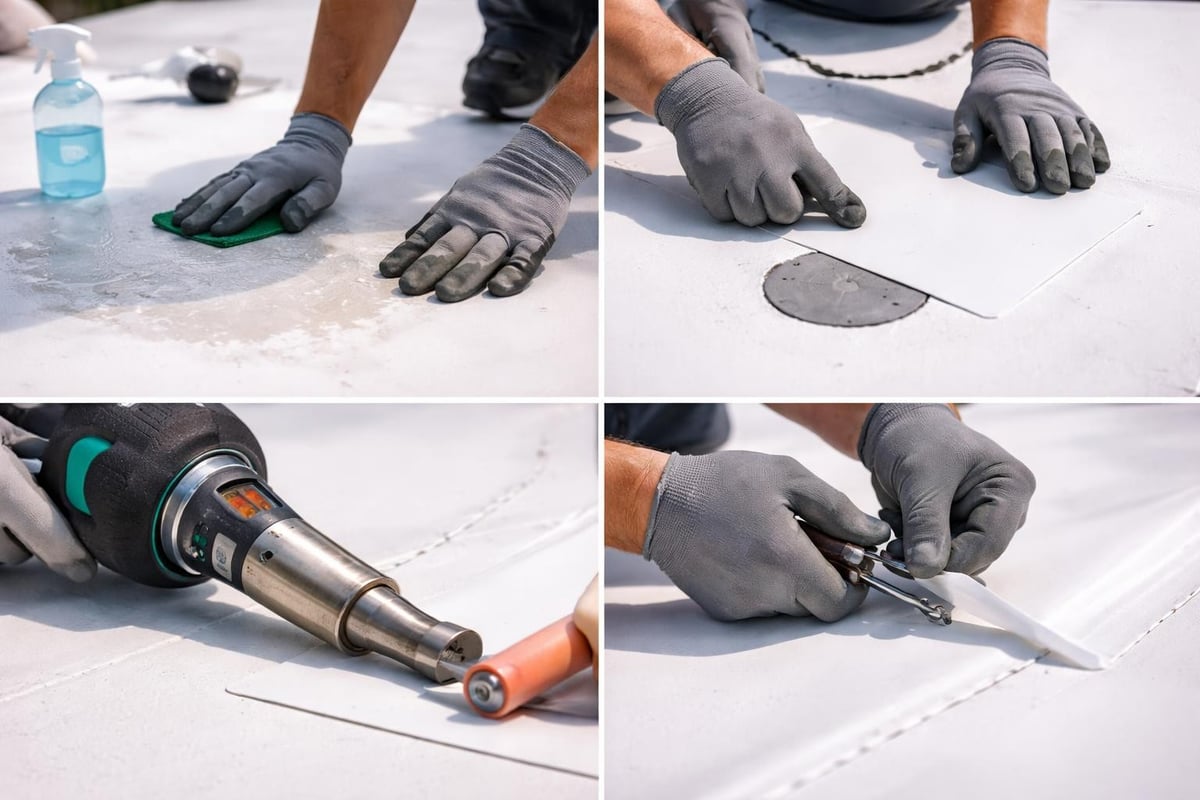
TPO (thermoplastic polyolefin) membranes feature heat-weldable seams that create strong, permanent bonds. Repair materials for TPO systems leverage this same heat-welding technology for maximum durability.
TPO patch material comes in matching membrane thickness, allowing contractors to heat-weld patches directly to damaged areas. This creates a seamless repair that matches or exceeds the original membrane strength. Unlike adhesive-based repairs, heat-welded TPO patches eliminate the risk of adhesive failure over time.
| Repair Type | Material Used | Application Method | Typical Cost Range |
|---|---|---|---|
| Small puncture | TPO patch + primer | Heat welding | $150-$300 |
| Seam failure | TPO membrane strip | Heat welding | $200-$500 |
| Large tear | TPO sheet section | Heat welding + adhesive | $400-$1,200 |
| Flashing repair | TPO flashing material | Heat welding | $250-$600 |
Contractors also use TPO-compatible sealants for detail work around penetrations, terminations, and complex transitions. These sealants provide secondary waterproofing while accommodating membrane movement. The selection of TPO roofing in Fort Worth properties often considers repair accessibility and material availability.
PVC Membrane Repair Materials
PVC (polyvinyl chloride) membranes share TPO's heat-welding capabilities but offer enhanced chemical resistance. Flat roof repair materials for PVC systems must maintain this superior resistance to oils, greases, and other contaminants.
PVC repair products include reinforced and non-reinforced membrane patches, liquid PVC sealants, and specialty primers. Restaurant kitchens, manufacturing facilities, and other buildings with potential chemical exposure benefit from PVC's inherent resistance, making proper repair material selection critical for maintaining protective qualities.
Coating Systems for Flat Roof Restoration
Coating systems represent a category of flat roof repair materials that address widespread deterioration, minor leaks, and surface degradation without full replacement. These liquid-applied products create seamless, monolithic layers that restore waterproofing and extend roof lifespan.
Acrylic Roof Coatings
Acrylic elastomeric coatings deliver excellent UV resistance and reflectivity, making them ideal for reducing cooling costs. These water-based products apply easily with rollers or sprayers and clean up with water.
Key performance characteristics include:
- High solar reflectance reducing surface temperatures by 50-80°F
- Good elongation properties accommodating minor substrate movement
- Excellent dirt pickup resistance maintaining reflective properties
- Limited ponding water resistance requiring proper drainage
Acrylic coatings work best on well-drained roofs with minimal ponding. Application typically requires two coats at 1-2 gallons per 100 square feet, depending on substrate condition and manufacturer specifications.
Silicone Roof Coatings
Silicone coatings excel in ponding water situations where other flat roof repair materials fail. These coatings maintain waterproofing integrity even when submerged for extended periods, making them valuable for flat roofs with drainage challenges.
Unlike acrylic products, silicone coatings cure through moisture exposure rather than evaporation. This unique characteristic allows application in higher humidity and cooler temperatures. Property managers appreciate silicone's resistance to standing water, but should note that silicone surfaces attract and hold dirt, potentially reducing reflectivity over time.
Polyurethane and Polyurea Coatings
Polyurethane coatings provide superior impact resistance and abrasion protection for flat roofs experiencing foot traffic or maintenance activity. These coatings offer excellent elongation and tensile strength, bridging minor cracks and accommodating substrate movement.
Polyurea systems cure rapidly, sometimes within minutes of application. This fast cure time demands experienced application but allows quick return to service. Many contractors use polyurea for emergency roof repair situations where downtime must be minimized.
The coating selection process should consider existing roof type, drainage conditions, climate factors, and budget constraints. Understanding various flat roofing materials helps property owners make informed decisions about restoration versus replacement.
Sealants and Caulking Materials
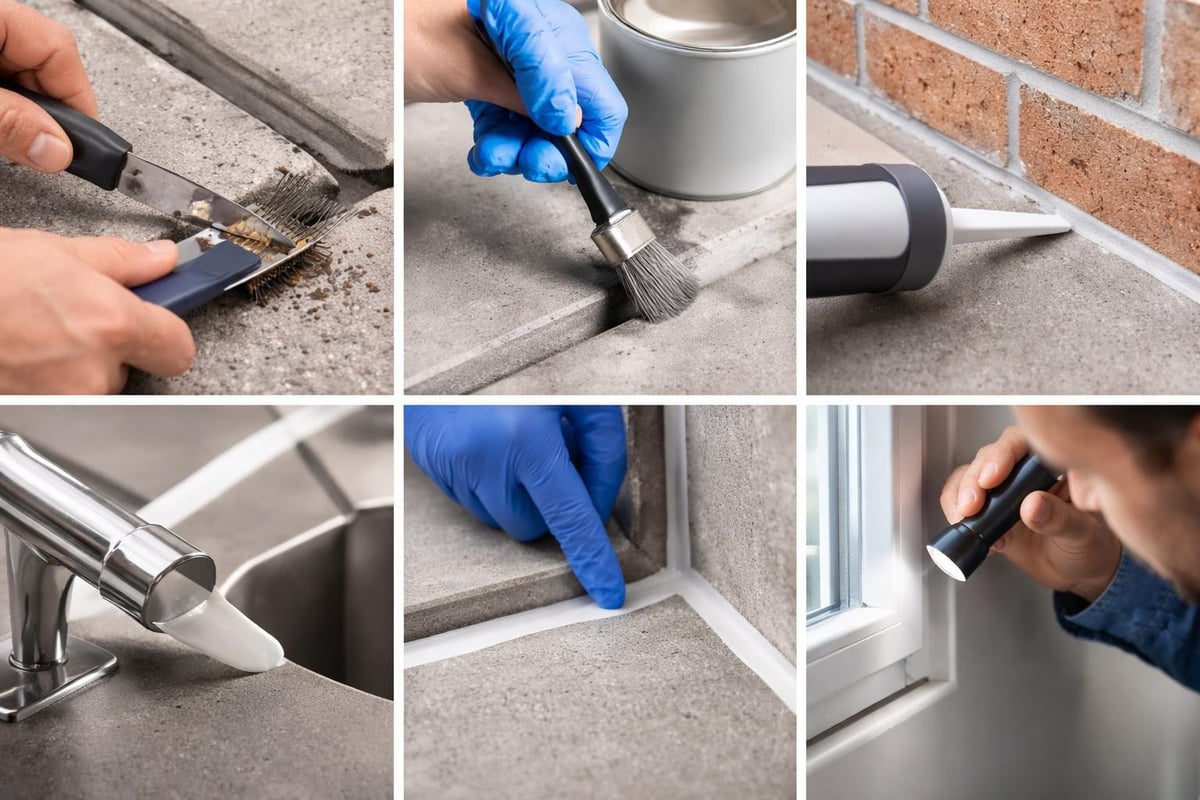
Sealants represent essential flat roof repair materials for addressing localized failures around penetrations, terminations, and detail areas. These products bridge gaps, seal joints, and provide secondary waterproofing where membranes terminate.
Professional-grade sealants differ significantly from consumer products available at retail stores. Commercial-quality sealants offer superior adhesion, elongation, and UV resistance necessary for long-term flat roof performance.
Polyurethane Sealants
Polyurethane sealants provide excellent adhesion to most roofing substrates including metal, concrete, and various membranes. These single-component products cure through moisture exposure, developing strong, flexible seals that accommodate thermal movement.
Application considerations include:
- Surface preparation: Thoroughly clean and dry all surfaces
- Primer requirements: Many substrates require compatible primers
- Tooling time: Work sealant smooth within 5-10 minutes
- Cure time: Full cure requires 24-72 hours depending on humidity
- Paintability: Most polyurethane sealants accept coating after curing
These sealants work particularly well for detail work around roof-mounted equipment, skylights, and pipe penetrations where movement occurs between dissimilar materials.
Silicone Sealants
Silicone sealants excel in high-UV environments and extreme temperature conditions. These products maintain flexibility from -60°F to 350°F, making them suitable for climates with significant temperature variations.
Unlike polyurethane products, silicone sealants don't accept paint or coating. This characteristic makes them less suitable for situations requiring future coating but ideal for permanent sealing applications where aesthetics aren't primary concerns.
Butyl Sealant Tapes
Butyl rubber tapes provide convenient, mess-free sealing for lap seams, terminations, and temporary repairs. These non-curing products remain permanently flexible and self-healing, accommodating substrate movement without cracking or splitting.
Many contractors use butyl tape as flat roof repair materials for quick temporary repairs during storm damage situations, allowing time for proper permanent repairs. The tape's instant adhesion and waterproof qualities make it valuable for emergency response.
Patching and Reinforcement Materials
Beyond membrane-specific patches, several universal flat roof repair materials address various damage types across different roofing systems. These products typically combine reinforcing fabrics with compatible resins or adhesives.
Fiberglass Mesh and Resin Systems
Fiberglass-reinforced repair systems use woven or non-woven mesh embedded in liquid resin to create strong, permanent patches. These materials work across multiple substrate types including metal, concrete, wood, and various membranes.
The reinforcement process involves applying base coat resin, embedding mesh while wet, and applying topcoat resin. Multiple layers build thickness and strength for larger damaged areas. Cured patches develop high tensile strength while remaining flexible enough to accommodate normal roof movement.
| Material Component | Function | Coverage Rate | Cure Time |
|---|---|---|---|
| Base coat resin | Surface bonding | 100-150 sq ft/gal | 4-6 hours |
| Fiberglass mesh | Reinforcement | Sized to damaged area | N/A |
| Intermediate coat | Mesh embedding | 100-150 sq ft/gal | 4-6 hours |
| Top coat resin | Surface protection | 100-150 sq ft/gal | 6-8 hours |
This layered approach creates patches that often exceed the original membrane strength, providing long-lasting repairs when properly applied.
Fabric-Reinforced Tape Systems
Self-adhesive fabric-reinforced tapes offer quick repair solutions for emergency situations and temporary fixes. These products combine aggressive adhesives with reinforcing fabrics like polyester or fiberglass.
While not typically considered permanent flat roof repair materials, fabric tapes provide reliable temporary waterproofing during roof wind damage repair operations. Professional contractors use these products to secure buildings quickly before implementing comprehensive repair strategies.
Primers and Surface Preparation Products
Surface preparation determines repair success regardless of which flat roof repair materials contractors ultimately apply. Primers, cleaners, and preparation products ensure proper adhesion and long-term performance.
Membrane-Specific Primers
Each roofing membrane type requires compatible primers formulated for optimal chemical bonding. EPDM primers differ chemically from TPO or PVC primers, making proper product selection critical.
EPDM primers typically use solvent-based formulations that prepare rubber surfaces for adhesive or patch application. These primers remove contaminants, open membrane surfaces, and provide tacky surfaces for maximum bond strength.
TPO and PVC primers prepare thermoplastic surfaces for adhesive bonding when heat welding isn't practical. While heat welding creates superior bonds, primers allow adhesive bonding in situations where open flames or hot air guns pose safety concerns.
Cleaning and Preparation Solutions
Professional roof cleaning products remove dirt, biological growth, oils, and other contaminants that prevent proper adhesion. These specialized cleaners work without damaging membrane surfaces or leaving residues that compromise repair material bonding.
The cleaning process typically follows this sequence:
- Remove loose debris and standing water
- Apply approved cleaning solution
- Agitate surface with brushes or pads
- Rinse thoroughly with clean water
- Allow complete drying before repair
Rushed or inadequate surface preparation accounts for most repair failures. Taking time to properly clean and prime surfaces ensures flat roof repair materials perform as designed.
Modified Bitumen and BUR Repair Products
Traditional roofing systems require specific flat roof repair materials that complement their multi-layer construction and bitumen-based composition. These products maintain compatibility with aged materials while providing modern performance characteristics.
Hot-Applied Asphalt
Hot asphalt remains the standard repair material for BUR systems, providing excellent adhesion and waterproofing when properly applied. Contractors heat asphalt to 400-500°F, allowing it to flow into cracks, seal edges, and bond reinforcing plies.
While effective, hot asphalt application requires specialized equipment, trained crews, and careful attention to safety protocols. Fire risk, burn hazards, and application complexity make this repair method best suited for professional contractors rather than property maintenance staff.
Cold-Applied Mastics and Cements
Cold-applied mastics offer safer, more convenient alternatives to hot asphalt for many repair situations. These products use asphalt or polymer-modified bitumen in solvent or water bases, eliminating heating requirements.
Asphalt plastic cement works well for small repairs, flashing work, and detail sealing. This trowel-grade material fills cracks, seals edges, and provides waterproofing around penetrations. Most formulations remain permanently plastic, accommodating movement without cracking.
Fibered asphalt emulsion provides spray or brush-applied sealing for larger areas. The fibrous reinforcement adds strength while the emulsion base allows water cleanup and reduced odor compared to solvent-based products.
Modified bitumen systems particularly benefit from these cold-applied flat roof repair materials, as they maintain chemical compatibility while simplifying application compared to torch methods.
Climate Considerations for Material Selection
Fort Worth's climate significantly influences which flat roof repair materials deliver optimal performance. Temperature extremes, UV exposure, and occasional severe weather all impact material selection and application timing.
Temperature Performance Requirements
Summer roof surface temperatures routinely exceed 160°F in Texas, demanding materials with excellent heat stability. Products that soften, sag, or degrade in high heat prove unsuitable regardless of their performance in moderate climates.
Heat-stable options include:
- Silicone coatings: Maintain integrity to 350°F
- PVC membranes: Designed for 180°F+ surface temperatures
- Heat-welded TPO: Superior seam strength in high heat
- APP modified bitumen: Specifically formulated for hot climates
Winter installation presents different challenges. Many flat roof repair materials require minimum temperatures for proper curing or adhesion. Understanding these limitations prevents repairs that fail during the first seasonal temperature cycle.
UV Resistance and Reflectivity
Intense Texas sunlight degrades susceptible materials through UV radiation and thermal cycling. Products with poor UV resistance chalk, crack, or lose physical properties within months of installation.
Modern reflective coatings address both UV degradation and energy efficiency concerns for cool roofs. These products reflect 70-90% of solar radiation, reducing roof temperatures and extending substrate life while lowering cooling costs.
Professional Installation Considerations
While understanding flat roof repair materials helps property owners make informed decisions, professional installation ensures these materials perform as designed. Detailed guidance on flat roof repair processes emphasizes the critical role proper technique plays in repair longevity.
Quality Control and Documentation
Professional contractors document repairs through photographs, material specifications, and warranty information. This documentation proves valuable for future maintenance planning, insurance claims, and building sale transactions.
Quality control extends beyond material selection to include:
- Substrate assessment: Evaluating structural integrity before repairs
- Moisture testing: Ensuring dry conditions for optimal adhesion
- Application verification: Confirming proper thickness, coverage, and curing
- Final inspection: Checking completed repairs for defects or gaps
Many construction management systems, like those offered by BPA Bouwplaatsautomatisering, help contractors document and track repair work throughout complex projects. Similarly, platforms like Remonttihaku.fi connect property owners with qualified contractors who understand proper material selection and application techniques.
Warranty and Long-Term Performance
Material warranties typically require professional installation according to manufacturer specifications. Attempting DIY repairs with professional-grade flat roof repair materials often voids warranties and creates liability issues.
Reputable contractors provide both material and labor warranties, backing their work for multiple years. These warranties demonstrate confidence in material selection and installation quality while protecting property owners from premature failures.
Cost-Effectiveness and Material Lifespan
Evaluating flat roof repair materials requires balancing upfront costs against expected lifespan and performance characteristics. The least expensive option rarely delivers the best value when considering total cost of ownership.
Material Cost Comparison
Different materials carry widely varying costs per square foot, influenced by material complexity, installation requirements, and performance expectations:
- Peel-and-stick patches: $2-5 per square foot installed
- Heat-welded membrane repairs: $8-15 per square foot
- Coating systems: $1.50-3.50 per square foot for materials
- Modified bitumen patches: $6-12 per square foot installed
- Fiberglass-reinforced systems: $4-8 per square foot
These costs represent typical ranges for material and installation. Actual pricing varies based on access difficulty, damage extent, substrate condition, and local market factors. Understanding common repair versus replacement decision factors helps property owners determine when repairs make financial sense versus full roof replacement.
Expected Service Life
Properly selected and installed flat roof repair materials should provide service life proportional to their cost and complexity:
| Material Type | Expected Life | Maintenance Level | Best Applications |
|---|---|---|---|
| Temporary patches | 6-18 months | Monitor monthly | Emergency repairs |
| Permanent patches | 5-15 years | Annual inspection | Localized damage |
| Coating systems | 10-20 years | 3-5 year recoat | Widespread wear |
| System replacement | 15-30 years | Bi-annual inspection | Major failure |
Regular maintenance extends the life of all repair materials. Property owners who schedule routine inspections and address minor issues promptly maximize return on repair investments.
Selecting appropriate flat roof repair materials requires understanding system compatibility, climate demands, and performance expectations to achieve lasting waterproofing protection. Whether addressing emergency leaks or planning preventive maintenance, matching materials to specific conditions ensures repairs that protect your building investment. When you need expert guidance on flat roof repairs in the Fort Worth area, Texcore Construction delivers professional assessment, quality materials, and skilled installation backed by our five-year labor warranty and commitment to long-term roof performance.