Guttering and Fascia: Complete Guide for Property Owners
Your building's exterior protection depends on several interconnected systems, and few are as important as the components that manage water flow along the roofline. While roofing membranes and shingles get most of the attention, guttering and fascia work together to prevent water damage, protect structural elements, and maintain the long-term performance of your property. Understanding these systems, their function, and their maintenance requirements helps property owners make informed decisions about repairs and replacements.
Understanding the Relationship Between Guttering and Fascia
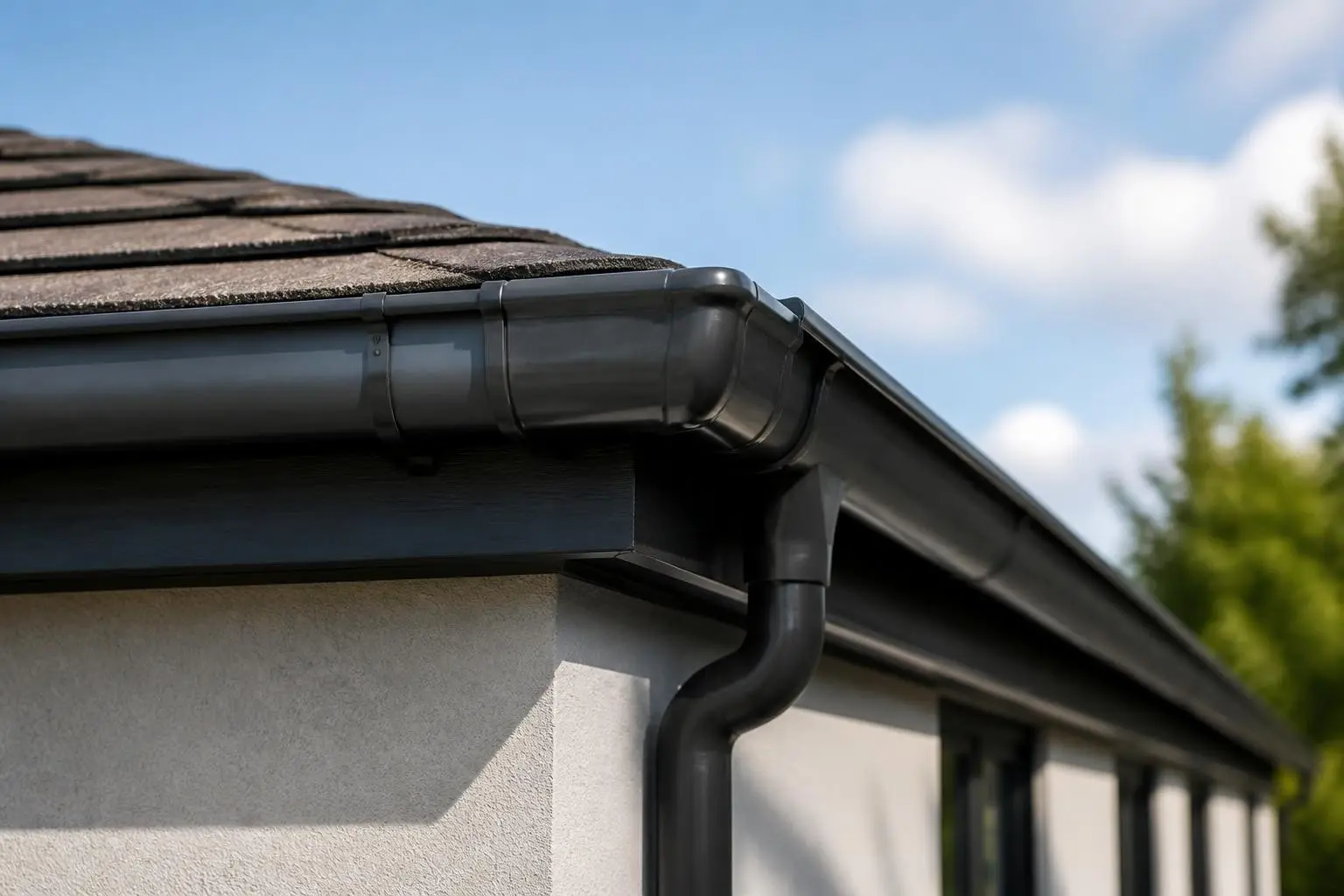
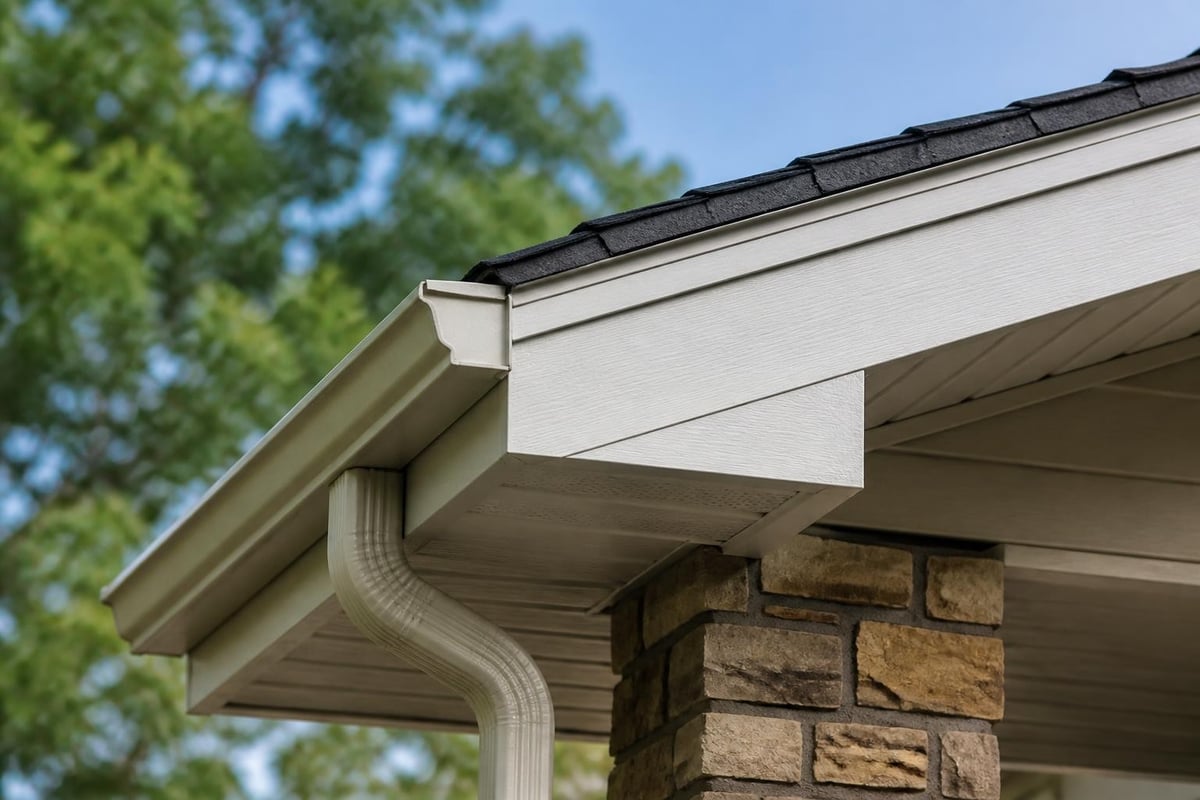
Guttering and fascia form a critical partnership at your roofline. The fascia board runs horizontally along the roof edge, creating a finished appearance while providing a mounting surface for gutter systems. This board typically measures six to eight inches in height and extends around the entire perimeter of the roof structure.
Gutters attach directly to the fascia, creating a secure anchor point that must withstand substantial weight. A typical gutter system carries water weight, accumulated debris, and occasional ice loads in colder climates. The fascia must remain structurally sound to support this weight without sagging, pulling away, or allowing water infiltration behind the gutter line.
Primary Functions of Fascia Boards
Fascia boards serve multiple purposes beyond gutter attachment:
- Create a barrier between roof decking and external elements
- Provide ventilation pathways when properly installed with soffit systems
- Support the lower edge of the roof structure
- Deliver a clean, finished appearance to the roofline
- Prevent small animals and insects from entering the attic space
The board material influences performance and longevity. Wood fascia requires regular painting or sealing to prevent rot and deterioration. Composite and PVC materials offer enhanced durability with reduced maintenance requirements, though installation costs typically run higher than traditional wood options.
Gutter System Design and Performance
Gutter systems channel water away from foundations, landscaping, and building exteriors. Proper sizing determines whether your gutters can handle peak water flow during heavy rainfall events. Fort Worth experiences intense thunderstorms that can deliver several inches of rain in short periods, demanding gutters that accommodate high-volume water flow.
Standard residential gutters measure five inches, while six-inch gutters handle greater water volume for larger roof areas or regions with heavy precipitation. Commercial buildings often require custom-sized gutters based on roof square footage and local rainfall intensity data.
Gutter Material Considerations
| Material | Lifespan | Maintenance | Cost Level | Best Application |
|---|---|---|---|---|
| Aluminum | 20-25 years | Low | Moderate | Residential, light commercial |
| Copper | 50+ years | Very low | High | Premium residential, historic |
| Steel | 15-20 years | Moderate | Low-Moderate | Budget-conscious projects |
| Vinyl | 10-15 years | Low | Low | Light-duty residential |
Seamless gutters, fabricated on-site to exact measurements, eliminate joints where leaks commonly develop. Traditional sectional gutters cost less initially but require more frequent seal maintenance and present greater leak risk at connection points.
Identifying Damage to Guttering and Fascia
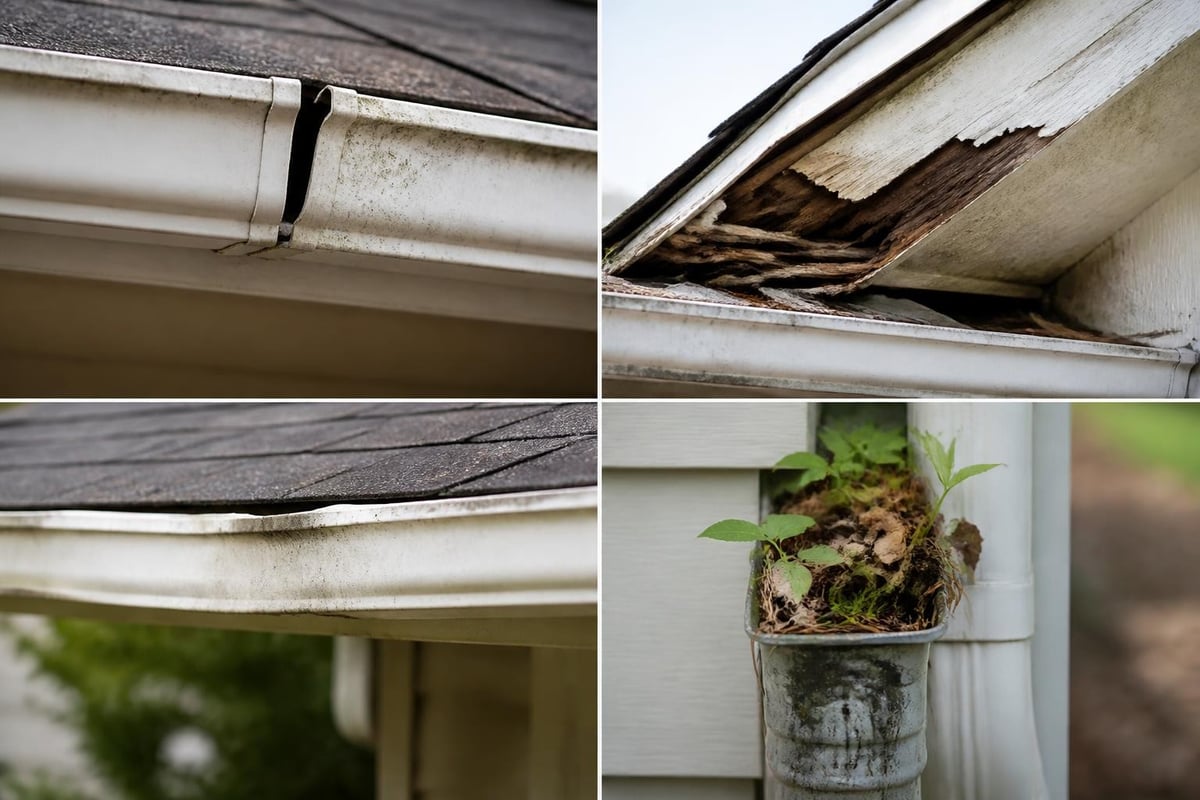
Regular inspection reveals problems before they escalate into expensive repairs. Water stains on fascia boards indicate overflow conditions or failed gutter seals. Peeling paint on wood fascia signals moisture penetration that leads to rot and structural compromise.
Visible gaps between gutters and fascia boards allow water to flow behind the gutter system, saturating the fascia and potentially reaching roof decking or wall cavities. Even small gaps permit enough water intrusion to cause significant damage over time.
Sagging gutters indicate either inadequate support, fascia deterioration, or accumulated debris weight exceeding design specifications. Property owners should investigate immediately when gutters pull away from the roofline or show visible downward slope between hanger points.
Storm and Weather Impact
Hail strikes dent aluminum and steel gutters, creating low points where water pools instead of flowing toward downspouts. High winds stress gutter hangers and can separate entire sections from fascia boards. Residential roof repair services often include assessment of related guttering and fascia damage, since storm events rarely impact just one component.
Wind-driven rain tests the integrity of gutter seals and fascia connections. After severe weather events, inspect thoroughly for:
- Separated gutter sections or downspouts
- New gaps between gutters and fascia
- Water stains on exterior walls below the roofline
- Loose or missing fascia boards
- Debris accumulation blocking water flow
Fort Worth's weather patterns deliver both intense heat and severe storms, accelerating deterioration of exposed roofline components. UV exposure degrades sealants and paint finishes, while thermal expansion and contraction stress connection points.
Maintenance Requirements for Long-Term Performance
Guttering and fascia require different maintenance approaches based on material composition and exposure conditions. Wood fascia boards need repainting every three to five years in most climates, with inspections identifying rot, insect damage, or moisture penetration requiring board replacement.
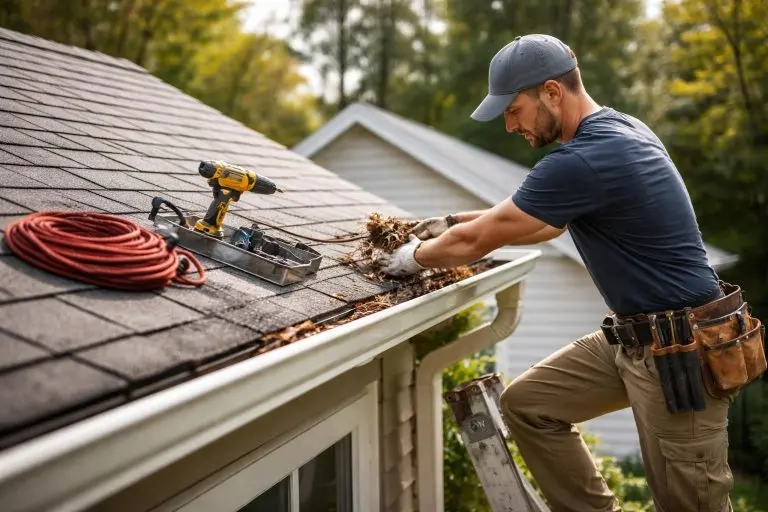
Gutter cleaning represents the single most important maintenance task. Accumulated leaves, shingle granules, and debris block water flow, causing overflow that saturates fascia boards and creates perfect conditions for rot development. Most properties require cleaning at least twice annually, with properties near mature trees needing quarterly service.
Step-by-Step Gutter Maintenance Protocol
- Remove large debris by hand or with a gutter scoop, working from downspouts toward high points
- Flush remaining material using a garden hose, checking for proper drainage and identifying clogs
- Inspect gutter slope to ensure consistent pitch toward downspouts (minimum one-quarter inch per ten feet)
- Check all hangers and brackets for secure attachment and proper spacing (typically every two feet)
- Examine fascia connection points for signs of water damage, rot, or separation
- Test downspouts by running water through the system and verifying complete drainage
- Apply sealant to any joints showing separation or deterioration
Expert maintenance guidance from industry resources emphasizes the importance of addressing small issues before they require complete system replacement.
When Replacement Becomes Necessary
Guttering and fascia replacement typically occurs in two scenarios: preventive upgrades during reroofing projects or reactive response to significant damage. Coordinating gutter and fascia work with roof replacement creates efficiency and ensures proper integration between systems.
Fascia board replacement becomes mandatory when rot extends beyond surface-level damage. Probing with a screwdriver reveals soft, spongy wood indicating structural compromise. Partial replacement addresses isolated damage, while widespread deterioration requires complete board replacement around the affected roofline sections.
Gutter replacement indicators include:
- Multiple leaks requiring repeated repairs
- Extensive rust or corrosion on metal gutters
- Permanent sagging that returns after adjustment
- Cracks or splits in gutter materials
- Age exceeding expected lifespan for the material type
Installation Best Practices
Proper installation procedures ensure long-term performance and minimize future maintenance requirements. Professional installation addresses critical details that affect system longevity.
Fascia boards must attach securely to rafter tails or lookout blocks, with appropriate fastener spacing preventing warping or separation. Replacement guidelines specify proper ventilation integration, ensuring air circulation prevents moisture accumulation in attic spaces.
Gutter hangers require precise spacing and secure attachment into solid framing members, not just fascia board material alone. Hidden hangers provide clean aesthetics while delivering superior holding strength compared to spike-and-ferrule systems common in older installations.
Material Selection for Replacement Projects
Property owners face numerous options when replacing guttering and fascia. Wood fascia boards cost less initially but demand ongoing maintenance through painting and periodic replacement. Engineered wood products resist moisture better than solid wood while maintaining traditional appearance.
PVC and composite fascia eliminates rot concerns entirely, though material costs run higher and some property owners find the appearance less desirable for certain architectural styles. These materials resist insect damage, never require painting, and maintain dimensional stability across temperature fluctuations.
For gutters, aluminum dominates residential applications due to favorable cost-to-performance ratios. The material resists rust, comes in numerous colors, and handles typical rainfall volumes effectively. Copper gutters deliver premium aesthetics and exceptional longevity, though material and installation costs limit use to high-end residential and commercial properties.
Commercial applications often specify larger gutter sizes and heavier-gauge materials to accommodate greater water volumes from expansive roof areas. Industrial facilities may require custom fabrication matching specific architectural requirements or accommodating unusual roof configurations.
Integration with Overall Roofing Systems
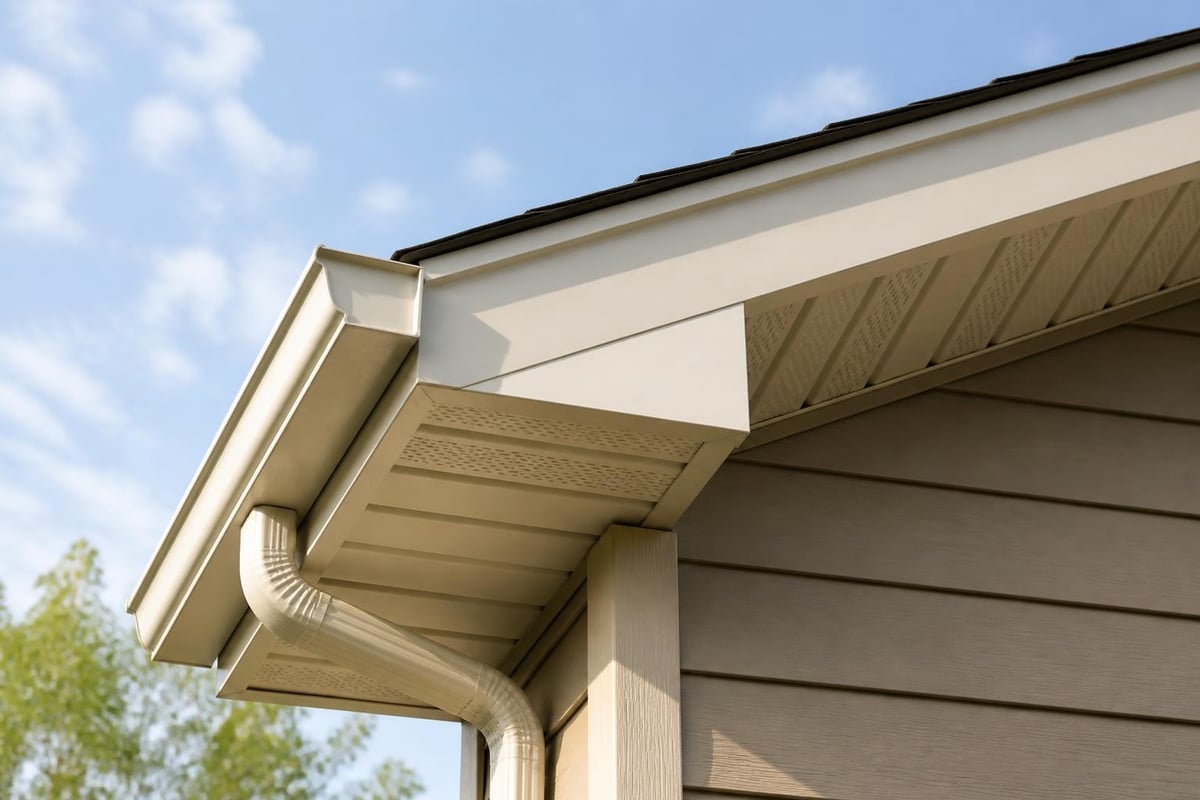
Guttering and fascia don't function in isolation. They integrate with roofing materials, drip edge flashing, and soffit ventilation to create comprehensive water management and building protection.
Drip edge flashing extends beyond the fascia board, directing water into gutters while protecting the fascia top edge from moisture infiltration. Missing or improperly installed drip edge allows water to wick back under shingles or flow behind gutters, defeating the purpose of even well-maintained guttering systems.
Understanding complete roofing systems helps property owners recognize how component failures in one area create cascading problems elsewhere. A gutter clog causes overflow that saturates fascia, leading to rot that compromises gutter attachment, which increases overflow severity in a destructive cycle.
Addressing Emergency Situations
Severe weather can compromise guttering and fascia suddenly, requiring immediate attention to prevent escalating damage. Sections of gutter blown completely off the building expose fascia to direct weather impact while allowing uncontrolled water flow against foundations and exterior walls.
Fascia boards damaged by falling tree limbs or severe hail create openings for water intrusion into roof structures and wall cavities. Emergency response services address urgent situations where compromised guttering and fascia threaten ongoing water damage to building interiors or structural elements.
Temporary repairs buy time for permanent solutions but shouldn't become long-term fixes. Tarping damaged sections, securing loose gutters, or installing temporary drainage routes protect property until professional repairs restore full system integrity.
Cost Factors and Planning Considerations
Guttering and fascia replacement costs vary based on building size, material selection, access difficulty, and damage extent. Linear footage determines material quantities, while building height affects labor rates due to equipment requirements and safety considerations.
Single-story residential properties offer straightforward access, keeping labor costs moderate. Multi-story commercial buildings or properties with complex rooflines require specialized equipment, increasing project costs substantially.
Material costs represent roughly 40-60% of total project expense for standard installations, with labor and equipment comprising the remainder. Premium materials like copper or composite fascia shift this ratio toward higher material percentages.
Property owners should request detailed estimates breaking down material and labor costs separately. This transparency reveals exactly what drives project pricing and helps identify opportunities for value engineering without sacrificing quality or performance.
Long-Term Value and Property Protection
Well-maintained guttering and fascia protect property values by preventing expensive structural damage. Water flowing freely off roof edges without gutter control erodes soil around foundations, creates standing water that infiltrates basements, and stains exterior finishes.
Foundation repairs cost thousands or tens of thousands of dollars, while properly functioning gutters and downspouts direct water away from vulnerable areas for a fraction of that investment. Interior water damage from saturated walls creates mold growth, damaged finishes, and compromised insulation performance.
Professional roofing contractors evaluate guttering and fascia condition during routine roof inspections, identifying problems before they escalate. Regular assessments catch deterioration early, when repairs cost less and prevent secondary damage to adjacent building components.
Regulatory and Building Code Considerations
Building codes specify minimum requirements for gutter sizing, fascia attachment, and drainage capacity. These standards ensure systems handle expected rainfall intensity for specific geographic regions. Fort Worth falls under International Building Code provisions adapted for local conditions and weather patterns.
New construction and substantial renovation projects require gutter systems meeting current code requirements, which often exceed older standards. Property owners updating aging systems should verify that replacements comply with current regulations to avoid future compliance issues or problems during property sales.
Some municipalities require specific downspout discharge configurations to manage stormwater runoff. Extensions carrying water away from foundations or connections to underground drainage systems may be mandatory rather than optional improvements.
Professional Assessment Value
While property owners can perform basic inspections, professional evaluation identifies subtle problems missed by untrained observers. Experienced professionals recognize early warning signs of fascia rot, inadequate gutter slope, or improper installation details that compromise long-term performance.
Documentation from professional inspections provides valuable records for maintenance planning and insurance purposes. Detailed roof assessment services often include comprehensive evaluation of related components like guttering and fascia, delivering complete property condition information.
Professional recommendations prioritize repairs based on urgency and cost-effectiveness, helping property owners allocate maintenance budgets efficiently. Not all identified issues require immediate attention, and expert guidance distinguishes between urgent repairs and items suitable for future planning.
Protecting your property requires maintaining every component of your roofing system, and guttering and fascia play essential roles in managing water and preserving structural integrity. When these systems show signs of damage or deterioration, prompt professional assessment prevents minor issues from escalating into expensive repairs. Texcore Construction delivers thorough inspections, honest recommendations, and quality repairs backed by in-house crews and a five-year labor warranty, helping Fort Worth property owners maintain reliable roofing systems built for long-term performance.