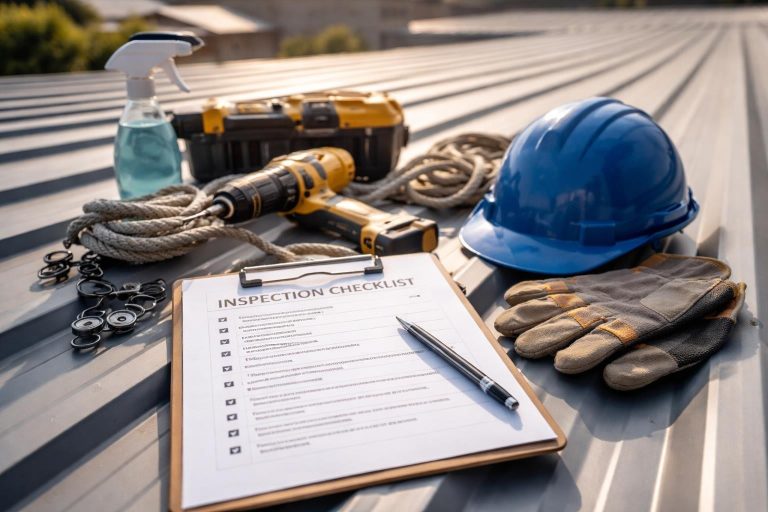

Modern Roof Company: What Sets Leaders Apart in 2026
The roofing industry has undergone significant transformation over the past decade, and what defines a modern roof company today extends far beyond simply installing shingles or repairing leaks. Property owners, facility managers, and homeowners now expect speed, transparency, accountability, and measurable results from their roofing contractors. A modern roof company combines advanced materials, in-house expertise, clear documentation practices, and rapid response capabilities to deliver roofing solutions that prioritize long-term performance over short-term fixes. Understanding these distinguishing characteristics helps property stakeholders make informed decisions when selecting a roofing partner.
In-House Crews vs. Subcontractor Networks
One of the most significant differentiators separating a modern roof company from traditional contractors lies in workforce structure. Many roofing businesses operate as general contractors, farming out actual installation and repair work to networks of subcontractors. This model creates inconsistencies in quality, communication gaps, and accountability issues when problems arise.
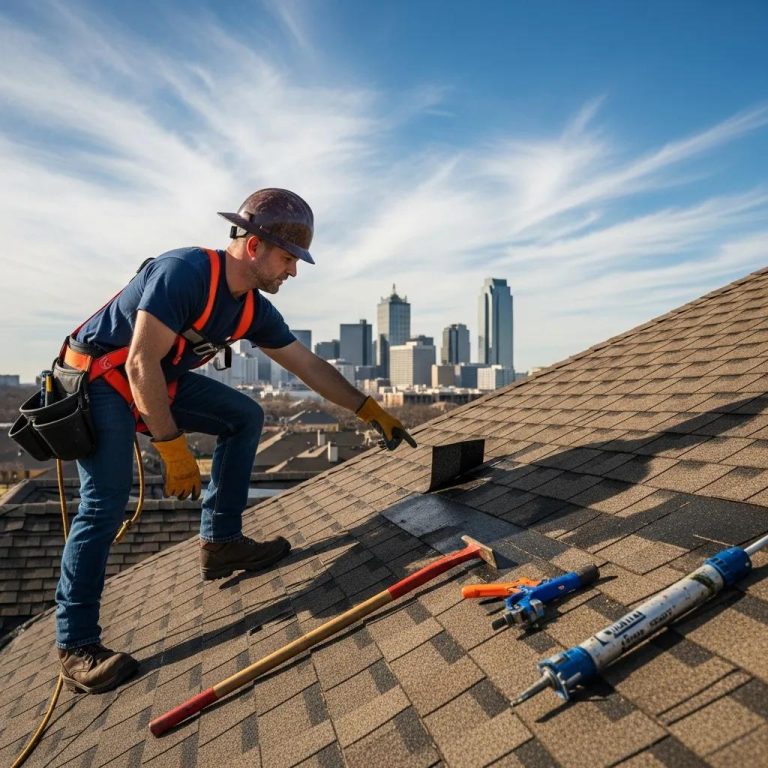
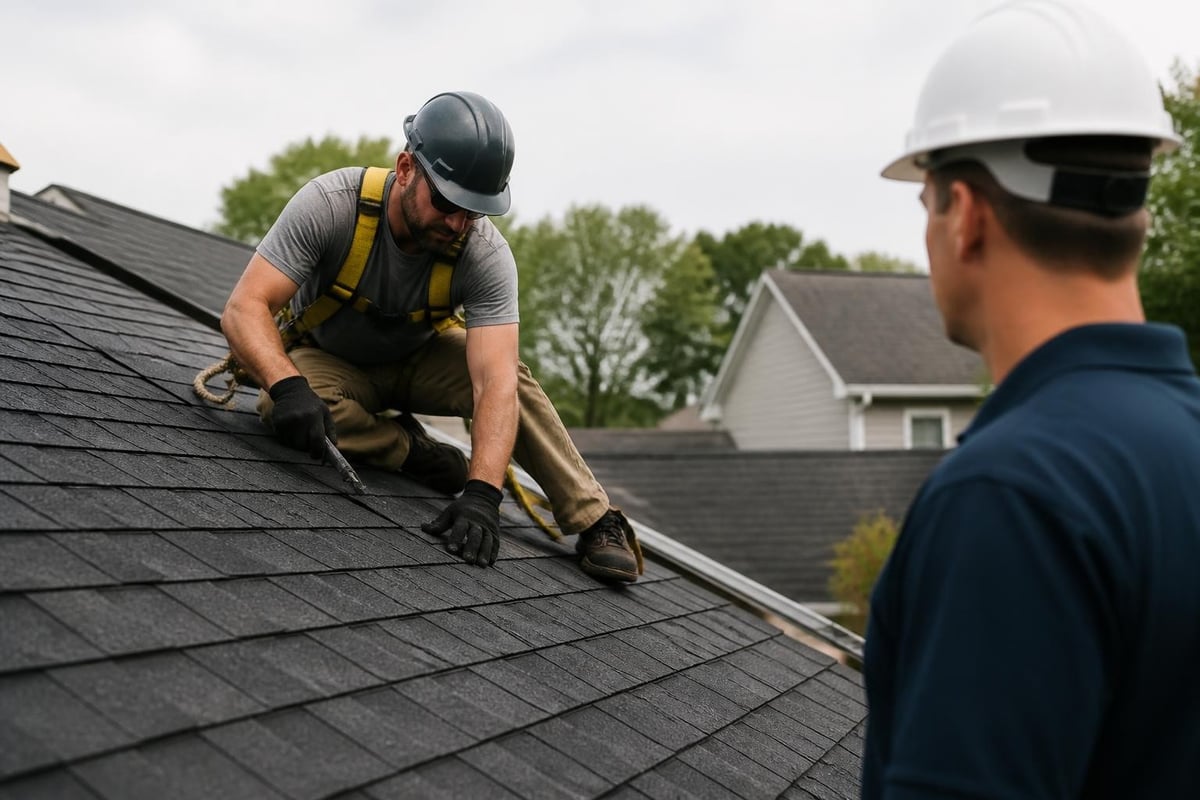
A modern roof company maintains fully insured, in-house crews who execute all roofing work directly. This approach delivers several measurable advantages:
- Consistent quality standards across every project, regardless of size or complexity
- Direct accountability from inspection through completion, with no finger-pointing between parties
- Cleaner job sites maintained by crews who represent the company's reputation
- Clear communication channels between property owners and the actual professionals performing the work
- Faster project execution without coordination delays between multiple subcontractor schedules
Property managers and facility operators particularly benefit from this structure when dealing with urgent commercial roof issues. When a warehouse experiences an active leak during business hours, having direct access to the crew performing repairs eliminates the communication layers that slow emergency response.
Quality Control and Training
In-house teams enable systematic quality control that subcontractor networks cannot replicate. Modern roof companies invest in ongoing crew training, manufacturer certifications, and safety protocols that create institutional knowledge. This investment translates into fewer callbacks, longer-lasting installations, and installations that consistently meet or exceed manufacturer specifications.
Material Innovation and Selection Expertise
The roofing materials landscape has expanded dramatically, with modern roofing materials now offering performance characteristics that were unavailable even five years ago. A modern roof company stays current with these developments and guides clients toward materials that align with their specific performance requirements, budget constraints, and building use cases.
Commercial Roofing Systems
For commercial applications, material selection directly impacts operational costs, maintenance requirements, and building longevity. Modern roof companies offer expertise across multiple commercial roofing systems:
| System Type | Primary Applications | Key Benefits | Typical Lifespan |
|---|---|---|---|
| TPO | Retail centers, offices | Energy efficiency, UV resistance | 20-30 years |
| EPDM | Warehouses, industrial | Durability, weather resistance | 25-35 years |
| Modified Bitumen | Multi-story buildings | Puncture resistance, flexibility | 20-25 years |
| Metal Roofing | Manufacturing facilities | Longevity, fire resistance | 40-60 years |
Understanding these distinctions allows property owners to make data-driven decisions rather than defaulting to the lowest bid or most familiar material. A modern roof company provides transparent material comparisons, highlighting long-term cost implications rather than just upfront installation expenses.
Residential Material Advancements
Residential roofing has similarly evolved beyond traditional three-tab asphalt shingles. Impact-resistant shingles, architectural designs with extended warranties, and eco-friendly roofing materials now offer homeowners options that balance aesthetics, performance, and sustainability. Modern roof companies help residential clients navigate these choices based on climate considerations, neighborhood aesthetics, and long-term value protection.
Documentation and Transparency Standards
Perhaps nothing distinguishes a modern roof company more clearly than documentation practices. Traditional roofing contractors often provide minimal written detail, vague scopes of work, and subjective damage assessments. This lack of transparency creates confusion, disputes, and difficulty when property owners need to make insurance-related decisions.
Modern roof companies implement systematic documentation protocols that include:
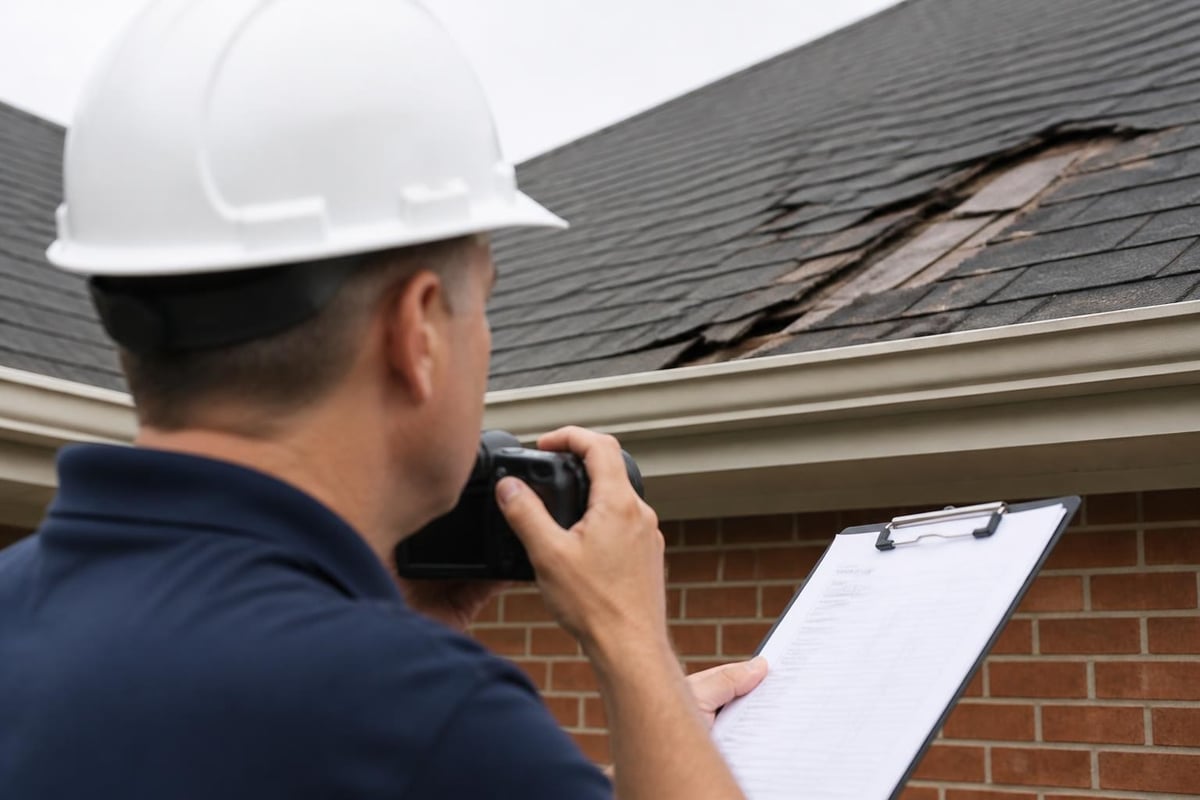
- Detailed photo documentation of existing conditions, damage, and completed work
- Precise measurements and material calculations supporting accurate scopes
- Written inspection reports with specific findings and clear recommendations
- Transparent pricing breakdowns showing labor, materials, and project phases
This documentation serves multiple purposes beyond immediate project execution. For property managers overseeing multiple facilities, detailed records support maintenance planning, budget forecasting, and capital improvement justification. For homeowners facing storm damage, thorough documentation provides the evidence needed when working with insurance adjusters.
Storm and Hail Damage Documentation
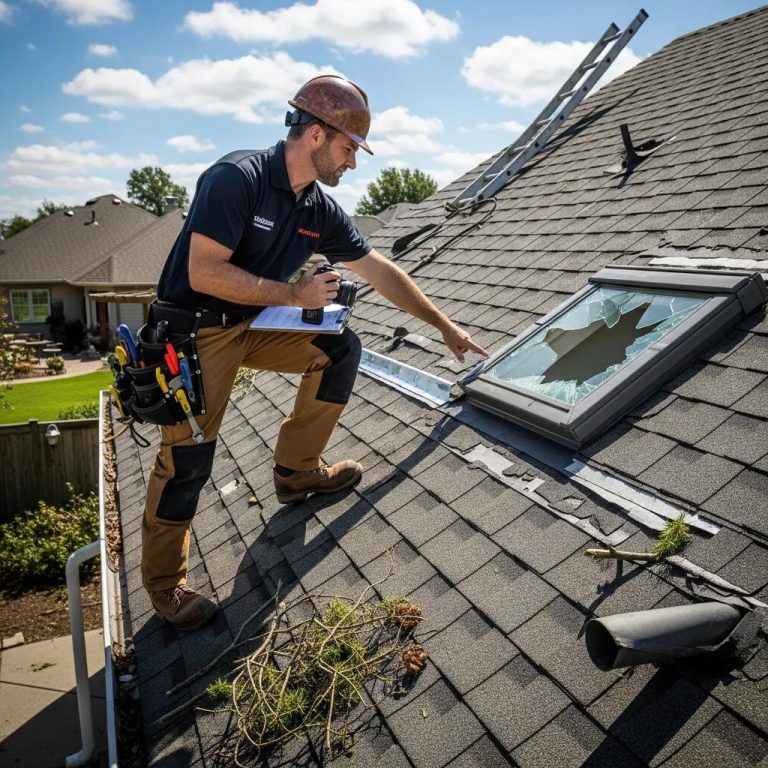
When severe weather impacts a property, documentation becomes especially critical. A modern roof company conducts comprehensive damage assessments that identify all affected areas, photograph specific impacts, and measure the extent of deterioration. This detailed approach ensures property owners have complete information when filing insurance claims and making repair decisions.
For Fort Worth property owners dealing with storm damage, documenting roof damage thoroughly provides the foundation for informed decision-making. A modern roof company provides this documentation without overpromising outcomes or making guarantees about insurance processes they don't control.
Rapid Response and Emergency Capabilities
Speed matters in roofing, particularly when active leaks threaten property, inventory, or operations. A modern roof company maintains emergency response capabilities that traditional contractors cannot match. This readiness includes:
- Same-day response protocols for urgent commercial leaks
- After-hours availability for true emergencies
- Emergency tarping and temporary protection services
- Immediate damage assessment following severe weather events
For commercial property managers, every hour of delayed response to a roof leak multiplies potential damage costs. Water intrusion affects inventory, damages equipment, disrupts operations, and creates liability concerns. A modern roof company understands these operational realities and structures response capabilities accordingly.
Commercial vs. Residential Response Priorities
Response requirements differ significantly between commercial and residential applications. Commercial properties often need immediate intervention to prevent business interruption, while residential emergencies typically focus on preventing interior damage and maintaining safety. Modern roof companies triage appropriately, understanding which situations demand immediate deployment versus scheduled service.
Technology Integration in Roofing Operations
Technology trends transforming the roofing industry include drone inspections, thermal imaging for leak detection, digital project management platforms, and advanced estimation software. A modern roof company leverages these tools to improve accuracy, reduce inspection time, and enhance communication with property owners.
Drone technology particularly benefits large commercial roof assessments, allowing comprehensive evaluation without the time and safety concerns associated with extensive manual inspections. Thermal imaging identifies moisture intrusion invisible to visual inspection, preventing small problems from becoming major failures.
Digital Communication and Project Tracking
Modern property owners and managers expect real-time project updates, digital access to documentation, and clear communication channels. A modern roof company implements project management systems that provide:
- Photo updates throughout project execution
- Schedule transparency with realistic completion timelines
- Digital access to inspection reports, warranties, and material specifications
- Direct communication with project supervisors and crew leads
This transparency reduces anxiety, prevents surprises, and ensures all stakeholders maintain current information throughout the roofing process.
Warranty Structures and Long-Term Accountability
Warranty offerings reveal a roofing company's confidence in their work and commitment to long-term accountability. Traditional contractors often provide minimal warranties or rely exclusively on manufacturer coverage, leaving property owners with limited recourse when installation-related issues emerge.
A modern roof company stands behind both materials and labor with comprehensive warranty structures. Five-year labor warranties demonstrate confidence in crew expertise and installation quality, providing property owners with meaningful protection beyond manufacturer material warranties.
Understanding Warranty Distinctions
Property owners should understand the difference between material warranties and labor warranties:
- Material warranties cover manufacturing defects and premature material failure, provided by the product manufacturer
- Labor warranties cover installation errors, workmanship issues, and performance problems related to application methods
Without robust labor warranty coverage, property owners bear the cost of reinstallation even when material warranties remain valid. A modern roof company eliminates this gap, ensuring comprehensive protection.
Safety Protocols and Risk Management
Roofing remains one of the most hazardous construction activities, and safety protocols distinguish professional operations from careless contractors. A modern roof company implements systematic safety practices including:
- OSHA-compliant fall protection for all elevated work
- Regular safety training and certification updates for all crew members
- Comprehensive general liability and workers' compensation insurance
- Site-specific safety planning for complex or high-risk projects
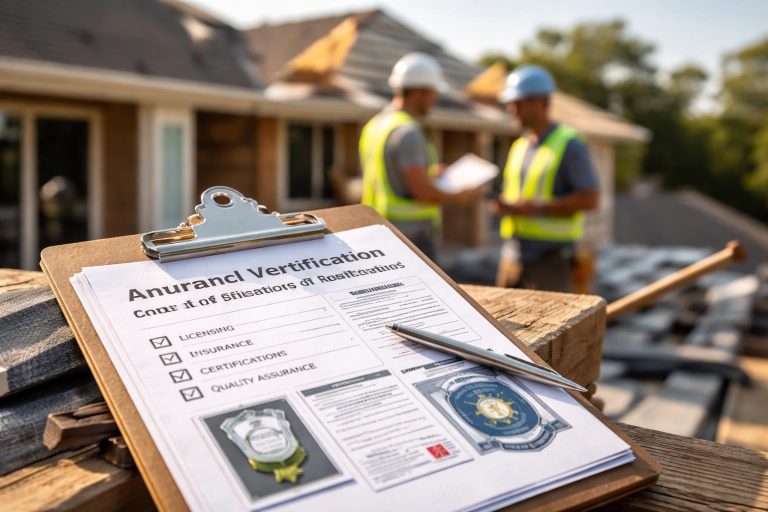
These protocols protect not just the roofing crews but also property owners and managers who bear liability for on-site incidents. When evaluating roofing companies in Fort Worth, requesting proof of insurance and safety certifications should be standard practice.
Accurate Scoping and Transparent Recommendations
One of the most frustrating aspects of traditional roofing contractors involves inaccurate project scopes that balloon during execution, creating unexpected costs and timeline extensions. A modern roof company invests time in thorough initial assessments, producing accurate scopes that reflect actual work requirements.
This accuracy extends to repair versus replacement recommendations. Rather than automatically pushing for full reroofs when targeted repairs would suffice, modern roof companies provide honest assessments based on actual roof condition, remaining service life, and cost-benefit analysis. This transparency builds trust and ensures property owners make decisions aligned with their actual needs rather than contractor profit motives.
Repair Decision Framework
When evaluating whether repair or replacement makes sense, several factors warrant consideration:
- Remaining roof lifespan relative to typical material service life
- Extent of damage as a percentage of total roof area
- Interior damage history indicating ongoing leak issues
- Building plans for the property over the next five to ten years
- Budget availability for immediate versus deferred capital expenses
A modern roof company walks property owners through this framework, providing clear recommendations supported by documentation and cost projections. For commercial properties with aging roofs nearing replacement timeframe, understanding commercial roofing options helps inform multi-year capital planning.
Industry Trend Awareness and Adaptation
The roofing industry continues evolving, with current roofing industry trends including increased demand for sustainable materials, integration of solar technologies, and emphasis on energy efficiency. A modern roof company monitors these developments and adapts service offerings accordingly.
Cool roofing systems that reflect solar radiation rather than absorbing heat now dominate commercial applications in warm climates. These systems reduce cooling costs, extend material lifespan through reduced thermal cycling, and contribute to more comfortable interior environments. Modern roof companies understand regional climate impacts and recommend materials optimized for local conditions.
Sustainability and Environmental Considerations
Environmental consciousness now influences roofing decisions across both commercial and residential sectors. Material recyclability, manufacturing carbon footprints, energy efficiency contributions, and longevity all factor into sustainable roofing choices. A modern roof company provides guidance on these considerations without greenwashing or overstating environmental benefits.
Clear Communication Throughout the Project Lifecycle
From initial contact through final inspection, communication quality separates modern roof companies from traditional contractors. Property owners should never wonder about project status, crew arrival times, or next steps. Modern roof companies establish clear communication protocols including:
- Designated project contacts who remain accessible throughout execution
- Proactive updates before schedule changes or weather delays impact timelines
- Pre-work walkthroughs explaining project phases and site protection measures
- Post-completion reviews ensuring satisfaction and addressing any concerns
For commercial projects, this communication extends to coordinating with facility operations, minimizing disruption to business activities, and respecting site-specific protocols regarding access, parking, and waste management. A modern roof company adapts to client operational requirements rather than forcing properties to accommodate contractor preferences.
Measurable Performance Indicators
Rather than relying on subjective claims about quality or service, a modern roof company provides measurable performance indicators that demonstrate capabilities:
- Average emergency response time from initial contact to crew arrival
- Project completion rates on or ahead of schedule
- Callback rates for workmanship issues requiring return visits
- Customer satisfaction metrics from post-project surveys
- Safety incident rates compared to industry averages
These metrics allow data-driven contractor evaluation rather than relying solely on marketing claims or online reviews of uncertain authenticity.
Selecting a roofing partner requires evaluating capabilities that extend far beyond basic installation skills. A modern roof company delivers measurable advantages through in-house crews, transparent documentation, rapid response systems, and accountability structures that protect property owners throughout the project lifecycle and beyond. When Fort Worth property owners and managers need roofing solutions built on craftsmanship, speed, and clear communication, Texcore Construction delivers with in-house crews, detailed documentation practices, and five-year labor warranties that demonstrate long-term commitment to every project.