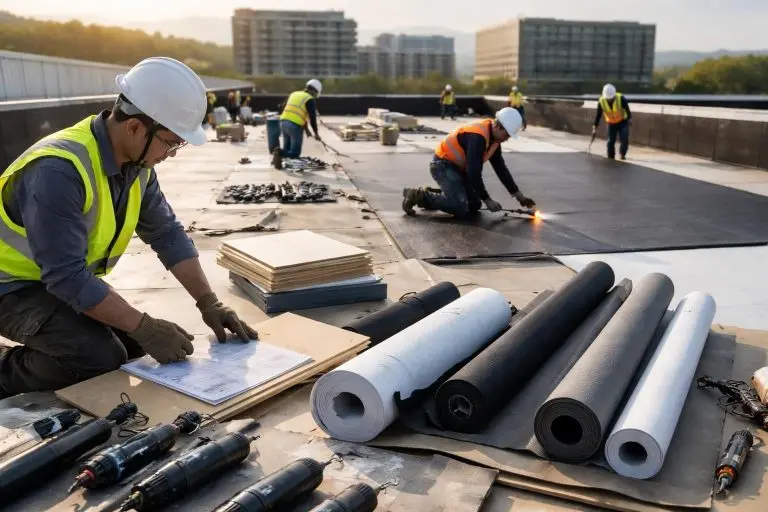

Residential Roofing Contractors Near Me: Complete Guide
Finding quality residential roofing contractors near me has become one of the most important searches homeowners conduct when facing roof repairs or replacements. Your roof represents a significant investment in your home's protection and value, making contractor selection a critical decision that impacts long-term performance and peace of mind. The residential roofing industry includes thousands of contractors, but not all operate with the same level of expertise, accountability, or commitment to quality craftsmanship. Understanding how to identify qualified professionals, verify their credentials, and evaluate their approach to roofing projects helps homeowners make informed decisions that protect their investment.
Why Contractor Selection Matters More Than Price
Many homeowners searching for residential roofing contractors near me start by comparing price quotes. While budget considerations matter, focusing exclusively on the lowest bid often leads to poor outcomes and costly repairs down the road.
Quality roofing installation requires specialized skills, proper materials, and attention to detail. Contractors who significantly underbid competitors typically cut corners through inferior materials, rushed installations, or reliance on inexperienced crews. These compromises show up months or years later as premature failures, leaks, and warranty disputes.
The National Roofing Contractors Association emphasizes that proper contractor selection involves evaluating multiple factors beyond price. Consider these critical elements when comparing contractors:
- insured status with current documentation
- Years of experience specifically in residential roofing
- Direct employment of installation crews versus subcontracting
- Manufacturer certifications and training credentials
- Detailed warranty coverage for both materials and labor
- References from recent projects in your local area
Direct Employment Versus Subcontractor Models
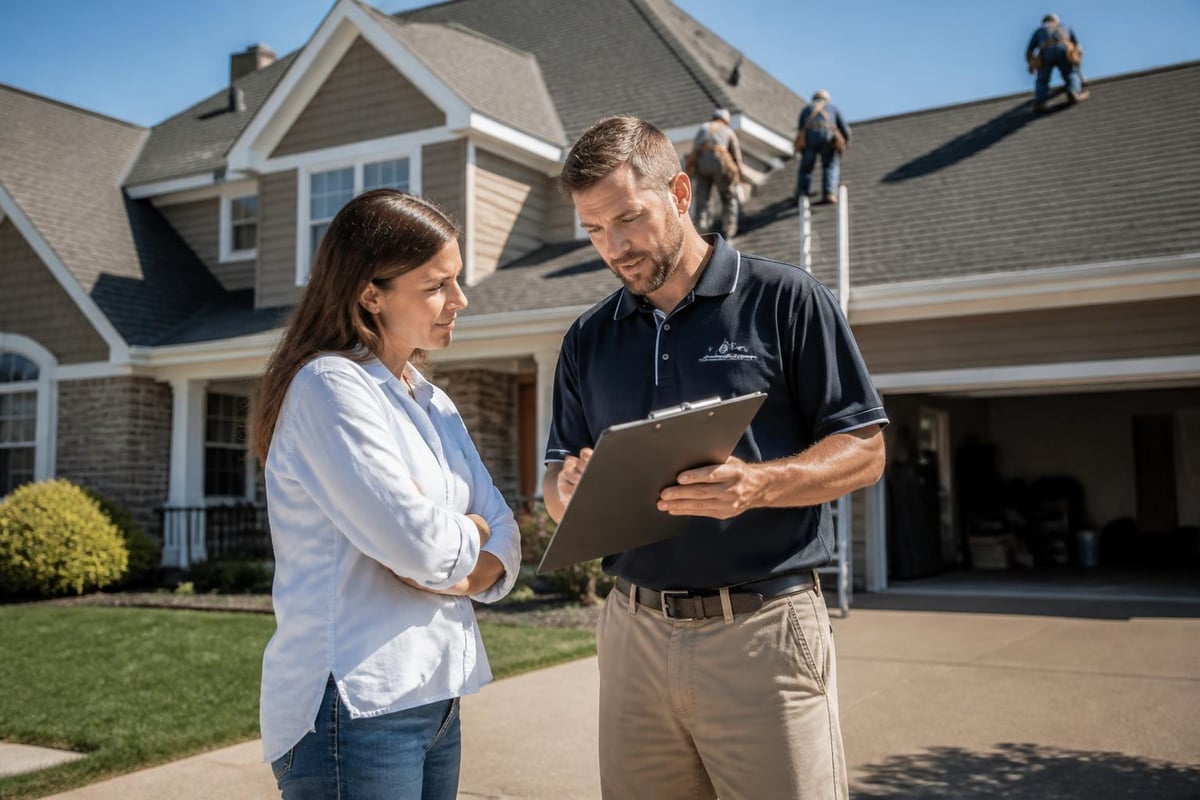
One critical distinction separating residential roofing contractors near me involves crew employment structure. Some companies maintain in-house crews while others rely entirely on subcontractors.
In-house crews offer significant advantages in quality control, accountability, and communication. When a roofing company directly employs its installation teams, it maintains consistent training standards, enforces quality protocols, and ensures clear communication throughout the project. Property owners deal with one accountable party from inspection through completion.
Subcontractor-based models introduce additional complexity and potential quality variations. The primary contractor may have limited control over subcontractor performance, leading to inconsistent workmanship and communication breakdowns.
Essential Credentials and Documentation
Verifying credentials represents a non-negotiable step when evaluating residential roofing contractors near me. Professional contractors welcome verification requests and provide documentation readily.
Licensing Requirements
Valid licensing demonstrates minimum competency and legal compliance. Requirements vary by state and municipality, but most jurisdictions require roofing contractors to hold specific trade licenses. Fort Worth and surrounding areas mandate both state and local licensing for roofing work.
Request license numbers and verify them through your state's licensing board or local building department. Check for:
- Current license status without lapses
- Proper classification for residential roofing work
- No disciplinary actions or outstanding violations
- Compliance with continuing education requirements where applicable
Insurance Coverage Verification
Comprehensive insurance protection safeguards homeowners from liability and ensures contractor accountability. Request certificates of insurance documenting:
| Coverage Type | Minimum Recommended | Purpose |
|---|---|---|
| General Liability | $1,000,000 per occurrence | Property damage and injury protection |
| Workers Compensation | Statutory limits | Coverage for crew injuries |
| Commercial Auto | $1,000,000 combined | Vehicle-related incidents |
Call the insurance provider directly to verify active coverage. Certificates can be forged or outdated. Speaking with the insurance company confirms current coverage and appropriate policy limits.
Evaluating Experience and Specialization
Not all roofing contractors possess equal expertise in residential work. Commercial roofing requires different skills, materials, and approaches than residential applications. When searching for residential roofing contractors near me, prioritize specialists who focus primarily on homes.
Ask about specific experience with your roof type and materials. Asphalt shingle installation differs significantly from tile, metal, or slate roofing. A contractor's portfolio should demonstrate extensive work with your particular roofing system.
Request detailed information about:
- Years focused specifically on residential projects
- Number of similar roofs completed annually
- Manufacturer certifications for your chosen materials
- Ongoing training programs for installation crews
- Familiarity with local building codes and permit requirements
The best practices for residential roofing emphasize that proper installation techniques vary significantly across different roofing materials and climate zones. Contractors should demonstrate knowledge specific to your region's weather patterns and building standards.
Project Portfolio and References
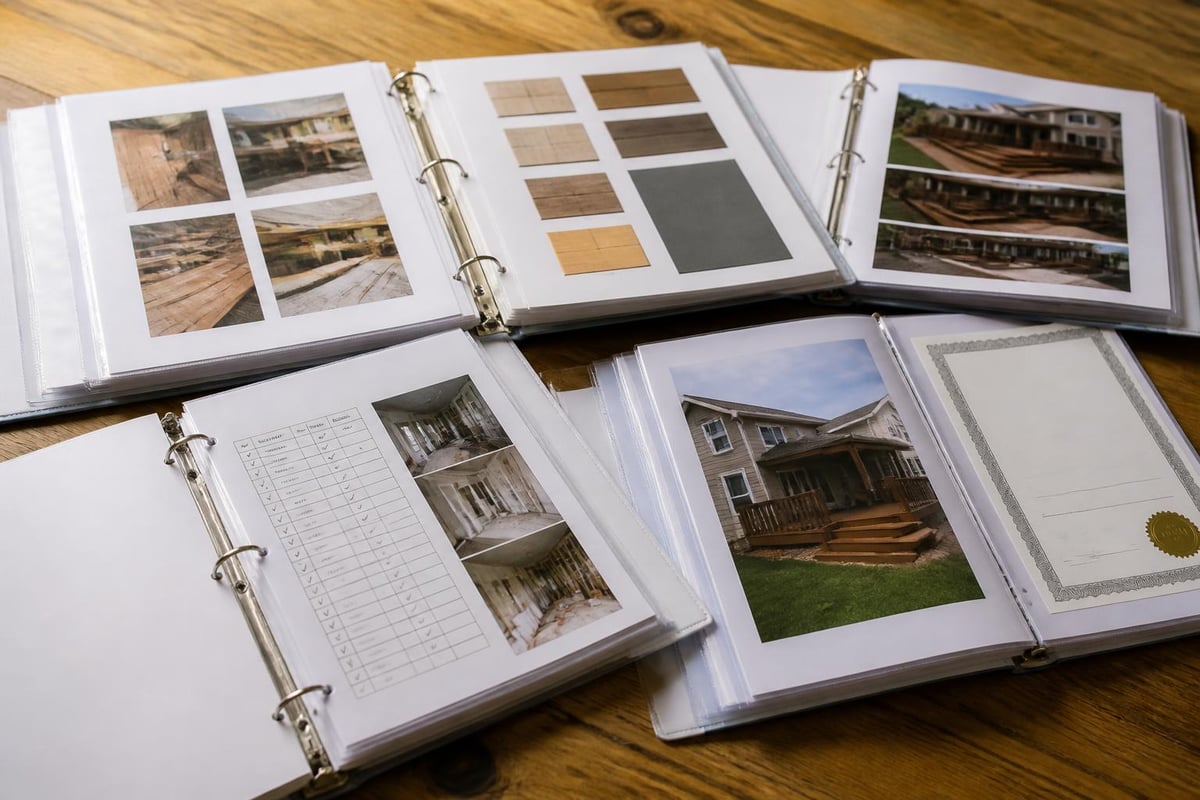
Examine recent project examples that match your home's style and complexity. Quality contractors maintain photo documentation of completed work and willingly share references.
Contact at least three recent customers directly. Ask specific questions about their experience:
- Did the project stay on schedule and within budget?
- How did the contractor handle unexpected issues or complications?
- Was the job site maintained cleanly throughout the project?
- Did crews arrive consistently and work professional hours?
- How responsive was communication during and after installation?
- Would they hire this contractor again for future roofing needs?
For additional perspective on contractor selection in the Fort Worth area, review comprehensive comparisons of local roofing companies that evaluate credentials, services, and customer satisfaction.
Understanding Warranty Coverage
Warranty protection separates professional residential roofing contractors near me from less reliable alternatives. Comprehensive coverage should include both manufacturer material warranties and contractor labor warranties.
Material Warranties
Roofing material manufacturers offer warranties ranging from 20 years to lifetime coverage, depending on product quality. These warranties only protect against manufacturing defects, not installation errors or routine wear.
Review manufacturer warranty terms carefully:
- Coverage duration and what triggers warranty start dates
- Prorated versus non-prorated replacement provisions
- Required maintenance activities to maintain coverage
- Transferability terms if you sell your home
- Exclusions for specific types of damage or circumstances
Labor Warranties
Labor warranty coverage demonstrates contractor confidence in workmanship quality. Professional contractors typically offer minimum five-year labor warranties, with many extending to ten years or more.
Labor warranties protect against installation defects and workmanship failures. This coverage proves critical because most roofing problems result from improper installation rather than material defects. Verify that labor warranty terms specify:
- Exact coverage duration from project completion
- What specific installation issues the warranty addresses
- Response timeframes for warranty claim evaluations
- Whether the warranty transfers to subsequent homeowners
- Any maintenance requirements to maintain coverage
The Inspection and Estimate Process
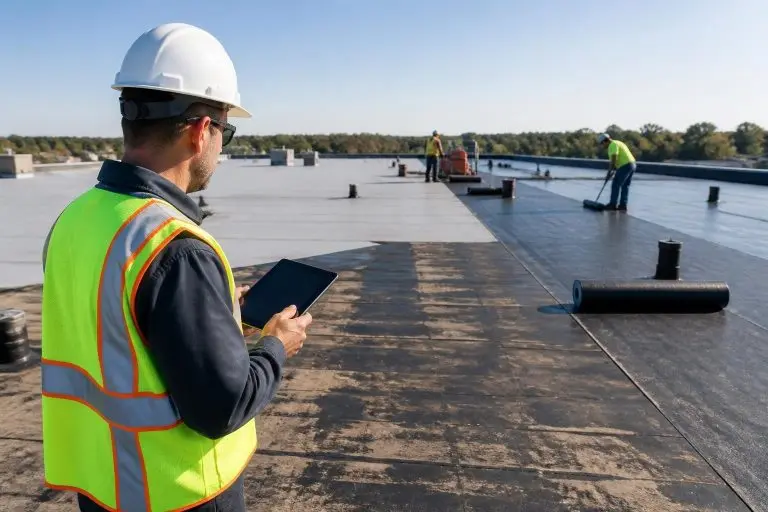
Professional residential roofing contractors near me conduct thorough inspections before providing estimates. Detailed assessments identify all existing issues and inform accurate project scoping.
Comprehensive Roof Evaluation
Quality inspections examine every roof component, not just visible damage. Professional contractors evaluate:
- Shingle or covering material condition across all roof planes
- Flashing integrity around chimneys, vents, and valleys
- Underlayment condition where accessible
- Ventilation adequacy and functionality
- Decking condition and structural integrity
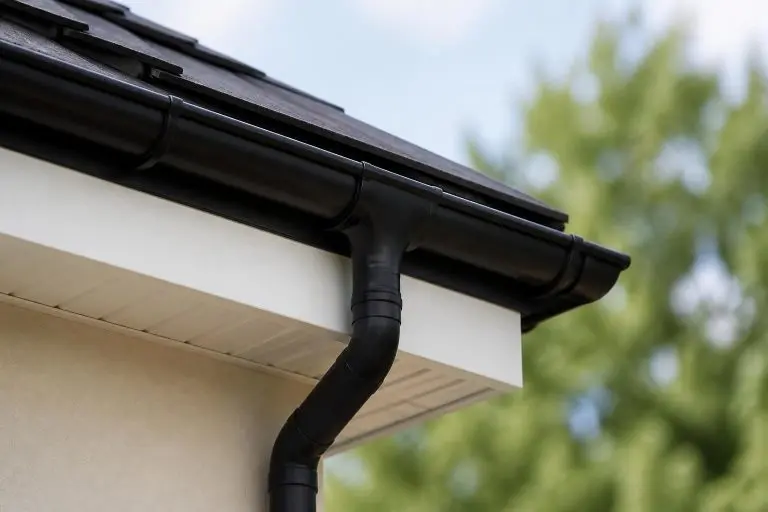
- Gutter and drainage system performance
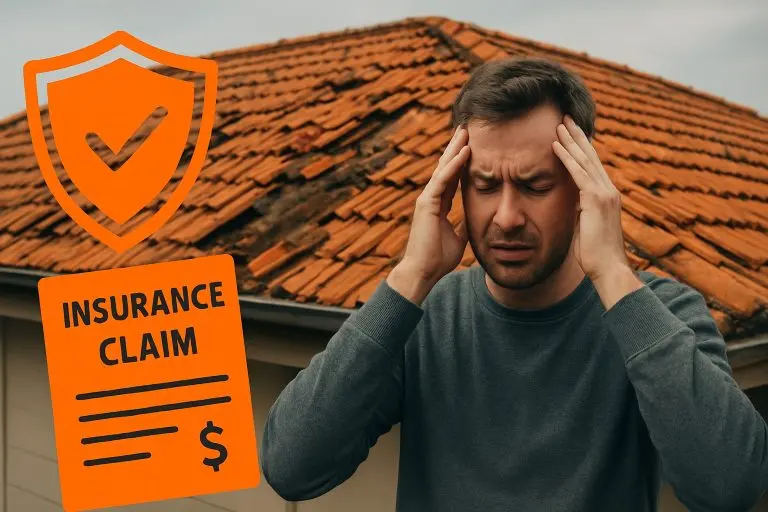
For homeowners dealing with storm damage, professional roof inspections provide the detailed documentation needed for insurance claims and repair planning.
The inspection process should include attic examination to assess ventilation, insulation interaction with roofing components, and interior water damage indicators. Common roofing mistakes often stem from inadequate initial assessments that miss underlying problems.
Detailed Written Estimates
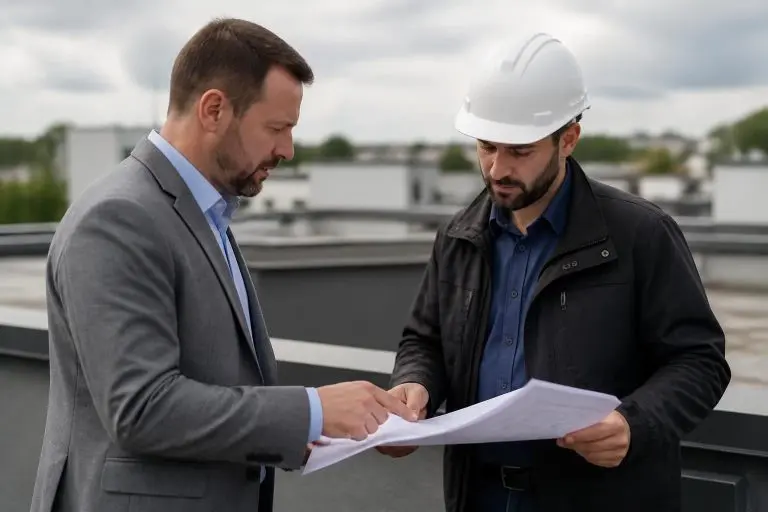
Professional estimates provide comprehensive project breakdowns, not single-line total prices. Request itemized proposals that specify:
| Estimate Component | Required Detail Level |
|---|---|
| Materials | Manufacturer, product line, color, warranty grade |
| Labor | Crew size, estimated days, specific tasks included |
| Tear-off | Layers removed, disposal method, dump fees |
| Decking Repair | Unit pricing for replacement if damage discovered |
| Flashing Work | All penetrations and transitions addressed |
| Ventilation | Ridge vents, soffit vents, calculations for adequacy |
| Cleanup | Daily site maintenance, final debris removal |
| Permits | Acquisition responsibility, fee coverage |
Compare estimates line-by-line rather than focusing solely on total price. Lower bids often exclude critical components or specify inferior materials. Understanding exactly what each contractor includes ensures accurate comparisons.
Communication and Project Management
Clear communication distinguishes professional residential roofing contractors near me from less organized alternatives. Effective contractors establish transparent processes for updates, questions, and issue resolution.
Establish communication expectations during the estimate phase. Discuss:
- Primary contact person throughout the project
- Preferred communication methods and response timeframes
- Scheduled update frequency during installation
- Protocol for addressing unexpected discoveries or changes
- Final walkthrough and inspection procedures
Project timelines should account for weather contingencies, permit processing, and material delivery schedules. Realistic contractors build buffer time into schedules rather than promising unrealistic completion dates.
Change Order Procedures
Even well-planned projects encounter unexpected conditions requiring scope adjustments. Professional contractors establish clear change order processes that document:
- Detailed description of unexpected condition or required change
- Itemized pricing for additional work or materials
- Schedule impact from the modification
- Written approval before proceeding with changes
- Updated project total and payment schedule
Never allow work to proceed on undocumented changes. Verbal agreements lead to disputes and confusion about what was actually authorized and at what price.
Red Flags and Warning Signs
Recognizing problematic contractors early prevents costly mistakes and project failures. Watch for these warning signs when evaluating residential roofing contractors near me:
Pressure tactics and urgency claims indicate unreliable contractors. Quality professionals never pressure homeowners into immediate decisions or claim limited-time offers available only if you sign today. Your roof represents too significant an investment for rushed decisions.
Additional red flags include:
- Requests for full payment upfront before work begins
- Reluctance to provide insurance certificates or license verification
- No physical business address or only post office boxes
- Offers to waive insurance deductibles or handle claims improperly
- Unwillingness to obtain required permits for the project
- Vague contract language without specific scope details
- No references available from recent local projects
The comprehensive guide to choosing roofing contractors emphasizes that professional contractors welcome verification and maintain transparent business practices.
Local Knowledge and Building Code Compliance
Residential roofing contractors near me with established local presence understand regional requirements and weather challenges better than out-of-area contractors. Local expertise matters for code compliance, material selection, and long-term performance.
Fort Worth area roofing must address specific challenges:
- Severe thunderstorm and hail exposure requiring impact-resistant materials
- Wind uplift resistance for occasional tornado and severe wind events
- Temperature extremes affecting material expansion and contraction
- Municipal permitting requirements and inspection protocols
Contractors familiar with local building departments navigate permit processes efficiently and understand inspector expectations. This knowledge prevents delays and ensures first-time inspection approvals.
Storm-Ready Capabilities
Fort Worth's weather patterns demand residential roofing contractors near me who maintain storm response capabilities. Spring and early summer severe weather events cause widespread damage requiring rapid response.
Professional contractors offer:
- Emergency tarping services to prevent additional water intrusion
- Rapid damage assessment and documentation for insurance purposes
- Expedited scheduling for storm-damaged properties
- Storm damage documentation including adjuster meetings and documentation
- Access to materials even during high-demand post-storm periods
For comprehensive storm damage assistance, homeowners benefit from contractors who provide complete storm damage documentation throughout the restoration process.
Material Selection Guidance
Professional contractors educate homeowners about material options without pushing specific products solely for profit margins. Your roof's material choice impacts performance, longevity, aesthetics, and home value.
Quality contractors discuss:
- Climate appropriateness of different material types
- Lifecycle cost comparisons including longevity and maintenance
- Manufacturer reputation and warranty strength
- Architectural style compatibility and neighborhood considerations
- Energy efficiency characteristics and potential utility savings
- Required maintenance for each material option
Residential roofing best practices emphasize that proper material selection matched to regional conditions significantly impacts long-term performance and satisfaction.
Ventilation and Underlayment Considerations
Proper ventilation represents one of the most critical but frequently overlooked roofing components. Inadequate attic ventilation causes premature shingle failure, ice dam formation, and energy efficiency problems.
Professional residential roofing contractors near me calculate ventilation requirements based on attic square footage and design balanced intake and exhaust systems. They explain:
- Required ventilation ratios for your specific roof design
- Ridge vent versus box vent effectiveness for your application
- Soffit vent adequacy and any required improvements
- Gable vent integration with other ventilation components
- Power vent considerations for complex roof geometries
Underlayment quality similarly impacts long-term performance. Synthetic underlayments offer superior protection compared to traditional felt paper, particularly in Fort Worth's severe weather environment.
Contract Terms and Payment Structures
Written contracts protect both homeowners and contractors by establishing clear expectations and legal recourse if problems arise. Never proceed with verbal agreements regardless of how trustworthy a contractor seems.
Comprehensive contracts specify:
- Complete scope of work with material specifications
- Project timeline with start and completion dates
- Total cost breakdown with payment schedule tied to milestones
- Warranty coverage terms for materials and labor
- Cleanup and disposal responsibilities
- Permit acquisition and inspection coordination
- Procedures for handling unexpected conditions
- Termination provisions for both parties
- Lien waiver requirements from all suppliers and subcontractors
Payment Schedule Best Practices
Avoid contractors requesting full payment upfront. Professional payment structures tie disbursements to project milestones, protecting homeowners if contractors fail to complete work.
Typical payment schedules include:
| Project Stage | Payment Percentage | Timing |
|---|---|---|
| Contract Signing | 10-20% | Deposit to schedule and order materials |
| Material Delivery | 25-30% | When materials arrive on site |
| Tear-off Complete | 20-25% | After removal and decking inspection |
| Installation Complete | 25-30% | Upon substantial completion |
| Final Inspection | 10-15% | After final walkthrough and approval |
Retain final payment until you verify complete satisfaction with all work. This ensures contractors address any punch list items or concerns before receiving full compensation.
Long-Term Maintenance and Contractor Relationships
Establishing relationships with quality residential roofing contractors near me provides benefits beyond single projects. Ongoing maintenance through trusted contractors extends roof lifespan and catches problems early when repairs cost less.
Professional contractors offer maintenance programs including:
- Annual or biannual inspection services
- Priority scheduling for established customers
- Detailed condition reports tracking roof aging
- Proactive repair recommendations before minor issues escalate
- Storm damage assessment after severe weather events
Regular inspections identify issues like:
- Missing or damaged shingles requiring replacement
- Flashing deterioration around penetrations
- Sealant failure at critical transition points
- Ventilation problems affecting shingle longevity
- Debris accumulation causing drainage issues
Maintaining detailed service records documents your roof's condition history, which proves valuable when filing insurance claims or selling your home. For more information on maintaining comprehensive project documentation, explore resources for insurance claims related to roof damage.
Making Your Final Decision
After evaluating multiple residential roofing contractors near me, synthesize all information to make an informed decision. The best contractor combines competitive pricing with verified credentials, comprehensive warranties, and demonstrated local expertise.
Create a comparison matrix scoring each contractor across critical factors:
- Licensing and insurance verification results
- Years of residential roofing specialization
- Crew employment structure (in-house versus subcontractors)
- Labor warranty duration and coverage scope
- Communication clarity and responsiveness
- Reference feedback from recent customers
- Contract completeness and payment terms
- Overall professionalism and confidence level
Trust your instincts about contractor professionalism and communication style. You'll work closely with this company during your project, so comfort level and confidence matter significantly.
Schedule your project during optimal weather windows when possible. Spring and fall offer more consistent conditions than summer heat or winter cold, though emergency situations obviously require immediate response regardless of season.
Selecting qualified residential roofing contractors requires careful evaluation of credentials, experience, communication practices, and warranty coverage rather than focusing exclusively on price comparisons. When Fort Worth homeowners need dependable roofing solutions backed by in-house crews, transparent communication, and comprehensive warranties, Texcore Construction delivers the expertise and accountability that protect your investment for years to come.