Guttering Fascia: Installation, Maintenance & Repair
The relationship between guttering and fascia boards represents one of the most critical structural connections in any building's exterior water management system. Understanding how these two components work together is essential for property owners, facility managers, and anyone responsible for maintaining commercial or residential structures. While gutters channel water away from the building, the fascia board provides the mounting surface and structural support that makes effective water management possible. When either component fails, the consequences can extend far beyond simple cosmetic damage, potentially affecting roof decking, interior walls, and foundation integrity.
Understanding the Guttering Fascia Connection
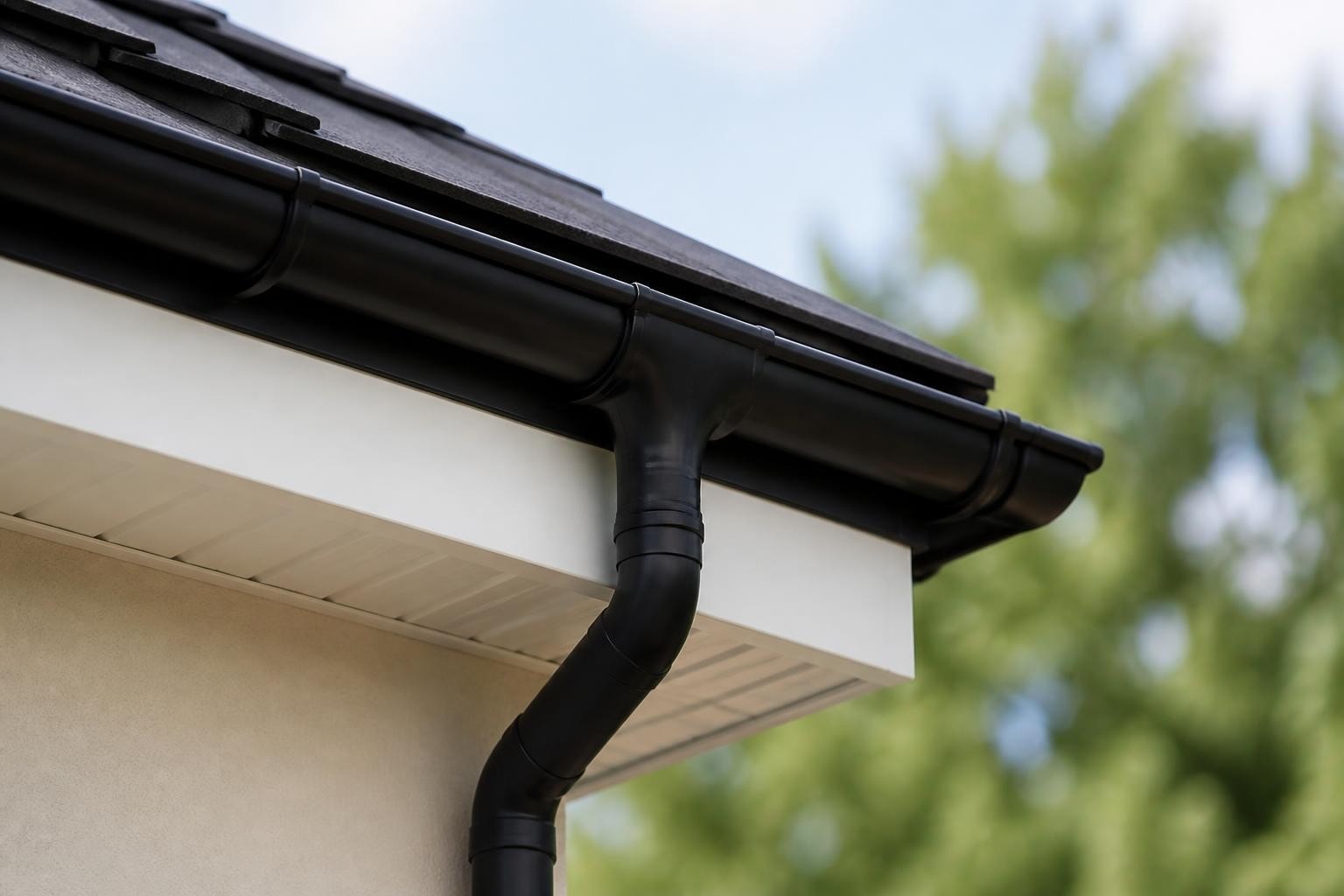
Guttering fascia refers to the relationship between the horizontal board mounted at the roofline and the gutter system attached to it. The fascia board serves as the primary mounting surface for gutters, providing both structural support and a finished appearance along the roof edge.
This connection point bears significant weight and stress. Gutters filled with water can add hundreds of pounds of pressure along the fascia board, especially during heavy rainfall or when debris causes backup. The fascia must remain structurally sound to support this weight without sagging, pulling away from the structure, or allowing water infiltration behind the gutter system.
Material Considerations for Fascia Boards
Modern fascia boards come in several material options, each with distinct advantages:
- Wood fascia: Traditional choice offering easy workability and paintability, but requires regular maintenance
- Composite fascia: Engineered materials that resist rot and moisture while maintaining wood-like appearance
- Aluminum fascia: Lightweight, corrosion-resistant, and low-maintenance option popular in commercial applications
- UPVC fascia: Plastic-based material requiring no painting and offering excellent weather resistance
- Fiber cement fascia: Durable, fire-resistant option suitable for harsh climates
The material choice directly impacts gutter installation methods and long-term maintenance requirements. Wood fascia may require additional waterproofing measures, while aluminum and UPVC options provide inherent moisture resistance that protects the underlying structure.
Installation Practices for Guttering Fascia Systems
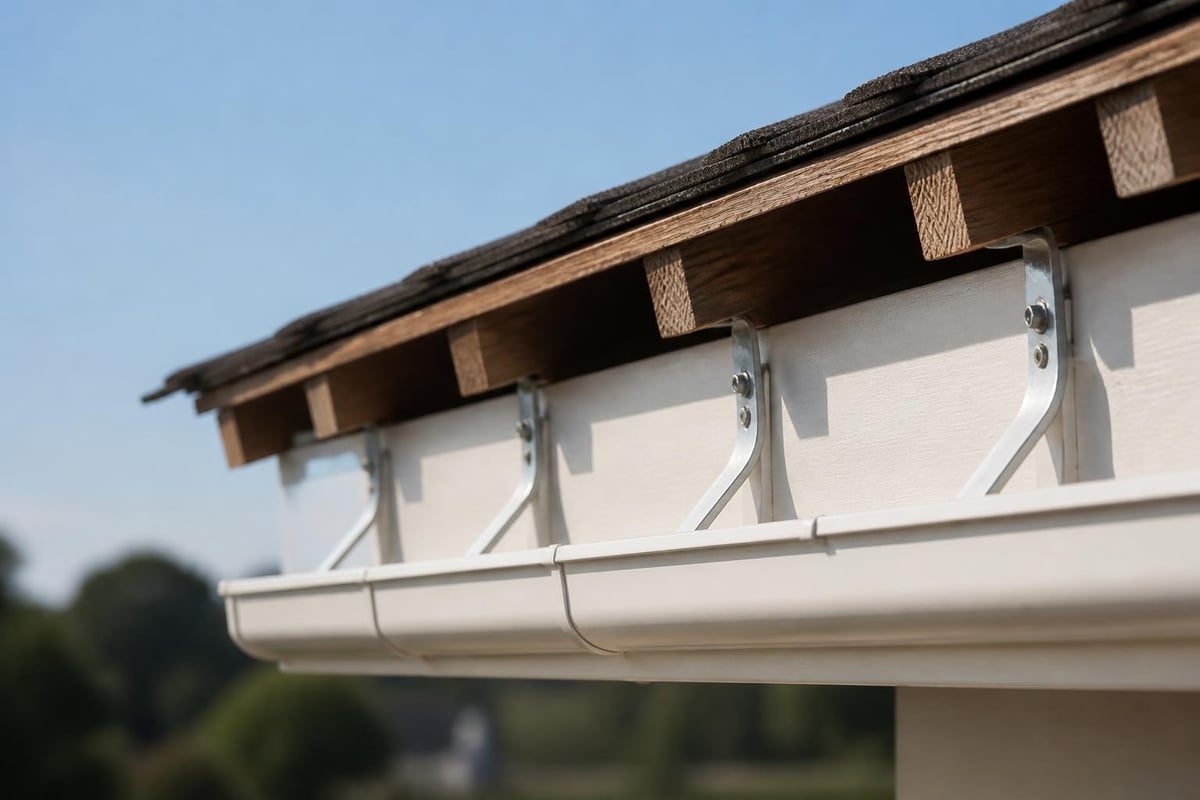
Proper installation begins with ensuring the fascia board itself is securely fastened to the rafter tails or lookouts. Attaching guttering to existing fascia requires careful attention to fastener placement and structural support. Fascia brackets should penetrate through the fascia board and into the rafter tails beneath, creating a load path that prevents sagging over time.
Critical Installation Steps
The sequence of installation directly affects long-term performance:
- Verify fascia board condition and secure attachment to rafter tails
- Mark gutter slope using a chalk line (minimum 1/4 inch per 10 feet)
- Install fascia brackets at proper intervals (typically 24-32 inches)
- Secure brackets through fascia into structural framing members
- Mount gutter sections and seal joints with appropriate sealant
- Test water flow and adjust slope as needed
- Install end caps, outlets, and downspout connections
Many installation failures occur when contractors mount brackets only to the fascia board without reaching the structural framing behind. This creates a weak connection that fails under load, particularly after the fascia experiences moisture exposure and expansion cycles.
The comprehensive installation guide emphasizes proper drainage planning from the outset. Downspout placement should account for building architecture, landscape grading, and local drainage codes to ensure water moves away from the foundation effectively.
Commercial vs. Residential Considerations
Commercial guttering fascia installations face different demands than residential systems. Larger roof areas generate greater water volume, requiring wider gutters and more robust fascia support. Industrial facilities often specify aluminum or steel fascia that can handle heavy-duty gutter systems without deflection.
Property managers overseeing commercial roofing systems should coordinate fascia and gutter specifications with roof replacement or major repair projects to ensure compatibility and integrated water management.
Maintenance Requirements for Guttering Fascia
Regular maintenance prevents minor issues from escalating into structural damage. The guttering fascia connection requires specific attention during seasonal inspections, particularly in climates experiencing freeze-thaw cycles or heavy storm activity.
| Maintenance Task | Frequency | Priority Level |
|---|---|---|
| Gutter cleaning | Twice annually minimum | High |
| Fascia board inspection | Annually | High |
| Bracket tightness check | Annually | Medium |
| Paint/coating refresh | Every 3-5 years | Medium |
| Seal inspection | Annually | High |
| Downspout verification | Quarterly | Medium |
Common Failure Points
Understanding where guttering fascia systems typically fail helps property managers focus inspection efforts:
Joint separations occur where gutter sections meet, particularly after thermal expansion and contraction cycles. These gaps allow water to reach the fascia board, potentially causing rot in wood materials or corrosion in metal installations.
Bracket pull-out happens when fasteners lose holding power due to wood decay, improper installation, or excessive weight from debris accumulation. This failure mode often appears as sagging gutter sections pulling away from the roofline.
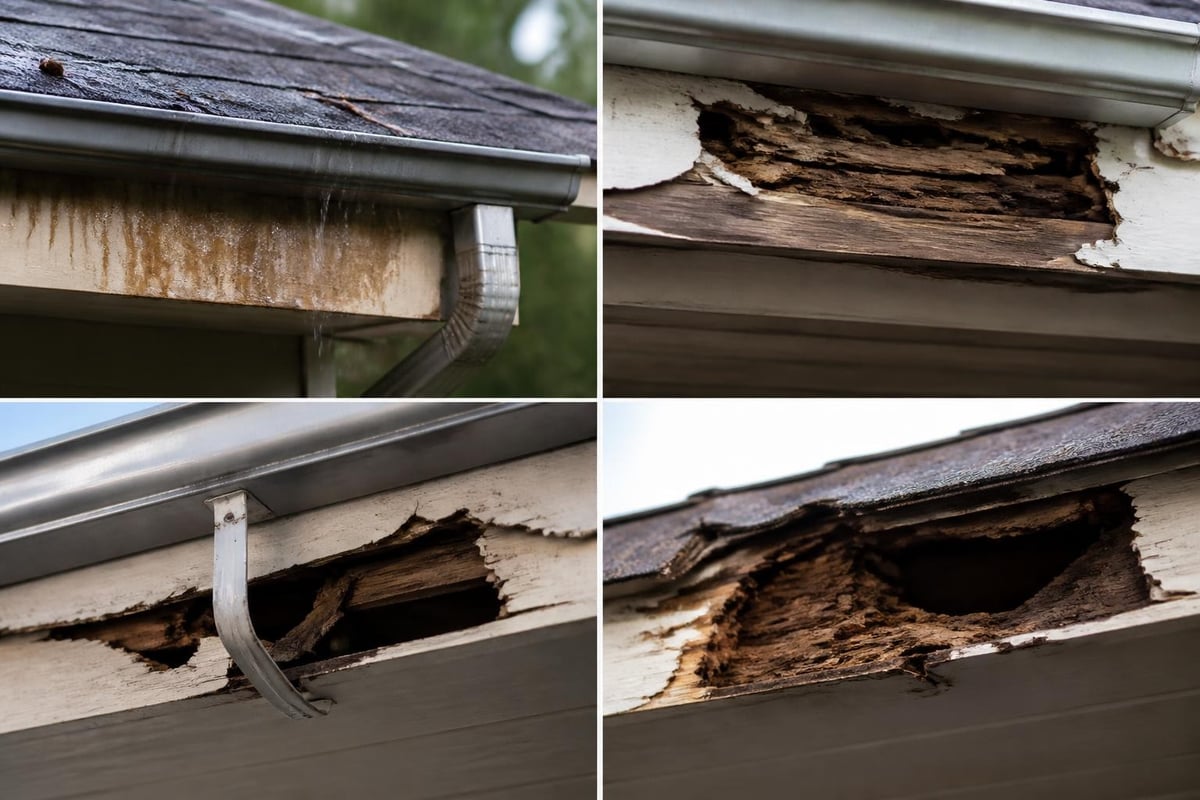
Fascia rot develops when water consistently contacts wood fascia boards, typically from overflowing gutters, failed seals, or ice dam formation. Early detection prevents the need for complete fascia replacement.
Expert maintenance tips recommend establishing a documentation system that tracks inspection findings, repairs completed, and upcoming maintenance needs across multiple properties or building sections.
Repair and Replacement Strategies
Addressing guttering fascia damage requires accurate assessment of the problem's extent. Surface-level cosmetic issues demand different solutions than structural deterioration affecting the building's weather envelope.
Minor Repairs
Small sections of damaged fascia can often be repaired without complete replacement:
- Localized rot removal: Cut out damaged sections and splice in new material
- Bracket reinforcement: Add additional fasteners into solid framing members
- Seal replacement: Remove old caulk and apply fresh sealant at vulnerable joints
- Paint touch-up: Address finish damage before moisture penetration occurs
These targeted repairs extend system life when caught early, but property owners should understand that patchwork solutions eventually reach diminishing returns.
Full Replacement Scenarios
Complete guttering fascia replacement becomes necessary when:
- Damage affects more than 40% of the fascia length
- Underlying rafter tails show deterioration
- Multiple bracket failures indicate systemic problems
- Converting to different gutter or fascia materials
- Coordinating with roof replacement projects
The fascia and soffit replacement process requires temporary gutter removal, which creates an opportunity to upgrade gutter size, improve slope, or reconfigure drainage patterns for better performance.
Working with experienced contractors who understand the structural relationship between roofing and guttering fascia ensures repairs address root causes rather than symptoms. Fort Worth property owners can benefit from professional roof inspections that evaluate the complete roofing system, including fascia condition and gutter performance.
Storm Damage Considerations
Severe weather events place extraordinary stress on guttering fascia connections. High winds create uplift forces on gutter sections, while heavy rainfall tests system capacity and drainage effectiveness. Hail impact can dent metal fascia and gutters, compromising their structural integrity and water-shedding performance.
Post-Storm Assessment
After significant weather events, property managers should conduct systematic inspections:
- Check for visible separation between gutters and fascia boards
- Look for standing water indicating slope problems or blockages
- Examine downspouts for damage or disconnection
- Inspect fascia boards for impact damage or water staining
- Document findings with photographs and detailed notes
This documentation becomes critical for insurance purposes. Detailed records showing pre-existing condition versus storm damage help support accurate claim submissions when repairs become necessary.
Property owners seeking thorough damage assessment should understand that professional inspections provide the detailed documentation needed for their insurance adjusters to evaluate claims accurately.
Integration with Roofing Systems
The guttering fascia relationship extends beyond simple attachment-it represents the transition zone between the roof system and vertical building envelope. This interface requires careful coordination during new construction and roof replacement projects.
Design Coordination
Architects and contractors must consider several factors when specifying guttering fascia systems:
- Roof pitch and drainage area determine required gutter size
- Fascia height and depth affect available mounting options
- Roof edge detail (drip edge, ice and water shield) interfaces with gutter installation
- Building aesthetics influence material choices and color matching
- Local climate conditions dictate ice dam prevention measures
Poor coordination creates situations where gutters can't be properly sloped, fascia boards lack adequate depth for secure bracket mounting, or water flows behind the gutter system during heavy rainfall.
Performance Testing
After installation, the guttering fascia system should undergo flow testing to verify proper function:
| Test Type | Method | Acceptance Criteria |
|---|---|---|
| Slope verification | Water level or laser | Consistent fall toward outlets |
| Flow capacity | Controlled water application | No overflow at design flow rate |
| Joint integrity | Visual inspection during flow | No leakage at connections |
| Bracket security | Physical examination | No movement under load |
These tests identify installation defects before they cause damage, allowing corrections while crews remain on-site with materials and equipment readily available.
Long-Term Performance Factors
The service life of guttering fascia systems varies dramatically based on material quality, installation workmanship, maintenance consistency, and environmental exposure. Understanding these variables helps property owners make informed decisions about repair versus replacement timing.
Material Longevity Comparison
Different materials age at different rates:
- Wood fascia with regular maintenance: 15-25 years
- Aluminum fascia: 20-30 years
- UPVC fascia: 25-35 years
- Fiber cement fascia: 30-50 years
- Aluminum gutters: 20-30 years
- Steel gutters: 20-25 years (painted), 50+ years (stainless)
- Copper gutters: 50-100+ years
These estimates assume proper installation and regular maintenance. Neglected systems fail prematurely regardless of material quality, while well-maintained installations exceed typical service life expectations.
Environmental Factors
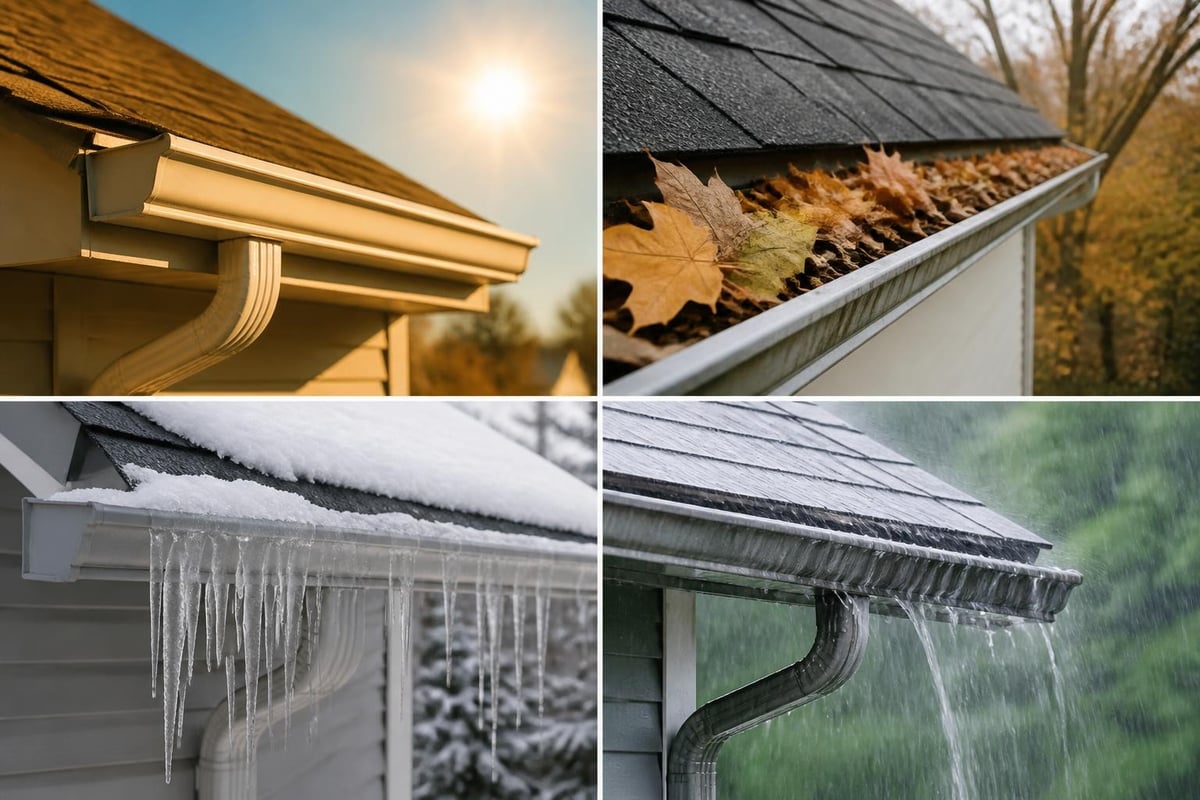
Geographic location and microclimate conditions significantly impact guttering fascia performance. Buildings in heavily wooded areas experience faster debris accumulation requiring more frequent cleaning. Coastal properties face accelerated corrosion from salt exposure. Northern climates deal with ice dam formation and freeze-thaw cycles that stress both gutters and fascia boards.
Cleaning gutters safely and effectively becomes more critical in challenging environments where debris accumulation accelerates system deterioration.
Professional Installation vs. DIY Approaches
While homeowners can tackle small gutter cleaning projects, installing or replacing guttering fascia systems requires specialized knowledge, proper equipment, and safety measures. The work involves elevated access, structural understanding, and material handling that present significant risks without proper training.
When Professional Help Is Essential
Certain situations demand professional expertise:
- Multi-story buildings requiring scaffold or lift equipment
- Fascia board replacement involving structural modifications
- Commercial properties with complex drainage requirements
- Storm damage repairs requiring documentation for insurance purposes
- Coordination with roof replacement projects
Professional contractors bring experience reading building conditions, identifying hidden problems, and implementing solutions that address root causes rather than symptoms. They also carry liability insurance protecting property owners from accidents or installation defects.
Quality Indicators
Property owners evaluating contractors should look for specific qualifications:
- Manufacturer certifications for specific gutter systems
- Worker's compensation and liability insurance
- Detailed written estimates specifying materials and methods
- References from similar property types
- Clear warranty terms covering labor and materials
Avoid contractors suggesting shortcuts like mounting brackets only to fascia boards without reaching rafter tails, using inadequate fasteners, or skipping slope verification steps.
Cost Factors and Budget Planning
Understanding the cost structure of guttering fascia work helps property managers allocate maintenance budgets appropriately and make informed repair-versus-replace decisions.
Investment Breakdown
Typical costs for guttering fascia projects include:
| Component | Residential Range | Commercial Range |
|---|---|---|
| Gutter materials | $4-15 per linear foot | $8-25 per linear foot |
| Fascia materials | $1-12 per linear foot | $3-20 per linear foot |
| Labor (installation) | $5-10 per linear foot | $8-15 per linear foot |
| Soffit replacement | $6-20 per linear foot | $10-30 per linear foot |
| Downspout installation | $5-10 per linear foot | $8-15 per linear foot |
These ranges reflect material quality, project complexity, regional labor rates, and accessibility factors. Commercial projects typically command higher rates due to increased complexity, larger materials, and specialized equipment requirements.
Hidden Cost Considerations
Budget planning should account for potential additional expenses:
- Rafter tail repairs if underlying structure shows rot
- Drip edge or ice and water shield installation if missing
- Paint or coating application for wood or metal fascia
- Disposal fees for removed materials
- Landscaping restoration around downspout areas
Thorough inspections before project commencement identify these needs early, preventing surprise costs during construction.
Coordinating with Other Building Systems
Guttering fascia doesn't exist in isolation-it interfaces with roofing, siding, soffit venting, and foundation drainage systems. Effective water management requires these components working together seamlessly.
Ventilation Integration
Soffit vents often sit directly below the fascia board, creating an interface where gutter installation must not block airflow paths. Proper attic ventilation prevents ice dam formation in cold climates and reduces cooling costs in hot regions. Contractors must ensure gutter mounting doesn't compress or cover soffit vents, compromising the building's ventilation strategy.
Foundation Drainage Connection
The guttering fascia system represents only the first stage of water management. Downspouts must connect to appropriate drainage systems-splash blocks, underground drains, or rainwater harvesting systems-that move water away from foundation walls. Regular maintenance practices should verify these connections remain intact and functional.
Roof Edge Details
Modern roofing systems incorporate multiple water management layers at the roof edge:
- Drip edge directs water into gutters while protecting fascia
- Ice and water shield provides backup protection against ice dams
- Starter shingles create proper water shedding at the roof perimeter
Gutter installation must respect these details rather than compromising them. Improper sequencing during replacement projects can create water infiltration paths that bypass the gutter system entirely.
Guttering fascia systems protect building structures from water damage while managing thousands of gallons of runoff annually-but only when properly installed and maintained. Property owners and facility managers who understand the structural relationship between these components, recognize early warning signs of failure, and invest in proactive maintenance avoid costly repairs and extend system service life. For Fort Worth property owners seeking expert assessment of their roofing system including fascia condition and gutter performance, Texcore Construction delivers thorough inspections, detailed documentation, and reliable repairs backed by in-house crews and a commitment to long-term building protection.