Home Insurance Roof Repair Guide: What You Need to Know 2026
A sudden storm or fallen tree can leave your roof in ruins, turning a safe haven into a major source of stress. Many homeowners face uncertainty about repair costs and the maze of insurance claims.
This guide demystifies home insurance roof repair for 2026. You will learn which types of damage are covered, what is excluded, and how to make the most of your policy.
Explore the key perils, common claim pitfalls, step-by-step filing tips, and expert advice to protect your home and investment. Get the clarity and confidence you need to handle roof repairs with ease.
Understanding Home Insurance Coverage for Roof Repairs
Unexpected roof problems can upend your life and finances. Knowing how home insurance roof repair coverage works will help you respond confidently if disaster strikes. This section unpacks what most policies do—and do not—cover, how payouts are calculated, and what recent trends mean for your protection.
What Is Homeowners Insurance?
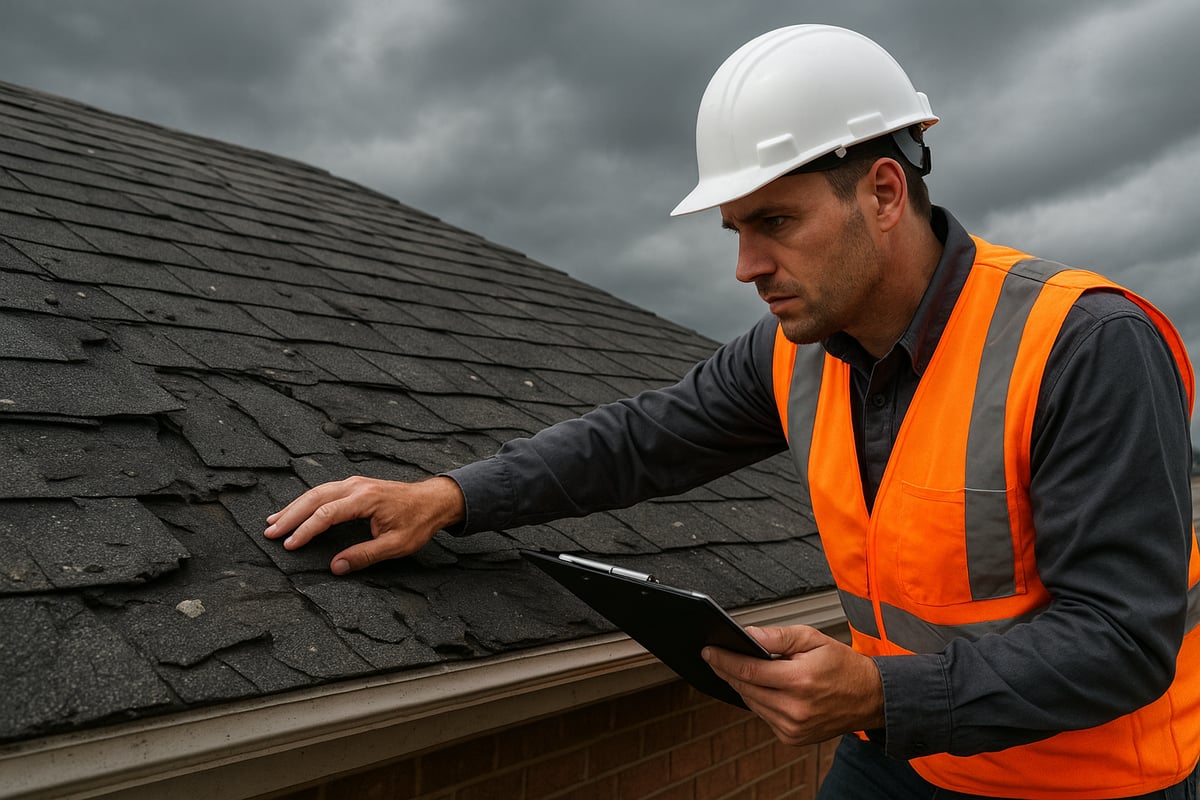
Homeowners insurance is designed to protect your property from unexpected losses. When it comes to home insurance roof repair, your policy can shield you from the financial burden of sudden roof damage. The primary purpose is to cover repairs or replacements after events like storms, fires, or vandalism, depending on your policy’s terms.
Which Roof Damages Are Covered?
Most standard policies cover specific “perils.” These include windstorms, hail, fire, lightning, falling objects, the weight of snow or ice, and vandalism. For example, if a severe hailstorm cracks your shingles or a tree falls on your roof, home insurance roof repair coverage typically applies. However, every policy has its own list of covered events, so reviewing your documents is crucial.
Common Exclusions for Roof Repairs
Insurance does not cover every roofing issue. General wear and tear, poor maintenance, and long-term leaks are usually excluded. Damage from pests like termites or rodents is rarely covered. Policy-specific exclusions, such as damage from floods or earthquakes, may also apply. In some cases, roofs over a certain age—often 20 years—have reduced or no coverage. For a deeper dive into what’s typically included or excluded, see this Homeowners Insurance Roof Coverage resource.
ACV vs. RCV: How Your Payout Is Calculated
The amount your insurer pays for home insurance roof repair depends on your policy’s payout type. Actual Cash Value (ACV) policies pay what your roof is worth today, factoring in depreciation. Replacement Cost Value (RCV) policies cover the full cost to replace your roof with new materials, minus your deductible. ACV often results in lower payouts, especially for older roofs.
Special Considerations for Older Roofs
Some insurers use scheduled payment tables for older roofs. This means the older your roof, the less you’ll receive for a claim, regardless of damage severity. These schedules can be especially important for home insurance roof repair claims on properties with aging materials. Insurers may also require proof of regular maintenance before approving payouts.
Building Codes, Ordinance/Law Coverage, and 2026 Trends
If your city requires code upgrades during a roof repair, ordinance or law coverage can help pay for the extra work. Not all policies include this, so check your documents. In 2026, many insurers are tightening rules for older roofs and homes in high-risk regions. Some now demand inspections or limit coverage if a roof is past a certain age. These trends make it even more important to understand your home insurance roof repair policy.
Example Scenario: Texas Hailstorm
Consider a hailstorm in Texas. If you have an RCV policy, you may receive enough for a full roof replacement. With ACV, you could get only a partial payout based on your roof’s age and condition. In some cases, only a section of the roof is covered, depending on the adjuster’s assessment and your insurer’s guidelines.
Understanding the ins and outs of home insurance roof repair coverage gives you a strong foundation for protecting your home and maximizing your benefits if damage occurs.
When Does Home Insurance Cover Roof Repairs or Replacement?
Unexpected roof damage can strike at any time, leaving homeowners unsure if their policy will respond. Understanding when home insurance roof repair is covered, and when it is not, is the first step to protecting your investment and avoiding costly surprises.
Common Covered Perils and Scenarios
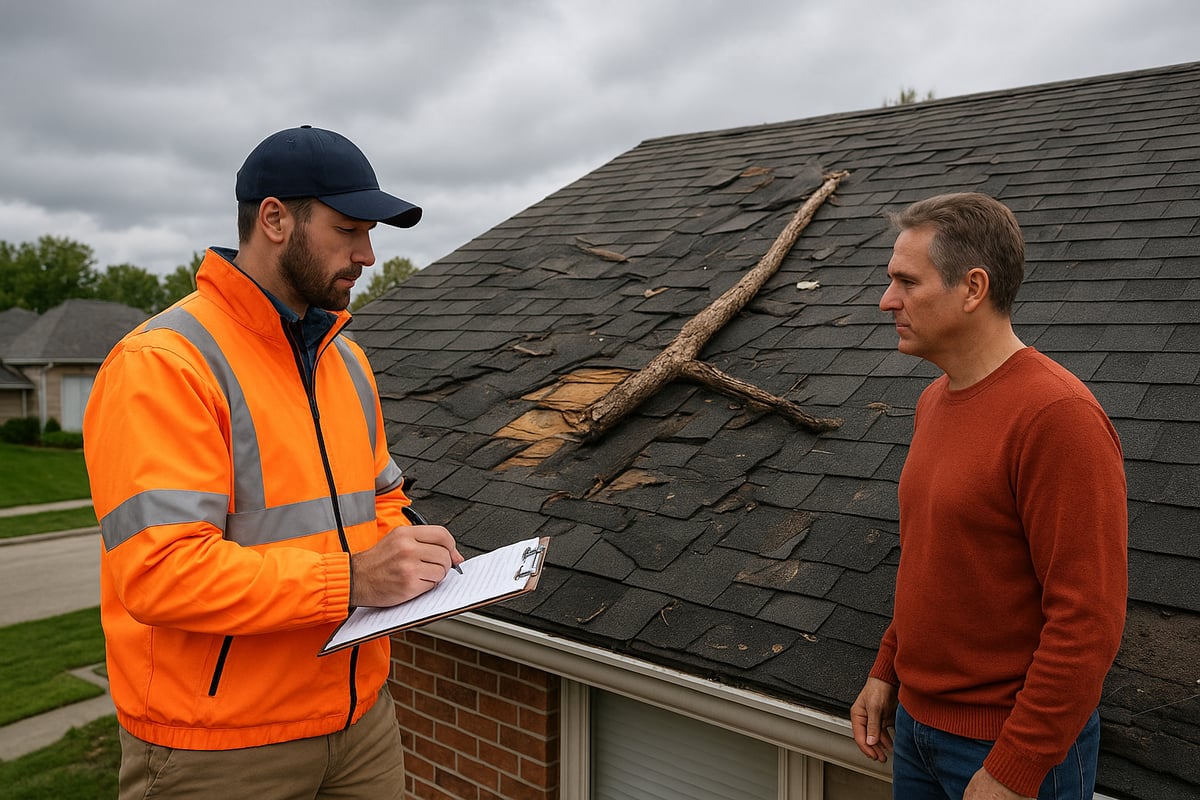
Home insurance roof repair is typically triggered by sudden, accidental events known as "covered perils." These perils are specifically listed in most standard homeowners policies and include:
- Fire: Damage from a house fire or nearby wildfire.
- Windstorm: Tornadoes, hurricanes, and strong wind gusts that tear off shingles or decking.
- Hail: Impact from hailstones, which can puncture or crack roofing materials.
- Lightning: Strikes that cause fire or structural harm.
- Falling Trees/Objects: Branches, trees, or debris crashing onto the roof.
- Smoke: Damage from smoke infiltration, even if flames are absent.
- Snow/Ice Collapse: Roof collapse due to the weight of snow or ice.
For example, if a windstorm in Oklahoma rips shingles from your roof or a hailstorm in Texas leaves dents and punctures, your home insurance roof repair claim would likely be approved. In 2025, over 40% of all homeowners claims were linked to wind and hail damage, highlighting the prevalence of these scenarios (Roof Repair Insurance Guide).
Regional factors may also influence coverage. In hurricane-prone states, separate wind or hail deductibles often apply. Timely reporting and thorough documentation are crucial for successful claims.
Table: Common Covered Perils
| Peril | Example Scenario | Coverage Triggered? |
|---|---|---|
| Fire | Kitchen fire spreads to roof | Yes |
| Hail | Large hail shatters shingles | Yes |
| Windstorm | Tornado pulls up roof tiles | Yes |
| Falling Object | Tree branch falls on roof | Yes |
Situations Not Covered by Home Insurance
While home insurance roof repair addresses sudden damage, it does not cover issues arising from gradual deterioration or neglect. Common exclusions include:
- Wear and Tear: Natural aging, cracked or curling shingles.
- Poor Maintenance: Failure to address minor leaks or damaged flashing.
- Long-Term Leaks: Water damage from leaks that develop slowly over months or years.
- Pest Infestations: Damage caused by termites, rodents, or birds.
- Flood and Earthquake: These perils require separate policies, as standard home insurance roof repair does not typically extend to them.
Some policies also exclude coverage for roofs over a certain age, such as 20 years, or limit the payout for older roofing systems. For instance, if a claim is filed for a roof leak caused by years of neglect, the insurer may deny the home insurance roof repair request, citing pre-existing deterioration.
A real-world example involves a homeowner whose claim was denied because the adjuster found long-term water stains and rotted decking, indicating the damage did not result from a covered event.
List: Typical Exclusions
- Old or worn-out roofs
- Pre-existing deterioration
- Damage from animals or insects
- Improper installation or materials
Factors That Affect Roof Damage Claims
Several factors determine the outcome and value of a home insurance roof repair claim. Insurers assess:
- Age and Condition: Newer roofs often qualify for full replacement cost, while older roofs may only receive actual cash value, factoring in depreciation.
- Roofing Material: Asphalt, tile, metal, and slate differ in durability and cost, impacting claim amounts.
- Maintenance History: Regular inspections and repairs can support your claim, while neglected maintenance may reduce or void coverage.
- Local Building Codes: Required code upgrades after a loss may be covered if your policy includes ordinance or law protection.
- Insurer’s Inspection: Adjusters evaluate the extent of damage and determine if a partial repair or full replacement is warranted.
For example, if you have a 25-year-old roof with actual cash value coverage and sustain wind damage, your home insurance roof repair payout will be significantly lower than if you had a newer roof with replacement cost coverage.
Table: Claim Outcome Factors
| Factor | Impact on Claim Outcome |
|---|---|
| Roof age | Older roofs = lower payout |
| Material type | Impacts repair cost |
| Maintenance record | Strong record supports claim |
| Code requirements | May increase coverage amount |
Understanding these factors empowers you to maximize your home insurance roof repair benefits and avoid common pitfalls.
How to File a Roof Repair Insurance Claim: Step-by-Step Guide
Unexpected roof damage can be overwhelming, but understanding how to file a home insurance roof repair claim can make the process smoother and more successful. Follow this step-by-step guide to ensure you meet your insurer’s requirements, maximize your claim, and protect your investment.
Step 1: Review Your Policy
Begin your home insurance roof repair claim by locating your current policy documents. Carefully read the roof coverage section to understand what perils are covered, such as wind, hail, or fire. Take note of whether your policy pays out Actual Cash Value (ACV) or Replacement Cost Value (RCV), as this determines the amount you may receive.
Check for exclusions that could affect your claim, like age limits on your roof or specific material restrictions. Confirm your deductible amount and look for any special provisions that apply to roofs. Knowing these details helps you set realistic expectations and prevents surprises during the claims process.
Step 2: Document the Damage
Thorough documentation is essential for a successful home insurance roof repair claim. Start by taking clear, high-resolution photos and videos of all visible roof damage from multiple angles. Capture both wide shots of the affected area and close-ups of specific issues, such as missing shingles or punctures.
Keep any damaged materials, such as broken shingles or tiles, for the insurance adjuster’s inspection. Write down the date, time, and cause of the damage, especially if it resulted from a specific event like a storm. Detailed documentation helps validate your claim and can expedite approval.
Step 3: Notify Your Insurance Company
Contact your insurance company promptly to start your home insurance roof repair claim. You can typically reach them via phone, their online portal, or a mobile app. Provide all necessary initial details, including the date of damage, how it occurred, and the documentation you’ve gathered.
Submit your photos, videos, and any written notes as part of your claim. Your insurer will issue a claim number and explain the next steps. For a deeper dive into the process of filing roof leak insurance claims, visit Filing Roof Leak Insurance Claims for expert tips and procedural guidance. Prompt reporting and thorough documentation are crucial for a smooth experience.
Step 4: Make Temporary Repairs
To prevent further damage while your home insurance roof repair claim is processed, make safe, temporary repairs as soon as possible. Cover exposed areas with a tarp or waterproof sheeting to keep out rain and debris. Only perform temporary fixes that are safe and necessary—avoid climbing on the roof during hazardous conditions.
Keep all receipts and records for any materials or emergency repairs, as your insurer may reimburse these costs. Document the temporary work with photos before and after repairs. Taking these proactive steps demonstrates diligence and can strengthen your claim.
Step 5: Meet with the Claims Adjuster
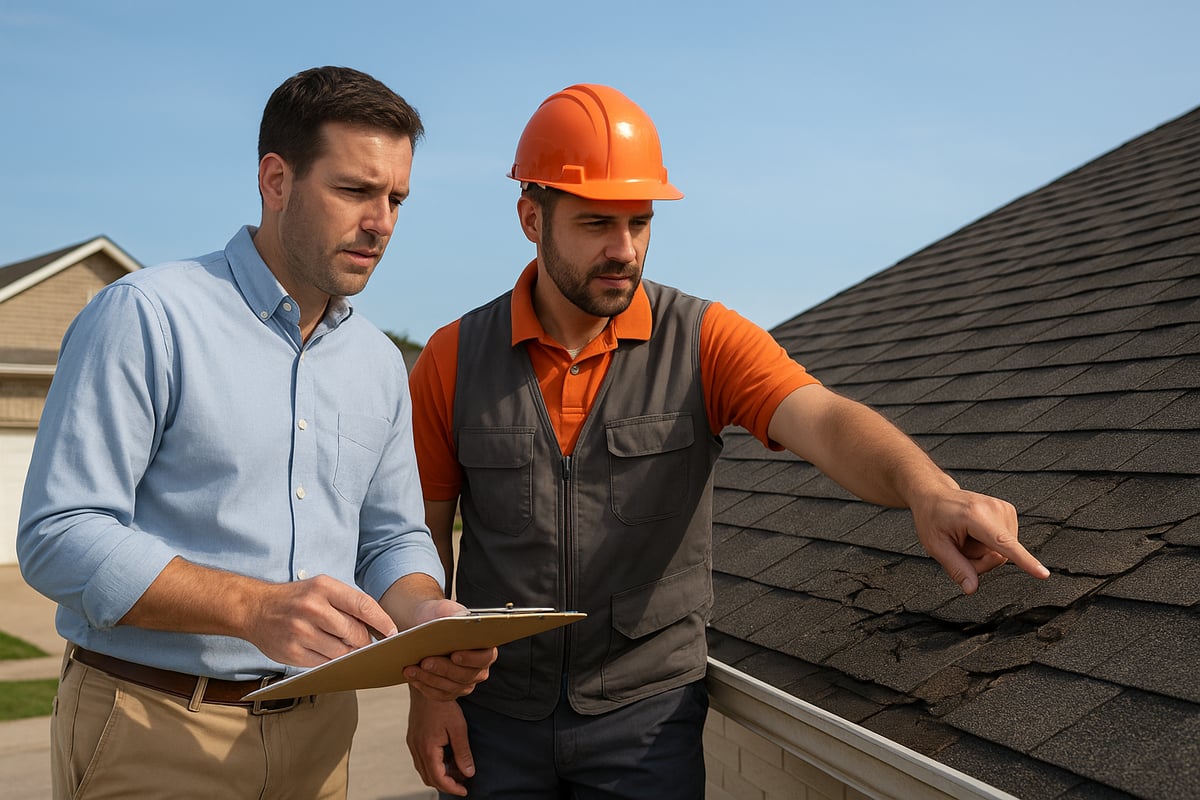
Your insurer will assign a claims adjuster to assess your home insurance roof repair claim. Arrange a convenient time for the adjuster to inspect the damage in person. Be present during the inspection, and share your documentation, including photos, notes, and saved materials.
Walk the adjuster through the affected areas and answer any questions they may have. The adjuster will prepare a detailed estimate for repairs or replacement based on their findings. Open communication and transparency during this stage help ensure an accurate assessment and fair payout.
Step 6: Obtain Repair Estimates and Complete Repairs
After the adjuster’s assessment, request written estimates from licensed and insured roofing contractors. Compare the contractor’s quotes with the insurer’s estimate to identify any discrepancies. Share both estimates with your insurer if there are significant differences, and request clarification or supplemental payment if needed.
Use approved funds to schedule and complete the necessary repairs with your chosen contractor. Keep all invoices, receipts, and photos of the completed work for your records. Completing your home insurance roof repair with reputable professionals ensures quality results and preserves your policy rights.
What to Expect During the Roof Repair Claim Process
Unexpected roof damage can be stressful, but knowing what to expect during the home insurance roof repair claim process can ease uncertainty and help you prepare. Navigating the steps from claim submission to final payout is essential for a fair result and faster recovery.
Timeline and Process Overview
Once you report a home insurance roof repair claim, the timeline generally unfolds in clear stages. The process starts with your initial notification, followed by documentation review, an adjuster inspection, and claim evaluation. On average, claims take two to six weeks from start to finish, though complex cases may take longer.
Factors such as the severity of damage, insurer workload, and the need for additional documentation can affect this timeline. According to Verisk’s U.S. Roofing Realities Trend Report, increased wind and hail events in 2025 led to higher claim volumes and slightly longer processing times. Staying proactive with communication can help ensure your home insurance roof repair claim progresses efficiently.
How Insurers Decide: Repair or Replace?
Insurers assess the extent of damage and the age, material, and condition of your roof to determine whether a home insurance roof repair or full replacement is warranted. The adjuster will inspect the affected areas, compare repair costs to replacement value, and check for local code requirements.
If repairs restore your roof to pre-loss condition, they may be approved. However, widespread or structural damage, especially after severe storms, often results in a recommendation for full replacement under your home insurance roof repair policy.
Partial vs. Full Roof Replacement
Not all claims result in full roof replacement. In many cases, only the damaged section is repaired. Insurers look at how much of the roof is impacted and whether materials can be matched seamlessly.
If more than a certain percentage—often 25% or more—of the roof is damaged, your home insurance roof repair claim may qualify for full replacement. Regional building codes or manufacturer discontinuation can also influence this decision. Understanding your policy’s language helps set realistic expectations.
Handling Disputes and Supplemental Documentation
Disagreements between homeowners and insurers sometimes arise, especially regarding the scope of repairs or the value of a home insurance roof repair claim. If you disagree with the adjuster’s assessment, you can request a reinspection, provide additional evidence, or seek an independent appraisal.
In 2025, about 30% of roof claims required supplemental documentation for approval. Keeping thorough records and responding promptly to requests can help resolve disputes and avoid delays in your home insurance roof repair process.
Additional Living Expenses and Building Code Upgrades
If your home becomes uninhabitable during repairs, most policies offer Additional Living Expenses (ALE) coverage. This provision reimburses you for temporary housing, meals, and other necessary costs until repairs are complete under your home insurance roof repair claim.
Building code or ordinance/law coverage can also be crucial. If local codes require upgrades during repairs, your policy may help cover these expenses. Review your policy for specific ALE limits and code compliance provisions.
Communication Tips for a Smooth Claim
Open, consistent communication is key throughout the home insurance roof repair claim process. Here are a few best practices:
- Keep a dedicated folder for all claim-related documents.
- Respond promptly to adjuster and contractor requests.
- Confirm all agreements and updates in writing.
- Ask for clarification if policy terms or repair estimates are unclear.
- Follow up regularly to track progress.
By staying organized and proactive, you’ll help ensure your home insurance roof repair claim moves forward smoothly and efficiently.
Proactive Tips for Preventing Roof Damage and Insurance Claims
Unexpected roof issues can catch even the most prepared homeowners off guard. However, by taking proactive steps, you can prevent many common problems that lead to home insurance roof repair claims. Implementing regular maintenance, smart upgrades, thorough documentation, and staying informed about policy changes all work together to protect your investment and keep your insurance coverage strong.
Routine Maintenance and Inspections
Routine maintenance is the first line of defense against costly home insurance roof repair claims. Schedule annual professional roof inspections to catch small issues before they become major problems. Clearing gutters and downspouts prevents water buildup, which can weaken roofing materials and lead to leaks.
Trim back overhanging branches to reduce the risk of falling limbs during storms. Remove dead or diseased trees near your roof, as these can topple unexpectedly. Promptly repairing minor leaks or damaged shingles keeps water out and extends the life of your roof.
- Schedule yearly roof inspections by a certified professional
- Clean gutters and downspouts at least twice a year
- Trim branches and remove hazardous trees near your home
- Repair loose or missing shingles immediately
- Ensure attic ventilation to prevent moisture buildup
Following these steps not only reduces the chances of needing a home insurance roof repair but may also help you qualify for insurance discounts. For more official guidance on maintenance and exclusions, refer to the Maryland Insurance Administration’s Homeowners Insurance Tips.
Upgrades and Protective Measures
Investing in modern upgrades can make your home more resilient and lower your risk of future home insurance roof repair claims. In storm-prone areas, impact-resistant shingles or metal roofing provide superior protection against hail and wind. Adding ice and water shields helps prevent ice dams and water infiltration during harsh winters.
Reinforce roof decking and flashing to ensure durability during extreme weather events. For homes with flat or low-slope roofs, consider applying specialized roof coatings that repel water and reflect heat. These enhancements not only protect your home but may also make you eligible for premium reductions.
- Install impact-resistant shingles or metal panels
- Add ice and water shields in climates with heavy snowfall
- Upgrade roof decking and flashing for added strength
- Apply protective coatings on flat or low-slope roofs
- Ask your insurer about discounts for approved upgrades
These proactive improvements are a smart way to minimize future home insurance roof repair needs and can provide peace of mind during unpredictable weather.
Record-Keeping and Documentation
Good record-keeping is essential for a smooth home insurance roof repair claim process. Maintain detailed records of all roof inspections, repairs, and upgrades. Keep receipts, warranties, and contractor contact information in a safe, accessible location.
Photograph your roof annually and after any significant weather event. This documentation provides clear evidence of your roof’s pre-loss condition, making it easier to prove damage and support your claim if needed.
By staying organized, you increase your chances of a successful and timely home insurance roof repair claim.
Understanding Policy Changes and Exclusions
Insurance policies evolve, and staying informed is key to maintaining effective home insurance roof repair coverage. Review your renewal documents each year for new exclusions or deductible increases, especially as insurers respond to changing weather patterns and repair costs.
Consult your insurance agent about available endorsements or riders that can enhance your protection. Staying proactive helps you avoid surprises and ensures your policy meets your needs. As highlighted in a recent Insurance Business article on rising home repair costs, unexpected expenses are on the rise, making prevention and preparedness more important than ever.
By following these tips, you can reduce your risk of damage, keep your home insurance roof repair coverage effective, and protect your financial well-being.
Choosing the Right Roofing Contractor for Insurance Repairs
Selecting the right contractor for your home insurance roof repair is crucial to a smooth claims process and quality results. The right professional will not only restore your roof but also help you navigate insurance requirements with confidence. Let’s break down what to look for, the questions to ask, and the warning signs to avoid.
Qualities to Look for in a Roofing Contractor
When searching for a contractor to handle your home insurance roof repair, start by verifying licensing and insurance. A reputable company will have all required credentials and a strong local reputation. Look for contractors with extensive experience in insurance claims, as they understand how to document damages and communicate with adjusters.
It’s wise to ask if the work is handled by in-house crews rather than subcontractors. This ensures better quality control and consistent workmanship. Transparent, detailed estimates are another must. A good contractor will provide a clear scope of work, so you know exactly what is included before the project starts.
Also, pay attention to communication. Reliable contractors keep you informed at every step, maintain clean job sites, and promptly address your questions or concerns. The right choice for your home insurance roof repair should give you peace of mind from inspection to completion.
- Verify licensing and insurance
- Check experience with insurance claims
- Prefer in-house crews for better quality
- Look for transparent estimates
- Demand clear communication and clean job sites
Questions to Ask Before Hiring
Before you sign a contract for home insurance roof repair, ask these essential questions:
- Are you certified by major roofing manufacturers, such as GAF or Owens Corning?
- Do you offer a workmanship warranty, and for how long?
- How do you handle insurance paperwork and coordinate with claims adjusters?
- Can you provide references from recent insurance claim projects?
These questions will help you gauge the contractor’s credibility and ensure they are equipped to manage your home insurance roof repair from start to finish.
Texcore Construction: Fort Worth’s Roof Insurance Claim Experts
If you’re in the Fort Worth or North Texas area, Texcore Construction is a trusted leader in home insurance roof repair. They specialize in residential and commercial repairs, replacements, and full insurance claim support. All work is performed by licensed, insured in-house crews, not subcontractors, ensuring high workmanship standards.

Texcore Construction offers same-day emergency response and detailed, photo-documented inspections. Their direct coordination with insurance carriers and access to an in-house public adjuster means your claim is maximized for the best possible outcome. For those needing comprehensive roof replacement after a loss, their expertise is supported by resources like their Roof Replacement Insurance Claims guide.
Clients benefit from a five-year labor warranty, transparent communication, and code-compliant installations. The commitment to clean, safe job sites and consistent updates makes Texcore a top choice for home insurance roof repair in the region.
Red Flags and How to Avoid Scams
Protecting yourself during the home insurance roof repair process means being vigilant about contractor scams. Watch out for door-to-door “storm chasers” who appear after severe weather events. Never pay the full amount upfront; reputable contractors accept payment upon completion of work.
Always verify a contractor’s licensing, insurance, and local references before signing any agreement. Be wary of anyone who pressures you to sign over your insurance proceeds. If something feels off, trust your instincts and seek a second opinion to safeguard your investment and your home insurance roof repair claim.
After learning how roof insurance works in 2026 and what it really takes to protect your home, you might still have questions about whether your roof damage actually qualifies for coverage or how to navigate the claims process with confidence. That’s where a trusted local expert can make all the difference. At Texcore Construction, we combine meticulous inspections, detailed documentation, and clear communication to help homeowners like you make informed decisions and maximize your claim. If you’re unsure about your next step, don’t wait—See If Your Roof Damage Qualifies for Insurance Coverage and get the clarity you deserve.