
Identifying Hail and Wind Damage on Your Fort Worth Roof: Visual Guide
Visual Guide to Hail & Wind Damage on Fort Worth Roofs
Hail and wind can cause significant damage to roofs, particularly in areas like Fort Worth, where severe weather is common. Understanding how to identify these types of damage is crucial for homeowners to maintain the integrity of their roofs and ensure safety. This visual guide will help you recognize the signs of hail and wind damage, providing you with the knowledge needed for effective inspection and repair. By learning to identify these issues early, you can prevent costly repairs and extend the lifespan of your roof. In this article, we will cover the common visual signs of hail damage, how to recognize wind damage, steps for conducting a thorough roof inspection, how to document damage for insurance claims, and the impact of Fort Worth weather patterns on roof maintenance.
What Are the Common Visual Signs of Hail Damage on Fort Worth Roofs?
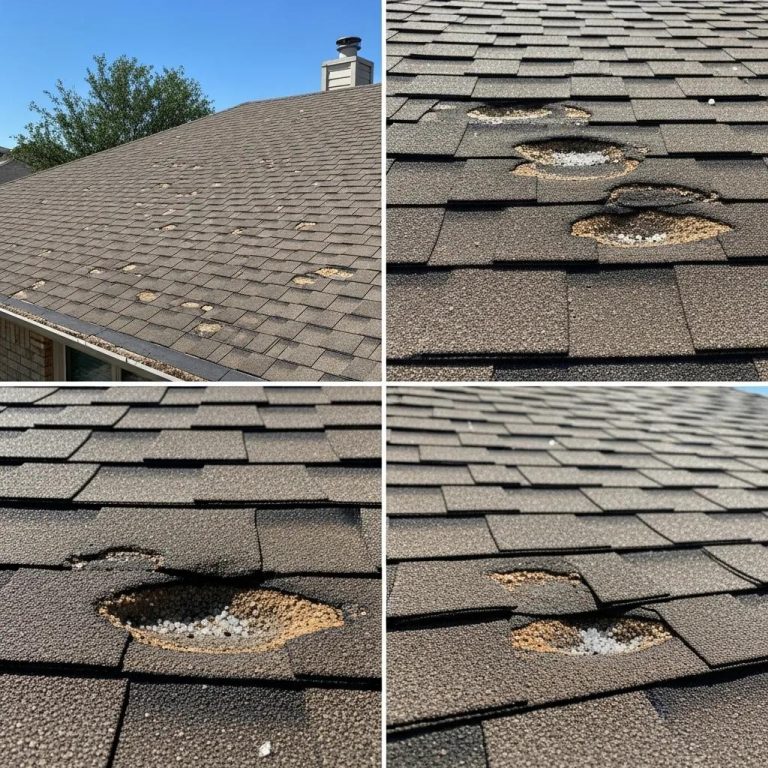
How Does Hail Impact Asphalt Shingles: Dents, Granule Loss, and Bruising
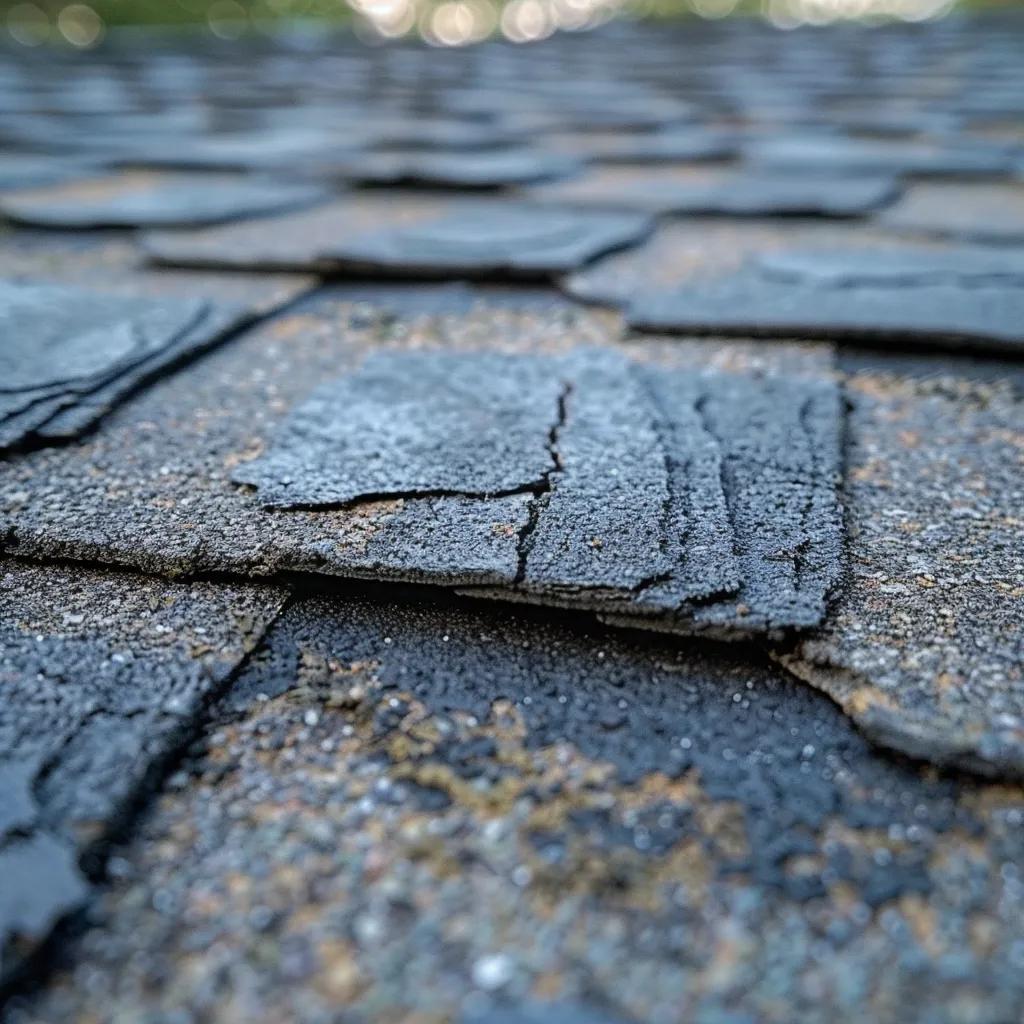
Hail can cause significant damage to asphalt shingles, leading to various issues. Dents are often the most visible sign, where the impact of hailstones creates small depressions on the surface. Additionally, granule loss occurs when the protective granules on the shingles are dislodged, exposing the underlying material to the elements. Bruising may also occur, which can compromise the shingle’s integrity and lead to leaks if not addressed promptly. Homeowners should inspect their roofs after a hailstorm to identify these signs and take necessary action.
What Does Hail Damage Look Like on Metal, Tile, and Wood Shake Roofs?
Different roofing materials react uniquely to hail impacts. On metal roofs, hail can create visible dents and scratches, which may lead to rust if not repaired. Tile roofs may crack or break under the force of hail, while wood shake roofs can suffer from splintering or cracking. Each material requires specific attention during inspections, and understanding these differences is crucial for effective damage assessment.
How Can You Recognize Wind Damage on Your Fort Worth Roof?
What Are the Signs of Missing, Lifted, and Creased Shingles After Windstorms?
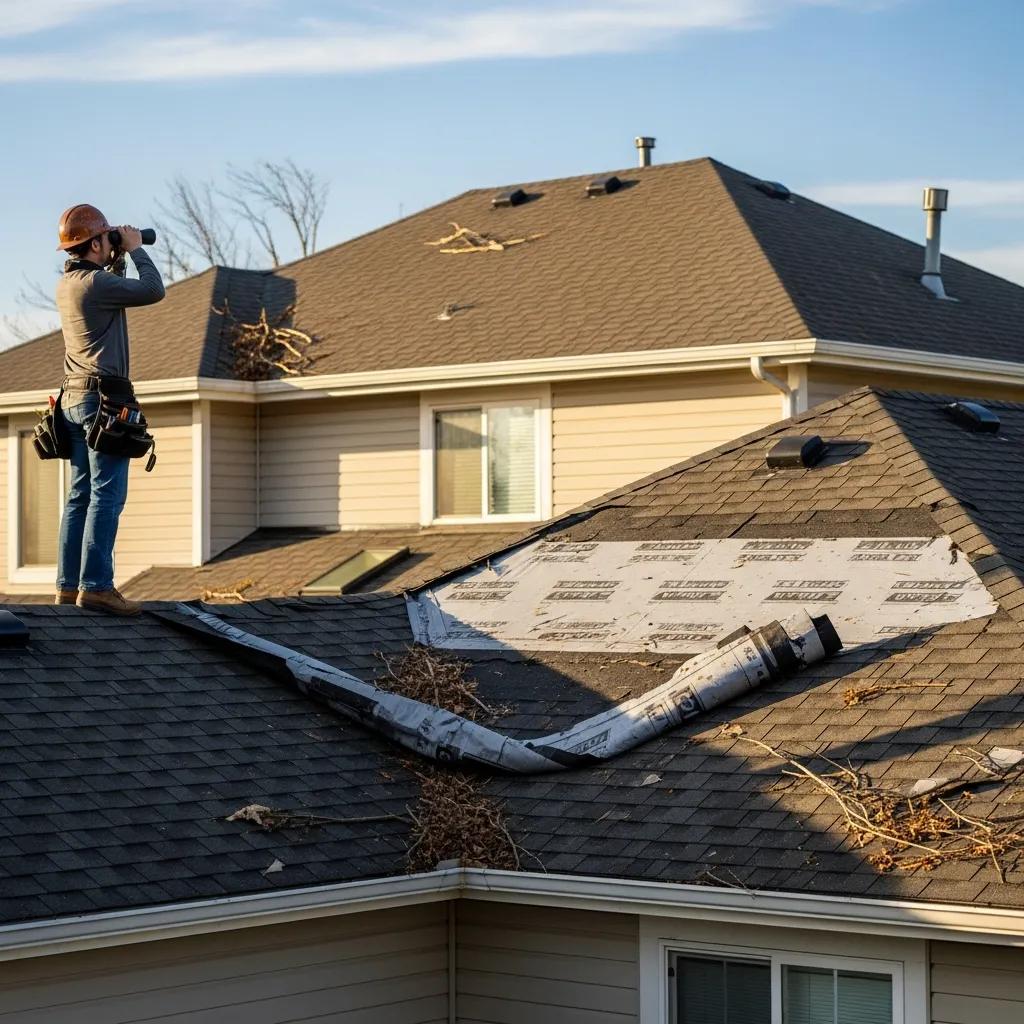
After a windstorm, homeowners should check for missing shingles, which can leave the roof vulnerable to water intrusion. Lifted shingles may not be completely detached but can allow water to seep underneath, leading to potential leaks. Creased shingles are another sign of wind damage, indicating that the shingles have been displaced but not fully removed. Identifying these issues promptly can help mitigate further damage.
How Does Wind Affect Flashing, Underlayment, and Roof Components?
Wind can also impact other critical components of the roofing system, such as flashing and underlayment. Flashing, which seals joints and prevents water intrusion, can be lifted or damaged by strong winds. The underlayment, a protective barrier beneath the shingles, may also be compromised, leading to leaks and structural issues. Homeowners should inspect these areas carefully after wind events to ensure their roofs remain watertight.
How to Conduct a Thorough Fort Worth Roof Inspection for Hail and Wind Damage?
What Are Safe DIY Visual Inspection Steps for Homeowners?
- Use Binoculars: Inspect the roof from the ground using binoculars to identify visible damage without climbing.
- Check for Debris: Look for fallen branches or debris that may have impacted the roof.
- Inspect Gutters and Downspouts: Check for granules or shingle pieces in gutters, which can indicate damage.
- Look for Water Stains: Inside the home, check for water stains on ceilings or walls, which may indicate leaks.
When Should You Call a Professional Roof Inspector in Fort Worth?
If significant damage is suspected or if the roof is difficult to access, it is advisable to call a professional roof inspector. Signs that warrant a professional assessment include:
- Multiple missing or damaged shingles
- Visible leaks or water stains inside the home
- Damage to flashing or other roof components
- Uncertainty about the extent of the damage
How to Document Roof Damage for Insurance Claims After Fort Worth Storms?
What Photos and Details Are Essential for Hail and Wind Damage Claims?
When documenting roof damage, homeowners should capture the following:
- Wide-Angle Photos: Take wide shots of the entire roof to show the overall condition.
- Close-Up Shots: Capture close-ups of specific damage, such as dents, missing shingles, or cracks.
- Contextual Images: Include images of surrounding areas, such as gutters and downspouts, to show debris or granule loss.
How Does Proper Documentation Support Your Insurance Process?
Thorough documentation supports the insurance process by providing clear evidence of the damage. Insurers often require detailed information to process claims efficiently. Having organized photos and notes can expedite the claims process and ensure that homeowners receive the compensation they deserve.
What Is the Impact of Fort Worth Weather Patterns on Roof Damage and Maintenance?
How Do Historical Storms and Severe Weather Affect Local Roofs?
Historical data shows that Fort Worth has experienced numerous severe storms, including hailstorms and tornadoes, leading to increased roof damage over the years. Homeowners should be aware of the frequency and intensity of these storms to better prepare their roofs for potential damage. Regular inspections and maintenance can help mitigate the effects of severe weather.
Why Is Early Detection and Repair Critical in Fort Worth’s Climate?
Early detection and repair of roof damage are critical in Fort Worth’s climate due to the potential for rapid deterioration. Ignoring minor issues can lead to more significant problems, such as leaks and structural damage. Homeowners should prioritize regular inspections and timely repairs to maintain the integrity of their roofs and protect their homes.
In conclusion, understanding how to identify hail and wind damage on your Fort Worth roof is essential for effective maintenance and repair. By recognizing the signs of damage, conducting thorough inspections, and documenting issues for insurance claims, homeowners can protect their investments and ensure the safety of their homes.