Metal Roof Installers Near Me: Quality & Selection
Searching for metal roof installers near me has become increasingly common as property owners recognize the long-term value metal roofing delivers. Metal roofs offer exceptional durability, energy efficiency, and minimal maintenance compared to traditional asphalt shingles, making them an attractive investment for both commercial facilities and residential properties. However, finding qualified installers who understand the specific techniques required for proper metal roof installation requires more than a simple online search. The quality of installation directly impacts your roof's performance for decades, so selecting the right contractor demands careful evaluation of credentials, experience, and installation methodology.
Understanding Metal Roofing Systems and Installation Requirements
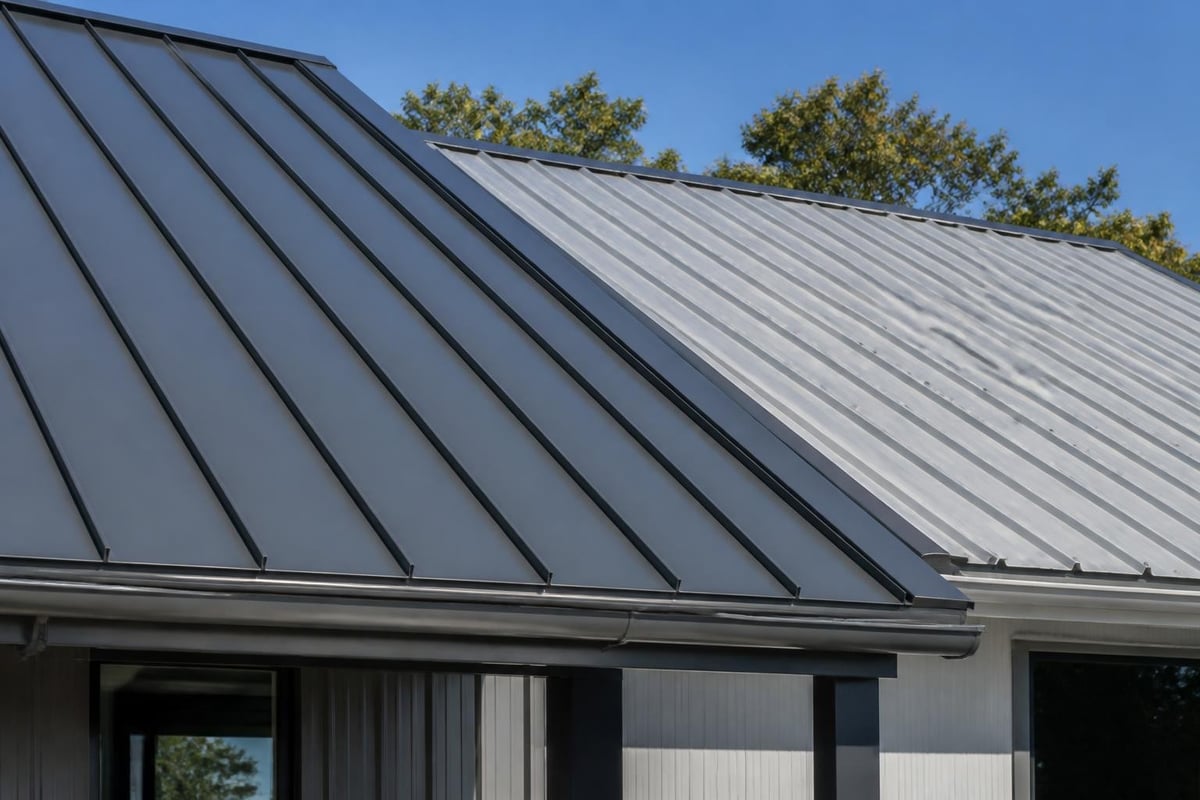
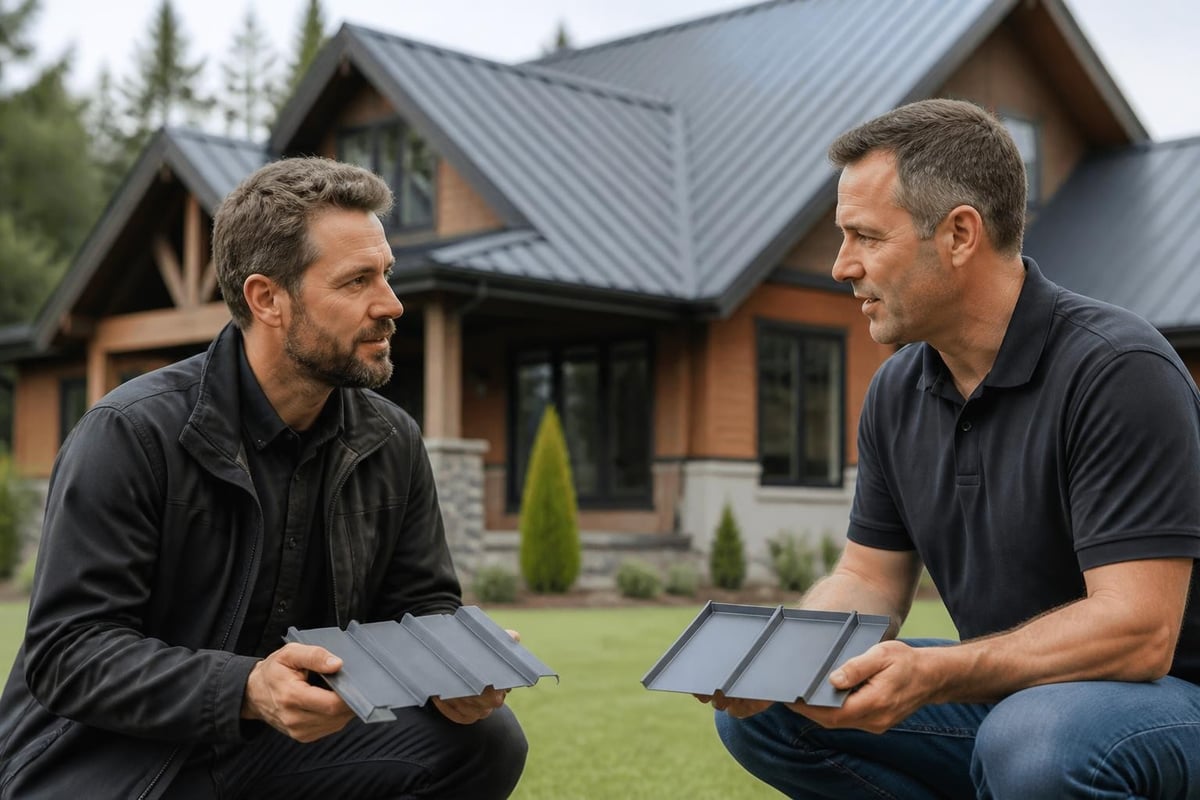
Metal roofing encompasses several distinct system types, each with unique installation requirements and performance characteristics. Standing seam metal roofs feature vertical panels with concealed fasteners, providing superior weather resistance and thermal movement accommodation. Exposed fastener systems use screw-down panels that attach directly through the metal to the roof deck, offering a more economical option for certain applications.
The installation complexity varies significantly between these systems. Standing seam installations require specialized equipment for seaming panels together and precise attention to thermal expansion details. Exposed fastener systems demand proper fastener spacing, sealant application, and alignment to prevent leaks and premature panel deterioration.
Material Options and Regional Considerations
Metal roofing materials include steel, aluminum, zinc, and copper, each offering different advantages:
| Material | Primary Benefits | Fort Worth Climate Suitability | Typical Lifespan |
|---|---|---|---|
| Galvalume Steel | Cost-effective, strong, corrosion-resistant | Excellent for Texas heat and storms | 40-60 years |
| Aluminum | Lightweight, rust-proof, salt-air resistant | Good, though less hail-resistant | 50+ years |
| Zinc | Self-healing patina, sustainable | Excellent longevity | 80-100 years |
| Copper | Distinctive appearance, no maintenance | Premium choice, very durable | 100+ years |
Fort Worth's climate presents specific challenges that qualified metal roof installers near me should address. Extreme heat exposure requires materials with high thermal reflectivity to reduce cooling costs. Hail events demand appropriate gauge thickness and impact resistance. Wind uplift from severe thunderstorms necessitates proper attachment schedules and edge detailing.
Evaluating Contractor Qualifications and Experience
When searching for metal roof installers near me, distinguishing between general roofers and true metal roofing specialists becomes critical. Metal roofing installation differs fundamentally from asphalt shingle application, requiring specialized knowledge of panel handling, fastening patterns, and flashing integration.
Manufacturer Certifications and Training
Reputable metal roofing contractors maintain current manufacturer certifications from the systems they install. These certifications verify that installers have completed formal training on proper installation techniques, understand warranty requirements, and stay updated on product innovations. Certifications from major manufacturers like MBCI, McElroy Metal, or Berridge Manufacturing indicate a contractor's commitment to installation excellence.
Manufacturer-certified installers also provide access to extended warranty coverage that self-insured contractors cannot offer. Metal roofing installation quality directly affects whether manufacturers will honor material warranties, making certification a valuable risk mitigation factor.
Insurance and Crew Composition
Professional metal roof installers carry comprehensive general liability insurance and workers' compensation coverage. Request certificates of insurance showing current coverage limits of at least one million dollars for general liability. This protects property owners from financial liability if installation errors cause damage or crew members sustain injuries.
The crew composition matters significantly. Contractors using in-house crews maintain better quality control than those relying on subcontractors. Direct employee relationships enable consistent training, accountability, and communication throughout projects. At Texcore Construction, all roofing work is completed by in-house and insured crews, ensuring consistent quality control from inspection through project completion.
Key Questions to Ask Prospective Installers
Effective contractor evaluation requires asking specific, technical questions that reveal experience depth and installation approach. Generic responses or evasive answers should raise concerns about a contractor's actual metal roofing expertise.
Installation methodology questions:
- What underlayment system do you install beneath metal panels, and why?
- How do you address thermal expansion and contraction in panel runs exceeding 40 feet?
- What fastener schedule and pattern do you follow for our specific panel profile and wind zone?
- How do you transition metal roofing at penetrations, valleys, and roof-to-wall interfaces?
- What ventilation strategy do you recommend for our building type and roof assembly?
Project management and documentation questions:
- How do you protect existing building systems and landscaping during installation?
- What daily cleanup and job site safety protocols do you maintain?
- Do you provide detailed installation documentation and as-built drawings?
- What warranty coverage do you offer on labor, and what does it include?
Contractors who provide detailed, technical responses demonstrate genuine expertise. Those offering vague assurances or minimizing question importance may lack the specialized knowledge metal roofing demands.
Reviewing Past Projects and References
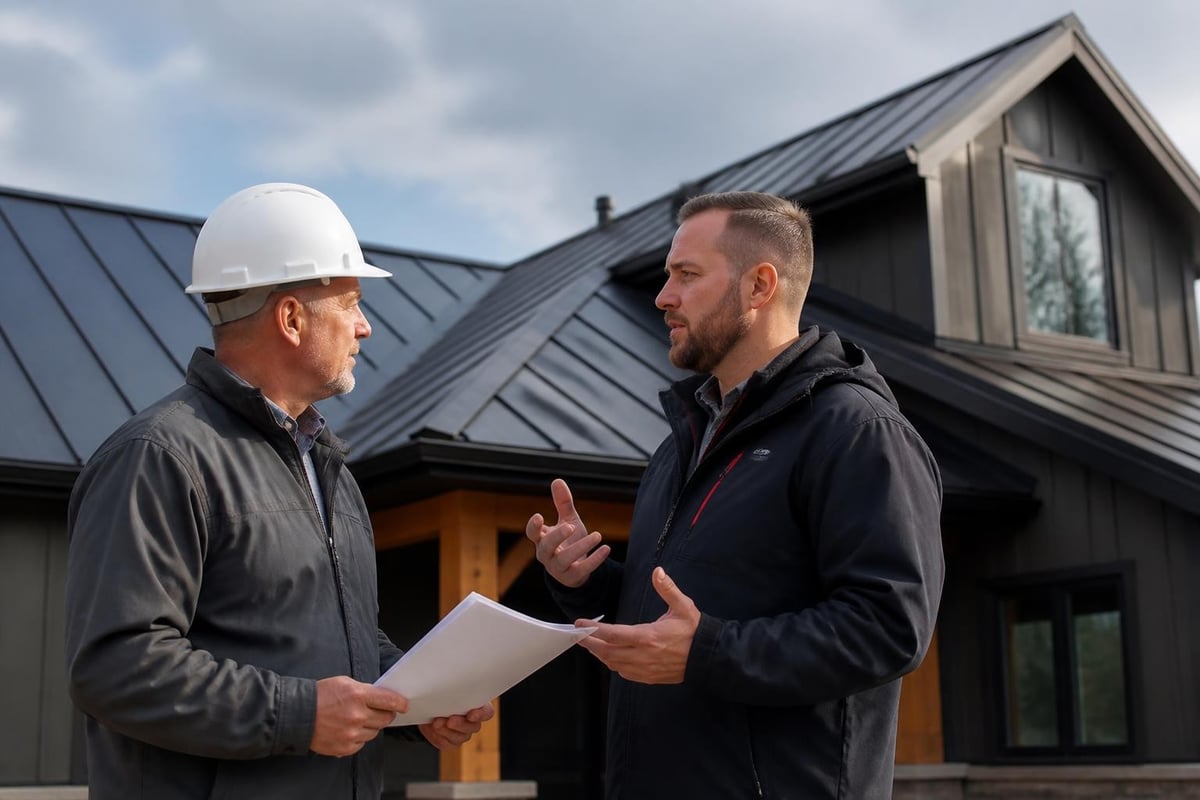
Examining completed installations provides tangible evidence of workmanship quality and attention to detail. Request to visit recent projects similar to yours in scope and building type. Commercial property managers should review commercial installations, while residential homeowners should inspect residential applications.
What to Inspect on Site Visits
Walk the roofline (if safely accessible) or use binoculars to examine:
- Panel alignment and straightness across the roof field
- Fastener patterns showing consistent spacing and proper alignment
- Flashing details at chimneys, vents, walls, and roof edges
- Ridge caps and trim work for clean, professional appearance
- Gutter and drainage integration ensuring proper water management
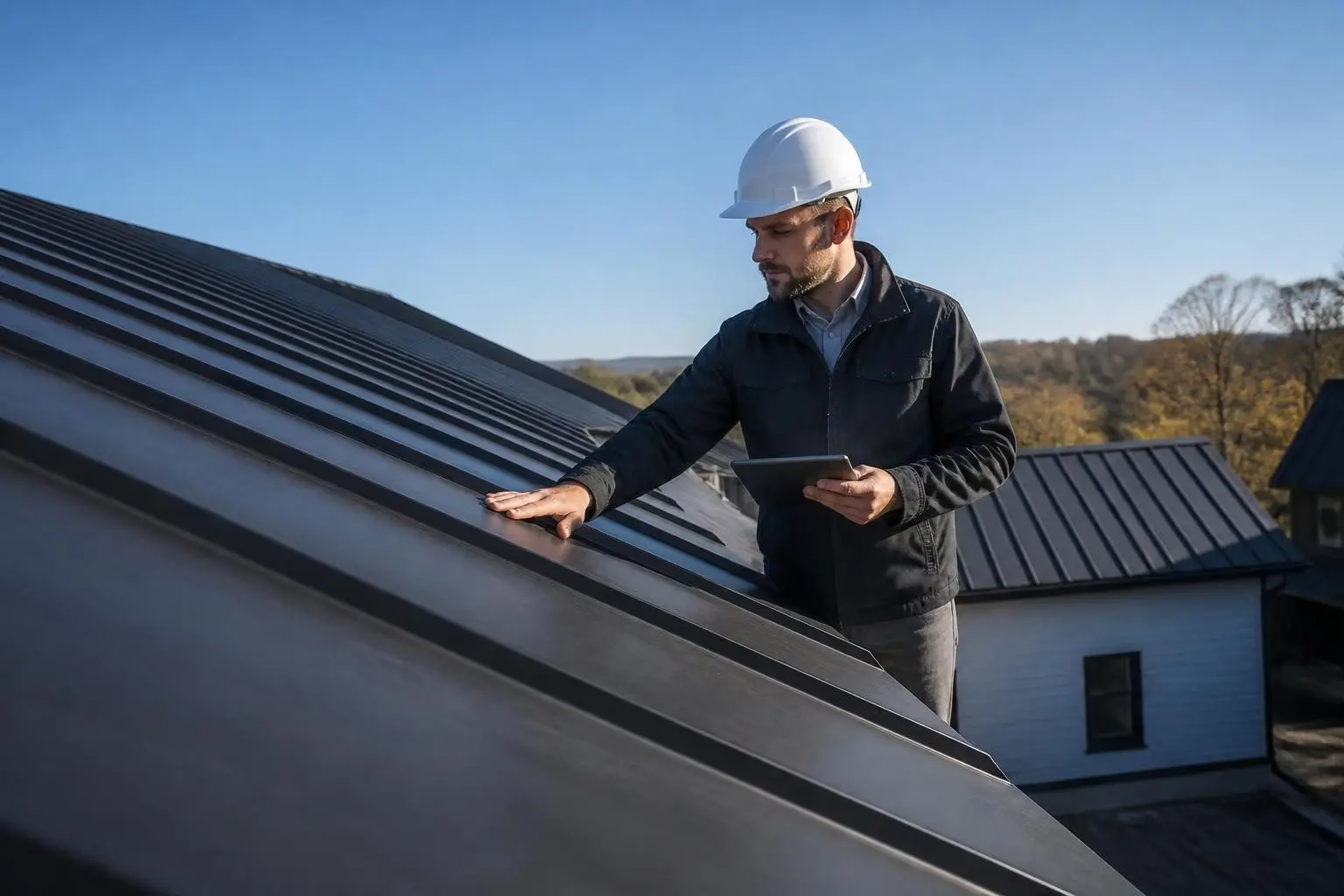
Professional installations exhibit clean lines, uniform appearance, and meticulous detail work. Wavy panels, irregular fastener patterns, or poorly fitted trim pieces indicate installation deficiencies that will compromise long-term performance.
Reference Conversations
Speaking with previous clients reveals information beyond visual inspection. Ask references about:
- Communication quality and responsiveness throughout the project
- Timeline accuracy and how the contractor handled any delays
- Job site cleanliness and crew professionalism
- Problem resolution approach when issues arose
- Post-installation follow-up and warranty service
Be cautious of contractors providing only recent references. Established metal roof installers near me should readily provide references spanning several years, demonstrating sustained quality and customer satisfaction.
Understanding Installation Timelines and Processes
Metal roof installation progresses differently than conventional roofing projects. Understanding realistic timelines helps property owners plan accordingly and identify contractors making unrealistic promises.
Typical Installation Phases
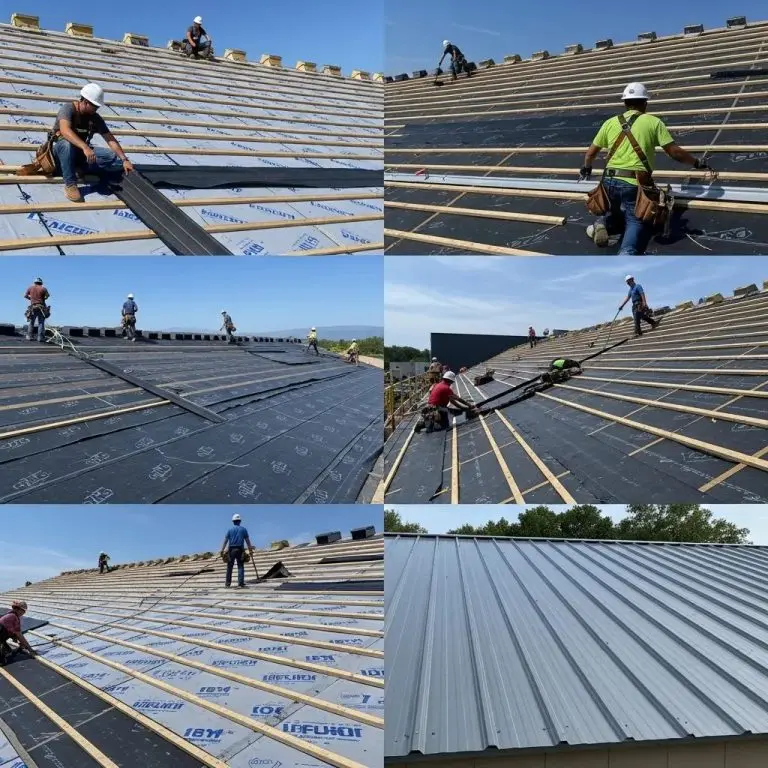
Phase 1: Pre-Installation Preparation (1-3 days)
- Remove existing roofing materials if necessary
- Inspect and repair roof deck structural issues
- Install underlayment system per manufacturer specifications
- Set up safety equipment and material staging areas
Phase 2: Panel Installation (varies by project size)
- Begin at eave edge with starter trim installation
- Install panels with proper overlap and fastening schedule
- Progress upward toward ridge, maintaining alignment
- Install ridge caps and ventilation components
Phase 3: Detail Work and Inspection (1-2 days)
- Complete all flashing and trim installations
- Seal penetrations and transitions
- Install gutter and drainage components
- Conduct quality inspection and address any deficiencies
Weather significantly impacts installation schedules. Metal roofing should not be installed in wet conditions, as moisture trapped beneath panels can cause corrosion and deck deterioration. Fort Worth's spring and fall typically offer optimal installation conditions with moderate temperatures and lower precipitation probability.
Comparing Estimates and Value Propositions
Receiving multiple estimates from qualified metal roof installers near me enables informed comparison, but lowest price rarely represents best value. Metal roofing is a long-term investment where installation quality determines decades of performance.
What Comprehensive Estimates Should Include
| Estimate Component | What to Verify |
|---|---|
| Material specifications | Panel profile, gauge, finish, underlayment type |
| Labor scope | Removal, preparation, installation, cleanup |
| Trim and flashing | All necessary components itemized |
| Ventilation system | Ridge vents, intake vents, calculations |
| Warranty terms | Labor duration, material coverage, exclusions |
| Timeline | Start date, estimated completion, weather contingencies |
Beware of estimates lacking specific material details or using vague descriptions like "standard metal panels" without gauge, finish, or manufacturer information. Professional contractors provide precise specifications enabling accurate comparison between proposals.
Recognizing Red Flags in Pricing
Estimates significantly below competitors often indicate:
- Substandard materials using thinner gauge panels or inferior coatings
- Incomplete scope omitting necessary underlayment, ventilation, or flashing components
- Inexperienced crews leading to longer timelines and potential installation errors
- Insurance or licensing deficiencies creating liability risks
Understanding metal roofing benefits and proper installation helps property owners evaluate whether estimates include all necessary components for long-term performance.
Local versus National Installation Companies
The metal roof installers near me search yields both local Fort Worth contractors and national franchise operations. Each approach offers distinct advantages worth considering.
Local Contractor Advantages
Local roofing companies understand regional building codes, climate-specific installation requirements, and Fort Worth permitting processes. They maintain reputations within the community, making accountability and long-term warranty service more reliable. Local contractors also respond faster to emergency situations and warranty calls since they operate nearby.
Texcore Construction exemplifies local expertise with emergency roof repair services including same-day response for commercial properties experiencing active leaks. This rapid response capability proves invaluable during Fort Worth's severe weather season when roof damage requires immediate attention.
National Company Considerations
National metal roofing companies bring standardized processes, extensive training programs, and sometimes broader material selection. However, they often rely on local subcontractors for actual installation, potentially diminishing quality control and accountability.
The subcontractor model creates communication barriers and makes warranty service more complicated. Property owners benefit most from direct relationships with installation crews who understand project specifics and maintain accountability for their work.
Permitting and Code Compliance
Professional metal roof installers near me handle all necessary permitting and ensure installations meet current building codes. Fort Worth requires building permits for roof replacements, with inspections verifying proper installation and structural adequacy.
Building Code Requirements
Metal roofing installations must comply with:
- Wind resistance standards based on Fort Worth's wind zone designation
- Fire resistance ratings appropriate for building occupancy type
- Structural load calculations ensuring roof deck can support metal panel weight plus potential snow/ice loads
- Energy code compliance meeting thermal performance requirements
Contractors should obtain permits before starting work and schedule required inspections during and after installation. Installing without proper permits creates liability exposure and may void manufacturer warranties.
HOA and Deed Restriction Considerations
Residential property owners should verify that metal roofing complies with homeowners association architectural guidelines before contracting for installation. Some neighborhoods restrict metal roofing or require specific colors and profiles. Professional installers help navigate these requirements and suggest compliant alternatives when restrictions exist.
Metal Roofing Performance in Fort Worth Climate
Fort Worth's climate presents unique challenges and opportunities for metal roofing systems. The benefits of metal roofing include exceptional performance in regions experiencing temperature extremes and severe weather.
Heat and Energy Efficiency
Metal roofing with reflective coatings reduces cooling costs by reflecting solar radiation rather than absorbing it like dark asphalt shingles. Cool metal roofing products can lower roof surface temperatures by 50-60 degrees compared to traditional materials, significantly reducing heat transfer into building interiors.
This energy efficiency proves particularly valuable for commercial buildings with large roof areas where cooling represents substantial operating costs. Lighter colored metal roofing maximizes reflectivity while maintaining aesthetic appeal.
Storm and Hail Resistance
Fort Worth experiences frequent hail events that can devastate asphalt shingle roofs. Metal roofing withstands hail impact far better, with properly installed systems rated for severe hail resistance. While large hail may dent metal panels, the roof remains watertight and functional unlike shingles that crack, tear, or lose granules.
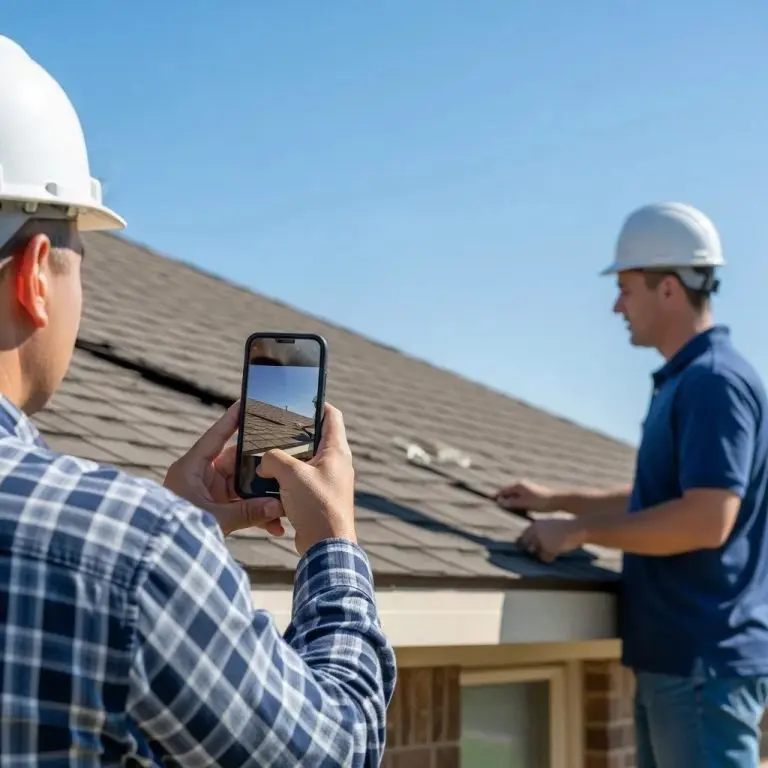
When storm damage does occur, professional documentation of roof condition becomes essential. Texcore Construction provides thorough storm and hail damage documentation with detailed photos and measurements, giving property owners clear inspection reports to submit to their own insurance adjusters.
Maintenance Requirements and Long-Term Performance
One significant advantage of metal roofing is minimal maintenance requirements compared to other roofing materials. However, understanding proper care ensures decades of reliable performance.
Essential maintenance activities:
- Annual inspections checking fastener tightness and sealant condition
- Gutter cleaning to prevent water backup at eaves
- Debris removal from roof valleys and around penetrations
- Touch-up paint application on scratched or damaged coatings
- Fastener replacement if backing out or showing corrosion
Professional installers provide maintenance guidelines specific to the installed system type and manufacturer recommendations. Following these guidelines preserves warranty coverage and maximizes roof lifespan.
Warranty Service and Support
Quality metal roof installers near me stand behind their work with comprehensive labor warranties. Texcore Construction backs every project with a five-year labor warranty, demonstrating confidence in installation quality and crew expertise. This warranty coverage protects property owners from installation defects and ensures contractors return to address any issues arising from workmanship.
Material warranties from manufacturers cover panel integrity, coating adhesion, and corrosion resistance for periods ranging from 25 years to lifetime coverage depending on product selection. Understanding what each warranty covers and required maintenance for coverage continuation helps property owners protect their investment.
Choosing Metal Roofing for Commercial Applications
Commercial property managers evaluating metal roof installers near me should prioritize contractors with extensive commercial project experience. Commercial installations involve unique considerations including larger scale, occupied building coordination, and minimal business disruption requirements.
Metal roofing excels for warehouses, manufacturing facilities, retail centers, and office buildings. The long service life and low maintenance requirements reduce lifecycle costs compared to conventional roofing systems requiring replacement every 15-20 years.
Commercial Project Coordination
Professional commercial roofing contractors develop detailed project plans addressing:
- Access and logistics for material delivery and equipment positioning
- Occupied building protocols minimizing noise, dust, and operational disruption
- Safety planning protecting workers, building occupants, and property
- Phased installation allowing business continuity during multi-week projects
Reviewing different roofing material options helps commercial property owners understand why metal roofing increasingly represents the preferred choice for durability, performance, and long-term value.
Making Your Final Selection Decision
After evaluating multiple metal roof installers near me, property owners should synthesize all gathered information into a comprehensive decision framework. The lowest price contractor rarely delivers best long-term value, while the highest price doesn't guarantee superior quality.
Critical decision factors weighted by importance:
- Manufacturer certifications and specialized training (25%)
- Insurance coverage and crew composition (20%)
- Reference quality and project portfolio (20%)
- Estimate completeness and material specifications (15%)
- Communication quality and responsiveness (10%)
- Labor warranty terms and company stability (10%)
Trust your evaluation process and select contractors demonstrating genuine expertise, transparent communication, and commitment to quality. The installation relationship extends beyond project completion through warranty service and future maintenance needs, making contractor integrity essential.
Starting Your Metal Roofing Project
Once you've selected your installer, establish clear communication protocols and project expectations before work begins. Discuss timeline expectations, daily work hours, site access requirements, and how the contractor will handle unexpected conditions discovered during installation.
Request a pre-installation meeting reviewing the project scope, material selections, and any building-specific considerations. This meeting ensures alignment between your expectations and the contractor's installation plan, preventing misunderstandings that could compromise project success.
Understanding proper metal roofing installation techniques through educational resources helps property owners appreciate the complexity involved and recognize quality workmanship throughout their project.
Finding qualified metal roof installers near me requires careful evaluation of credentials, experience, and installation methodology to ensure your investment delivers decades of reliable performance. Whether you're managing a commercial facility or planning a residential upgrade, choosing contractors who use in-house crews, maintain manufacturer certifications, and provide comprehensive warranties protects your property and budget. For Fort Worth property owners seeking metal roofing expertise backed by detailed documentation, transparent recommendations, and a five-year labor warranty, Texcore Construction delivers the craftsmanship and accountability that metal roofing installations demand.