Metal Roofing Contractors: What to Look for in 2026
Metal roofing has become increasingly popular for both commercial and residential properties across the United States, driven by durability, energy efficiency, and long-term performance advantages. However, the quality of installation directly determines whether a metal roof will deliver on its potential lifespan of 40 to 70 years or fail prematurely due to improper techniques. Choosing qualified metal roofing contractors requires understanding the technical complexities of metal panel systems, recognizing industry best practices, and identifying contractors who maintain professional standards throughout every phase of installation. This guide examines the critical factors that distinguish professional metal roofing contractors from installers who lack the specialized knowledge required for successful metal roofing projects.
Technical Qualifications That Separate Professional Metal Roofing Contractors
Metal roofing installation demands specialized knowledge beyond general roofing experience. Professional metal roofing contractors understand the unique characteristics of metal panel systems, including thermal movement, expansion and contraction coefficients, and proper fastening patterns that accommodate these physical properties.
Material-Specific Training and Certification
The most qualified metal roofing contractors pursue manufacturer-specific certifications that validate their technical competence. These certifications require contractors to complete training programs covering proper installation procedures, approved underlayment systems, and weatherproofing details specific to each manufacturer's panel profiles.
Key certification indicators include:
- Factory-authorized installer status from major metal roofing manufacturers
- Completion of standing seam system installation courses
- Training on thermal movement accommodation techniques
- Knowledge of fastener selection and placement specifications
- Understanding of ventilation requirements for metal roof assemblies
Manufacturer certifications also extend warranty coverage, providing property owners with additional protection. Contractors who invest in ongoing education demonstrate commitment to installation quality and stay current with evolving industry standards published by organizations like the Metal Roofing Alliance.
Panel System Expertise and Installation Methods
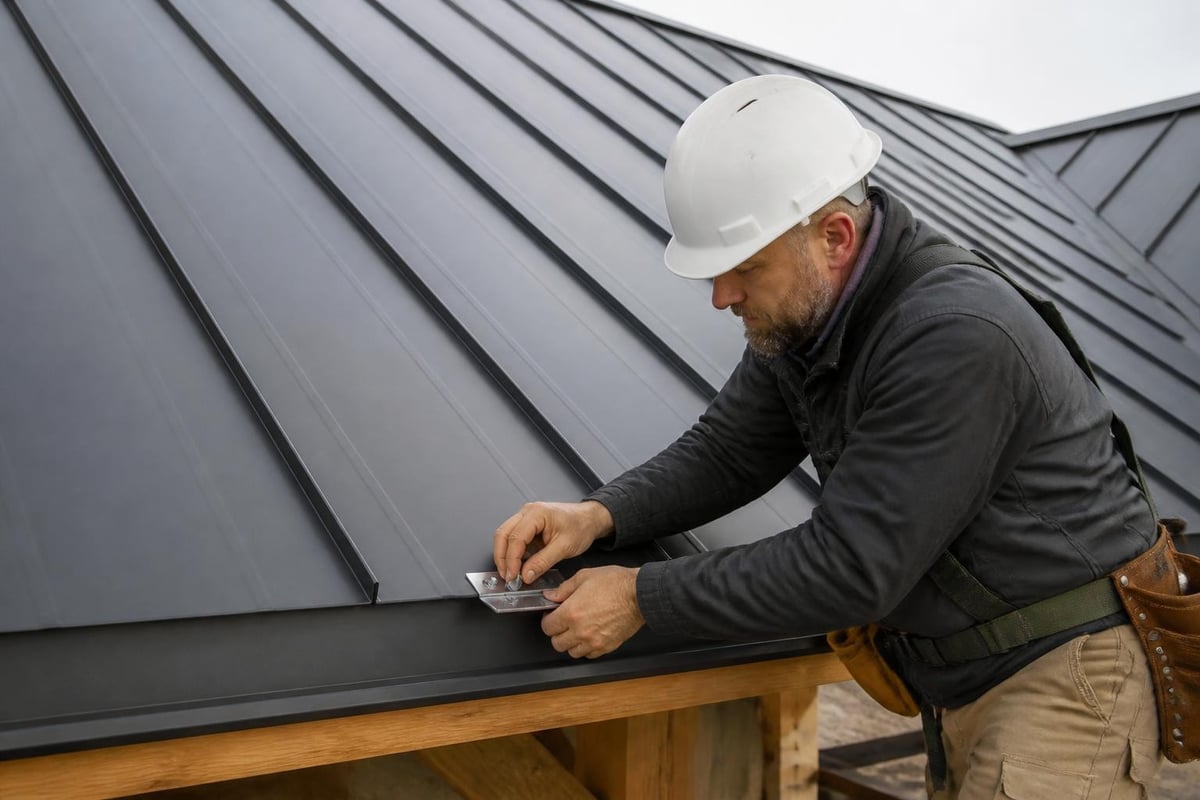
Different metal roofing systems require distinct installation approaches. Standing seam panels use concealed fastener systems with clips that allow thermal movement, while exposed fastener panels demand precise fastener placement and proper compression. Professional contractors specialize in specific systems and understand the technical details of metal roof installation, including attachment procedures that prevent water infiltration and accommodate expansion.
| Panel Type | Fastening Method | Key Installation Challenge |
|---|---|---|
| Standing Seam | Concealed clips | Thermal movement accommodation |
| Exposed Fastener | Through-panel screws | Proper gasket compression |
| Snap-Lock | Interlocking seams | Panel alignment and straightness |
| Mechanically Seamed | Field-crimped seams | Seaming tool technique |
The contractor's experience with the specific panel profile selected for your project directly impacts installation quality. Generic roofing experience does not translate to metal roofing expertise.
Installation Best Practices and Quality Control Standards
Professional metal roofing contractors follow comprehensive installation protocols that address substrate preparation, underlayment selection, panel attachment, and finishing details. These protocols prevent the common installation mistakes that lead to premature failures.
Substrate Preparation and Underlayment Systems
Metal roofing performance begins with proper substrate preparation. Contractors must ensure the roof deck provides adequate structural support, maintains proper slope for water drainage, and is free from irregularities that could telegraph through metal panels.
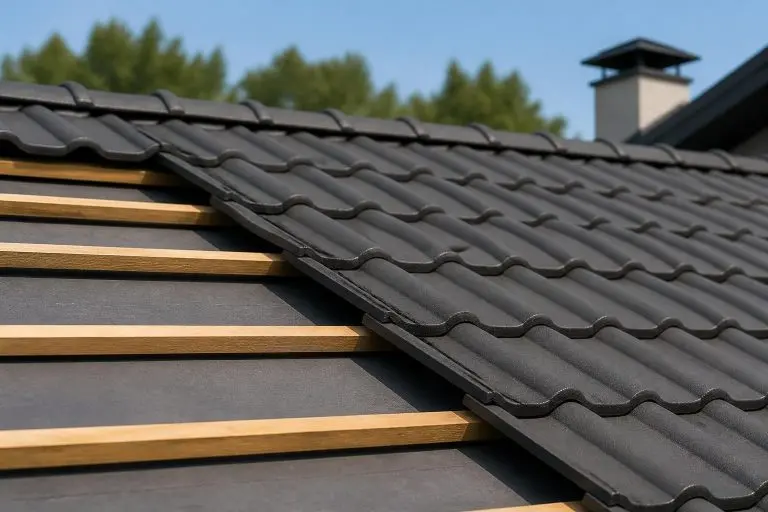
The underlayment system creates the secondary weather barrier beneath metal panels. Professional contractors select high-temperature underlayments rated for metal roofing applications, which experience higher thermal loads than traditional roofing materials. They install underlayment with proper overlap, securement, and sealing at penetrations.
Critical substrate preparation steps:
- Deck inspection for structural integrity and fastener withdrawal resistance
- Slope verification to ensure minimum requirements for selected panel system
- Repair or replacement of damaged decking materials
- Installation of approved underlayment with manufacturer-specified overlaps
- Integration of ice and water shield at eaves, valleys, and penetrations
Shortcuts during substrate preparation often remain hidden until leaks develop years after installation. Many property owners dealing with roof leak repairs discover that inadequate substrate preparation caused the failure.
Fastener Selection and Placement Protocols
Fastener failures represent one of the most common causes of metal roofing problems. Professional metal roofing contractors understand that fastener selection involves matching screw length, diameter, and thread pattern to the specific substrate and panel gauge. They also recognize that fastener placement patterns must accommodate thermal movement while maintaining adequate wind uplift resistance.
For exposed fastener systems, contractors must achieve proper gasket compression without over-driving screws. Under-driven fasteners allow water infiltration, while over-driven fasteners compress gaskets excessively, reducing their effectiveness and potentially dimpling metal panels.
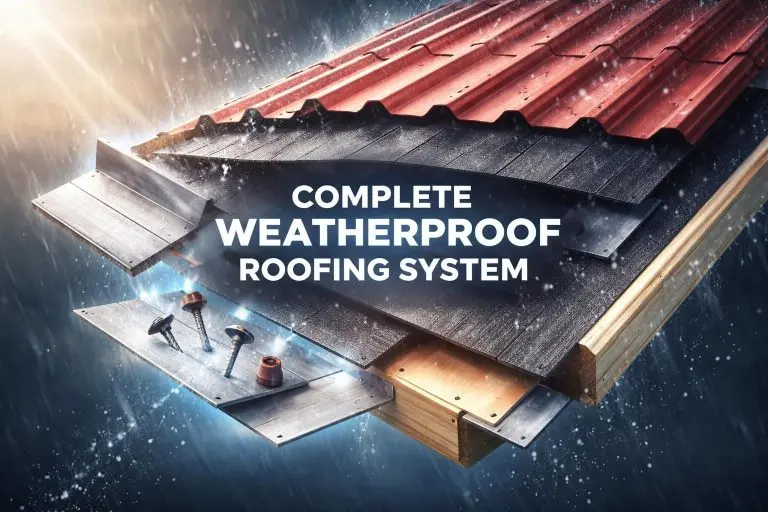
Standing seam systems eliminate exposed fasteners through clip-based attachment. These clips must be positioned according to manufacturer specifications, with proper spacing and alignment to allow panel movement while maintaining attachment security.
Crew Training and In-House Installation Teams
The composition and training level of installation crews significantly impacts project quality. Metal roofing contractors who maintain in-house crews rather than relying on subcontractors typically deliver more consistent results.
Direct Employment Versus Subcontracting Models
Contractors who employ their own installation crews maintain direct control over training, quality standards, and accountability. This employment model allows systematic skill development, consistent application of installation protocols, and clearer communication chains from project managers to installers.
Subcontracting introduces variables that can compromise quality. When contractors outsource installation to third parties, they relinquish control over installer qualifications, equipment availability, and adherence to specified techniques. Property owners have limited recourse when quality issues arise from subcontractor work.
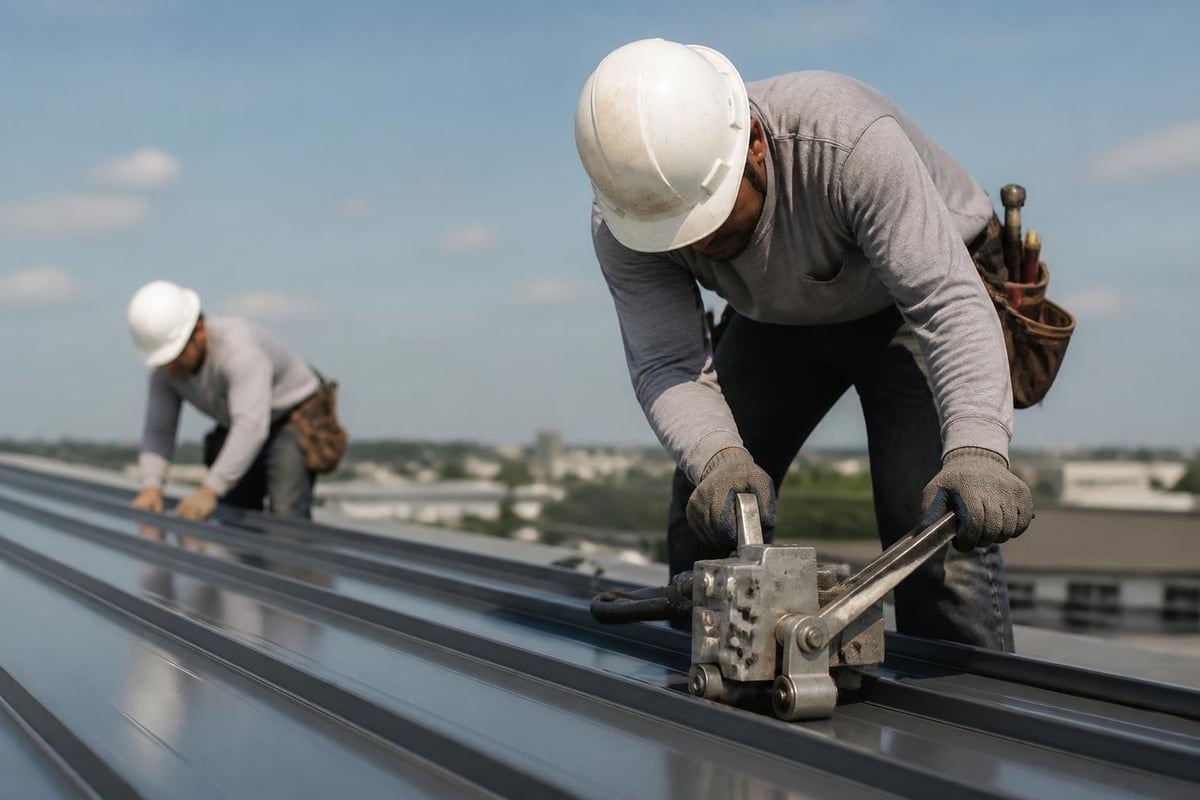
Direct employment also enables contractors to invest in specialized equipment for metal roofing installation. Standing seam systems require panel benders, seamers, and specialized cutting tools. Contractors with dedicated equipment produce cleaner cuts, more precise bends, and better-finished projects.
Safety Training and Job Site Management
Metal roofing installation presents specific safety challenges. Panels become extremely slippery when wet, sharp edges create cut hazards, and large panel dimensions require coordinated handling. Professional contractors implement comprehensive safety programs that address these metal-specific risks.
Qualified crews receive training in:
- Fall protection systems appropriate for metal roofing projects
- Proper lifting techniques for long panel sections
- Edge protection and slippery surface protocols
- Tool safety for metal cutting and fastening equipment
- Weather monitoring and work cessation criteria
Clean, organized job sites indicate professional contractor standards. Metal roofing generates scrap material, packaging waste, and fastener debris. Contractors committed to quality maintain orderly work areas, implement debris containment systems, and complete daily cleanup routines.
Documentation and Communication Standards
Professional metal roofing contractors provide detailed documentation throughout the project lifecycle. This documentation serves multiple purposes: verifying proper installation techniques, supporting warranty claims, and providing maintenance guidance for property owners.
Pre-Installation Assessment and Proposals
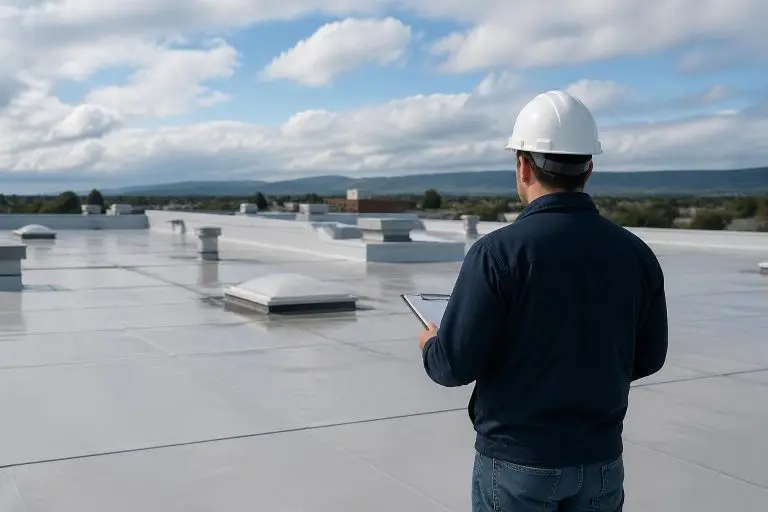
Thorough pre-installation assessments separate professional contractors from those who provide quick estimates without examining project details. Qualified metal roofing contractors conduct comprehensive roof inspections, identifying substrate conditions, structural adequacy, and potential complications before committing to project timelines and costs.
Detailed proposals specify exact materials, including manufacturer names, product lines, panel profiles, colors, and gauges. They outline installation methods, underlayment systems, trim details, and accessory components. Vague proposals that simply reference "metal roofing" without specifications leave room for substitutions and quality compromises.
For properties requiring storm and hail damage documentation, professional contractors provide thorough inspection reports with detailed photos and measurements that property owners can submit to their own insurance adjusters.
Installation Documentation and Progress Reporting
During installation, professional contractors document critical phases through photographs and installation records. This documentation proves compliance with manufacturer specifications and building codes, which becomes essential if warranty claims or disputes arise.
Progress reporting keeps property owners informed about project status, upcoming phases, and any field conditions that require design adjustments. Contractors who communicate proactively prevent misunderstandings and demonstrate accountability.
| Documentation Type | Purpose | Timing |
|---|---|---|
| Pre-installation photos | Existing condition record | Before work begins |
| Substrate inspection report | Structural verification | After tear-off, before panels |
| Panel layout drawings | Installation guidance | Before panel installation |
| Final inspection photos | Quality verification | At project completion |
| Warranty registration | Coverage activation | Within 30 days of completion |
Quality Indicators Beyond Price Considerations
While project cost influences contractor selection, the lowest bid rarely delivers the best value in metal roofing projects. Professional metal roofing contractors price projects based on proper installation time, quality materials, and appropriate profit margins that sustain their businesses.
Warranty Coverage and Long-Term Support
Comprehensive warranty programs indicate contractor confidence in their work. Professional contractors provide labor warranties that extend beyond the standard one-year period, often covering five years or more. These warranties address installation defects separate from material warranties provided by manufacturers.
Understanding warranty terms requires reviewing coverage details, exclusions, and claim procedures. Some contractors offer warranties that appear comprehensive but contain numerous exclusions rendering them nearly worthless. Professional contractors explain warranty coverage clearly and maintain the financial stability to honor warranty commitments years after installation.
Material warranties vary significantly across metal roofing products. Paint finish warranties range from 25 to 40 years, with terms defining acceptable fading and chalking. Substrate warranties covering panel perforation typically extend 40 to 50 years. Contractors should explain how warranty coverage transfers to new property owners if the building sells.
References and Completed Project Portfolio
Established metal roofing contractors maintain portfolios showcasing completed projects across various building types and panel systems. Reviewing these portfolios helps property owners assess whether contractors have experience with projects similar in scope, complexity, and building type to their planned installation.
References from previous clients provide insights into contractor reliability, communication quality, and problem-resolution approaches. Professional contractors readily provide references and encourage prospective clients to contact previous customers. When checking references, ask specific questions about timeline adherence, job site cleanliness, communication responsiveness, and how the contractor handled unexpected complications.
Key reference questions include:
- Did the contractor complete the project within the agreed timeline?
- How did the contractor handle change orders or unexpected conditions?
- What was the job site condition during and after installation?
- Has the roof performed as expected since installation?
- Would you hire this contractor for future metal roofing projects?
Compliance With Building Codes and Industry Standards
Metal roofing installation must comply with local building codes, manufacturer specifications, and industry standards. Professional contractors understand these requirements and obtain necessary permits before beginning work.
Building Code Requirements and Permit Processes
Building codes address structural loading, fire ratings, wind uplift resistance, and installation methods. Metal roofing systems must meet code requirements specific to the building's location, occupancy type, and exposure category. Contractors who skip permit processes risk installation failures and create liability for property owners.
The permit process includes plan review and installation inspections. Building officials verify that specified materials meet code requirements and that installation techniques comply with approved methods. These inspections provide additional quality assurance beyond contractor self-verification.
Professional contractors handle permit applications, respond to plan review comments, and coordinate inspection scheduling. They understand local code requirements and design metal roofing systems that meet or exceed minimum standards.
Industry Standards and Professional Association Membership
Organizations like the National Roofing Contractors Association (NRCA) publish installation guidelines and specifications for metal roofing systems. These standards represent industry consensus on proper installation methods, material specifications, and quality expectations.
Contractors who maintain NRCA membership or participate in other professional associations demonstrate commitment to industry standards and ongoing education. Association membership provides access to technical resources, training programs, and professional development opportunities that benefit installation quality.
Evaluating Metal Roofing Contractors for Your Project
Selecting qualified metal roofing contractors requires systematic evaluation across multiple criteria. Property owners should develop structured comparison frameworks rather than making decisions based solely on cost or contractor claims.
Creating a Contractor Evaluation Checklist
A comprehensive evaluation checklist ensures consistent contractor comparison. This checklist should address technical qualifications, business stability, communication standards, and project-specific experience.
- Verify manufacturer certifications for specified panel systems
- Confirm in-house crew employment rather than subcontracting
- Review completed project portfolio for similar building types
- Check warranty terms and duration for both labor and materials
- Assess communication quality during initial contact and proposal development
- Verify insurance coverage including general liability and workers' compensation
- Examine proposal detail level and specification completeness
- Contact multiple references and ask specific performance questions
- Review online presence, customer feedback, and business longevity
- Confirm permit handling and building code compliance procedures
For property owners planning roof replacement projects, this evaluation process identifies contractors capable of delivering professional results rather than simply the lowest-cost option.
Red Flags That Indicate Contractor Problems
Certain contractor behaviors and business practices signal potential problems. Recognizing these warning signs helps property owners avoid contractors likely to deliver substandard results or create project complications.
Warning signs include:
- Pressure tactics demanding immediate decisions or deposits
- Reluctance to provide written proposals with detailed specifications
- Inability to provide proof of insurance or manufacturer certifications
- References only from projects completed years ago
- Vague answers to technical installation questions
- Offers significantly below other qualified contractor bids
- No physical business address or established online presence
- Requests for full payment before project completion
These red flags don't necessarily indicate fraudulent intent, but they suggest business practices inconsistent with professional standards. Property owners should exercise caution when contractors exhibit multiple warning signs.
Regional Considerations for Metal Roofing Installation
Geographic location influences metal roofing material selection, installation techniques, and performance expectations. Professional metal roofing contractors understand regional climate factors and design systems appropriate for local conditions.
Climate-Specific Design and Material Selection
Coastal environments require enhanced corrosion resistance through aluminum panels or galvalume steel with upgraded coating systems. Snow load regions demand structural calculations ensuring adequate roof slope and support for accumulated snow weight. High-wind areas require enhanced fastening patterns and uplift-rated panel systems.
Temperature extremes affect thermal movement calculations. Regions experiencing wide temperature swings require larger expansion allowances in panel design and clip placement. Contractors working in these regions understand how climate influences material performance and adjust installation details accordingly.
Local Building Code Variations
Building codes vary across jurisdictions, with some municipalities adopting enhanced requirements beyond base model codes. Florida's High Velocity Hurricane Zone provisions mandate impact testing and enhanced uplift resistance. California seismic requirements influence attachment methods and structural integration.
Professional contractors maintain current knowledge of local code amendments and design metal roofing systems meeting jurisdiction-specific requirements. They recognize that code compliance extends beyond minimum standards, incorporating best practices for metal roof installation that enhance long-term performance.
Metal roofing represents a significant investment that delivers decades of performance when installed correctly. Understanding what separates professional metal roofing contractors from less-qualified installers empowers property owners to make informed decisions, ensuring their metal roofing projects meet quality standards and deliver expected value.
Selecting qualified metal roofing contractors determines whether your investment delivers decades of reliable performance or requires premature replacement due to installation defects. Professional contractors bring technical expertise, proper training, and accountability that generic roofing companies cannot match. When you're ready to move forward with a metal roofing project backed by in-house crews, detailed documentation, and transparent communication, Texcore Construction delivers the craftsmanship and reliability Fort Worth property owners depend on.