Modified Bitumen Roofing Guide for Fort Worth Commercial Roofs
Is Modified Bitumen Roofing Right for Your Fort Worth Commercial Roof?
Modified bitumen roofing is a widely used solution for Fort Worth commercial properties, offering a balance of durability and cost efficiency. The membrane combines asphalt with polymer modifiers to improve flexibility and resistance to severe weather. This article examines performance, installation, maintenance, advantages and limitations, and the energy and cost considerations relevant to commercial owners. The information provided will support an informed determination of whether this system suits your roof.
Key Takeaways
- Modified bitumen roofing combines asphalt and polymer modifiers for enhanced durability and flexibility in commercial roofs.
- This roofing system is well-suited for Fort Worth’s climate, resisting UV rays, moisture, and temperature fluctuations.
- Installation requires surface preparation, repairing defects, and methods like torch-down or self-adhering systems.
- Regular maintenance includes biannual inspections, cleaning, and prompt repairs to extend roof lifespan.
- Modified bitumen roofing offers cost-effectiveness, energy efficiency, and strong resistance to harsh weather conditions.
- Potential drawbacks include installation complexity and susceptibility to punctures if not properly maintained.
- Commercial roof replacement is necessary when significant wear or damage reduces energy efficiency or causes leaks.
- Property owners should understand insurance policies and document damage thoroughly to support roofing insurance claims.
- Expert insurance claim support improves success rates through accurate damage assessment and effective negotiation.
Modified Bitumen Roofing in Fort Worth: Overview
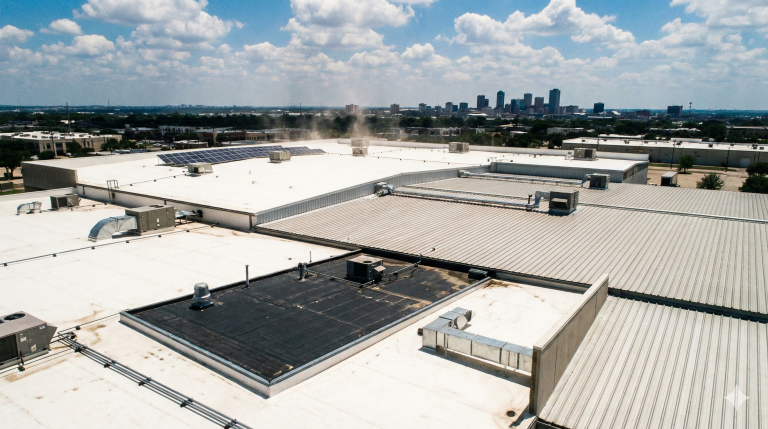
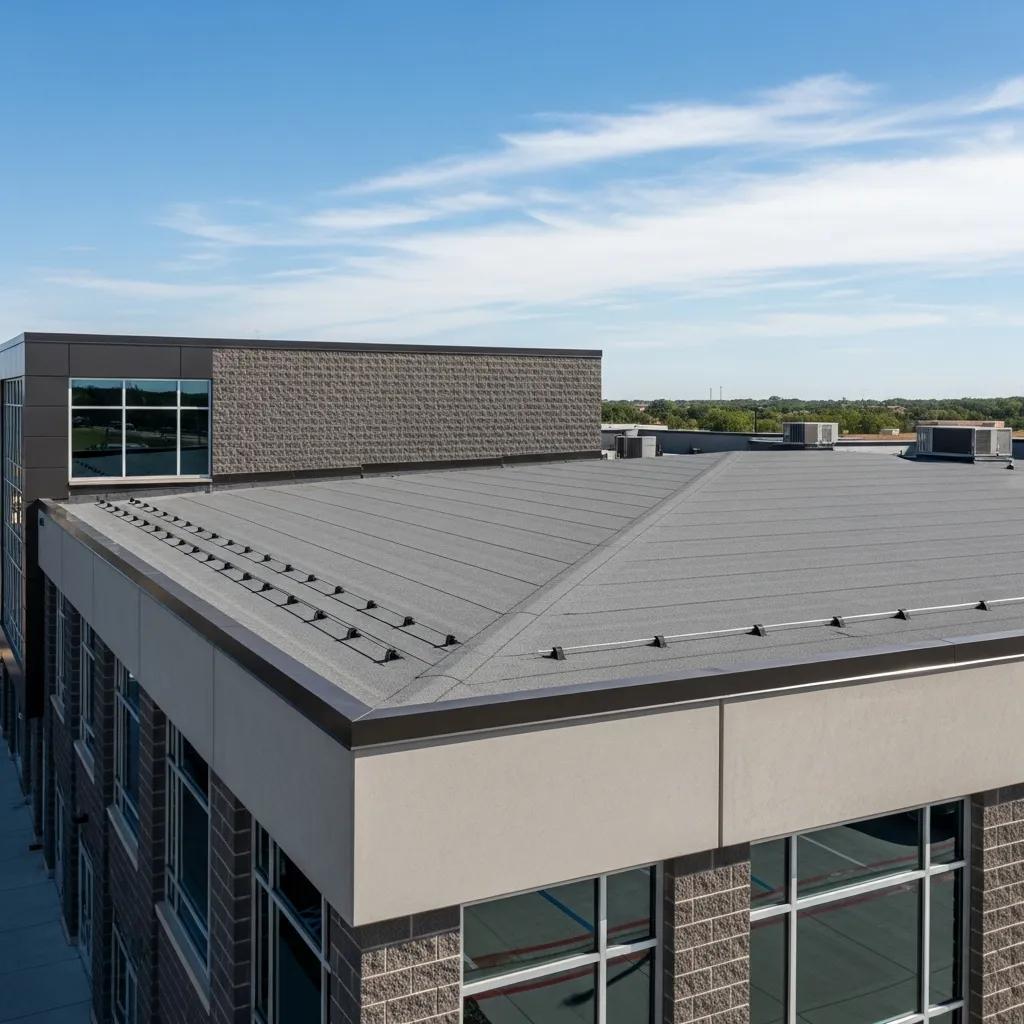
Modified bitumen is a built-up, flat roofing system that augments asphalt with polymer modifiers to improve tensile strength and flexibility. Its robustness and weather resistance make it suitable for commercial applications in Fort Worth, where high temperatures and episodic heavy rainfall place sustained demands on roofing assemblies. Property owners select this system for its predictable performance under local climate conditions.
Effectiveness and Suitability for Commercial Roofs:
The primary strengths of modified bitumen are its durability and dimensional stability. The membrane tolerates temperature swings and limited foot traffic, both important for commercial facilities that require routine service access. In addition, the polymer modifiers enhance resistance to ultraviolet degradation and moisture intrusion, improving overall reliability.
Installation Process:

Installation of modified bitumen follows defined stages to ensure a durable application and compliance with building requirements.
- Preparation of the Roof Surface: The existing roof must be cleaned and repaired to create a smooth surface for the new roofing material.
- Repairing Localized Defects: Any damage or imperfections in the underlying structure should be addressed before installation.
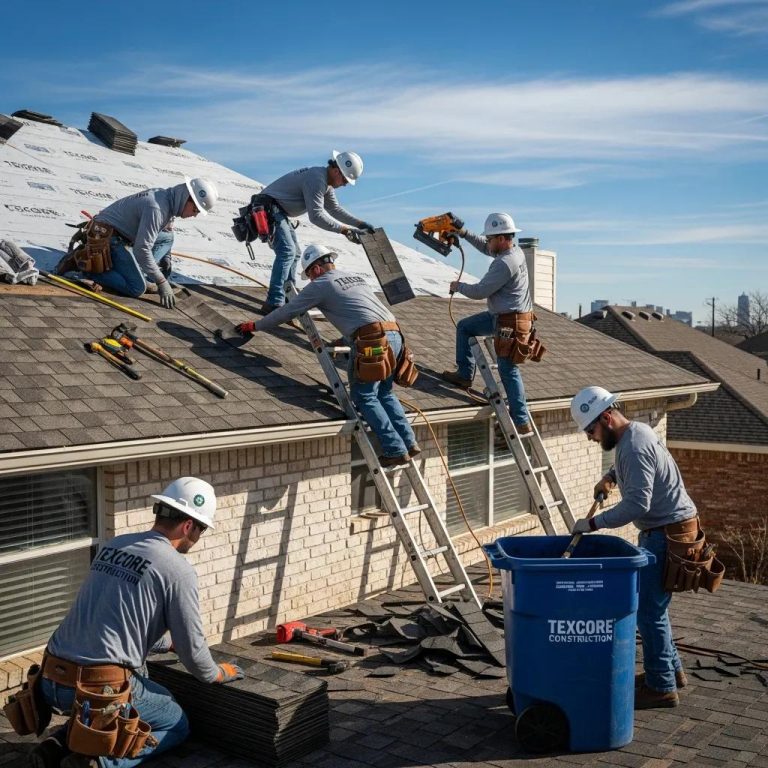
- Application Methods: Modified bitumen can be installed using various methods, including torch-down, cold adhesive, or self-adhering systems, depending on the specific needs of the building.
Existing technical reports document the typical membrane compositions and the common installation techniques used in field evaluations of modified bitumen systems.
Modified Bitumen Roofing: Composition, Installation & Life Cycle Costs
This report describes the initial construction phase of test roofs at Fort Polk, Louisiana, conducted as part of a projected 10-year field evaluation of modified bitumen roofing systems. The research sought alternative, straightforward roofing systems to improve Army roof performance while reducing life-cycle costs. Most modified bitumen products use one of two asphalt modifiers — atactic polypropylene (APP) or styrene-butadiene-styrene (SBS). Reinforcement materials vary and commonly include polyester or glass-fibre mats. Modified bitumen membranes are typically installed by torch-fusing, hot asphalt embedment, or self-adherence.
Construction of Experimental Modified Bitumen Roofing at Fort Polk, LA, 1991
Maintenance Requirements:
Consistent maintenance is required to realise the expected service life of a modified bitumen roof.
- Routine Inspections: Conducting inspections at least twice a year can help identify potential issues before they escalate.
- Cleaning: Keeping the roof free of debris and dirt is crucial for maintaining its integrity.
- Prompt Repairs: Addressing any damage or leaks immediately can prevent more significant problems down the line.
Advantages:
Modified bitumen offers several practical advantages for commercial properties, including reliable weather resistance and adaptable installation options.
- Durability: This roofing system is designed to withstand harsh weather conditions, ensuring long-lasting performance.
- Flexibility: The polymer modifiers enhance the roof’s flexibility, allowing it to expand and contract with temperature changes.
- Cost-effectiveness: Modified bitumen roofs are generally more affordable than other commercial roofing options, making them a budget-friendly choice.
Texcore Construction specializes in modified bitumen roofing installation, replacement, and repair, providing expert services to ensure your commercial roof meets the highest standards. For more information about our company, please visit our “about us” page.
Disadvantages:
There are limitations to consider when selecting modified bitumen for a commercial roof.
- Installation Complexity: The installation process can be complex and requires skilled professionals to ensure proper application.
- Potential for Damage: Although durable, modified bitumen roofs can be susceptible to punctures and tears if not properly maintained.
What Are the Key Benefits of Modified Bitumen Roofing for Commercial Properties in Fort Worth?
For Fort Worth commercial properties, modified bitumen delivers weather resistance, lifecycle value, and optional reflective surfacing that can lower cooling demand.
- Durability Against Weather: The combination of asphalt and polymers creates a robust roofing system that can withstand extreme weather conditions.
- Cost-effectiveness Over Time: The longevity of modified bitumen roofs translates to lower replacement costs, making them a wise investment for property owners.
- Energy Efficiency Features: Many modified bitumen systems come with reflective surfaces that help reduce energy costs by keeping buildings cooler.
How Does Modified Bitumen Roofing Enhance Durability and Weather Resistance?
Polymers integrated into the membrane improve resistance to ultraviolet degradation, moisture penetration, and thermal movement. These properties maintain material integrity and tensile strength, enabling the roof to resist foot traffic and environmental stresses typical of commercial sites.
What Energy Efficiency and Cost-Effectiveness Does Modified Bitumen Roofing Offer?
Reflective cap sheets reduce solar heat gain, which can lower cooling loads during hot months. Coupled with a multi-decade service life, these factors contribute to reduced operating and replacement costs over the roof’s lifecycle.
How Is Modified Bitumen Roofing Installed and Replaced by Fort Worth Experts?
Installation and replacement demand experienced contractors to meet local building codes and performance expectations. Fort Worth specialists select methods such as torch-down or self-adhering systems based on building conditions and project objectives. Correct installation is essential to achieve the designed service life.
What Are the Step-by-Step Procedures for Modified Bitumen Roof Installation?
The installation sequence typically includes the following critical steps to ensure a compliant, long-lasting finish.
- Surface Preparation: Clean and repair the existing roof surface.
- Material Selection: Choose the appropriate modified bitumen product based on the building’s needs.
- Application: Install the roofing material using the selected method, ensuring proper adhesion and sealing.
- Final Inspection: Conduct a thorough inspection to ensure the installation meets quality standards.
When Is Commercial Roof Replacement Necessary and How Is It Managed?
Replacement is warranted when a roof exhibits persistent leaks, extensive deterioration, or materially reduced energy performance. Property owners should engage qualified roofing professionals to assess condition, recommend materials, and manage the replacement schedule. Preventative maintenance can extend service life, but timely replacement prevents escalated repair costs. If you are considering a commercial roofing project in Fort Worth, it is important to select appropriate materials and contractors.
What Are the Typical Costs and Financing Options for Commercial Modified Bitumen Roofs in Fort Worth?
Installation costs vary with roof size, project complexity, and chosen materials. Property owners typically encounter installation rates in the range of $3.50 to $6.50 per square foot.
Financing Options Available
Commercial roofing projects can be financed through multiple channels to suit capital plans.
- Traditional Loans: Many banks offer loans specifically for commercial roofing projects.
- Leasing Options: Some companies provide leasing options that allow property owners to pay for the roof over time.
- Insurance Claims: Property owners can also explore insurance claims to cover the costs of roof replacement or repair.
How Can Fort Worth Commercial Property Owners Navigate Roofing Insurance Claims for Modified Bitumen Roofs?
Navigating roofing insurance claims requires clear documentation and timely engagement with insurers and contractors to secure funds for repair or replacement.
- Understanding Insurance Policies: Familiarize yourself with your insurance policy to know what is covered.
- Documenting Damage: Take detailed photos and notes of any damage to support your claim.
- Engaging Qualified Contractors: Work with experienced roofing professionals who can provide estimates and documentation for your claim.
What Is the Process for Filing Roofing Insurance Claims in Fort Worth?
Filing a claim follows a structured process: notify the insurer promptly, submit photographic and written documentation, and maintain regular contact with the adjuster until the claim is resolved.
- Contact Your Insurance Provider: Notify your insurance company of the damage as soon as possible.
- Submit Documentation: Provide all necessary documentation, including photos and repair estimates.
- Follow Up: Stay in contact with your insurance adjuster to ensure your claim is processed in a timely manner.
How Does Expert Insurance Claim Support Improve Claim Success Rates?
Employing specialised claim support increases the likelihood of a favourable result by ensuring accurate damage assessment, comprehensive documentation, and effective negotiation with insurers.
- Role of Public Adjusters: Public adjusters advocate for the property owner, ensuring that all damages are accurately assessed and documented.
- Importance of Documentation: Proper documentation is crucial for substantiating claims and ensuring fair compensation.
- Negotiation Strategies: Experienced professionals can negotiate with insurance companies to secure the best possible outcome for the claim.
What Are the Maintenance and Repair Best Practices for Modified Bitumen Commercial Roofs in Fort Worth?
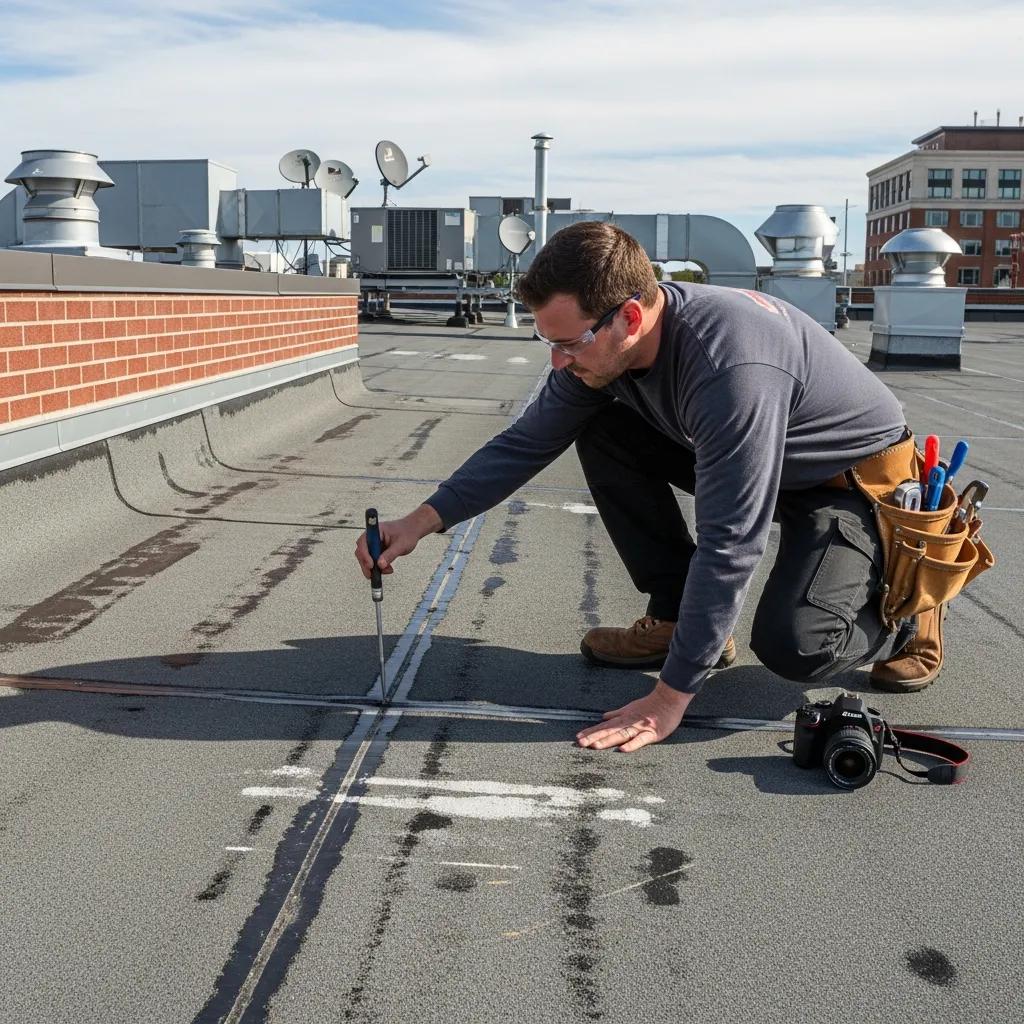
Best practices include scheduled inspections, prompt remediation of defects, and routine housekeeping to prevent debris accumulation and water ponding.
- Frequency of Inspections: Schedule inspections at least twice a year to identify potential issues early.
- Common Repair Techniques: Familiarize yourself with common repair techniques, such as patching and sealing, to address minor issues promptly.
- Preventative Measures: Implement preventative measures, such as regular cleaning and debris removal, to maintain the roof’s integrity.
How Often Should Flat Roof Repair Be Conducted to Maximize Roof Lifespan?
Owners should schedule inspections every six months and following severe weather events. Prompt attention to minor defects prevents escalation and preserves the roof’s effective service life.
What Are Common Repair Techniques for Modified Bitumen Roofs?
Typical repair methods address leaks, seam failures, and surface degradation using targeted interventions.
- Patching: Applying patches to small leaks or punctures to prevent water intrusion.
- Sealing: Using sealants to reinforce seams and joints, which are common areas for leaks.
- Coating: Applying reflective coatings can enhance energy efficiency and protect the roof from UV damage.
Proper application of these techniques supports long-term performance. For further information or to schedule a consultation, contact us.
Frequently Asked Questions
What is the lifespan of modified bitumen roofing?
Typical service life for modified bitumen ranges from 15 to 30 years. Longevity depends on installation quality, maintenance frequency, and environmental exposure. Regular inspections and timely repairs materially extend useful life.
How does modified bitumen roofing compare to other roofing materials?
Compared with TPO and EPDM, modified bitumen offers a balance of flexibility, cost, and weather resistance. TPO may provide superior reflectivity and EPDM is noted for durability; modified bitumen often performs well on flat roofs and tolerates routine foot traffic. Selection should reflect building use and climate considerations.
Can modified bitumen roofing be installed over an existing roof?
In many cases, modified bitumen can be installed over an existing roof if the substrate is structurally sound. A roof-over can reduce project time and disposal costs, but a thorough assessment for hidden defects is essential before proceeding. Consult a qualified roofing professional to confirm suitability.
What are the environmental impacts of modified bitumen roofing?
Modified bitumen can deliver energy savings when fitted with reflective cap sheets that reduce heat gain. Conversely, production commonly involves petroleum-derived materials, which have environmental implications. Property owners should evaluate product specifications and discuss eco-friendlier options with manufacturers.
How can property owners ensure proper maintenance of modified bitumen roofs?
To maintain performance, schedule biannual inspections, remove debris, verify drainage, and repair damage promptly. Engaging a professional contractor for routine maintenance provides documented condition assessments and helps prevent costly failures.
What should be done if a modified bitumen roof is damaged?
Address damage immediately: inspect to determine extent, apply appropriate repairs such as patching or sealing, and retain documentation for warranty and insurance purposes. Engage a qualified roofing contractor to ensure repairs meet manufacturer and warranty requirements.
Conclusion
Modified bitumen roofing is a durable, cost-effective option for Fort Worth commercial properties that can offer weather resilience and improved energy performance when specified and installed correctly. Understanding installation, maintenance, and lifecycle costs enables property owners to protect their investment. For professional guidance and service, contact our team to discuss your project and available solutions.