
Built-Up Roofing (BUR) for Fort Worth Commercial Roofs: Pros & Cons
BUR Roofing in Fort Worth: Evaluating Built-Up Roofing as the Optimal Commercial Roofing Solution
Built-Up Roofing (BUR) remains a widely used solution for commercial properties in Fort Worth due to its proven durability and long service life. This article assesses BUR’s advantages and limitations, examines its fit for different business requirements, and compares it to alternatives such as TPO. Readers will find clear information on system components, expected lifespan, and the operational benefits of BUR. The piece also outlines how Texcore Construction supports BUR projects with professional installation and ongoing maintenance to ensure reliable performance.
Key Takeaways
- Built-Up Roofing (BUR) offers exceptional durability and waterproofing, lasting 15-30 years with proper maintenance.
- BUR systems consist of multiple bitumen layers and reinforcing fabrics that create a strong, waterproof barrier.
- BUR roofing is suitable for large institutional properties, high-traffic areas, and businesses targeting energy efficiency.
- The installation of BUR can be time-consuming and heavy, sometimes requiring additional structural support.
- BUR roofing generally has higher upfront costs but proves cost-effective due to its longevity and low maintenance.
- Compared to TPO, BUR provides superior durability and waterproofing but involves longer installation times and higher initial expenses.
- Texcore Construction specializes in professional BUR installation, maintenance, and storm damage documentation for Fort Worth commercial properties.
- Regular inspections and timely repairs are essential best practices to extend the lifespan of BUR roofing systems.
- Understanding and documenting damage for BUR roofing can be complex, but expert support improves claim success rates.
Advantages of Built-Up Roofing (BUR)
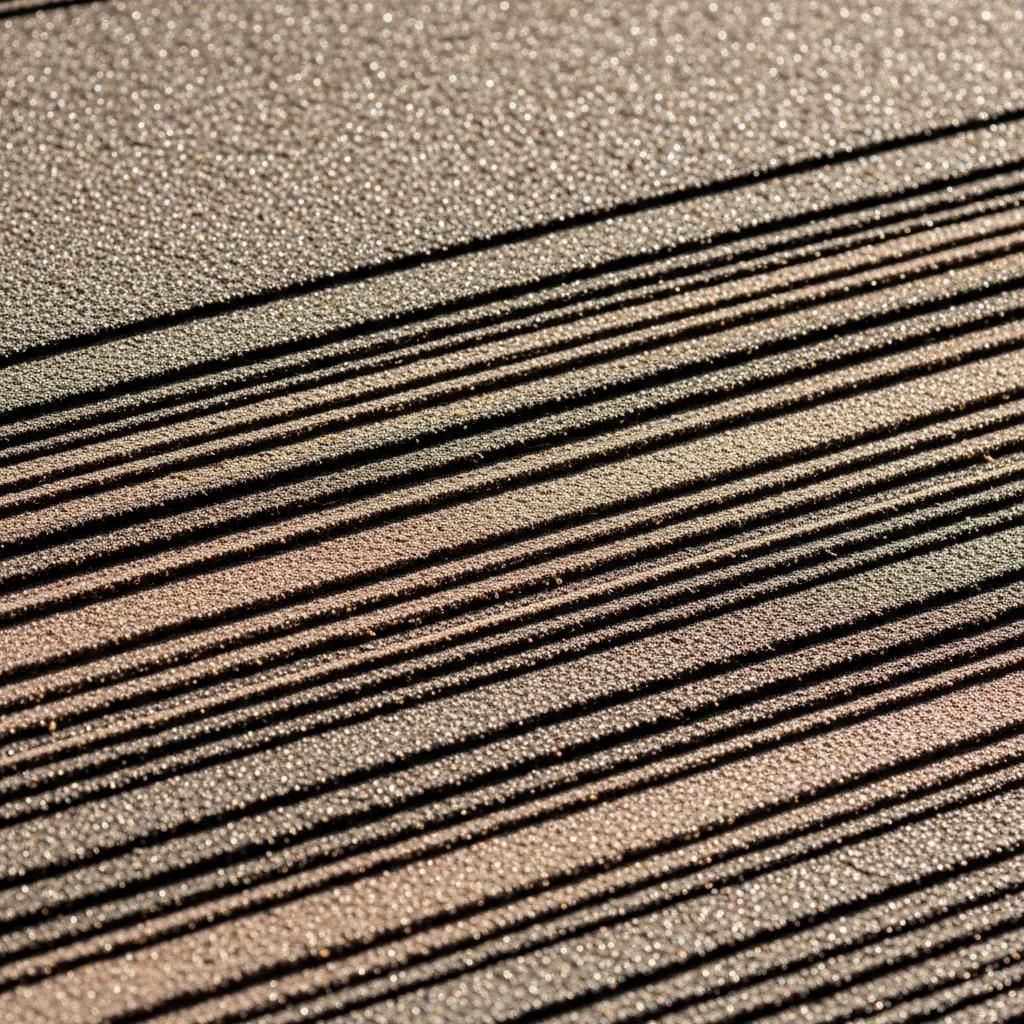
Built-Up Roofing (BUR) delivers a combination of longevity and reliable waterproofing that addresses core needs for commercial assets. Its layered design reduces lifecycle costs and supports long-term asset protection.
- Durability and Longevity: BUR systems are known for their robust construction, often lasting 15-30 years with proper maintenance. This longevity makes them a cost-effective investment for commercial property owners.
- Excellent Waterproofing: The multiple layers of bitumen and reinforcing fabrics create a highly effective barrier against water infiltration, reducing the risk of leaks and water damage.
- Low Maintenance Requirements: Once installed, BUR roofs require minimal maintenance, which can save property owners time and money over the roof’s lifespan.
These performance attributes make BUR a practical selection for commercial buildings, particularly where extended service life and weather resistance are priorities.
Disadvantages of Built-Up Roofing (BUR)
BUR provides clear benefits but also carries trade-offs that owners must evaluate against their operational requirements.
- Weight Considerations: BUR systems can be quite heavy due to their multiple layers, which may require additional structural support in some buildings.
- Installation Time: The installation process for BUR can be lengthy, often taking several days to complete, which may disrupt business operations.
- Cost Factors: Although BUR can be cost-effective in the long run, the initial installation costs can be higher compared to some other roofing options, which may deter some property owners.
Recognizing these limitations allows property owners to plan adequately for structural assessments, scheduling, and capital expenditure.
Suitability for Different Business Needs
BUR roofing suits particular property types and operational profiles where durability and low maintenance deliver measurable value.
- Large Institutional Properties: Facilities such as schools and hospitals benefit from BUR’s durability and low maintenance, ensuring long-term protection.
- High-Traffic Areas: Businesses with rooftop equipment or foot traffic, like restaurants and retail stores, find BUR’s robust nature advantageous.
- Energy Efficiency Goals: BUR systems can be designed with reflective coatings to enhance energy efficiency, making them ideal for businesses aiming to reduce energy costs.
These considerations demonstrate how BUR can align with the operational and financial objectives of diverse commercial enterprises.
What Is Built-Up Roofing and How Does It Function in Commercial Properties?
Built-Up Roofing (BUR) is a flat roofing assembly composed of alternating layers of bitumen and reinforcing felts. The layered construction creates a continuous waterproof membrane and distributes loads evenly across the roof deck. Materials selected for BUR are specified to resist local weather conditions and deliver predictable long-term performance.
Key Components and Material Composition of BUR Systems
The effectiveness of BUR systems is largely due to their specific components and materials.
- Bitumen Layers: These are the primary waterproofing elements, typically made from asphalt or coal tar.
- Reinforcing Fabrics: These materials, often fiberglass or polyester, provide additional strength and stability to the roofing system.
- Top Layer Materials: The final layer may include gravel or a reflective coating to enhance durability and energy efficiency.
Understanding these components helps property owners appreciate the value of BUR systems in protecting their investments.
The inclusion of a gravel or aggregate surface in the top layer is intended to protect the membrane from ultraviolet degradation and mechanical abrasion, thereby improving the roof’s resistance to environmental stressors.
Built-Up Roof Hail Protection & Durability
Built-up roofs typically feature gravel embedded in hot bitumen to shield the membrane from damaging ultraviolet radiation and mechanical damage from hail and foot traffic.
A Comparative Impact Assessment of Hail Damage to Tile and Built-Up Roofing Systems: Technical Review and Field Study, G Thakre, 2024
Typical Lifespan and Durability Expectations for BUR Roofs
BUR roofs commonly achieve service lives of 15 to 30 years when installed with quality materials and maintained according to manufacturer and industry guidelines. Key variables include material selection, workmanship, and the frequency of inspections and repairs.
How Does BUR Roofing Compare to TPO in Fort Worth Commercial Roofing?
When comparing BUR roofing to TPO (Thermoplastic Olefin), several key differences emerge.
- Advantages of BUR: BUR offers superior durability and waterproofing capabilities, making it ideal for areas with heavy rainfall.
- Disadvantages of TPO: While TPO is lighter and easier to install, it may not provide the same level of long-term durability as BUR.
- Cost Comparison: BUR typically has a higher upfront cost but can be more cost-effective over time due to its longevity and low maintenance needs.
This comparison clarifies trade-offs in upfront cost, installation timeline, and long-term resilience to help owners select the appropriate membrane for their operational needs.
What Are the Benefits of Choosing BUR Roofing for Your Commercial Property in Fort Worth?
Choosing BUR roofing for your commercial property in Fort Worth comes with several benefits:
- Cost-Effectiveness: While the initial investment may be higher, the long lifespan and low maintenance costs make BUR a financially sound choice.
- Durability: BUR roofs are built to withstand harsh weather conditions, providing reliable protection for your property.
- Energy Efficiency: With the option for reflective coatings, BUR can help reduce energy costs, making it an environmentally friendly choice.
These advantages explain why many commercial property owners select BUR when prioritizing long-term protection and predictable maintenance costs.
How Can Texcore Construction Support Your BUR Roofing Project in Fort Worth?
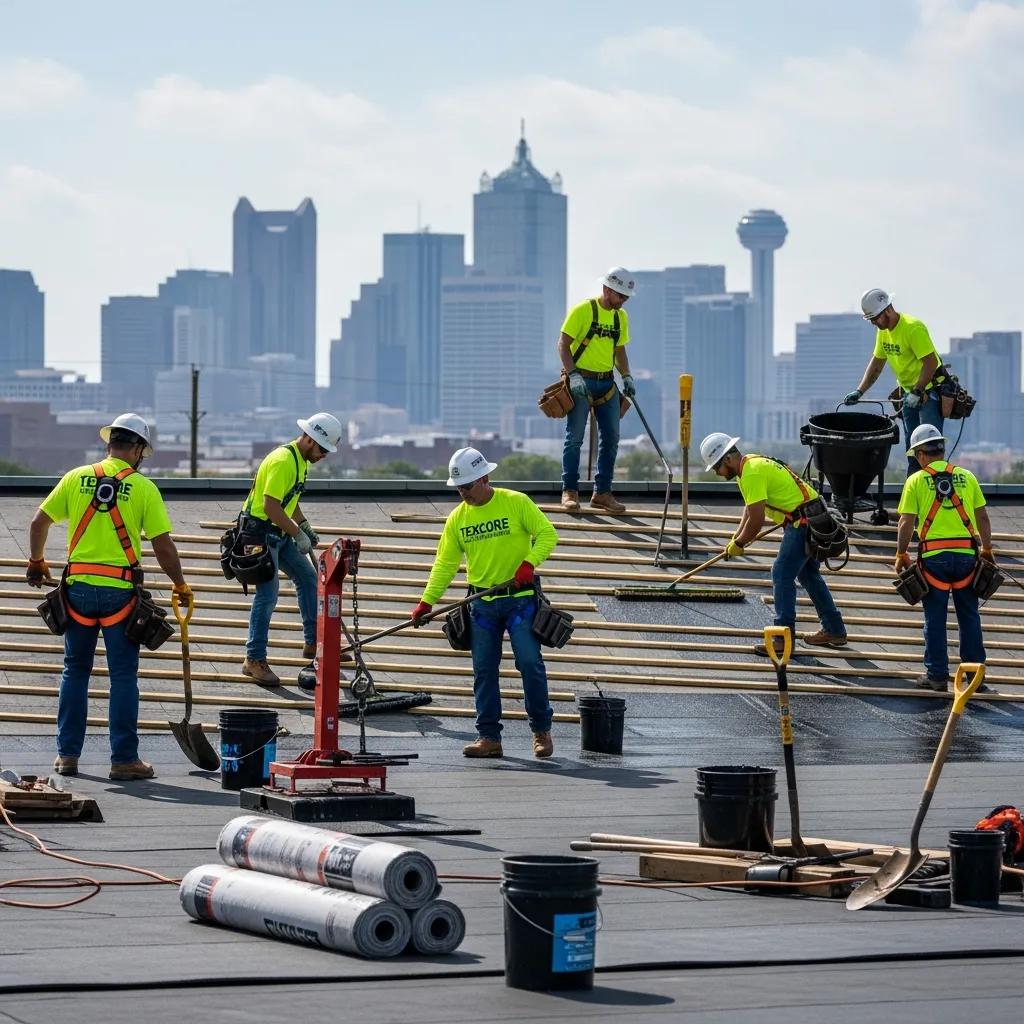
Texcore Construction provides end-to-end support for BUR projects, combining technical expertise with project management to deliver reliable outcomes. Their service scope addresses installation quality, scheduled maintenance, and claims support where required.
- Professional Installation: Texcore ensures that BUR systems are installed correctly, maximizing their durability and effectiveness.
- Maintenance Services: Regular maintenance is crucial for extending the life of BUR roofs, and Texcore provides comprehensive maintenance plans tailored to your needs.
- Expert Storm Damage Documentation: Navigating insurance claims can be challenging, but Texcore’s experience helps property owners manage this process smoothly.
By choosing Texcore Construction, you ensure that the project follows industry best practices and that responsibility for performance is clearly assigned.
Expert Installation and Maintenance Services Offered by Texcore Construction
Texcore Construction offers a variety of services to ensure the successful installation and maintenance of BUR roofing systems.
- Installation Process: Their team follows industry best practices to install BUR roofs, ensuring a watertight seal and structural integrity.
- Maintenance Plans: Texcore provides tailored maintenance plans that include regular inspections and necessary repairs to keep your roof in optimal condition.
These services are structured to protect the asset, minimize downtime, and preserve the roof’s expected service life.
Assistance with Roofing Insurance Claims in Fort Worth
Texcore Construction understands the complexities of roofing insurance claims and offers assistance to property owners in Fort Worth. Their services include:
- Documentation Support: Texcore helps gather the necessary documentation to support your claim, ensuring a smoother process.
- Claims Process Guidance: Their team provides guidance throughout the claims process, helping you navigate any challenges that may arise.
This practical support reduces administrative burden and improves the likelihood of a timely and fair resolution.
What Are the Best Practices for Installing and Maintaining BUR Roofing Systems?
To ensure the longevity and effectiveness of BUR roofing systems, consider the following best practices:
- Professional Installation: Always hire experienced roofing contractors to install your BUR system.
- Regular Inspections: Schedule routine inspections to identify and address potential issues before they escalate.
- Timely Repairs: Address any damage or wear promptly to prevent further complications.
Adhering to these practices preserves warranty validity and helps avoid avoidable repair costs over the roof’s service life.
How Do Insurance Claims Work for BUR Roofing in Fort Worth Commercial Properties?
The insurance claims process for BUR roofing typically involves several key steps:
- Initial Assessment: A thorough inspection is conducted to assess the damage and determine the necessary repairs.
- Documentation Submission: Property owners must submit detailed documentation to their insurance provider, including photos and repair estimates.
- Claim Approval: Once the claim is reviewed, the insurance company will approve or deny the request based on the policy terms.
Familiarity with each step and timely submission of required documentation improve the probability of a successful claim outcome.
Common Insurance Claim Challenges and How Texcore Assists
Property owners often face challenges when filing insurance claims for BUR roofing. Common issues include:
- Documentation Issues: Incomplete or unclear documentation can delay claims processing.
- Negotiation Support: Property owners may struggle to negotiate with insurance adjusters for fair compensation.
Texcore Construction addresses these challenges by preparing thorough documentation and detailed inspection reports your adjuster can act on.
Successful Case Studies of BUR Roofing Insurance Claims in Fort Worth
Texcore Construction has successfully assisted numerous clients with BUR roofing insurance claims in Fort Worth.
- Example 1: A local school faced significant roof damage after a storm. Texcore helped the school navigate the claims process, resulting in full compensation for repairs.
- Example 2: A retail store experienced leaks due to a failing BUR system. Texcore’s thorough documentation helped produce a complete damage record, supporting a successful claim, allowing for timely repairs.
Such incidents demonstrate that even resilient BUR systems can incur storm damage, underscoring the importance of inspection, documentation, and a prepared claims strategy.
Built-Up Roofing Storm Damage in the Southwest
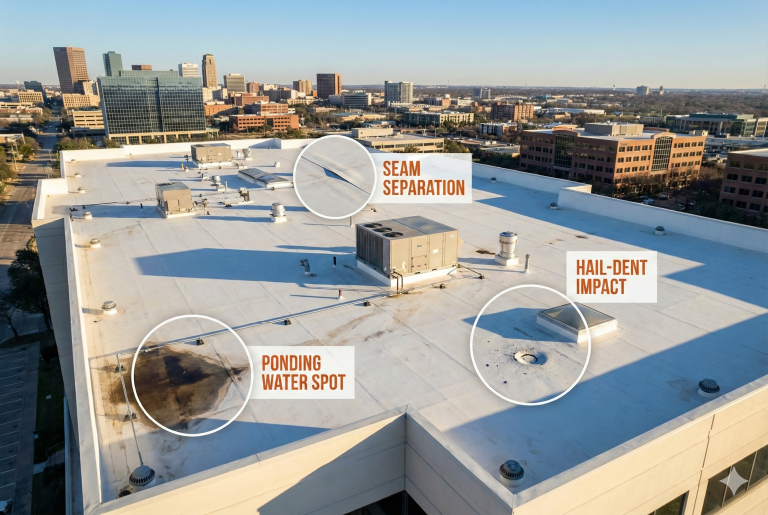
Severe weather in the American Southwest includes more than high temperatures and haboobs (dust storms). Severe thunderstorms, often accompanied by high winds and hail, occur regularly and can damage roofing systems and other exterior building components.
Forensic Evaluations of Built-Up Roofing Storm Damage Claims and the Appraisal Process, 2015
To learn more about our company and our commitment to quality, visit our about page.
If you’re considering BUR roofing for your commercial property in Fort Worth, it’s essential to understand the specific requirements and benefits. For more information on commercial roofing solutions, visit our commercial roofing page.
For residential roofing needs in Fort Worth, we also offer a range of services to protect your home. Explore our residential roofing options to find the best solution for your property.
If you have any questions or need assistance with your roofing project, please contact us for a professional consultation. Our team will respond to your inquiry and outline the next steps.
Frequently Asked Questions
What maintenance is required for Built-Up Roofing (BUR) systems?
Maintaining BUR systems requires scheduled inspections and prompt repair work. Inspect at least twice annually, ideally in spring and fall, to detect cracks, blisters, ponding water, or other defects. Remove debris and confirm that drains and scuppers are clear. Address any identified damage quickly to prevent escalation and preserve the roof’s service life.
How does weather impact the performance of BUR roofing?
Weather directly affects BUR performance. High temperatures can soften the bitumen, while freezing conditions can increase brittleness. Heavy rainfall and storms may lead to ponding or debris accumulation that compromises waterproofing. Regular inspections and maintenance reduce these weather-related risks and maintain system integrity.
Can BUR roofing be installed over existing roofs?
BUR can be installed as a roof-over when the existing substrate is structurally sound and free of significant moisture. This approach can save time and reduce disposal costs compared with a full tear-off. A professional assessment of load capacity and moisture conditions is necessary before proceeding.
What are the environmental benefits of BUR roofing?
BUR systems reduce material turnover due to their long lifespan, which lowers construction waste. When specified with reflective coatings, BUR can improve rooftop reflectivity and reduce cooling demand. These characteristics contribute to more sustainable building operation when selected and installed appropriately.
How does BUR roofing handle foot traffic and rooftop equipment?
BUR’s multi-layer construction provides a durable surface for maintenance access and rooftop equipment. To limit localized wear, specify protective walk pads or designated pathways and plan equipment placement to distribute loads. Proper detailing and installation preserve the membrane under routine use.
What should I consider when choosing a roofing contractor for BUR installation?
Select contractors with documented experience in BUR systems, verifiable references, and appropriate licensing and insurance. Request detailed proposals that list materials, installation methods, timelines, and warranty terms. Confirm available maintenance services and warranty coverage to protect the investment.
Conclusion
Built-Up Roofing (BUR) offers durable, long-term protection for commercial properties in Fort Worth when specified and installed correctly. Its strong waterproofing performance and manageable maintenance demands make it a practical asset-protection strategy. Engaging a qualified contractor such as Texcore Construction ensures professional installation, ongoing support, and accountability for project outcomes.