Roof Hail Repair: Complete Guide to Damage Restoration
Hailstorms strike Fort Worth with little warning, leaving behind significant damage that compromises roof integrity and building protection. Property owners face immediate decisions about repair needs, contractor selection, and insurance claims while dealing with the stress of storm aftermath. Understanding the roof hail repair process empowers homeowners and commercial property managers to make informed choices that protect their investments and ensure long-term structural stability. This comprehensive guide addresses every aspect of hail damage restoration, from initial assessment through final repair completion.
Understanding Hail Damage to Roofing Systems
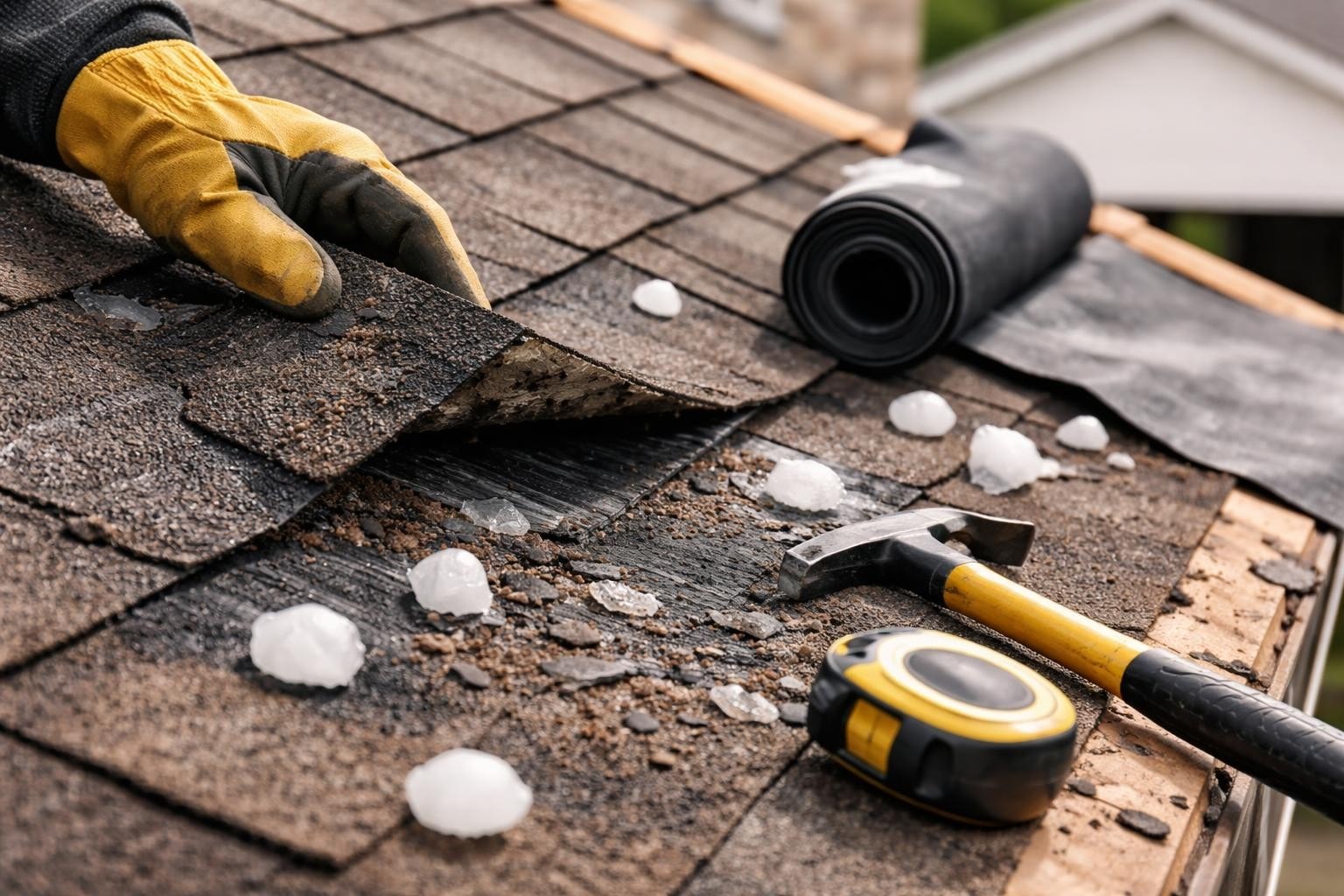
Hail creates distinct damage patterns that differ significantly from other storm impacts. Impact severity depends on multiple factors: hailstone size, wind speed, trajectory angle, roof age, and material composition. Large hailstones traveling at high velocity can crack shingles, puncture underlayment, dent metal flashing, and compromise protective granules that shield asphalt from UV degradation.
The most common damage types include:
- Granule loss exposing underlying asphalt to accelerated weathering
- Shingle bruising creating soft spots that develop into leaks
- Cracked or broken shingles requiring immediate replacement
- Damaged flashing around chimneys, vents, and roof penetrations
- Dented gutters and downspouts affecting water management systems
- Fractured ridge caps exposing vulnerable roof peaks
Immediate vs. Long-Term Damage Concerns
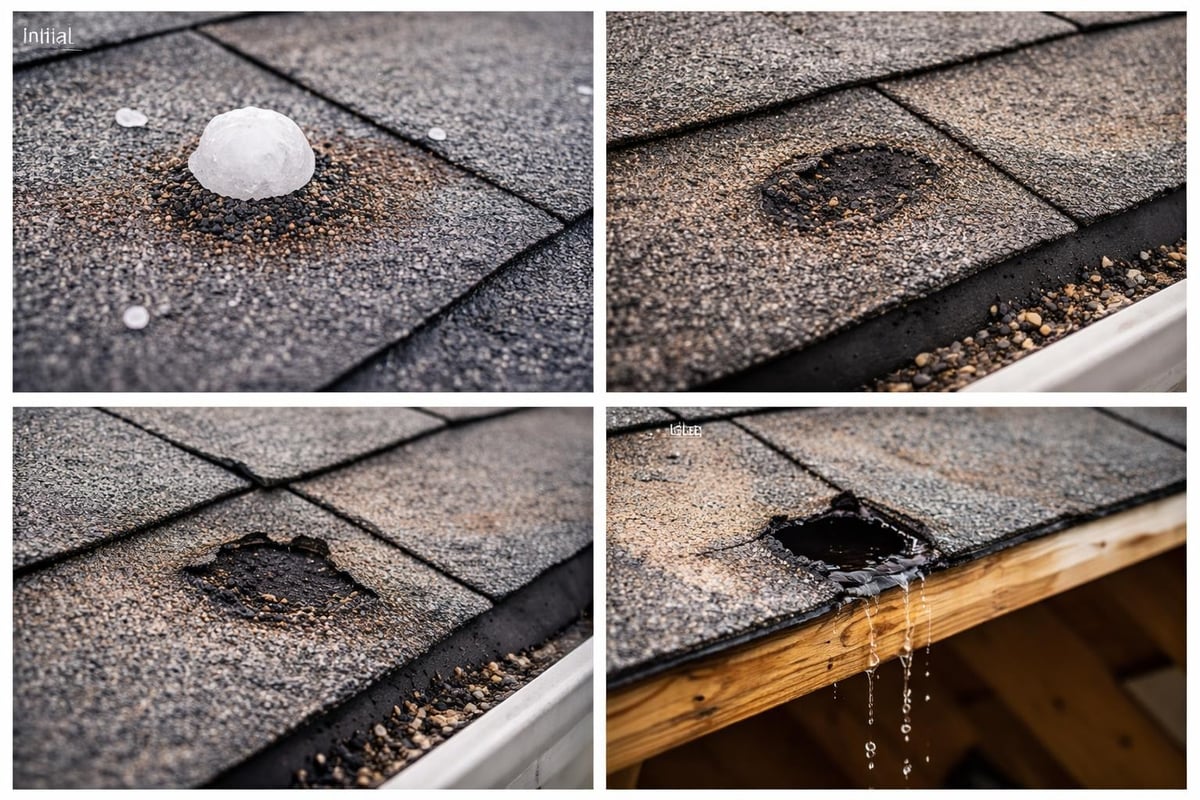
Some hail impacts create visible damage requiring urgent attention, while other effects emerge gradually over months or years. Punctured shingles allow immediate water intrusion during subsequent rains, demanding rapid response to prevent interior damage. However, granule loss and minor bruising may not leak initially but significantly reduce roof lifespan by accelerating deterioration.
According to the National Roofing Contractors Association’s hail damage assessment protocol, property owners should document all storm dates and schedule professional inspections within weeks of significant hail events. This timeline ensures accurate damage attribution and strengthens insurance claims while preventing minor issues from evolving into major failures.
Professional Roof Hail Repair Inspection Process
Qualified contractors follow systematic inspection procedures that identify all damage and provide comprehensive documentation. The process begins with safety protocols, including proper ladder placement, fall protection equipment, and roof surface assessment to ensure walkability. Inspectors examine every roof section methodically, noting damage locations, severity levels, and material conditions.
Core inspection elements include:
- Overall roof evaluation assessing age, material type, and pre-existing conditions
- Shingle-by-shingle examination identifying cracks, bruises, and missing pieces
- Flashing and penetration checks around chimneys, vents, skylights, and valleys
- Gutter and drainage system review noting dents, displacement, and functionality
- Structural assessment checking for decking damage or compromised supports
- Photographic documentation creating visual evidence for insurance claims
Evidence-Based Assessment Standards
Professional roof hail repair inspections rely on manufacturer specifications and building codes rather than subjective judgments. Inspectors measure impact sizes, count damaged shingles per test section, and compare findings against replacement thresholds established by roofing material manufacturers. This evidence-based approach ensures repair recommendations align with industry standards and insurance requirements.
| Assessment Method | Purpose | Industry Standard |
|---|---|---|
| Test Square Analysis | Quantify damage density | 8-12 impacts per 100 sq ft triggers replacement |
| Granule Loss Measurement | Assess protective layer integrity | 30%+ loss indicates significant damage |
| Impact Depth Testing | Determine shingle compression | Visible mat exposure requires replacement |
| Decking Inspection | Verify structural soundness | Any penetration needs immediate repair |
Selecting Qualified Roof Hail Repair Contractors
Contractor selection represents the most critical decision in the restoration process. Fort Worth property owners face aggressive marketing from storm-chasing companies that appear after every significant weather event, making careful vetting essential. Licensed, local contractors with established reputations provide accountability and quality assurance that transient operators cannot match.
Key contractor qualifications include:
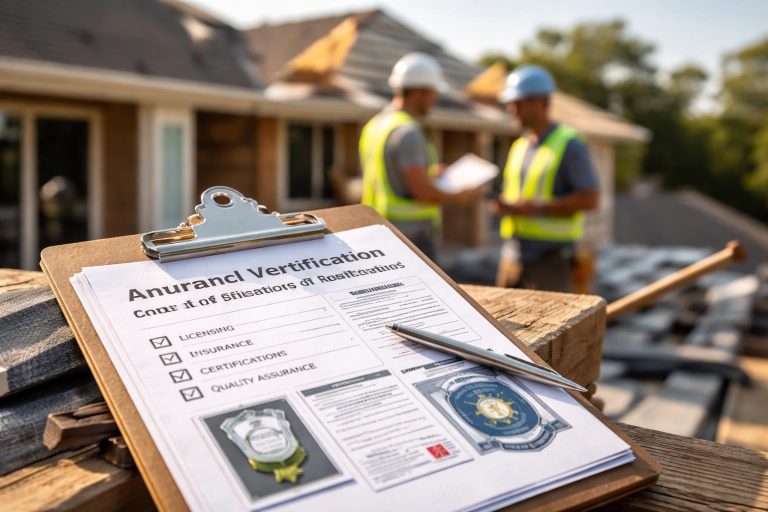
- Valid Texas roofing contractor licenses with verifiable numbers
- Current liability and workers' compensation insurance coverage
- Established local business address and permanent phone numbers
- Portfolio of completed projects with verifiable references
- In-house crews rather than subcontractor networks
- Detailed written estimates specifying materials and labor
The importance of hiring licensed and insured professionals cannot be overstated, as common mistakes in contractor selection often lead to substandard work, incomplete projects, and voided warranties. Property owners should verify credentials independently rather than accepting documentation at face value.
In-House vs. Subcontracted Crews
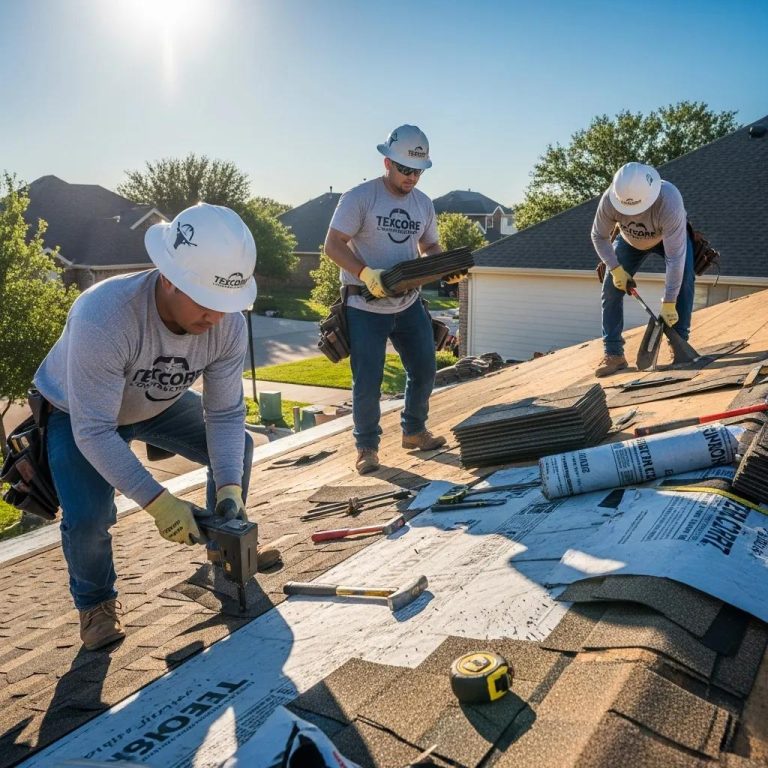
Roofing companies operate under vastly different business models that directly impact quality control. Contractors maintaining dedicated in-house crews provide consistent training, supervision, and accountability throughout every project phase. These teams follow company standards, use specified materials correctly, and maintain clean, safe job sites that respect property and neighbors.
Conversely, companies relying on subcontractors sacrifice quality control for operational flexibility. Subcontracted crews may lack proper training, use inferior materials, or rush projects to maximize volume. Communication breakdowns between property owners, general contractors, and subcontractors create confusion about project scope, timeline, and responsibility for defects.

Roof Hail Repair Methods and Material Considerations
Repair approaches vary based on damage extent, roof age, and material type. Minor localized damage affecting limited areas may warrant targeted repairs replacing individual shingles and components. However, widespread impact distribution often makes full replacement more economical and effective than extensive patchwork repairs.
Partial Repair vs. Complete Replacement
Three primary factors determine repair scope: damage density per roof section, material availability for matching existing products, and overall roof condition considering age and pre-existing wear. Insurance adjusters typically recommend replacement when damage exceeds manufacturer-specified thresholds, recognizing that extensive repairs provide diminished value compared to new roof installations.
Repair decision criteria:
| Damage Level | Recommended Action | Typical Coverage |
|---|---|---|
| Less than 8 impacts per 100 sq ft | Targeted shingle replacement | Partial repair claim |
| 8-12 impacts per 100 sq ft | Borderline evaluation needed | Depends on adjuster assessment |
| 12+ impacts per 100 sq ft | Full roof replacement | Complete system replacement |
| Older roof (15+ years) with moderate damage | Replacement recommended | Subject to depreciation |
Material matching presents challenges for partial repairs on discontinued products. Manufacturers regularly update shingle lines, making exact matches impossible for roofs older than five years. Color and texture variations between old and new materials create aesthetic concerns, while mixing product generations may void manufacturer warranties.
Navigating Insurance Claims for Hail Damage
Property insurance policies typically cover hail damage under standard homeowner and commercial building coverage. However, successful claims require thorough documentation, proper procedures, and often professional advocacy to ensure fair settlements. Understanding the claims process helps property owners maximize coverage while avoiding common pitfalls that delay or reduce payouts.
The roofing insurance claims assistance process begins with immediate storm documentation and timely claim filing. Policyholders should photograph visible damage, note storm dates and times, and review coverage details before contacting insurers. This preparation establishes strong claim foundations and demonstrates policyholder diligence.
Working with Insurance Adjusters
Insurance companies dispatch adjusters to assess damage and determine coverage amounts. These professionals apply policy terms, depreciation schedules, and replacement cost guidelines to calculate settlements. Property owners benefit from having qualified contractors present during adjuster inspections to ensure complete damage identification and appropriate scope development.
Effective adjuster interaction strategies include:
- Schedule contractor and adjuster inspections simultaneously to address discrepancies immediately
- Provide comprehensive damage documentation with photos, measurements, and material specifications
- Request written explanations for any denied or reduced line items
- Understand depreciation application and recoverable amounts after repair completion
- Document all communications including dates, participants, and discussion summaries
Disputes arise when adjusters and contractors disagree about damage extent or necessary repairs. Property owners should understand that initial settlement offers may not reflect total restoration costs. Experienced contractors familiar with insurance processes can provide supplemental documentation supporting additional coverage when justified by actual damage conditions.
Safety Considerations During Repair Projects
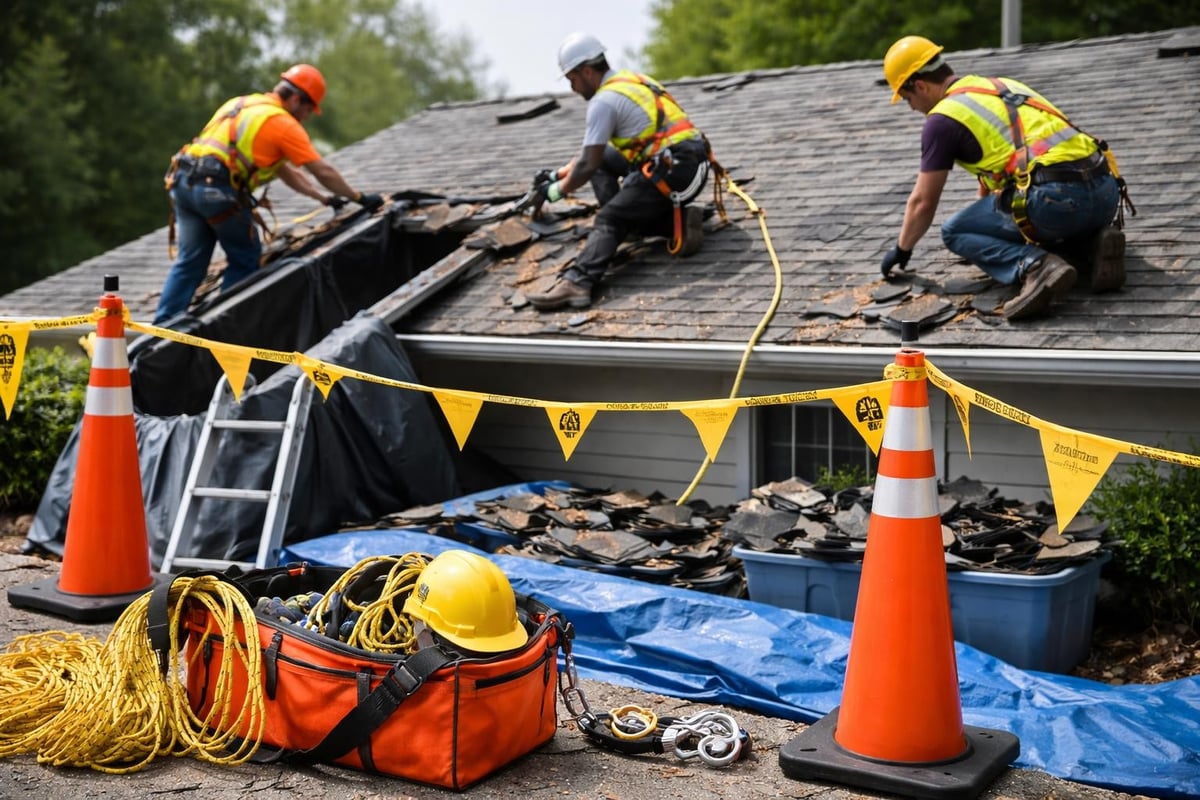
Roof work involves inherent risks requiring strict safety protocols and proper equipment. Professional contractors implement fall protection systems, maintain clear work zones, and follow OSHA regulations governing construction safety. Property owners should never attempt DIY hail damage assessment or repairs due to injury risks and potential for creating additional damage.
Legitimate roof hail repair projects maintain safe work environments through:
- Fall protection equipment including harnesses, anchors, and guardrails
- Proper ladder placement with secure footing and appropriate extension
- Debris management using tarps, dumpsters, and magnetic sweeps for fasteners
- Work zone barriers protecting residents, pedestrians, and landscaping
- Weather monitoring postponing work during unsafe conditions
Protecting Property During Repairs
Quality contractors minimize disruption and protect property throughout restoration projects. Landscaping receives protection through plywood walkways and tarp coverage preventing material damage. Magnetic rollers collect dropped nails and fasteners that pose tire and foot hazards. Daily cleanup maintains orderly job sites respecting property and neighborhood appearance.
Communication protocols keep property owners informed about project progress, timeline adjustments, and any unexpected findings. Contractors should provide daily updates, address concerns promptly, and remain accessible throughout repair duration. This transparency builds trust and ensures alignment between property owner expectations and actual work completion.
Material Selection and Warranty Protection
Roofing material choices significantly impact long-term performance, aesthetic appeal, and warranty coverage. Insurance settlements typically specify material grades meeting or exceeding original installation quality. Property owners may upgrade to enhanced products by paying cost differences between standard and premium options.
Common residential roofing materials and hail resistance:
| Material Type | Impact Resistance | Expected Lifespan | Hail Rating |
|---|---|---|---|
| Three-tab asphalt shingles | Standard | 15-20 years | Class 3 |
| Architectural shingles | Good | 25-30 years | Class 3-4 |
| Impact-resistant shingles | Excellent | 30-50 years | Class 4 |
| Metal roofing panels | Superior | 40-70 years | Varies by gauge |
Impact-resistant shingles carrying UL 2218 Class 4 ratings provide superior hail protection and often qualify for insurance premium discounts. These products incorporate reinforced construction resisting damage from larger hailstones compared to standard materials. The higher initial cost typically generates positive return through extended lifespan and reduced future repair needs.
Understanding Warranty Coverage
Roof warranties consist of two distinct components: manufacturer material warranties and contractor labor warranties. Material warranties cover defects in shingle manufacturing but exclude damage from external impacts including hail. Labor warranties guarantee installation workmanship for specified periods, typically ranging from one to ten years depending on contractor policies.
Texcore Construction backs every roof hail repair project with a comprehensive five-year labor warranty, ensuring craftsmanship quality and providing accountability beyond project completion. This coverage protects property owners from installation defects while demonstrating contractor confidence in crew skills and quality control processes. Combined with manufacturer material warranties, comprehensive coverage addresses both product and installation concerns.
Documentation Requirements for Successful Claims
Thorough documentation transforms hail damage claims from disputed assessments into clear-cut coverage approvals. Property owners should maintain detailed records from initial storm occurrence through final repair completion. This paper trail supports claim submissions, justifies settlement amounts, and provides protection against potential disputes.
Essential Documentation Elements
Pre-storm records:
- Recent roof inspection reports noting condition before damage
- Previous repair invoices and warranty documentation
- Roof age verification through installation records or appraisals
Storm event documentation:
- Weather service reports confirming hail size and occurrence
- Personal photographs showing immediate post-storm conditions
- Neighborhood damage reports corroborating storm severity
Damage assessment records:
- Professional inspection reports with detailed findings
- Comprehensive photo documentation from multiple angles
- Material sample collection showing granule loss or impact damage
Repair documentation:
- Detailed contractor estimates specifying materials and labor
- Final invoices showing actual costs and scope completion
- Warranty certificates for materials and installation work
This organized approach streamlines claims processing and reduces disputes. Insurance companies require evidence supporting damage claims and repair necessity. Complete documentation packages demonstrate policyholder diligence while providing adjusters with information needed for accurate settlement calculations. For guidance on identifying urgent damage requiring immediate attention, property owners should consult professional resources addressing emergency situations.
Timeline Expectations for Repair Projects
Roof hail repair timelines vary based on damage extent, material availability, weather conditions, and contractor scheduling. Property owners should establish realistic expectations while understanding factors influencing project duration. Rushed work sacrifices quality, while excessive delays create vulnerability to additional weather damage.
Typical project phases and durations:
- Initial inspection and assessment – 1-3 days after contact
- Insurance claim filing and adjuster visit – 3-10 days from claim submission
- Estimate preparation and contract signing – 1-5 days after inspection
- Material ordering and delivery – 3-14 days depending on product availability
- Actual roof repair or replacement – 1-5 days based on project size
- Final inspection and cleanup – 1 day following work completion
Weather Dependencies and Seasonal Considerations
Fort Worth's climate presents specific challenges for roof hail repair scheduling. Summer heat creates challenging working conditions and affects material installation, while winter storms interrupt outdoor projects. Spring and fall typically provide optimal weather windows for roofing work, contributing to higher contractor demand during these seasons.
Weather delays frustrate property owners but serve essential purposes protecting installation quality. Wet decking prevents proper shingle adhesion, while high winds create safety hazards and compromise material placement. Professional contractors monitor forecasts carefully and communicate weather-related schedule adjustments transparently rather than rushing work during marginal conditions.
Quality Control and Project Completion Standards
Reputable contractors implement quality control processes ensuring every roof hail repair meets industry standards and manufacturer specifications. These procedures include material verification, installation technique monitoring, and comprehensive final inspections addressing all project aspects. Property owners should understand quality benchmarks and verify completion before making final payments.
Quality indicators for completed repairs:
- Uniform shingle alignment with consistent reveal exposure
- Proper nailing patterns meeting manufacturer specifications
- Sealed penetrations around vents, pipes, and roof features
- Intact drip edge and flashing protecting vulnerable areas
- Clean valleys with proper underlayment and water channeling
- Complete debris removal including magnetic sweeps for fasteners
Final walkthroughs provide opportunities for property owners to ask questions, address concerns, and verify satisfaction before contractor departure. Contractors should explain work completed, review warranty coverage, and provide maintenance recommendations extending roof lifespan. This closing communication establishes clear expectations and documents project completion.
Post-Repair Maintenance Recommendations
New or repaired roofs require ongoing maintenance preserving integrity and maximizing lifespan. Simple practices including annual inspections, gutter cleaning, and prompt minor repairs prevent small issues from becoming major failures. Property owners should schedule regular professional assessments examining conditions and identifying developing concerns before they compromise protection.
The importance of addressing roof damage promptly cannot be overstated, as delayed repairs allow accelerated deterioration and escalating restoration costs. Minor leaks create interior damage, mold growth, and structural degradation far exceeding initial repair expenses. Proactive maintenance and rapid response to storm damage provide the most cost-effective approach to roof system management.
Cost Considerations and Budget Planning
Roof hail repair costs vary dramatically based on damage extent, material selection, and labor requirements. Understanding pricing structures helps property owners evaluate estimates, compare contractor bids, and plan budgets appropriately. While insurance coverage typically addresses storm damage, deductibles and policy limits create out-of-pocket expenses requiring financial preparation.
Factors influencing repair costs:
- Roof size measured in squares (100 square feet per square)
- Material quality from standard three-tab to premium architectural shingles
- Accessibility challenges requiring special equipment or safety measures
- Underlying damage to decking, underlayment, or structural components
- Geographic labor rates varying by market and contractor availability
- Project urgency with emergency repairs commanding premium pricing
| Project Scope | Typical Cost Range | Insurance Coverage |
|---|---|---|
| Minor shingle replacement (under 10 squares) | $1,500-$4,000 | Subject to deductible |
| Moderate section replacement (10-20 squares) | $4,000-$8,000 | Usually covered minus deductible |
| Full residential reroof (20-35 squares) | $8,000-$18,000 | Covered with depreciation applied |
| Large commercial reroof (35+ squares) | $18,000-$50,000+ | Depends on policy terms |
Property owners should obtain multiple detailed estimates comparing identical scopes and materials. Suspiciously low bids often indicate substandard materials, unlicensed contractors, or incomplete scope understanding. Conversely, exceptionally high estimates may reflect unnecessary work or premium pricing unjustified by local market rates.
Storm Chaser Awareness and Consumer Protection
Fort Worth experiences regular hail events attracting contractors from distant markets seeking quick profits. These "storm chasers" employ aggressive door-to-door sales tactics, offer incentives for signing contracts immediately, and disappear after collecting deposits or insurance proceeds. Protecting against these operators requires awareness of warning signs and verification of contractor legitimacy.
Red flags indicating potential storm chasers:
- Out-of-state license plates and distant business addresses
- Pressure tactics demanding immediate contract signing
- Offers to pay insurance deductibles or rebate portions
- Reluctance to provide verifiable local references
- Generic marketing materials without established branding
- Cash-only payment demands or requests for full payment upfront
Legitimate local contractors maintain permanent business locations, established reputations, and long-term accountability to communities they serve. These professionals provide transparent estimates, explain processes thoroughly, and operate within legal and ethical boundaries governing roofing industry practices. For insights into establishing contractor trustworthiness, property owners should research companies thoroughly before engaging services.
Long-Term Performance and Future Storm Protection
Completed roof hail repair projects should provide decades of reliable protection when executed properly with quality materials. Property owners maximize investment returns through regular maintenance, prompt attention to developing issues, and strategic upgrades enhancing storm resistance. Understanding performance expectations helps evaluate contractor work and plan for future roofing needs.
Modern impact-resistant materials significantly reduce hail damage vulnerability compared to standard products. Class 4 shingles withstand larger hailstones without the cracking and bruising affecting conventional materials. While these products cost more initially, reduced repair frequency and potential insurance premium discounts generate favorable long-term economics.
Storm protection enhancement strategies:
- Upgrade to impact-resistant Class 4 shingles during replacement
- Install enhanced underlayment providing secondary water barriers
- Reinforce or replace damaged flashing with heavier-gauge materials
- Improve attic ventilation reducing heat buildup and extending shingle life
- Maintain trees trimming branches that could impact roof surfaces during storms
- Schedule annual professional inspections identifying issues early
Property owners in hail-prone regions should view roofing as ongoing investment rather than one-time expense. Regular assessments, preventive maintenance, and quality repairs protect building integrity while avoiding catastrophic failures requiring emergency intervention. This proactive approach delivers superior value compared to reactive strategies addressing only obvious problems.
Understanding roof hail repair processes empowers Fort Worth property owners to make informed decisions protecting their investments through quality restoration work and appropriate contractor selection. Professional assessment, thorough documentation, and proper repair execution ensure roofs continue providing reliable protection for decades following storm damage. When hail strikes your property, partnering with experienced professionals who maintain in-house crews, provide comprehensive warranties, and deliver transparent communication makes all the difference in restoration outcomes. Texcore Construction brings accountability, craftsmanship, and storm response expertise to every project, ensuring your roof receives the expert care it deserves with detailed documentation and quality workmanship backed by our five-year labor warranty.