Roof Repair Wind Damage: A Fort Worth Property Owner’s Guide
Wind events pose a constant threat to Fort Worth roofing systems, capable of compromising structural integrity within minutes. Whether you manage a commercial property downtown or own a residential home in the suburbs, understanding roof repair wind damage is critical for protecting your investment, maintaining safety, and ensuring proper insurance claim outcomes. High winds can tear away shingles, lift membrane sections, break flashing, and create entry points for water infiltration that leads to exponentially more expensive damage if left unaddressed. This comprehensive guide walks property owners through the identification, documentation, and repair process for wind-damaged roofs while explaining when professional intervention becomes essential.
Understanding How Wind Damages Different Roofing Systems
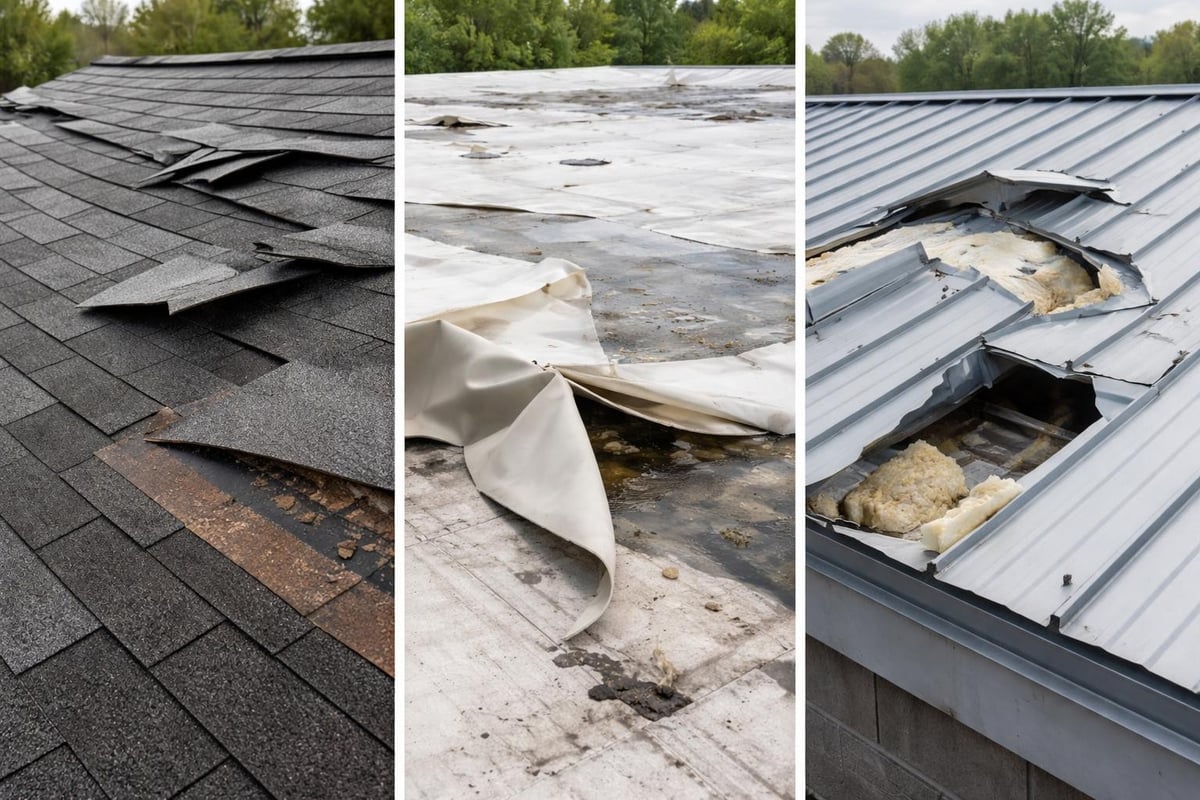
Wind doesn't affect all roofing materials equally. The damage patterns vary significantly based on roof type, age, installation quality, and exposure.
Asphalt shingle roofs experience wind damage when uplift forces overcome the adhesive seal between shingles or when fasteners pull through the material. This typically manifests as missing shingles, lifted corners, or creased shingles that appear buckled or bent. Even moderate winds between 45-55 mph can compromise aging shingles that have lost flexibility.
Flat commercial roofing systems like TPO, EPDM, and modified bitumen face different challenges. Wind can peel back membrane edges at perimeters, penetrate through improperly sealed seams, or create bubbling when air gets trapped beneath the surface. The National Roofing Contractors Association emphasizes that professional assessments are critical after wind storms to ensure safety and proper restoration protocols.
Metal roofing systems typically withstand high winds better than other materials, but fastener failures, panel separation, and edge lifting still occur during severe weather events.
The Physics Behind Wind Uplift
Wind creates positive pressure on the windward side of structures while generating negative pressure (suction) on the leeward side and roof surface. This pressure differential generates uplift forces that work against gravity and adhesion, attempting to pull roofing materials away from the deck.
Corners, edges, and ridges experience the highest wind speeds and greatest uplift pressures. This explains why damage often concentrates in these vulnerable zones even when the roof's field remains intact. Building height, surrounding structures, and terrain all influence local wind patterns and damage distribution.
Identifying Wind Damage: What Property Owners Should Look For
Early detection of roof repair wind damage prevents minor issues from escalating into major problems. Property owners should conduct visual inspections after any significant wind event.
From ground level, look for these warning signs:
- Missing, damaged, or displaced shingles
- Granule accumulation in gutters or around downspouts
- Shingle debris in yards or parking areas
- Visible sagging or irregularities in rooflines
- Displaced or damaged roof vents and penetrations
From inside the building, check for:
- New water stains on ceilings or walls
- Daylight visible through roof deck
- Increased drafts in attic spaces
- Moisture accumulation in insulation
The NRCA provides detailed guidance on roof repair after strong winds, emphasizing that professional inspections reveal damage invisible from ground level. Professionals use moisture meters, infrared cameras, and core samples to identify hidden damage that compromises roof performance long before visible symptoms appear.
| Damage Type | Visibility | Urgency Level | Typical Repair Timeline |
|---|---|---|---|
| Missing shingles | High | Immediate | Same day |
| Lifted membrane edges | Medium | High | 24-48 hours |
| Compromised flashing | Low | High | 48-72 hours |
| Hidden deck damage | Very Low | Critical | Immediate assessment required |
| Fastener withdrawal | Low | Medium | 1 week |
The Documentation Process for Insurance Claims
Proper documentation transforms roof repair wind damage from a liability into a manageable insurance claim. Fort Worth property owners benefit from thorough records that substantiate damage extent and repair costs.
Photograph everything. Capture wide shots showing overall roof condition, medium shots highlighting specific damage areas, and close-ups revealing detail. Include reference objects for scale. Photograph from multiple angles and document dates with timestamp features.
Create written records noting when you first discovered damage, weather conditions during the wind event, and any temporary protective measures you implemented. Save weather reports from local meteorological services that document wind speeds and event timing.
Professional roof damage repair services include comprehensive documentation as part of their inspection process, working directly with insurance adjusters to ensure complete claim coverage. These detailed reports identify all damage, distinguish pre-existing conditions from storm-related issues, and provide accurate scope-of-work estimates that prevent underpayment.
Emergency Response: Immediate Steps After Wind Damage
Rapid response prevents roof repair wind damage from causing secondary water damage that multiplies costs and complexity.
Prioritize Safety First
Never access a damaged roof during ongoing weather events or if structural integrity appears compromised. Standing water, loose materials, and unstable sections create serious hazards. If active leaks threaten interior spaces, place buckets and move valuable items while waiting for professional assistance.
Implement Temporary Protection
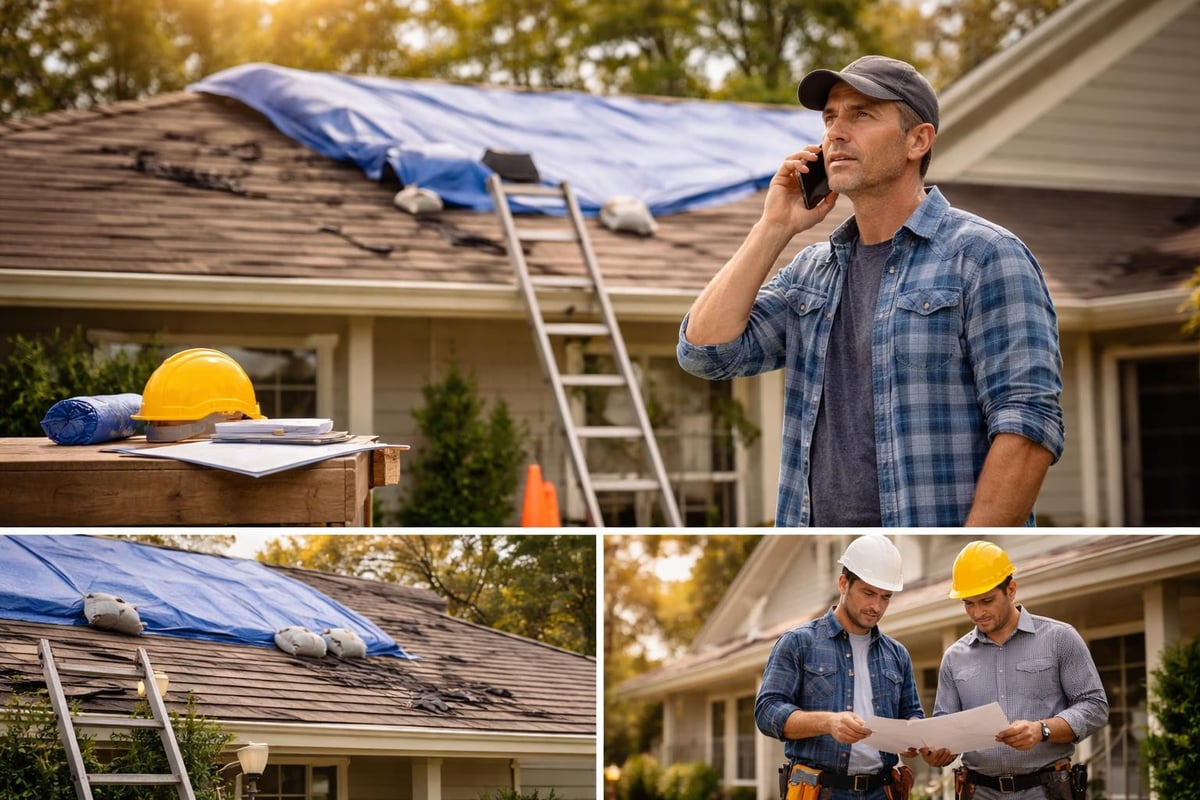
Professional tarping provides interim protection while permanent repairs are scheduled. Quality tarps should extend beyond damaged areas, secure with proper fasteners rather than weights alone, and create weathertight seals that prevent further water intrusion. Understanding when emergency intervention is necessary helps property owners make informed decisions about temporary versus permanent solutions.
Temporary measures should never replace professional repairs. While tarps prevent immediate damage escalation, prolonged reliance on temporary fixes allows underlying problems to worsen unnoticed.
Professional Repair vs. DIY: Making the Right Choice
The complexity of roof repair wind damage typically exceeds homeowner skill levels and available tools. Professional contractors bring expertise, proper equipment, safety protocols, and warranty protection that DIY approaches cannot match.
Professionals identify hidden damage that untrained eyes miss. Lifted shingles might seem like simple replacements, but professionals check for underlayment tears, deck damage, and compromised water barriers that require more extensive repairs. They understand how wind damage in one area often indicates problems elsewhere requiring systematic inspection.
Warranty protection matters. Manufacturer warranties typically void when non-certified installers handle repairs. Professional work includes labor warranties that protect against installation defects, providing long-term value beyond immediate fixes.
Safety considerations cannot be overstated. According to the National Storm Authority’s restoration guidelines, professional crews use proper fall protection, understand load distribution on damaged decks, and recognize when structural reinforcement becomes necessary before repairs proceed.
Material Selection and Repair Methods
Effective roof repair wind damage requires matching materials to existing systems while considering upgrade opportunities that improve future performance.
Shingle Replacement Best Practices
- Source matching shingles from the same manufacturer and product line
- Replace full courses rather than individual shingles when possible
- Check and replace damaged underlayment before new shingles
- Verify proper fastener placement according to manufacturer specifications
- Seal all nail heads and edges with appropriate adhesives
Flat Roof Membrane Repairs
Membrane repairs require precise techniques that vary by material type. TPO welding uses hot air to create molecular bonds between patches and existing membrane. EPDM repairs use specialized adhesives and primers. Modified bitumen responds to torch application or cold adhesives depending on specific product requirements.
The NRCA’s lessons from wind damage reports provide insights into improving roof reliability by addressing common failure mechanisms during repair and replacement projects.
Flashing and Penetration Repairs
Wind damage frequently compromises flashing around chimneys, vents, skylights, and roof edges. These critical components require complete removal and reinstallation rather than quick patches. Step flashing integrates with shingle courses in specific sequences. Counter flashing provides secondary protection. Both must install correctly to prevent water infiltration at vulnerable transition points.
Cost Factors and Budget Planning
Understanding roof repair wind damage costs helps property owners budget appropriately and evaluate contractor estimates accurately.
Damage extent drives primary costs. Single missing shingles might cost $150-$400 including service call, while extensive damage requiring multiple squares of replacement can reach $2,000-$5,000 or more. Membrane repairs range from $500 for small patches to $10,000+ for significant sections requiring replacement.
Roof accessibility affects labor costs. Steep pitches, multiple stories, and complex architectural features increase time and safety equipment requirements. Flat commercial roofs offer easier access but require specialized membrane knowledge.
Material quality creates cost variations. Standard three-tab shingles cost less than architectural shingles or premium products, but durability differences affect long-term value. Discussion of wind damage prevention and insurance considerations helps property owners understand when investing in superior materials makes financial sense.
| Repair Category | Typical Cost Range | Timeline | Complexity |
|---|---|---|---|
| Individual shingle replacement | $150-$400 | Same day | Low |
| Section replacement (100-300 sq ft) | $800-$2,500 | 1-2 days | Medium |
| Flashing system overhaul | $600-$2,000 | 1-2 days | Medium-High |
| Membrane patch (small) | $500-$1,200 | Same day | Medium |
| Membrane section replacement | $3,000-$10,000+ | 3-5 days | High |
Insurance Claim Navigation for Wind Damage
Insurance policies typically cover roof repair wind damage when proper procedures are followed and documentation supports claims.
Review your policy before filing claims. Understand deductibles, coverage limits, actual cash value versus replacement cost provisions, and exclusions. Policies often differentiate between sudden wind damage and gradual deterioration.
Contact your insurer promptly. Most policies require timely notification after damage discovery. Delays can complicate claims or result in denials. Provide initial documentation and request adjuster scheduling.
Prepare for the adjuster visit. Have documentation ready, point out all damage areas, and consider having your contractor present during inspection. Adjusters might miss damage or underestimate scope without comprehensive walkthroughs.
When working with experienced roofing insurance claim specialists, property owners benefit from professional advocacy that ensures complete damage identification and appropriate compensation. These specialists understand insurance terminology, supplemental claim procedures, and negotiation strategies that maximize settlements.

Preventive Measures: Reducing Future Wind Damage Risk
Proactive maintenance and strategic upgrades significantly reduce roof repair wind damage frequency and severity.
Regular inspections identify vulnerabilities before wind events exploit them. Annual professional inspections catch loose shingles, deteriorating seals, and compromised fasteners that require minor attention rather than major repairs after storms.
Strategic reinforcement in high-stress areas provides cost-effective protection:
- Enhanced edge details with additional fasteners
- Upgraded fastening patterns in perimeter zones
- Impact-resistant shingles in vulnerable sections
- Improved membrane attachment at corners and edges
Vegetation management prevents branches from impacting roofs during wind events and reduces debris accumulation that traps moisture and accelerates deterioration. Trees overhanging rooflines should be trimmed back 10 feet minimum.
The comprehensive guide on understanding wind damage and prevention emphasizes that timely repairs prevent minor damage from escalating into complete system failures.
Long-Term Performance After Wind Damage Repairs
Quality roof repair wind damage extends system life and maintains performance, but property owners should understand realistic expectations and ongoing maintenance needs.
Properly executed repairs restore original performance levels in repaired sections. Modern materials and techniques often exceed original installation quality, especially when replacing components installed before current building codes took effect. Five-year labor warranties on professional repairs provide assurance and accountability.
Monitoring repaired areas helps detect any developing issues early. Check repaired sections after subsequent weather events, during seasonal maintenance, and annually as part of comprehensive roof inspections. Early intervention addresses minor concerns before they require major work.
Documentation retention proves valuable for future transactions. Maintain complete repair records including scope of work, materials used, warranty information, and before/after photographs. These records demonstrate proper maintenance to potential buyers, support insurance claims for subsequent damage, and guide future contractors performing additional work.
Selecting the Right Contractor for Wind Damage Repairs
Contractor selection dramatically impacts repair quality, cost, and long-term outcomes for roof repair wind damage projects.
Verify credentials thoroughly. Confirm licensing appropriate to your jurisdiction, current insurance coverage including general liability and workers' compensation, and local references from similar projects. According to the NRCA’s severe weather repair guidance, storm-chasing contractors without established local presence often provide substandard work and disappear before warranty issues surface.
Request detailed written estimates breaking down labor, materials, and specific scope items. Quality contractors provide transparent pricing without pressure tactics or demands for full payment upfront.
Evaluate communication quality. Contractors should explain damage clearly, answer questions thoroughly, and provide realistic timelines. Clear communication during estimates predicts communication quality throughout projects.
When severe wind events impact Fort Worth properties, responsive Roof Repair services with established local presence and in-house crews deliver reliable results backed by comprehensive warranties.
Common Wind Damage Repair Mistakes to Avoid
Even well-intentioned property owners make errors that compromise roof repair wind damage outcomes.
Delaying repairs ranks among the most costly mistakes. Water infiltration through damaged areas causes exponentially greater damage to insulation, structural components, and interior finishes. What starts as a $500 shingle repair becomes a $15,000 restoration project when delays allow water damage to spread.
Accepting incomplete repairs creates ongoing vulnerability. Contractors might patch visible damage while ignoring underlying issues like torn underlayment or deck deterioration. Comprehensive inspections identify all damage requiring attention in single mobilizations rather than repeated service calls.
Overlooking permit requirements causes problems during insurance claims and property transactions. Most jurisdictions require permits for roofing work beyond minor repairs. Professional contractors handle permitting and ensure code compliance throughout projects.
Choosing contractors based solely on price frequently backfires. Extremely low bids often indicate substandard materials, inexperienced labor, or plans to inflate scope through change orders. Mid-range bids from established contractors typically provide better value and reliability.
The wind damage repair comprehensive guide from Advanced DRI details assessment procedures and documentation practices that prevent common pitfalls during restoration projects.
Understanding Warranty Coverage After Repairs
Warranty protection provides critical security after roof repair wind damage, but coverage specifics vary significantly between contractors and manufacturers.
Labor warranties cover installation quality and workmanship defects. Reputable contractors provide minimum five-year labor warranties on repairs. These warranties should transfer to new owners if properties sell, maintaining protection regardless of ownership changes.
Material warranties come from manufacturers and cover product defects, premature deterioration, and performance failures unrelated to installation or maintenance. Warranty terms range from 10 years for economy products to lifetime coverage for premium materials. Understanding what warranties cover, exclusion clauses, and claim procedures prevents surprises when issues develop.
Warranty maintenance requirements must be followed to maintain coverage. Most manufacturers require periodic inspections and timely repairs of minor damage. Failure to maintain roofs according to warranty terms can void coverage even for legitimate manufacturing defects.
Regional Considerations for Fort Worth Properties
Fort Worth's climate and weather patterns create specific roof repair wind damage considerations that property owners should understand.
Spring severe weather season brings the highest wind damage risk. Thunderstorm complexes generate straight-line winds exceeding 60 mph, while occasional tornadoes produce catastrophic damage. Properties should undergo inspections before storm season to address vulnerabilities proactively.
Temperature extremes affect repair timing and material performance. Summer heat above 100°F limits working hours and requires modified installation techniques for temperature-sensitive materials. Winter freezes prevent proper adhesive curing and shingle sealing.
Hail often accompanies wind events in Fort Worth, creating compound damage requiring coordinated repair approaches. Impact damage from hail can compromise already wind-stressed materials, necessitating more extensive repairs than wind damage alone would require. Understanding the relationship between hail and wind damage helps property owners navigate insurance claims effectively.
Local building codes reflect regional weather patterns through enhanced fastening requirements, wind rating specifications, and installation standards exceeding national minimums. Repairs must meet or exceed these codes to ensure proper performance and maintain insurance coverage.
Protecting Fort Worth properties from roof repair wind damage requires understanding damage mechanisms, implementing timely professional repairs, and maintaining comprehensive documentation throughout the process. Whether addressing minor shingle loss or extensive membrane failures, quality repairs restore system integrity and prevent costly secondary damage. Texcore Construction delivers expert wind damage assessment and repair services throughout the Fort Worth area with in-house crews, transparent documentation, and five-year labor warranties that ensure lasting protection for your property investment.