Hail Damage Roofing Companies: Selection Guide
When severe storms sweep through North Texas, hailstones can cause significant damage to residential and commercial roofing systems in minutes. Property owners facing this challenge need experienced contractors who understand both structural restoration and insurance claim processes. Finding the right hail damage roofing companies requires careful evaluation of credentials, experience, and business practices. This comprehensive guide helps property owners navigate contractor selection, understand service offerings, and make informed decisions when addressing storm-related roof damage.
Understanding Hail Damage Roofing Specialists
Hail damage roofing companies specialize in identifying, documenting, and repairing impact damage caused by severe weather events. These contractors possess specific expertise in storm damage assessment, insurance restoration protocols, and roofing material impact resistance. Unlike general roofing contractors who primarily focus on routine maintenance or standard replacements, these specialists understand the unique challenges presented by hail strikes.
Key characteristics that distinguish qualified specialists include:
- Experience with insurance claim documentation and adjuster collaboration
- Training in hail impact identification across various roofing materials
- Emergency response capabilities for immediate property protection
- Knowledge of manufacturer warranties and impact-resistant product specifications
- Understanding of local building codes and permit requirements
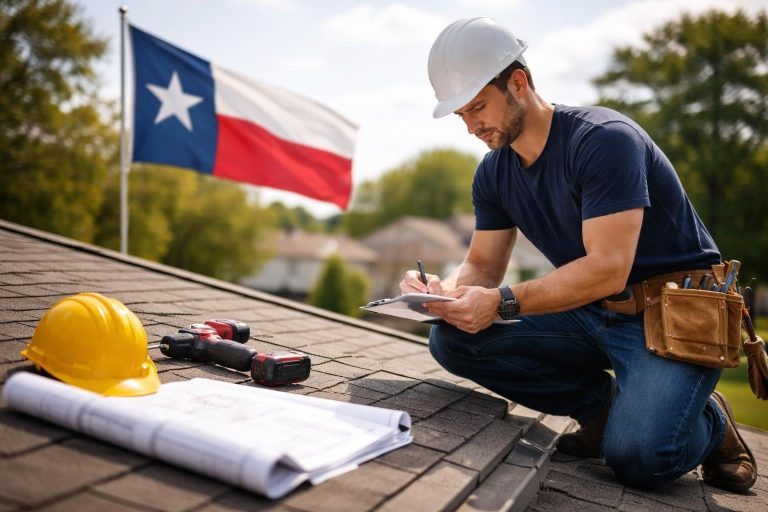
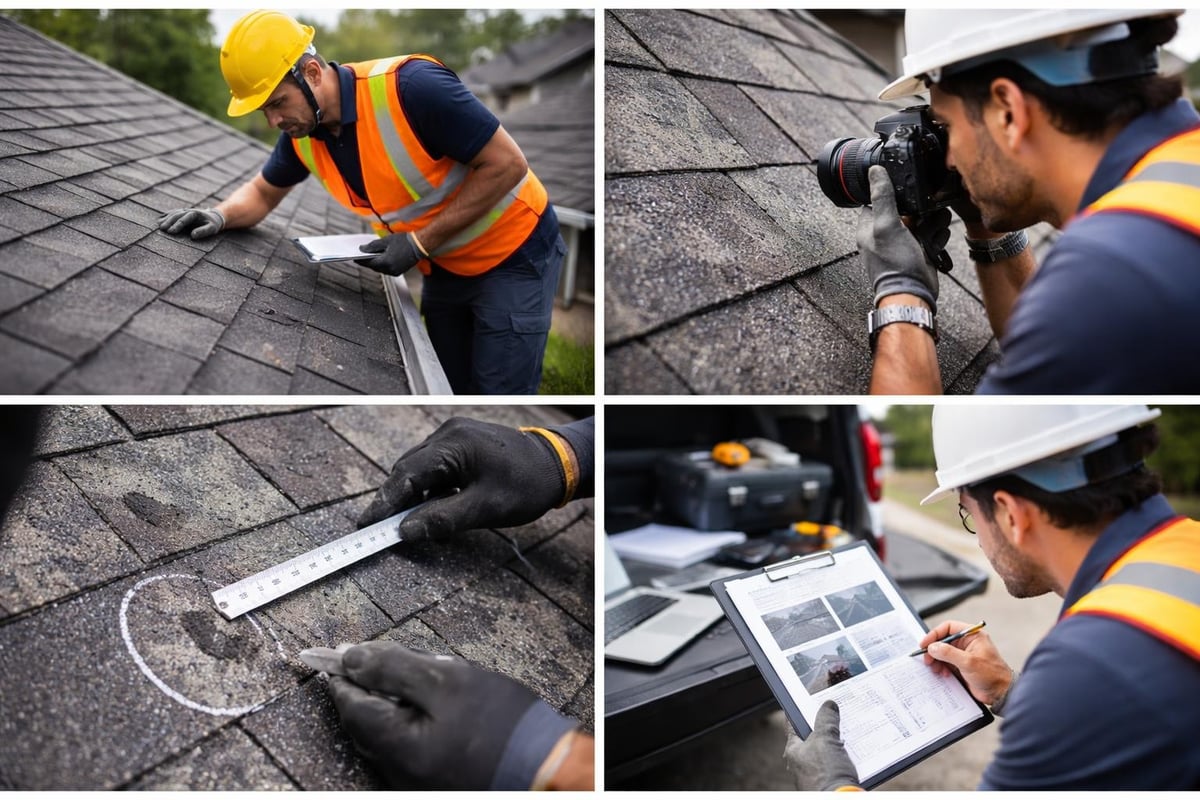
The best contractors maintain detailed photographic documentation of damage, provide comprehensive inspection reports, and work transparently throughout the restoration process. According to strategies for establishing local marketing presence, reputable companies build their reputation through community relationships rather than aggressive door-to-door sales tactics.
Storm Chasing vs. Established Local Contractors
The roofing industry includes both established local businesses and storm-chasing operations that follow severe weather events. Storm chasers typically arrive in affected areas immediately after hail events, canvassing neighborhoods with promises of free inspections and guaranteed insurance approvals. While some operate legitimately, many disappear once payment is received, leaving property owners with incomplete work or warranty issues.
Established local hail damage roofing companies maintain permanent offices, employ in-house crews, and remain available for warranty service years after project completion. These contractors invest in long-term community relationships and reputation management. They carry proper licensing, maintain comprehensive insurance coverage, and demonstrate verifiable track records through references and completed project portfolios.
Essential Credentials and Qualifications
Verifying contractor credentials protects property owners from substandard work and potential liability issues. Legitimate hail damage roofing companies maintain multiple certifications and licenses that demonstrate technical competence and legal compliance.
Licensing and Insurance Requirements
Every qualified roofing contractor should carry current general liability insurance, workers' compensation coverage, and appropriate state or local licenses. Property owners should request certificates of insurance directly from the contractor's insurance provider, not just copies that could be outdated or fraudulent.
| Credential Type | What to Verify | Why It Matters |
|---|---|---|
| General Liability | Minimum $1M coverage | Protects against property damage during work |
| Workers' Compensation | Current policy for all employees | Prevents homeowner liability for on-site injuries |
| State License | Active status with licensing board | Ensures legal operation and code compliance |
| Manufacturer Certifications | Training in specific roofing systems | Validates expertise and extends warranty coverage |
Manufacturer certifications from major roofing material producers indicate that contractors have completed specialized training programs. These credentials often qualify projects for enhanced warranty coverage beyond standard material guarantees.
Professional Memberships and Accreditations
Membership in professional organizations demonstrates commitment to industry standards and continuing education. The Better Business Bureau, local chambers of commerce, and roofing industry associations provide accountability frameworks that protect consumers.
Top-tier hail damage roofing companies invest in ongoing training for emerging technologies, installation techniques, and damage assessment methods. This professional development translates to more accurate damage identification and higher-quality repairs.
Comprehensive Service Offerings
Quality contractors provide end-to-end solutions that address immediate emergency needs, thorough damage assessment, insurance coordination, and complete restoration. Understanding the insurance claims process helps property owners recognize the value of experienced contractor support throughout claim submission and negotiation.
Emergency Response and Temporary Protection
Severe storms often create immediate threats to building interiors through compromised roofing systems. Professional contractors offer emergency tarping services that prevent additional water intrusion while permanent repairs are planned and scheduled.
Immediate post-storm services include:
- Rapid damage assessment within 24-48 hours of the event
- Emergency tarping and temporary weatherproofing
- Interior inspection for water intrusion or structural concerns
- Preliminary damage documentation for insurance notification
- Prioritization of repairs based on urgency and weather forecasts
These rapid response capabilities minimize secondary damage that can significantly increase total claim costs. Property owners should verify that contractors maintain emergency contact systems and sufficient crew availability during peak storm seasons.
Detailed Damage Assessment and Documentation
Thorough documentation forms the foundation of successful insurance claims. Experienced hail damage roofing companies conduct systematic inspections that identify all impact damage, not just the most obvious signs. This comprehensive approach ensures claim submissions accurately reflect total restoration costs.
Professional assessments include high-resolution photography, precise measurements of damaged areas, detailed written reports, and sometimes drone footage for large commercial properties. Contractors should provide property owners with complete documentation copies for insurance submission and personal records.

Insurance Claims Support and Advocacy
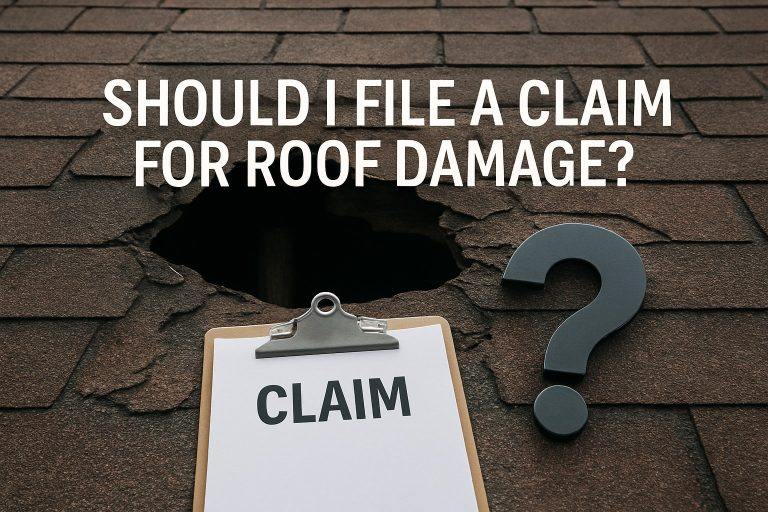
The intersection of roofing expertise and insurance knowledge separates exceptional contractors from basic repair services. Hail damage roofing companies that understand carrier requirements, policy language, and claims processes provide invaluable support during what can be a complex and frustrating experience for property owners.
Adjuster Coordination and Claim Negotiation
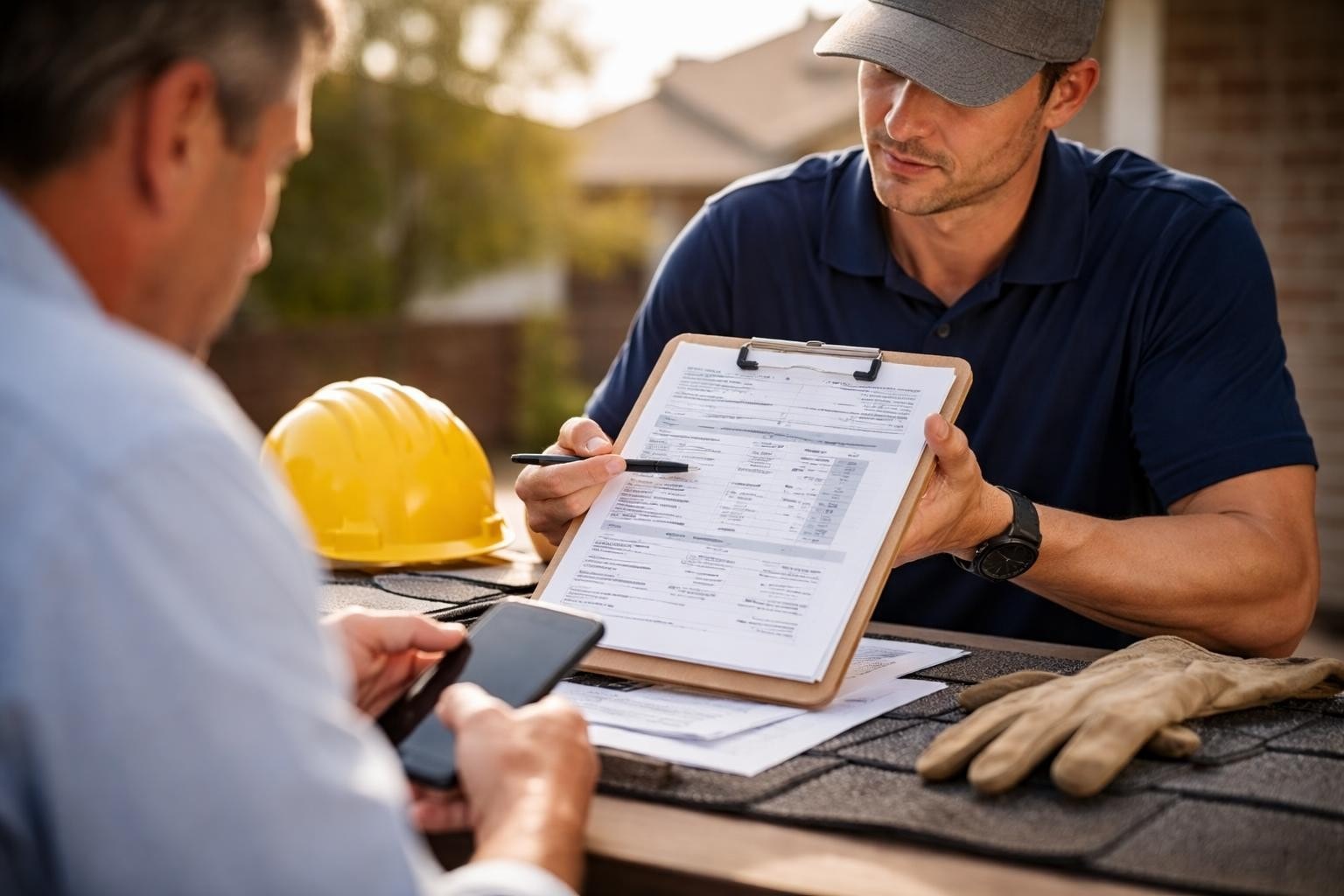
Professional contractors attend insurance adjuster inspections to ensure all damage is properly identified and documented. They understand common coverage exclusions, depreciation calculations, and how to present evidence that supports full claim approval.
Many property owners benefit from professional roofing storm damage documentation that handles documentation, communication, and negotiation with insurance carriers. This specialized support often results in more comprehensive claim approvals and reduced out-of-pocket expenses.
Contractors should explain the claims process clearly, including realistic timelines, potential coverage limitations, and property owner responsibilities. Transparency about what insurance typically covers versus what requires additional investment helps property owners make informed decisions.
Supplemental Claim Support
Initial insurance estimates frequently underestimate total damage or omit necessary repairs discovered during roof replacement. Experienced contractors prepare supplemental claims that document hidden damage, code upgrade requirements, or additional scope items identified once work begins.
Common supplemental claim components include:
- Hidden damage beneath roofing materials only visible during removal
- Required code compliance upgrades mandated by local building departments
- Additional material needs due to discontinued products or color matching
- Structural repairs for decking, fascia, or underlayment damage
- Necessary flashing or ventilation system improvements
The guide for hiring hail damage specialists emphasizes the importance of contractors who proactively identify these issues rather than surprising property owners with unexpected costs mid-project.
Contractor Selection Criteria
Choosing among multiple hail damage roofing companies requires systematic evaluation of qualifications, business practices, and project approach. Property owners should interview at least three contractors and compare written proposals that detail scope, materials, timelines, and pricing.
Red Flags and Warning Signs
Certain contractor behaviors indicate potential problems that property owners should avoid. High-pressure sales tactics, requests for full payment upfront, or reluctance to provide references suggest unprofessional or potentially fraudulent operations.
| Warning Sign | Why It's Concerning | What to Do Instead |
|---|---|---|
| Door-to-door solicitation immediately after storms | Often indicates storm chasers with no local presence | Contact established local contractors directly |
| Offers to pay insurance deductibles | Illegal in most states and indicates fraud | Report to insurance carrier and state licensing board |
| No physical business address | Makes warranty claims and follow-up difficult | Verify permanent local office location |
| Pressure to sign contracts immediately | Prevents due diligence and comparison shopping | Take time to review proposals and check references |
| Requests full payment before work begins | Eliminates contractor incentive to complete work properly | Use standard payment schedules tied to project milestones |
According to news reports on storm response, legitimate contractors experience high demand after major hail events but maintain professional communication and reasonable timelines rather than creating artificial urgency.
Reference Checks and Portfolio Review
Past performance provides the most reliable indicator of future results. Quality hail damage roofing companies willingly provide recent customer references, particularly those involving storm damage documentation and hail damage restoration.
When contacting references, property owners should ask specific questions about communication quality, timeline accuracy, worksite cleanliness, problem resolution, and overall satisfaction. References from projects completed 1-2 years prior offer insights into warranty service and long-term contractor accessibility.
Visual portfolios demonstrating completed hail damage projects showcase contractor capabilities and attention to detail. The project gallery at Texcore Construction exemplifies how established contractors document their work quality and range of completed projects.
Material Selection and Installation Standards
Roofing material choices significantly impact long-term performance, especially in hail-prone regions. Experienced contractors educate property owners about impact-resistant options, manufacturer warranties, and installation techniques that enhance durability.
Impact-Resistant Roofing Systems
Many manufacturers produce roofing materials specifically designed to withstand hail impact. These products carry UL 2218 Class 4 impact resistance ratings, the highest available classification. Property owners in frequent hail zones often qualify for insurance discounts when installing these advanced materials.
Popular impact-resistant options include:
- Modified asphalt shingles with reinforced backing and specialized granules
- Metal roofing systems with enhanced coating and panel thickness
- Synthetic slate and shake products engineered for impact absorption
- TPO and EPDM membranes with reinforced layers for commercial applications
Professional contractors explain the cost-benefit analysis of premium materials, including potential insurance savings, extended lifespan, and reduced future repair needs. This consultation should be objective, acknowledging both advantages and limitations of various products.
Quality Installation Practices
Even the best materials fail prematurely when improperly installed. Hail damage roofing companies committed to long-term performance follow manufacturer specifications precisely and often exceed minimum requirements for enhanced durability.
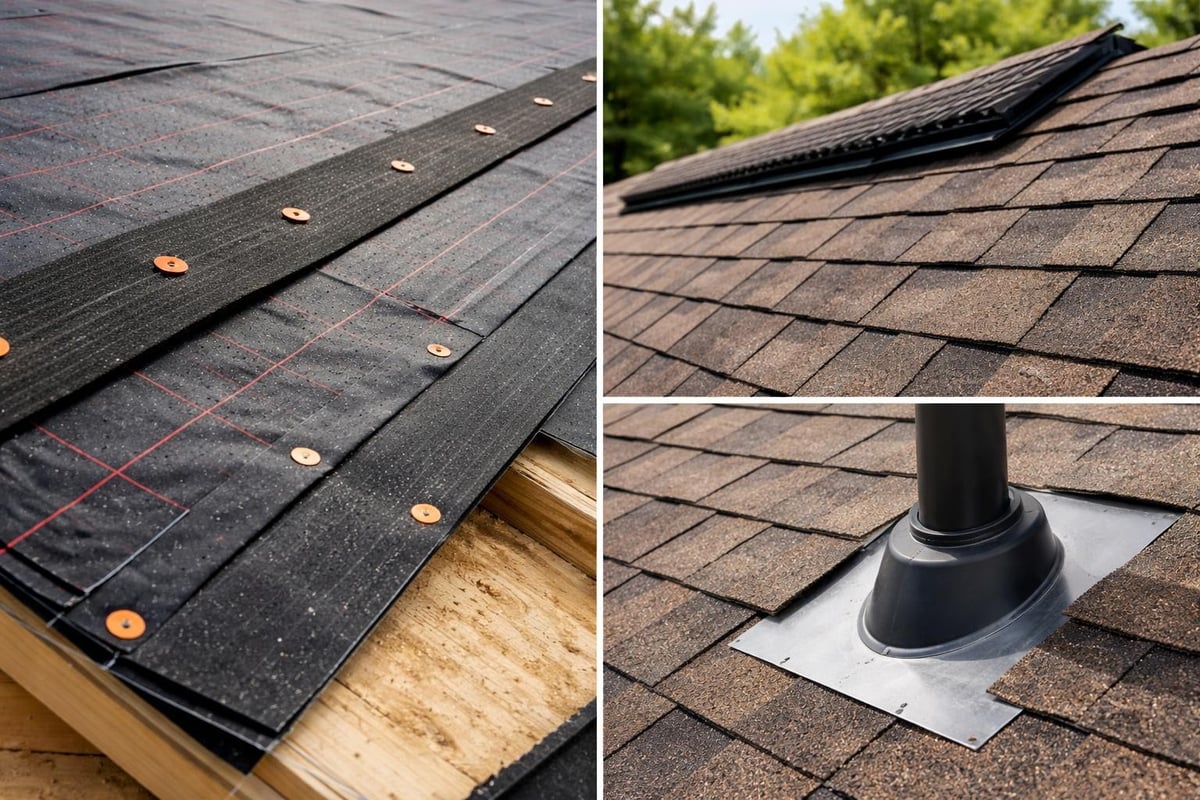
Quality installation includes proper underlayment coverage, correct fastener placement and quantity, adequate ventilation systems, and code-compliant flashing details. Contractors should explain their installation process and how it protects against both hail damage and common failure points like wind uplift or water intrusion.
Project Management and Communication
Successful roofing projects require clear communication, realistic scheduling, and proactive problem-solving. The best hail damage roofing companies assign dedicated project managers who serve as single points of contact throughout the restoration process.
Timeline Expectations and Scheduling
Weather, material availability, and permit processing affect project timelines. Professional contractors provide realistic schedules with milestone dates for permits, material delivery, work commencement, and project completion. They communicate proactively about delays or changes rather than leaving property owners uncertain about project status.
Most residential hail damage restorations take 1-3 days of actual work time, but total elapsed time from contract signing to completion typically spans 3-8 weeks depending on insurance approval timelines and weather windows.
Worksite Management and Safety
Professional crews maintain clean, safe worksites with proper equipment, protective measures for landscaping and property, and daily cleanup protocols. Contractors should explain their safety programs, including how they protect both workers and property occupants during construction.
Daily progress updates, photo documentation, and accessible project managers create transparency that builds trust and addresses concerns before they escalate into problems.
Warranty Coverage and Long-Term Support
Roofing warranties include both material coverage from manufacturers and workmanship guarantees from contractors. Understanding both components helps property owners evaluate total protection for their investment.
Manufacturer Material Warranties
Material warranties cover defects in roofing products themselves, typically ranging from 25 years to lifetime coverage depending on product tier. These warranties often include prorated coverage structures where benefit decreases over time.
Enhanced warranties available through certified contractors may include non-prorated coverage periods, wind resistance guarantees, and algae resistance provisions. Property owners should receive written warranty documentation and understand registration requirements that activate coverage.
Contractor Workmanship Guarantees
Labor warranties protect against installation defects and typically range from one to ten years. Longer workmanship warranties indicate contractor confidence in their installation quality and commitment to long-term customer relationships.
Hail damage roofing companies with strong reputations stand behind their work through responsive warranty service. Property owners should verify warranty terms before signing contracts and understand what situations trigger coverage versus what constitutes normal wear or new damage.
Cost Considerations and Payment Structures
Roofing project costs vary based on property size, material selection, damage extent, and local market conditions. While insurance coverage handles most costs for approved claims, understanding pricing structures helps property owners make informed decisions about upgrades or out-of-pocket expenses.
Insurance Coverage vs. Out-of-Pocket Costs
Most property insurance policies cover hail damage restoration minus the deductible amount. Some upgrades, code compliance improvements, or enhanced materials may exceed insurance coverage, requiring additional property owner investment.
Transparent contractors clearly separate insurance-covered work from optional upgrades in their proposals. This distinction allows property owners to make value-based decisions about additional investments while understanding minimum restoration requirements.
Payment Schedules and Financing Options
Standard payment structures typically include deposits of 10-30% at contract signing, progress payments at project milestones, and final payment upon completion and inspection. Many contractors offer financing programs for deductibles or upgrade costs.
Property owners should never pay in full before work completion, and payment schedules should align with project progress rather than contractor cash flow needs. The checklist for hail damage repairs includes financial considerations that protect both parties during the restoration process.
Advanced Assessment Technologies
Leading hail damage roofing companies utilize modern technologies that improve damage detection accuracy and documentation quality. These tools create more comprehensive records for insurance claims and help identify issues not visible through traditional inspection methods.
Drone photography captures high-resolution images of entire roof systems, particularly valuable for steep slopes or large commercial properties where manual inspection poses safety risks. Infrared thermography detects moisture intrusion that indicates compromised areas requiring attention beyond visible hail strikes.
Digital measurement systems and 3D modeling create precise material calculations that reduce waste and ensure accurate estimates. These technologies demonstrate contractor investment in accuracy and efficiency that ultimately benefits property owners through better outcomes and reduced costs.
Choosing Between Repair and Replacement
Not all hail damage requires complete roof replacement. Experienced contractors provide honest assessments of whether repairs, partial replacements, or full reroofs represent the most appropriate solution based on damage extent, roof age, and long-term cost considerations.
Factors influencing the repair vs. replacement decision:
- Percentage of roof surface affected by hail impacts
- Age of existing roofing system and remaining useful life
- Insurance coverage availability for different restoration approaches
- Matching material availability for partial repairs
- Building code requirements that may mandate full replacement
Property owners benefit when contractors explain their recommendations with supporting evidence rather than defaulting to the most expensive option. This consultative approach builds trust and helps property owners understand the reasoning behind scope recommendations.
Selecting qualified hail damage roofing companies requires careful evaluation of credentials, experience, and business practices that protect your property investment. When storm damage affects your Fort Worth property, Texcore Construction delivers the expertise, accountability, and craftsmanship needed for complete restoration. Our in-house crews, comprehensive storm damage documentation, and five-year labor warranty ensure your roof receives professional attention from initial assessment through final completion.