
Rooftop Service: Maintenance, Safety, and Access Guide
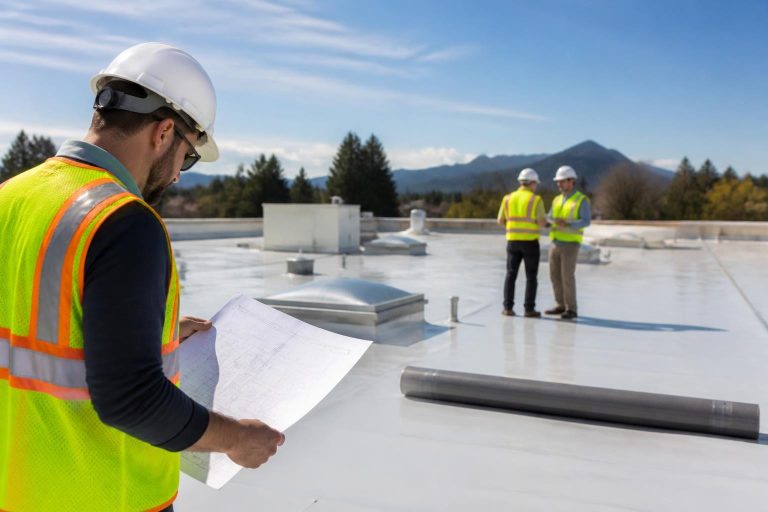
Rooftop service encompasses a broad spectrum of activities critical to maintaining the operational integrity and safety of commercial and residential buildings. From HVAC maintenance and equipment inspections to structural assessments and emergency repairs, proper rooftop access and service protocols protect both personnel and property investments. Property managers, facility directors, and building owners must balance regulatory compliance, worker safety, and equipment functionality while minimizing disruption to daily operations. Understanding the full scope of rooftop service requirements helps organizations develop sustainable maintenance programs that extend asset life and reduce long-term costs.
Understanding Rooftop Service Categories
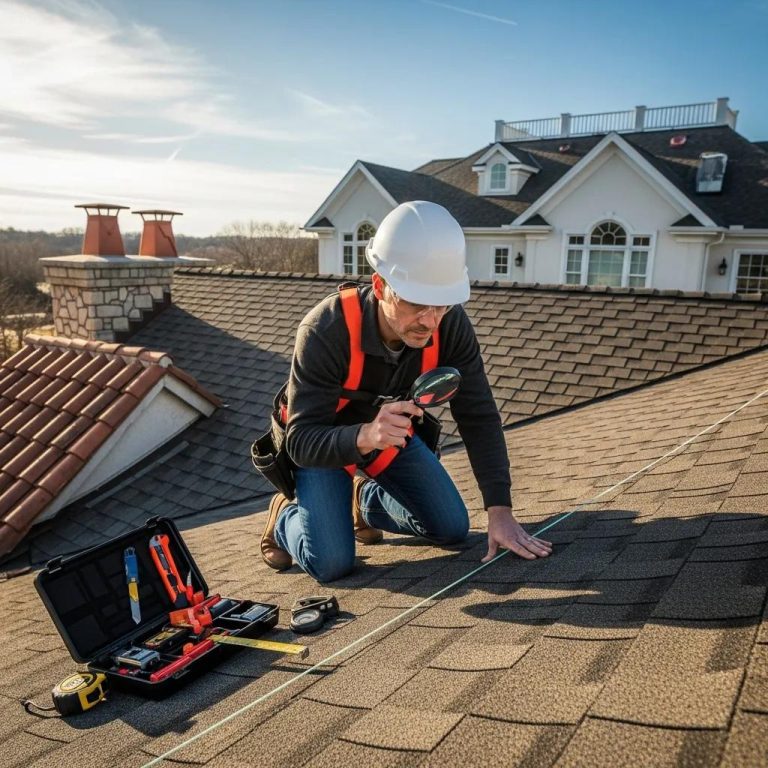
Rooftop service activities fall into distinct categories, each with unique requirements and safety considerations. Routine maintenance includes scheduled inspections of HVAC systems, exhaust fans, skylights, and roof-mounted telecommunications equipment. These predictable visits allow teams to coordinate access, prepare safety equipment, and schedule work during optimal weather conditions.
Emergency response represents the opposite end of the spectrum, where immediate rooftop access becomes necessary to address equipment failures, active leaks, or storm damage. These situations demand rapid mobilization while maintaining strict safety standards under potentially hazardous conditions.
Equipment-Specific Service Requirements
Different rooftop installations require specialized service approaches:
- HVAC systems: Require quarterly to annual maintenance including filter changes, refrigerant checks, and component inspections
- Solar panel arrays: Need cleaning, electrical testing, and performance monitoring typically twice annually
- Telecommunications equipment: Demand regular signal testing, hardware updates, and structural mounting assessments
- Plumbing vents and exhaust systems: Require inspection for blockages, corrosion, and proper function
- Lightning protection systems: Need annual conductivity testing and connection integrity verification
Commercial buildings in Fort Worth often house multiple equipment types on a single roof surface, creating coordination challenges when different vendors need simultaneous or sequential access. Establishing a master schedule prevents conflicts and reduces the frequency of rooftop access events.

Safety Standards and Regulatory Compliance
OSHA enforces strict standards governing rooftop service activities, with fall protection requirements activated when workers operate within six feet of an unprotected edge. These regulations apply regardless of building height, though enforcement intensity increases for structures exceeding 30 feet.
Property owners bear responsibility for ensuring service contractors implement appropriate fall protection systems. This obligation extends to third-party vendors performing equipment maintenance, creating potential liability exposure when contractors arrive unprepared.
Fall Protection System Options
| System Type | Best Application | Installation Requirement | Mobility |
|---|---|---|---|
| Guardrail Systems | Permanent roof access areas | Fixed installation | High within protected zone |
| Personal Fall Arrest | Temporary service work | Anchor point installation | Moderate with proper anchors |
| Safety Monitoring | Low-slope roofs with designated areas | Training and supervision | High but labor-intensive |
| Warning Line Systems | Large flat roofs | Temporary setup | Moderate within boundaries |
Selecting appropriate fall protection depends on roof configuration, service frequency, and the nature of work being performed. Buildings requiring frequent rooftop service benefit from permanent fall protection infrastructure, while occasional maintenance may justify portable systems.
Comprehensive roof access safety requirements extend beyond edge protection to include proper ladder specifications, stairway standards, and hatch configurations. Property owners must verify that access points meet current code requirements, particularly in older buildings where original installations may not satisfy modern standards.
Developing Effective Maintenance Schedules
Strategic scheduling balances equipment manufacturer recommendations, regulatory requirements, and operational realities. HVAC systems typically require quarterly service visits, while roof membrane inspections occur semi-annually or annually depending on system type and environmental exposure.
Seasonal considerations significantly impact rooftop service effectiveness. Spring inspections identify winter damage before summer storm season, while fall maintenance prepares systems for temperature extremes. Fort Worth's climate pattern of intense summer heat and occasional severe weather events makes twice-yearly comprehensive inspections particularly valuable.
Coordinating multiple service activities during single rooftop access events reduces disruption and access costs. When the HVAC contractor visits quarterly, scheduling simultaneous roof inspections by qualified roofing professionals creates efficiency. However, this approach requires careful coordination to prevent work conflicts and ensure each trade has adequate space and time.
Documentation and Record Keeping
Comprehensive service documentation serves multiple critical functions:
- Compliance verification: Demonstrates adherence to manufacturer warranty requirements and regulatory obligations
- Trend analysis: Reveals developing issues through comparative data across inspection cycles
- Budget planning: Provides historical cost data supporting capital expenditure forecasting
- Liability protection: Establishes reasonable care in property maintenance and safety protocol implementation
- Transfer documentation: Supports property sales by demonstrating maintenance history to prospective buyers
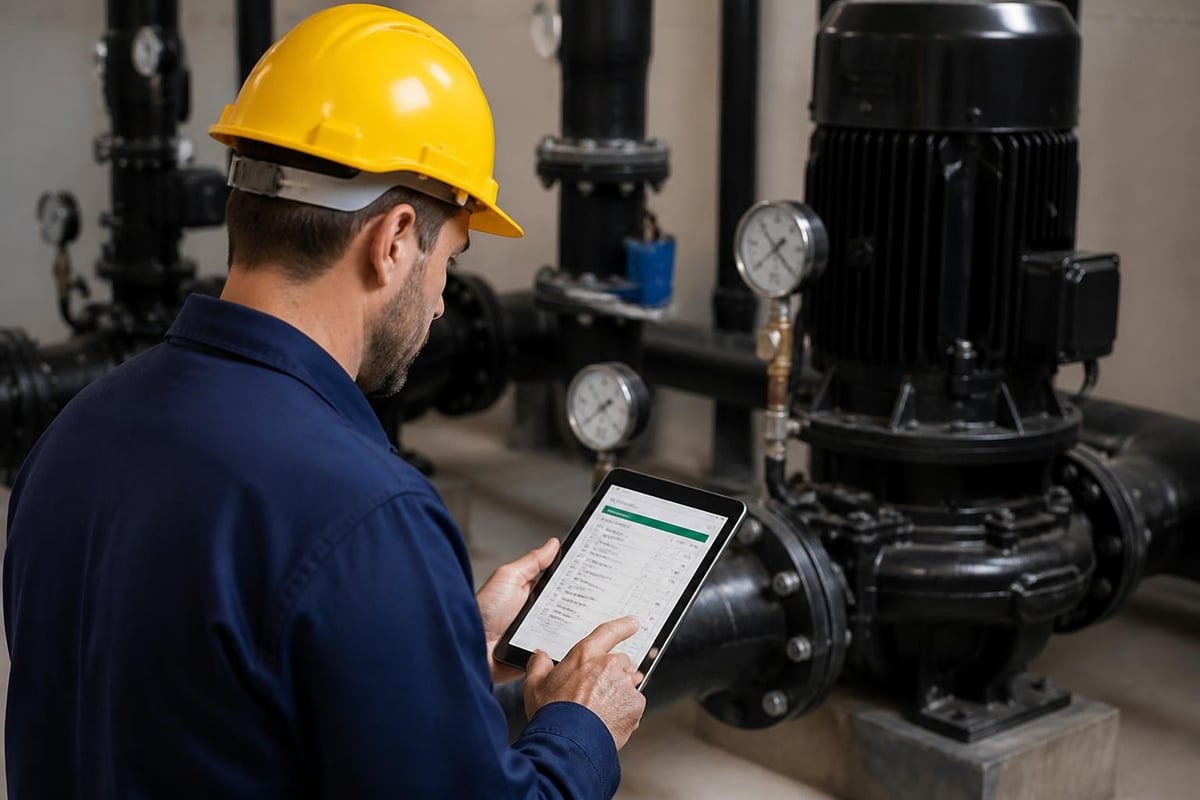
Digital documentation platforms streamline record management and enable instant access during emergency situations. Photographic evidence of equipment condition, accompanied by technician notes and measurement data, creates robust documentation that supports insurance claims and warranty enforcement.
Organizations such as JRG Civils demonstrate how attention to detail in documentation practices translates across construction disciplines, from civil engineering through roofing service coordination.
Access Equipment and Infrastructure
Safe rooftop service begins with appropriate access infrastructure. OSHA’s roof access requirements specify standards for ladders, stairs, and hatches based on building configuration and access frequency. Permanent roof access via interior stairways provides the safest approach for buildings requiring regular rooftop service, while external ladder systems may suffice for occasional access.
Ladder specifications include minimum rung strength ratings, side rail extensions above roof level, and proper securing methods. Portable ladders used for rooftop access must extend at least three feet above the roof edge and be secured to prevent lateral movement. Many property managers opt for permanently installed ladder systems with integrated fall protection to eliminate setup time and ensure consistent safety compliance.
Roof hatches serve dual purposes as both access points and emergency egress routes. Modern hatches incorporate spring-assisted opening mechanisms, integrated fall protection, and weather sealing to prevent water infiltration. When specifying or upgrading roof hatches, consider the size requirements for the largest equipment components requiring rooftop service to avoid access limitations during replacement operations.
Specialized Access Considerations
Certain rooftop service activities demand specialized access solutions beyond standard ladders and hatches. Equipment replacement often requires crane access or material hoists capable of safely lifting substantial weight to roof level. These operations need coordination with building operations teams, parking area management, and potentially municipal permitting depending on crane size and placement.
For buildings with extensive rooftop equipment requiring frequent service, permanent walkway systems protect roof membranes from foot traffic damage while providing clear, safe pathways between equipment locations. These systems typically consist of elevated pavers or reinforced walkway panels designed to distribute weight and prevent concentrated loads on the roof surface.
Contractor Selection and Management
Choosing qualified rooftop service contractors requires evaluation beyond basic licensing and insurance verification. Contractors performing work on your roof should demonstrate comprehensive safety programs, provide evidence of ongoing worker training, and maintain equipment inspection records proving fall protection system integrity.
Insurance requirements for rooftop service contractors include:
- General liability coverage with minimum $2 million aggregate limits
- Workers' compensation insurance meeting state requirements
- Completed operations coverage protecting against claims arising after work completion
- Commercial auto insurance for vehicles accessing the property
Request certificates of insurance naming your property as an additional insured, and verify coverage directly with insurance carriers rather than accepting certificates at face value. This verification prevents discovering inadequate coverage only after an incident occurs.
Performance Evaluation Metrics
Establishing objective contractor performance metrics supports data-driven vendor management decisions:
| Metric Category | Measurement Method | Target Performance |
|---|---|---|
| Safety Compliance | Observed violations per site visit | Zero violations |
| Schedule Adherence | On-time completion percentage | 95% or higher |
| Documentation Quality | Complete reports within 48 hours | 100% compliance |
| Emergency Response | Time from call to arrival | Under 2 hours |
| Work Quality | Callbacks within 30 days | Less than 5% |
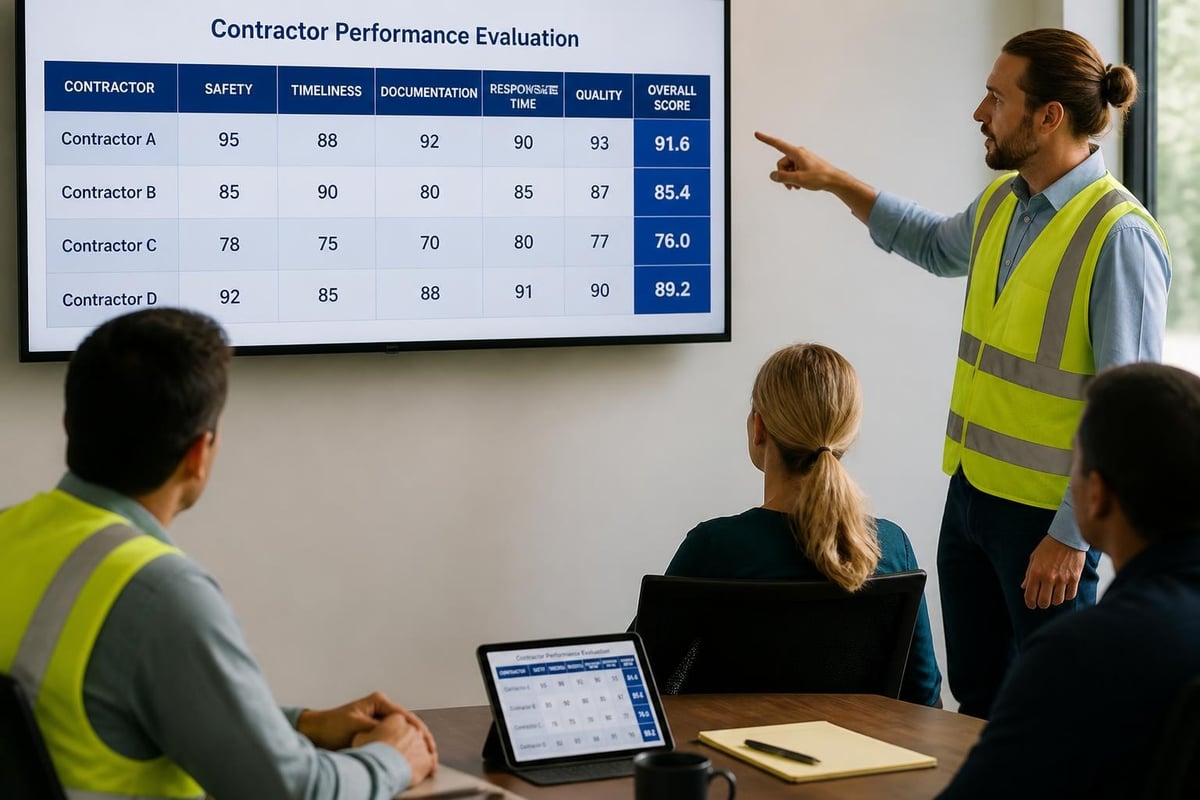
Regular performance reviews using these metrics identify contractors consistently meeting expectations versus those requiring closer supervision or replacement. For critical systems like commercial roofing where service quality directly impacts building protection, maintaining high vendor standards becomes non-negotiable.
Emergency Rooftop Service Protocols
Emergency situations demand immediate rooftop access while maintaining safety standards that prevent secondary incidents. Developing pre-incident response protocols ensures teams can mobilize quickly without compromising worker protection. These protocols should identify emergency access routes, specify required safety equipment, and designate personnel authorized to approve emergency rooftop service activities.
Active leak response represents one of the most common rooftop service emergencies. Water intrusion threatens building contents, electrical systems, and occupant safety, creating pressure for rapid response. However, rushing rooftop access during storms when conditions caused the leak presents extreme danger to service personnel. Weather monitoring becomes critical for balancing urgent response needs against worker safety requirements.
Emergency service contracts with qualified roofing contractors establish response time expectations and maintain priority service relationships. Properties relying on general maintenance staff for all rooftop service often lack the specialized equipment and expertise necessary for safe emergency response, particularly during severe weather events when conditions may exceed capabilities of non-specialist personnel.
Communication and Coordination
Clear communication protocols during rooftop service emergencies prevent confusion and ensure all stakeholders receive timely updates. Notification sequences should include:
- Building management receiving initial damage report
- Emergency service contractor dispatch with specific access instructions
- Occupant notification regarding affected areas and service timeline
- Safety officer or designated supervisor monitoring response activities
- Completion confirmation with damage documentation and temporary repair verification
Digital communication platforms enable real-time updates and photo sharing, allowing off-site decision makers to assess situations without requiring physical presence. This capability proves particularly valuable during after-hours emergencies when building management personnel may not be immediately available on-site.
Preventive Maintenance vs. Reactive Service
The financial case for preventive rooftop service programs becomes clear when comparing costs against reactive emergency response. Regular maintenance identifies minor issues before they escalate into expensive failures, extends equipment service life, and reduces energy consumption through optimized system performance.
Cost comparison analysis from commercial property portfolios demonstrates that comprehensive preventive maintenance programs typically cost 30-40% less annually than reactive maintenance approaches over a five-year period. These savings result from avoiding premium emergency service rates, reducing equipment replacement frequency, and minimizing secondary damage from delayed failure detection.
Preventive programs also support more accurate budget forecasting. Scheduled maintenance costs remain relatively stable year-over-year, while reactive approaches create unpredictable expense spikes that complicate financial planning. For organizations managing multiple properties, consistent preventive maintenance programs enable standardized budgeting and vendor relationship management across the portfolio.
Technology Integration
Modern rooftop service increasingly incorporates technology solutions that enhance efficiency and safety. Drone inspections for rooftop HVAC systems allow preliminary assessments without requiring personnel access, identifying issues warranting closer inspection while reducing routine access frequency. Thermal imaging detects insulation deficiencies, moisture intrusion, and equipment performance anomalies invisible to visual inspection alone.
Remote monitoring systems for HVAC equipment, solar arrays, and other roof-mounted systems provide continuous performance data and alert facility managers to developing issues before they cause system failures. These technologies shift maintenance from time-based schedules to condition-based approaches, optimizing service timing based on actual equipment status rather than arbitrary intervals.
Integration between building management systems and rooftop service contractors creates seamless information flow. Contractors accessing real-time equipment performance data arrive prepared with appropriate parts and tools, reducing service visit duration and improving first-time fix rates.
Specialized Rooftop Service Applications
Beyond standard maintenance and equipment service, certain building types require specialized rooftop service approaches. Commercial kitchens demand frequent exhaust system cleaning and inspection to prevent grease buildup that creates fire hazards. These services often require coordination with fire safety inspectors and documentation demonstrating compliance with fire code requirements.
Rooftop amenity spaces including bars, restaurants, and recreational areas present unique service challenges addressed in rooftop management best practices. These spaces combine hospitality operations with structural maintenance requirements, creating coordination challenges between service contractors and business operations. Scheduling maintenance during off-hours minimizes disruption while ensuring adequate lighting and safety conditions for service personnel.
Properties with solar installations require service providers trained in both electrical systems and photovoltaic technology. Standard roofing contractors may lack the expertise necessary for solar array maintenance, while solar technicians may not understand proper roof access techniques and membrane protection requirements. Identifying contractors with combined expertise prevents coordination conflicts and ensures comprehensive service delivery.
Warranty Considerations
Rooftop service activities can inadvertently void equipment or roof system warranties when performed by unqualified contractors or using improper techniques. Manufacturer warranties typically require maintenance by certified service providers following specific procedures. Property owners must verify contractor certifications and maintain service records demonstrating warranty compliance.
Roof membrane warranties often include clauses voiding coverage if unauthorized personnel perform repairs or if equipment installation occurs without manufacturer approval. When planning new equipment installations on warranted roof systems, coordination with the original roofing contractor or manufacturer representative ensures modifications don't compromise warranty protection. For properties in the Fort Worth area seeking documented roof inspections, working with experienced contractors who understand warranty preservation requirements protects valuable coverage.
Training and Qualification Requirements
Personnel performing rooftop service must possess appropriate training beyond general construction or maintenance qualifications. Fall protection training represents the minimum requirement, covering proper harness use, anchor point selection, and rescue procedures. OSHA requires retraining annually or when working conditions change significantly.
Trade-specific certifications vary by equipment type. HVAC technicians need EPA refrigerant handling certification, while electrical work requires state licensing. Roofing service personnel benefit from manufacturer certifications in specific membrane systems, though no state license exists for roofing contractors in Texas. Instead, reputable contractors demonstrate competency through manufacturer training programs and industry association credentials.
Property managers should verify that service contractors maintain documented training records for all personnel accessing rooftops. This documentation serves multiple purposes:
- Demonstrates due diligence in contractor selection
- Provides evidence of reasonable care in potential liability situations
- Ensures workers possess current knowledge of safety standards and best practices
- Supports quality service delivery through ongoing skill development
Continuous Improvement Programs
Leading service organizations implement continuous improvement programs that analyze incident reports, near-miss events, and service quality metrics to refine procedures and training. These programs identify systemic issues requiring process modifications rather than simply addressing individual incidents in isolation.
After-action reviews following rooftop service activities, particularly emergency responses, capture lessons learned while details remain fresh. These reviews examine what worked well, what could improve, and what systemic changes would prevent recurrence of problems encountered. Organizations committed to continuous improvement demonstrate lower incident rates and higher service quality over time.
Long-Term Infrastructure Planning
Rooftop service considerations should inform capital improvement planning and building modernization projects. As roof systems approach replacement age, coordinating reroofing with equipment upgrades and access infrastructure improvements creates cost efficiencies and minimizes future disruption.
Equipment replacement planning should account for roof system life expectancy. Installing new HVAC units or other equipment with 15-20 year service lives on roof systems nearing replacement age creates unnecessary complications. Either the new equipment requires removal and reinstallation during reroofing, adding cost, or the roof replacement gets delayed beyond optimal timing to avoid disrupting relatively new equipment.
Access infrastructure improvements integrated with roof replacement projects avoid the higher costs of retrofit installations. Permanent fall protection anchors, improved hatch systems, and reinforced equipment walkways cost significantly less when incorporated during new roof installation versus adding them to existing systems.
Sustainability Considerations
Modern rooftop service increasingly incorporates sustainability objectives beyond basic maintenance. Energy efficiency improvements, stormwater management systems, and green roof installations require specialized service approaches. These features create additional maintenance requirements but deliver long-term operational savings and environmental benefits.
Regular service maintains the performance benefits justifying these system investments. Green roofs require vegetation management, irrigation system maintenance, and drainage verification. Solar arrays need cleaning and electrical testing to maintain generation efficiency. Cool roof coatings require periodic reapplication to preserve reflective properties and energy savings.
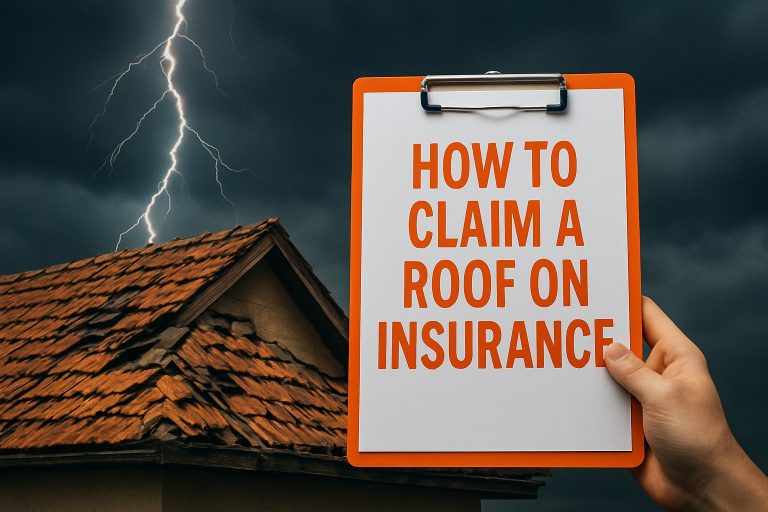
For property owners considering whether to work with insurance adjusters after storm damage, understanding how various rooftop systems and service requirements factor into damage assessments helps secure appropriate settlements supporting comprehensive restoration.
Industry Standards and Best Practices
Professional organizations establish rooftop service standards that exceed minimum regulatory requirements. The National Roofing Contractors Association (NRCA), ASHRAE for HVAC systems, and industry-specific groups publish maintenance guidelines, safety protocols, and quality standards that define professional service delivery.
Rooftop safety systems incorporate multiple protective layers including permanent anchors, guardrails, and designated safe zones that collectively minimize fall risks. Properties implementing comprehensive safety infrastructure demonstrate commitment to worker protection while potentially reducing insurance costs through loss prevention.
Staying current with evolving standards requires ongoing attention to industry publications, participation in professional associations, and regular dialogue with service contractors. Standards periodically update to reflect new safety research, technology advances, and lessons learned from industry incidents. Property owners relying on outdated standards expose themselves to regulatory violations and increased liability risk.
Proper rooftop service requires balancing safety compliance, maintenance effectiveness, and operational efficiency while protecting both personnel and building systems. Whether you need emergency response capabilities, routine maintenance programs, or comprehensive documentation for storm damage assessment, Texcore Construction delivers professional roofing services backed by in-house crews, detailed reporting, and a five-year labor warranty that ensures long-term performance across Fort Worth commercial and residential properties.