Services Roofing: Expert Guide for Property Owners
Property owners searching for services roofing solutions face a critical decision that impacts their building's longevity, safety, and value. Whether you manage a commercial facility or own a residential property, understanding the full spectrum of professional roofing services helps you make informed choices that protect your investment. From routine inspections and minor repairs to complete roof replacements and emergency storm response, the roofing industry offers specialized solutions designed for every situation. This guide breaks down everything property owners need to know about professional roofing services, including what to expect, how to evaluate contractors, and the key factors that separate reliable providers from those who cut corners.
Understanding the Full Scope of Services Roofing
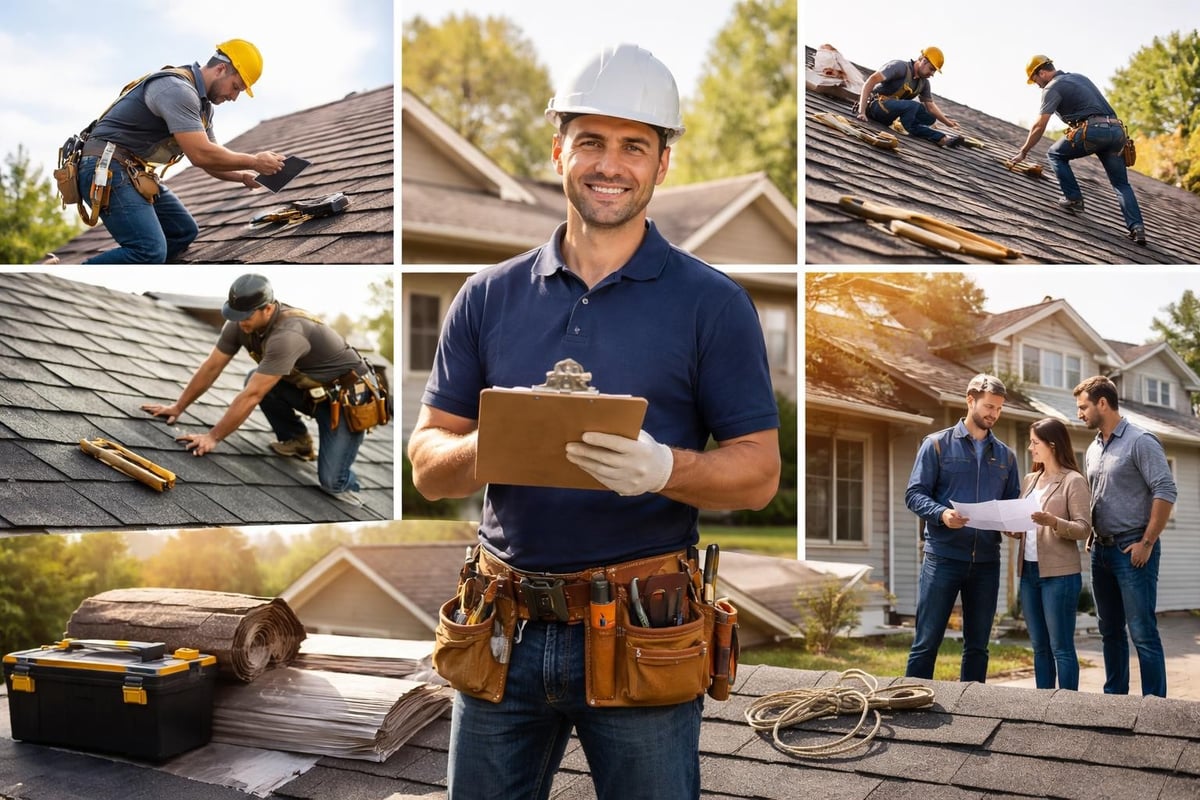
Professional services roofing encompasses far more than simple shingle replacement. The industry has evolved into a comprehensive field that addresses every aspect of roof system performance, from initial design consultation through long-term maintenance planning.
Modern roofing services typically include:
- Detailed roof inspections with thermal imaging and moisture detection
- Emergency leak repair with same-day response capabilities
- Complete roof replacement for residential and commercial structures
- Storm damage assessment and insurance claim documentation
- Preventive maintenance programs to extend roof lifespan
- Roof coating applications for enhanced weather protection
- Structural repairs addressing decking, trusses, and support systems
The National Roofing Contractors Association recognizes these diverse service categories as essential components of comprehensive roofing care. Property owners benefit most when they work with contractors who offer integrated solutions rather than single-service specialists.
Commercial vs. Residential Services Roofing Differences
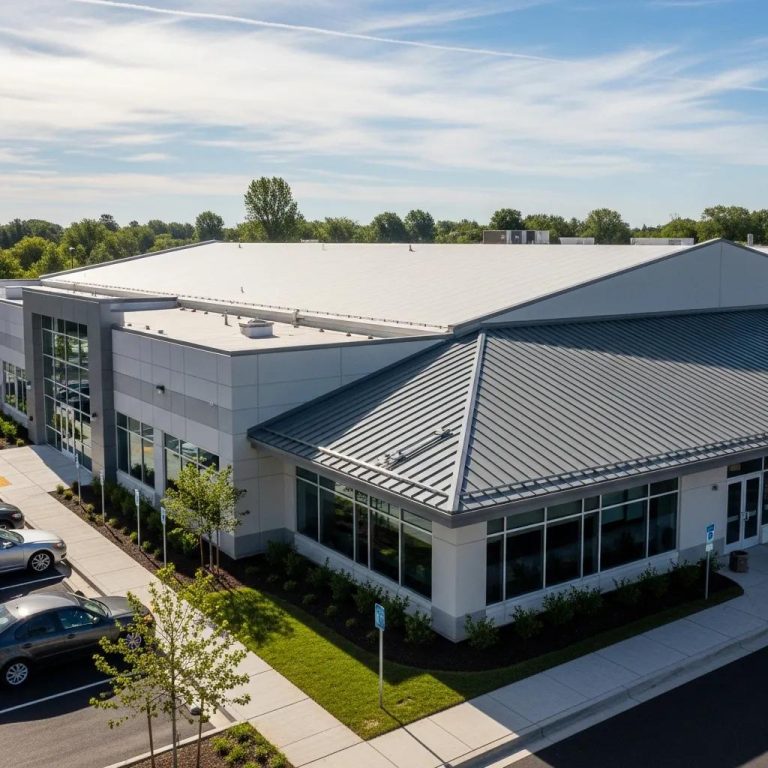
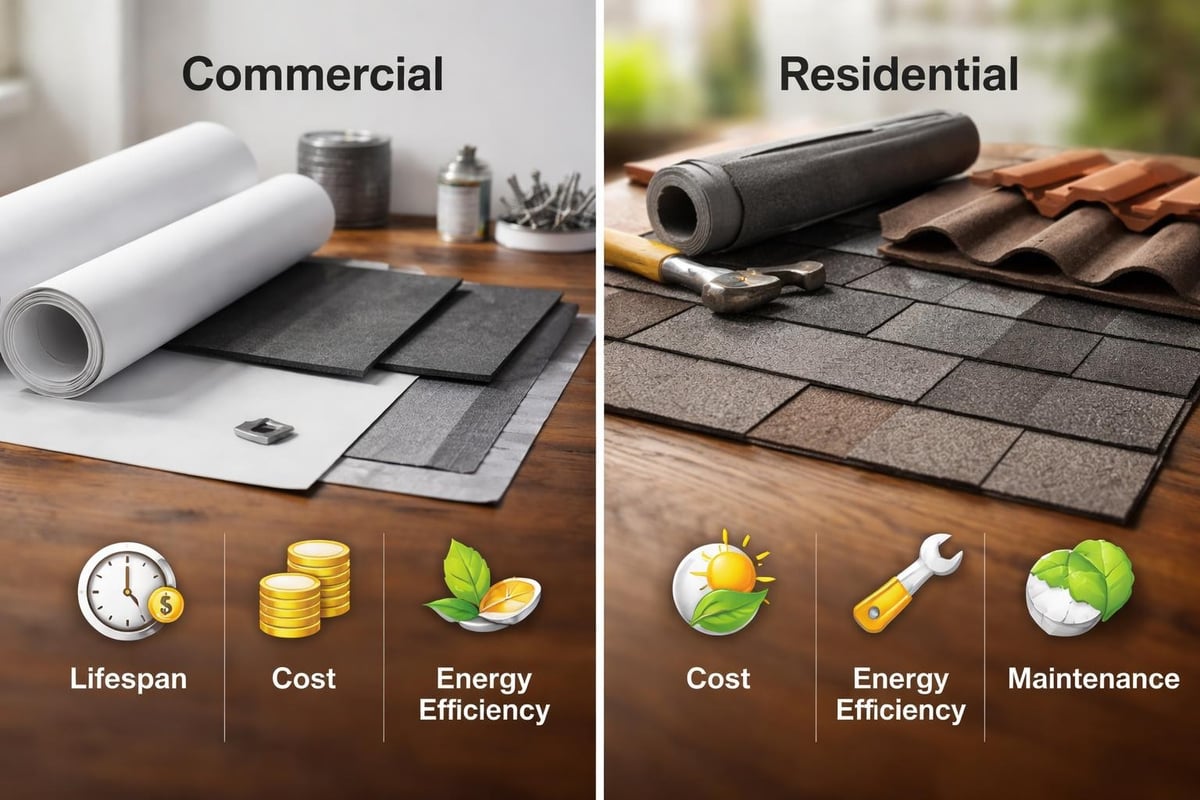
Commercial and residential roofing require distinctly different approaches, materials, and expertise. Commercial buildings typically feature flat or low-slope roofs using TPO, EPDM, or modified bitumen membranes, while residential structures predominantly use pitched roofs with asphalt shingles, metal panels, or tile.
| Service Aspect | Commercial Roofing | Residential Roofing |
|---|---|---|
| Typical Materials | TPO, EPDM, Modified Bitumen | Asphalt Shingles, Metal, Tile |
| Project Duration | 3-14 days for average buildings | 1-3 days for typical homes |
| Complexity | High (HVAC integration, drainage) | Moderate (aesthetic considerations) |
| Access Requirements | Specialized equipment, safety protocols | Standard ladder and safety gear |
| Warranty Terms | 10-20 years material, 5-10 years labor | 20-50 years material, 5 years labor |
Commercial projects demand greater coordination with building operations, while residential work prioritizes minimal disruption to daily family life. Understanding these distinctions helps property owners set appropriate expectations and budget accordingly.
Key Components of Professional Roofing Services
Every comprehensive services roofing provider should offer a systematic approach that begins with accurate assessment and ends with documented completion. This process ensures nothing gets overlooked and clients receive exactly what they're paying for.
Thorough Inspection and Assessment
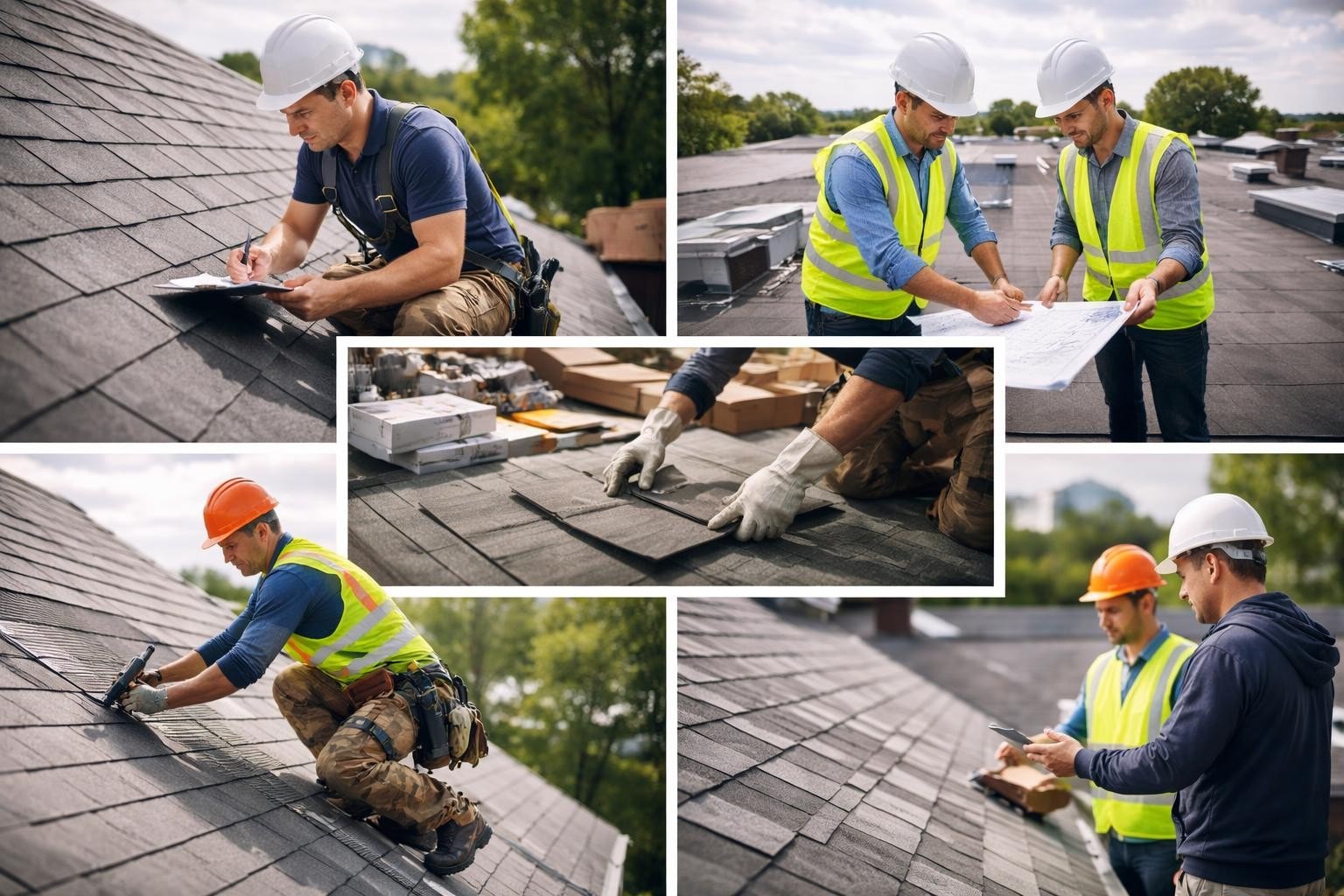
Professional roof inspections form the foundation of all quality roofing services. Experienced contractors examine every component, from surface materials and flashing to underlayment and structural supports. They identify current problems, predict future issues, and provide detailed documentation that supports insurance claims or real estate transactions.
Advanced inspection techniques now include:
- Infrared thermography to detect hidden moisture intrusion
- Drone photography for safe, comprehensive visual documentation
- Core sampling to assess insulation and membrane condition
- Structural load analysis for equipment additions or solar installations
When severe weather strikes Fort Worth, property owners need reliable emergency roof repair services that respond immediately to prevent further damage. The best contractors maintain dedicated emergency response teams available around the clock.
Material Selection and Specification
Choosing appropriate roofing materials represents a critical decision affecting performance, longevity, and cost-effectiveness. Professional roofing contractors guide clients through options based on building type, climate conditions, budget constraints, and aesthetic preferences.
Modern roofing materials offer varying benefits:
- Asphalt composition shingles: Cost-effective, widely available, 20-30 year lifespan
- Architectural shingles: Enhanced durability and appearance, 30-50 year warranties
- TPO membrane: Energy-efficient white surface, excellent for commercial flat roofs
- EPDM rubber: Superior weather resistance, proven 30+ year performance
- Metal roofing: Premium longevity (50+ years), recyclable, low maintenance
The Center for Environmental Innovation in Roofing promotes sustainable material choices that reduce environmental impact while maintaining performance standards. Fort Worth property owners increasingly prioritize energy efficiency alongside traditional durability considerations.
Installation Quality and Contractor Accountability
The quality of services roofing installation directly determines how well your roof performs over its intended lifespan. Even premium materials fail prematurely when installed incorrectly, making contractor selection your most important decision.
In-House Crews vs. Subcontractor Networks
Many roofing companies outsource actual installation work to subcontractors, creating quality control challenges and accountability gaps. Property owners benefit significantly from contractors who employ their own licensed, insured crews for several reasons:
Advantages of in-house installation teams:
- Consistent quality standards across all projects
- Direct communication between property owner and installation crew
- Clear accountability when issues arise
- Faster project completion with dedicated teams
- Better job site cleanliness and professionalism
Subcontractor-dependent companies often struggle with scheduling reliability and inconsistent workmanship. When evaluating contractors, ask specifically whether they use their own employees or subcontractors for installation work.
Documentation and Project Management
Professional services roofing providers maintain detailed documentation throughout every project phase. This transparency protects property owners and ensures everyone understands scope, timeline, and costs before work begins.
Quality contractors provide:
- Written estimates with itemized material and labor costs
- Detailed scope of work outlining every task
- Material specifications including manufacturer and model numbers
- Installation timeline with milestone dates
- Daily progress reports for commercial projects
- Photographic documentation of completed work
- Final inspection reports and warranty certificates
This level of documentation proves invaluable for insurance claims, building sales, and future maintenance planning. Companies that resist providing detailed records often lack confidence in their own work quality.
Emergency Response and Storm Damage Services
Fort Worth's weather patterns bring severe thunderstorms, hail, and high winds that can damage roofs without warning. Reliable emergency services roofing response separates professional contractors from those who only handle planned projects.
Same-Day Emergency Repair Capabilities
When active leaks threaten your property, waiting days for a contractor response isn't acceptable. Professional roofing companies maintain emergency response systems that dispatch crews within hours of your call. For property owners facing urgent situations, understanding what to do immediately after a storm can minimize damage while waiting for professional help.
Emergency services typically include:
- Immediate tarp installation to stop water intrusion
- Temporary flashing repairs around penetrations
- Emergency drainage system clearing
- Structural assessment for safety concerns
- Documentation photography for insurance purposes
Quick response prevents minor damage from escalating into major structural problems. Water intrusion causes exponentially more damage with each passing hour, making emergency availability a critical contractor selection criterion.
Insurance Claim Support and Documentation
Navigating insurance claims after storm damage creates stress for property owners unfamiliar with the process. Experienced roofing contractors streamline claims by providing documentation adjusters need and advocating for complete coverage.
| Claim Support Service | Benefit to Property Owner |
|---|---|
| Detailed damage assessment | Ensures nothing gets overlooked |
| Photographic documentation | Visual proof for adjuster review |
| Material cost estimates | Prevents underpayment of claims |
| Scope of work preparation | Clearly defines necessary repairs |
| Adjuster meeting attendance | Expert advocacy for fair settlement |
| Supplemental claim filing | Addresses initially missed damage |
According to top roofing experts in the industry, comprehensive claim support increases average settlement amounts by 20-30% compared to property owners who navigate the process alone. This expertise proves particularly valuable for commercial properties with complex roof systems.
Warranty Coverage and Long-Term Protection
Understanding warranty terms for services roofing represents a crucial component of contractor evaluation. Both material manufacturers and installation contractors offer warranties, but coverage varies dramatically between providers.
Material vs. Labor Warranty Distinctions
Most roofing materials include manufacturer warranties covering defects and premature failure. These warranties typically last 20-50 years for residential products and 10-20 years for commercial membranes. However, manufacturer warranties only cover material replacement, not the labor costs for reinstallation.
Labor warranties from contractors cover installation workmanship and typically range from one to ten years. Property owners should prioritize contractors offering substantial labor warranties, as this demonstrates confidence in installation quality.
Critical warranty questions to ask:
- What specific issues does the labor warranty cover?
- Is the warranty transferable to future property owners?
- What maintenance requirements must be met to maintain coverage?
- Who handles warranty claims, and what's the response timeline?
- Are there exclusions for storm damage or specific failure types?
Five-year labor warranties represent the industry standard for quality-focused contractors, while companies offering only one-year coverage often lack confidence in their own work.
Preventive Maintenance Programs
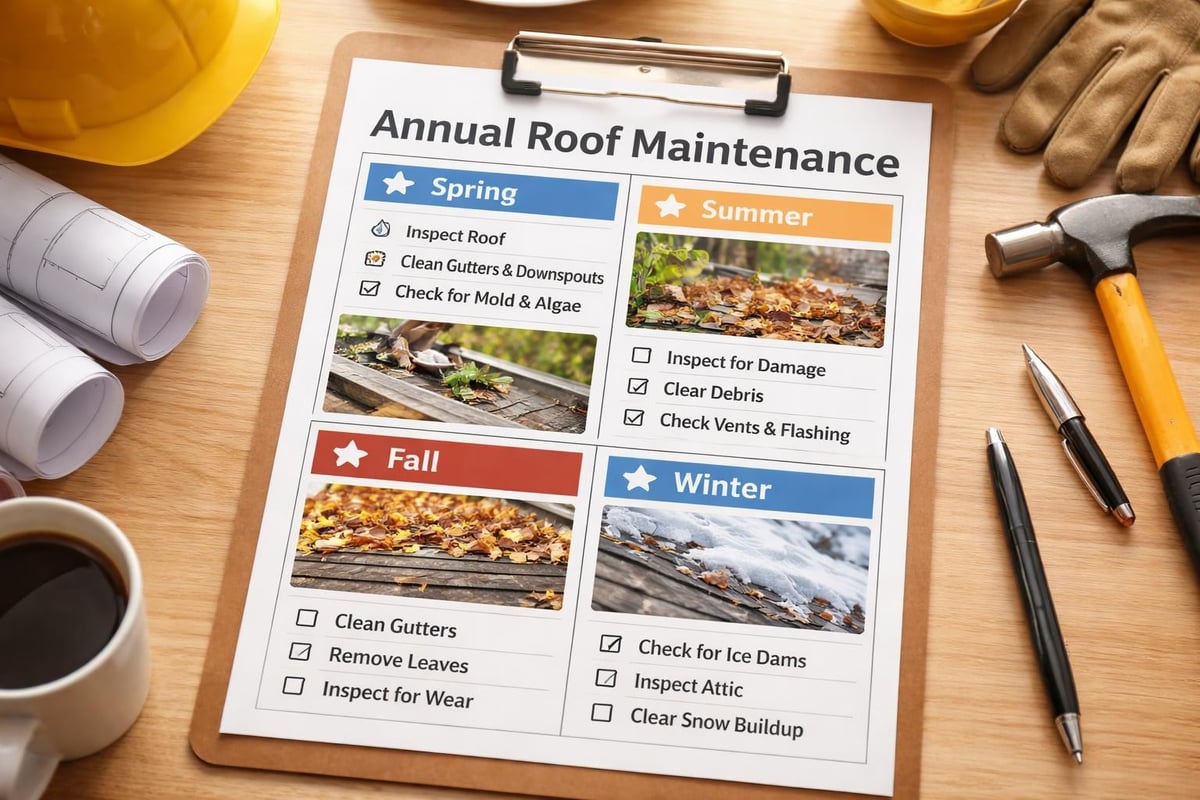
Professional services roofing extends beyond installation and repair to include ongoing maintenance that maximizes roof lifespan. Preventive maintenance programs address minor issues before they escalate into major failures requiring expensive repairs.
Comprehensive maintenance typically includes:
- Biannual inspections documenting roof condition
- Debris removal from drains, gutters, and valleys
- Sealant renewal around penetrations and flashing
- Minor shingle replacement before leaks develop
- Roof cleaning to prevent algae and moss growth
- Thermal imaging to detect hidden moisture
Research published on RoofNet datasets demonstrates that properly maintained roofs last 40% longer than neglected systems. For commercial properties, this extended lifespan delivers substantial return on investment through deferred replacement costs.
Cost Factors and Budget Planning
Services roofing costs vary widely based on project scope, material selection, building complexity, and contractor quality. Understanding these variables helps property owners budget appropriately and avoid unexpected expenses.
Pricing Structure and Quote Components
Reputable contractors provide transparent pricing that itemizes every cost component. This detailed approach prevents surprises and allows meaningful comparison between competing bids.
Standard quote components include:
- Material costs: Shingles, membrane, underlayment, flashing, fasteners
- Labor costs: Installation crew hours, project management, supervision
- Disposal fees: Tear-off debris removal and proper waste disposal
- Equipment rental: Specialized tools, scaffolding, safety equipment
- Permits and inspections: Municipal fees and required certifications
- Contingency allowance: Buffer for unforeseen structural repairs
Beware of contractors who provide single lump-sum quotes without itemization. This practice makes comparison impossible and often hides inflated profit margins or inadequate material specifications. For specific repair needs, understanding options for flat roof repair or addressing a roof leak fix helps property owners budget for common scenarios.
Investment vs. Cost Considerations
The lowest bid rarely represents the best value in professional services roofing. Property owners who focus exclusively on minimizing upfront costs often pay substantially more over time through premature failures, repeated repairs, and shortened roof lifespan.
Quality-focused contractors deliver better long-term value through:
- Superior materials: Premium products with extended warranties and better performance
- Skilled installation: Experienced crews who follow manufacturer specifications precisely
- Comprehensive service: Inspection, preparation, and cleanup included in base pricing
- Substantial warranties: Multi-year labor coverage demonstrating installation confidence
- Responsive support: Availability for questions, concerns, and future service needs
Industry analysis shows that mid-range pricing typically delivers optimal value, with premium contractors charging 15-25% more than budget providers but delivering roofs that last 50-75% longer. This math strongly favors investing in quality over choosing the cheapest option.
Contractor Selection and Due Diligence
Choosing the right services roofing contractor requires careful evaluation beyond comparing quotes. Property owners who invest time in thorough contractor vetting avoid the majority of common roofing project problems.
Essential Licensing and Insurance Requirements
Every legitimate roofing contractor must carry proper licensing and insurance coverage. These requirements protect property owners from liability and ensure contractors meet minimum competency standards.
Verify contractors hold:
- Valid business license: Confirms legal operation in your jurisdiction
- General liability insurance: Covers property damage during installation ($1M minimum)
- Workers compensation insurance: Protects you from injury liability claims
- Manufacturer certifications: Demonstrates training on specific product lines
- Bonding coverage: Provides financial protection if contractor fails to complete work
Request certificates of insurance directly from the contractor's insurance provider rather than accepting copies that may be outdated or fraudulent. This simple verification step prevents costly liability exposure.
References and Portfolio Review
Experienced services roofing contractors readily provide references from recent projects similar to yours. Contact multiple references and ask specific questions about communication, workmanship, timeline adherence, and post-installation support.
Quality contractors also maintain project portfolios with before-and-after photographs demonstrating their capabilities. Review portfolios carefully, looking for projects matching your building type and scope. Commercial property owners should specifically seek contractors with documented experience on buildings similar to theirs.
Online resources like niche roofing directories help property owners identify established contractors with verified credentials and customer reviews. However, combine online research with personal reference checks for comprehensive contractor evaluation.
Technology and Modern Roofing Practices
The roofing industry has embraced technological innovations that improve accuracy, efficiency, and quality. Forward-thinking services roofing contractors leverage these tools to deliver superior results and better customer experiences.
Digital Project Management Systems
Modern contractors use project management software that provides clients with real-time updates on project status, scheduling, and completion milestones. These systems enhance transparency and keep everyone informed throughout the installation process.
Digital tools enable:
- Satellite measurement: Precise square footage calculation without roof access
- 3D modeling: Visual representation of completed project before work begins
- Electronic documentation: Instant access to contracts, warranties, and specifications
- Progress tracking: Daily updates with photographs and completion percentages
- Digital payment processing: Secure, convenient payment options with automatic receipts
Contractors who still rely on paper-based systems often struggle with organization, communication, and accurate record-keeping. Technology adoption indicates a contractor's commitment to professional operations and customer service excellence.
Advanced Materials and Installation Methods
Roofing material technology continues advancing, with manufacturers developing products that outperform traditional options. Professional contractors stay current with these innovations through ongoing education and manufacturer certification programs.
Recent innovations include:
- Cool roof coatings reducing energy consumption by 20-30%
- Self-adhering underlayment improving leak resistance
- Impact-resistant shingles withstanding severe hail
- Solar-integrated roofing combining power generation with weather protection
- Smart sensors monitoring roof condition and alerting to moisture intrusion
Property owners benefit from contractors who understand both traditional methods and emerging technologies, allowing them to recommend optimal solutions for specific situations rather than defaulting to familiar approaches.
Environmental Considerations and Sustainable Practices
Services roofing increasingly incorporates environmental responsibility alongside performance and durability. Property owners concerned about sustainability can choose contractors who prioritize eco-friendly practices without sacrificing quality.
Material Recycling and Waste Reduction
Roofing tear-offs generate substantial waste, with the average residential project producing 2-4 tons of debris. Professional contractors implement recycling programs that divert most materials from landfills.
Responsible waste management includes:
- Asphalt shingle recycling: Ground shingles used in road paving and new products
- Metal component recovery: Steel and aluminum recycled at full value
- Wood decking salvage: Reusable lumber separated for resale or donation
- Packaging material recycling: Cardboard, plastic wrapping properly sorted
- Jobsite organization: Designated waste streams preventing contamination
Contractors committed to sustainability document recycling percentages and provide waste diversion certificates. This environmental stewardship reflects operational professionalism and community responsibility.
Energy-Efficient Roofing Solutions
Roof color, material composition, and insulation levels significantly impact building energy consumption. Energy-efficient services roofing reduces cooling costs while extending roof lifespan through lower surface temperatures.
| Energy Feature | Cooling Cost Reduction | Additional Benefits |
|---|---|---|
| White TPO membrane | 20-30% | Lower material temperatures, longer life |
| Cool color shingles | 10-15% | Reduced thermal cycling, less granule loss |
| Radiant barriers | 5-10% | Improved attic comfort, HVAC efficiency |
| Proper ventilation | 15-20% | Moisture control, extended material life |
| Enhanced insulation | 25-35% | Year-round comfort, noise reduction |
The comprehensive guide to roofing SEO and industry best practices emphasizes that energy-efficient installations represent a growing market segment as property owners recognize long-term financial benefits. Forward-thinking contractors actively promote these solutions rather than waiting for clients to request them.
Red Flags and Warning Signs
Identifying problematic contractors before signing contracts prevents costly mistakes and project failures. Certain behaviors consistently indicate contractors who cut corners, overcharge, or deliver substandard work.
Common Contractor Warning Signs
Property owners should avoid contractors who exhibit these red flags:
- Requesting large upfront deposits exceeding 10% of project cost
- Offering suspiciously low bids significantly below competitors
- Pressuring immediate decisions without adequate consideration time
- Refusing to provide written contracts or detailed specifications
- Unable to supply current insurance certificates or licensing information
- Suggesting homeowners file fraudulent insurance claims
- Operating from unmarked vehicles without business identification
- Recommending unnecessary repairs or replacement when repairs suffice
Trust your instincts when something feels wrong. Legitimate services roofing contractors welcome questions, provide thorough documentation, and allow adequate time for decision-making without high-pressure tactics.
Contract Review Essentials
Never sign roofing contracts without careful review and complete understanding of all terms. Contracts should clearly specify project scope, materials, timeline, payment schedule, and warranty coverage.
Critical contract elements include:
- Detailed material specifications: Brand, model, color, quantity
- Complete scope description: Every task included in base price
- Start and completion dates: With weather delay provisions
- Payment schedule: Tied to completion milestones, not arbitrary dates
- Change order process: How modifications get priced and approved
- Warranty terms: Specific coverage duration and exclusions
- Dispute resolution: Process for addressing disagreements
Consider having contracts reviewed by an attorney before signing, especially for large commercial projects. This modest investment prevents expensive disputes and ensures your interests receive proper protection.
Professional services roofing encompasses far more than basic installation, requiring expertise, accountability, and commitment to long-term performance. Property owners who understand what comprehensive roofing services should include can confidently evaluate contractors and make informed decisions that protect their investments for decades. When you need dependable roofing solutions backed by in-house crews, transparent documentation, and substantial warranties, Texcore Construction delivers the speed, craftsmanship, and accountability Fort Worth property owners deserve. Our team stands ready to assess your roofing needs and provide honest recommendations built on experience and integrity.