Understanding Different Commercial Roofing Systems
Commercial roofing systems come in various types, each designed to meet specific needs and conditions. The most common systems include built-up roofing (BUR), single-ply membranes, metal roofing, and modified bitumen. Each type offers distinct advantages, such as durability, cost-effectiveness, and energy efficiency, making it crucial for property managers to choose the right system based on their building's requirements.
For instance, single-ply membranes like TPO and EPDM are popular for their lightweight design and ease of installation, while metal roofing is favored for its longevity and resistance to harsh weather conditions. Understanding these options helps business owners make informed decisions that align with their budget and performance expectations.
Importance of Regular Commercial Roof Maintenance
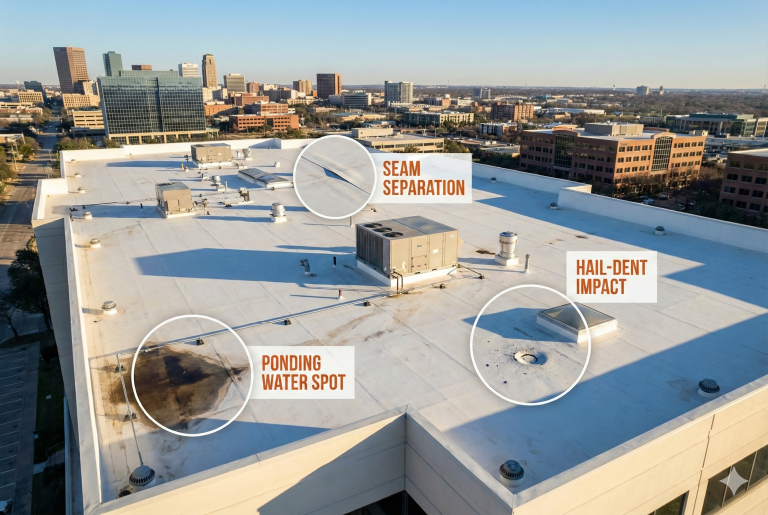
Regular maintenance of commercial roofs is essential for prolonging their lifespan and preventing costly repairs. Routine inspections can identify potential issues such as leaks, membrane damage, or debris accumulation, which can lead to significant problems if left unaddressed. By implementing a proactive maintenance plan, property managers can ensure their roofing systems remain in optimal condition.
For example, scheduling semi-annual inspections and cleaning sessions can help mitigate the impact of North Texas's severe weather conditions, such as hail and heavy storms. This approach not only enhances the roof's durability but also protects the overall structural integrity of the building, ultimately saving money in the long run.
Choosing the Right Commercial Roofing Contractor
Selecting a qualified commercial roofing contractor is a critical step in ensuring the quality and reliability of roofing services. Factors to consider include the contractor's experience, reputation, and specialization in commercial roofing systems. A reputable contractor will provide transparent estimates, detailed project timelines, and warranties that protect the investment.
For instance, seeking testimonials and case studies from previous clients can offer insights into a contractor’s workmanship and customer service. Additionally, verifying their licensing and insurance coverage ensures that property owners are protected from liabilities during the roofing project.
Local Climate Considerations for Roofing in North Texas
The unique climate of North Texas significantly influences the choice of commercial roofing systems. With high temperatures, strong winds, and occasional hail storms, roofing materials must be selected to withstand these conditions. Understanding local weather patterns helps property managers select materials that offer the best performance and longevity.
For example, reflective roofing materials can help reduce energy costs during the hot summer months, while reinforced systems may be necessary to withstand hail impacts. By considering these climate factors, businesses can optimize their roofing investments for better performance and durability.