Common Commercial Roofing Materials
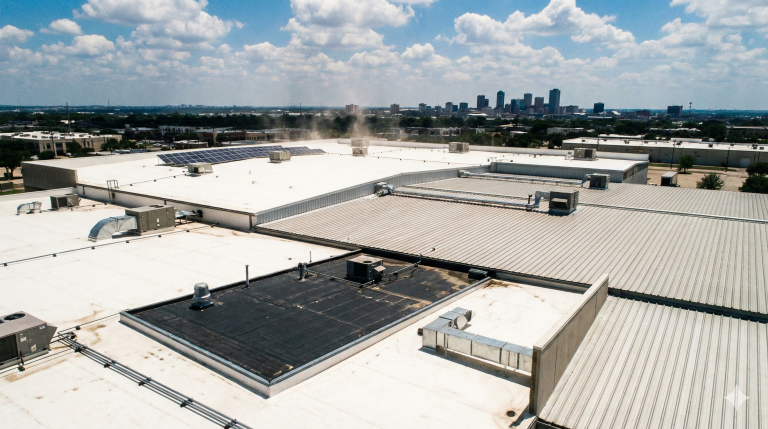
When selecting a commercial roofing system, understanding the various materials available is essential for making an informed choice. Common options include TPO, EPDM, PVC, and built-up roofing, each offering unique benefits and drawbacks depending on the specific needs of a building.
For instance, TPO (Thermoplastic Olefin) is known for its energy efficiency and cost-effectiveness, making it a popular choice for flat roofs. Conversely, EPDM (Ethylene Propylene Diene Monomer) is renowned for its durability and resistance to weather extremes, making it suitable for various commercial applications.
Impact of Local Regulations on Roofing Choices
Local building codes and regulations play a crucial role in determining the types of roofing systems that can be installed in the DFW area. Property managers must be aware of these regulations to ensure compliance and avoid potential fines or costly modifications.
For example, certain materials may be mandated for fire safety, while others may be required to meet energy efficiency standards. Understanding these regulations can help property managers make choices that not only comply with the law but also enhance the building's performance and longevity.
Innovative Roofing Technologies for Commercial Properties
The commercial roofing industry is continually evolving, with innovative technologies emerging to improve performance and sustainability. These advancements often focus on energy efficiency, durability, and environmental impact, providing property managers with more choices than ever.
For example, cool roofing technologies reflect more sunlight and absorb less heat, leading to reduced energy costs and improved indoor comfort. Additionally, green roofing options, which incorporate vegetation, can enhance building aesthetics while providing insulation and stormwater management benefits.
Seasonal Roofing Maintenance Tips for DFW Property Managers
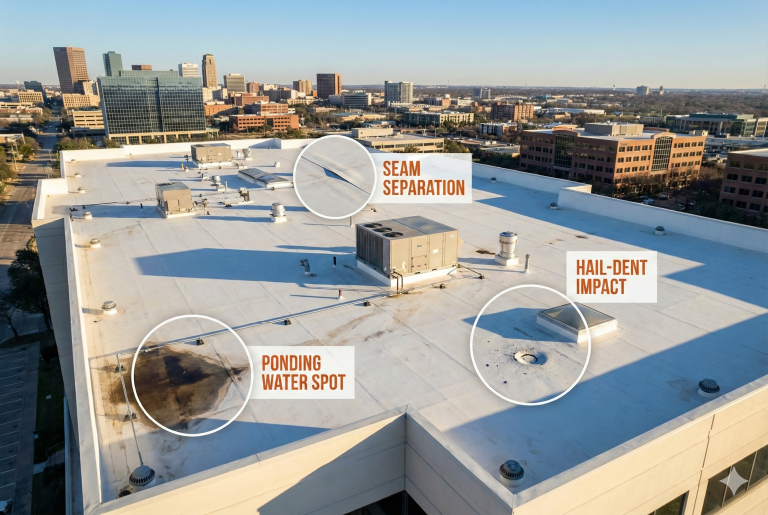
Seasonal maintenance is vital for ensuring the longevity and performance of commercial roofs, especially in the DFW area where weather conditions can vary significantly. Property managers should implement a proactive maintenance schedule that addresses specific seasonal challenges.
For instance, during the spring, it's essential to clear debris and check for damage caused by winter storms, while fall maintenance should focus on preparing roofs for potential winter weather. Regular inspections and timely repairs can prevent costly issues down the line, ensuring the roof remains in optimal condition year-round.