Understanding Different Roofing Materials
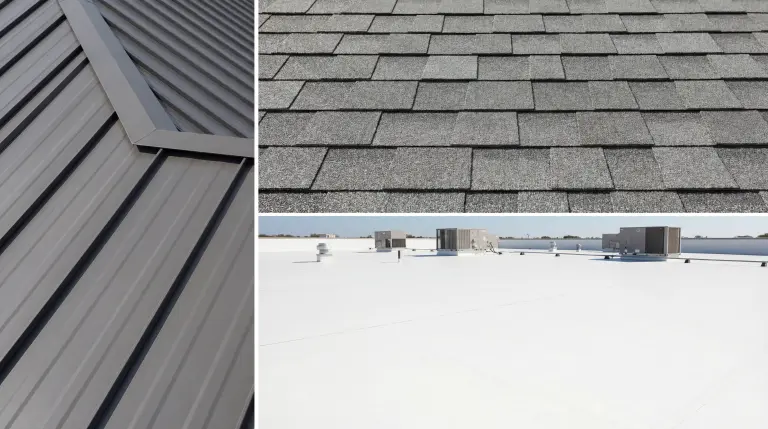
Choosing the right roofing material is crucial for ensuring the longevity and performance of your home. Texas homeowners should consider materials such as asphalt shingles, metal roofing, tile, and slate, each offering unique benefits and aesthetics tailored to the local climate.
For instance, asphalt shingles are popular due to their affordability and ease of installation, while metal roofing provides superior durability and energy efficiency. Understanding these options helps homeowners make informed decisions that align with their budget and design preferences.
Common Roofing Issues in Texas
Texas homeowners often face specific roofing challenges due to the state's diverse weather conditions. Issues such as hail damage, heat-related wear, and improper installation can significantly impact the integrity of a roof.
For example, hailstorms can create dents and punctures in roofing materials, leading to leaks if not addressed promptly. Regular inspections and maintenance are essential to identify and resolve these problems before they escalate, ensuring the roof remains in optimal condition.
How to Choose a Roofing Contractor
Selecting a reliable roofing contractor is vital for achieving quality workmanship and peace of mind. Homeowners should look for licensed, insured, and experienced professionals who can provide references and detailed estimates.
Additionally, checking online reviews and ratings can offer insights into a contractor's reputation. It's also wise to ask about warranties on both materials and labor, ensuring that the investment in roofing services is protected over time.
Preparing for a Roof Replacement
Preparing for a roof replacement involves several important steps to ensure a smooth process. Homeowners should start by scheduling a consultation to assess their roofing needs and discuss material options with their contractor.
Moreover, it’s important to clear the area around the home to allow for safe and efficient work. This includes moving vehicles, covering plants, and securing outdoor furniture, which helps prevent damage during the roofing project.
Understanding Different Roofing Materials
Choosing the right roofing material is crucial for ensuring the longevity and performance of your home. Texas homeowners should consider materials such as asphalt shingles, metal roofing, tile, and slate, each offering unique benefits and aesthetics tailored to the local climate.
For instance, asphalt shingles are popular due to their affordability and ease of installation, while metal roofing provides superior durability and energy efficiency. Understanding these options helps homeowners make informed decisions that align with their budget and design preferences.
Common Roofing Issues in Texas
Texas homeowners often face specific roofing challenges due to the state's diverse weather conditions. Issues such as hail damage, heat-related wear, and improper installation can significantly impact the integrity of a roof.
For example, hailstorms can create dents and punctures in roofing materials, leading to leaks if not addressed promptly. Regular inspections and maintenance are essential to identify and resolve these problems before they escalate, ensuring the roof remains in optimal condition.
How to Choose a Roofing Contractor
Selecting a reliable roofing contractor is vital for achieving quality workmanship and peace of mind. Homeowners should look for licensed, insured, and experienced professionals who can provide references and detailed estimates.
Additionally, checking online reviews and ratings can offer insights into a contractor's reputation. It's also wise to ask about warranties on both materials and labor, ensuring that the investment in roofing services is protected over time.
Preparing for a Roof Replacement
Preparing for a roof replacement involves several important steps to ensure a smooth process. Homeowners should start by scheduling a consultation to assess their roofing needs and discuss material options with their contractor.
Moreover, it’s important to clear the area around the home to allow for safe and efficient work. This includes moving vehicles, covering plants, and securing outdoor furniture, which helps prevent damage during the roofing project.