The Texas Business Owner’s Guide to Commercial Roofing systems
Guide to Durable, Energy-Efficient Texas Commercial Roofing Systems
Choosing the right is more than a one‑time expense — it affects your facility’s uptime, energy bills, and long‑term building health. This guide lays out the common roof systems used across Texas, the advantages of each in our climate, and the maintenance and selection considerations that help you match a roof to your budget and operational needs. We’ll cover types of systems, how Texas weather shapes choices, what to weigh when deciding, upkeep tips for longer service life, and the commercial roofing trends to watch in 2024 and beyond.
What Are the Most Common Types of Commercial Roofing Systems in Texas?
Businesses across Texas choose from several proven commercial roofing systems. Each offers different strengths depending on your building, budget, and exposure. The most common choices are:
- TPO Roofing: Thermoplastic Olefin (TPO) is a single‑ply membrane prized for its reflectivity and durability. TPO sheds heat to help lower cooling loads, which makes it a strong option for hot Texas summers.
- PVC Roofing: Polyvinyl Chloride (PVC) is another single‑ply membrane known for chemical and UV resistance. Its long service life and low maintenance needs make it a dependable choice for many commercial properties.
- Metal Roofing: Metal systems are exceptionally tough against hail, wind and fluctuating temperatures. They also reflect heat well and can offer the longest service life when properly installed.
- Modified Bitumen Roofing: This asphalt‑based system is modified for improved flexibility and temperature performance. It handles extreme swings in temperature and is a practical option for certain building types.
How Does TPO Roofing Benefit Texas Businesses?
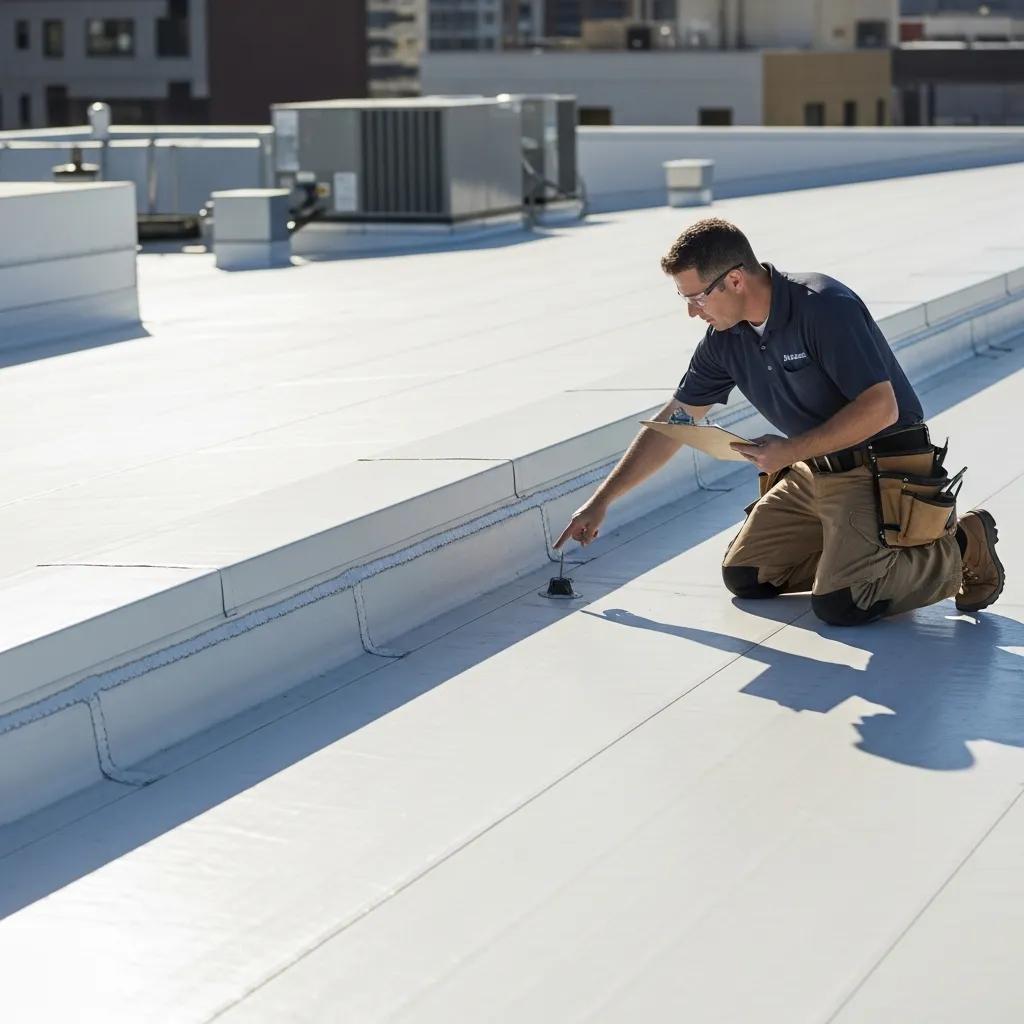
TPO stands out in Texas because its reflective surface reduces heat gain and lowers cooling costs. It’s also formulated to resist punctures and tears from foot traffic or storm debris, and installation and routine upkeep are typically less expensive than some other systems — which can make TPO a cost‑effective solution over the life of the roof.
What Are the Advantages of PVC Roofing for Texas Commercial Buildings?
PVC roofing is valued for long‑term durability and strong UV resistance, so it resists breakdown from sunlight and holds up well in our climate. It requires minimal routine maintenance, which is ideal for busy facility managers, and its energy‑saving properties help reduce cooling expenses over time. For sites exposed to chemicals or grease (like restaurants or manufacturing), PVC’s chemical resistance is a distinct benefit.
How Do Weather Conditions in Texas Affect Commercial Roofing Choices?
Texas weather — hot summers, strong sun, occasional hail and high winds — directly impacts which roofing systems perform best. Selecting materials that stand up to heat, UV exposure and storm damage is essential for keeping repair costs down and maximizing service life.
What Roofing Materials Offer the Best Resistance to Texas Hail and Wind?
When hail and wind are a concern, prioritize materials with high impact and uplift resistance. Metal roofs are naturally strong against impact, and properly detailed TPO and PVC systems are engineered to resist punctures and maintain seam integrity. Choosing systems with proven impact ratings and installing them to manufacturer specifications reduces repair frequency and extends useful life.
How Does UV Exposure Influence Roofing Material Selection in Texas?
Prolonged UV exposure accelerates material aging. That’s why UV‑resistant membranes and reflective surfaces are so important in Texas — they reduce heat absorption and slow degradation. TPO and PVC both reflect sunlight, and additional protective coatings can further improve UV resilience and extend roof longevity.
What Key Factors Should Texas Business Owners Consider When Choosing a Commercial Roof?
When evaluating roof options, focus on the elements that affect lifecycle cost and performance for your property.
- Energy Efficiency: Cool, reflective roofing and proper insulation lower cooling loads and operating costs in hot climates.
- Cost Implications: Compare upfront installation cost with expected maintenance and energy savings — a higher initial investment can pay off over the roof’s life.
- Longevity and Warranty: Look at expected lifespan and the warranty details. Longer warranties typically reflect confidence from the manufacturer and can provide valuable protection.
How Do Energy Efficiency and Cost Savings Impact Roofing Decisions?
Energy efficiency is a top consideration for Texas properties. Reflective membranes like TPO and PVC help cut monthly cooling bills and may qualify for local incentives or utility programs. Evaluate long‑term savings alongside installation cost to determine which system delivers the best total value for your building.
What Are the Longevity and Warranty Considerations for Texas Commercial Roofs?
Different materials come with different expected service lives: metal roofs commonly reach 40 years or more with proper care, while well-installed TPO and PVC membranes typically last 20–30 years. Warranty coverage varies by manufacturer and installer, so review exclusions, required maintenance, and transferability to ensure you’re adequately protected.
How Can Texas Businesses Maintain Their Commercial Roofs for Longevity?
Routine care keeps a roof performing and prevents small problems from becoming costly repairs. Implement a simple, regular maintenance plan.
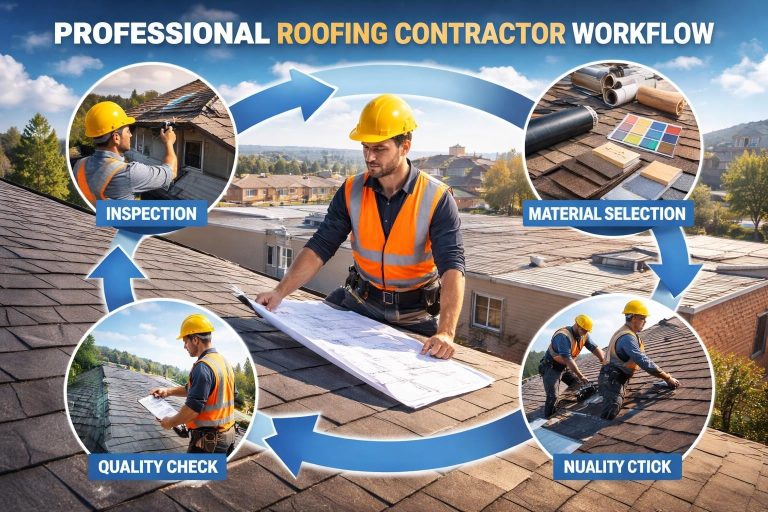
- Regular Inspections: Inspect roofs at least twice a year (spring and fall) and after major storms to catch issues early.
- Cleaning and Maintenance: Remove debris, clear drains and keep roof surfaces clean to avoid trapped moisture and premature wear. Clean roofs perform better thermally, too.
- Prompt Repairs: Fix minor problems quickly — small leaks, loose flashing or failed seams are easier and cheaper to address when caught early.
What Are the Best Practices for Regular Roof Inspections and Cleaning?
A good inspection covers seams, flashing, roof penetrations and drainage. Look for cracks, blisters, ponding water and loose or damaged materials. Clearing leaves and sediment from gutters and drains prevents backflow and water damage. A written checklist helps ensure inspections are thorough and consistent.
When Should Minor Repairs Be Addressed to Prevent Costly Damage?
Tackle repairs as soon as you notice signs like ceiling stains, visible cracks, or loose flashing. Delaying repairs can let water reach the building structure and cause expensive, extensive damage. Scheduling timely maintenance preserves the roof and protects the asset beneath it.
What Are the Latest Trends and Innovations in Commercial Roofing?
The commercial roofing industry continues to evolve with products and technologies that improve durability, efficiency and monitoring.
- Sustainable Materials: More projects use recycled content and low‑impact materials to reduce environmental footprint while improving performance.
- Smart Roofing Technology: Sensors and remote monitoring let owners track roof conditions in real time and address problems before they grow.
- Energy‑Efficient Solutions: Advances in reflective coatings and insulation help lower heat gain and energy use, pushing down operating costs.
How Are Sustainable and Energy-Efficient Materials Shaping Texas Roofing?
Sustainable roofing options — from recycled membranes to cool roofing systems — reduce heat absorption and can lower cooling expenses. They also support broader sustainability goals for businesses and may qualify for incentives or green building credits.
What Role Does Smart Roofing Technology Play in Commercial Roof Management?
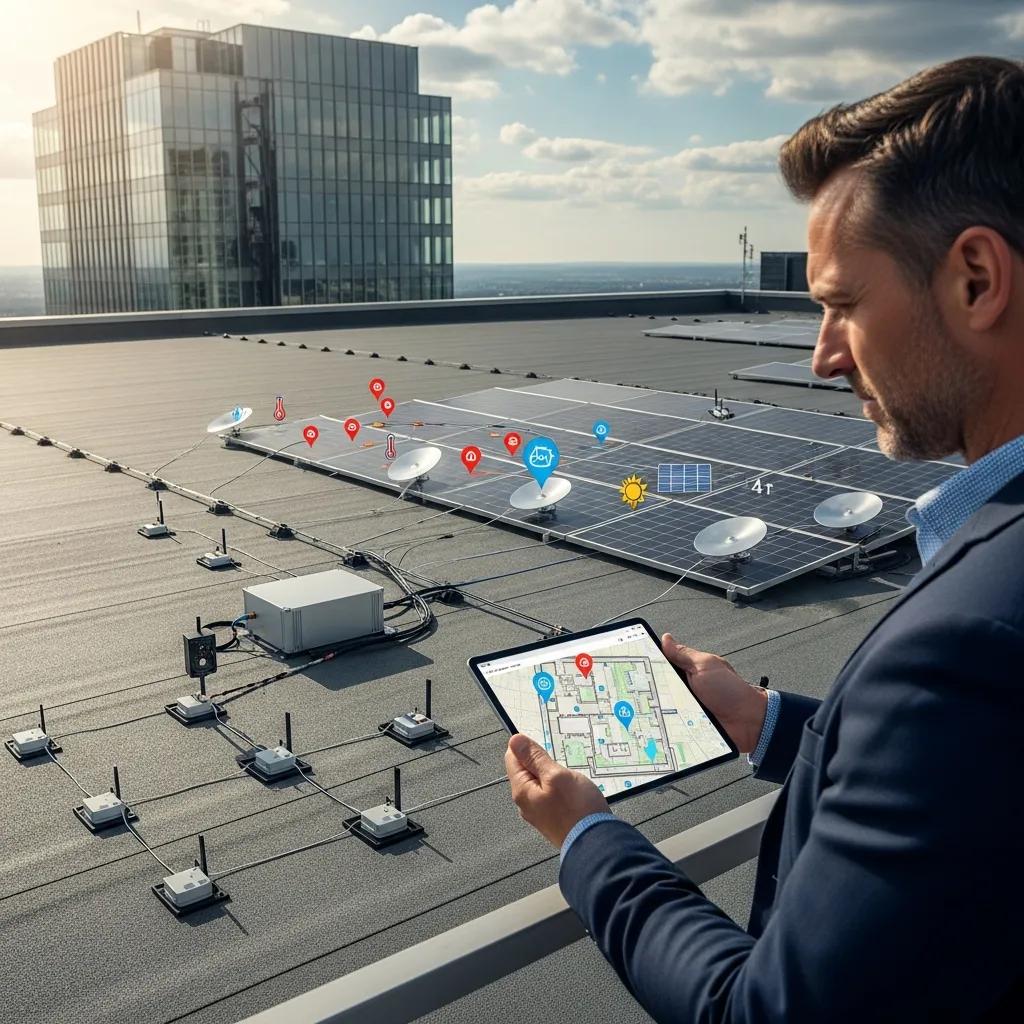
Smart roofing systems add a proactive layer to maintenance. Sensors can detect moisture, temperature changes or membrane movement and alert you before leaks or failures occur. That early warning reduces emergency repairs and extends roof life — a practical benefit for busy owners managing multiple facilities.
In short, knowing the strengths of each commercial roofing system and how Texas weather affects performance helps you choose the right solution. Consider energy efficiency, lifecycle cost, and maintenance needs to find a roof that protects your operations and stretches your investment over many years.