Conservatory Roof Replacement: Complete Guide
Conservatories add valuable living space to homes, but their roofs often become the weakest link over time. Temperature extremes, leaks, condensation, and outdated materials can transform what should be a comfortable room into an unusable space. A conservatory roof replacement offers homeowners the opportunity to modernize these structures with improved thermal efficiency, better weatherproofing, and enhanced year-round comfort. Understanding when to replace your conservatory roof, which materials to choose, and how to navigate the installation process ensures you make informed decisions that protect your investment and maximize the usability of your home.
Recognizing When Your Conservatory Needs a New Roof
Several warning signs indicate that your conservatory has reached the point where repairs are no longer sufficient. Persistent leaks represent one of the most obvious indicators, especially when water intrusion occurs during moderate rainfall rather than only during severe storms. Over time, the seals around polycarbonate or glass panels deteriorate, allowing moisture to penetrate and potentially damage interior finishes.
Temperature control issues signal another critical concern. If your conservatory becomes unbearably hot during summer months or freezing cold in winter, the roof's thermal performance has likely degraded significantly. Older polycarbonate roofs, in particular, offer minimal insulation value and often create greenhouse effects that make the space uncomfortable for large portions of the year.
Structural and Material Degradation
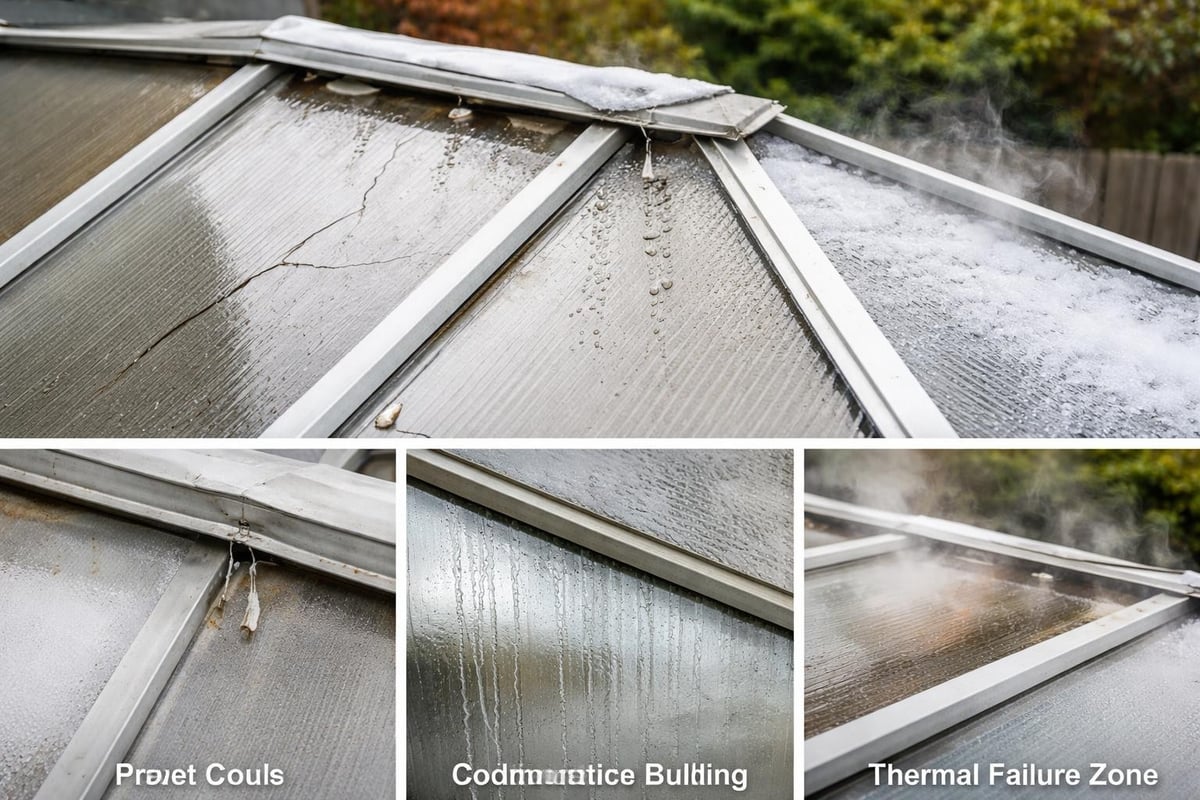
Visual inspection reveals additional problems that necessitate conservatory roof replacement. Discoloration, brittleness, or visible cracks in roofing panels indicate material failure that compromises both aesthetics and functionality. Polycarbonate panels become increasingly brittle with age and UV exposure, leading to cracks that allow water and air infiltration.
Condensation problems frequently plague conservatories with inadequate ventilation or poor thermal performance. When you notice persistent moisture buildup on the interior surface of roof panels, especially during temperature fluctuations, the roof system is failing to manage temperature differentials properly. This moisture creates ideal conditions for mold growth and can damage window frames, furniture, and other elements within the space.
The signs indicating the need for conservatory roof replacement help homeowners assess whether their current roof system can be salvaged through repairs or requires complete replacement to restore functionality.
Material Options for Modern Conservatory Roofs
Selecting the right roofing material dramatically impacts both the performance and appearance of your renovated conservatory. Modern options far exceed the capabilities of traditional polycarbonate systems, offering superior insulation, weatherproofing, and aesthetic appeal.
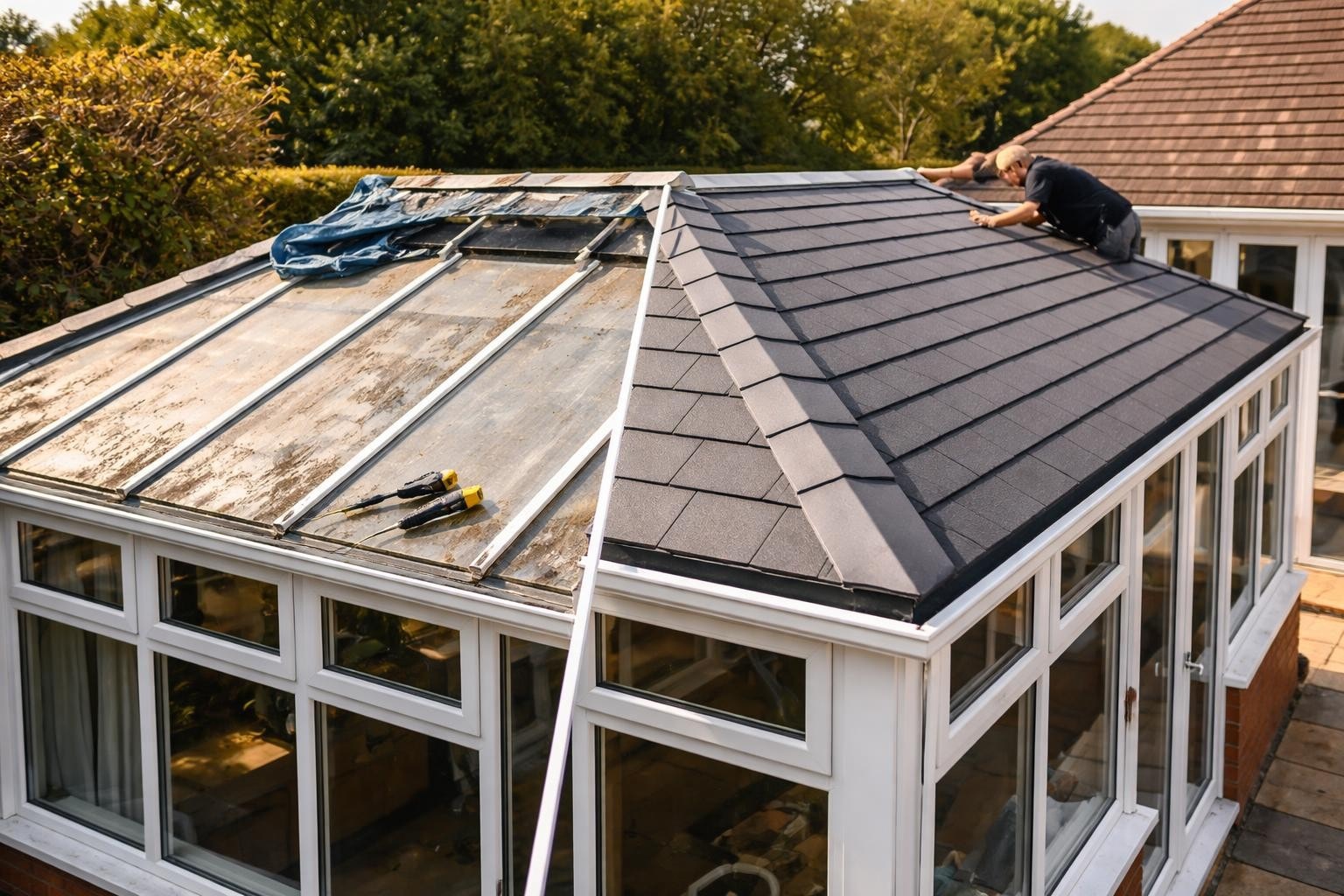
Tiled conservatory roofs have emerged as one of the most popular replacement options. These systems use lightweight composite tiles that replicate the appearance of traditional clay or slate while providing excellent thermal efficiency. The solid construction creates a room-like atmosphere, transforming the conservatory into a genuine extension of your home rather than a seasonal add-on.
Glass Roof Systems
Contemporary glass roofing systems represent another premium option for conservatory roof replacement. Unlike older single-pane glass, modern systems incorporate double or triple glazing with low-emissivity coatings that reflect heat while allowing natural light to flood the space. Self-cleaning glass options reduce maintenance requirements by using photocatalytic coatings that break down organic dirt when exposed to sunlight.
| Roof Type | Insulation Value | Light Transmission | Typical Cost Range | Best Application |
|---|---|---|---|---|
| Tiled System | Excellent | Moderate (requires rooflights) | $$$$ | Year-round living space |
| Glass (Double Glazed) | Very Good | Excellent | $$$ | Maintaining open, bright feel |
| Polycarbonate (Modern) | Good | High | $$ | Budget-conscious upgrades |
| Lantern/Skylight Hybrid | Excellent | Good | $$$$$ | Architectural focal point |
The choice between materials depends on your priorities regarding light, insulation, aesthetics, and budget. Different conservatory roof options offer distinct advantages that align with specific homeowner needs and architectural considerations.
Building Regulations and Safety Compliance
Any conservatory roof replacement project must comply with local building codes and safety standards. These regulations exist to ensure structural integrity, fire safety, and thermal performance meet minimum requirements for habitable spaces. Understanding these requirements before beginning work prevents costly mistakes and potential legal issues.
Structural load calculations form a critical component of compliance. The existing conservatory framework may require reinforcement to support heavier roofing materials like tiles or multiple layers of insulated glass. Professional assessment determines whether your current structure can safely accommodate the desired roofing system or needs enhancement.
Thermal Performance Standards
Building codes typically mandate specific U-values for roof insulation, measuring how effectively the roof resists heat transfer. Modern replacement conservatory roof systems must achieve these standards to qualify as compliant installations. Higher-quality systems often exceed minimum requirements, delivering better energy efficiency and comfort.
Fire safety regulations also impact material selection and installation methods. Roofing materials must meet specific fire resistance classifications, particularly for conservatories attached to main dwelling structures. Using non-compliant materials or installation techniques creates serious safety hazards and potential liability issues.
Working with approved installers who understand building regulations for conservatory roofs ensures your project meets all legal requirements. These professionals handle necessary permits, inspections, and documentation that protect both immediate safety and long-term property value.
Installation Process and Timeline Expectations
Understanding the conservatory roof replacement process helps homeowners prepare appropriately and set realistic expectations. While specific timelines vary based on project complexity and weather conditions, most installations follow a predictable sequence of steps.
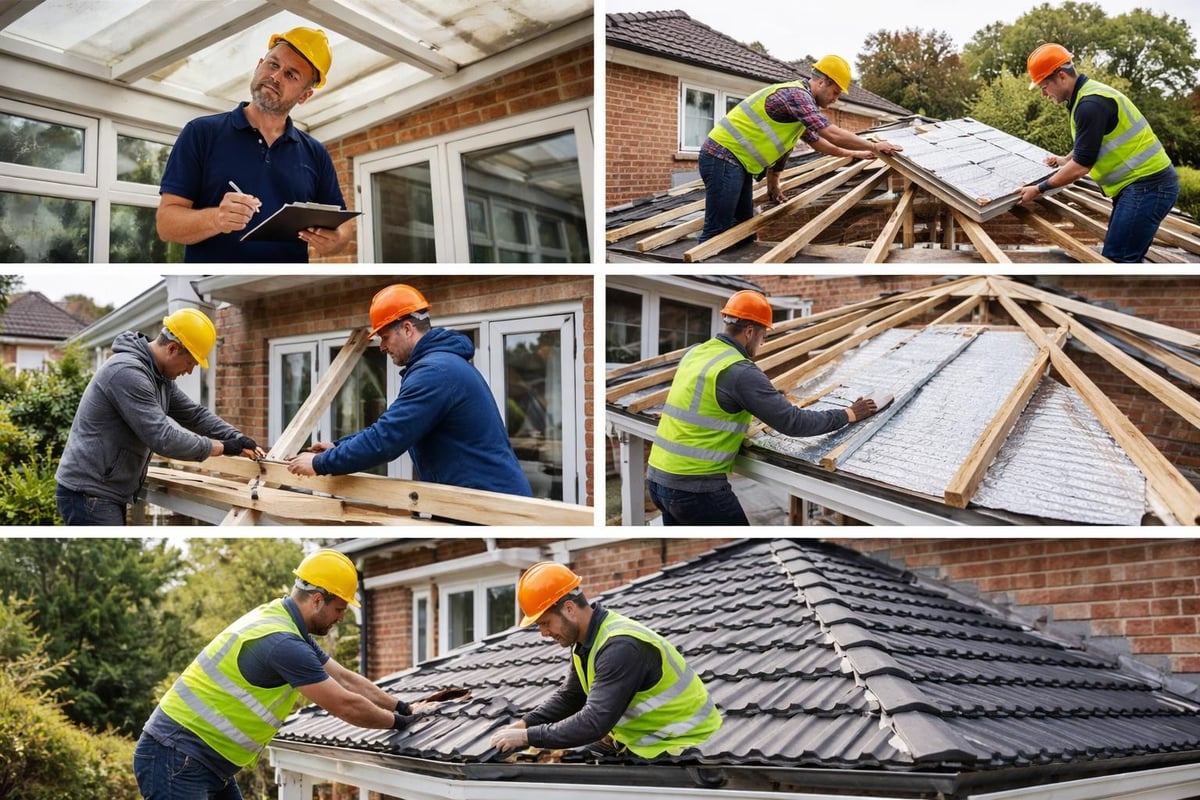
The process typically begins with a thorough assessment of the existing structure. Professionals evaluate the condition of support beams, wall plates, and foundation elements to determine what modifications or reinforcements are necessary. This inspection also identifies any hidden damage from previous leaks or structural settling that requires attention before installing the new roof.
Removal and Preparation
Once planning is complete, crews remove the existing roof panels and associated hardware. This phase requires careful handling to prevent damage to the conservatory frame and adjacent structures. Experienced teams protect surrounding areas with tarps and barriers, maintaining clean work zones throughout the project.
- Initial assessment and measurements – Detailed evaluation of existing structure and precise measurements for custom roof components
- Structural reinforcement – Installation of additional support beams or wall plate enhancements as needed
- Old roof removal – Careful dismantling and disposal of existing panels, flashings, and fixtures
- Framework preparation – Cleaning, repairs, and modifications to accept new roofing system
- New roof installation – Sequential installation of insulation, waterproofing membranes, and finished roofing materials
- Finishing details – Installation of gutters, flashings, vents, and interior ceiling finishes
- Final inspection and cleanup – Quality verification and complete site restoration
Most conservatory roof replacement projects require three to seven days for completion, depending on size and complexity. Weather delays can extend this timeline, particularly for projects requiring multiple dry days for proper sealing and adhesive curing.
Cost Factors and Budget Planning
Conservatory roof replacement represents a significant investment, with costs varying widely based on multiple factors. Understanding these variables helps homeowners develop accurate budgets and make informed decisions about material selection and project scope.
Size and complexity directly impact total project costs. Larger conservatories require more materials and labor hours, while complex roof geometries with multiple angles or custom features increase both material waste and installation difficulty. Simple lean-to designs typically cost less than Victorian, Edwardian, or custom-shaped conservatories.
Material and Labor Components
Material selection represents the largest variable in project pricing. Premium glass systems with advanced coatings and multiple glazing layers cost substantially more than basic polycarbonate upgrades. Tiled roof systems fall in the middle range, offering excellent performance at moderate pricing compared to high-end glass options.
- Basic polycarbonate replacement: Entry-level option with improved performance over original materials
- Mid-range tiled systems: Balanced approach combining solid insulation with aesthetic appeal
- Premium glass systems: Maximum light transmission with superior thermal efficiency
- Custom hybrid designs: Combination of materials optimized for specific sections of the roof
Labor costs reflect the expertise required for proper installation. Quality contractors charge professional rates but deliver installations backed by warranties and insurance coverage. The process of replacing a conservatory roof demands specialized skills that justify these costs through long-term performance and reliability.
Additional expenses often include structural reinforcement, building permits, disposal fees for old materials, and interior finishing work. When budgeting, allocate contingency funds for unexpected issues discovered during the removal phase, such as hidden rot or structural deficiencies requiring correction.
Energy Efficiency and Comfort Improvements
One of the most compelling reasons for conservatory roof replacement involves the dramatic improvements in energy efficiency and year-round comfort. Modern roofing systems incorporate advanced materials and design principles that transform previously unusable spaces into comfortable, functional rooms.
Thermal insulation represents the primary performance upgrade. Contemporary roof systems achieve U-values of 0.15 to 0.18 W/m²K, compared to 1.5 to 2.0 W/m²K for older polycarbonate roofs. This ten-fold improvement in insulation dramatically reduces heat loss during winter and heat gain during summer, creating stable interior temperatures.
Condensation Control and Ventilation
Proper ventilation integration prevents the condensation problems that plague many older conservatories. Modern roof designs incorporate ridge vents, eave vents, and sometimes powered ventilation systems that maintain appropriate air circulation. This airflow removes excess moisture before it condenses on cold surfaces, eliminating the damp conditions that promote mold growth.
Advanced glazing technologies further enhance performance. Low-emissivity coatings reflect infrared radiation while allowing visible light to pass through, keeping conservatories cooler in summer without sacrificing natural illumination. Some systems incorporate solar control features that actively manage heat gain based on sun angle and intensity.
The transformation in usability often surprises homeowners. Spaces that were previously too hot for summer use and too cold for winter comfort become functional year-round rooms. This expansion of usable living space effectively increases home value and functionality without the expense of traditional additions.
Selecting Qualified Installation Professionals
Choosing the right contractor makes the difference between a successful conservatory roof replacement and a problematic installation that creates ongoing issues. Several key factors distinguish qualified professionals from less capable alternatives.
Licensing and insurance form the foundation of contractor credibility. Legitimate roofing companies carry comprehensive liability insurance and workers' compensation coverage that protects homeowners from potential accidents or property damage during installation. Requesting proof of current insurance before signing contracts provides essential protection.
Experience and Specialization
Experience specifically with conservatory roofing matters significantly. While general roofing contractors understand basic principles, conservatory roof replacement requires specialized knowledge of these unique structures. Finding qualified conservatory roof installers ensures your project benefits from relevant expertise and proven techniques.
Ask potential contractors about their experience with your specific roof type and material preferences. Request references from recent similar projects and follow up with those homeowners to assess satisfaction levels. Quality contractors welcome these inquiries and provide multiple references without hesitation.
Documentation and warranties separate professional operations from questionable alternatives. Reputable companies provide detailed written proposals that specify materials, timelines, payment schedules, and warranty terms. Labor warranties should cover workmanship for at least five years, while material warranties depend on manufacturer terms.
For Fort Worth homeowners considering broader property improvements, understanding residential roofing services available in your area helps identify contractors capable of addressing multiple needs with consistent quality and accountability.
Maintenance Requirements for New Conservatory Roofs
Proper maintenance extends the lifespan of your conservatory roof replacement and preserves its performance benefits. While modern roofing systems require less attention than older designs, establishing regular maintenance routines prevents small issues from developing into major problems.
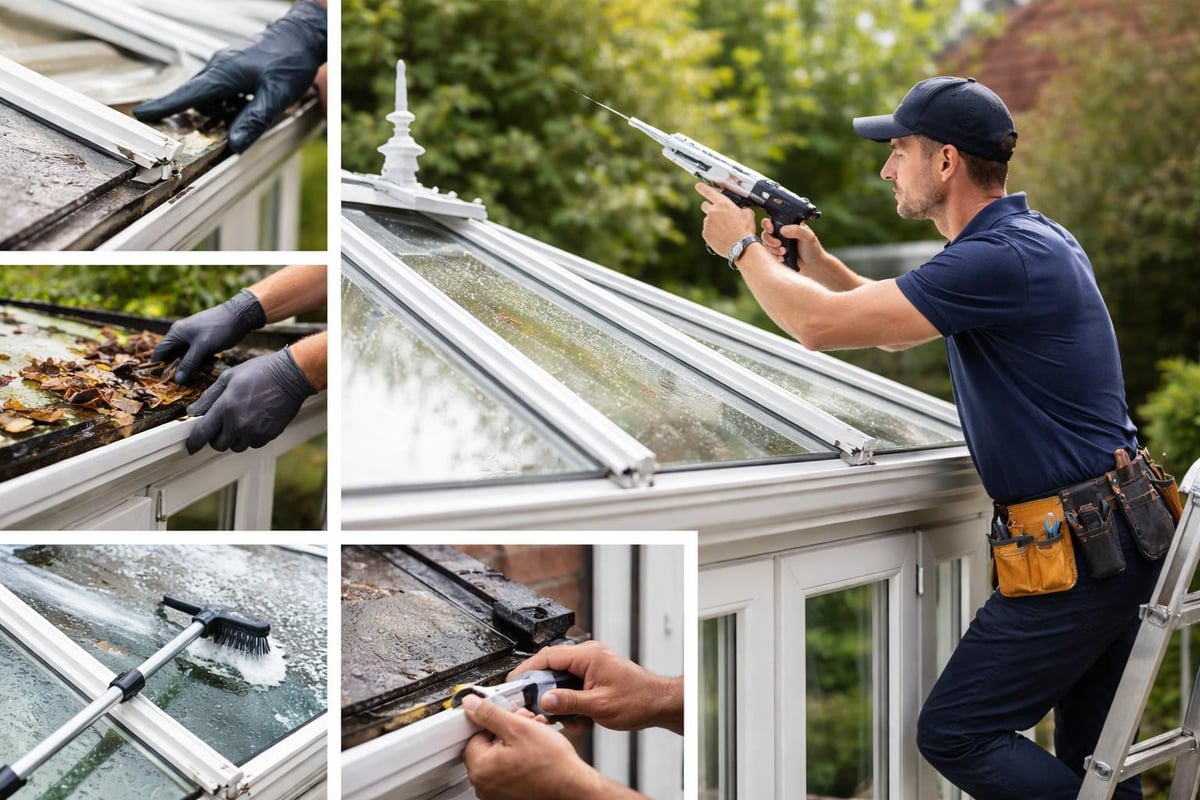
Annual inspections should examine all roof components for signs of wear or damage. Check seals around glazing panels, inspect flashings where the roof meets walls, and verify that gutters and downspouts remain clear and properly aligned. Early detection of minor issues allows simple repairs before water intrusion causes structural damage.
Cleaning and Debris Management
Regular cleaning maintains both appearance and functionality. Glass roofs benefit from periodic washing to remove dirt, pollen, and organic material that reduces light transmission. Self-cleaning glass reduces but doesn't eliminate this requirement. Tiled roofs need occasional inspection for moss or algae growth, though proper ventilation typically prevents these issues.
| Maintenance Task | Frequency | Purpose | DIY vs. Professional |
|---|---|---|---|
| Visual inspection | Quarterly | Identify developing issues | DIY |
| Gutter cleaning | Twice yearly | Prevent water backup | DIY |
| Glass cleaning | Annually | Maintain light transmission | Either |
| Seal inspection | Annually | Detect early deterioration | Professional |
| Structural assessment | Every 5 years | Verify long-term integrity | Professional |
Keep surrounding trees trimmed to prevent branch contact and reduce debris accumulation. Overhanging branches that scrape roof surfaces during wind events cause premature wear and create entry points for water. Regular pruning maintains appropriate clearances and reduces maintenance requirements.
Insurance Considerations and Coverage
Understanding how insurance policies address conservatory roof replacement helps homeowners navigate coverage questions and potential claims. Most standard homeowner's insurance policies treat conservatories as attached structures covered under dwelling protection, but specific terms vary significantly between policies.
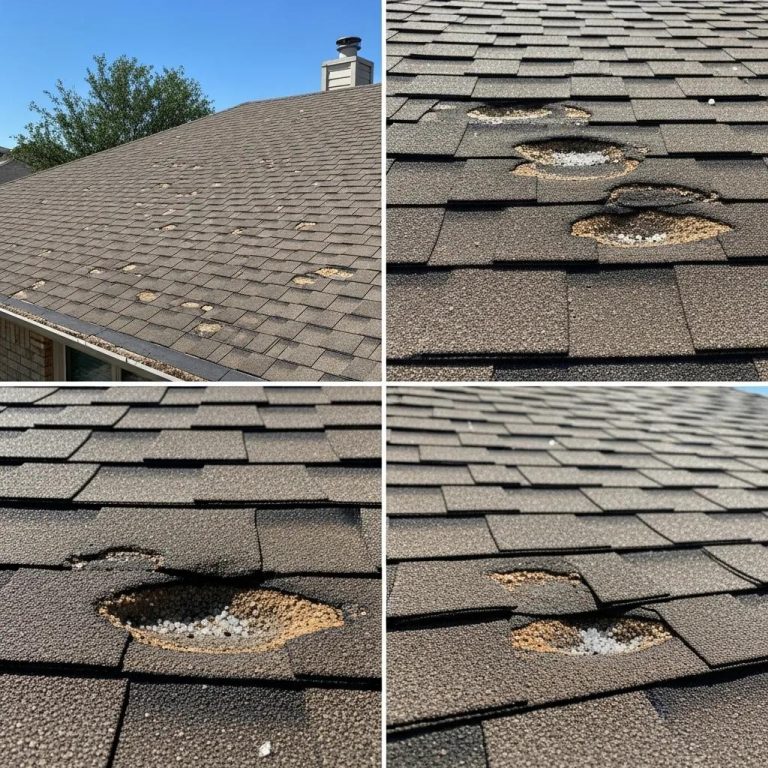
Damage from covered perils such as hail, wind, or falling trees typically qualifies for insurance claims. However, policies generally exclude damage from wear and tear, lack of maintenance, or gradual deterioration. This distinction means that while a storm-damaged roof may receive coverage, one failing due to age and normal use likely won't.
Documentation and Claims Process
When storm damage affects your conservatory roof, thorough documentation strengthens insurance claims. Photograph damage from multiple angles, preserve damaged materials as evidence, and obtain professional assessments that detail the extent and cause of damage. Insurance adjusters evaluate claims based on this documentation, making comprehensive records essential for favorable outcomes.
Working with roofing contractors experienced in insurance claims provides valuable assistance during the claims process. These professionals understand what documentation insurers require and can communicate effectively with adjusters to ensure complete damage assessment. Their detailed scopes of work and material specifications help prevent underpayment that leaves homeowners covering unexpected costs.
Some homeowners consider whether understanding insurance coverage for roof repairs applies equally to conservatory structures. While basic principles remain consistent, the unique characteristics of conservatory roofing sometimes create coverage questions that require clarification with your insurance provider before problems arise.
Safety Considerations During and After Installation
Safety concerns extend beyond building code compliance to encompass both installation practices and long-term structural integrity. Understanding safety aspects of replacement conservatory roofs helps homeowners make informed decisions that protect occupants and property.
Proper installation techniques ensure that new roofing systems integrate safely with existing structures. Adding significant weight to conservatory frames designed for lightweight materials creates serious hazards. Professional contractors calculate load capacities and reinforce structures appropriately, preventing future collapse risks.
Weather Protection During Installation
Installation scheduling should account for weather forecasts to minimize exposure risks. While complete projects typically span several days, professional crews implement weather protection measures that prevent water intrusion during the transition period. Temporary tarps, strategic sequencing, and contingency plans protect your home when unexpected weather arrives.
Post-installation safety involves ongoing awareness of roof condition and appropriate use. Avoid placing excessive weight on conservatory roofs, even those designed with solid construction. Regular inspections catch developing problems before they create dangerous conditions, maintaining the safety standards established during installation.
The Growing Market for Conservatory Upgrades
The conservatory roof replacement market continues expanding as homeowners recognize the transformation potential these projects offer. Market trends in conservatory roof replacements reflect increasing demand for solutions that convert underperforming spaces into year-round living areas that genuinely extend home functionality.
This growth stems partly from the aging of conservatory installations completed during peak popularity periods in previous decades. Many of these structures now require major updates as original materials reach the end of their useful lives. Rather than removing conservatories entirely, homeowners increasingly choose roof replacement as a cost-effective renovation that preserves the space while eliminating performance problems.
Changing lifestyle preferences also drive demand. As home offices, fitness rooms, and flexible living spaces become more valuable, the ability to use conservatories throughout the year rather than seasonally justifies the investment in quality roof systems. Modern materials and installation techniques make these transformations more accessible and reliable than ever before.
Conservatory roof replacement transforms underperforming structures into comfortable, energy-efficient living spaces that expand your home's functionality year-round. By selecting appropriate materials, working with qualified installers, and maintaining proper documentation, homeowners protect their investment while significantly improving comfort and usability. Whether you're addressing storm damage, age-related deterioration, or simply ready to upgrade an outdated conservatory, Texcore Construction delivers the expertise, in-house crews, and transparent communication Fort Worth homeowners deserve. Our detailed assessments, quality craftsmanship, and five-year labor warranty ensure your roofing project delivers lasting performance you can trust.