How to Choose Contractors for Roofing Projects
Choosing the right contractors for roofing projects determines whether your investment protects your property for decades or creates costly problems within months. Whether you're managing a commercial building with a sudden leak or planning a residential reroof, the contractor you select impacts everything from project timeline and budget accuracy to workmanship quality and warranty reliability. Understanding how to evaluate roofing professionals, verify their credentials, and identify warning signs helps property owners make confident decisions that lead to successful outcomes. This guide walks through the essential factors that separate qualified contractors from those who put your property at risk.
Understanding What Defines Quality Contractors for Roofing
Not all roofing professionals operate with the same standards, training, or accountability. Quality contractors for roofing distinguish themselves through verifiable credentials, transparent business practices, and demonstrated expertise that goes beyond basic installation skills.
Licensing and Registration Requirements
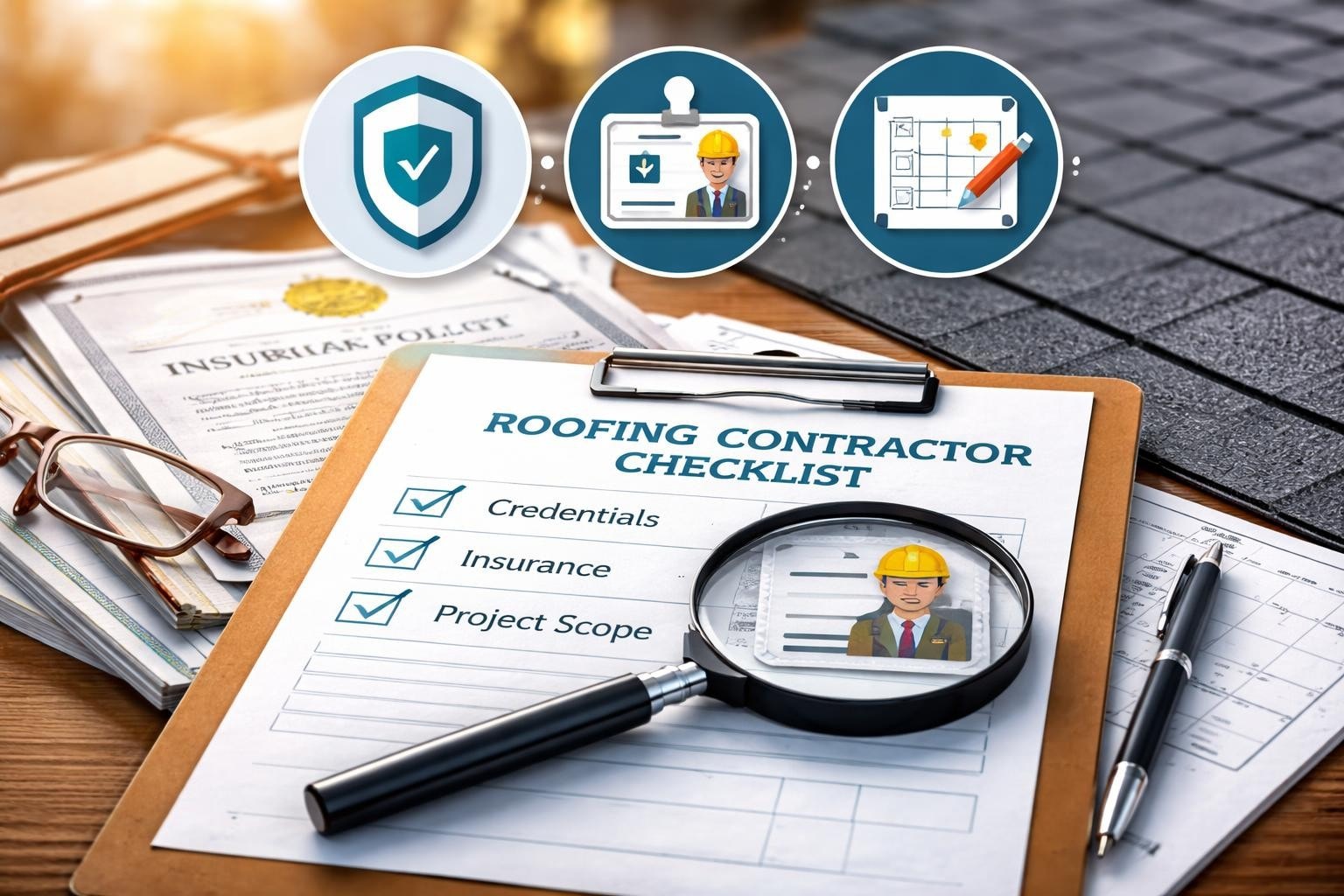
Roofing license requirements vary significantly by state and municipality. Some states mandate comprehensive licensing with experience thresholds, examinations, and continuing education, while others require only basic registration. Understanding roofing license requirements by state helps you verify that your contractor meets local legal standards before work begins.
Key licensing considerations include:
- State-level licensing requirements and examination standards
- Local permits and municipal registration obligations
- Specialty certifications for commercial versus residential work
- Active status verification through official government databases
Property owners should always confirm that contractors maintain current licenses where required. In Texas, for example, contractors must comply with local permitting requirements even though the state doesn't mandate a centralized roofing license.

Insurance Coverage and Financial Protection
Comprehensive insurance separates professional contractors for roofing from those operating with inadequate protection. Proper coverage protects both the contractor's business and your property throughout the project duration.
| Insurance Type | Coverage Purpose | Why It Matters |
|---|---|---|
| General Liability | Property damage and bodily injury | Protects against accidents on your property |
| Workers' Compensation | Employee injuries and medical costs | Prevents homeowner liability for crew injuries |
| Commercial Auto | Vehicle accidents during transportation | Covers material delivery and equipment transport |
| Commercial Umbrella | Extended liability limits | Additional protection for large-scale projects |
Request certificates of insurance directly from the provider, not just from the contractor. Verify that coverage remains active throughout your project timeline and that policy limits align with your project scope.
Evaluating Experience and Specialization
General construction experience doesn't automatically translate to roofing expertise. The best contractors for roofing demonstrate specific knowledge of roof systems, material compatibility, building codes, and weather-related challenges unique to your region.
Commercial Versus Residential Expertise
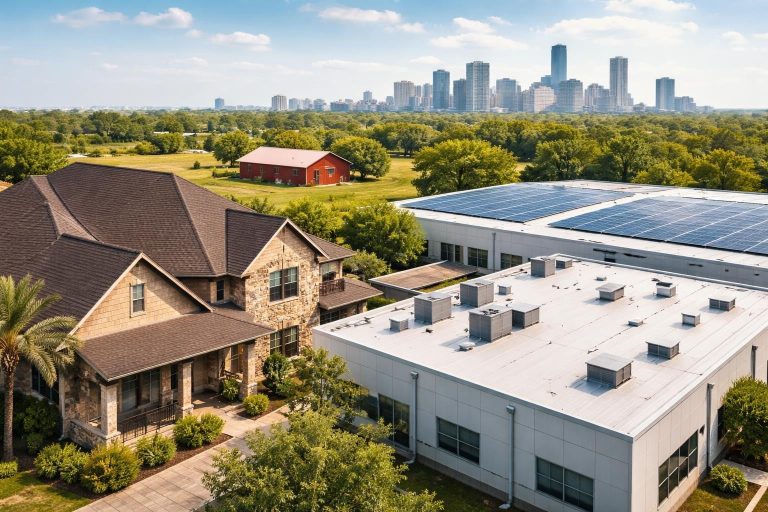
Commercial and residential roofing require different skill sets, equipment, and approaches. Commercial projects typically involve flat or low-slope systems, larger crews, and coordinated scheduling to minimize business disruption. Residential work focuses on pitched roofs, aesthetic considerations, and homeowner communication.
Contractors who specialize in your project type bring relevant experience with:
- Material systems appropriate for your building type
- Code compliance specific to commercial or residential structures
- Insurance documentation standards for your property class
- Project management approaches that match your timeline needs
When searching for commercial roofing contractors in Fort Worth, verify that candidates have completed similar projects in scale and complexity to yours.
Storm Response and Emergency Capabilities
Severe weather creates urgent roofing needs that require immediate response and specialized skills. Contractors for roofing who maintain emergency response capabilities demonstrate operational readiness through staffed crews, material inventory, and established protocols for urgent situations.
Emergency response indicators include:
- Same-day or next-day availability for leak assessment
- In-house crews rather than subcontractor dependency
- Material supply relationships for rapid procurement
- Temporary protection and weatherproofing capabilities
- Clear communication protocols for after-hours emergencies
Property managers and business owners particularly benefit from contractors who understand that emergency ceiling leak repair prevents secondary damage that multiplies repair costs.
Verifying Business Practices and Reputation
Professional contractors for roofing operate transparent businesses with documented processes, clear communication, and verifiable track records. Thorough vetting reveals how contractors handle challenges, honor commitments, and stand behind their work.
Documentation and Written Estimates
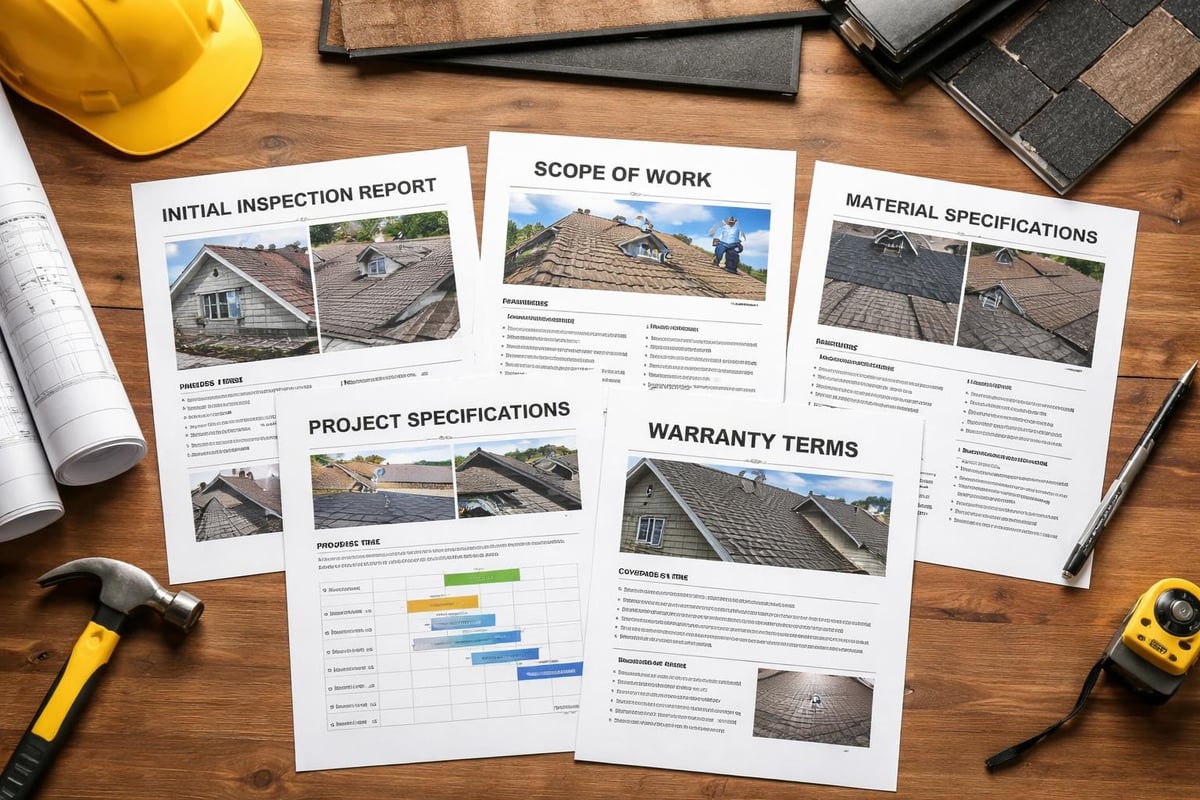
Detailed written documentation protects both parties and demonstrates professional standards. Comprehensive proposals should specify materials by manufacturer and model, labor scope broken down by task, project timeline with key milestones, and warranty coverage for both products and workmanship.
Avoid contractors who provide verbal estimates or single-line-item bids without material specifications. Vague proposals create opportunities for misunderstanding, scope disputes, and unexpected cost increases.
References and Completed Project Verification
Past performance predicts future results. Established contractors for roofing maintain portfolios of completed projects and client references willing to discuss their experiences.
When checking references, ask specific questions:
- Did the project finish on schedule and within budget?
- How did the contractor handle unexpected issues or changes?
- Was the job site maintained cleanly throughout the project?
- Did the contractor communicate proactively about progress?
- Would you hire this contractor again for future work?
Review online presence beyond testimonials. The National Roof Certification and Inspection Association’s guide emphasizes verifying credentials through multiple independent sources rather than relying solely on contractor-provided information.
Understanding Pricing Structure and Value
Cost represents one factor in contractor selection, but the lowest bid often signals cut corners, inexperienced crews, or inferior materials. Understanding how contractors for roofing structure pricing helps identify fair market rates and recognize suspiciously low quotes.
What Influences Roofing Project Costs
Multiple variables affect final project pricing beyond simple square footage calculations. Material quality, warranty coverage, removal requirements, structural repairs, and access difficulty all contribute to accurate estimates.
Major cost components include:
- Material selection and manufacturer warranty levels
- Labor rates reflecting crew experience and local market standards
- Disposal fees for existing roofing materials
- Structural repairs identified during inspection
- Permitting costs and inspection requirements
- Project management and administrative overhead
Reputable contractors provide transparent breakdowns that explain cost allocation. This transparency helps property owners understand value rather than simply comparing bottom-line numbers.
Payment Terms and Deposit Structures
Professional payment structures protect both parties while aligning with industry standards. Reasonable deposit requests typically range from 10 to 25 percent of total project cost, with progress payments tied to completion milestones.
| Payment Stage | Typical Percentage | Appropriate Timing |
|---|---|---|
| Initial Deposit | 10-25% | Contract signing and material ordering |
| Mid-Project Payment | 25-50% | Completion of tear-off and deck preparation |
| Near-Completion Payment | 25-35% | Installation complete, pending final inspection |
| Final Payment | 10-15% | Project completion and warranty documentation |
Be cautious of contractors demanding full payment upfront or offering significant discounts for cash payments. These practices often indicate financial instability or tax avoidance that suggests broader operational problems.
Recognizing Red Flags and Common Pitfalls
Certain warning signs consistently appear among problematic contractors for roofing. Recognizing these patterns helps property owners avoid costly mistakes and project failures.
Storm Chasers and Door-to-Door Solicitors
After severe weather events, out-of-area contractors flood affected regions seeking quick profits. These "storm chasers" often lack local licensing, provide substandard work, and disappear before warranty issues emerge. The Roofing Contractors Association of Texas warns about storm chasers and recommends hiring established local contractors with verifiable addresses and long-term presence.
Storm chasers typically exhibit these characteristics:
- Out-of-state license plates and contact information
- Pressure tactics emphasizing limited-time offers
- Offers to waive insurance deductibles or inflate claims
- Inability to provide local references or completed project addresses
- Reluctance to provide detailed written estimates
Working with established local contractors ensures accountability, warranty service, and familiarity with regional building codes and weather patterns.
Subcontractor Dependency and Crew Consistency
Many contractors for roofing operate as project brokers, hiring subcontractors for actual installation work. This model creates consistency problems, quality control challenges, and unclear accountability when issues arise.
Contractors who maintain in-house crews offer distinct advantages:
- Consistent quality standards across all projects
- Direct supervision and immediate issue resolution
- Clearer communication without intermediary layers
- Predictable scheduling without subcontractor availability constraints
- Simplified warranty service with the same crew handling repairs
Ask contractors directly whether they use in-house teams or subcontractors. Companies that employ their own licensed crews demonstrate commitment to quality control and professional development.
Insurance Claim Support and Documentation
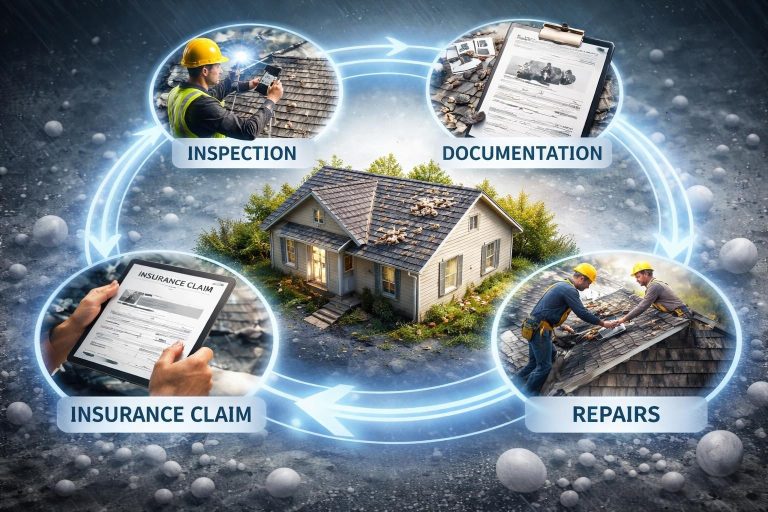
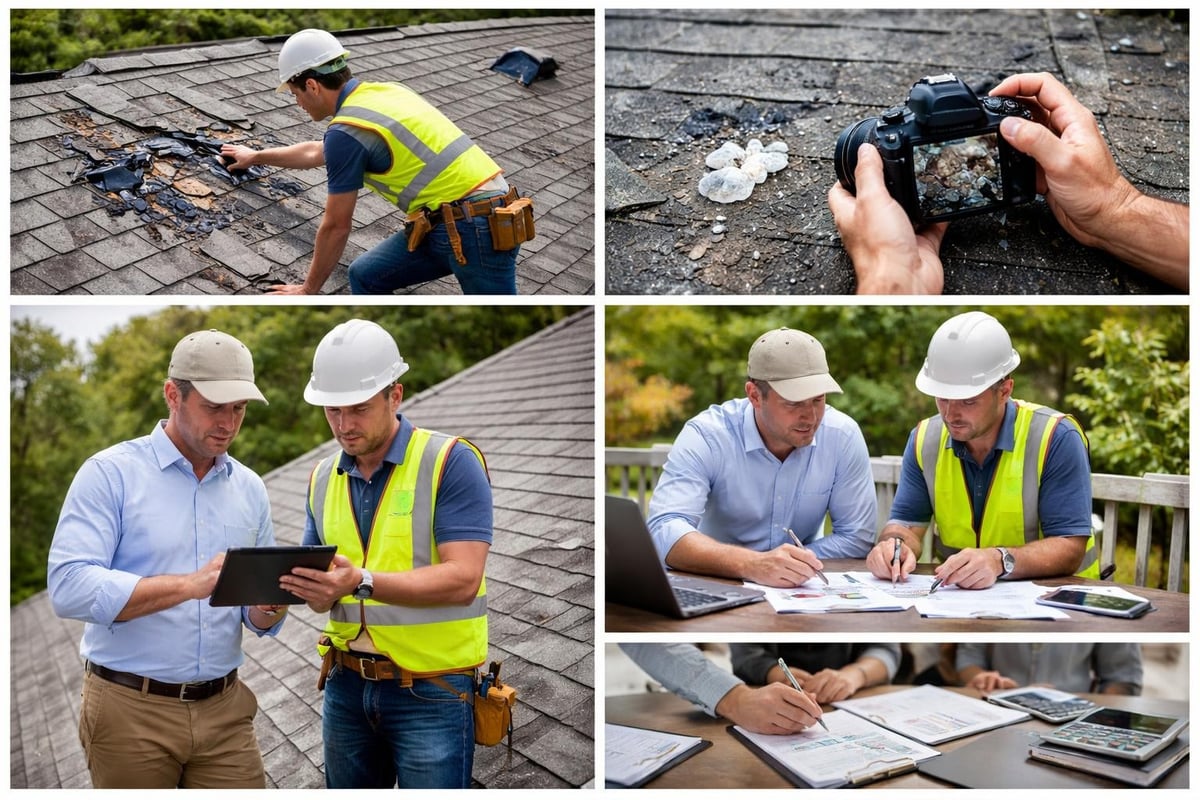
Property damage from storms, hail, or wind often triggers insurance claims requiring detailed documentation and contractor cooperation. Experienced contractors for roofing understand claim processes and provide documentation that supports successful outcomes.
Working with Insurance Adjusters
Professional contractors coordinate with insurance adjusters to ensure accurate damage assessment and appropriate scope development. This collaboration helps property owners receive fair settlements that cover necessary repairs rather than minimal patches.
Quality contractors provide:
- Detailed inspection reports with photographic documentation
- Itemized scopes of work aligned with insurance standards
- Material specifications that match adjuster requirements
- Supplemental documentation for hidden damage discovered during work
- Direct communication with adjusters when questions arise
Understanding how to claim roof leaks on insurance helps property owners navigate the process more effectively when working with contractors and adjusters.
Avoiding Insurance Fraud
While legitimate contractors for roofing help clients receive fair insurance settlements, unethical operators engage in fraud that jeopardizes both property owners and their coverage. Common fraudulent practices include inflating damage estimates, encouraging exaggerated claims, and offering to waive deductibles through artificially inflated invoices.
Property owners should refuse contractors who:
- Offer to pay insurance deductibles or advertise "free roofs"
- Suggest filing claims for pre-existing damage
- Promise specific insurance outcomes they cannot control
- Pressure immediate decisions before insurance inspections
- Request signatures on blank contracts or claim forms
Legitimate professionals educate clients about roof repair insurance processes without making guarantees about coverage outcomes or encouraging fraudulent claims.
Warranty Coverage and Long-Term Support
Comprehensive warranty protection distinguishes contractors for roofing who stand behind their work from those seeking quick profits without accountability. Understanding warranty types and limitations helps property owners evaluate true project value.
Material Versus Labor Warranties
Roofing warranties typically separate into manufacturer coverage for material defects and contractor coverage for installation workmanship. Both components matter, but labor warranties often prove more critical since installation errors cause most premature failures.
Material warranties cover manufacturing defects in shingles, membranes, or components. These warranties vary from 20 to 50 years depending on product quality, with coverage often prorated after initial periods.
Labor warranties protect against installation errors, leak development, and workmanship failures. Professional contractors offer substantial labor coverage, typically ranging from five to ten years, demonstrating confidence in their installation quality.
Warranty Service and Claims Process
Written warranty terms mean little without established processes for service delivery. Before selecting contractors for roofing, clarify how warranty claims work, response timeframes for leak calls, and whether the company maintains service departments for post-installation support.
Quality contractors maintain:
- Clear written warranty documentation with specific coverage terms
- Established protocols for warranty service requests
- Dedicated service teams or priority scheduling for warranty work
- Comprehensive records systems tracking completed projects
- Financial stability suggesting long-term business viability
Companies offering comprehensive roofing services typically maintain infrastructure supporting warranty obligations throughout coverage periods.
Making the Final Selection Decision
After evaluating credentials, reviewing proposals, and checking references, property owners must synthesize information into confident hiring decisions. The best contractors for roofing combine technical expertise with business professionalism and communication clarity.
Comparing Proposals Objectively
Create structured comparison frameworks evaluating all significant factors rather than focusing solely on price. Consider contractor qualifications, material specifications, project timeline, warranty coverage, and communication quality alongside cost.
| Evaluation Factor | Contractor A | Contractor B | Contractor C |
|---|---|---|---|
| License Status | Active, verified | Active, verified | Expired |
| Insurance Coverage | Full commercial limits | Minimum requirements | Unverified |
| Years in Business | 15+ years local | 3 years local | 6 months (out of state) |
| Crew Type | In-house employees | Mixed subcontractors | All subcontractors |
| Labor Warranty | 5 years written | 1 year verbal | No warranty offered |
| Total Investment | $28,500 | $24,000 | $19,500 |
This structured approach reveals that the lowest bid often correlates with reduced credentials, inferior materials, or inadequate warranty protection.
Trust Your Instincts About Communication
Beyond credentials and pricing, evaluate how contractors communicate throughout the selection process. Responsive, clear communication during bidding predicts project communication quality. Contractors who answer questions thoroughly, explain technical details clearly, and respond promptly demonstrate professionalism that carries through to project execution.
The National Roofing Contractors Association provides guidelines for selecting contractors that emphasize both technical qualifications and professional business practices as equally important selection criteria.
Regional Considerations and Local Expertise
Geographic location influences roofing requirements through climate patterns, building codes, material availability, and weather challenges. Contractors for roofing with established local presence understand regional factors that affect material selection, installation techniques, and long-term performance.
Climate-Specific Material Knowledge
Regional weather patterns determine appropriate roofing materials and installation methods. Contractors working exclusively in your climate understand which materials perform reliably under local conditions and which create premature failure risks.
Texas contractors, for example, specify materials resistant to:
- Extreme temperature fluctuations between seasons
- Intense UV exposure during extended summer periods
- Hail damage from severe thunderstorm activity
- Wind uplift from strong frontal systems
- Moisture management during intense rainfall events
Understanding the best commercial roofing options for Texas requires knowledge of regional performance data that out-of-area contractors lack.
Building Code Familiarity
Local building codes establish minimum standards for materials, installation methods, structural requirements, and safety protocols. Contractors for roofing who regularly work in your jurisdiction navigate permitting processes efficiently and ensure code compliance without delays or reinspection requirements.
Experienced local contractors understand:
- Current code editions adopted by local jurisdictions
- Permit application requirements and approval timelines
- Inspection protocols and common compliance issues
- Wind rating requirements for your specific location
- Drainage standards and structural load calculations
This familiarity accelerates project timelines and prevents costly corrections during inspections.
Emergency Response and Service Availability
Roofing emergencies don't follow business hours or convenient schedules. Contractors for roofing who maintain emergency response capabilities provide critical value when unexpected leaks threaten property damage, business interruption, or safety hazards.
After-Hours Availability
Professional contractors establish clear protocols for emergency contact, after-hours response, and urgent repair coordination. This infrastructure demonstrates commitment to client service beyond standard project delivery.
Look for contractors offering:
- Published emergency contact numbers with actual response
- Clear timeframes for emergency assessment and temporary repairs
- Established material sources for urgent procurement
- Crew availability for same-day or next-day mobilization
- Transparent emergency service pricing without price gouging
Property managers particularly value contractors who understand that minimizing business disruption justifies premium pricing for rapid emergency response.
Preventive Maintenance Programs
Beyond emergency repairs, forward-thinking contractors for roofing offer preventive maintenance programs that identify minor issues before they become major problems. Regular inspections, drainage cleaning, and minor repairs extend roof lifespan and prevent emergency situations.
Maintenance programs typically include:
- Scheduled semi-annual or quarterly inspections
- Debris removal and drainage system cleaning
- Minor sealant repairs and flashing adjustments
- Detailed condition reports with photographic documentation
- Priority scheduling for identified repair needs
These proactive approaches prove particularly valuable for commercial property managers balancing multiple building responsibilities.
Selecting qualified contractors for roofing requires evaluating credentials, verifying insurance coverage, assessing communication quality, and understanding regional expertise beyond simple price comparison. When you need dependable roofing solutions backed by in-house crews, comprehensive warranties, and transparent communication, Texcore Construction delivers the speed, accountability, and craftsmanship that Fort Worth property owners trust for both emergency repairs and planned reroofing projects.