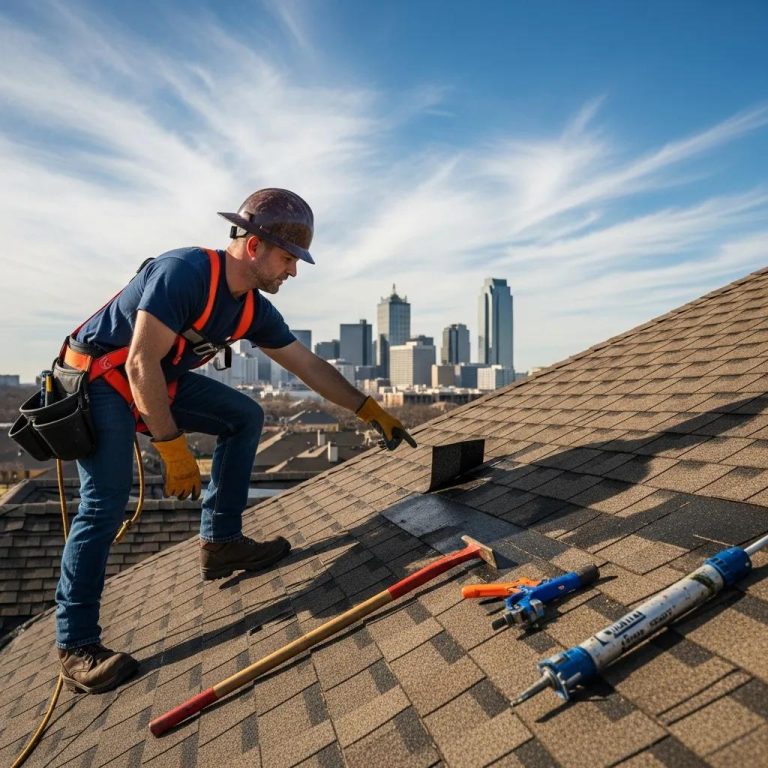
Contractors Roofing: Expert Guide to Quality Work
Finding the right professional for your roofing project can feel overwhelming. The contractors roofing industry encompasses a wide range of specializations, from emergency leak repairs to full-scale commercial installations. Property owners need experts who combine technical skill with accountability, transparent communication, and proven craftsmanship. Whether you're managing a commercial facility or protecting your home, understanding what separates exceptional roofing contractors from average service providers helps you make informed decisions that protect your investment for years to come.
What Defines Professional Contractors Roofing
Professional roofing contractors operate with a distinct combination of credentials, experience, and operational standards that directly impact project outcomes.
Licensing and Insurance Requirements
Every legitimate contractors roofing operation maintains proper licensing and comprehensive insurance coverage. These credentials aren't mere formalities; they protect property owners from liability and ensure contractors meet baseline competency standards. Licensed contractors demonstrate knowledge of building codes, safety regulations, and industry best practices established by organizations like the National Roofing Contractors Association.
Insurance coverage should include:
- General liability protection
- Workers' compensation for all crew members
- Property damage coverage
- Commercial auto insurance for service vehicles
Property owners should always verify these credentials before signing contracts. Unlicensed operators may offer lower prices, but they expose clients to significant financial and legal risks if accidents or faulty workmanship occur.
In-House Crews Versus Subcontractor Models
The staffing model significantly affects project quality and accountability in contractors roofing services.
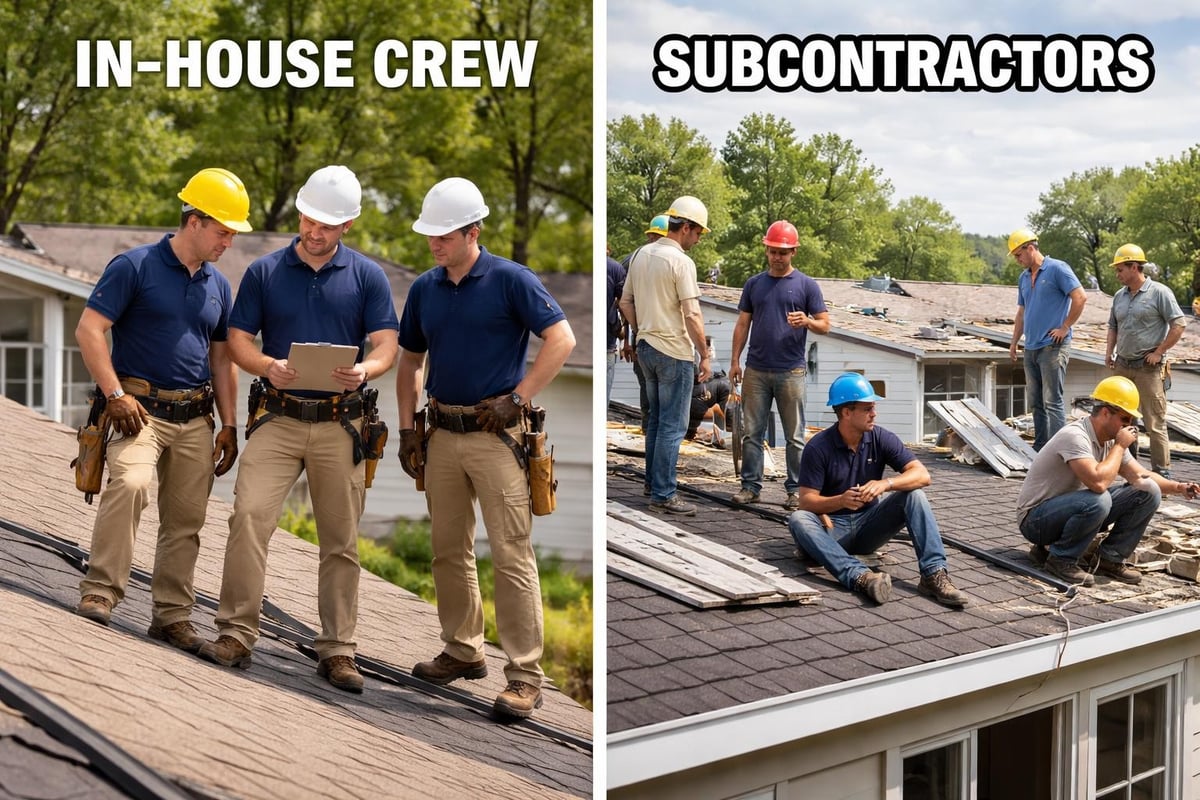
Companies using in-house teams maintain direct oversight of every worker on your property. This control translates to consistent quality standards, clearer communication channels, and accountability when issues arise. When problems occur, you work with the same company that performed the installation.
Subcontractor-dependent operations fragment responsibility. The company you hire may never set foot on your roof. Multiple parties complicate warranty claims, quality concerns, and project timelines. Optimizing roofing business operations requires either strong in-house capabilities or exceptionally well-managed subcontractor relationships, which few companies achieve consistently.
| Staffing Model | Quality Control | Communication | Accountability | Project Consistency |
|---|---|---|---|---|
| In-House Crews | Direct oversight | Single point of contact | Clear responsibility | High |
| Subcontractors | Indirect management | Multiple contacts | Fragmented | Variable |
| Hybrid Approach | Partial control | Moderate complexity | Shared responsibility | Medium |
Core Services in Commercial and Residential Roofing
Understanding the full scope of contractors roofing services helps property owners identify comprehensive providers capable of handling diverse needs.
Emergency Response and Leak Repairs
Storm damage and unexpected leaks demand immediate attention to prevent escalating damage to building interiors, inventory, and structural elements. Professional contractors maintain response capabilities that include 24/7 availability, rapid assessment protocols, and temporary protection measures.
Same-day commercial roof leak repairs require specialized skills and readily available materials. Contractors who prioritize emergency response keep common roofing materials in stock, maintain dedicated emergency crews, and follow systematic diagnostic processes to identify leak sources quickly. This responsiveness minimizes business interruption and prevents secondary damage that multiplies repair costs.
For property managers and business owners, emergency roofing services represent critical infrastructure support that protects operations and assets.
Full Roof Replacement Projects
Complete reroofing projects involve significantly more complexity than repairs. Professional contractors roofing teams approach these projects through structured phases that ensure quality outcomes.
Typical project phases include:
- Comprehensive inspection to assess existing conditions and substrate integrity
- Detailed scope development with material specifications and timeline projections
- Permitting and code compliance verification before work begins
- Complete removal of existing roofing systems when appropriate
- Substrate preparation including necessary repairs to decking or structural elements
- New system installation following manufacturer specifications
- Quality verification through inspections at critical installation stages
- Final documentation including warranty registration and maintenance guidance
Best practices for commercial roofing installations emphasize the importance of proper substrate preparation and manufacturer-specified installation techniques that many contractors skip to save time.
Insurance Claim Support and Documentation
Storm events affecting roofs often trigger insurance claims requiring detailed documentation and technical knowledge. Experienced contractors roofing professionals understand adjuster expectations and provide the evidence necessary for fair claim settlements.
This support includes detailed damage assessments, photographic documentation, material cost breakdowns, and technical explanations of necessary repairs versus cosmetic concerns. Contractors familiar with insurance claims roofing processes help property owners navigate complex claim requirements and avoid common pitfalls that lead to underpayment or claim denials.
Quality Indicators in Contractors Roofing Work
Distinguishing superior craftsmanship from adequate work requires understanding specific quality markers that appear throughout the roofing process.
Material Selection and Specifications
Professional contractors match roofing materials to building requirements, climate conditions, and performance expectations rather than defaulting to the cheapest available options.
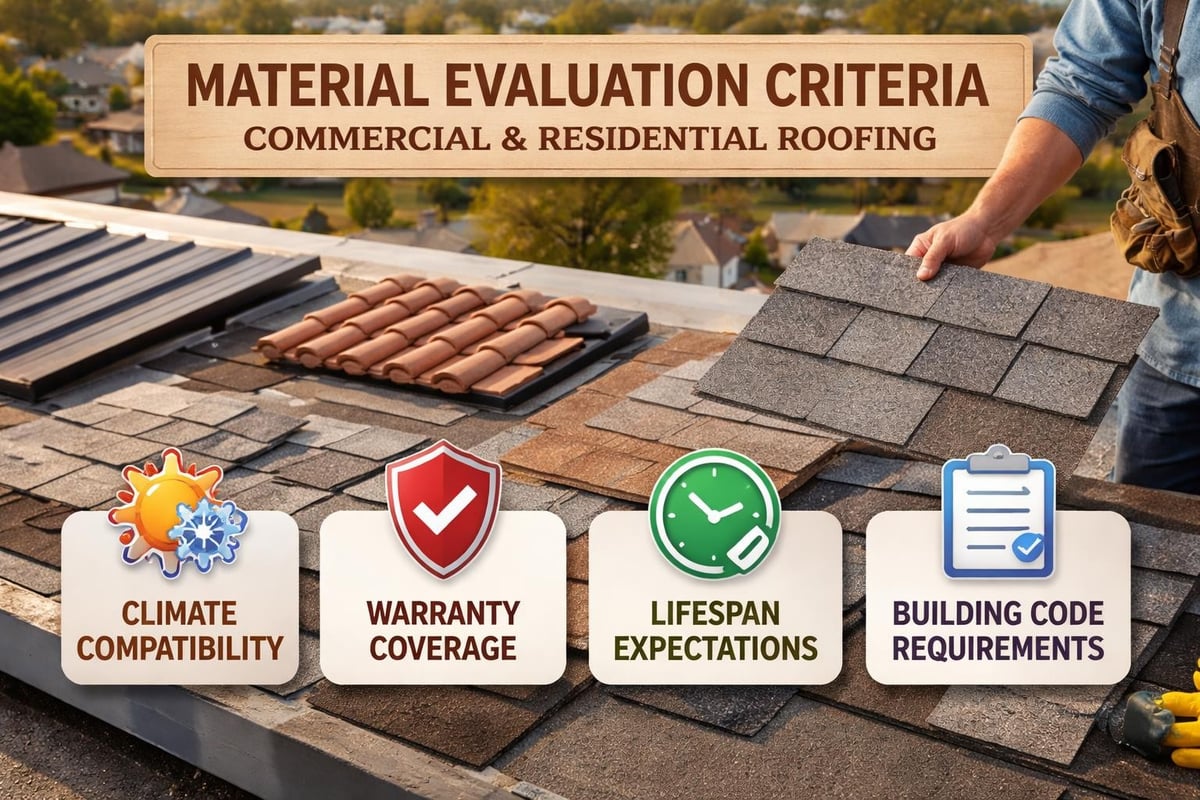
Quality-focused contractors explain material trade-offs honestly. They discuss how premium materials affect long-term performance, maintenance requirements, and total lifecycle costs. This transparency helps property owners make decisions aligned with their priorities rather than contractor profit margins.
The best commercial roofing options vary significantly based on building use, structural capacity, and regional weather patterns. Contractors who recommend inappropriate materials either lack knowledge or prioritize convenience over client interests.
Installation Standards and Workmanship
Proper installation technique determines whether roofing materials achieve their rated lifespan and performance characteristics. Contractors roofing professionals follow manufacturer specifications precisely, understanding that deviations void warranties and compromise system integrity.
Critical installation elements include:
- Proper fastener spacing and placement
- Adequate adhesive application for membrane systems
- Correct flashing details at penetrations and transitions
- Appropriate ventilation for sloped residential systems
- Proper drainage considerations for flat commercial roofs
Roofing craftsmanship standards emphasize attention to detail at every installation stage. Rushing through phases or skipping steps creates vulnerabilities that manifest as premature failures.
Job Site Management and Cleanliness
Professional contractors maintain organized, safe, and clean work sites throughout project duration. This operational discipline reflects broader company standards and affects project outcomes.
Daily cleanup removes debris that could damage property or create safety hazards. Proper material staging prevents workflow delays and reduces waste. Clear safety protocols protect workers and building occupants. These practices distinguish contractors who view roofing as a professional trade from those treating it as casual labor.
Safety Protocols and Regulatory Compliance
Worker safety and regulatory compliance represent non-negotiable standards in professional contractors roofing operations.
OSHA Requirements and Fall Protection
Roofing consistently ranks among the most dangerous construction activities. Professional contractors implement comprehensive safety programs that exceed minimum regulatory requirements. Safety requirements for roofing activities specify fall protection systems, equipment standards, and training protocols that contractors must follow.
Visible safety measures include proper harness use, guardrail systems, warning lines, and safety monitoring. Behind-the-scenes elements involve regular equipment inspections, documented safety training, and job hazard analyses for each project. Contractors cutting corners on safety create liability for property owners and demonstrate disregard for worker welfare.
Building Code Compliance
Local building codes govern roofing material specifications, installation methods, structural load requirements, and fire ratings. Professional contractors roofing teams stay current with code changes and secure necessary permits before beginning work.
Unpermitted work creates serious problems during property sales, insurance claims, and liability situations. Building departments may require complete removal of non-compliant work, leaving property owners responsible for both the original contractor payment and subsequent correction costs.
Working with roofing services providers who prioritize compliance protects property owners from these costly scenarios.
Communication and Project Documentation
Clear communication and thorough documentation separate professional contractors roofing operations from informal service providers.
Detailed Scoping and Estimates
Comprehensive project scopes itemize every task, material specification, and cost component. This transparency enables accurate comparisons between contractor proposals and prevents disputes over project expectations.
Vague estimates that lump costs together hide important details and create opportunities for change orders that inflate final costs. Professional contractors provide line-item breakdowns showing labor costs, material quantities, permit fees, and disposal charges separately.
| Estimate Component | Professional Approach | Warning Signs |
|---|---|---|
| Scope Detail | Specific tasks and phases listed | Vague "complete roof replacement" descriptions |
| Materials | Brand names, specifications, quantities | Generic "quality materials" references |
| Timeline | Start date, duration, weather contingencies | Unclear or absent schedule |
| Payment Terms | Phase-based with clear milestones | Large upfront deposits |
| Warranty Information | Specific coverage terms and duration | Verbal promises without documentation |
Inspection Reports and Recommendations
Thorough roof inspections form the foundation for accurate recommendations. Professional contractors document existing conditions photographically, measure remaining service life realistically, and distinguish urgent repairs from future maintenance items.
This honesty sometimes means recommending repairs instead of profitable replacements. Contractors prioritizing long-term client relationships over short-term revenue provide transparent assessments that help property owners budget appropriately and avoid unnecessary expenditures.
Progress Updates and Milestone Communication
Project communication shouldn't disappear once work begins. Professional contractors roofing teams provide regular updates about progress, weather delays, unexpected findings, and schedule adjustments.
This communication might include daily site photos, weekly progress calls, or digital project management tools depending on project scale. The specific method matters less than consistent information flow that keeps property owners informed and addresses concerns promptly.
Warranty Coverage and Long-Term Support
Warranty terms reveal contractor confidence in their workmanship and commitment to client satisfaction beyond project completion.
Material Versus Labor Warranties
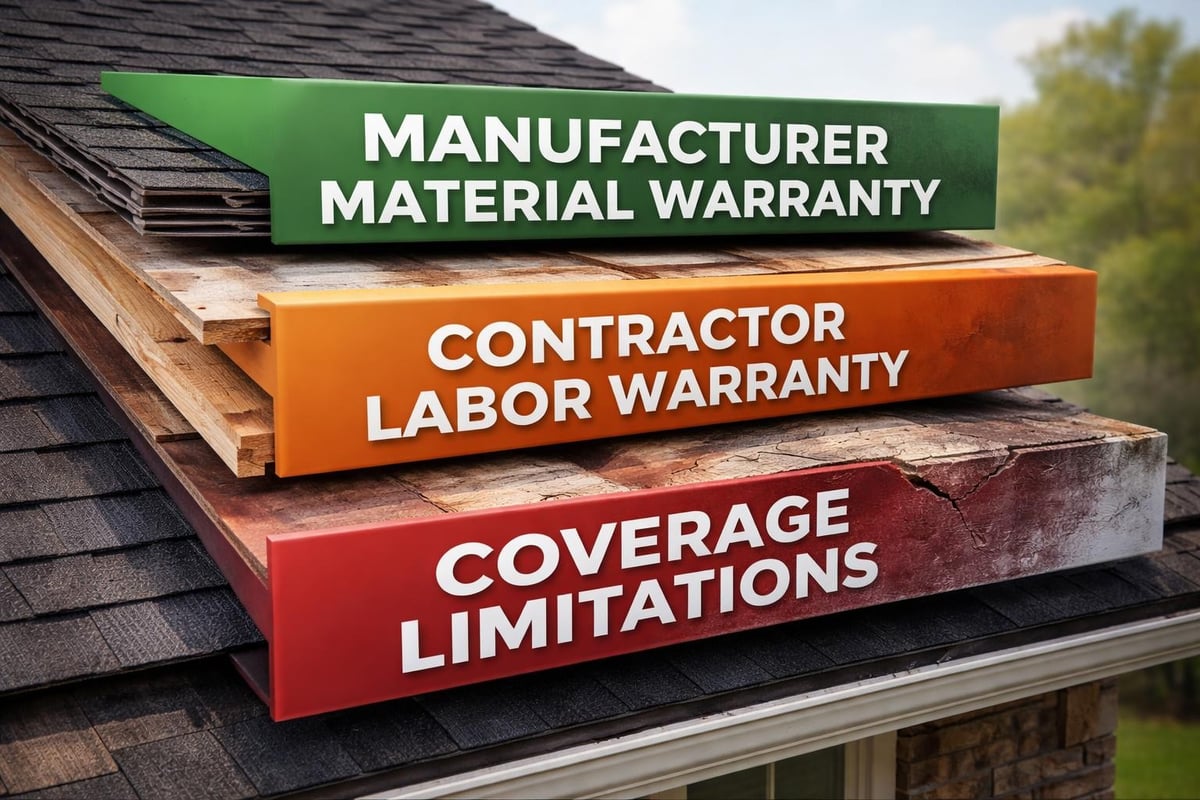
Roofing systems include two distinct warranty components. Manufacturer material warranties cover defects in shingles, membranes, or other roofing products. These warranties vary from basic coverage to comprehensive systems that include labor costs for warranty repairs.
Contractor labor warranties cover installation workmanship separately. Five-year labor warranties represent industry standard for quality-focused contractors roofing operations. Shorter warranty periods or their complete absence indicate contractors lacking confidence in their work quality or unwilling to stand behind their installations.
Maintenance Programs and Inspections
Proactive maintenance extends roof lifespan and prevents small issues from becoming major failures. Forward-thinking contractors offer maintenance programs that include regular inspections, minor repairs, and cleaning services.
Commercial roof management best practices emphasize preventive maintenance as the most cost-effective approach to maximizing roof service life. These programs benefit both property owners through reduced long-term costs and contractors through ongoing client relationships.
Evaluating Contractor Reputation and Track Record
Past performance provides the most reliable predictor of future results when selecting contractors roofing professionals.
Reference Checks and Project History
Requesting references from recent projects similar to yours provides valuable insights into contractor performance. Meaningful reference checks go beyond asking if clients were satisfied. Specific questions reveal how contractors handle challenges, communication quality, and post-project support.
Effective reference questions include:
- How did the contractor address unexpected issues during your project?
- Did the final cost align with the original estimate?
- How was communication throughout the project?
- Would you hire this contractor again for future work?
- How has the roof performed since installation?
Industry Involvement and Continuing Education
Professional contractors invest in ongoing education about new materials, techniques, and regulations. Industry association membership, manufacturer certifications, and training documentation demonstrate commitment to excellence beyond minimum licensing requirements.
Best business practices for roofing contractors include continuous improvement and staying current with evolving industry standards. Contractors who view their trade as a profession rather than just a job deliver superior results.
Digital Presence and Documentation
A professional online presence including project galleries, client testimonials, and educational resources indicates established operations with nothing to hide. Contractors roofing companies that document their work publicly demonstrate confidence in their craftsmanship and transparency about their capabilities.
Browse roofing project galleries to assess work quality and project diversity when evaluating potential contractors.
Pricing Structures and Value Assessment
Understanding how contractors price roofing work helps property owners evaluate proposals and identify unusually low bids that sacrifice quality.
Cost Factors in Roofing Projects
Multiple variables influence contractors roofing project costs beyond simple square footage calculations.
Material selection represents the most obvious cost driver, but labor requirements vary significantly based on roof complexity, access challenges, and existing condition issues. Removal and disposal costs for old roofing materials add substantial expenses to replacement projects. Permit fees, insurance costs, and warranty programs also factor into comprehensive pricing.
Extremely low bids often indicate corners that will be cut during execution. Contractors must cover material costs, labor expenses, insurance premiums, licensing fees, and business overhead while maintaining reasonable profit margins. Proposals significantly below competitors either omit necessary work or sacrifice quality through cheap materials or inexperienced labor.
Payment Schedules and Financial Protection
Professional payment structures protect both contractors and property owners through milestone-based disbursements tied to project progress.
Avoid contractors demanding large upfront payments before work begins. Reasonable initial deposits cover material procurement and project mobilization without creating financial risk if contractors abandon projects or deliver substandard work.
Standard payment schedules typically include a small deposit, progress payments at defined project phases, and final payment upon satisfactory completion and inspection. This structure ensures contractors receive compensation for completed work while maintaining property owner leverage until project obligations are fully satisfied.
Making Informed Contractor Selections
Selecting contractors roofing professionals requires systematic evaluation rather than choosing the lowest bid or first available option.
Creating Evaluation Criteria
Develop specific criteria reflecting your priorities before soliciting proposals. Weight factors like warranty coverage, response time capabilities, crew staffing models, and safety records according to your situation.
Commercial property managers might prioritize emergency response capabilities and minimal business disruption. Homeowners might emphasize warranty length and communication quality. Understanding your priorities focuses contractor selection on providers aligned with your needs.
Conducting Thorough Interviews
Face-to-face or video meetings with potential contractors reveal communication styles, technical knowledge, and professional approach. Prepare questions addressing specific concerns about your project and evaluate how thoroughly contractors answer.
Professional contractors welcome detailed questions and provide substantive responses demonstrating expertise. Evasive answers or pressure to sign contracts quickly indicate problematic operations worth avoiding.
Reviewing Contracts Carefully
Never sign roofing contracts without reading every clause and understanding all terms. Professional agreements specify project scope, material specifications, timeline, payment schedule, warranty coverage, change order procedures, and dispute resolution mechanisms.
Unclear contract language creates disputes about what work was included and what constitutes acceptable completion. Request clarification on ambiguous terms before signing. Reputable contractors roofing companies provide clear, detailed contracts because they protect both parties.
Selecting quality contractors roofing professionals requires evaluating credentials, workmanship standards, communication practices, and long-term support rather than simply comparing price quotes. Whether you need emergency leak repairs, comprehensive roof replacement, or insurance claim assistance, partnering with experienced professionals who maintain in-house crews and prioritize accountability ensures your roofing investment delivers lasting protection. Texcore Construction brings speed, craftsmanship, and transparent communication to every commercial and residential roofing project throughout the Fort Worth area, backed by five-year labor warranties and a commitment to helping property owners make informed decisions about their roofing needs.