
Detailed Roofing: Best Practices and Documentation
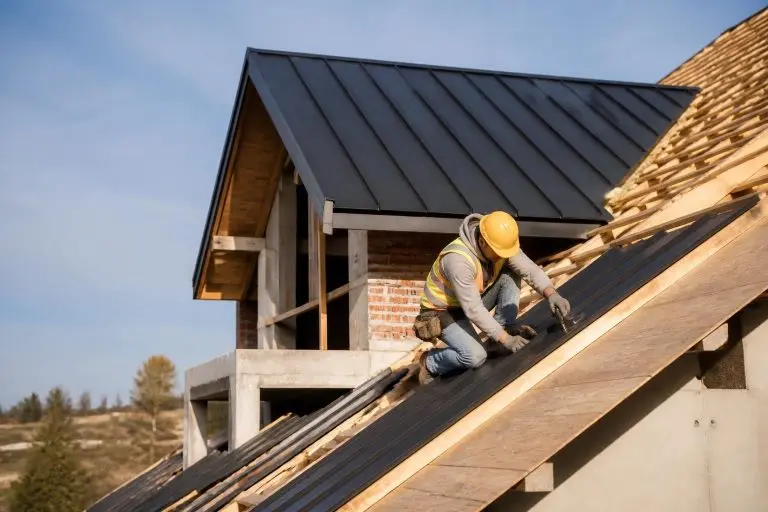
Detailed roofing represents the difference between a roof that performs reliably for decades and one that requires frequent repairs within the first few years. This approach encompasses every phase of a roofing project, from initial inspection and material selection to installation precision and comprehensive documentation. For commercial property managers and residential building owners throughout Fort Worth, understanding what separates detailed roofing from standard practices helps inform better contractor selection and project oversight decisions.
The Foundation of Detailed Roofing Practices
Quality roofing begins long before the first shingle goes down or membrane gets rolled out. The detailed roofing approach starts with systematic assessment protocols that identify existing conditions, potential complications, and structural requirements unique to each building.
Pre-Installation Assessment Requirements
Every detailed roofing project requires thorough substrate evaluation. Crews must inspect decking for water damage, soft spots, or structural deficiencies that could compromise new roofing materials. This inspection extends beyond visible surfaces to include underlying support structures.
Critical assessment components include:
- Moisture meter readings across the entire roof deck
- Structural load calculations for new material weight
- Drainage system evaluation and slope verification
- Existing penetration and flashing condition documentation
- Ventilation adequacy assessment for thermal management
Deck preparation often determines long-term roof performance more than the roofing material itself. Professional roofing standards require addressing substrate issues before installation begins, preventing future callbacks and premature material failure.

Material Selection and Specification Standards
Detailed roofing demands precise material matching to building requirements, climate conditions, and performance expectations. Generic material selection frequently leads to compatibility issues and shortened service life.
Commercial flat roofing systems require particular attention to membrane selection. TPO, EPDM, and modified bitumen each offer distinct advantages depending on building use, traffic patterns, and environmental exposure. Residential installations involve similar specification considerations across various roofing materials available in 2026.
| Roofing System | Best Application | Expected Lifespan | Maintenance Level |
|---|---|---|---|
| TPO Membrane | Commercial flat roofs | 20-30 years | Low |
| EPDM Rubber | Industrial buildings | 25-35 years | Low |
| Modified Bitumen | High-traffic commercial | 15-20 years | Moderate |
| Asphalt Shingle | Residential sloped roofs | 20-30 years | Low to Moderate |
| Metal Panels | Commercial/Industrial | 40-50 years | Very Low |
Underlayment selection represents another critical specification decision often overlooked in rushed projects. Synthetic underlayments offer superior tear resistance and UV stability compared to traditional felt products, but not all synthetic materials perform equally across temperature ranges typical to North Texas.
Fastener Specification and Density
Wind uplift resistance depends directly on fastener type, placement density, and proper installation depth. Detailed roofing requires following manufacturer specifications exactly, not approximating based on experience or rushing to meet deadlines.
Commercial roofing fastener patterns must account for roof zone classifications. Perimeter and corner zones experience significantly higher wind pressures than field areas, requiring increased fastener density. Best practices for commercial roofing installations emphasize zone-specific installation protocols that many contractors skip.
Installation Precision and Quality Control
The execution phase separates detailed roofing from standard installations. Every crew member must understand not just how to perform tasks, but why specific techniques matter for long-term performance.
Waterproofing Layer Integration
Water infiltration causes the majority of premature roof failures. Detailed roofing addresses this through systematic waterproofing layer construction that goes beyond minimum code requirements.
Essential waterproofing elements:
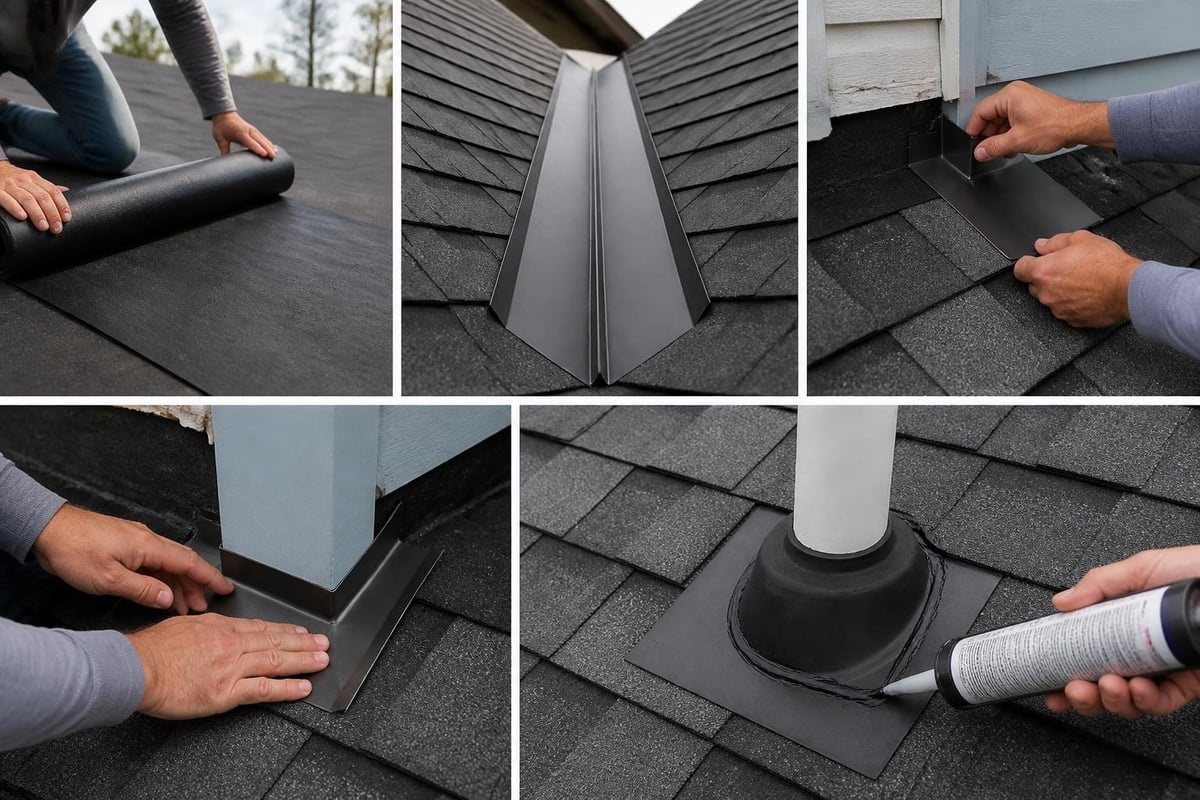
- Ice and water barrier installation at all vulnerable transitions
- Valley metal integration before shingle application begins
- Step flashing installation concurrent with each shingle course
- Counterflashing embedment into masonry or metal cladding
- Pipe boot selection based on penetration diameter and roof slope
Flashing represents the most critical waterproofing component. Proper cricket and saddle construction around roof penetrations prevents water pooling that leads to accelerated deterioration. Understanding proper cricket and saddle design helps property owners recognize quality installation work.
Fort Worth's severe weather patterns make thorough roofing insurance claims documentation essential. When crews follow detailed roofing protocols from the start, they create installations that better withstand hail impacts and high winds.
Flat Roof Assembly Best Practices
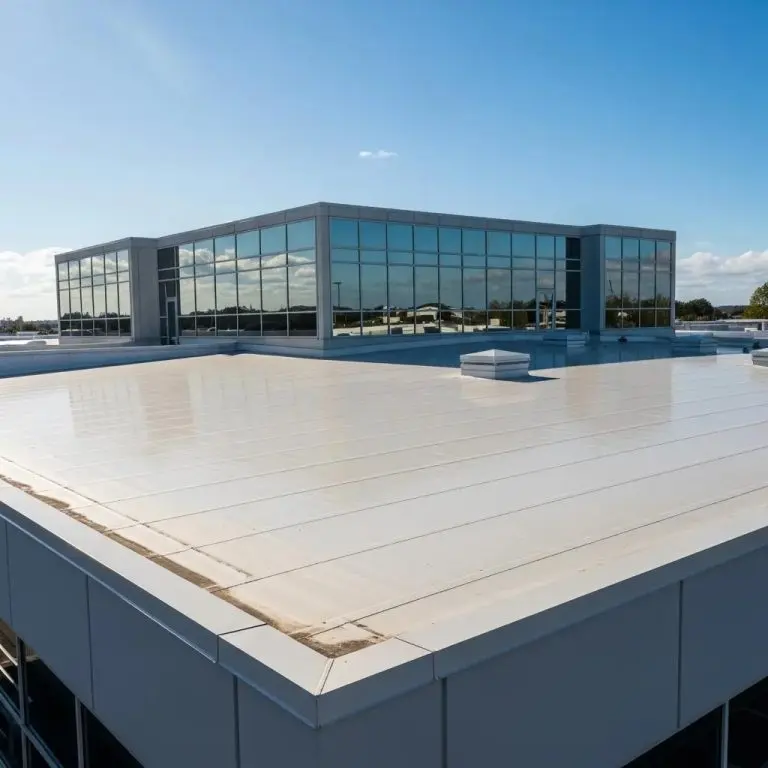
Commercial flat roof installations demand even greater attention to detail than sloped residential systems. Water doesn't shed naturally, making every seam, penetration, and drain connection a potential failure point.
Flat roof construction best practices emphasize proper slope creation, even on "flat" surfaces. Minimum slopes of 1/4 inch per foot ensure positive drainage toward roof drains and scuppers.
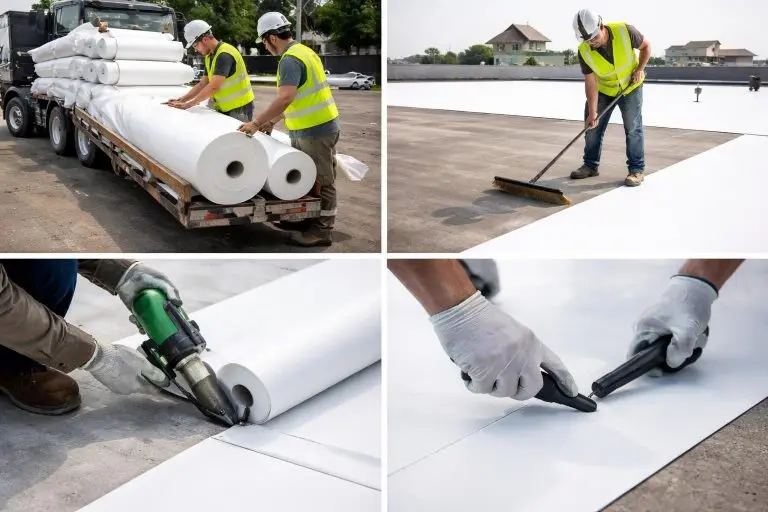
Membrane seam welding requires precise temperature control and overlap widths. Hot air welding TPO seams at incorrect temperatures creates weak bonds that separate under thermal cycling. Detailed roofing crews use calibrated welding equipment and test seam strength throughout installation.
Documentation Standards Throughout Project Lifecycle
Documentation separates professional detailed roofing from basic installation work. Comprehensive project records protect both property owners and contractors while providing valuable reference for future maintenance.
Pre-Installation Documentation
Before any tear-off begins, detailed roofing requires thorough existing condition documentation. Photographs should capture overall roof conditions, specific problem areas, substrate conditions, and surrounding property for protection verification.
Moisture scans create baseline data for warranty purposes. Thermal imaging identifies hidden water intrusion that visual inspection might miss. These scans become critical if future leak claims arise, establishing whether water infiltration occurred before or after the new roof installation.
Material delivery documentation confirms specification compliance. Photographing bundle labels, membrane roll markings, and insulation packaging proves the specified products actually arrived on site, not substitute materials.
Installation Process Documentation
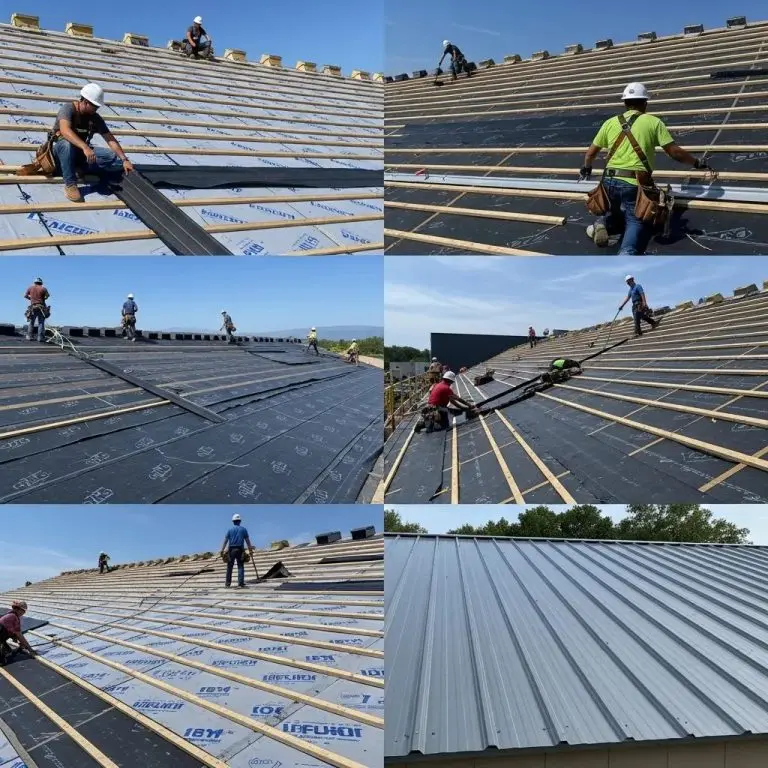
Daily progress photographs track installation sequence and quality control checkpoints. These images prove proper techniques were followed if questions arise during roof inspections months or years later.
Key installation documentation points:
- Substrate preparation completion before new materials
- Underlayment installation pattern and overlap widths
- Flashing integration at each critical transition
- Fastener pattern compliance in all roof zones
- Seam testing results for membrane installations
- Weather conditions during critical installation phases
Weather documentation protects everyone involved. Membrane adhesives and sealants have specific temperature and moisture requirements. Recording conditions during application proves installation occurred within acceptable parameters.
Field-Applied Quality Assurance Protocols
Quality control cannot wait until project completion. Detailed roofing incorporates continuous verification throughout installation to catch issues before they become permanent defects.
Systematic Inspection Checkpoints
Progressive inspections at predetermined intervals ensure each phase meets standards before proceeding. This approach prevents compounding errors that require extensive rework.
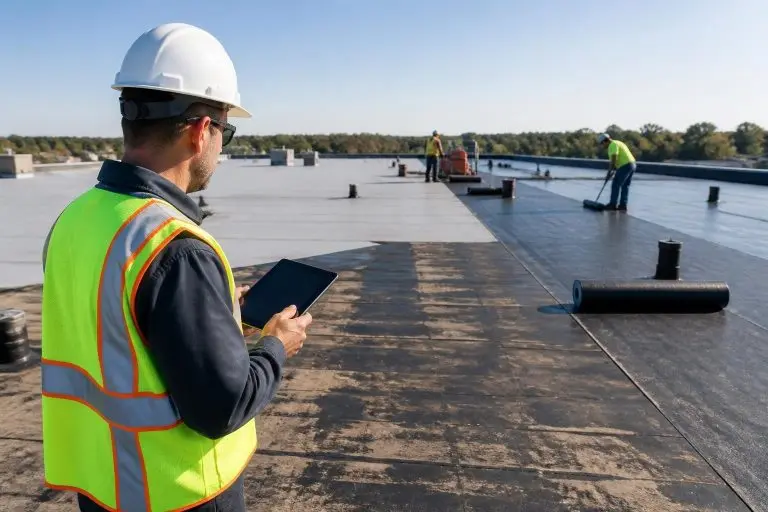
Commercial projects benefit from third-party inspections at critical milestones. Independent verification provides property owners with confidence that roofing contractor best practices are being followed consistently.
| Inspection Phase | Focus Areas | Documentation Required |
|---|---|---|
| Post-Tearoff | Deck condition, structural issues | Photo documentation, moisture readings |
| Underlayment Complete | Coverage, fastening, overlaps | Installation photos, fastener counts |
| Flashing Installation | Integration, sealant application | Detail photos at all transitions |
| Final Walkthrough | Overall workmanship, cleanup | Comprehensive photo set, punch list |
Seam testing on membrane roofs should occur continuously, not just at project end. Pull testing verifies proper weld or adhesive bond strength before the next section proceeds.

Post-Installation Deliverables and Warranties
Project completion in detailed roofing includes comprehensive documentation packages that support warranty claims and future maintenance planning.
Complete Documentation Packages
Property owners should receive organized records including material specifications, installation photographs, warranty certificates, and maintenance recommendations. This package becomes the roof's permanent record.
Manufacturer warranties require specific installation standards. Documentation proving those standards were met protects warranty validity. Many warranty claims get denied because contractors cannot prove compliant installation methods.
Labor warranties from the installing contractor should be clearly documented with specific coverage terms. Five-year labor warranties represent industry standard for quality installations, protecting against installation defects separate from material failures.
Maintenance Planning Integration
Detailed roofing extends beyond installation to include maintenance protocols that preserve roof performance. Property managers need clear guidance on inspection frequency, cleaning requirements, and minor repair procedures.
Recommended maintenance schedule components:
- Semi-annual professional inspections (spring and fall)
- Post-storm damage assessments after severe weather
- Drainage system cleaning before rainy seasons
- Sealant inspection and renewal every three to five years
- Detailed condition reports for asset management records
Emergency roof repair needs decrease dramatically when property owners follow proactive maintenance schedules. Early detection prevents minor issues from becoming major failures requiring urgent intervention.
Crew Training and Workmanship Standards
Detailed roofing requires skilled technicians, not just general laborers. Ongoing training ensures crews stay current with evolving materials, techniques, and manufacturer requirements.
Manufacturer certifications verify crew competency with specific systems. These certifications often carry warranty benefits and demonstrate commitment to quality installation practices.
In-house crews provide consistency that subcontractor models cannot match. When the same trained technicians handle every project phase, quality control becomes inherent rather than imposed.
The Economic Value of Detailed Approaches
Detailed roofing costs more initially than rushed installations, but delivers superior long-term value. Property owners pay for expertise, thoroughness, and accountability rather than just labor hours and materials.
Fewer callbacks mean lower lifecycle costs. Properly installed roofs require minimal intervention beyond routine maintenance. The initial investment prevents expensive repairs and premature replacement.
Insurance claim documentation becomes more valuable when detailed records exist. Property owners with comprehensive installation documentation can more effectively demonstrate proper construction when filing claims after storm damage. Understanding roof repair insurance processes helps property managers appreciate documentation value.
Commercial property managers recognize that roof replacement represents a major capital expense. Detailed roofing maximizes return on that investment through extended service life and predictable performance. The decision between repair and replacement becomes clearer when detailed inspection data supports analysis.
Regulatory Compliance and Code Standards
Building codes establish minimum requirements, but detailed roofing exceeds those minimums. Code compliance represents the floor, not the ceiling, for quality installations.
Wind uplift requirements vary by building height, roof zone, and geographic location. Fort Worth's position in high-wind territory demands attention to fastening schedules and membrane attachment methods. Professional roof installation practices incorporate regional climate factors into specification decisions.
Fire ratings matter particularly for commercial buildings. Proper assembly construction must maintain specified fire resistance ratings through correct material layering and fastening methods.
Communication Standards Throughout Projects
Detailed roofing requires transparent communication with property owners at every phase. Regular updates, photographic progress reports, and immediate notification of unexpected conditions build confidence and prevent misunderstandings.
Pre-construction meetings establish expectations, timelines, and communication protocols. Property managers need clear understanding of project phases, site protection measures, and business operation impacts.
Change order documentation protects all parties when scope modifications become necessary. Detailed change orders specify additional work, cost implications, and timeline adjustments with the same rigor as original contracts.
Detailed roofing transforms construction projects from transactional installations into strategic asset investments that protect buildings and occupants for decades. The systematic approach to assessment, specification, installation, and documentation ensures reliable performance regardless of weather conditions or building use patterns. When you need roofing services that prioritize precision, accountability, and long-term value, Texcore Construction delivers the expertise Fort Worth property owners and managers depend on for commercial and residential projects backed by comprehensive documentation and in-house craftsmanship.