
Fort Worth Commercial Roofing Guide: Expert Insights for 2026
Fort Worth’s unpredictable weather can take a serious toll on commercial roofs, making durability and performance essential for every property owner. This fort worth commercial roofing guide provides expert insights and proven strategies to help you protect your investment, reduce costs, and avoid unexpected repairs. Inside, you will find guidance on local roofing challenges, system types, inspections, maintenance, repair decisions, contractor selection, and emerging industry trends. With this knowledge, you can confidently make informed decisions and ensure your commercial roof stands strong for years to come.
Understanding Fort Worth’s Commercial Roofing Landscape
Fort Worth commercial roofing faces a unique set of challenges shaped by the city’s climate, building diversity, and evolving market needs. Property owners and managers must navigate weather extremes, strict codes, and a range of roofing systems. Understanding these factors is essential for protecting assets and ensuring long-term performance.
The Impact of North Texas Weather
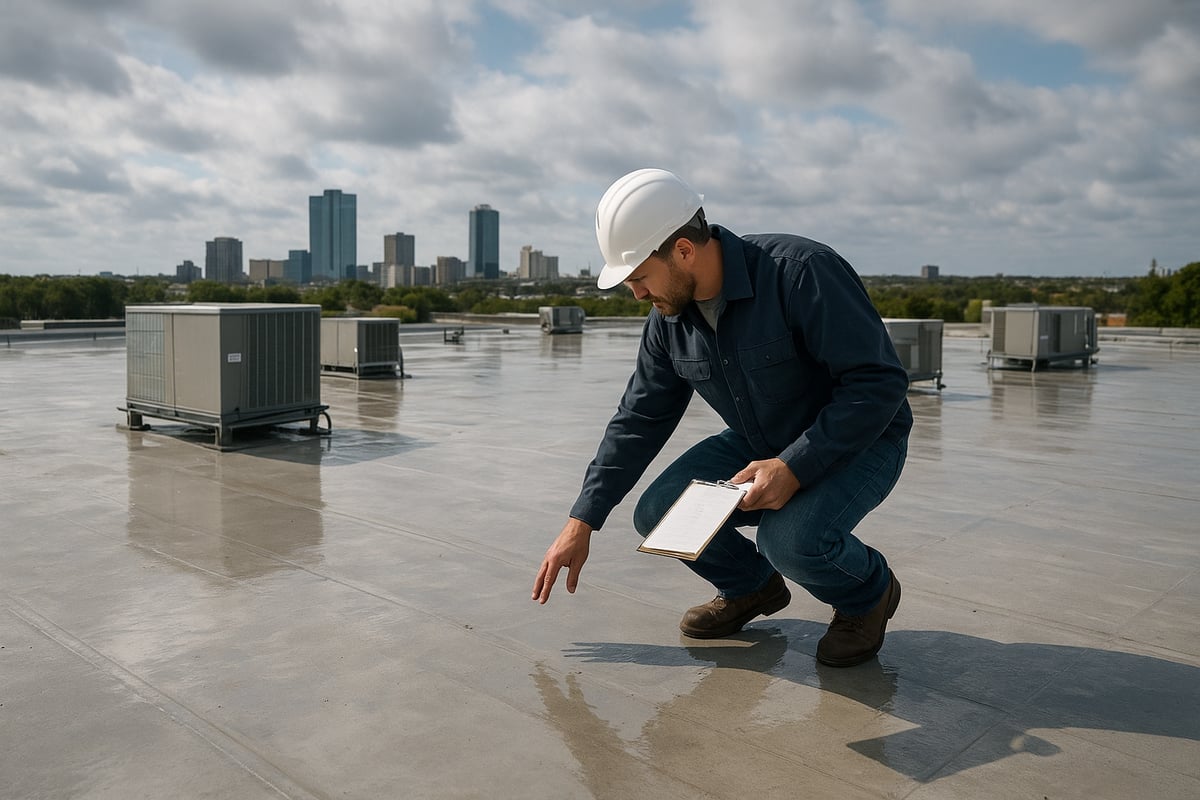
North Texas weather is a formidable opponent for any fort worth commercial roofing system. Hailstorms, high winds, intense UV exposure, and sudden temperature swings regularly test the durability of local roofs.
- Hail: Fort Worth sits within the U.S. “hail belt,” experiencing severe hail events multiple times a year.
- High Winds: Gusts can exceed 60 mph, lifting or tearing roof membranes.
- UV Exposure: Prolonged sunlight degrades materials, especially on flat roofs.
- Temperature Swings: Rapid changes stress roofing seams and flashings.
Recent years have seen several damaging hailstorms, leading to millions in commercial property losses. For example, a single storm can puncture membranes and dislodge ballast, exposing buildings to leaks and water damage.
Selecting resilient materials and thoughtful design is crucial. TPO, PVC, and coated metal roofs often perform best against these threats. Roofs must be engineered to handle both direct impacts and long-term exposure, making weather resistance a top priority in fort worth commercial roofing.
Commercial Roofing Market Overview
Fort Worth’s commercial landscape features a mix of office buildings, retail centers, warehouses, and multi-family complexes. Flat roofs dominate, especially in industrial and retail sectors, while sloped roofs are common on smaller commercial properties.
| Roof Type | Prevalence | Typical Use Cases |
|---|---|---|
| Flat | High | Warehouses, Retail |
| Sloped | Moderate | Offices, Multi-Family |
Local regulations and building codes play a significant role in fort worth commercial roofing projects. Compliance is essential for permits, insurance, and long-term safety. Staying informed about requirements is made easier with resources like the Guide to Fort Worth Roofing Codes & Compliance, which outlines critical standards.
Trends in the market include a rise in reroofing projects, driven by aging infrastructure and storm recovery. Green roofing, including cool roofs and solar-ready systems, is also gaining traction as businesses seek energy savings and sustainability.
Typical Roofing Challenges for Businesses
The most common fort worth commercial roofing issues stem from both environmental stress and deferred maintenance. Problems often include:
- Persistent leaks due to seam failures or punctures
- Ponding water on flat roofs, which accelerates membrane degradation
- Membrane shrinkage, especially on aging EPDM or modified bitumen systems
- Punctures from foot traffic or flying debris
A notable case involved a local warehouse where delayed repairs led to escalating water damage and inventory loss, ultimately costing far more than timely intervention would have.
Routine inspections are a critical defense. Regular assessments catch minor issues early, preventing small leaks from turning into widespread failures. For property managers, adopting a proactive approach to fort worth commercial roofing maintenance not only preserves building value but also minimizes costly disruptions.
Types of Commercial Roofing Systems in Fort Worth
Choosing the right roofing system is one of the most important decisions for any fort worth commercial roofing project. The region’s climate, building codes, and property use all influence which materials and designs will offer the best protection and value. Understanding the available options helps property owners make informed choices that stand up to North Texas weather and deliver long-term performance.
Single-Ply Membranes: TPO, PVC, and EPDM
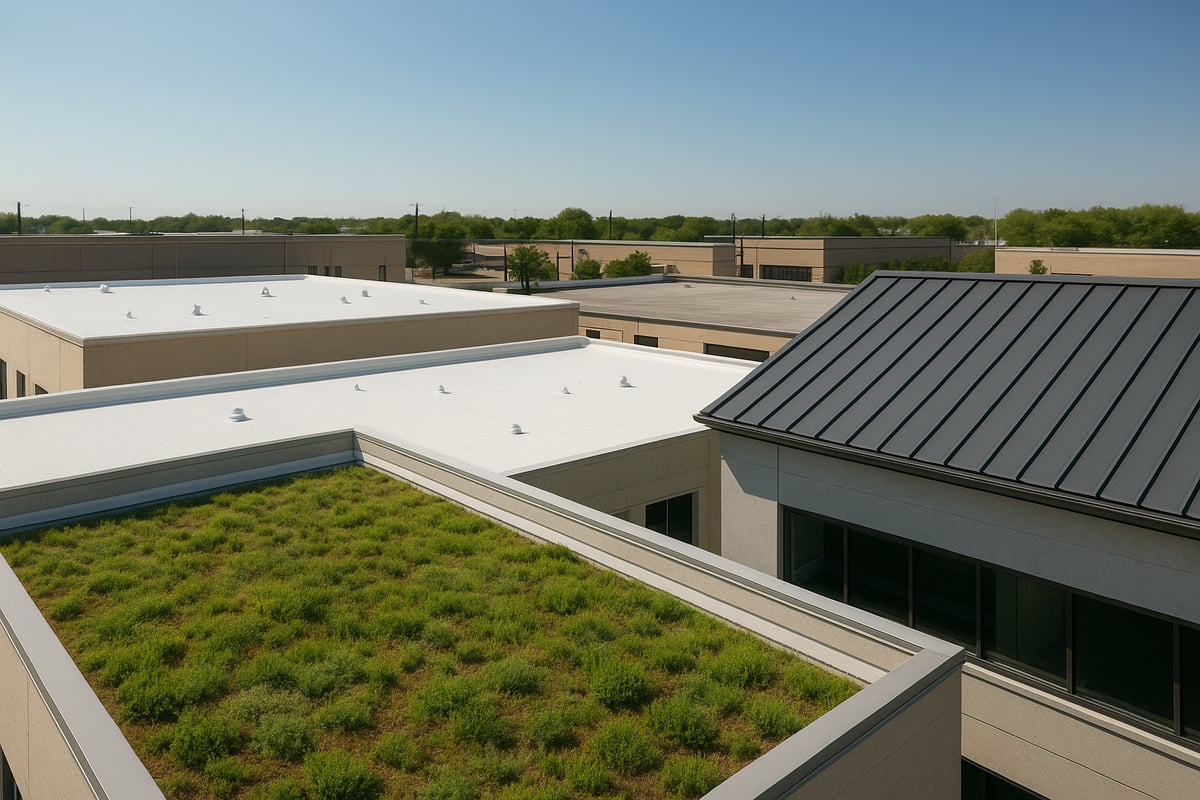
Single-ply membranes are among the most popular choices for fort worth commercial roofing because they offer durability, energy efficiency, and flexibility for flat or low-slope roofs.
- TPO (Thermoplastic Polyolefin): Known for its reflective surface and heat resistance, TPO is ideal for reducing cooling costs.
- PVC (Polyvinyl Chloride): Offers excellent chemical resistance, making it a strong choice for restaurants and industrial facilities.
- EPDM (Ethylene Propylene Diene Monomer): A synthetic rubber membrane valued for its cost-effectiveness and long lifespan.
Each single-ply system has unique installation requirements and warranty options. For a detailed overview of local system choices, property owners can explore Fort Worth Commercial Roofing Services. Manufacturer certifications ensure that installations meet strict quality standards and maximize warranty coverage.
Built-Up and Modified Bitumen Roofs
Built-up roofing (BUR) and modified bitumen systems have stood the test of time in fort worth commercial roofing applications. BUR features multiple layers of bitumen and reinforcing fabrics, topped with gravel or mineral surfacing for extra protection.
- BUR: Delivers multi-layer waterproofing and excellent fire resistance.
- Modified Bitumen: Enhanced with polymers to improve flexibility during temperature swings.
These systems are especially valued for their longevity and ability to handle heavy foot traffic. Regular maintenance, such as checking seams and surfacing, helps prevent leaks and extends service life.
Metal Roofing Systems
Metal roofs are a staple in fort worth commercial roofing for their unmatched longevity, fire resistance, and sleek appearance. Standing seam and flat-lock panels are common in both modern and traditional commercial architecture.
- Standing Seam: Raised seams provide a watertight barrier and clean lines.
- Flat-Lock Panels: Ideal for complex shapes and historic building renovations.
Custom fabrication allows metal roofs to fit unique building profiles. Additionally, metal’s natural reflectivity contributes to energy efficiency, lowering cooling costs during hot Texas summers.
Spray Polyurethane Foam (SPF) and Roof Coatings
SPF systems offer seamless insulation and waterproofing in a single application, making them a versatile solution for fort worth commercial roofing projects. The spray-applied foam expands to fill gaps, creating a monolithic barrier against water and air intrusion.
- SPF: Delivers high R-value insulation and eliminates seams where leaks often start.
- Roof Coatings: Silicone, acrylic, and elastomeric coatings extend roof life and restore weathered surfaces.
Coatings are often used for restoration, delaying the need for full replacement. Proper surface preparation and routine inspections are essential for maintaining performance.
Green and Sustainable Roofing Options
Sustainable roofing is gaining traction in the fort worth commercial roofing market as businesses seek to lower energy bills and earn sustainability certifications.
- Cool Roofs: Reflect sunlight to reduce heat absorption.
- Garden Roofs: Support vegetation, improve insulation, and manage stormwater.
- Photovoltaic (PV) Solar: Integrate solar panels for renewable energy generation.
These options may qualify for local incentives and LEED points, adding value and environmental benefits. For example, a green roof on a Fort Worth office can significantly cut summer energy costs while enhancing the building’s appeal.
Selecting the right system is crucial for protecting your investment and achieving long-term performance in fort worth commercial roofing. Consider your building’s specific needs, climate exposure, and future goals to ensure your roof delivers lasting value.
The Commercial Roofing Process: From Inspection to Completion
Ensuring the longevity and performance of your fort worth commercial roofing system requires a well-structured process from the initial inspection through to project completion. Each step is designed to maximize roof life, minimize costs, and protect your property investment.
Step 1: Comprehensive Roof Inspection & Assessment
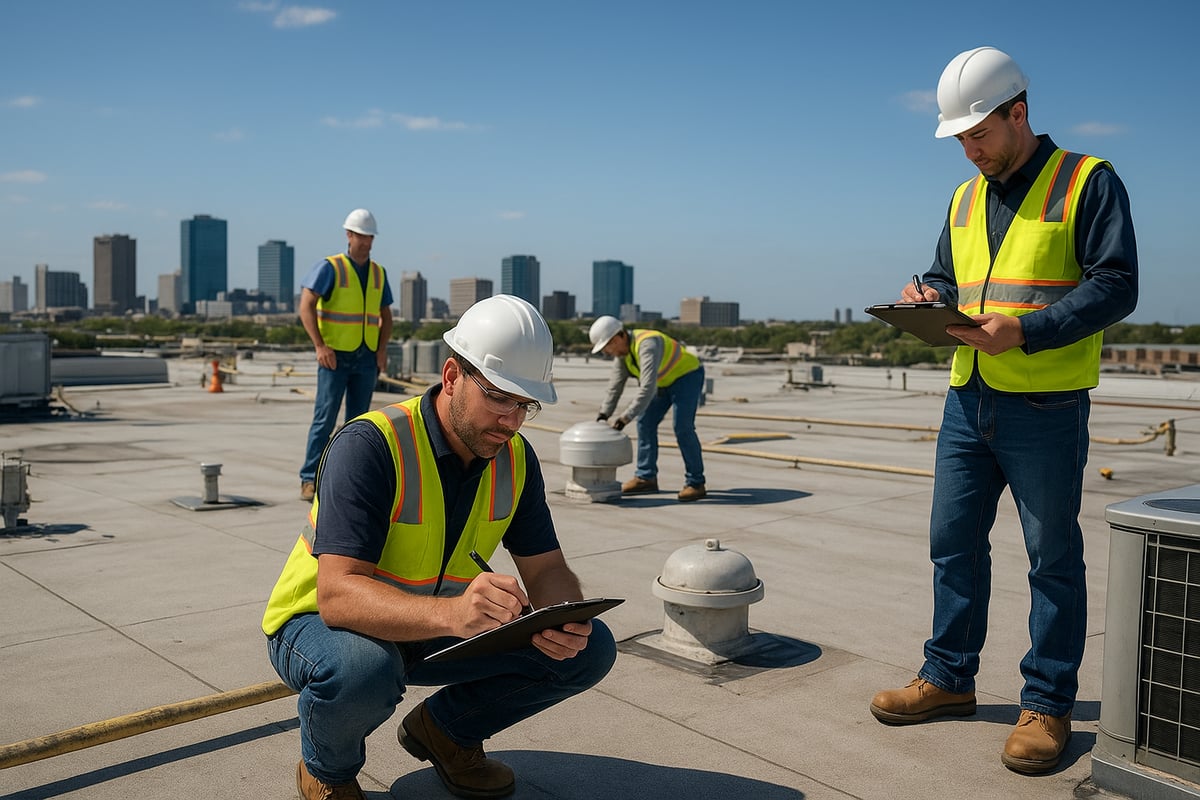
A thorough inspection is the foundation for every fort worth commercial roofing project. Professionals start with visual checks, identifying issues like membrane cracks, ponding water, or damaged flashing. Advanced techniques such as infrared scans help detect hidden moisture, while core sampling reveals the roof's underlying condition.
All findings are documented with clear photos and detailed written reports. These records are essential for insurance, budgeting, and tracking roof health over time. Experts recommend annual inspections and additional assessments after major weather events to catch problems early. By investing in routine assessments, property owners can plan repairs proactively and avoid unexpected failures.
Step 2: Evaluating Repair vs. Replacement
Deciding whether to repair or replace your fort worth commercial roofing is a critical step. Repairs are often suitable for localized damage, younger membranes, or when the roof is still under warranty. In contrast, widespread deterioration, multiple leaks, or the need to meet new building codes may justify a full replacement.
A cost-benefit analysis helps determine the most cost-effective path. While repairs may offer short-term savings, repeated fixes can add up over time. Reviewing a Commercial Roof Repair vs. Replacement guide offers valuable insights for property owners weighing these options. A thoughtful evaluation, backed by inspection data, ensures you make a financially sound decision.
Step 3: Selecting the Right Roofing System
Choosing the optimal roofing system for fort worth commercial roofing involves several factors. Consider the building's use, roof slope, energy efficiency goals, and budget. For example, retail centers may benefit from highly reflective membranes, while industrial properties might require chemical-resistant solutions.
Stakeholder input is vital. Property managers, tenants, and insurers can all influence system selection based on operational needs and risk profiles. Always work with manufacturer-certified contractors to guarantee warranty coverage and proven installation expertise. This careful selection process leads to a roof that meets both immediate and long-term requirements.
Step 4: Project Planning and Scheduling
Effective project planning minimizes disruption to business operations. Fort worth commercial roofing professionals often use phased work schedules or perform installations during off-hours to keep buildings accessible. Safety planning is paramount, with teams adhering to OSHA standards and local codes.
Clear communication is key. Contractors should provide detailed timelines, regular updates, and thorough documentation at every stage. This proactive approach helps property owners track progress, address concerns promptly, and ensure the project stays on schedule and within budget.
Step 5: Professional Installation and Quality Assurance
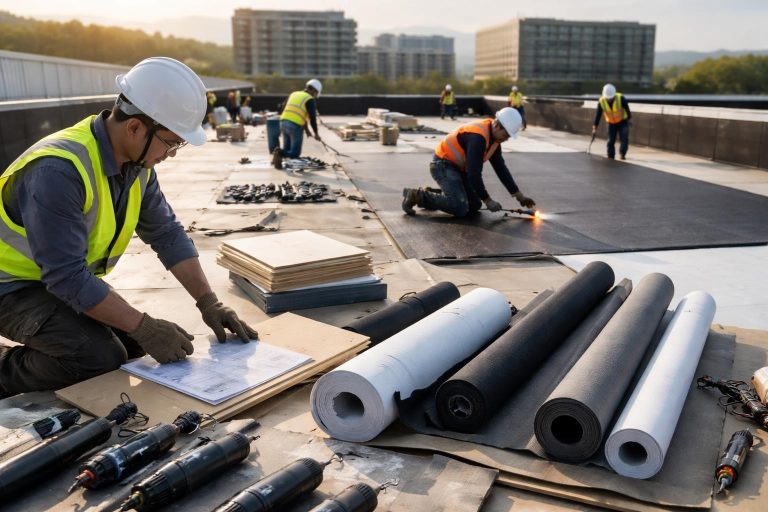
The quality of installation directly impacts the longevity of your fort worth commercial roofing system. Using in-house crews, rather than subcontractors, enhances accountability and maintains consistent workmanship. Site cleanliness, organized material handling, and strict safety measures reflect a commitment to excellence.
Upon completion, a final inspection identifies any remaining issues, and a punch list is created for resolution. Comprehensive warranty documentation is provided, safeguarding your investment. With rigorous quality assurance, you can trust your commercial roof to withstand Fort Worth's demanding climate for years to come.
Proactive Maintenance and Emergency Response Strategies
Preventative Maintenance Programs
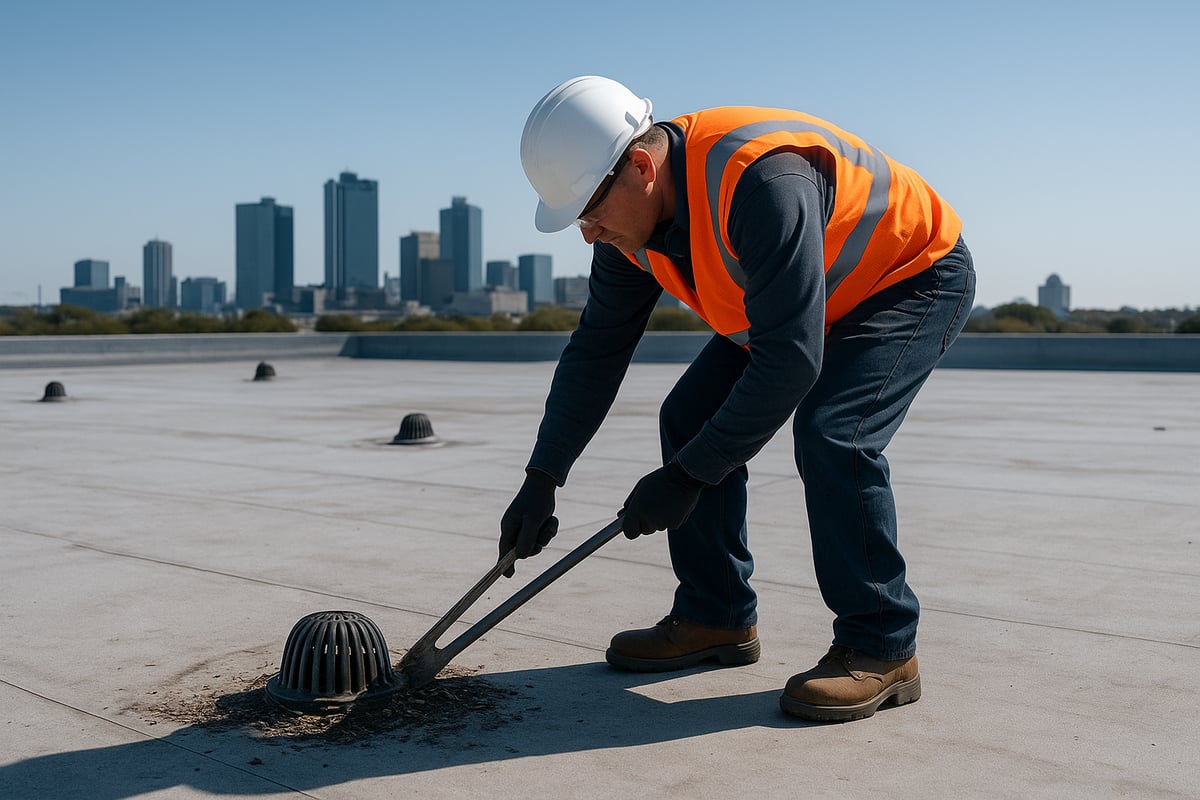
Routine preventative maintenance is the cornerstone of a resilient fort worth commercial roofing system. Regular inspections and timely minor repairs help identify vulnerabilities before they escalate into costly failures. Key maintenance tasks include debris removal, checking for clogged gutters, inspecting and resealing penetrations, and monitoring flashings for early signs of wear.
Industry data shows that investing in preventative maintenance can reduce major repair expenses by up to 50 percent. By proactively addressing small issues, property owners extend the lifespan of their roofing assets and minimize business disruptions. For a detailed breakdown of recommended maintenance schedules and tasks, refer to Preventive Maintenance Plans for Commercial Properties.
Choosing a comprehensive plan tailored for fort worth commercial roofing needs ensures your investment remains protected against North Texas weather extremes.
Emergency Leak Repair and Disaster Response
Emergencies strike without warning, making rapid response essential for fort worth commercial roofing systems. Common causes of leaks include severe storms, wind uplift, and accidental punctures from rooftop equipment. Immediate action can prevent water intrusion from damaging interior finishes, inventory, or critical equipment.
When a leak is discovered, follow these steps:
- Apply temporary waterproofing, such as roofing tape or tarps.
- Document damage with photos and notes.
- Contact your roofing contractor for prompt repairs.
- Notify building management and tenants as needed.
Establishing a disaster response plan, complete with 24/7 contractor contact information, ensures your fort worth commercial roofing is prepared for unexpected events.
Roof Asset Management Tools
Digital asset management platforms are transforming how property managers oversee fort worth commercial roofing portfolios. These tools centralize inspection reports, track repairs, monitor warranties, and schedule routine maintenance across multiple sites.
Key benefits include:
- Streamlined budgeting and capital planning.
- Improved compliance with inspection and safety regulations.
- Easier documentation for insurance and resale.
For large property owners, asset management software provides real-time visibility into roof condition and helps prioritize projects based on need and risk. Implementing these tools for fort worth commercial roofing ensures efficient oversight and maximizes long-term value.
Insurance Claims and Documentation
Proper documentation is crucial when filing insurance claims for fort worth commercial roofing damage. Detailed inspection reports, complete with photos and repair histories, strengthen your case for full coverage. After a storm or leak, promptly gather all evidence and keep records organized.
Consider working with a licensed public adjuster to navigate complex claims and advocate for maximum compensation. Tips for expediting the process include:
- Submitting comprehensive documentation quickly.
- Responding promptly to insurer requests.
- Retaining all communication in writing.
A proactive approach to insurance ensures that fort worth commercial roofing owners recover quickly after weather-related losses.
Extending Roof Life with Coatings and Restorations
Roof coatings and restoration systems offer a sustainable way to extend the service life of fort worth commercial roofing without the expense of full replacement. Silicone, acrylic, and elastomeric coatings can seal minor cracks, improve waterproofing, and enhance UV resistance.
Coating application generally involves:
- Cleaning and preparing the existing roof surface.
- Repairing localized defects.
- Applying the chosen coating in multiple layers.
These solutions not only cut costs but also support energy efficiency and sustainability goals. Evaluating restoration options regularly helps fort worth commercial roofing owners maximize ROI and environmental benefits.
Choosing a Commercial Roofing Contractor in Fort Worth
Selecting the right partner for your fort worth commercial roofing project is a decision that impacts your property's value, safety, and long-term costs. With a crowded local market and unique North Texas regulations, it is essential to evaluate every contractor with care. Follow these best practices to ensure your business receives reliable, high-quality roofing services that stand up to the local climate.
Key Criteria for Contractor Selection
Start by confirming that any fort worth commercial roofing contractor you consider holds up-to-date licensing, full insurance coverage, and manufacturer certifications for the roofing systems you require. These credentials prove both legal compliance and technical expertise. In addition, prioritize companies that employ in-house crews rather than relying solely on subcontractors, as this ensures greater accountability and consistent workmanship.
Look for a contractor with a proven track record on property types similar to yours. For local projects, familiarity with Fort Worth commercial building permits and city codes is critical for smooth project approval and completion.
- Verify state and city licensing
- Request proof of insurance and bonding
- Confirm manufacturer certifications
- Ask about in-house crews versus subcontractors
- Evaluate experience with your specific property type
Evaluating Proposals and Warranties
A detailed proposal is the foundation of a successful fort worth commercial roofing project. Review each document for a clear scope of work, list of materials, project timeline, and a transparent cost breakdown. Reliable contractors will provide both labor and material warranties, with durations and coverage terms explained in plain language.
Understand the difference between standard, transferable, and extended warranties. Transferable warranties can add value if you sell your property in the future, while extended coverage may provide peace of mind for long-term owners.
- Review all proposal components for clarity
- Compare warranty durations and coverage
- Ask about the process for warranty claims
- Ensure all details are documented in writing
Communication and Project Management
Ongoing communication is essential throughout any fort worth commercial roofing job. The best contractors set expectations for project milestones, safety measures, and daily site cleanup. Clear communication protocols help prevent misunderstandings and keep your project on schedule.
Expect regular updates, documented progress photos, and prompt responses to your questions. A contractor who values transparency will provide a dedicated project manager as your primary point of contact.
- Insist on a written project timeline with milestones
- Confirm daily safety and cleanup procedures
- Request regular progress reports and photos
- Establish one main contact for all communications
References, Reviews, and Local Reputation
Before you commit, always request and check references from recent fort worth commercial roofing projects similar to your own. Reading verified online reviews and checking for industry accreditations, such as NTRCA membership or NTRCA award winners 2025, provides additional insight into a contractor’s reputation.
A strong local reputation reflects consistent quality and the ability to navigate Fort Worth’s specific challenges. Choose a roofer who can demonstrate both satisfied clients and recognized industry achievements.
- Call references and ask about project outcomes
- Read reviews on trusted platforms
- Verify local and industry accreditations
- Look for awards or recognitions for quality work
Red Flags and Common Pitfalls to Avoid
Protect your fort worth commercial roofing investment by watching for warning signs. Avoid contractors who provide vague or incomplete proposals, pressure you into quick decisions, or lack proper documentation. Unlicensed or uninsured roofers expose you to significant financial and legal risks.
A case study from a Fort Worth office building illustrates the consequences: hiring an unqualified contractor led to code violations, unexpected costs, and business disruption. Take time to vet each candidate thoroughly.
- Decline vague or high-pressure proposals
- Demand clear documentation and contracts
- Avoid companies without proper licensing or insurance
- Learn from local case studies of costly mistakes
Future-Proofing Your Commercial Roof: Trends and Innovations
Staying ahead of emerging trends is essential for maximizing the value and performance of any fort worth commercial roofing system. As roofing technology and regulations evolve, property owners and managers can benefit from adopting innovative solutions that boost energy efficiency, sustainability, and long-term durability.
Energy Efficiency and Cool Roofing
Reducing energy costs is a top priority for fort worth commercial roofing projects. Cool roofing systems, such as highly reflective membranes and coatings, help deflect sunlight and decrease rooftop temperatures. This leads to lower air conditioning usage and increased occupant comfort.
Many property owners now choose ENERGY STAR-rated materials and light-colored surfaces. Studies show that cool roofs can cut summer energy bills by up to 20 percent. A local business that installed a cool roof reported significant savings and improved comfort for tenants.
Sustainability and Green Roofing
Sustainability is shaping the future of fort worth commercial roofing. Green roofs, which feature living vegetation, help manage stormwater, reduce heat island effects, and extend roof lifespan. Solar-ready roofs and integrated photovoltaic panels are also gaining traction.
Eco-friendly materials, such as recycled membranes and low-VOC adhesives, are increasingly popular. Many projects pursue LEED points or local tax incentives for sustainable roofing choices. These options not only support the environment but also enhance property value and reputation.
Smart Roofing Technologies
Smart technology is transforming fort worth commercial roofing asset management. Advanced sensors installed on roofs can detect leaks, measure moisture, and monitor temperature changes in real time. These systems alert facility managers to potential issues before they escalate.
Integration with building management systems allows for predictive maintenance and data-driven decision making. Smart roofing tools streamline inspections, repairs, and documentation, leading to reduced downtime and lower maintenance costs.
Advances in Materials and Installation Methods
Innovations in materials are driving performance improvements in fort worth commercial roofing. High-performance membranes offer enhanced durability and hail resistance, which is vital for North Texas properties. Impact-resistant materials are now standard for many new installations.
Prefabricated panels and modular installation techniques speed up project timelines and minimize disruptions. According to U.S. roofing industry statistics, demand for advanced roofing materials continues to rise, reflecting a shift toward long-lasting, low-maintenance systems.
Regulatory and Insurance Changes
Fort Worth’s building codes and insurance requirements are evolving to address severe weather risks and energy efficiency standards. New regulations may require higher wind and hail resistance ratings for fort worth commercial roofing systems.
Insurance carriers increasingly demand robust documentation and compliance with updated codes. Staying informed about regulatory changes helps property owners avoid costly fines and ensures eligibility for preferred insurance rates.
Long-Term Asset Management Strategies
Forward-thinking fort worth commercial roofing management includes lifecycle planning and proactive budgeting. Digital documentation tools make it easy to track inspections, repairs, warranties, and roof health across multiple properties.
Partnering with a knowledgeable contractor for regular assessments helps optimize maintenance schedules and plan for eventual replacement. Long-term strategies not only extend roof lifespan but also support compliance, reduce surprises, and maintain property value.
As you think about the best ways to protect your commercial property in Fort Worth’s unpredictable climate, it’s clear that a proactive approach is key. By staying ahead of potential issues—from storm damage to aging materials—you can extend your roof’s lifespan and avoid costly disruptions. If you’re ready to take the next step and get a clear, expert-backed understanding of your roof’s condition, you don’t have to wait. Let’s make sure you have the information you need for smart decision-making—Get a Commercial Roof Condition Report and move forward with confidence.