House Insurance Roof Repairs Guide: Protect Your Home in 2026
Imagine waking up to water dripping from your ceiling after a powerful storm. In that moment, you might wonder if your house insurance roof repairs will actually cover the damage. Many homeowners face uncertainty about what their insurance truly protects.
This guide is here to help you master house insurance roof repairs in 2026. You will learn how to understand your policy, spot different types of roof damage, file strong claims, and make the most of your coverage.
We will walk through the basics, highlight common pitfalls, and share practical steps to keep your home protected. Whether you are new to homeownership or a seasoned pro, this resource will empower you to safeguard your investment and act with confidence when disaster strikes.
Understanding House Insurance and Roof Coverage in 2026
Understanding how house insurance roof repairs work in 2026 is essential for every homeowner. Policies have evolved, and the fine print can be the difference between a paid claim and costly denial. Knowing what your insurance covers, policy types, and how new trends impact your protection will help you avoid unpleasant surprises after a storm.
Key Components of House Insurance Policies
At the core of house insurance roof repairs is your policy's structure. Dwelling coverage pays to repair or replace the roof itself. Personal property coverage protects belongings impacted by roof leaks, such as water-damaged furniture. Liability coverage steps in if someone is injured due to a roof-related hazard.
Most policies in 2026 include protection for sudden, accidental roof damage but exclude repairs for long-term wear, improper maintenance, or pre-existing issues. With inflation and more frequent climate events, insurers have tightened policy language and raised deductibles. According to a 2025 survey, 63% of denied roof claims were due to overlooked exclusions.
Two main policy types affect how payouts are calculated:
| Policy Type | What You Receive |
|---|---|
| Actual Cash Value (ACV) | Depreciated value, factoring in age and condition |
| Replacement Cost Value (RCV) | Full cost to repair or replace, minus deductible |
Many homeowners are caught off guard by fine print, such as cosmetic damage exclusions or specific material limitations. Insurance experts recommend reading your policy carefully, as language is changing rapidly. For a detailed breakdown of these policy changes and how to optimize your coverage, see the Roof Repair Insurance Guide.
Roof Damage Scenarios Covered and Not Covered
House insurance roof repairs are designed to cover specific perils, but not every scenario qualifies. Commonly covered events include:
- Hail or windstorms
- Fire and smoke damage
- Falling objects (like tree limbs)
- Accidental, sudden leaks
However, many claims are denied if the damage results from:
- Normal wear and tear
- Lack of regular maintenance
- Neglect or improper installation
- Certain storm types, such as some flooding events
The age of your roof and the materials used are critical factors. For example, a 25-year-old asphalt shingle roof may not qualify for full coverage, while a newer metal roof is more likely to be eligible. Insurers often send adjusters to document the condition before approving house insurance roof repairs.
Case example: A homeowner in Houston filed a claim after a rainstorm caused substantial leaks. The adjuster discovered years of neglected maintenance and pre-existing deterioration, leading to a denied claim. Understanding what is covered, and keeping your roof in good shape, is key to a successful outcome.
Policy Limits, Deductibles, and Claim Deadlines
Every house insurance roof repairs claim is subject to policy limits and deductibles. In 2026, deductibles are increasingly percentage-based, often ranging from 1% to 5% of your home’s insured value. Coverage caps may differ by roof type, especially for high-cost materials like tile or slate.
Timely action is vital. Most states set strict deadlines for filing claims. For instance, Texas requires homeowners to submit roof damage claims within one year of the event. Missing these windows can void your eligibility, regardless of coverage.
Be sure to review your policy’s specific limits and keep track of deadlines. This step ensures that you maximize your house insurance roof repairs benefits and avoid costly out-of-pocket expenses.
Identifying Roof Damage and When to File a Claim
Spotting roof damage quickly can make a major difference in your house insurance roof repairs experience. After a storm or severe weather event, knowing what to look for and how to respond helps protect your home and your insurance eligibility.
Signs of Roof Damage After Severe Weather
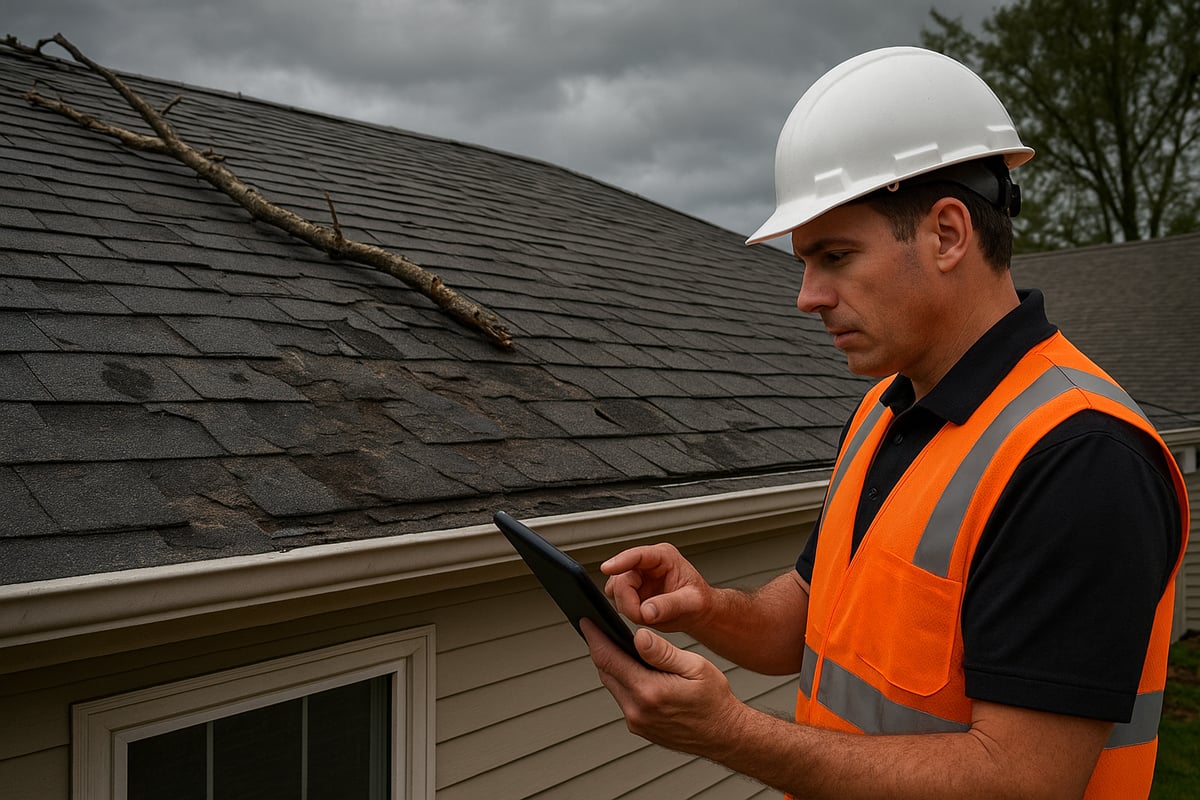
After storms, homeowners should check for both obvious and hidden signs of roof issues. Visible damage often includes missing or curled shingles, cracked tiles, dented metal panels, or granule loss on asphalt shingles. These are the first indicators that house insurance roof repairs may be necessary.
Hidden damage is just as important. Look for water stains on ceilings, leaks in the attic, or mold along rafters. These problems might not appear immediately, but they can worsen over time. Seasonal weather brings unique risks. Hail in spring can bruise or puncture roofing materials. Hurricanes in summer may lift or tear away large roof sections. Ice dams in winter can cause water to pool and seep under shingles.
For example, the 2025 Fort Worth hailstorm led to a 40 percent increase in insurance claims. Homeowners who identified and reported damage early had a smoother claims process for house insurance roof repairs. Being proactive helps you avoid costly surprises and ensures your insurance covers what it should.
Professional Roof Inspections vs. DIY Checks
While some homeowners try to assess damage themselves, professional roof inspections provide significant advantages. Licensed inspectors know exactly what insurers require for documentation. Their detailed reports support your house insurance roof repairs claim and reduce the risk of denial.
DIY checks can miss subtle problems, such as compromised flashing, underlayment issues, or blocked ventilation. Professionals use checklists that cover all critical areas:
- Flashing around chimneys and vents
- Underlayment condition beneath shingles or tiles
- Signs of moisture or mold in attic spaces
- Proper ventilation and drainage
According to industry data, claims supported by professional inspections are approved 28 percent more often. Investing in a professional inspection for house insurance roof repairs not only increases your odds of approval, but also helps identify issues before they escalate. Clear documentation, including photos and a written report, is key for insurance adjusters.
When (and When Not) to File an Insurance Claim
Deciding to file a claim for house insurance roof repairs requires careful cost analysis. If the repair cost is only slightly higher than your deductible, it may be better to pay out of pocket to avoid potential premium increases. Frequent claims can lead to higher rates or even policy cancellation.
For instance, some homeowners file claims for minor repairs, only to face higher premiums later. It is wise to document all damage with photos and receipts, even if you do not file a claim immediately. This creates a record for future reference if problems worsen.
When in doubt, consult your insurance agent or a trusted roofing professional. For more strategies on successful claims, see Claiming Roof Repairs on Insurance. Taking these steps helps maximize your coverage, avoid common pitfalls, and make informed decisions about your home’s protection.
Step-by-Step Guide: Filing a Roof Repair Insurance Claim in 2026
Filing a house insurance roof repairs claim can feel overwhelming, especially after a damaging storm. Knowing the right steps helps protect your investment and increases the odds of a successful claim. This guide breaks down the process for 2026, ensuring you are prepared, well-documented, and confident from start to finish.
Step 1: Assess and Document the Damage
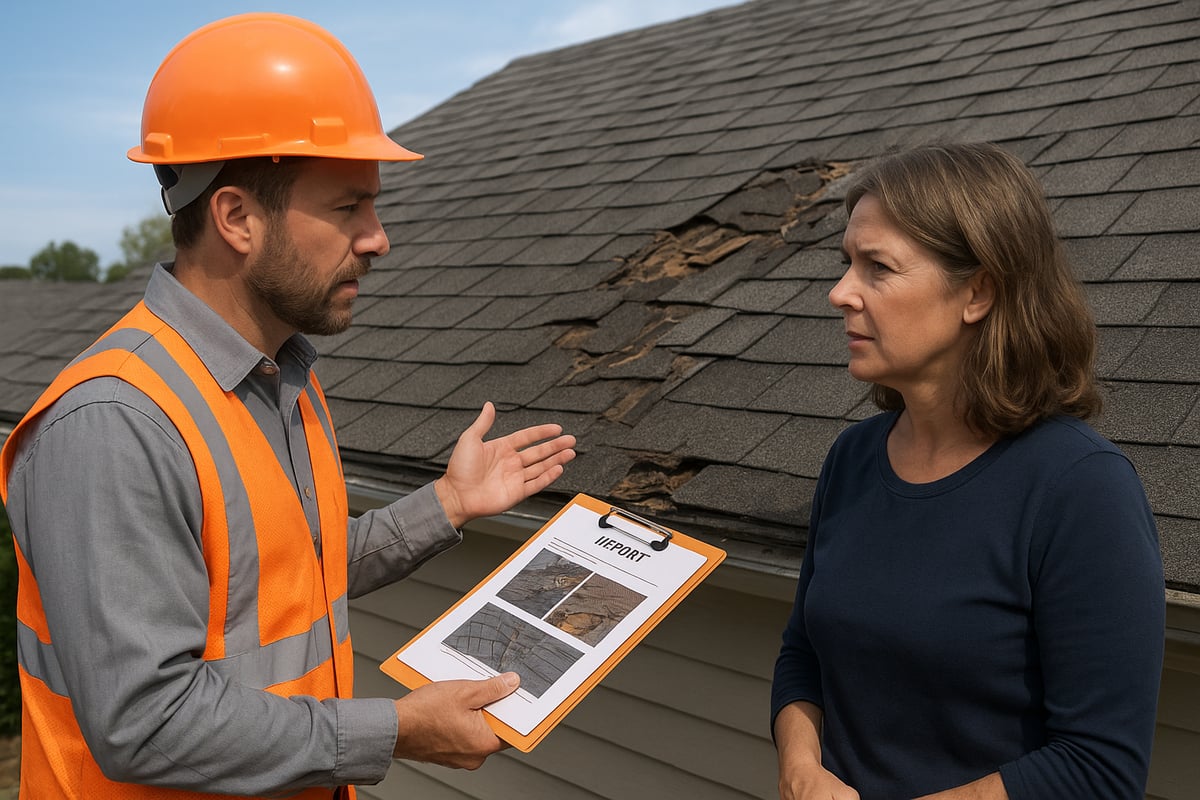
After a storm or incident, your first priority is safety. Only inspect your property when it is safe to do so. Look for visible damage like missing shingles, dented flashing, or fallen debris. Use your smartphone or camera to take clear, date-stamped photos and videos of all affected areas, both on the roof and inside your home.
Do not forget hidden issues. Check your attic for leaks, water stains, or mold. Take notes on the extent and location of damage. Gather receipts for any emergency repairs or temporary fixes you make to prevent further deterioration.
A helpful resource for this stage is the Filing Roof Leak Insurance Claims guide, which outlines the documentation and steps needed to support your house insurance roof repairs claim.
Documentation Checklist Table:
| Items to Document | How to Capture |
|---|---|
| Roof surface damage | Photos, close-ups |
| Attic/ceiling stains | Photos, written notes |
| Emergency repairs | Receipts, before/after photos |
| Weather reports | Printouts, official records |
Thorough documentation is crucial for house insurance roof repairs claims and helps avoid disputes with your insurer.
Step 2: Review Your Insurance Policy
Locate your current policy and carefully read the roof coverage section. Note whether your plan uses actual cash value or replacement cost value, as this affects your reimbursement. Identify your deductible and any specific exclusions, such as age-related wear or certain storm types.
Check your policy for claim filing deadlines and gather any forms your insurer requires. If you have questions, contact your insurance agent for clarification. Knowing your policy's details helps you avoid surprises and ensures you meet every requirement for house insurance roof repairs coverage.
Keep a list of questions or unclear terms to discuss with your adjuster or a professional roofing company.
Step 3: Schedule a Professional Roof Inspection
Even if the damage seems minor, a licensed roof inspector can uncover issues you might miss. Professional inspections provide detailed, unbiased reports that are essential for house insurance roof repairs claims.
During the inspection, expect the expert to examine all roofing materials, flashing, underlayment, and ventilation. They will document both visible and hidden damage, often using tools like drones or moisture meters for accuracy.
Professional reports increase claim approval rates and can counter findings from an insurance adjuster. Keep a copy of the inspection report for your records and share it with your insurer to strengthen your house insurance roof repairs case.
Step 4: Notify Your Insurance Company
Contact your insurance provider as soon as possible, ideally within a few days of discovering the damage. Provide a concise, factual description of what happened and the visible impact on your home. Reference your documentation and inspection report to support your house insurance roof repairs claim.
Be prepared to answer basic questions, such as the date of the incident and any emergency actions you took. Avoid speculating about causes or admitting fault. If your insurer offers an online claim portal, use it to upload your photos and documents for faster processing.
Early notification and clear communication set the stage for a smoother house insurance roof repairs process.
Step 5: Meet with the Insurance Adjuster
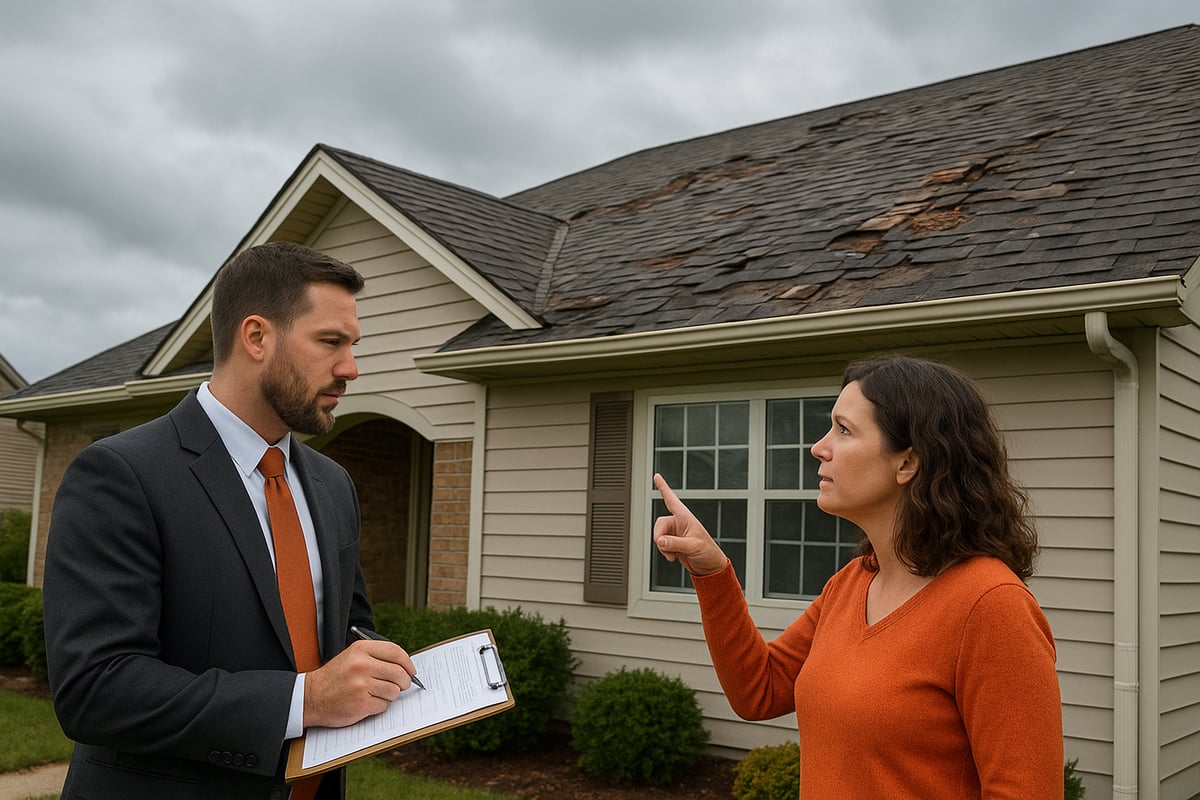
After filing your claim, your insurer will assign an adjuster to assess the damage in person. Prepare by organizing your photos, inspection reports, and receipts. Walk the adjuster through the affected areas and point out all documented issues related to your house insurance roof repairs claim.
Ask questions about their assessment process and clarify any discrepancies between their findings and your inspector's report. Stay present during the inspection to answer questions and ensure nothing is overlooked.
Being proactive and well-prepared helps ensure your interests are represented and increases the likelihood of a fair outcome for house insurance roof repairs.
Step 6: Review the Settlement Offer
Once the adjuster completes their evaluation, you will receive a settlement offer outlining the scope of repairs and payout amount. Review this document carefully and compare it to your own documentation and the professional inspection report.
If the offer is lower than expected or does not cover all needed repairs, follow your insurer's appeal process. Provide additional evidence or request a re-inspection if necessary. Successful negotiation can result in a higher payout for your house insurance roof repairs.
Do not sign off on the settlement until you are satisfied that all damage is addressed and covered appropriately.
Step 7: Complete Repairs and Finalize the Claim
Choose a reputable, licensed roofing contractor familiar with insurance work to carry out the repairs. Ensure the contractor follows all local codes and provides detailed invoices and completion photos.
Submit all final documentation to your insurer, including contractor receipts and photos of completed repairs. Confirm how the payment will be issued, either directly to you or your contractor. Keep copies of every document for your records.
Completing these steps ensures your house insurance roof repairs claim is closed properly and your home is restored to its pre-loss condition.
Roof Repair and Replacement Options After an Insurance Claim
When it comes to house insurance roof repairs, understanding your options after a claim is crucial. Homeowners often face the decision between repairing specific damage or opting for a full roof replacement. Knowing how to navigate these choices ensures you maximize your coverage, stay compliant with your policy, and protect your investment for years to come.
Repair vs. Replacement: Making the Right Choice
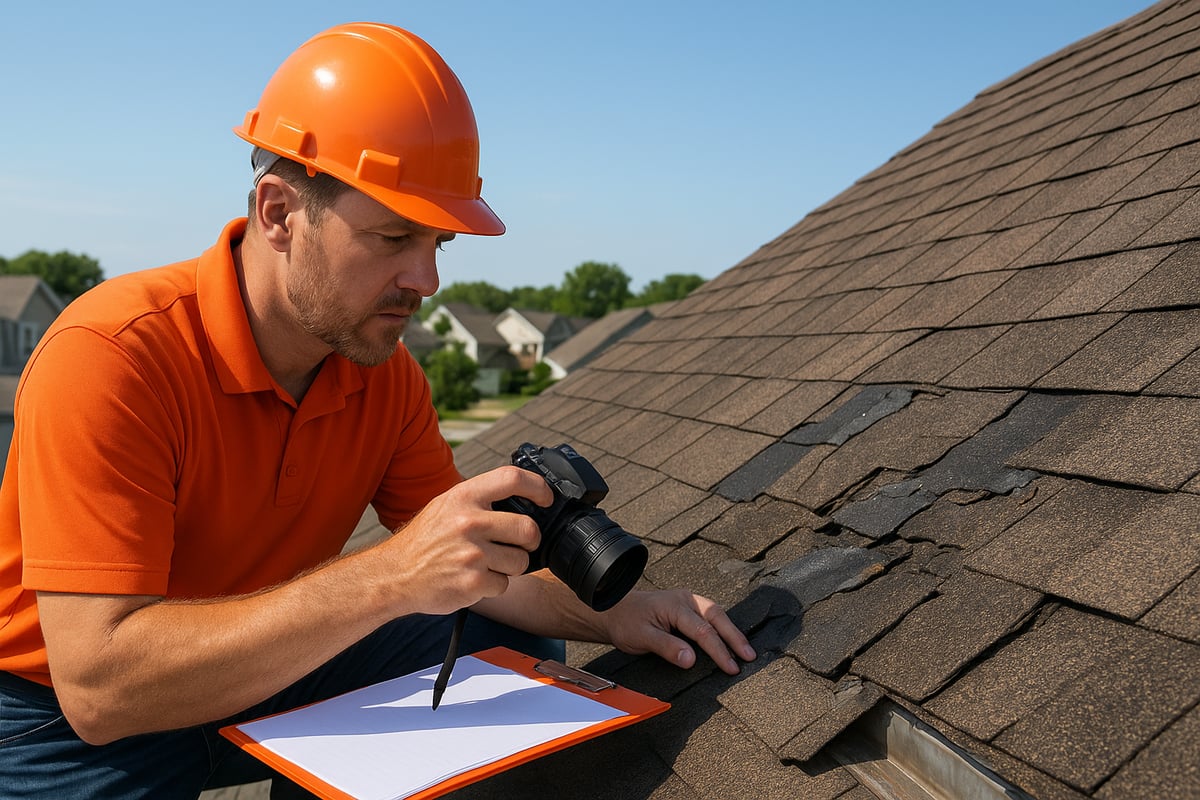
After filing a claim for house insurance roof repairs, insurers evaluate whether a repair or full replacement is warranted. Several factors influence this decision, including the extent of damage, the roof’s age, and the insurer’s recommendations.
For minor issues, such as a few missing shingles or localized leaks, targeted repairs may be sufficient. However, if the damage covers a large area or the roof is nearing the end of its life, insurers are more likely to approve full replacement. Keep in mind, a replacement may be required to meet current building codes or maintain coverage.
Consider this table for a quick comparison:
| Aspect | Repair | Replacement |
|---|---|---|
| Cost | Lower upfront | Higher upfront |
| Longevity | Short-term solution | Long-term protection |
| Premium Impact | Minimal | Possible increase |
Ultimately, the right path for house insurance roof repairs depends on professional assessments and your insurer’s guidelines.
Choosing Materials: What Insurers Will and Won’t Cover
Selecting the right materials is a critical part of house insurance roof repairs. In 2026, most policies cover common materials like asphalt, metal, tile, or composite, but restrictions may apply based on age or local codes.
Some insurers will only pay for “like kind and quality,” meaning upgrades or specialty products might not be fully covered. However, if local codes require stronger, impact-resistant shingles or enhanced underlayments after a storm, your policy may include code upgrade coverage. For example, many Texas insurers now cover Class 4 impact-resistant shingles following severe hail events.
Before making choices, review your policy or consult your contractor. For a comprehensive look at what’s covered and the claim process for full or partial replacements, see the Roof Replacement Insurance Claim Process.
By understanding material eligibility, you can avoid out-of-pocket surprises and ensure your house insurance roof repairs meet both insurer and code requirements.
Selecting a Licensed Roofing Contractor
Choosing the right contractor is essential for successful house insurance roof repairs. Always work with a licensed and insured professional who specializes in insurance claims. This protects you from liability and ensures that repairs or replacements meet industry standards.
Beware of out-of-town storm chasers, unlicensed workers, or contractors who request cash-only payments. These are red flags that can jeopardize your claim and your home’s safety. Always verify credentials, ask for references, and confirm that the contractor is approved by your insurer.
A reputable contractor will provide detailed estimates, help with documentation, and coordinate with adjusters. This support is invaluable in achieving a fair settlement and quality house insurance roof repairs.
Warranty and Post-Repair Considerations
After completing house insurance roof repairs, review all warranty details to protect your investment. Most reputable contractors offer a labor warranty, typically ranging from one to five years, while manufacturers provide additional coverage on materials.
Maintenance is key to keeping warranties valid. Regular inspections, prompt repairs of minor issues, and documentation of all work performed will ensure ongoing protection. For example, a five-year labor warranty offers peace of mind compared to standard one-year coverage, but only if you adhere to maintenance requirements.
Staying proactive with warranties and care routines will help you maximize the benefits of house insurance roof repairs and minimize future risks.
Costs, Coverage Gaps, and Out-of-Pocket Expenses
Unexpected roof damage can bring significant financial stress. Understanding what to expect from house insurance roof repairs in 2026 is crucial for budgeting and protecting your investment.
Typical Costs of Roof Repairs and Replacements in 2026
Roof repair and replacement costs have surged in recent years. On average, homeowners in Texas pay between $8,000 and $12,000 for asphalt shingle replacement, while national averages for similar projects range even higher. According to Verisk’s U.S. Roofing Realities Trend Report, roof repair costs have risen by 30% since 2022, largely due to inflation and severe weather events.
| Service Type | Texas Average | National Average |
|---|---|---|
| Shingle Repair | $600–$1,200 | $800–$1,500 |
| Full Replacement | $8,000–$12,000 | $10,000–$15,000 |
When considering house insurance roof repairs, always factor in regional labor rates, material shortages, and roof complexity.
Understanding Coverage Gaps and Exclusions
Not all roof damage is covered by insurance. Common exclusions include normal wear, improper installation, and pre-existing issues. Many house insurance roof repairs are denied because of these gaps, with depreciation often reducing payout amounts.
A 2025 survey found that 63% of denied claims were due to policy exclusions or fine print. Before disaster strikes, review your policy for specific limitations, and address any known maintenance issues to avoid unexpected surprises during the claim process.
Out-of-Pocket Expenses and How to Minimize Them
Even with comprehensive house insurance roof repairs coverage, homeowners typically face out-of-pocket expenses. The national average was $2,500 in 2025, covering deductibles, depreciation, and non-covered upgrades.
To minimize your costs:
- Get multiple repair estimates for negotiation leverage.
- Ask about financing or payment plans from contractors.
- Only authorize work that your insurer agrees to cover.
- Consider upgrades that might qualify for future premium discounts.
Understanding these expenses helps you better plan for house insurance roof repairs and avoid financial strain.
Preventing Future Coverage Gaps
Proactive steps can reduce the risk of denied claims and costly repairs. Regular roof inspections, maintenance logs, and prompt repairs are key. Upgrading to impact-resistant materials can provide premium discounts and better protection.
Annual roof maintenance has been shown to reduce claim denials by 22%. Keep detailed documentation of all work performed. These habits ensure smoother house insurance roof repairs and greater peace of mind when severe weather strikes.
Proactive Strategies to Protect Your Roof and Insurance Coverage
Protecting your home from the unexpected starts with smart planning. Proactive measures not only extend your roof’s life but also boost your success with house insurance roof repairs. Here, we break down essential steps every homeowner should follow to stay ahead of damage, claims, and costly surprises.
Routine Maintenance and Inspection Schedules
Routine checks are your first defense against roof problems. Schedule professional inspections twice a year and after major storms. These visits help catch issues before they escalate into expensive house insurance roof repairs.
Key maintenance tasks include:
- Clearing gutters and downspouts
- Replacing damaged or missing shingles
- Sealing and inspecting flashing around vents and chimneys
A well-kept record of inspections and repairs can demonstrate to your insurer that you’re a responsible homeowner. This often leads to smoother claims and fewer disputes.
Upgrading for Resilience: Materials and Installation
Investing in resilient roofing materials pays off in both durability and insurance savings. Options like impact-resistant shingles, metal roofing, and advanced underlayments can reduce the risk of damage and the frequency of house insurance roof repairs.
Many insurers offer premium discounts for roofs built with these materials. Consult your policy to see if upgrades qualify for financial incentives. Proper installation by certified professionals is equally important, as it ensures your roof meets local building codes and withstands severe weather.
Documentation and Record-Keeping for Future Claims
Accurate documentation is crucial for successful house insurance roof repairs. Keep digital copies of all inspection reports, repair receipts, and photos of your roof before and after storms.
Leverage apps or cloud storage to organize records, making them easy to access when filing a claim. Timely reporting is vital, as many insurers require prompt notification after damage. For more guidance on proper documentation, review the California Department of Insurance Residential Property Claims Guide, which outlines best practices for homeowners.
Staying Informed on Policy Changes and Local Regulations
Insurance requirements and building codes evolve every year. Stay updated by reviewing annual policy statements and subscribing to alerts from your insurer. Changes in state laws or climate trends can impact eligibility and coverage for house insurance roof repairs.
Monitor local news for updates on building codes or incentives for resilient roofing. Proactive awareness helps you adapt quickly, minimizing risk of denied claims due to outdated practices.
Community Resources and Support
After major storms, community resources can be a lifeline. Local governments may offer storm preparedness workshops or emergency repair grants. Nonprofit organizations can assist with house insurance roof repairs, especially for those facing financial hardship.
Federal programs, such as FEMA grants, may be available for uninsured damage. Connect with neighborhood groups to share tips and stay informed about support options. Leveraging these resources strengthens your safety net and enhances your long-term protection.
Now that you understand how crucial it is to recognize roof damage early, navigate your insurance policy, and act quickly after a storm, don’t leave your home’s protection to chance. A certified, professional roof inspection not only increases your chances of a successful insurance claim but also gives you peace of mind that nothing has been overlooked. With Texcore Construction’s in house experts, you’ll receive detailed documentation, clear advice, and practical next steps tailored for your needs. If you want to make sure your roof is ready for any challenge in 2026, Schedule Your Free Certified Roof Inspection today.