Industrial Roof Maintenance: Essential Strategies
Industrial facilities face unique roofing challenges that demand proactive attention and strategic planning. Large-scale manufacturing plants, warehouses, and distribution centers rely on expansive roof systems that protect valuable equipment, inventory, and operations from the elements. Without consistent industrial roof maintenance, minor issues escalate into costly disruptions, production delays, and premature roof replacement. Developing a comprehensive maintenance strategy protects your investment, extends roof lifespan, and prevents unexpected failures that threaten business continuity.
Understanding Industrial Roofing Systems and Their Vulnerabilities
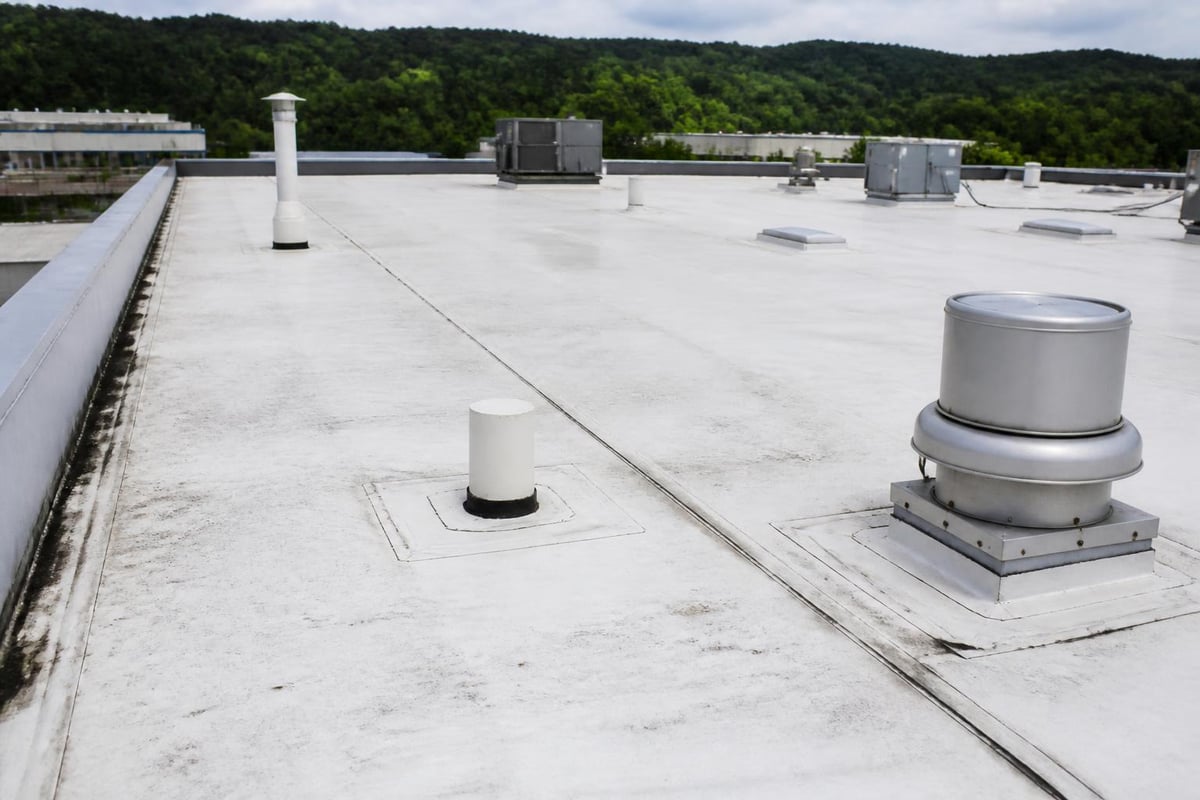
Industrial roofs differ significantly from residential and smaller commercial applications. These systems span massive square footage, often featuring flat or low-slope designs with specialized materials like TPO, EPDM, modified bitumen, or metal panels. Each material presents distinct maintenance requirements and vulnerability points.
The sheer size of industrial roofing creates inspection challenges that facility managers must address systematically. Water pooling, membrane deterioration, and fastener failure occur across large areas where problems may go unnoticed until significant damage develops. Industrial roof maintenance programs must account for accessibility issues, safety protocols, and the specialized equipment required to properly assess and service these extensive systems.
Material-Specific Maintenance Considerations
Different roofing materials demand tailored maintenance approaches:
- TPO and PVC membranes require seam inspection, surface cleaning, and puncture monitoring
- EPDM rubber roofing needs regular checks for shrinkage, seam separation, and UV degradation
- Modified bitumen systems demand granule loss assessment and blister detection
- Metal roofing panels require fastener tightening, rust prevention, and sealant replacement
- Built-up roofing (BUR) benefits from aggregate replenishment and blister repair
Each material ages differently under Fort Worth's climate conditions, with temperature extremes, UV exposure, and severe weather accelerating deterioration. Understanding these material-specific vulnerabilities allows facility managers to target maintenance efforts where they deliver maximum impact.
Creating an Effective Inspection Schedule
Regular inspections form the foundation of any successful industrial roof maintenance program. Establishing a comprehensive maintenance schedule ensures consistent monitoring and early problem detection before minor issues become major failures.
Seasonal Inspection Frequency
| Season | Focus Areas | Frequency |
|---|---|---|
| Spring | Storm damage, drainage flow, membrane condition | Post-storm + quarterly |
| Summer | UV damage, thermal expansion, seam integrity | Monthly visual checks |
| Fall | Debris removal, drainage preparation, fastener check | Pre-winter inspection |
| Winter | Ice dam prevention, snow load monitoring, leak detection | Bi-weekly during weather events |
Most industrial facilities benefit from quarterly professional inspections supplemented by monthly visual assessments performed by in-house maintenance staff. After severe weather events, immediate inspections identify damage requiring prompt attention.
Documentation and Tracking Systems
Effective industrial roof maintenance depends on thorough documentation. Each inspection should generate detailed reports including:
- Photographic evidence of conditions and concerns
- Measurements of standing water areas
- Documentation of repairs completed
- Tracking of recurring problem zones
- Material condition assessments with degradation rates
This historical data reveals patterns, predicts future needs, and supports capital planning decisions. Facility managers who maintain comprehensive records demonstrate due diligence and strengthen insurance claims when storm damage occurs.
Drainage System Management
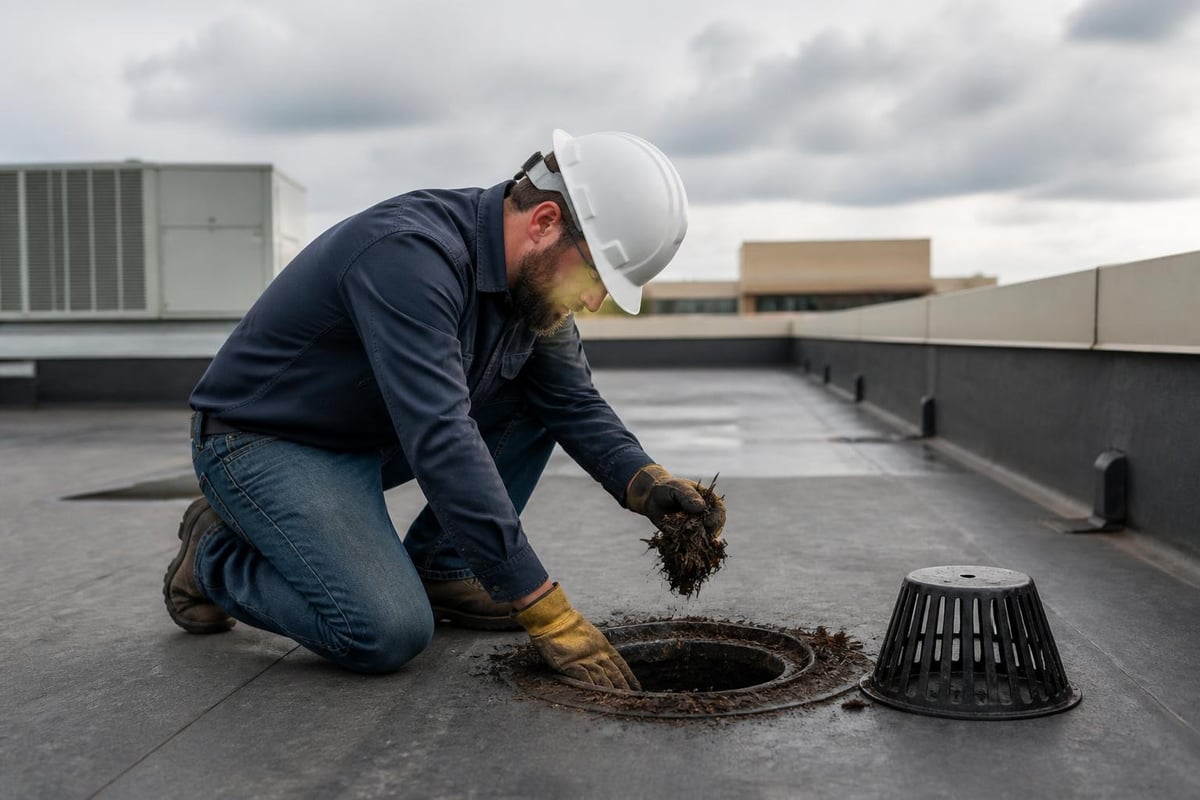
Proper water management represents perhaps the most critical aspect of industrial roof maintenance. Flat and low-slope industrial roofs rely entirely on functional drainage systems to prevent water accumulation that accelerates membrane degradation and structural stress.
Standing water exceeding 48 hours indicates drainage deficiencies requiring immediate correction. Ponding water creates concentrated weight loads, promotes algae growth, and dramatically shortens membrane lifespan. Regular cleaning of drainage systems prevents blockages that lead to costly water damage.
Drainage Component Maintenance
Professional maintenance teams should address these drainage elements:
- Internal drains and scuppers – Remove debris quarterly and after storms
- Gutters and downspouts – Clear leaves, inspect for proper pitch and attachment
- Overflow drains – Test functionality and clear backup systems
- Drain strainers – Clean regularly to prevent clogging
- Tapered insulation – Verify positive slope toward drainage points
Industrial facilities in Fort Worth face particular challenges during spring and fall when storms deposit substantial debris. Establishing a post-storm drainage inspection protocol prevents water intrusion and the cascading problems that follow.
Membrane and Surface Care
The roof membrane serves as the primary weather barrier protecting your facility. Regular surface maintenance extends membrane life significantly while preventing premature replacement costs.
Surface Cleaning Protocols
Dirt, debris, and biological growth accelerate membrane deterioration. Industrial roofs accumulate:
- Leaves and organic matter from surrounding vegetation
- Industrial pollutants and airborne contaminants
- Dust and particulates from facility operations
- Bird droppings and nesting materials
Scheduled cleaning removes these damaging elements. Gentle methods using soft brushes and approved cleaning solutions prevent membrane damage while removing harmful materials. High-pressure washing should be avoided as it can compromise seams and coatings.
Identifying Early Warning Signs
Facility managers conducting routine inspections should watch for these membrane deterioration indicators:
| Warning Sign | Potential Cause | Urgency Level |
|---|---|---|
| Blistering or bubbling | Trapped moisture, poor installation | Medium – monitor and repair |
| Shrinkage and pulling | Thermal cycling, age | High – leads to seam failure |
| Punctures or tears | Impact damage, traffic | Critical – immediate repair |
| Seam separation | Installation defects, movement | High – water infiltration risk |
| Surface chalking | UV degradation | Low – cosmetic until advanced |
Early detection allows for targeted repairs that cost considerably less than emergency interventions or widespread membrane replacement. Professional roof inspections identify subtle problems that untrained observers miss.
Flashing and Penetration Management
Roof penetrations and flashings represent the most common failure points in industrial roofing systems. HVAC units, skylights, vents, and pipe penetrations create numerous opportunities for water infiltration when flashings deteriorate or lose adhesion.
Critical Flashing Zones
Industrial roof maintenance programs must prioritize these high-risk areas:
- Equipment curbs – HVAC units create stress points requiring regular sealant renewal
- Parapet walls – Cap flashings and reglets need periodic inspection and resealing
- Expansion joints – Movement accommodation systems demand specialized attention
- Skylights and hatches – Gaskets dry out and require replacement
- Pipe boots and vents – Flexible flashings crack and split over time
Each penetration should be individually inspected during routine maintenance visits. Sealants have finite lifespans, typically requiring replacement every five to seven years depending on material quality and exposure conditions.
Managing Roof Traffic and Access
Industrial facilities often require regular roof access for HVAC maintenance, telecommunications equipment, and facility operations. Uncontrolled roof traffic damages membranes and accelerates deterioration. Implementing proper roof traffic management protects your investment.
Establishing Access Protocols
Create designated walkway paths using protective pads or pavers that distribute weight and prevent membrane damage. Clearly mark these pathways and train all personnel who access the roof on proper procedures.
Install equipment at logical locations that minimize required roof travel. Consolidating rooftop equipment reduces the need for extensive walking paths and limits potential damage zones.
Document all roof access through sign-in procedures that track who accesses the roof and when. This accountability helps identify damage sources and reinforces proper protocol adherence.
Preventive Repair Strategies
Proactive repairs during scheduled maintenance visits cost significantly less than emergency interventions. Small problems identified early remain manageable and affordable. Delayed repairs allow minor issues to expand, often requiring extensive remediation.
Prioritizing Repair Work
Not all identified issues demand immediate attention. Categorize repairs by urgency:
Critical (Immediate Action Required)
- Active leaks causing interior damage
- Complete membrane failure or large tears
- Structural concerns or safety hazards
- Major flashing separations
Important (Address Within 30 Days)
- Minor seam separations not yet leaking
- Deteriorated sealants around penetrations
- Drainage issues causing ponding
- Fastener back-out requiring re-securing
Routine (Schedule During Next Maintenance Cycle)
- Surface cleaning needs
- Minor coating touch-ups
- Preventive sealant renewal
- Cosmetic repairs
This prioritization ensures limited maintenance budgets address the most critical needs while planning for routine work during scheduled service visits.
Coating and Restoration Programs
Industrial roof coatings provide an economical alternative to complete replacement when membranes show age but retain structural integrity. Roof coating programs extend roof life by 10-15 years while improving energy efficiency and weather resistance.
Coating System Benefits
Applied correctly, roof coatings deliver multiple advantages:
- Seamless waterproof barrier over existing membrane
- UV protection reducing thermal degradation
- Reflective properties lowering cooling costs
- Flexibility accommodating building movement
- Cost savings versus complete tear-off and replacement
Coating systems require proper surface preparation, compatible materials, and favorable application conditions. Professional application ensures proper adhesion and performance.
Coated roofs need periodic inspection and maintenance recoating every 10-12 years. This cyclical approach maintains continuous protection without the disruption and expense of replacement.
Weather Preparedness and Storm Response
Fort Worth experiences severe weather including hailstorms, high winds, and torrential rain that test industrial roofing systems. Preparation and rapid response minimize damage and business disruption.
Pre-Storm Preparation
Before severe weather arrives:
- Clear all drainage systems of debris
- Secure loose equipment and materials
- Inspect and repair known weak points
- Document pre-storm roof condition with photos
- Review emergency contact procedures
These preventive steps reduce storm damage severity and support insurance claims if damage occurs.
Post-Storm Assessment
After significant weather events, immediate inspection identifies damage requiring emergency intervention. Industrial roofing specialists assess storm impact, provide temporary protection, and document damage for insurance purposes.
Look for these common storm-related problems:
- Torn or lifted membrane sections
- Impact damage from hail or debris
- Compromised flashings and edge details
- Damaged or missing roof-mounted equipment
- Water intrusion evidence
Prompt professional assessment prevents minor storm damage from escalating into major problems during subsequent weather events.
Budgeting for Long-Term Roof Performance
Strategic industrial roof maintenance requires adequate budget allocation balancing routine care with capital planning for eventual replacement. Facility managers benefit from comprehensive maintenance checklists that inform realistic budget development.
Annual Maintenance Budget Guidelines
| Expense Category | Recommended Annual Budget | Frequency |
|---|---|---|
| Professional inspections | $0.05-$0.08 per sq ft | Quarterly |
| Routine cleaning and minor repairs | $0.10-$0.15 per sq ft | As needed |
| Preventive sealant and coating work | $0.08-$0.12 per sq ft | Every 3-5 years |
| Emergency repair reserve | $0.05 per sq ft | Contingency fund |
These guidelines vary based on roof age, condition, and local climate factors. Older roofs approaching replacement timing require increased maintenance budgets to maintain performance until scheduled capital improvements.
Underfunding maintenance creates false economy. Deferred maintenance accelerates deterioration, shortens roof lifespan, and ultimately costs more than consistent preventive care.
Energy Efficiency and Sustainability Considerations
Modern industrial roof maintenance incorporates energy efficiency improvements that reduce operating costs while extending roof life. Reflective coatings, improved insulation, and strategic upgrades deliver measurable returns.
Cool roof technologies reflect solar radiation, reducing cooling loads by 10-30% in large industrial facilities. White or light-colored coatings applied during maintenance cycles provide immediate energy benefits without roof replacement costs.
Insulation assessments during roof maintenance identify areas where thermal performance improvements deliver quick payback. Adding insulation during planned maintenance work costs less than dedicated retrofit projects.
Sustainable maintenance practices minimize environmental impact through:
- Coating and restoration versus landfill-bound tear-offs
- Targeted repairs extending existing roof life
- Energy-efficient materials reducing carbon footprint
- Proper waste management during maintenance activities
These approaches align with corporate sustainability goals while delivering practical financial benefits.
Selecting Qualified Maintenance Providers
Industrial roof maintenance quality depends on contractor expertise, responsiveness, and accountability. In-house crews deliver superior results compared to subcontracted work, ensuring consistent quality and clear communication.
Contractor Evaluation Criteria
Assess potential maintenance providers on:
- Licensing and insurance – Verify current coverage protecting your facility
- Industrial experience – Confirm expertise with your specific roof type
- In-house crews – Avoid subcontractor reliance ensuring quality control
- Documentation practices – Request sample inspection reports
- Emergency response capability – Confirm availability for urgent needs
- Warranty coverage – Understand labor and material guarantees
Long-term partnerships with qualified contractors deliver better results than constantly changing service providers. Established relationships mean contractors understand your facility's unique needs and history.
Integrating Technology and Monitoring Systems
Advanced technologies enhance industrial roof maintenance through early problem detection and data-driven decision making. Thermal imaging identifies moisture intrusion invisible to visual inspection. Drone assessments safely survey large roof areas without extensive physical access.
Moisture sensors embedded in roof systems provide continuous monitoring, alerting facility managers to developing problems before visible damage occurs. These proactive systems catch issues at the earliest stages when repairs remain simple and affordable.
Digital maintenance management platforms track inspection schedules, compile historical data, and automate work order generation. Cloud-based systems provide stakeholders with real-time access to roof condition information supporting informed decision making.
While technology enhances maintenance programs, it supplements rather than replaces hands-on professional inspection. Experienced technicians identify subtle problems automated systems miss while understanding context and appropriate responses.
Training and Safety Protocol Development
Facility staff performing routine inspections need proper training covering safety procedures, problem identification, and documentation standards. Comprehensive maintenance programs include structured training ensuring consistent inspection quality.
Essential Training Components
Effective training programs address:
- Fall protection and personal protective equipment requirements
- Roof access procedures and designated pathway use
- Visual problem identification and documentation
- When to call professional contractors versus handling in-house
- Emergency response protocols for active leaks
Regular refresher training maintains safety standards and updates staff on new procedures or equipment. Documentation of training completion demonstrates due diligence and supports liability protection.
Safety must remain the paramount concern during all roof maintenance activities. No repair or inspection justifies risking personnel safety. Proper equipment, training, and protocols protect workers while ensuring maintenance quality.
Protecting your industrial facility requires consistent attention to roof condition, drainage function, and early problem detection. By implementing regular inspection schedules, addressing repairs promptly, and partnering with qualified professionals, you extend roof lifespan while avoiding costly emergency interventions. Texcore Construction delivers the expertise Fort Worth facility managers need for comprehensive industrial roof maintenance. Our in-house crews provide thorough inspections, detailed documentation, and reliable repairs backed by transparent communication and five-year labor warranties, ensuring your facility remains protected year-round.