
Industrial Roof Replacement: Planning and Execution Guide
Industrial facilities face unique roofing challenges that residential and standard commercial properties simply don't encounter. Manufacturing plants, warehouses, distribution centers, and processing facilities operate under conditions that place extraordinary demands on roofing systems. Heavy equipment vibrations, temperature fluctuations, chemical exposure, and the critical need for uninterrupted operations make industrial roof replacement one of the most complex undertakings in commercial construction. Facility managers and property owners must balance immediate operational needs against long-term performance, navigating tight budgets while ensuring worker safety and protecting valuable inventory. Understanding the full scope of what's involved in replacing an industrial roof helps decision-makers plan effectively and avoid costly disruptions.
Signs Your Industrial Facility Needs Roof Replacement
Determining when to replace rather than repair an industrial roof requires careful assessment of multiple factors. While routine maintenance and targeted repairs extend service life, certain conditions indicate that full replacement has become the most cost-effective option.
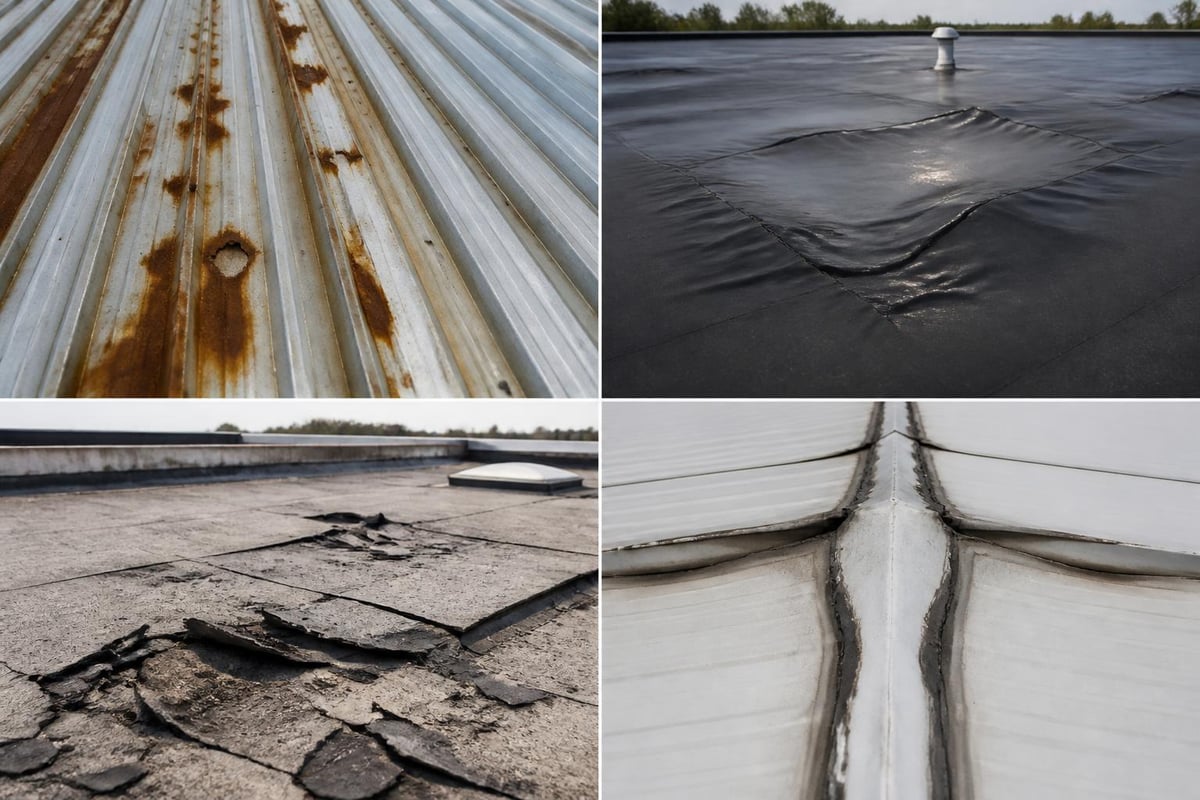
Visible deterioration manifests in several ways across industrial roofing systems. Metal panels show rust penetration, perforation, and seam separation. Single-ply membranes develop widespread cracking, shrinkage, and UV degradation. Built-up roofing exhibits alligatoring, blistering, and loss of aggregate surfacing. When these issues affect more than 25-30% of the roof surface, replacement typically makes more financial sense than ongoing patch repairs.
Age and Performance History
Most industrial roofing systems have predictable service lives based on material type and maintenance history:
- TPO and PVC membranes: 15-25 years with proper maintenance
- EPDM rubber roofing: 20-30 years depending on exposure
- Modified bitumen: 15-20 years in industrial applications
- Metal standing seam: 30-40 years with coating renewal
- Built-up roofing (BUR): 15-25 years with regular maintenance
When roofs approach or exceed these timeframes while showing performance decline, planning for industrial roof replacement becomes essential. Planning ahead for commercial roof replacement allows facilities to schedule work during slower operational periods rather than responding to emergency failures.
Interior evidence provides equally important indicators. Water stains on ceiling tiles, rust on structural members, and moisture in insulation all signal roofing system failure. For facilities storing sensitive materials or operating precision equipment, even minor leaks create unacceptable risks that justify proactive replacement.
Industrial Roof Replacement Cost Factors
Budget planning for industrial roof replacement involves more complexity than simple square footage calculations. Multiple variables influence total project costs, and understanding these elements helps facilities allocate appropriate resources.
| Cost Factor | Impact Level | Typical Range |
|---|---|---|
| Roof system type | High | $4-15 per sq ft |
| Tear-off complexity | Medium-High | $1-4 per sq ft |
| Insulation upgrade | Medium | $1.50-3 per sq ft |
| Structural repairs | Variable | $5-25 per sq ft (affected areas) |
| Access equipment | Medium | $8,000-40,000 total |
System selection drives baseline costs significantly. Single-ply membranes like TPO offer economical installation, while premium systems such as spray polyurethane foam or fluid-applied membranes command higher initial investment but deliver superior performance in challenging environments. The detailed cost analysis for industrial roof replacement shows how material choices affect both upfront and lifecycle costs.
Tear-off requirements vary substantially based on existing conditions. Facilities with multiple roof layers, degraded insulation, or wet deck boards face higher removal costs. Some projects allow roof-over applications, avoiding tear-off entirely and reducing disposal expenses. However, building code restrictions and structural load limits often necessitate complete removal.
Operational constraints add expenses that purely construction-focused estimates miss. Production shutdowns, equipment relocation, dust control measures, and enhanced safety protocols protect ongoing operations but increase total project investment. Facilities that cannot pause operations may require phased installation approaches that extend timelines and raise labor costs.
Selecting the Right Roofing System
Industrial environments demand roofing systems engineered for specific performance requirements. The wrong choice leads to premature failure, while properly matched systems deliver decades of reliable service.
Performance Requirements Assessment
Before selecting materials, facility managers must identify critical performance factors:
- Chemical resistance for manufacturing environments with corrosive processes
- Fire resistance ratings meeting insurance and regulatory requirements
- Wind uplift resistance appropriate for building height and geographic location
- Thermal performance supporting HVAC efficiency and process temperature control
- Mechanical fastening versus adhesive systems based on deck type
Manufacturing facilities processing chemicals or generating airborne contaminants need roofing systems specifically engineered for those exposures. Specialized industrial roofing applications require material selection based on chemical compatibility charts and environmental testing data.
TPO and PVC membranes dominate modern industrial applications due to their combination of durability, heat-weldable seams, and competitive pricing. White or light-colored membranes reduce cooling loads in warm climates, delivering measurable energy savings. These systems perform well across most industrial applications except those with extreme chemical exposure.
Metal roofing systems suit facilities requiring superior durability and minimal maintenance. Standing seam metal roofs accommodate thermal expansion, resist impact damage, and support equipment mounting more effectively than membrane systems. The challenges of steep-slope industrial roof replacement demonstrate how specialized applications sometimes require metal systems despite higher costs.
Modified bitumen and built-up roofing continue serving industrial facilities in specific applications. These systems handle heavy foot traffic, provide excellent waterproofing, and offer proven performance in cold climates. However, installation requires hot asphalt or torches, creating safety concerns that many facilities now avoid.
Planning and Scheduling Industrial Roof Replacement
Successful industrial roof replacement requires comprehensive planning that addresses operational continuity, safety, weather, and contractor coordination. Rushed projects inevitably encounter problems that proper preparation prevents.
The planning timeline should begin 12-18 months before anticipated installation for major facilities. This allows adequate time for budgeting, system evaluation, contractor selection, and scheduling around operational requirements. Smaller facilities may compress this timeline to 6-9 months, but abbreviated planning increases risk.
Critical Planning Steps
- Comprehensive roof assessment identifying all deficiencies
- System selection based on performance requirements and budget
- Contractor vetting focusing on industrial experience and safety records
- Detailed scope development preventing change orders and disputes
- Operational coordination scheduling phases around production needs
- Safety planning addressing fall protection, hot work permits, and air quality
- Weather contingencies building flexibility into schedules
For companies managing commercial roofing systems across multiple facilities, standardizing on proven systems simplifies maintenance and reduces long-term costs. However, each building's unique conditions may require system modifications.
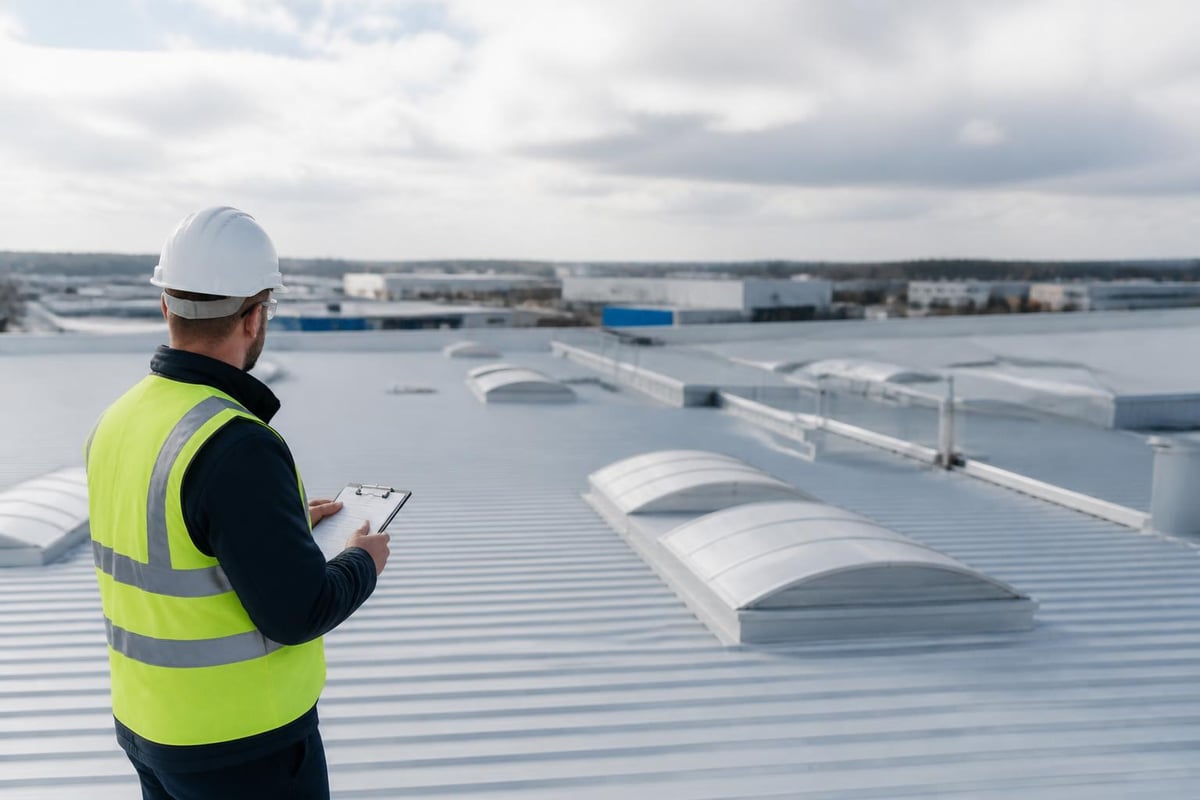
Weather windows present particular challenges for industrial roof replacement projects. Most roofing systems require dry conditions and specific temperature ranges during installation. Facilities in regions with short construction seasons must plan carefully to secure contractor availability and avoid weather delays. The emergency replacement of tornado-damaged industrial roofing illustrates how unexpected events sometimes force work under less-than-ideal conditions.
Phasing strategies allow facilities to maintain operations during roof replacement. Contractors section the roof into manageable zones, completing one area before moving to the next. This approach minimizes disruption but extends overall project duration and may increase costs compared to continuous installation.
Execution and Quality Control
Once planning concludes and contractors mobilize, execution quality determines long-term roof performance. Industrial roof replacement demands rigorous oversight and quality control throughout installation.
Pre-construction meetings align all stakeholders on safety protocols, communication channels, daily schedules, and quality expectations. These sessions establish clear procedures for accessing the facility, managing deliveries, controlling dust and noise, and responding to emergencies. Facilities with sensitive operations or hazardous materials require additional safety coordination.
Safety protocols for industrial roof replacement exceed standard commercial requirements. Fall protection systems, equipment guardrails, warning line systems, and personal protective equipment protect workers on large, often exposed roof surfaces. Hot work permits govern torch operations and heat welding. Confined space entry procedures apply when accessing equipment or working in enclosed roof areas.
Installation Oversight Elements
Effective quality control during installation includes multiple checkpoints:
- Daily progress inspections documenting work completion
- Seam testing at regular intervals using destructive and non-destructive methods
- Insulation and membrane thickness verification
- Fastener density and pattern confirmation
- Penetration flashing and detail work review
- Drainage verification and ponding water checks
Third-party roof inspections provide objective quality verification independent of contractor self-reporting. Many facility owners engage roofing consultants to perform spot checks and final inspections, ensuring installation meets specifications and manufacturer requirements. For example, companies experienced in handling roofing-related challenges in coastal regions often emphasize the importance of independent verification, particularly in environments where weather-related stresses demand exacting installation standards.
Documentation throughout installation creates valuable records for warranty claims, maintenance planning, and future roof replacements. Photographs, daily reports, material invoices, and test results provide evidence of proper installation and help diagnose any issues that arise later.
The rapid three-day warehouse roof replacement demonstrates that accelerated schedules can succeed when planning, coordination, and execution align properly. However, such speed requires experienced crews, favorable weather, and simplified roof configurations.
Special Considerations for Industrial Environments
Industrial facilities present unique challenges that standard commercial roof replacement projects don't encounter. Addressing these factors separates successful projects from problematic ones.
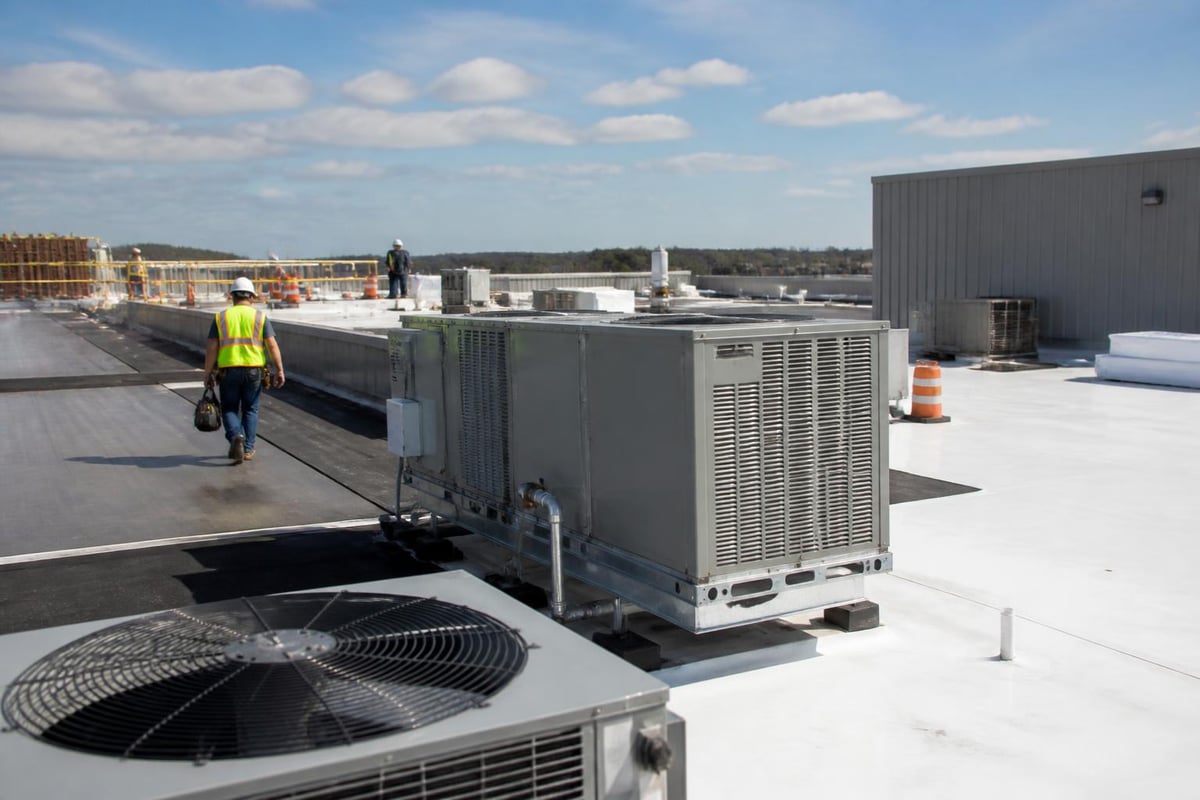
Active equipment and utilities complicate roof work significantly. HVAC units, exhaust fans, skylights, and process ventilation equipment often cannot be shut down during roof replacement. Contractors must work around operating equipment, maintaining clearances and protecting components from damage. Some facilities require temporary equipment relocation or operational scheduling to coordinate with roofing work.
Hazardous materials and processes demand additional precautions. Chemical storage areas, high-temperature operations, and explosive atmospheres require specialized safety protocols. Hot work near these areas may be prohibited entirely, limiting acceptable roofing systems to those installed without heat or flame.
Existing solar arrays create specific complications, as demonstrated in the partial industrial roof replacement with solar PV installation. Panels must be removed, stored safely, and reinstalled after roofing completion. Electrical disconnection and reconnection require licensed electricians. Array mounting systems must be compatible with new roofing materials.
Fire-damaged sections require particular attention, as shown in the metal roof replacement following recycling facility fire. Structural integrity assessments determine whether decking, joists, or other components need replacement beyond just roofing materials. Smoke damage and heat exposure can weaken steel that appears superficially intact.
Loading dock access, truck traffic, and material deliveries continue during roof replacement at most industrial facilities. Contractors must coordinate material staging to avoid blocking operational areas while maintaining efficient access to roof sections under construction. Crane operations and equipment lifts require careful planning around facility activities.
Working with Experienced Industrial Roofing Contractors
Contractor selection ranks among the most critical decisions in industrial roof replacement projects. The gap between experienced industrial roofers and general commercial contractors becomes evident when projects encounter the unique challenges these facilities present.
Evaluating contractor qualifications should emphasize industrial-specific experience rather than general commercial roofing volume. Request references from similar facilities, focusing on manufacturing plants, warehouses, or distribution centers rather than office buildings or retail properties. The comprehensive approach to industrial facility roofing requires specialized knowledge that not all commercial roofers possess.
In-house crews versus subcontractors significantly affects project quality and accountability. Contractors employing their own trained teams provide better quality control, clearer communication, and more reliable scheduling. Subcontractor-dependent companies introduce coordination challenges and diluted responsibility. For companies providing industrial roofing services, direct employment of installation crews ensures consistent execution across all project phases.
| Contractor Evaluation Factor | Why It Matters |
|---|---|
| Industrial project portfolio | Demonstrates understanding of unique facility requirements |
| Safety record and EMR rating | Indicates risk management capability |
| Crew training and certification | Ensures proper installation technique |
| Project management systems | Prevents communication breakdowns |
| Warranty and service commitment | Protects long-term investment |
Insurance and bonding requirements for industrial projects typically exceed those for standard commercial work. Verify that contractors carry adequate general liability coverage, workers compensation insurance, and pollution liability where applicable. Performance bonds protect facility owners if contractors fail to complete work as specified.
Communication protocols established before work begins prevent most project conflicts. Designate single points of contact on both the contractor and facility sides. Establish procedures for daily updates, safety incidents, change orders, and weather delays. Regular progress meetings keep all stakeholders informed and aligned.
The energy-efficient TPO roof installation at TE Connectivity showcases how experienced contractors deliver comprehensive solutions that address multiple facility objectives beyond just watertight roofing.
Post-Installation Considerations
Industrial roof replacement doesn't end when contractors demobilize. Proper post-installation activities protect the investment and establish foundations for long-term performance.
Final inspections should include facility representatives, contractors, and ideally third-party consultants. Walk the entire roof surface examining seams, flashings, penetrations, and drainage. Test scuppers and drains with water to verify proper flow. Document any punch list items requiring correction before final payment.
Warranty documentation requires careful review and proper storage. Manufacturer material warranties typically span 10-30 years depending on system type, while contractor workmanship warranties range from one to ten years. Understanding coverage terms, exclusions, and claim procedures prevents future disputes. Some warranties require annual inspections or periodic maintenance to remain valid.
Maintenance program establishment immediately after installation maximizes roof lifespan and protects warranty coverage. Schedule semi-annual inspections checking for debris accumulation, drain blockages, flashing condition, and early signs of wear. Address minor issues promptly before they escalate into major problems requiring expensive repairs.
As-built documentation provides critical information for facility management. Collect final drawings showing membrane layout, insulation specifications, flashing details, and equipment mounting locations. Maintain records of all materials used, including manufacturer names, product lines, and lot numbers. This information proves invaluable for future repairs, additions, or eventual replacement.
Training facility maintenance staff on proper roof access procedures, acceptable foot traffic patterns, and minor maintenance tasks prevents inadvertent damage. Many industrial roof failures result from maintenance activities rather than material defects. Clear protocols for equipment installation, HVAC servicing, and other roof access activities protect the investment.
For facilities planning equipment additions or modifications, consult with roofing professionals before proceeding. New HVAC units, solar installations, or other mounted equipment affect roof warranties and may require structural upgrades or additional flashing work. Coordinating these additions with experienced storm damage contractors who understand industrial roofing helps prevent future problems.
Industrial roof replacement represents a significant investment in facility infrastructure that demands careful planning, experienced execution, and ongoing maintenance. By understanding system options, cost factors, scheduling considerations, and quality control requirements, facility managers can navigate these complex projects successfully while minimizing operational disruption. When your industrial facility needs reliable roofing solutions delivered by experienced in-house crews committed to quality and clear communication, Texcore Construction provides the expertise and accountability that Fort Worth area facilities depend on for long-term roof performance.