
Insurance Claims on Roofs: The Essential Guide 2026
Dealing with sudden roof damage can leave homeowners and property managers feeling overwhelmed. The process of navigating insurance claims on roofs often brings confusion, uncertainty, and significant financial worry.
Roof repairs can represent a major investment. A successful insurance claim may be the difference between manageable costs and severe financial strain. That is why understanding the insurance claims on roofs process is crucial for protecting your property and peace of mind.
This comprehensive guide breaks down the essentials of roof insurance, walks you through each step of the claims process, and shares practical tips for documentation and negotiation. You will learn how to avoid common pitfalls, maximize your settlement, and work effectively with roofing professionals.
Let this resource be your guide to confidently managing insurance claims on roofs, securing your investment, and ensuring your property is restored properly.
Understanding Roof Insurance Coverage
Understanding your policy is the first step to navigating insurance claims on roofs. Coverage varies significantly, and knowing what is and is not included can save you from costly surprises.
Types of Roof Damage Covered by Insurance
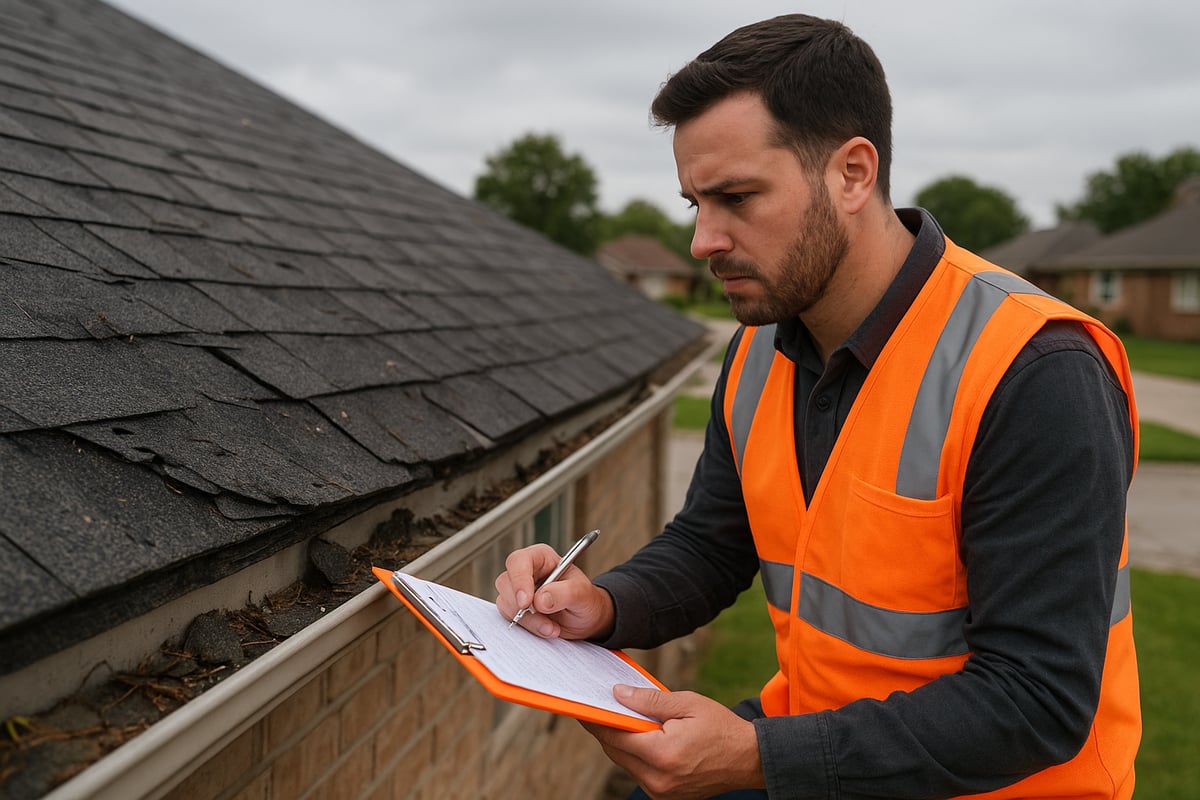
Most insurance claims on roofs relate to sudden, accidental damage. Covered perils often include hail, wind, storms, fire, or falling debris. For instance, hail damage is especially common in Texas and the Midwest, where severe weather is frequent.
However, policies typically exclude wear and tear, neglect, and manufacturer defects. Regional factors matter: homes in hail-prone areas may face higher premiums or stricter policy terms. According to Carrier Management’s Insights on Roof Claims, wind and hail account for over 40% of property insurance claims in the U.S. Policy wording is critical, so always check for specific definitions and limitations related to insurance claims on roofs.
Actual Cash Value vs. Replacement Cost Coverage
Insurance claims on roofs are paid out in two primary ways: actual cash value (ACV) or replacement cost value (RCV). ACV pays the depreciated value of your roof, factoring in age and wear. RCV covers the full cost of replacing the damaged portion, minus your deductible.
Here’s a quick comparison:
| Feature | Actual Cash Value (ACV) | Replacement Cost Value (RCV) |
|---|---|---|
| Payout | Depreciated value | Full replacement cost |
| Depreciation deducted? | Yes | No |
| Example | 10-year-old roof: much less than new | 10-year-old roof: pays for new materials |
Review your policy before disaster strikes to understand which coverage applies to your insurance claims on roofs.
Common Policy Exclusions and Limitations
Insurers set strict guidelines on what qualifies for coverage in insurance claims on roofs. Common exclusions include:
- Roofs over a certain age (often 15-20 years)
- Cosmetic damage that does not affect function
- Claims resulting from lack of maintenance (e.g., moss, clogged gutters)
- Specific materials, like wood shake, may be excluded
A frequent scenario: claims are denied due to documented neglect, such as missing routine cleaning or repairs. Knowing these limitations will help you avoid unnecessary claim denials.
Endorsements and Additional Coverage Options
You can strengthen your insurance claims on roofs by adding policy endorsements. Popular options include:
- Ordinance or law coverage for code-required upgrades
- Extended replacement cost for higher payouts
- Lower or higher deductible choices to fit your needs
- Flood and earthquake coverage, usually sold separately
Regularly review your policy to ensure you have the endorsements and limits that best protect your property.
How to Read Your Roof Insurance Policy
Decoding your insurance policy is vital for effective insurance claims on roofs. Focus on these sections:
- Declarations page: Summarizes coverage, limits, and deductibles
- Exclusions: Lists what is not covered
- Endorsements: Notes any added benefits or changes
If policy language is unclear, request clarification from your agent. Compare policy documents annually, as terms may change. Understanding your deductible structure and any limitations will help you make the most of insurance claims on roofs.
The Roof Insurance Claim Process: Step-by-Step
Facing roof damage can feel overwhelming, but a step-by-step approach simplifies even the most complex insurance claims on roofs. By following this guide, you will protect your investment and avoid common pitfalls. For a deeper dive, see this Roofing Insurance Claims Process resource for additional details and support.

Step 1: Assess and Document the Damage
Safety comes first. Before starting any insurance claims on roofs, check for hazards such as loose shingles or exposed wiring. Once it is safe, begin documenting all visible damage.
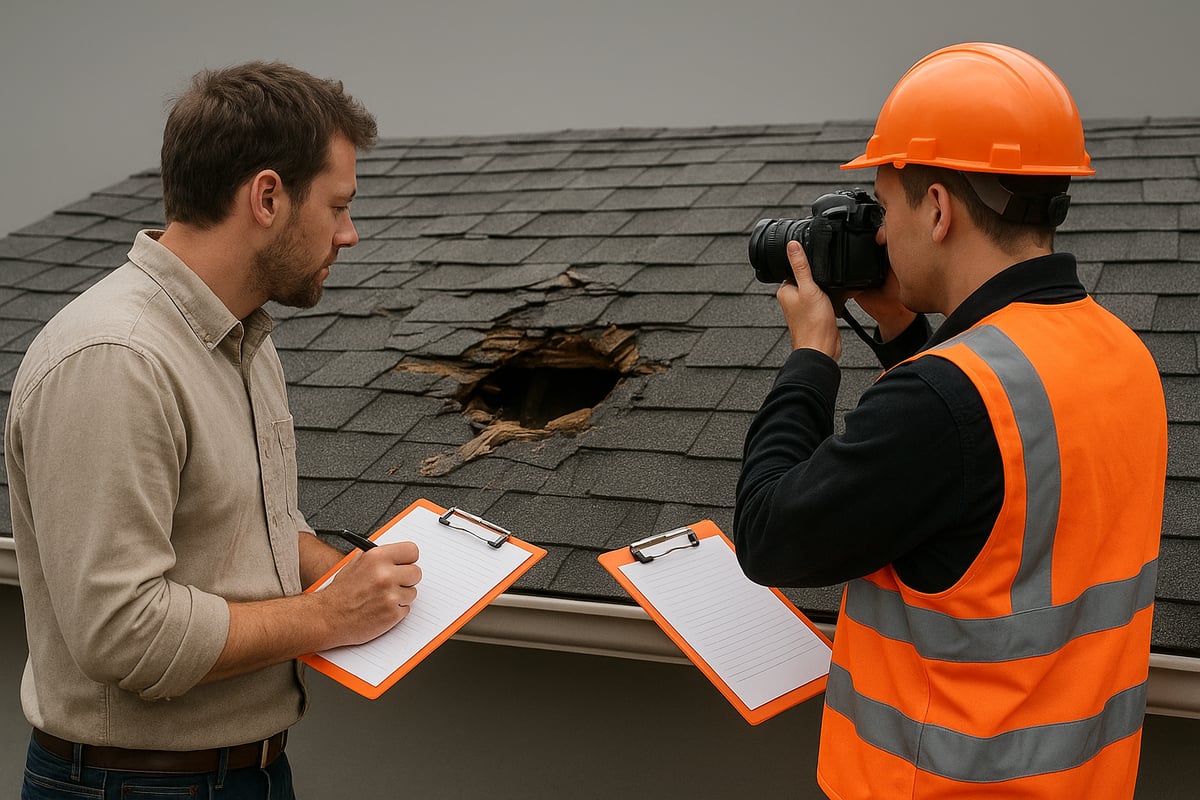
Take clear, date-stamped photos and videos from various angles. Capture both wide shots and close-ups of affected areas. If possible, document the cause, like hailstones or fallen limbs, to support your claim.
A real-world example is tornado aftermath, where debris and punctures are carefully recorded. Resist making any repairs before the insurance adjuster visits, as this could impact your claim eligibility.
Step 2: Contact Your Insurance Company
Promptly notify your insurer to start insurance claims on roofs. Most companies accept claims by phone, online, or through your agent. Be ready to provide your policy number, the date of the event, and a summary of the damage.
The insurer will assign a claim number for tracking. Ask about next steps and expected timelines. Some policies require you to report roof damage within 48 hours after a major storm. Meeting these deadlines is crucial for claim approval.
Step 3: Temporary Repairs and Mitigation
Prevent further damage while waiting for the adjuster. For insurance claims on roofs, temporary repairs like tarping or boarding up holes are allowed, but keep them minimal.
Save all receipts for emergency materials and labor. Insurers often require proof that you took steps to mitigate additional loss. For example, after water intrusion, mold prevention such as drying out the attic is vital. Follow any specific mitigation instructions from your insurer.
Step 4: Insurance Adjuster Inspection
The insurance company will schedule an adjuster to inspect your roof. Prepare by having your documentation ready and, if possible, invite a roofing professional to join the inspection.
The adjuster will examine the extent and cause of the damage to validate insurance claims on roofs. Share your photos, videos, and repair receipts. Sometimes, contractors and adjusters disagree about the damage scope. Providing organized evidence can help resolve discrepancies and ensure a fair assessment.
Step 5: Review and Negotiate the Settlement
After the inspection, review the adjuster’s report and estimate. Understand what is covered, any exclusions, and the payout offered. Insurance claims on roofs are sometimes underpaid or denied due to overlooked damage or documentation gaps.
If you disagree, you can dispute or supplement your claim with additional evidence. Tips for negotiation include highlighting hidden issues like deck rot. Escalate to a supervisor if needed and always keep detailed records of communications.
Step 6: Completing Repairs and Finalizing the Claim
Once the settlement is agreed upon, choose a qualified roofing contractor to complete repairs. Make sure the work meets code and your policy’s requirements. Submit invoices and proof of completion to your insurer.
Some insurance claims on roofs involve a depreciation holdback, released only after final paperwork is received. Keep all documentation for future reference and possible resale. This final step ensures your roof is restored and your claim is fully processed.
Documentation and Evidence: Maximizing Your Claim
Collecting robust documentation is essential for successful insurance claims on roofs. Insurers rely on clear, detailed evidence to validate claims and issue fair settlements. Good records not only speed up the process but also reduce disputes. For example, claims that include comprehensive photos are, on average, approved 25% faster. Investing time in documentation can mean the difference between a smooth payout and a lengthy, stressful ordeal.
Importance of Thorough Documentation
Thorough documentation is the backbone of all insurance claims on roofs. Insurers want clear proof of the damage, the cause, and the steps taken to prevent further issues. Accepted documentation often includes date-stamped photos, detailed notes, and receipts. Claims supported by organized evidence are more likely to be approved without delay.
In contrast, vague or incomplete documentation can result in claim denials or requests for more information. For example, submitting blurry photos or missing receipts may slow down your claim. Insurers may even reject claims if evidence is not provided according to their guidelines. Detailed documentation ensures your claim is processed efficiently and fairly.
Types of Evidence to Gather
For insurance claims on roofs, gather a wide range of evidence to support your case. Start with clear, high-resolution photos showing the roof before, during, and after any damage. Video walkthroughs are also useful, especially for large or difficult-to-access roofs. Written descriptions and a timeline of events help establish the context of the damage.
Keep all receipts for emergency repairs, such as tarping or boarding up. In some cases, drone footage offers an excellent overview of extensive damage. Comprehensive evidence ensures insurers have everything needed to evaluate your claim accurately.
Working with Roofing Professionals for Documentation
Roofing professionals play a vital role in documenting insurance claims on roofs. Their detailed inspection reports and repair estimates provide authoritative, third-party validation of the damage. Licensed contractors often use advanced tools, such as moisture mapping, to uncover hidden issues that may not be visible in basic photos.
A contractor’s expertise can be invaluable when communicating with insurers. Their documentation can help justify the scope of repairs and maximize your claim settlement. For more in-depth guidance on this process, consult the Roof Repair Insurance Guide for practical tips and checklists.
Keeping a Claim Diary
Maintaining a claim diary is a best practice for managing insurance claims on roofs. Use this diary to log every interaction with your insurer, contractor, and any other parties involved. Record phone calls, emails, site visits, and decisions made throughout the process.
A well-kept diary is invaluable if disputes arise or if you need to recall specific details months later. Templates for claim diaries are available online, making it easy to track all communications and progress. This habit can significantly aid in dispute resolution and overall claim management.
Common Documentation Mistakes to Avoid
Avoiding common mistakes can greatly improve the outcome of insurance claims on roofs. Some frequent errors include submitting incomplete or unclear photos, failing to save repair receipts, and neglecting to document mitigation steps like temporary tarping. Do not rely solely on your insurer’s photos; always collect your own evidence.
For example, missing time-stamped evidence can cause unnecessary delays or even lead to denied claims. Double-check your documentation against insurer requirements before submitting. Careful attention to detail protects your interests and speeds up the settlement process.
Common Pitfalls and How to Avoid Them
Navigating insurance claims on roofs involves more than just notifying your insurer and waiting for a check. Many claims are delayed, reduced, or denied due to avoidable mistakes. Understanding these common pitfalls, and how to avoid them, helps you achieve a fair settlement and protect your investment.
Delays in Reporting or Filing a Claim
Timeliness is critical for insurance claims on roofs. Most policies require you to report roof damage within a specified timeframe, often as little as 48 to 72 hours after a storm or incident. Delaying your claim can result in outright denial or reduced compensation.
For example, a homeowner who waits weeks to report hail damage may find the insurer questions the cause or extent of the loss. Always check your policy’s deadlines and act immediately. For more detailed strategies, see these Roof Replacement Insurance Claim Tips.
To avoid this pitfall:
- Document damage right away
- Notify your insurer promptly
- Keep a detailed log of all communications
A timely, well-documented claim increases your chance of approval.
Inadequate Maintenance or Pre-Existing Damage
Insurance claims on roofs often hinge on evidence of proper maintenance. Insurers may deny claims if there is proof of neglect, such as clogged gutters, moss, or unrepaired flashing. Claims for damage that appears to be due to wear and tear, rather than a covered event, are commonly rejected.
Suppose a claim is filed after a windstorm, but inspection reveals years of neglected debris buildup. The insurer could argue the roof’s condition was a result of long-term neglect, not the storm. Always keep maintenance records and address minor issues before they escalate.
Tips to avoid this pitfall:
- Schedule regular roof inspections
- Clean gutters and remove debris
- Keep receipts and photos of maintenance work
Staying proactive helps ensure your claim is not denied due to pre-existing damage.
Underinsurance and Coverage Gaps
One of the most overlooked pitfalls in insurance claims on roofs is underinsurance. Many homeowners discover too late that their policy limits are insufficient for the full replacement cost, or that certain roof materials or upgrades are excluded.
For instance, if your policy covers only actual cash value and your roof is older, depreciation can drastically reduce the payout. If the replacement cost exceeds your policy limit, you will pay the difference out of pocket.
To avoid this:
- Review your policy annually
- Increase coverage if needed
- Ask your agent about exclusions and endorsements
Addressing gaps before disaster strikes protects your finances and property.
Disputes and Denials: Navigating the Appeals Process
Even well-prepared insurance claims on roofs can face disputes or outright denials. Common reasons include insurer claims of improper installation, pre-existing damage, or lack of evidence. If your claim is denied, you have the right to appeal.
Start by reviewing the denial letter and gathering additional documentation. Supplement your claim with new photos, contractor reports, or expert opinions. If needed, consult a public adjuster or legal professional to advocate for your rights.
Steps to manage disputes:
- Request a detailed explanation for denial
- Submit supplemental evidence
- Escalate to state insurance regulators if necessary
Persistence, organization, and professional support can turn around a denied claim.
Working with Roofing Professionals During the Claims Process
Navigating insurance claims on roofs is rarely straightforward. Roofing professionals play a critical role in ensuring claim accuracy, maximizing settlements, and safeguarding your property. Their expertise not only streamlines the process but can also protect you from costly mistakes and underpayments.
The Role of Roofing Contractors in Insurance Claims
Roofing contractors are indispensable when handling insurance claims on roofs. They conduct thorough inspections to assess storm, hail, or wind damage and provide detailed repair estimates tailored to insurance requirements. Contractors often communicate directly with insurance adjusters, advocating for fair claim settlements and clarifying technical points that homeowners may overlook.
Having a reputable contractor on your side can make the difference between approval and denial. For example, a contractor’s inspection may uncover hidden deck damage missed by the adjuster, leading to supplemental claims and higher payouts. With their knowledge of both roofing systems and insurance protocols, contractors ensure your claim reflects the true scope of damage.
Choosing a Qualified Roofing Contractor
Selecting the right contractor is essential for successful insurance claims on roofs. Look for professionals with valid licenses, proof of insurance, and industry certifications. Experience with insurance claims is crucial, as these contractors understand documentation standards and claim procedures.
Check references, read online reviews, and verify credentials with local authorities. Beware of storm chasers—unlicensed, out-of-town contractors who appear after severe weather. These operators may offer quick fixes but often lack accountability. By choosing a vetted, local expert, you reduce risks and ensure your claim is handled professionally. Rising roof repair costs and increased claim complexity, as noted in Insurance Journal’s Analysis on Roof Repair Costs, highlight the need for a knowledgeable contractor.
Texcore Construction: Your Insurance Claim Partner in Fort Worth
Texcore Construction stands out as a trusted ally for insurance claims on roofs in Fort Worth. Their team specializes in guiding both homeowners and property managers through every phase of the insurance process. With in-house, licensed crews, Texcore guarantees quality workmanship and full accountability.

Clients benefit from detailed inspection reports, transparent communication, and same-day emergency response. Photo-documented proposals ensure all damage is captured for your claim. Whether you own a commercial property or a residence, Texcore Construction’s expertise helps maximize your insurance settlement and secures your investment.
Coordinating Repairs with Your Insurer
Seamless coordination between your contractor and insurer is vital for insurance claims on roofs. Before repairs begin, ensure your contractor’s scope of work is approved by the adjuster. If additional damage is discovered, your contractor can submit supplemental claims to update your insurer and secure extra funds.
Repairs must comply with building codes and policy requirements. Upgrading to code-compliant materials may be necessary for claim approval. Open, ongoing communication among all parties avoids misunderstandings and keeps your project on track.
The Importance of Warranties and Post-Repair Documentation
After repairs, gather all warranty documents and final invoices. Contractors typically offer labor warranties, while manufacturers provide material warranties. These records are crucial for future insurance claims on roofs and can also boost your property’s resale value.
For example, a five-year labor warranty covers workmanship issues and offers peace of mind. Store all post-repair documentation in a safe place, including photos, receipts, and warranties. Proper recordkeeping helps protect your investment and streamlines any future claims or maintenance needs.
Tips for Maximizing Your Roof Insurance Settlement
Navigating insurance claims on roofs can be challenging, but a few strategic actions can significantly improve your outcome. By preparing before damage strikes, communicating effectively, leveraging professional resources, and avoiding common mistakes, you can ensure your claim is handled smoothly and you receive the settlement you deserve.
Proactive Steps Before Damage Occurs
Preparation is the foundation of successful insurance claims on roofs. Start by scheduling annual roof inspections and maintaining a log of all repairs and upkeep. Take clear photos of your roof before each storm season, documenting its current condition. This evidence can be invaluable if you need to file a claim.
Review your policy regularly to ensure coverage matches your property’s value. According to Verisk’s U.S. Roofing Realities Trend Report, roof claim costs in the U.S. have risen, making proper coverage more important than ever. Being proactive helps demonstrate responsibility, which can positively influence your claim.
Effective Communication with Your Insurer
Clear, prompt communication is essential when handling insurance claims on roofs. Keep a detailed record of every conversation with your insurer, including dates, times, and discussion points. Request written estimates and explanations for all claim-related decisions.
If you encounter delays or confusion, do not hesitate to escalate your concerns or request clarification. For a deeper dive into policy details and communication tips, review Homeowners Insurance Roof Coverage. Effective communication builds trust and helps ensure your claim progresses efficiently.
Leveraging Professional Support
Professional support can make a significant difference in the outcome of insurance claims on roofs. Consider hiring a licensed roofing contractor to provide a detailed inspection and repair estimate. Contractors experienced in insurance claims can advocate for you during adjuster inspections and help identify hidden damage.
In complex cases, a public adjuster can represent your interests, negotiate with the insurer, and potentially secure a higher settlement. Collaboration between contractors and adjusters often leads to more accurate claim assessments and fair compensation.
Avoiding Settlement Reductions and Delays
Timeliness and attention to detail are key to maximizing insurance claims on roofs. Respond promptly to insurer requests for documentation or clarification. Avoid making unauthorized repairs before the adjuster’s inspection, as this can jeopardize your claim.
Double-check all settlement calculations for accuracy. Common errors, such as overlooked damage or incorrect depreciation, can reduce your payout. By staying organized and attentive, you help prevent unnecessary delays and ensure you receive the full compensation your policy allows.
Navigating roof insurance claims can feel overwhelming, but with the right guidance and a trusted partner, you can protect your investment and avoid costly pitfalls. Throughout this guide, we've covered everything from understanding your policy to maximizing your claim—and the next step is having experts by your side who know the process inside and out. If you're ready for clear answers, personalized support, and a team dedicated to your best outcome, you don't have to handle it alone. Talk to Our Insurance Claims Team Today and get the confidence you need to move forward.