Post-Storm Roof Assessment: Documentation for Insurance Claims
How to Document Post-Storm Roof Damage for Insurance Claims
After a storm, assessing roof damage is crucial for homeowners to ensure their property is safe and to facilitate insurance claims. This article provides a comprehensive guide on how to document roof damage effectively, ensuring that you have the necessary evidence to support your insurance claims. Understanding the steps to take immediately after a storm, how to document damage, and the importance of professional inspections can significantly impact the outcome of your claim. Many homeowners face challenges in navigating the claims process, often leading to denied claims due to insufficient documentation. This guide will cover immediate post-storm actions, effective documentation methods, the role of professional inspections, understanding insurance policies, filing procedures, and how to handle claim denials.
What Are the Immediate Steps After a Storm to Assess Roof Damage?
After a storm, it is essential to take immediate steps to assess any potential roof damage. This initial assessment can help prevent further issues and prepare for insurance claims.
How to Ensure Safety During Post-Storm Roof Inspection
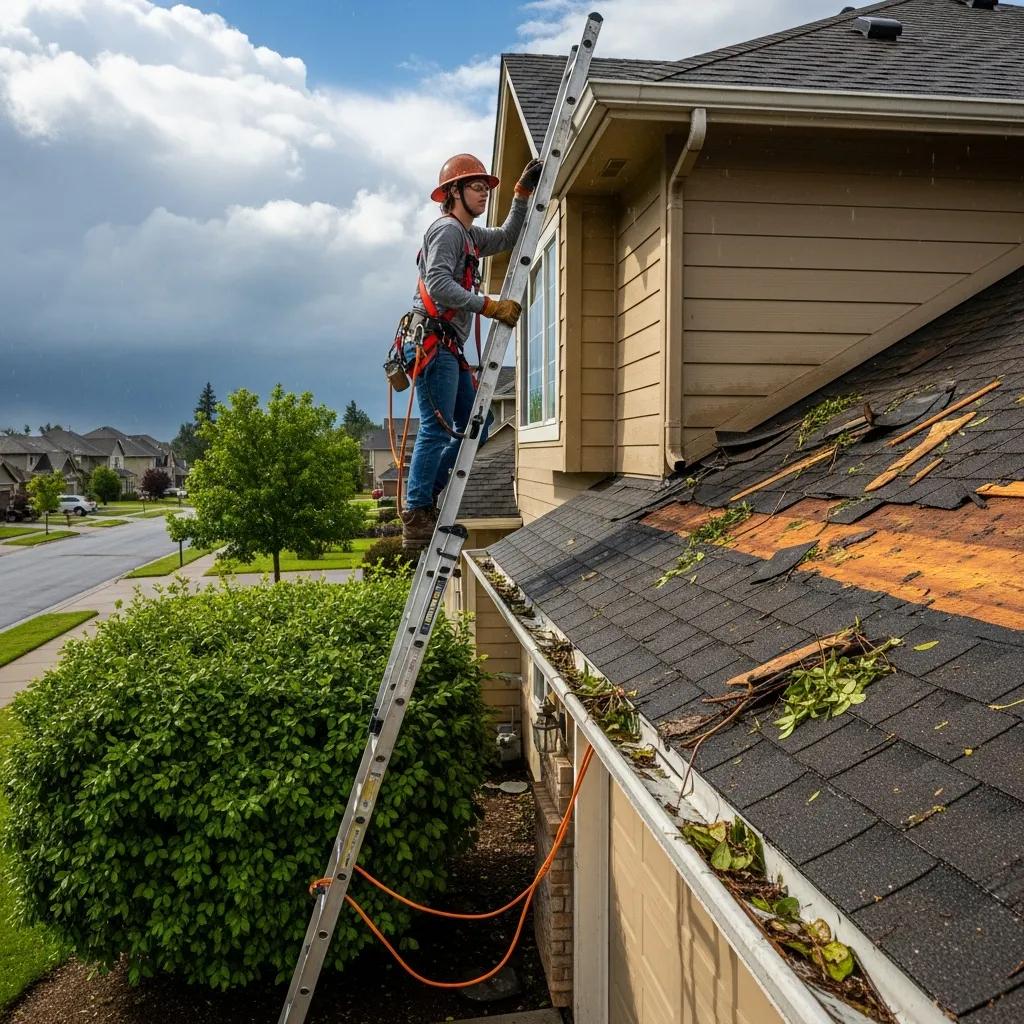
Safety should be the top priority when inspecting your roof after a storm. Use the following safety measures:
- Use Ladders Safely: Ensure that ladders are stable and positioned on flat ground. Always have someone hold the ladder while you climb.
- Avoid Electrical Hazards: Stay clear of downed power lines and avoid touching any electrical equipment that may have been affected by the storm.
- Wear Protective Gear: Use gloves, hard hats, and non-slip shoes to protect yourself from falling debris and sharp objects.
By prioritizing safety, you can conduct a thorough inspection without risking injury.
What Should Homeowners Look for in Initial Roof Damage Checks?
During the initial inspection, homeowners should look for specific signs of damage, including:
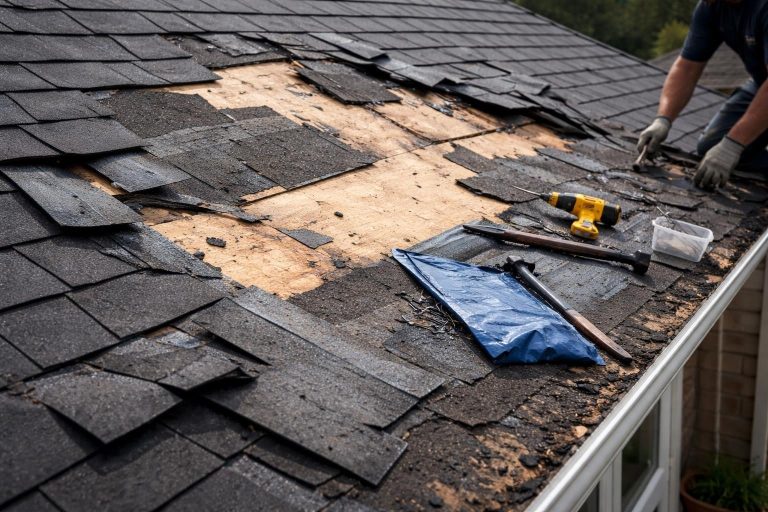
- Missing Shingles: Check for any shingles that are missing or displaced, as this can lead to leaks.
- Visible Leaks: Look for water stains on ceilings or walls, which may indicate leaks from the roof.
- Damaged Gutters: Inspect gutters for dents or blockages caused by debris, which can affect drainage.
Identifying these issues early can help mitigate further damage and support your insurance claim.
How to Effectively Document Roof Damage for Insurance Claims
Proper documentation of roof damage is essential for a successful insurance claim. This section outlines the best practices for documenting damage effectively.
What Types of Photos and Videos Are Required for Roof Damage Documentation?

When documenting roof damage, it is crucial to capture a variety of photos and videos to provide comprehensive evidence. Consider the following types:
- Wide-Angle Shots: Take wide-angle photos of the entire roof to show the overall condition.
- Close-Ups of Damage: Capture close-up images of specific damage, such as missing shingles or leaks.
- Before and After Comparisons: If possible, include photos taken before the storm to highlight the changes.
These visual records will strengthen your claim by providing clear evidence of the damage.
How to Create a Detailed Written Report for Roof Damage
In addition to photos, a detailed written report is essential for documenting roof damage. Include the following elements in your report:
- Dates and Descriptions: Document the date of the storm and provide a detailed description of the damage observed.
- Documenting Weather Conditions: Note the weather conditions during the storm, as this information can support your claim.
- List of Damaged Areas: Create a list of all areas affected by the storm, including specific details about the type of damage.
A well-organized report will complement your visual documentation and provide a clear narrative for your insurance claim.
What Does a Professional Roof Inspection Involve and Why Is It Important?
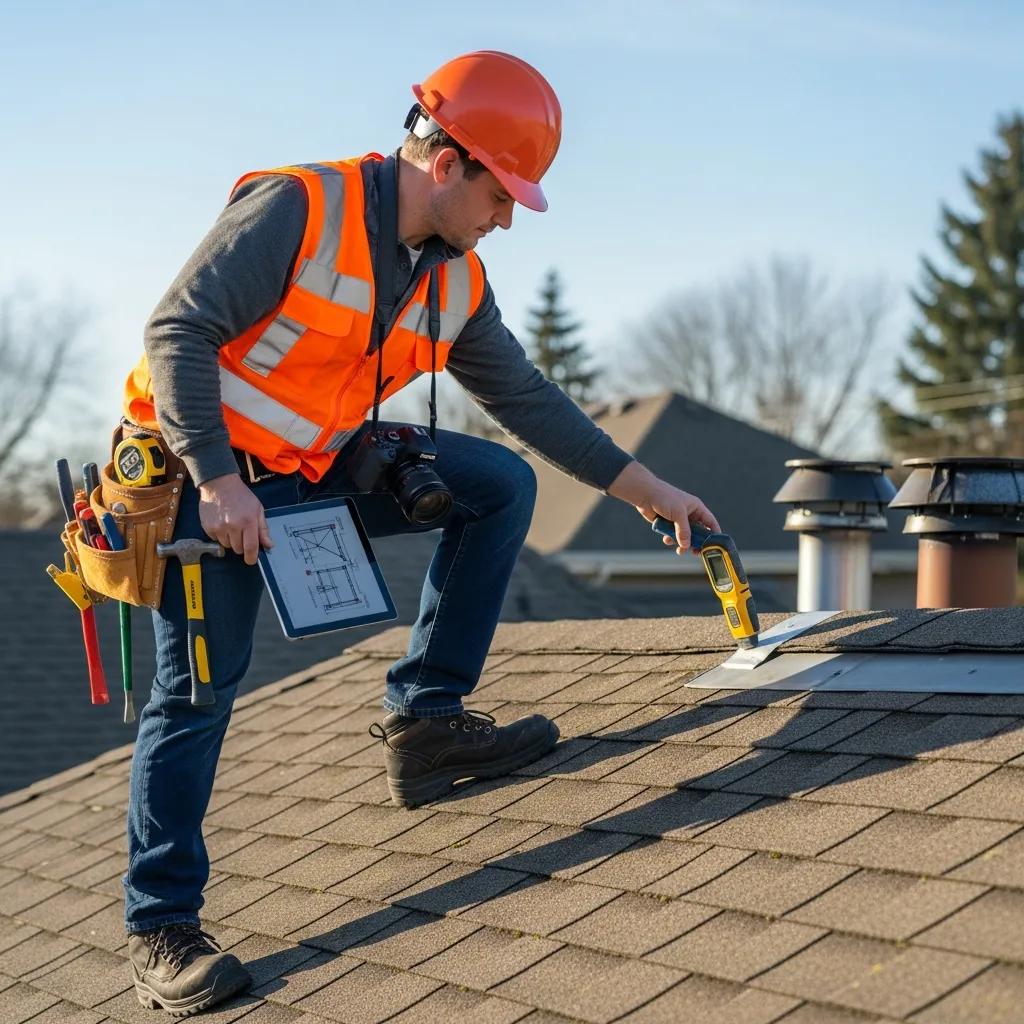
A professional roof inspection is a critical step in the post-storm assessment process. Understanding what this entails can help homeowners appreciate its value.
What Does a Professional Inspector Look for During a Post-Storm Assessment?
Professional inspectors conduct thorough assessments, focusing on several key areas:
- Structural Integrity Checks: Inspectors evaluate the overall structure of the roof to identify any potential weaknesses.
- Water Damage Assessment: They check for signs of water damage, including leaks and mold growth, which can indicate underlying issues.
- Flashing and Gutter Condition: Inspectors assess the condition of flashing and gutters to ensure they are functioning properly.
These assessments provide a comprehensive understanding of the roof’s condition and help identify necessary repairs.
How Does a Professional Inspection Support Your Insurance Claim?
A professional inspection can significantly bolster your insurance claim in several ways:
- Validation of Damage: Inspectors provide an unbiased assessment of the damage, which can validate your claims.
- Detailed Reporting for Claims: The inspection report includes detailed findings that can be submitted to your insurance company as part of your claim.
- Expert Recommendations: Inspectors can recommend specific repairs, which can help streamline the claims process.
Having a professional assessment can enhance the credibility of your claim and improve your chances of approval.
How to Understand Your Homeowner’s Insurance Policy for Storm Damage Coverage
Navigating homeowner’s insurance policies can be complex, especially regarding storm damage coverage. Understanding key terms and conditions is essential.
What Are Common Terms and Coverage Details in Storm Damage Policies?
Familiarize yourself with common terms in your insurance policy, such as:
- Deductible: The amount you must pay out-of-pocket before your insurance coverage kicks in.
- Coverage Limits: The maximum amount your insurance will pay for specific types of damage.
- Exclusions: Specific types of damage that are not covered by your policy.
Understanding these terms can help you assess your coverage and prepare for potential claims.
How Do Policy Limits and Filing Deadlines Affect Your Claim?
Policy limits and deadlines play a crucial role in the claims process:
- Filing Deadlines: Most insurance policies require claims to be filed within a reasonable time after the storm, often 30 to 60 days. Missing these deadlines can result in denied claims.
- Impact of Policy Limits: Knowing your coverage limits can help you understand the maximum compensation you can receive for repairs.
Being aware of these factors can help you navigate the claims process more effectively.
What Are the Step-by-Step Procedures to File a Roof Damage Insurance Claim?
Filing an insurance claim can be a daunting process, but following a structured approach can simplify it.
How to Prepare and Submit Your Documentation to the Insurance Company
To prepare for submission, follow these steps:
- Organizing Documents: Gather all documentation, including photos, written reports, and inspection findings.
- Submission Methods: Check with your insurance company for preferred submission methods, whether online, by mail, or in person.
- Follow-Up: After submission, follow up with your insurance company to confirm receipt and inquire about the next steps.
Proper organization and proactive communication can help ensure a smooth claims process.
What to Expect When Working with Insurance Adjusters
When working with insurance adjusters, keep the following in mind:
- Understanding Adjuster Roles: Adjusters are responsible for evaluating your claim and determining the amount of compensation.
- Best Practices for Meetings: Be prepared to discuss your documentation and provide any additional information requested by the adjuster.
- Clear Communication: Maintain open lines of communication with the adjuster to address any questions or concerns promptly.
Understanding the adjuster’s role can help you navigate the claims process more effectively.
How to Handle Insurance Claim Denials and Appeal Successfully
Facing a claim denial can be frustrating, but knowing how to appeal can help you secure the compensation you deserve.
What Are Common Reasons for Roof Damage Claim Denials?
Claims can be denied for various reasons, including:
- Insufficient Documentation: Failing to provide adequate evidence of damage can lead to denials.
- Late Filing: Missing filing deadlines can result in automatic denials.
- Policy Exclusions: Damage types not covered by your policy can lead to denials.
Being aware of these common pitfalls can help you prepare a stronger claim.
What Steps Can You Take to Appeal or Dispute a Denied Claim?
If your claim is denied, consider the following steps:
- Gathering Additional Evidence: Collect any additional documentation that supports your claim, such as expert opinions or further inspection reports.
- Submitting an Appeal: Follow your insurance company’s appeal process, providing all necessary documentation and a clear explanation of why you believe the claim should be approved.
- Consulting Professionals: Consider seeking assistance from a public adjuster or legal professional if you encounter difficulties during the appeal process.
Taking these steps can improve your chances of a successful appeal and ensure you receive the compensation you deserve.