Fort Worth Commercial TPO Roofing: Energy-Efficient & Cost-Effective
TPO Roofing in Fort Worth: Costs, Benefits & Commercial Suitability
TPO (Thermoplastic Olefin) roofing has become a widely adopted solution for commercial properties in Fort Worth because it delivers credible energy savings and cost efficiency. This guide examines TPO’s principal benefits, typical cost ranges, and its suitability for commercial applications. It also compares TPO with alternative materials and outlines considerations for selecting a qualified contractor for installation and ongoing maintenance.
Research demonstrates that advanced assessment methodologies evaluate TPO’s energy savings and total cost of ownership, and those findings have influenced policy changes that encourage adoption of cool roof technologies.
TPO Roofing: Energy Savings, Costs & Cool Roof Policy
The project incorporated energy factors into an enhanced ROOFER methodology to provide facility managers with alternative energy‑saving options. Enhanced ROOFER produces an estimate of total cost of ownership over the expected lifespan for energy‑efficient roof types, enabling an optimal roof‑replacement decision based on maintenance, energy, and installation costs amortised over roof life. Following this work, UFC 3‑110‑03, Roofing (Change 2), was revised to permit thermoplastic olefin roof types and to encourage use of cool roofs in general.
ROOFER (TM) Energy Performance Assessment and Course of Action Analyses, 2018
TPO Roofing in Fort Worth: Costs, Benefits & Commercial Suitability
- TPO roofing is a durable, energy-efficient single-ply membrane ideal for commercial roofs in Fort Worth.
- The reflective surface of TPO roofing reduces heat absorption, lowering cooling costs in hot climates.
- Installation costs for TPO roofing typically range from $5 to $8 per square foot, varying by roof size and complexity.
- TPO roofing offers advantages like cost-effectiveness, weather resistance, and ease of installation compared to other materials.
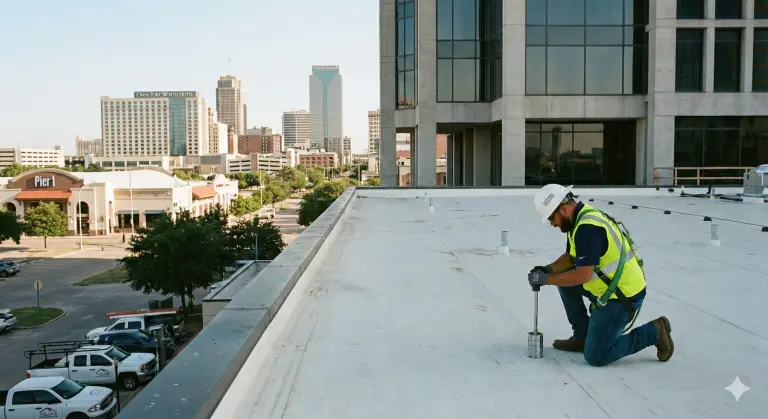
- Regular maintenance, including seam inspections and debris removal, is essential to extend TPO roof lifespan.
- Choosing experienced contractors with proper credentials ensures quality TPO roofing installation and reliable warranties.
- TPO roofing complies with local building codes and withstands extreme weather, making it suitable for commercial buildings.
- Texcore Construction provides expert TPO roofing services and supports clients with insurance claims in Fort Worth.
Comprehensive Guide on TPO Roofing in Fort Worth
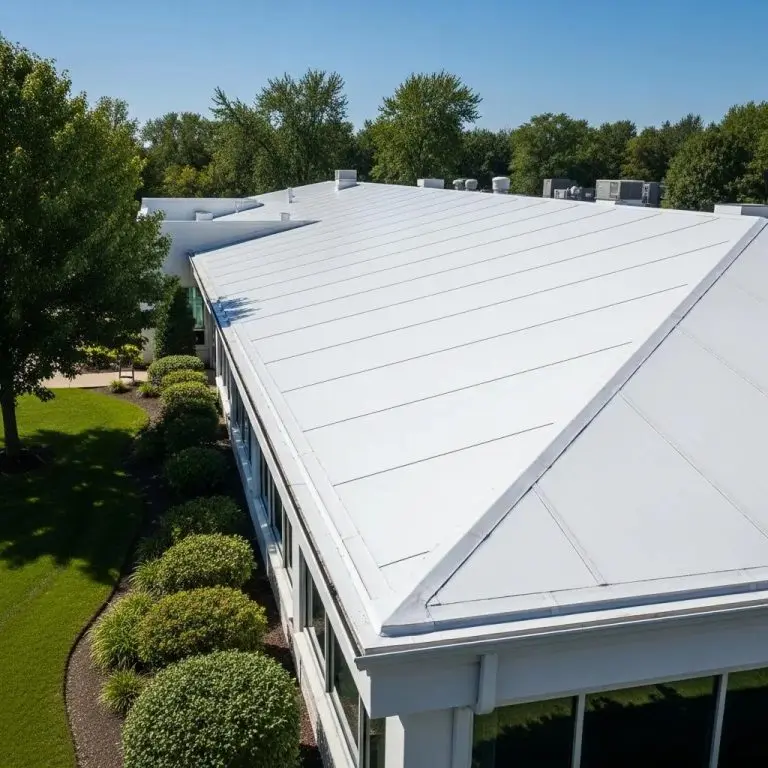
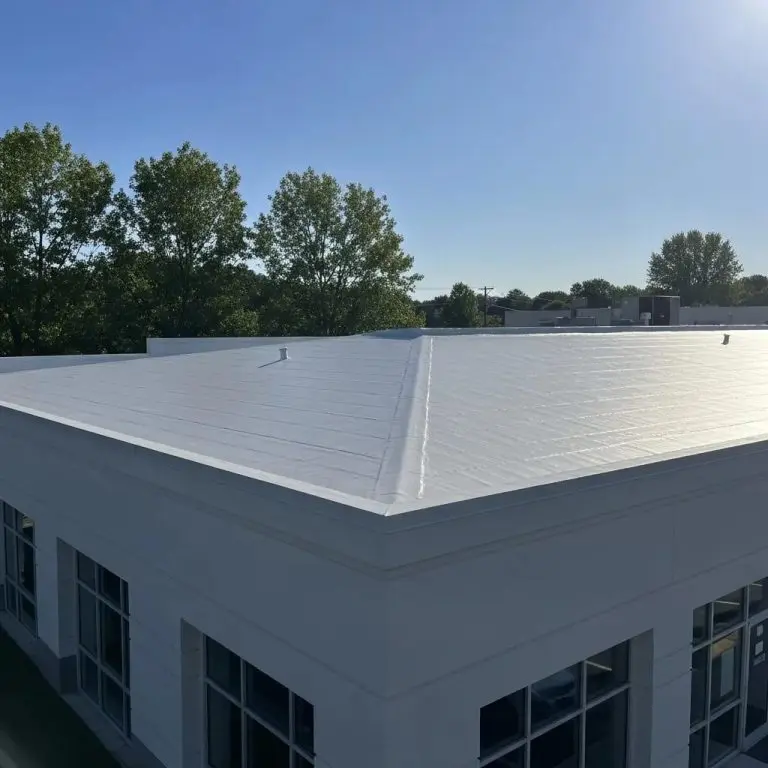
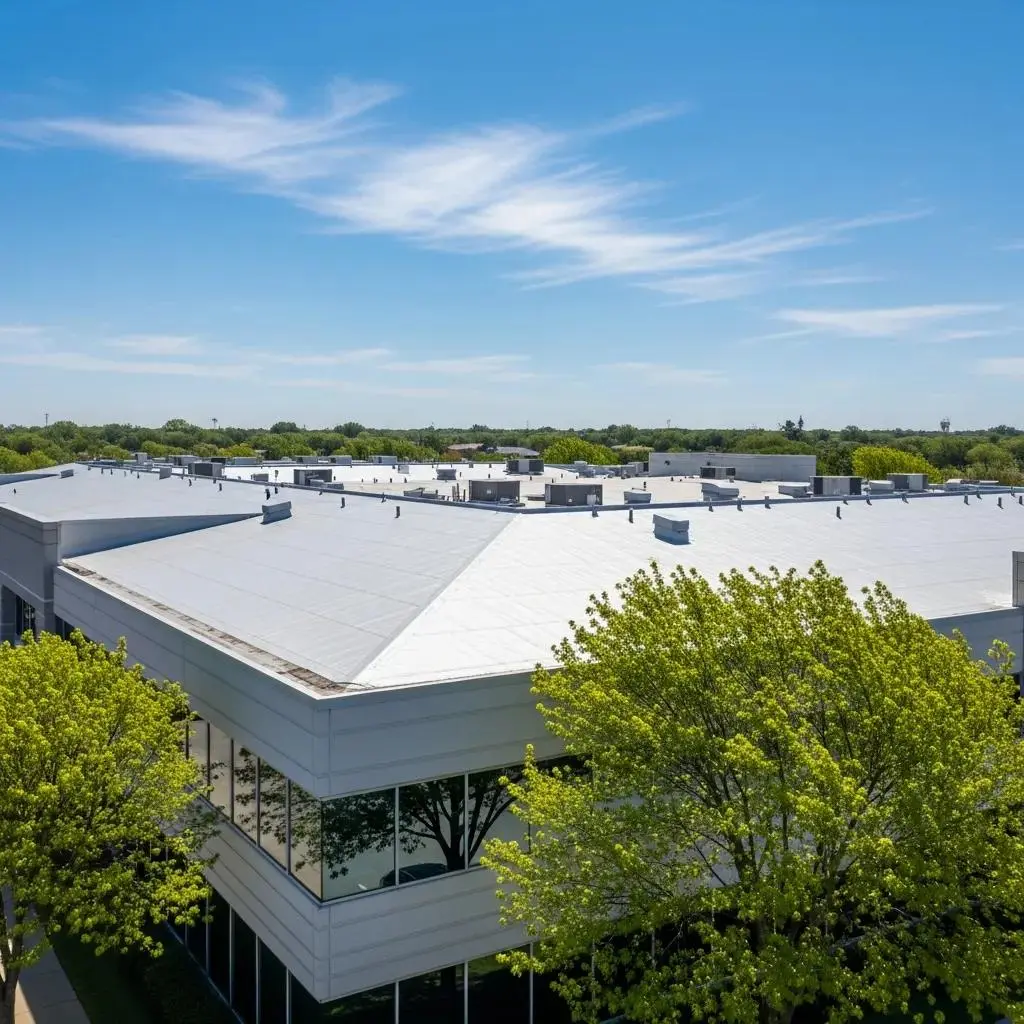
TPO is a single‑ply membrane composed of polypropylene and ethylene‑propylene rubber, commonly specified for flat and low‑slope commercial roofs. Its reflective surface reduces solar heat gain and thereby lowers cooling demand, which is particularly valuable in Fort Worth’s hot climate.
Overview of TPO Roofing
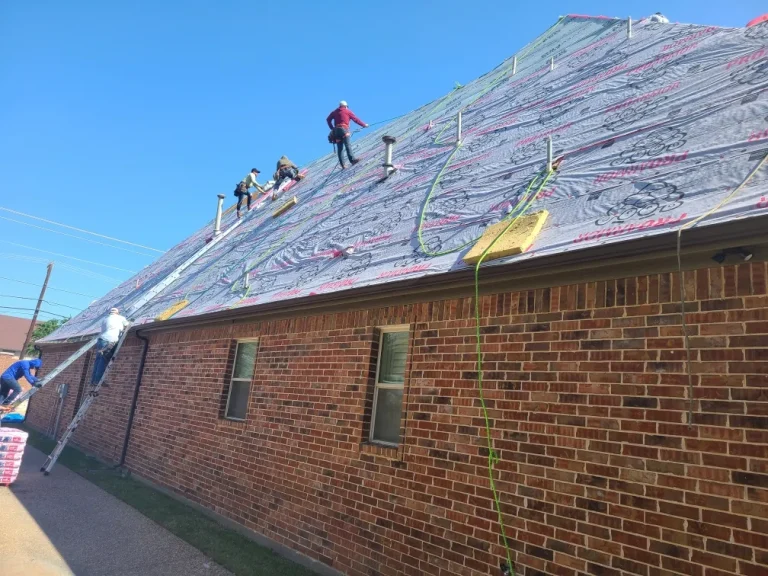
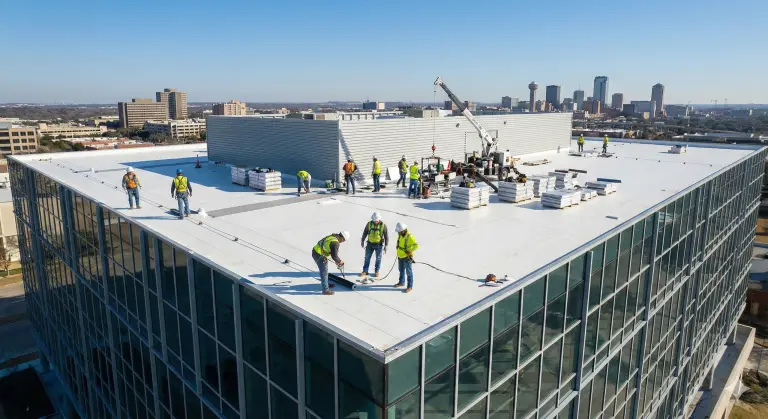
TPO systems deliver a durable, weather‑resistant solution for commercial roofs and are available in multiple thicknesses and colours to suit specific project requirements. Installation typically involves mechanical fastening or full adhesion to the roof deck; TPO’s flexibility and light weight facilitate handling and installation.
Benefits of TPO Roofing
TPO roofing provides defined advantages that support performance and lifecycle value for commercial buildings:
- Energy Efficiency : TPO’s reflective surface helps lower energy costs by reducing the need for air conditioning during hot months.
- Cost-Effectiveness : Compared to other roofing materials, TPO is often more affordable in terms of both installation and long-term maintenance.
- Durability : TPO roofs are resistant to punctures, tears, and impact, making them suitable for various weather conditions.
Texcore Construction, a Fort Worth‑based roofing company, specializes in TPO systems and delivers installation and maintenance services designed to meet business requirements and quality expectations.
Costs of TPO Roofing
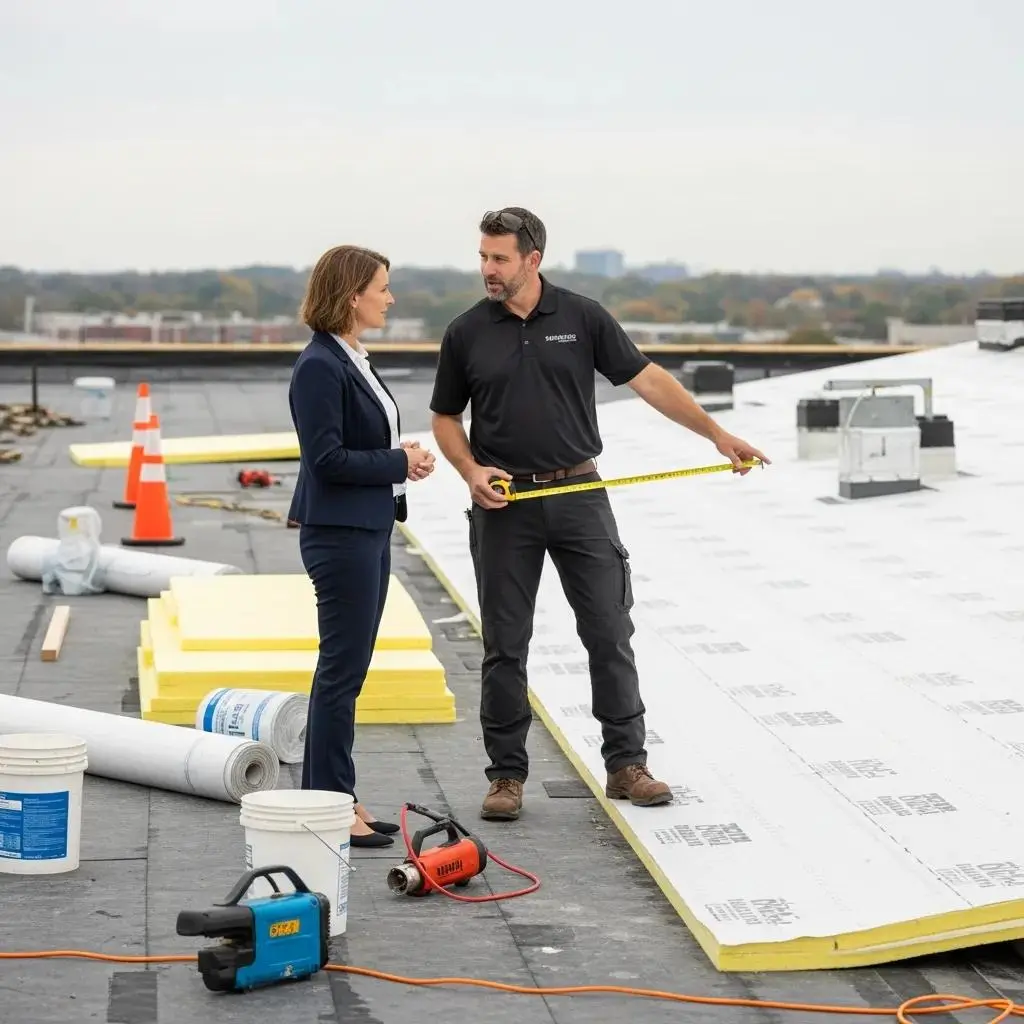
Costs for TPO roofing depend on roof area, installation complexity, and material selection. Typical installation rates range from $5 to $8 per square foot, and maintenance expenditures are generally lower than many alternative systems, improving lifecycle cost effectiveness.
Factors Influencing the Cost of TPO Roof Installation
Several key factors affect overall TPO installation cost, including roof size, installation method, and local labour rates.
- Roof Size : Larger roofs will naturally incur higher material and labor costs.
- Installation Method : The choice between mechanically attached or fully adhered systems can affect pricing.
- Local Labor Rates : Labor costs can vary significantly based on the region and the contractor’s expertise.
How Does TPO Roofing Cost Compare to Other Flat Roof Options?
When compared to EPDM and PVC, TPO frequently offers a more budget‑friendly installation while providing comparable energy‑saving performance, making it a competitive option for many commercial property owners.
Suitability for Commercial Roofs
TPO is well suited to commercial roofs due to its resistance to extreme weather, including high winds and heavy rain, and its compliance with local building codes. These characteristics support safety, performance, and regulatory requirements for commercial buildings.
Choosing a TPO Roofing Contractor
Selecting an experienced and credentialed contractor is essential to achieve a successful TPO installation and to secure reliable warranty coverage.
- Experience and Credentials : Look for contractors with a proven track record in TPO roofing installations.
- Quality of Work : Review past projects and client testimonials to gauge the contractor’s workmanship.
- Warranty and Support : Ensure that the contractor offers a solid warranty on both materials and labor.
Texcore Construction is recognised in Fort Worth for its technical expertise and client support, including assistance with roofing and insurance claims throughout the project lifecycle.
What Is TPO Roofing and Why Is It Popular for Commercial Roofs in Fort Worth?
TPO combines durability with thermal reflectivity, which reduces cooling loads and improves operational efficiency in Fort Worth’s climate. Its flexibility and straightforward installation further contribute to its popularity among property owners and contractors.
How Does TPO Roofing Compare to Other Commercial Roofing Materials?
TPO generally offers lower installed cost than PVC while delivering similar energy‑saving benefits. EPDM is noted for durability but typically does not provide the same level of thermal reflectivity as TPO, which influences lifecycle energy performance.
What Are the Key Features of TPO Roofing Systems?
TPO systems are defined by a reflective surface that reduces heat absorption, material durability that resists punctures and UV degradation, and flexibility that facilitates installation across varied roof geometries.
- Reflective Surface : Helps reduce heat absorption and energy costs.
- Durability : Resistant to punctures, tears, and UV degradation.
- Flexibility : Easy to install and adapt to various roof shapes and sizes.
These characteristics support long service life and efficient building operation for commercial properties.
How Much Does TPO Roof Installation and Replacement Cost in Fort Worth?
Installation of TPO in Fort Worth typically falls between $5 and $8 per square foot; replacement costs will vary according to the condition of the existing roof and project specifications. Property owners should obtain detailed, itemised quotes from qualified contractors to define the full scope of costs.
What Factors Influence the Cost of TPO Roof Installation?
Primary cost drivers include roof size, installation complexity, and prevailing local market conditions for labour and materials.
- Roof Size : Larger roofs will incur higher material and labor costs.
- Installation Complexity : More complex installations may require additional labor and materials.
- Local Market Conditions : Labor rates and material availability can affect overall pricing.
Understanding these variables enables property owners to budget more accurately for TPO roofing projects.
What Are the Pros and Cons of Choosing TPO Roofing for Your Commercial Building?
TPO presents several clear advantages and some limitations that owners should evaluate.
Pros:
- Energy Efficiency : Reflective surface reduces cooling costs.
- Cost-Effective : Lower installation and maintenance costs compared to other materials.
- Durability : Strong resistance to weather-related damage.
Cons:
- Potential for Shrinkage : Over time, TPO membranes may shrink, leading to seams becoming exposed.
- Limited Color Options : While available in various colors, the selection is not as extensive as some other materials.
Assessing these trade‑offs allows property owners to make an informed selection based on performance, cost, and long‑term objectives.
What Are the Energy Efficiency and Durability Benefits of TPO Roofing?
TPO’s reflective surface reduces cooling demand, while its material properties improve resistance to weather and UV exposure. This combination reduces repair frequency and operating costs, enhancing the roof’s overall return on investment.
What Are the Common Challenges and Maintenance Needs of TPO Roofs?
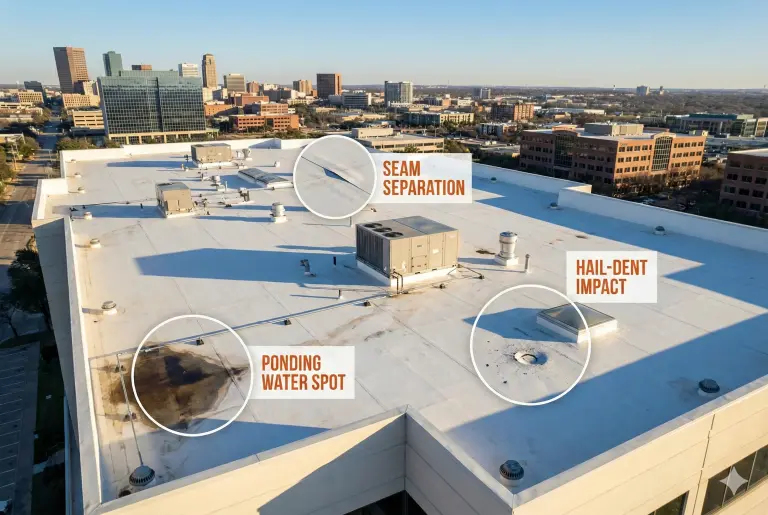
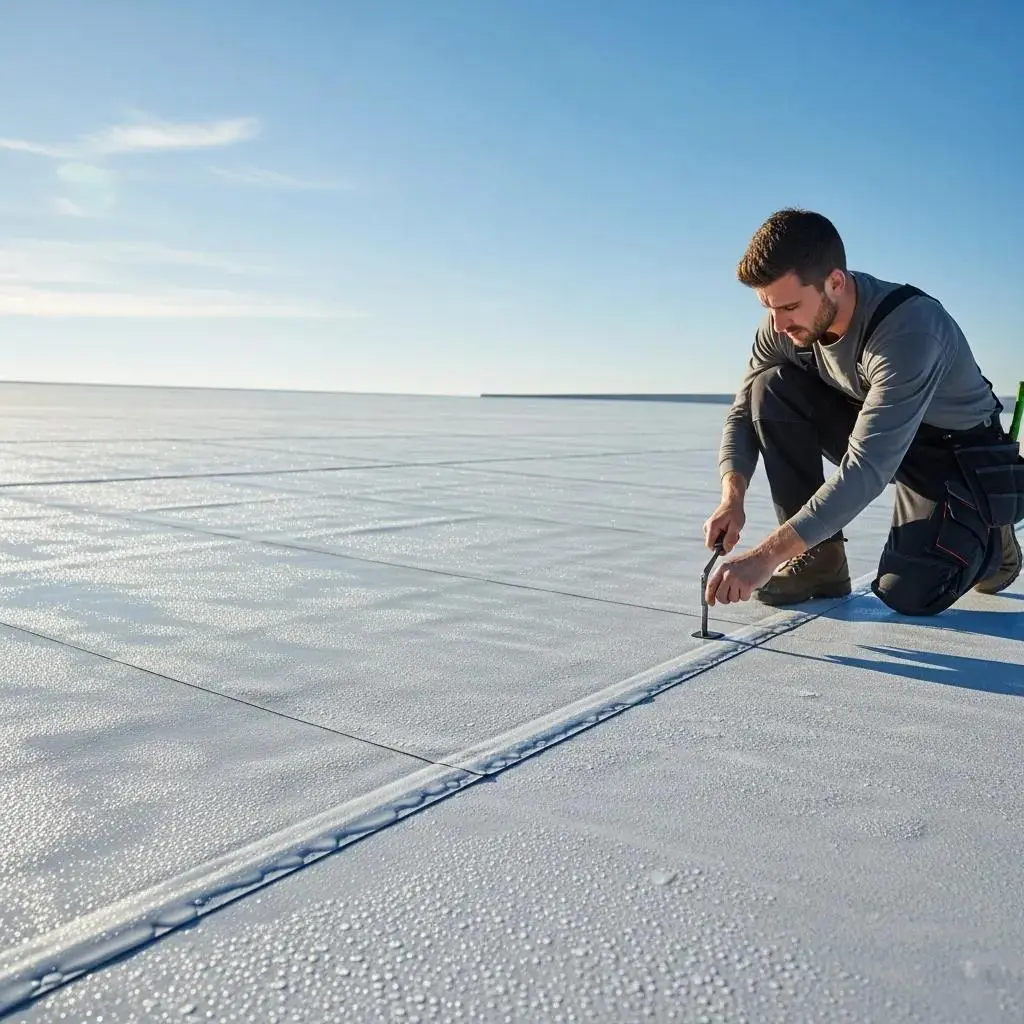
Although TPO is comparatively low maintenance, it requires periodic inspection and upkeep. Common concerns include seam integrity and debris accumulation, both of which can be mitigated through routine checks.
- Seam Integrity : Regular checks for seam integrity can prevent leaks.
- Debris Removal : Keeping the roof clear of debris helps maintain its reflective properties and prevents water pooling.
Proactive maintenance and timely repairs will extend the effective service life of a TPO roof.
How Does Texcore Construction Support Commercial Clients with TPO Roofing and Insurance Claims in Fort Worth?
Texcore Construction delivers comprehensive TPO services, including project planning, installation, maintenance, and support with insurance claims to help clients secure appropriate coverage for roofing work.
How Does Texcore Assist with Roofing Insurance Claims?
Texcore guides clients through the insurance claims process, applying industry experience to document damage, substantiate repair needs, and pursue fair compensation on behalf of the client.
What Makes Texcore Construction a Trusted TPO Roofing Contractor in Fort Worth?
Texcore has built a reputation in Fort Worth through consistent quality, an experienced workforce, and a commitment to client satisfaction from initial consultation through project completion.
What Are the Best Practices for Maintaining and Repairing TPO Roofs in Fort Worth?
To preserve TPO performance, property owners should follow established maintenance practices and respond promptly to identified issues.
- Regular Inspections : Schedule inspections at least twice a year to identify potential issues early.
- Prompt Repairs : Address any damage or wear immediately to prevent further complications.
- Debris Management : Keep the roof clear of debris to maintain its reflective properties.
Consistent adherence to these measures will maximise the lifespan and operational performance of a TPO roofing system.
How Can Flat Roof Repair Extend the Lifespan of TPO Roofing?
Routine flat roof repairs and preventive maintenance prevent minor defects from developing into major failures, thereby preserving the function and longevity of TPO membranes.
When Is Commercial Roof Replacement Recommended for TPO Roofs?
Replacement is generally recommended when a roof has sustained significant damage or reached the end of its expected service life, typically around 20 years. Indicators include persistent leaks, widespread deterioration, and diminished energy performance; an assessment by a qualified roofing contractor will determine the appropriate course of action.
Frequently Asked Questions
What is the lifespan of TPO roofing systems?
TPO roofing systems commonly achieve a lifespan of about 15 to 30 years, depending on installation quality, maintenance frequency, and environmental exposure. Regular inspections and timely repairs can meaningfully extend this range.
Can TPO roofing be installed over existing roofs?
Yes. TPO can often be installed over an existing roof where the underlying structure is sound and complies with local building codes. This “roof‑over” approach can reduce cost and disruption, but a professional assessment is required to confirm suitability.
How does TPO roofing perform in extreme weather conditions?
TPO is engineered to withstand high winds, heavy rain, and intense UV exposure. Its flexibility helps it tolerate temperature fluctuations without cracking; however, regular maintenance is necessary to ensure reliable performance during severe weather events.
What are the environmental benefits of TPO roofing?
TPO’s reflective surface reduces solar heat gain, which lowers cooling energy use and associated greenhouse gas emissions. TPO is frequently produced with recyclable components, and its relatively long service life reduces the volume of discarded roofing materials.
Is TPO roofing suitable for residential applications?
While primarily used in commercial settings, TPO can be appropriate for certain residential flat or low‑slope roofs. Homeowners should consider local climate, roof pitch, and aesthetic requirements and consult a knowledgeable contractor to confirm suitability.
What maintenance is required for TPO roofing?
Proper TPO maintenance includes biannual inspections to check seams, punctures, and debris accumulation, routine debris removal to prevent water pooling, and prompt repair of any damage. Engaging a professional for scheduled maintenance ensures thorough coverage.
How does TPO roofing compare to other energy-efficient roofing options?
TPO is often compared with EPDM and PVC. EPDM is known for durability but typically provides less thermal reflectivity. PVC offers strong energy performance but usually at higher material cost. TPO balances cost and energy savings, making it a practical choice for many commercial owners.
Conclusion
Selecting TPO roofing for a commercial property in Fort Worth delivers measurable benefits in energy efficiency, cost effectiveness, and durability. Understanding TPO’s properties and maintenance needs supports informed decision making. For professional installation and sustained performance, consider partnering with a trusted contractor such as Texcore Construction and review their service offerings to ensure a successful project outcome.