
Why Insurance Companies Deny Roof Claims: How to Protect Yourself
Why Roof Insurance Claims Get Denied and How to Prevent It
Understanding why insurance companies deny roof claims is crucial for homeowners seeking to protect their investments. Many individuals face unexpected claim denials, leaving them vulnerable to financial loss and property damage. This article will explore the common reasons for roof claim denials, the steps to take if your claim is denied, and how to effectively appeal such decisions. Additionally, we will discuss proactive maintenance strategies that can prevent future issues and what homeowners should know about their insurance policies to avoid pitfalls. By the end of this guide, you will be equipped with the knowledge to navigate the complexities of roof insurance claims and safeguard your home.
What Are the Most Common Reasons for Roof Claim Denial?
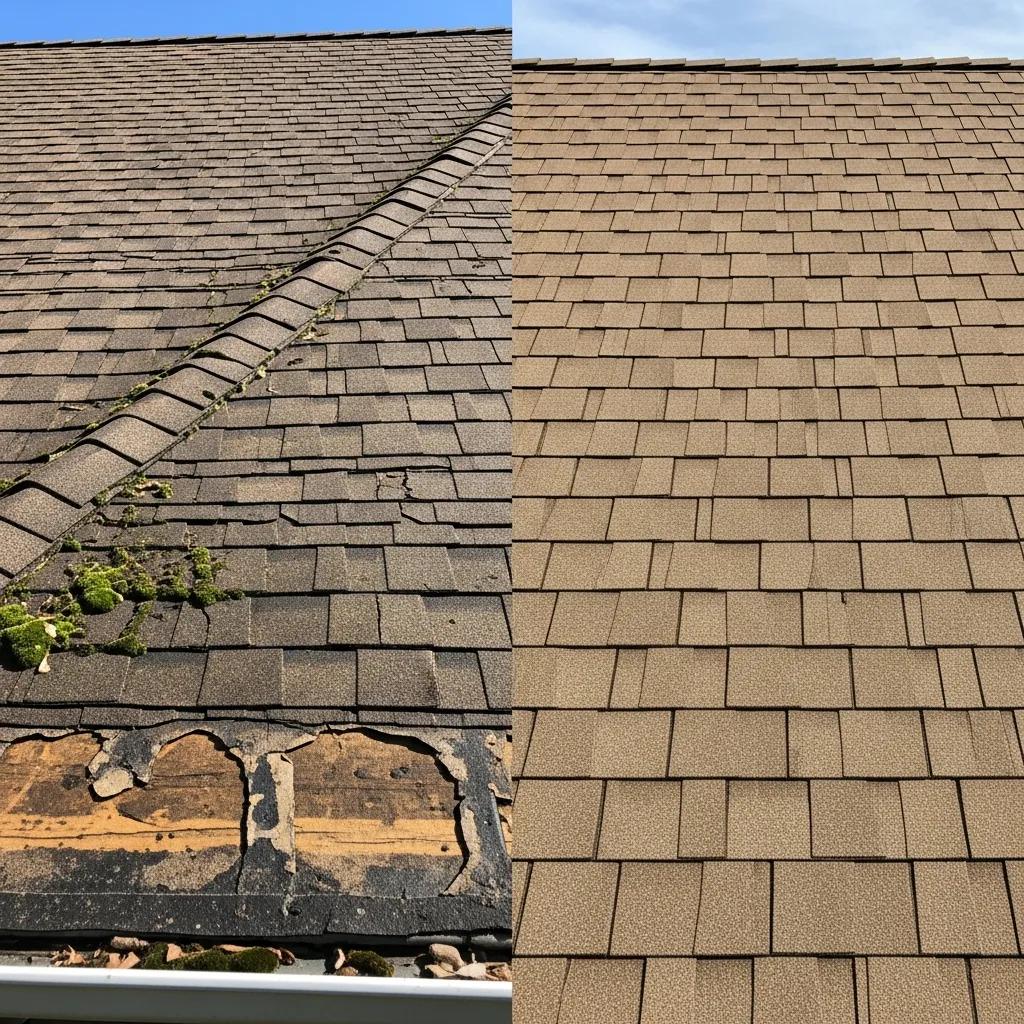
Insurance companies often deny roof claims for several reasons, which can leave homeowners feeling frustrated and confused. Understanding these reasons can help you take proactive steps to avoid denial.
How Does Wear and Tear Affect Roof Insurance Claims?
Wear and tear refers to the gradual deterioration of a roof due to age and environmental factors. Insurance policies typically do not cover damage resulting from normal wear and tear, as it is considered a maintenance issue rather than an insurable event. Homeowners are responsible for regular maintenance to prevent such issues. For instance, if a roof is over 15-20 years old and shows signs of wear, an insurance company may deny a claim related to leaks or structural damage, citing that the damage was expected due to the roof’s age.
Why Are Pre-existing Damage and Lack of Maintenance Grounds for Denial?
Pre-existing damage is another common reason for claim denial. If an insurance adjuster finds that damage existed before the policy was in effect or was not reported, the claim may be denied. Additionally, a lack of maintenance can lead to significant issues that insurers will not cover. For example, if a homeowner fails to address minor leaks or does not perform regular inspections, the insurance company may argue that the homeowner’s negligence contributed to the damage, leading to a denial.
What Steps Should You Take If Your Roof Insurance Claim Is Denied?
How Do You Review and Understand Your Denial Letter?
The first step is to carefully review the denial letter from your insurance company. This letter will outline the reasons for the denial and any relevant policy language. Understanding the terminology used in the letter is crucial, as it will help you identify whether the denial was justified. Look for key components such as the specific policy exclusions cited and the timeline of events leading to the denial.
What Evidence Is Needed to Strengthen Your Appeal?
Gathering evidence is vital for strengthening your appeal. This may include photographs of the damage, maintenance records, and any correspondence with your insurance company. A checklist of necessary evidence can help ensure you have all relevant documentation. For instance, if you have performed regular maintenance, include receipts and records to demonstrate your diligence in caring for your roof.
How Can You Effectively Appeal a Denied Roof Insurance Claim?
What Is the Formal Appeal Process for Roof Claim Denials?
The formal appeal process typically involves submitting a written appeal to your insurance company, along with any supporting documentation. This appeal should clearly state your case and reference the specific reasons for the denial. Be sure to adhere to any deadlines outlined in the denial letter, as failing to do so may jeopardize your appeal.
When Should You Hire a Public Adjuster or Attorney for Your Appeal?
In some cases, it may be beneficial to hire a public adjuster or attorney to assist with your appeal. These professionals can provide valuable insights into the claims process and help you navigate complex policy language. Consider seeking professional help if your claim involves significant financial stakes or if you feel overwhelmed by the process.
How Can Proactive Roof Maintenance Prevent Insurance Claim Denials?

What Roof Maintenance Practices Align with Insurance Policy Requirements?
Regular maintenance practices that align with insurance policy requirements include conducting annual inspections, cleaning gutters, and addressing minor repairs promptly. Insurers often expect homeowners to maintain their roofs adequately, and failure to do so can lead to denied claims. Keeping a maintenance log can also serve as evidence of your diligence in caring for your roof.
How Does Proper Documentation Support Future Claims?
Proper documentation is crucial for supporting future claims. This includes maintaining records of inspections, repairs, and any correspondence with contractors or insurance representatives. Well-organized documentation can provide a clear history of your roof’s condition and maintenance, which can be invaluable if you need to file a claim in the future.
What Should Homeowners Know About Their Insurance Policy to Avoid Roof Claim Issues?
How Do Policy Exclusions and Age Limits Impact Roof Coverage?
Policy exclusions and age limits can significantly impact roof coverage. Many policies exclude coverage for roofs over a certain age or for specific types of damage, such as wear and tear or deterioration. Homeowners should carefully review their policies to understand these limitations and ensure they have adequate coverage for their needs.
What Are Key Terms to Look for in Your Homeowners Insurance Policy?
When reviewing your homeowners insurance policy, pay attention to key terms such as replacement cost, actual cash value, and deductibles. Understanding these terms can help you make informed decisions about your coverage and what to expect in the event of a claim. Additionally, knowing the specific coverage limits and exclusions can help you avoid surprises when filing a claim.