
Bitumen Roof Repair: Essential Techniques and Solutions
Bitumen roofing systems have served commercial and industrial properties reliably for decades, offering exceptional waterproofing and durability at a competitive price point. However, even the most robust bitumen roofs eventually require attention due to weathering, thermal cycling, or physical damage. Understanding proper bitumen roof repair techniques allows property managers and building owners to extend roof lifespan, prevent costly water damage, and maintain building integrity without the expense of premature replacement. This comprehensive guide explores the repair methods, materials, and best practices that ensure long-lasting performance from your bitumen roofing investment.
Understanding Bitumen Roofing Systems
Bitumen roofing comes in several distinct forms, each with unique characteristics and repair requirements. Modified bitumen systems incorporate polymer additives like APP (atactic polypropylene) or SBS (styrene-butadiene-styrene) that enhance flexibility and temperature resistance. Built-up roofing (BUR) consists of multiple layers of bitumen alternating with reinforcing fabrics, creating a redundant waterproofing membrane. Single-ply modified bitumen sheets offer simplified installation while maintaining excellent performance characteristics.
The composition directly impacts repair approaches and material selection. SBS-modified membranes remain flexible in cold temperatures, making them ideal for regions with significant temperature fluctuations. APP-modified systems excel in high-heat environments due to superior thermal stability. Understanding which type covers your building guides proper repair methodology and ensures compatibility between existing materials and repair products.
Common Failure Modes
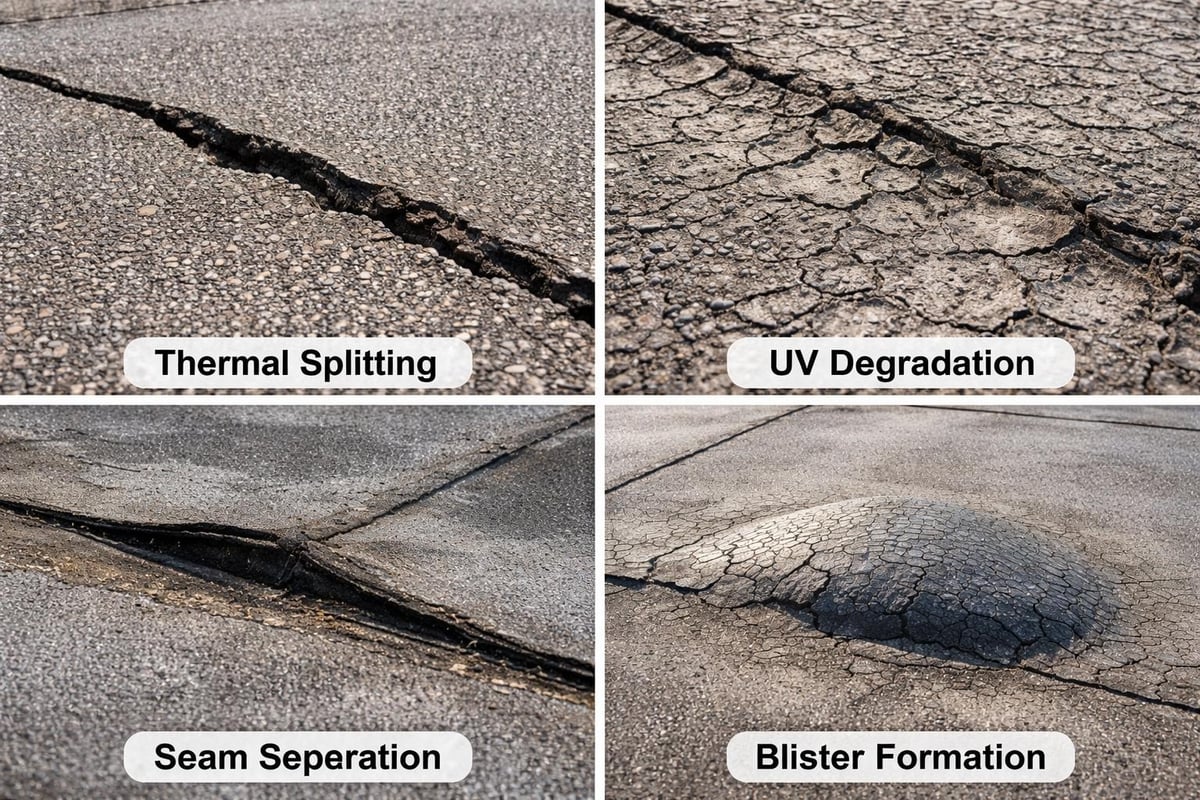
Bitumen roofs typically fail through predictable patterns that savvy property managers recognize early:
- Thermal splitting from repeated expansion and contraction cycles
- UV degradation causing surface brittleness and accelerated weathering
- Ponding water deteriorating the protective granule coating
- Seam separation at laps and transitions
- Blister formation from trapped moisture or volatile gases
- Physical punctures from foot traffic, equipment, or debris impact
Early detection of these issues prevents minor problems from escalating into structural damage requiring extensive remediation. Regular inspections identify vulnerabilities before water infiltration compromises insulation, decking, or interior finishes.
Assessment and Preparation
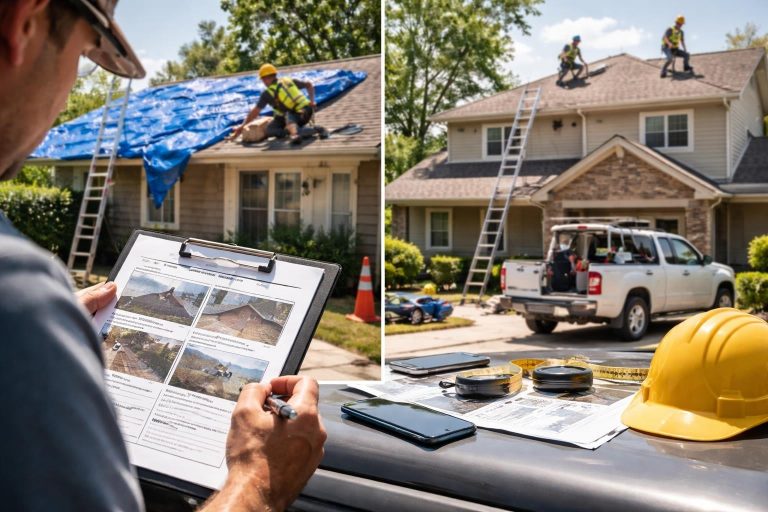
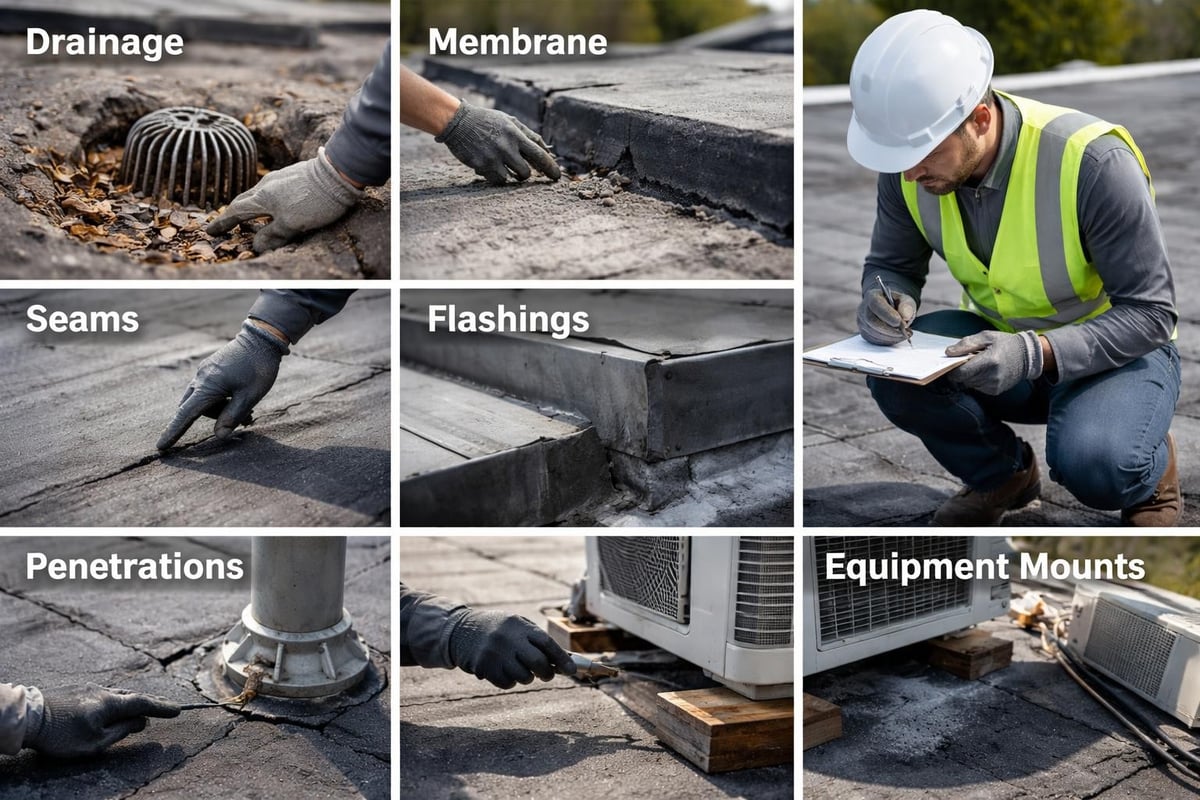
Effective bitumen roof repair begins with thorough assessment that identifies not just visible damage but underlying causes. Surface inspection reveals obvious issues like cracks, blisters, or exposed substrate. Moisture surveys using infrared thermography or nuclear scanning pinpoint wet insulation that requires replacement before membrane repair. Roof inspection services provide detailed documentation essential for repair planning and insurance claims when storm damage occurs.
Professional assessment determines whether localized repairs suffice or systemic issues demand more comprehensive solutions. A roof with isolated damage responds well to targeted repairs, while widespread deterioration may justify restoration coatings or replacement consideration.
Pre-Repair Considerations
Before beginning bitumen roof repair work, several critical factors require evaluation:
- Weather conditions must provide adequate temperature and dry conditions for proper adhesion
- Substrate condition determines whether additional structural repairs precede membrane work
- Access requirements for materials, equipment, and personnel
- Building occupancy coordination to minimize disruption
- Code compliance verification for materials and methods
Documentation of existing conditions through photographs and detailed notes protects both contractor and property owner by establishing baseline conditions. This record proves invaluable should disputes arise or additional damage become apparent during repair work.
| Assessment Factor | Purpose | Method |
|---|---|---|
| Membrane Condition | Identify all damage locations | Visual inspection, core samples |
| Moisture Content | Locate wet insulation | IR thermography, nuclear scan |
| Structural Integrity | Verify deck stability | Physical examination, deflection testing |
| Drainage Performance | Assess water removal | Flow testing, slope verification |
Repair Techniques and Methods
Multiple repair approaches exist for bitumen roofing systems, each suited to specific damage types and conditions. The Sika roof repair solutions demonstrate how modern repair methods offer advantages over traditional replacement in many scenarios.
Patch Repairs for Localized Damage
Small areas of damage respond effectively to patch repairs using compatible materials. The damaged section receives thorough cleaning to remove all loose granules, dirt, and degraded material. Surface preparation determines repair longevity more than any other factor. A properly prepared substrate ensures strong adhesion between existing membrane and repair materials.
Heat welding provides the most durable repair method for modified bitumen systems. A propane torch carefully heats both the patch material and existing membrane, creating a molecular bond superior to adhesive-based methods. Proper torch technique prevents overheating that damages the membrane while ensuring complete fusion across the entire patch perimeter.
Cold-applied patches offer safer alternatives in sensitive environments where open flames pose risks. These systems use solvent-based or water-based adhesives that bond repair materials without heat. While generally less durable than heat-welded repairs, quality cold adhesives provide excellent performance when properly applied according to manufacturer specifications.
Seam and Lap Repairs
Seam failures rank among the most common bitumen roof issues. These repairs demand particular attention because improper technique creates pathways for water infiltration worse than the original problem. The maintenance of modified bitumen roof systems requires understanding how thermal movement stresses these critical junctions.
Professional seam repair begins with identifying the failure cause. Insufficient overlap during original installation cannot be corrected without removing and replacing affected sections. Adhesive failure from age or contamination requires complete cleaning and resealing. Thermal stress may indicate systemic movement issues requiring additional expansion joints or stress relief measures.
Repair methodology varies by seam type:
- Overlapped seams receive cleaning, primer application, and new adhesive or heat welding
- Split seams require opening, substrate inspection, and complete resealing
- Edge metal seams demand careful flashing integration and proper termination details
Advanced Repair Solutions
When damage extends beyond isolated locations, more comprehensive repair strategies become cost-effective alternatives to complete replacement. These methods address widespread surface deterioration while preserving the underlying roofing system.
Restoration Coating Systems
Fluid-applied coating systems provide seamless protection that addresses multiple issues simultaneously. These products seal existing cracks, reinforce weathered surfaces, and restore UV protection across the entire roof area. According to FixAllRoofs guidance on modified bitumen coating, proper coating application extends roof life significantly while addressing UV degradation and cracking.
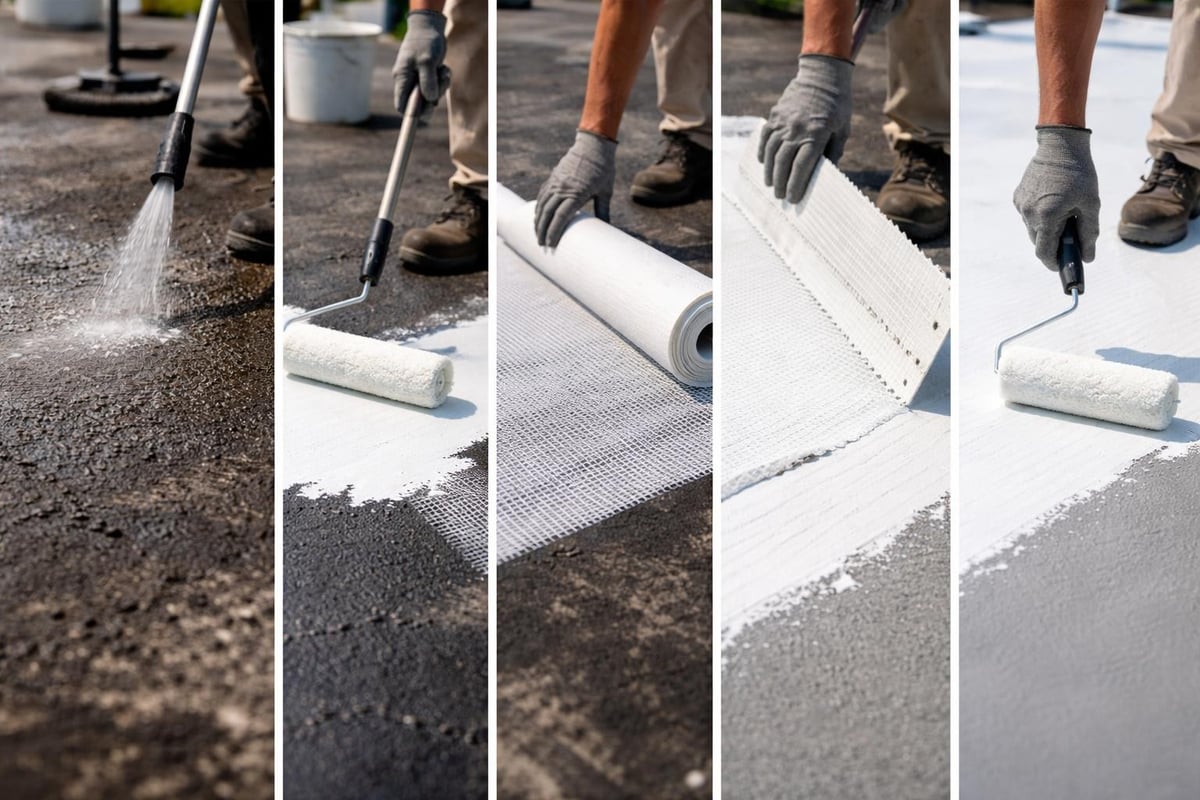
Quality restoration systems include:
- Surface cleaning to remove all contaminants and loose material
- Primer application ensuring coating adhesion to aged bitumen
- Fabric reinforcement at seams, penetrations, and stress points
- Base coat application providing primary waterproofing
- Top coat application delivering UV protection and aesthetic finish
The investment in restoration coating typically costs 30-50% less than complete replacement while delivering 10-15 years of additional service life. This approach particularly suits roofs with sound structural components but weathered membranes showing widespread surface deterioration.
Liquid Waterproofing Systems
Innovative liquid systems like RD-Elastodeck for bitumen roof restoration offer cold-applied solutions that create fully adhered, monolithic membranes. These products adapt to substrate irregularities and create seamless coverage that eliminates traditional weak points at seams and laps.
Application requires meticulous surface preparation including power washing, allowing complete drying, and treating any active leaks before coating application. The liquid membrane builds up in multiple coats, with reinforcing fabric embedded in wet material at transitions and high-stress areas. Final thickness typically reaches 40-60 mils, creating robust protection comparable to traditional sheet membranes.
Material Selection and Compatibility
Successful bitumen roof repair depends heavily on selecting materials compatible with existing roofing components. Mismatched products create adhesion failures or chemical reactions that accelerate deterioration rather than preventing it. The materials best for repairing different roof damage types vary significantly based on substrate composition and exposure conditions.
Matching Membrane Types
APP-modified repair materials work exclusively with APP-modified existing membranes. The polymer chemistry differs fundamentally from SBS formulations, and mixing systems compromises performance. Similarly, SBS-modified patches require SBS base membranes for proper adhesion and thermal compatibility.
Built-up roofing systems accept a wider range of repair materials but perform best with products specifically formulated for BUR applications. These materials account for the multiple-ply construction and match the thermal properties of traditional tar and gravel roofs.
| Existing System | Compatible Repair Material | Application Method | Expected Lifespan |
|---|---|---|---|
| APP Modified Bitumen | APP membrane patches | Heat welding | 15-20 years |
| SBS Modified Bitumen | SBS membrane patches | Heat welding or cold adhesive | 15-20 years |
| Built-Up Roofing | BUR-compatible materials | Hot asphalt or cold adhesive | 10-15 years |
| Aged Bitumen | Restoration coatings | Spray or roller application | 10-15 years |
Adhesive and Sealant Selection
Cold-applied repairs require careful adhesive selection. Asphalt-based mastics provide economical solutions for minor repairs but lack the durability of modified polymer adhesives. Urethane adhesives deliver superior strength and flexibility, particularly in dynamic joints and high-movement areas.
Sealants for terminations and penetrations must resist UV exposure, temperature extremes, and continuous water contact. Polyether sealants offer exceptional longevity and adhesion to bitumen surfaces. Modified silicone products provide flexibility and paintability when aesthetics matter.
Preventive Maintenance Strategies
Proactive maintenance dramatically extends the interval between major bitumen roof repair projects. A structured maintenance program identifies minor issues before they escalate and preserves the protective granule coating that shields the membrane from UV damage. Resources like the Collier Roofing bitumen roof maintenance guide outline practical approaches to roof preservation.
Routine Inspection Schedule
Implementing a consistent inspection schedule catches problems early:
- Seasonal inspections after summer heat and winter cold identify thermal stress damage
- Post-storm surveys document weather-related damage while fresh
- Annual professional assessments provide detailed condition reports
- Drainage system cleaning twice annually prevents water accumulation
- Equipment walkway verification ensures traffic stays on designated paths
Documentation from each inspection creates a maintenance history that informs repair decisions and provides evidence for warranty claims or insurance purposes. Detailed records also help when filing a claim for roof leaks on insurance, demonstrating responsible property stewardship.
Minor Repair Responsiveness
Addressing small issues immediately prevents exponential damage growth. A minor crack sealed promptly remains a minor repair. That same crack ignored for months allows water infiltration that damages insulation, decking, and potentially interior finishes, multiplying repair costs tenfold.
Property managers should establish relationships with qualified roofing contractors capable of rapid response to emerging issues. For commercial properties experiencing active leaks, Emergency Roof Repair services provide same-day response that stops water intrusion before extensive damage occurs.
Professional vs. DIY Repair Considerations
While Bosch DIY flat roof sealing guidance demonstrates that some bitumen roof repair tasks suit skilled property owners, most situations benefit from professional expertise. Commercial roofing involves safety risks, warranty considerations, and technical requirements that exceed typical DIY capabilities.
When Professional Service Makes Sense
Several factors favor professional bitumen roof repair:
- Large damaged areas requiring significant material quantity and skilled application
- Heat welding requirements demanding specialized equipment and safety training
- Structural concerns needing engineering evaluation and code compliance
- Warranty preservation as many manufacturers void coverage for non-certified repairs
- Safety considerations on high roofs or steep slopes
- Time constraints when rapid repair prevents business interruption
Professional contractors bring efficiency, proper equipment, and liability insurance that protects property owners from accidents or defective work. The Oscar Roofing complete guide to modified bitumen roofs emphasizes how proper installation and repair techniques require specific expertise.
DIY-Appropriate Repairs
Property owners with proper safety equipment and technical confidence can address certain minor repairs:
- Small patch applications using cold adhesive products
- Sealant refreshment at terminations and penetrations
- Debris removal and drainage cleaning
- Minor granule replacement on abraded surfaces
- Routine inspections to identify emerging issues
Even when tackling minor repairs personally, property owners should document work thoroughly and consider professional consultation for technique verification. Improper repairs often create worse problems than the original damage, particularly when incompatible materials get introduced or critical preparation steps get skipped.
Cost Factors and Budgeting
Bitumen roof repair costs vary significantly based on damage extent, access difficulty, material selection, and regional labor rates. Understanding cost drivers helps property managers budget appropriately and evaluate repair versus replacement economics.
Price Determinants
Multiple variables influence final repair costs:
- Damage area with economy of scale favoring larger projects
- Roof accessibility affecting labor efficiency and equipment requirements
- Material specifications ranging from basic patches to premium coating systems
- Preparation requirements particularly when substrate repairs precede membrane work
- Building height impacting safety equipment and insurance costs
- Project urgency with emergency repairs commanding premium pricing
Minor patch repairs typically range from $300-$800 for small areas, while comprehensive coating restoration systems run $2.50-$5.00 per square foot depending on product selection and surface condition. Complete replacement costs $6-$12 per square foot, making repair attractive when the underlying system remains sound.
Long-term Value Analysis
Smart property managers evaluate repair options through total cost of ownership rather than initial price alone. A $15,000 restoration coating that delivers 12 years of service costs $1,250 annually. A $35,000 replacement providing 20 years costs $1,750 annually. However, the coating option defers capital expenditure and may suit properties facing near-term disposition.
This analysis becomes more complex when considering:
- Energy efficiency impacts from reflective coating systems
- Disruption costs to building operations during major work
- Financing considerations for capital expenditures versus maintenance budgets
- Tax implications of repairs versus capital improvements
For comprehensive analysis and repair planning, property managers throughout the Fort Worth region can consult with experienced contractors who serve multiple service areas and understand local building requirements.
Documentation and Quality Assurance
Proper documentation transforms bitumen roof repair from a maintenance task into a strategic asset management activity. Detailed records support warranty claims, facilitate property transactions, and demonstrate responsible stewardship to stakeholders.
Essential Documentation Elements
Comprehensive repair documentation includes:
- Pre-repair photographs showing damage extent and surrounding conditions
- Material specifications with manufacturer data sheets and compliance certifications
- Weather records confirming suitable application conditions
- Progress photography documenting each repair phase
- Final inspection reports verifying work completion and quality standards
- Warranty certificates from contractors and material manufacturers
This documentation package proves invaluable when future issues arise, supporting evaluation of whether problems stem from original roof defects, prior repairs, or new damage. The same records strengthen insurance claims by demonstrating professional repair execution and proper maintenance history.
Quality Control Measures
Professional contractors implement systematic quality control:
- Material verification ensuring products match specifications
- Application monitoring confirming proper technique and coverage
- Adhesion testing at critical areas verifying bond strength
- Watertightness verification through flood testing when feasible
- Final walkthrough with property representatives
Quality assurance extends beyond repair completion through follow-up inspections that verify performance under actual weather conditions. Reputable contractors stand behind their work with comprehensive labor warranties that protect property owners from defective workmanship.
Regional Considerations for Fort Worth Properties
Fort Worth's climate presents specific challenges for bitumen roofing systems that inform repair strategies and material selection. The region experiences significant temperature swings, intense UV exposure, and periodic severe weather that stresses roofing materials.
Climate-Specific Challenges
Texas weather creates unique demands on bitumen roofs:
- Extreme heat reaching 100°F+ degrades unprotected membranes rapidly
- UV intensity accelerates surface deterioration year-round
- Hail events cause impact damage requiring prompt repair
- Thermal cycling from temperature swings creates expansion stress
- Wind-driven rain tests seam integrity and flashing details
These conditions make regular maintenance and prompt bitumen roof repair essential for Fort Worth commercial properties. Delaying repairs allows relatively minor damage to compromise the entire roofing system rapidly under harsh environmental conditions.
Local Code and Standard Compliance
Repair work must comply with current building codes even when the existing roof predates modern requirements. Fort Worth jurisdictions may require permits for extensive repairs, mandate specific wind uplift ratings, or specify particular flashing details at critical junctions.
Working with knowledgeable local contractors ensures compliance with applicable regulations and avoids complications during building inspections or property transactions. Experienced firms understand regional requirements and maintain current knowledge of code updates affecting repair methodology.
Successful bitumen roof repair balances immediate problem resolution with long-term system performance, requiring proper assessment, quality materials, and skilled application. Whether addressing minor damage or planning comprehensive restoration, professional expertise ensures repairs deliver lasting value and protect your property investment. Texcore Construction provides Fort Worth property owners with expert bitumen roof repair services backed by in-house crews, detailed documentation, transparent recommendations, and a five-year labor warranty, delivering dependable solutions that extend roof life and prevent costly water damage.