Flat Roof Repair Options: Materials and Methods
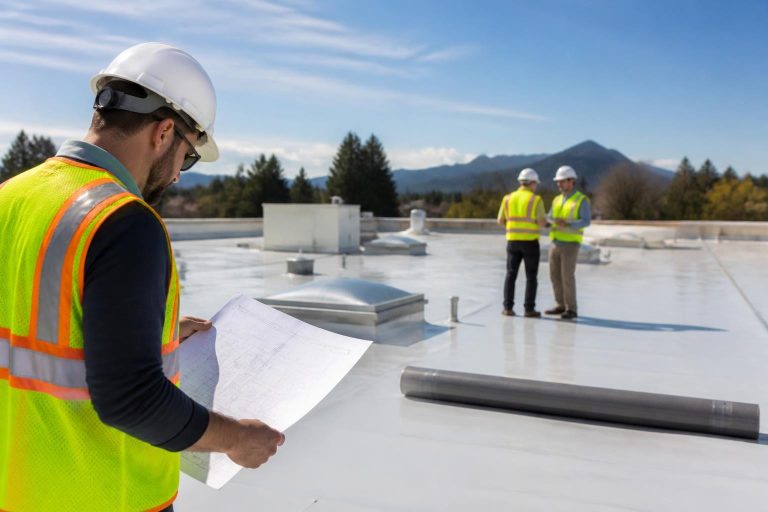
Flat roofs present unique challenges that demand specialized repair approaches. Unlike pitched roofs where water naturally sheds away from the structure, flat and low-slope roofs require careful attention to waterproofing, material selection, and installation techniques. Property owners and facility managers face critical decisions when addressing flat roof problems, from minor leaks to extensive deterioration. Understanding the full spectrum of flat roof repair options enables informed decision-making that balances immediate needs with long-term performance, budget constraints, and building operations.
Understanding Flat Roof Systems and Common Failures
Flat roofing systems installed on commercial buildings, warehouses, and some residential structures typically fall into several distinct categories. Each system type exhibits specific vulnerabilities and responds differently to repair interventions.
Single-ply membranes like TPO (thermoplastic polyolefin) and EPDM (ethylene propylene diene monomer) dominate modern commercial installations. These systems offer excellent waterproofing when properly installed but can develop punctures, seam failures, or shrinkage issues over time. Modified bitumen systems combine asphalt with polymer modifiers, creating a durable multi-layer membrane that performs well in Texas climate conditions. Built-up roofing (BUR) represents the traditional approach, featuring multiple layers of bitumen and reinforcing fabric.
Common failure patterns include:
- Ponding water that accelerates membrane deterioration
- Seam separation from thermal cycling and UV exposure
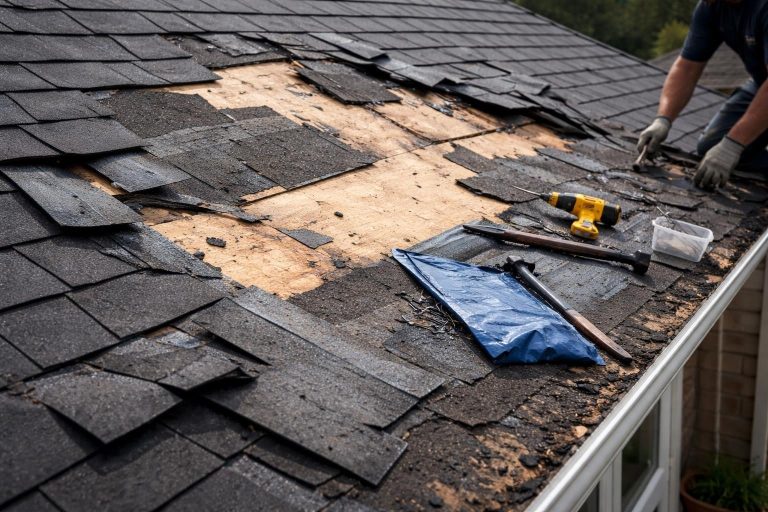
- Punctures and penetrations from foot traffic or debris impact
- Flashing failures around rooftop equipment and parapet walls
- Blistering caused by trapped moisture beneath the membrane
- Surface cracking from weathering and age-related brittleness
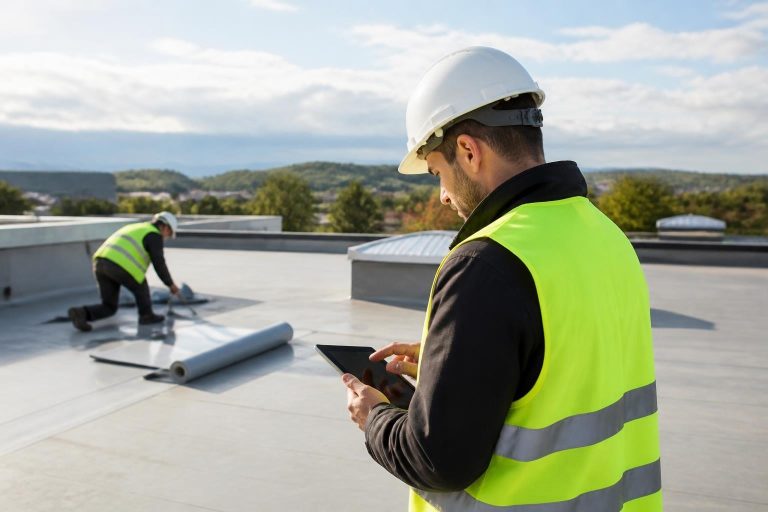
The roof inspection process identifies these issues early, preventing minor problems from escalating into structural damage or interior water intrusion that disrupts business operations.
Material-Specific Repair Considerations
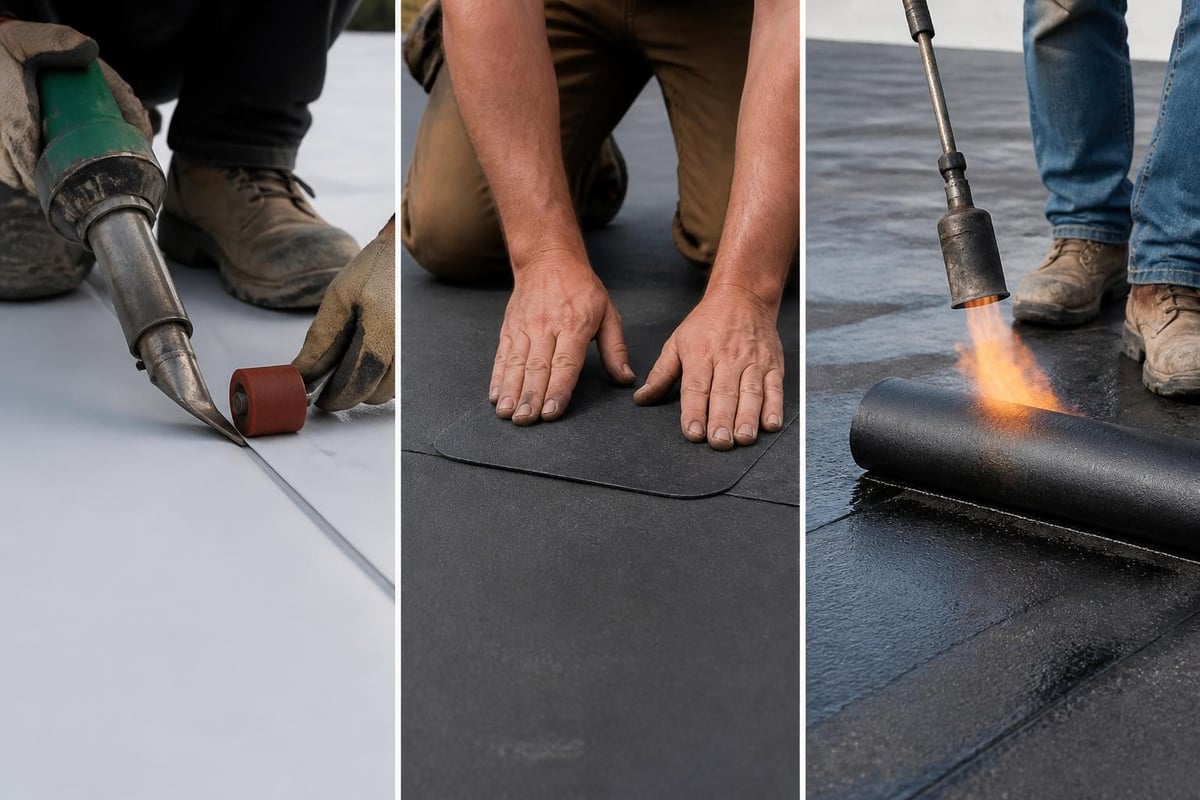
Different flat roofing materials require tailored repair approaches. EPDM rubber roofs respond well to patch repairs using compatible adhesives and membrane sections. The key to successful EPDM repairs lies in proper surface preparation, ensuring the existing membrane is clean, dry, and adequately primed before applying patches.
TPO membranes demand heat-welded repairs that create thermally bonded seams stronger than the membrane itself. Cold-applied patches rarely provide adequate long-term performance on TPO systems. Modified bitumen repairs typically involve torch-applied or cold-adhesive patches that match the existing system's composition, whether APP (atactic polypropylene) or SBS (styrene-butadiene-styrene) modified.
Coating Systems as Comprehensive Repair Solutions
Roof coating systems represent a cost-effective flat roof repair option that addresses widespread deterioration without complete tear-off. These fluid-applied membranes create a seamless waterproofing layer over existing substrates when conditions permit.
Acrylic coatings deliver excellent UV resistance and reflectivity, reducing cooling costs in Fort Worth's hot climate. They perform best on stable substrates with minimal ponding water. Silicone coatings excel in areas with persistent moisture, remaining unaffected by ponding water while providing superior waterproofing performance. Polyurethane coatings offer exceptional impact resistance and durability but require careful application timing due to moisture sensitivity during curing.
| Coating Type | Best Application | Typical Lifespan | Primary Advantage |
|---|---|---|---|
| Acrylic | Minimal ponding, high UV exposure | 10-15 years | Energy efficiency and cost |
| Silicone | Areas with ponding water | 15-20 years | Moisture resistance |
| Polyurethane | High traffic areas | 15-20 years | Physical durability |
| Asphalt Emulsion | BUR restoration | 5-10 years | Compatibility with asphalt |
Successful coating applications require thorough surface preparation. All loose material must be removed, repairs completed, and the substrate properly primed. Selecting appropriate coating systems depends on existing roof conditions, building use, and performance expectations.
Localized Repair Methods for Isolated Damage
When damage remains confined to specific areas, targeted flat roof repair options provide cost-effective solutions that extend roof life without full replacement. These interventions address immediate problems while preserving the intact portions of the roofing system.
Patch and Membrane Repair
Small punctures, tears, or localized deterioration respond well to membrane patches. The repair process begins with cleaning and drying the damaged area, cutting away compromised material to expose sound substrate, and applying a properly sized patch with adequate overlap. EPDM systems typically require 6-inch minimum overlap, while TPO and PVC demand heat-welded seams extending at least 3 inches beyond the damaged area.
Flashing repairs address one of the most common leak sources on flat roofs. Deteriorated counterflashing around parapet walls, failed pitch pans surrounding pipe penetrations, and separated termination bars all require immediate attention. Modern flashing repairs often incorporate peel-and-stick membranes or liquid-applied flashings that conform to irregular surfaces and provide superior adhesion compared to traditional metal flashings.
The commercial roofing specialists handling these repairs must understand substrate compatibility, proper adhesive selection, and installation timing to ensure lasting performance.
Seam and Joint Restoration
Seam failures represent a critical vulnerability in all mechanically attached and fully adhered flat roofing systems. Over time, thermal cycling, building movement, and material shrinkage stress these connections, creating pathways for water infiltration.
Heat welding provides the most reliable seam repair for thermoplastic membranes. This process reactivates the polymer, creating a molecular bond that often exceeds the strength of the base membrane. Tape-based repairs using factory-manufactured seam tape offer a cold-applied alternative for certain conditions, though they rarely match heat-welded performance in demanding applications.
For modified bitumen and BUR systems, seam repairs typically involve:
- Cleaning the existing seam area thoroughly
- Applying compatible adhesive or heat-activated material
- Pressing or rolling the seam to ensure proper contact
- Sealing edges with compatible mastic or coating
These targeted interventions often prevent the need for extensive roof replacement when addressed promptly after detection.
Partial Roof Replacement and Section Restoration
When damage extends beyond localized areas but doesn't compromise the entire roof, partial replacement offers a balanced flat roof repair option. This approach removes and replaces severely deteriorated sections while preserving serviceable areas, optimizing budget allocation and minimizing business disruption.
Section replacement typically occurs when:
- One roof section has reached the end of its service life while others remain viable
- Severe hail or storm damage affects a defined area
- Ponding water has caused concentrated deterioration
- Rooftop equipment additions require local roof upgrades
The challenge in partial replacements lies in creating durable transitions between new and existing materials. These tie-ins must accommodate different expansion rates, varying surface levels, and potential incompatibilities between old and new systems. Professional crews address these complexities through proper detailing, transition strips, and compatible flashings that prevent future leak points at the junction.
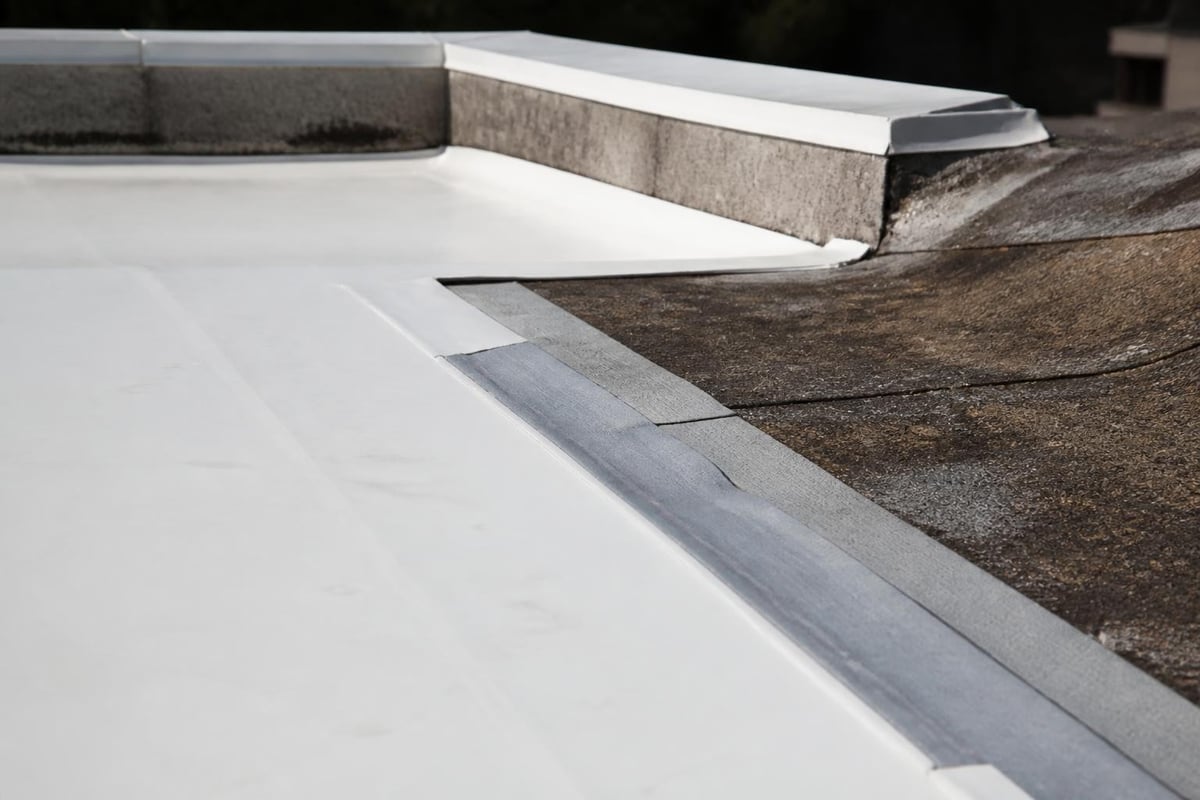
Property managers considering partial replacement should evaluate the remaining roof's condition carefully. If significant portions show advanced deterioration, complete replacement often provides better long-term value than multiple phased repairs spread across several years.
Emergency Repairs and Temporary Solutions
Fort Worth's severe weather creates urgent situations requiring immediate intervention. Emergency flat roof repairs stop active leaks and protect building contents until permanent repairs can be scheduled and completed.
Temporary patching materials include:
- Peel-and-stick membrane patches for quick leak isolation
- Emergency sealants formulated for wet surface application
- Tarp systems providing temporary weather protection over large damaged areas
- Quick-set mastics offering immediate waterproofing in critical situations
These solutions serve as stopgap measures, not permanent repairs. They provide essential protection during storms, after-hours emergencies, or while permanent repair materials are being sourced. The urgency of some situations demands same-day response capabilities that prevent minor leaks from causing extensive interior damage, business interruption, or inventory loss.
Temporary repairs should always be followed by thorough damage assessment and permanent restoration. Understanding when temporary fixes require immediate follow-up prevents false security and ensures building envelope integrity.
Cost Analysis and Decision Factors
Financial considerations significantly influence flat roof repair options selection. Property owners must balance immediate repair costs against long-term performance, remaining roof life, and potential replacement expenses.
Repair Cost Ranges
Typical flat roof repair costs vary based on system type, damage extent, and building access:
| Repair Type | Cost Range per Square Foot | Best Application |
|---|---|---|
| Small patch repair | $50-150 total | Isolated punctures under 1 square foot |
| Seam repair | $100-300 per seam | Failed lap seams in specific areas |
| Coating restoration | $2-7 | Widespread surface deterioration |
| Section replacement | $4-9 | Defined areas of severe damage |
| Full tear-off replacement | $6-15 | Extensive deterioration, multiple layers |
These figures reflect material and labor costs but exclude structural repairs, substrate replacement, or extensive building modifications. Complex projects involving equipment relocation, multiple penetrations, or difficult access increase costs substantially.
Evaluating Repair Versus Replacement
Several factors guide the repair-versus-replacement decision. A roof with 70% or more remaining service life typically benefits from targeted repairs. Systems showing widespread failures, multiple repair attempts, or approaching 20-25 years of age often warrant replacement consideration.
Key decision criteria include:
- Age of existing system and expected remaining lifespan
- Extent of damage relative to total roof area
- Number and frequency of previous repairs
- Interior damage history indicating chronic leak problems
- Building operational requirements and tolerance for disruption
Comprehensive flat roof maintenance and repair guidance helps property managers develop informed replacement timelines that prevent emergency failures while maximizing roof system value.
Preventive Maintenance and Long-Term Performance
The most effective flat roof repair option often involves preventing damage before it occurs. Structured maintenance programs identify developing problems early, when minor interventions prevent major failures.
Routine maintenance activities should include:
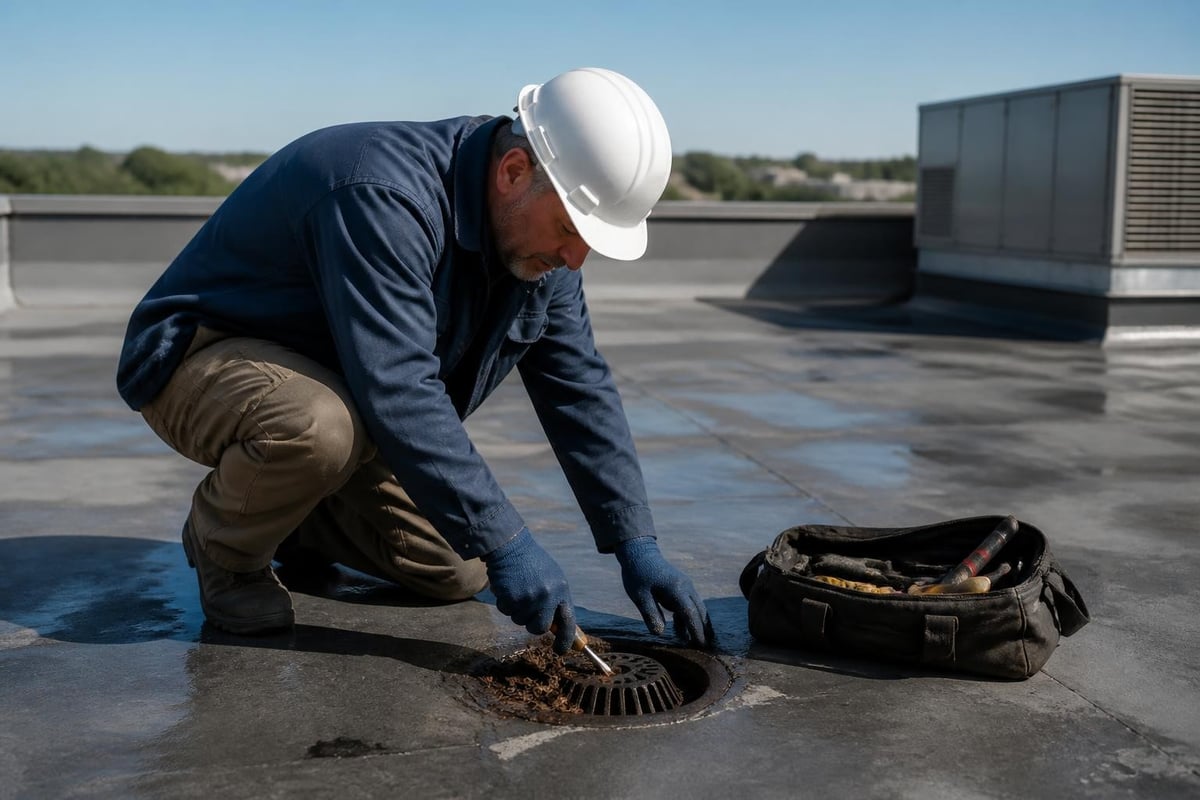
- Quarterly inspections examining drains, flashings, and membrane condition
- Immediate drain cleaning to prevent ponding water accumulation
- Debris removal protecting membrane surfaces from punctures and UV damage
- Sealant inspection and renewal at penetrations and terminations
- Documentation tracking repairs, conditions, and performance trends
Seasonal considerations matter significantly in Texas. Pre-summer inspections ensure roofs can handle intense UV exposure and thermal stress. Pre-winter checks verify that drainage systems function properly and flashings remain sealed against wind-driven rain.
Professional roof inspections provide detailed condition assessments that inform maintenance budgets and capital planning. These evaluations identify developing issues like membrane shrinkage, fastener backing out, or early blister formation that respond well to proactive intervention.
Material Selection and Compatibility Considerations
Choosing compatible repair materials ensures lasting performance and prevents premature failures. Each flat roofing system demands specific products formulated for its unique characteristics.
TPO membrane repairs require TPO-compatible materials. Using PVC patches or adhesives on TPO systems creates weak bonds that fail quickly. Similarly, EPDM repairs need EPDM-specific primers and adhesives. Modified bitumen systems accept a wider range of compatible products but still require attention to whether the existing system is APP or SBS modified.
Coating compatibility extends beyond membrane type to include existing coating layers. Selecting durable flat roof repair materials requires understanding chemical interactions between old and new products. Silicone coatings, for instance, cannot be successfully overcoated with other coating types without special primers, while acrylic coatings accept recoating with various systems.
Manufacturer Specifications and Warranties
Following manufacturer specifications for repairs maintains warranty coverage and ensures expected performance. Most roofing manufacturers specify approved repair materials, application methods, and contractor qualifications for warranty compliance.
Deviating from these requirements may void warranty protection, leaving property owners financially exposed to future failures. Professional contractors maintain manufacturer certifications demonstrating their knowledge of proper installation and repair techniques for specific systems.
Contractor Selection and Project Management
Successful flat roof repairs depend heavily on contractor expertise, equipment, and quality control processes. The complexity of modern roofing systems demands specialized knowledge that general contractors rarely possess.
Critical contractor qualifications include:
- In-house crews ensuring consistent quality without subcontractor variables
- System-specific experience with the particular roof type requiring repair
- Proper insurance coverage protecting property owners from liability
- Detailed documentation practices providing clear repair records
- Material supplier relationships ensuring access to manufacturer-approved products
Selecting qualified roofing contractors requires verifying these credentials through references, previous project examples, and manufacturer certifications. Contractors who rely heavily on subcontractors introduce quality control challenges and communication gaps that often result in substandard repairs.
Project documentation matters significantly for commercial properties. Comprehensive photo documentation, repair scope details, and warranty information support future maintenance planning, real estate transactions, and potential insurance documentation needs when storm damage occurs.
Weather Considerations and Timing
Fort Worth's climate significantly impacts flat roof repair options and timing. Extreme summer heat creates challenging working conditions and affects material performance. Some adhesives and coatings have maximum application temperature limits that restrict summer installation windows to early morning hours.
Winter moisture and temperature fluctuations present different challenges. Most roofing materials require dry substrates and minimum application temperatures, typically 40-50°F depending on product formulation. Cold weather often necessitates temporary heating or specialty materials designed for low-temperature application.
Optimal repair timing considers:
- Current weather patterns and forecast conditions
- Building occupancy and operational sensitivity to disruption
- Material cure requirements for adhesives, coatings, and sealants
- Seasonal demand affecting contractor availability and scheduling
Spring and fall generally offer ideal conditions for flat roof repairs in North Texas, combining moderate temperatures with lower precipitation probability. However, urgent repairs cannot always wait for perfect weather, requiring contractors to employ specialized techniques and materials suited to challenging conditions.
Specialized Repair Scenarios
Certain flat roof situations demand specialized flat roof repair options beyond standard patching or coating applications. These scenarios require advanced techniques and materials.
Green roof repairs involve accessing waterproofing membranes beneath soil and vegetation layers. These repairs require careful plant relocation, drainage layer management, and coordinated restoration to preserve both roofing and landscaping investments.
Plaza deck repairs over occupied space carry higher stakes than typical commercial roofs. Leaks in these assemblies often require removing pavers or concrete, addressing complex drainage systems, and ensuring repairs maintain walking surface integrity.
Roofs with solar panel installations present access challenges and require coordination with electrical systems. Repairs must often work around panel arrays, maintain electrical safety, and preserve mounting system integrity while addressing underlying membrane issues.
Historical building roofs may require specialized approaches respecting architectural features, historic materials, or preservation guidelines. These projects balance modern waterproofing performance with maintaining building character and compliance with preservation standards.
Quality Assurance and Performance Testing
Verifying repair quality ensures flat roof repair options deliver expected performance. Professional contractors employ several testing methods confirming successful installations.
Flood testing provides definitive leak detection for small repair areas. This process involves damming the repaired section, flooding it with several inches of water, and monitoring for 24-48 hours to confirm waterproofing integrity. While highly effective for localized repairs, flood testing becomes impractical for large areas or roofs with complex drainage.
Electronic leak detection using low-voltage electrical systems identifies hidden leaks in membrane assemblies. This technology proves particularly valuable when leak sources remain elusive despite visual inspections or when verifying coating application effectiveness over large roof areas.
Infrared thermography detects trapped moisture within roof assemblies, identifying areas requiring attention before applying coatings or restoration systems. This non-invasive testing prevents sealing moisture into the assembly, which would cause accelerated deterioration and premature coating failure.
Regular post-repair inspections verify performance over time. Understanding comprehensive flat roof repair approaches includes recognizing that quality assurance extends beyond initial installation through ongoing monitoring and maintenance.
Selecting appropriate flat roof repair options requires balancing immediate needs with long-term building performance, understanding material compatibility, and choosing intervention levels that maximize roof system value. Whether addressing emergency leaks or planning comprehensive restoration, informed decision-making considers system type, damage extent, building requirements, and budget realities. Texcore Construction brings specialized expertise in commercial and residential flat roof repairs throughout Fort Worth, delivering same-day leak response, detailed damage documentation, and in-house crews that ensure consistent quality across every project from minor repairs to complete roof restoration.