Best Commercial Roofing Materials for Your Business
Best Commercial Roofing Materials for Your Business: A Comprehensive Comparison and Guide
Choosing the right roofing material is crucial for any business, as it directly impacts durability, energy efficiency, and overall maintenance costs. This comprehensive guide will explore the best commercial roofing materials available, helping you make an informed decision for your business needs. Understanding the various options can save you time and money while keeping your property protected against the elements. In this article, we will cover the top commercial roofing materials, their benefits, and how they perform in different conditions. We will also discuss the specific advantages of TPO, metal, EPDM, and PVC commercial roofing systems, as well as the factors that influence costs and maintenance.
What Are the Top Commercial Roofing Materials for Businesses?
When it comes to commercial roofing, several materials stand out due to their durability, cost-effectiveness, and energy efficiency. The most popular options include:
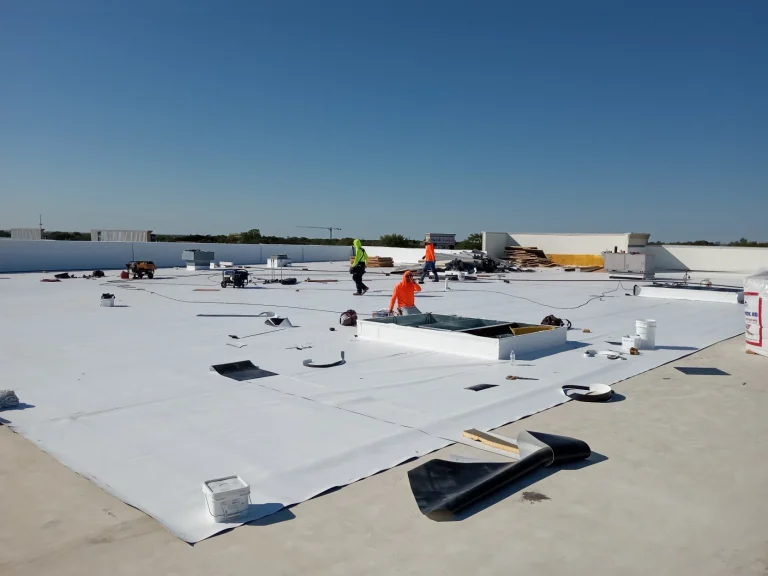
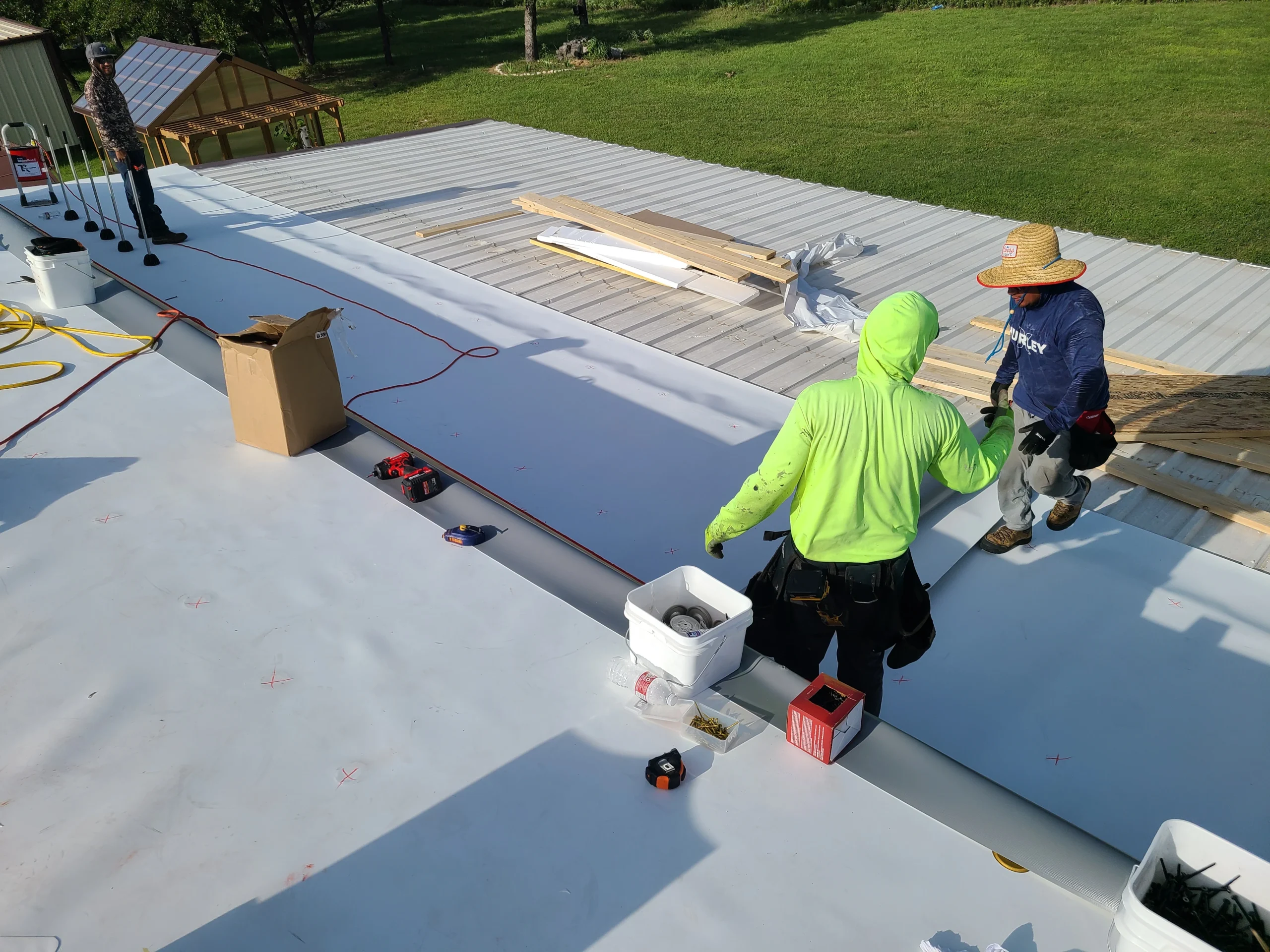
- TPO Roofing: Known for its energy efficiency and cost-effectiveness, TPO (Thermoplastic Olefin) roofing is a single-ply membrane that reflects sunlight, reducing cooling costs.
- EPDM Roofing: This synthetic rubber roofing is highly durable and resistant to extreme weather conditions, making it a popular choice for flat roofs.
- PVC Roofing: PVC (Polyvinyl Chloride) roofing is another single-ply membrane that offers excellent durability and resistance to chemicals and fire.
- Metal Roofing: Metal roofs, including standing seam and corrugated options, are known for their longevity and ability to withstand harsh weather conditions.
- Modified Bitumen: This asphalt-based roofing system is known for its durability and ease of installation, making it a reliable choice for many commercial buildings.
Texcore Construction specializes in the installation, repair, and maintenance of these various commercial roofing systems, protecting your business with the best materials available.
Which Materials Offer the Best Durability and Longevity?
Durability and longevity are critical factors when selecting roofing materials. Here’s a comparison of the top options:
- TPO Roofing: Offers a lifespan of 15-30 years with proper maintenance, making it a solid investment for businesses.
- EPDM Roofing: Known for its longevity, EPDM can last 20-30 years, especially when installed correctly.
- PVC Roofing: Similar to TPO, PVC roofing has a lifespan of 20-30 years or more, depending on environmental conditions.
- Metal Roofing: With proper care, metal roofs can last 40-70 years, making them one of the most durable options available.
- Modified Bitumen: Typically lasts 10-20 years, but its lifespan can be extended with regular maintenance.
How Do Energy Efficiency and Weather Resistance Vary Among Materials?
Energy efficiency and weather resistance are essential considerations for commercial roofing. Here’s how the top materials compare:
- TPO Roofing: Highly reflective, TPO helps reduce energy costs by keeping buildings cooler in hot weather.
- EPDM Roofing: While not as reflective as TPO, EPDM is excellent at withstanding extreme temperatures and weather conditions.
- PVC Roofing: Offers good energy efficiency due to its reflective properties, making it suitable for hot climates.
- Metal Roofing: Reflects sunlight effectively, contributing to energy savings, and is highly resistant to wind and hail.
- Modified Bitumen: Provides decent insulation but may not be as energy-efficient as other options.
Choosing a roofing material that balances energy efficiency and weather resistance can lead to significant savings on energy bills and maintenance costs.
How Does TPO Roofing Benefit Your Commercial Property?
TPO roofing has gained popularity among commercial property owners due to its numerous benefits.
What Are the Pros and Cons of TPO Roofing?
Pros:
- Cost-Effective: TPO is generally less expensive than other roofing materials, making it an attractive option for budget-conscious businesses.
- Energy Efficient: Its reflective surface helps reduce cooling costs, especially in warmer climates.
- Easy Installation: TPO roofing is lightweight and easy to install, which can reduce labor costs.
Cons:
- Limited Lifespan: While TPO can last 15-30 years, it may not be as durable as metal roofing.
- Vulnerability to Punctures: TPO can be susceptible to punctures, which may require more frequent repairs.
How Does TPO Perform in Texas Weather Conditions?
In Texas, TPO roofing performs well due to its heat-reflective properties, which help keep buildings cooler during the hot summer months. Additionally, TPO is resistant to UV rays, making it suitable for the intense Texas sun. However, proper installation is essential to minimize the risk of punctures and leaks, especially during severe weather events.
Why Choose Metal Roofing for Commercial Buildings?
Metal roofing is a popular choice for commercial buildings due to its durability and aesthetic appeal.
What Types of Metal Roofing Are Available for Businesses?
- Standing Seam Metal Roofing: Features vertical seams that interlock, providing excellent weather resistance and a sleek appearance.
- Corrugated Metal Roofing: Known for its ribbed design, this option is lightweight and cost-effective, making it suitable for various applications.
- Metal Shingles: Mimicking traditional shingles, metal shingles offer a unique aesthetic while providing the durability of metal.
How Does Metal Roofing Compare in Durability and Cost?
Metal roofing is one of the most durable options available, with a lifespan of 40-70 years. While the initial cost may be higher than other materials, its longevity and low maintenance requirements often result in lower overall costs over time. Additionally, metal roofs are resistant to fire, wind, and hail, making them an excellent investment for commercial properties.
What Should You Know About EPDM and PVC Roofing Options?
EPDM and PVC roofing systems are popular choices for flat roofs, each offering unique benefits.
How Do EPDM and PVC Roofing Differ in Chemical and Weather Resistance?
- EPDM Roofing: Highly resistant to UV rays and extreme weather conditions, EPDM is an excellent choice for areas with harsh climates. It is also resistant to many chemicals, making it suitable for industrial applications.
- PVC Roofing: Offers superior resistance to chemicals and fire, making it ideal for buildings that require additional protection. PVC is also highly reflective, contributing to energy efficiency.
Which Business Types Are Best Suited for EPDM or PVC Roofing?
EPDM roofing is often recommended for commercial buildings with flat roofs, such as warehouses and retail spaces, due to its durability and cost-effectiveness. PVC roofing is ideal for businesses in industries that require chemical resistance, such as manufacturing and food processing.
How Do Asphalt-Based and Specialty Roofing Systems Compare?
Asphalt-based and specialty roofing systems offer unique advantages for commercial properties.
What Are the Benefits of Modified Bitumen and Built-Up Roofing?
- Modified Bitumen: This asphalt-based roofing system is known for its durability and ease of installation. It can withstand extreme temperatures and is resistant to UV rays.
- Built-Up Roofing: Composed of multiple layers of asphalt and felt, built-up roofing provides excellent waterproofing and insulation, making it suitable for flat roofs.
How Do Green Roofs and Spray Polyurethane Foam Enhance Sustainability and Insulation?
Green roofs provide natural insulation and reduce stormwater runoff, contributing to environmental sustainability.
Spray polyurethane foam (SPF) offers excellent insulation properties and can be applied to various roofing types, enhancing energy efficiency and reducing heating and cooling costs.
What Factors Affect Commercial Roof Material Costs and Maintenance?
Several factors influence the costs and maintenance of commercial roofing materials.
How Do Installation and Maintenance Impact Long-Term Costs?
The initial installation cost can vary significantly based on the roofing material chosen. For example, while metal roofing may have a higher upfront cost, its longevity and low maintenance requirements can lead to lower long-term expenses. Regular maintenance, such as inspections and repairs, is essential to prolong the lifespan of any roofing system.
What Warranty Options Should Businesses Consider?
When selecting roofing materials, businesses should consider the warranty options available. Most manufacturers offer warranties ranging from 10 to 30 years, depending on the material. It is crucial to understand the terms of the warranty, including what is covered and any maintenance requirements that keep the warranty valid.
In conclusion, selecting the right commercial roofing material is essential for protecting your business and building long-term savings. Texcore Construction is here to assist you in choosing the best roofing solution tailored to your needs, providing careful installation and maintenance services for all types of commercial roofing systems, from TPO, EPDM and PVC membranes to metal.