Commercial Roofing in Texas: Systems, Costs & Decisions
Commercial property owners and managers across Texas face unique roofing challenges that demand strategic planning and informed material selection. The state's extreme climate conditions-from scorching summer heat exceeding 100 degrees to severe hailstorms and unpredictable weather patterns-place extraordinary stress on commercial roof systems. Understanding the performance characteristics, installation requirements, and long-term maintenance implications of different roofing materials is essential for protecting your investment and avoiding costly emergency repairs. Making the right choice in commercial roofing in Texas requires evaluating climate compatibility, building codes, lifecycle costs, and the specific demands of your facility.
Understanding Texas Climate Demands on Commercial Roofs
Texas presents some of the most challenging environmental conditions for commercial roofing systems in the United States. The combination of intense UV exposure, thermal cycling, high winds, and hail creates a perfect storm of stress factors that accelerate roof deterioration.
Heat and UV Radiation
Commercial buildings across Texas experience prolonged periods of intense solar radiation that can push roof surface temperatures well above 160 degrees Fahrenheit. This constant heat exposure degrades roofing materials through thermal shock, causes expansion and contraction cycles that stress seams and fasteners, and accelerates the breakdown of protective coatings and membranes.
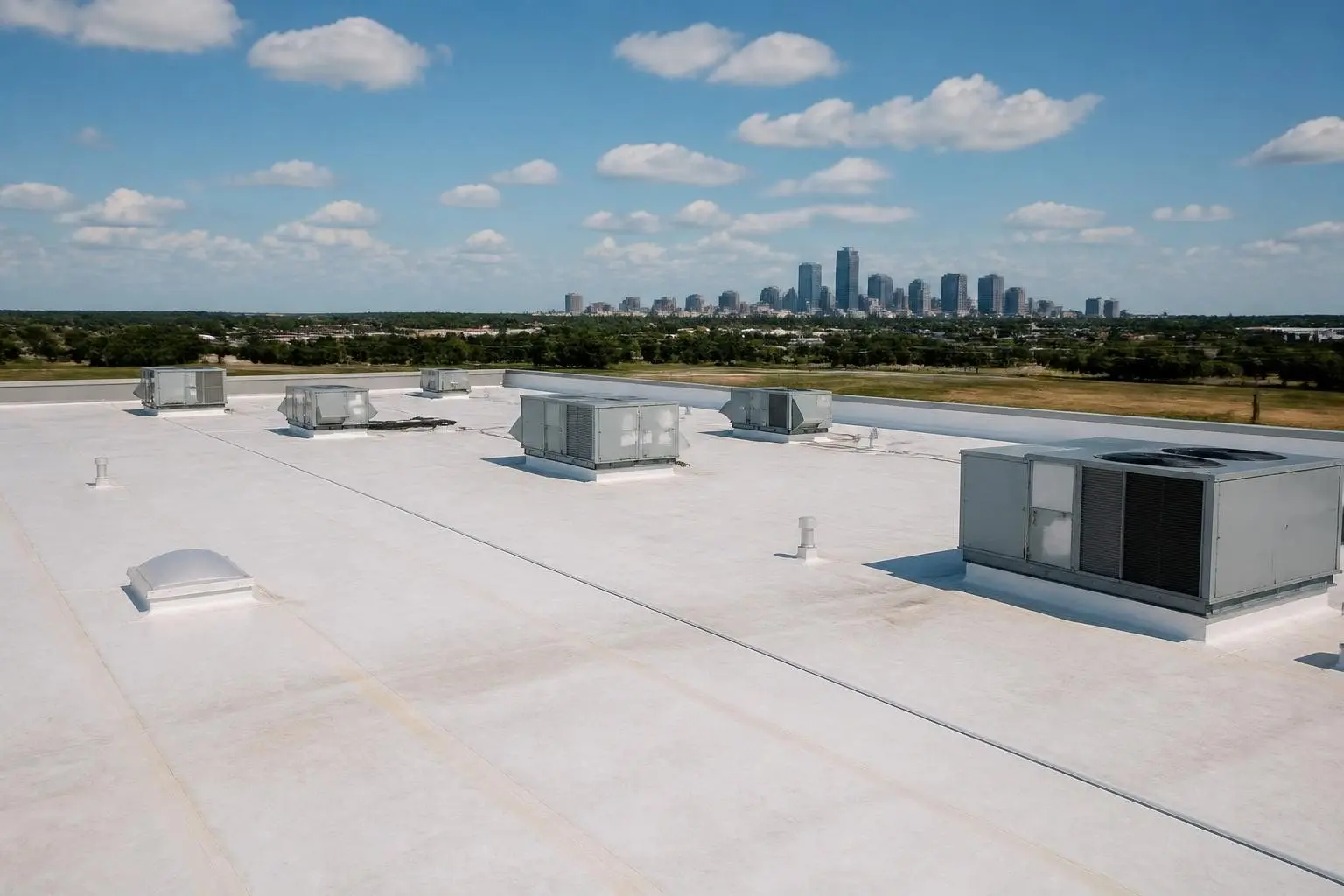
Reflective roofing systems have become increasingly important for managing this heat stress. Light-colored membranes and coatings reflect solar radiation rather than absorbing it, which reduces cooling costs and extends material lifespan. Property managers should prioritize materials with high Solar Reflectance Index (SRI) values when evaluating options for commercial roofing in texas.
Storm and Hail Impact
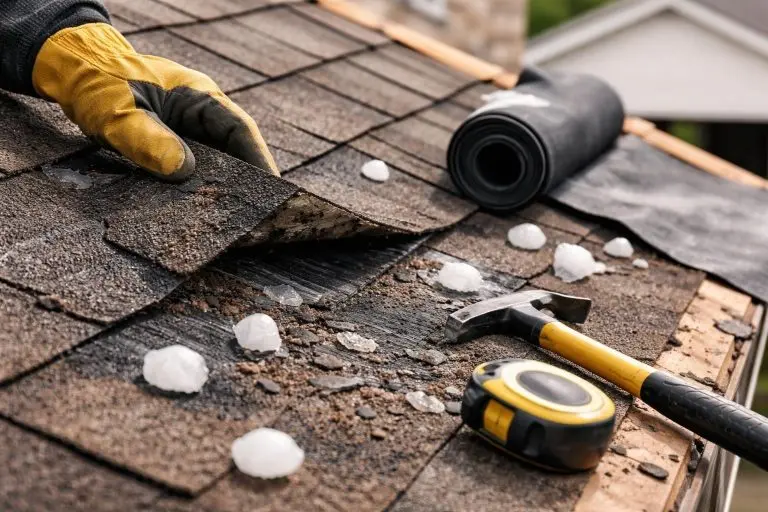
Severe weather events represent the most immediate threat to commercial roof integrity. Texas leads the nation in hail damage claims, with property owners facing billions in losses annually. Commercial roofs must withstand not only direct hail impact but also the wind-driven debris, ponding water, and membrane stress that accompany severe storms.
The right material selection can mean the difference between minor repairs and complete roof replacement after a major weather event. Impact-resistant membranes, properly secured fastening systems, and reinforced seams provide critical protection. Understanding storm and hail damage patterns helps property managers make informed decisions about material specifications.
Commercial Roofing Material Options
Selecting the appropriate roofing system requires matching material characteristics to your building's specific requirements, budget constraints, and performance expectations. Each system offers distinct advantages and limitations.
TPO Roofing Systems
Thermoplastic Polyolefin (TPO) has become one of the most popular choices for commercial roofing in texas due to its exceptional heat reflectivity and cost-effectiveness. This single-ply membrane typically comes in white or light gray, providing excellent solar reflectance that reduces cooling loads and surface temperatures.
Key TPO advantages include:
- Superior heat and UV resistance
- Welded seams that provide watertight integrity
- Resistance to chemical exposure and punctures
- Lower installation costs compared to other single-ply systems
- Energy efficiency that can reduce utility expenses by 20-30%
TPO performs exceptionally well in the Texas heat, but proper installation is critical. Heat-welded seams must be executed by experienced crews to prevent premature failures. The membrane thickness matters significantly-60-mil or 80-mil TPO provides better longevity and hail resistance than standard 45-mil products.
EPDM and Modified Bitumen
EPDM (ethylene propylene diene monomer) offers proven durability and flexibility, making it suitable for buildings with complex roof geometries. This rubber-based membrane excels in thermal stability and maintains flexibility across Texas's temperature extremes.
Modified bitumen systems combine traditional asphalt with modern polymers, creating a multi-layer system that provides excellent waterproofing. These systems work particularly well for facilities requiring frequent roof access or those with existing built-up roofing that needs reinforcement.
| System Type | Typical Lifespan | Hail Resistance | Reflectivity | Best Applications |
|---|---|---|---|---|
| TPO | 15-25 years | Good to Excellent | High | Warehouses, retail centers, office buildings |
| EPDM | 20-30 years | Good | Low to Moderate | Industrial facilities, schools, healthcare |
| Modified Bitumen | 15-20 years | Moderate | Low to Moderate | Multi-story buildings, high-traffic roofs |
| Metal | 30-50 years | Excellent | High | Manufacturing plants, distribution centers |
Metal Roofing Systems
Standing seam metal roofing represents the premium option for commercial properties prioritizing longevity and performance. While initial costs exceed single-ply membranes, metal systems deliver unmatched durability, superior hail resistance, and exceptional wind uplift ratings. Commercial metal roofing in Texas has gained significant traction among industrial and institutional property owners.
Metal roofs handle thermal expansion through concealed fastening systems and floating clips that allow panels to move without creating stress points. The long-term value proposition becomes compelling when factoring in minimal maintenance requirements and 40-50 year service lives.
Cost Considerations and Budget Planning
Understanding the true cost of commercial roofing in texas extends far beyond initial installation expenses. Property managers must evaluate total lifecycle costs, including maintenance, energy impact, and replacement timing.
Initial Installation Costs
Commercial roof pricing varies significantly based on material selection, roof complexity, building height, and current market conditions. Commercial roof replacement costs per square foot in Texas typically range from $4 to $12, with premium systems exceeding $15 per square foot.
Typical price ranges by system type:
- TPO systems: $5.50-$8.50 per square foot installed
- EPDM systems: $5.00-$7.50 per square foot installed
- Modified bitumen: $6.00-$9.00 per square foot installed
- Standing seam metal: $10.00-$16.00 per square foot installed
These figures include tear-off of existing materials, substrate preparation, new membrane installation, and basic flashing details. Costs increase for buildings requiring extensive structural repairs, specialty drainage solutions, or complex penetration details.
Long-Term Value Analysis
The lowest initial cost rarely delivers the best value over a roof's service life. Energy savings from reflective membranes can offset higher material costs within 5-7 years. Durable systems that withstand hail damage prevent expensive emergency repairs and business interruption.
Property managers should calculate lifecycle costs by adding installation expenses, projected maintenance and repair costs, energy impact, and expected replacement timing. A metal roof costing $12 per square foot with a 40-year lifespan and minimal maintenance often delivers better value than a $6 per square foot membrane requiring replacement after 18 years.
Installation and Contractor Selection
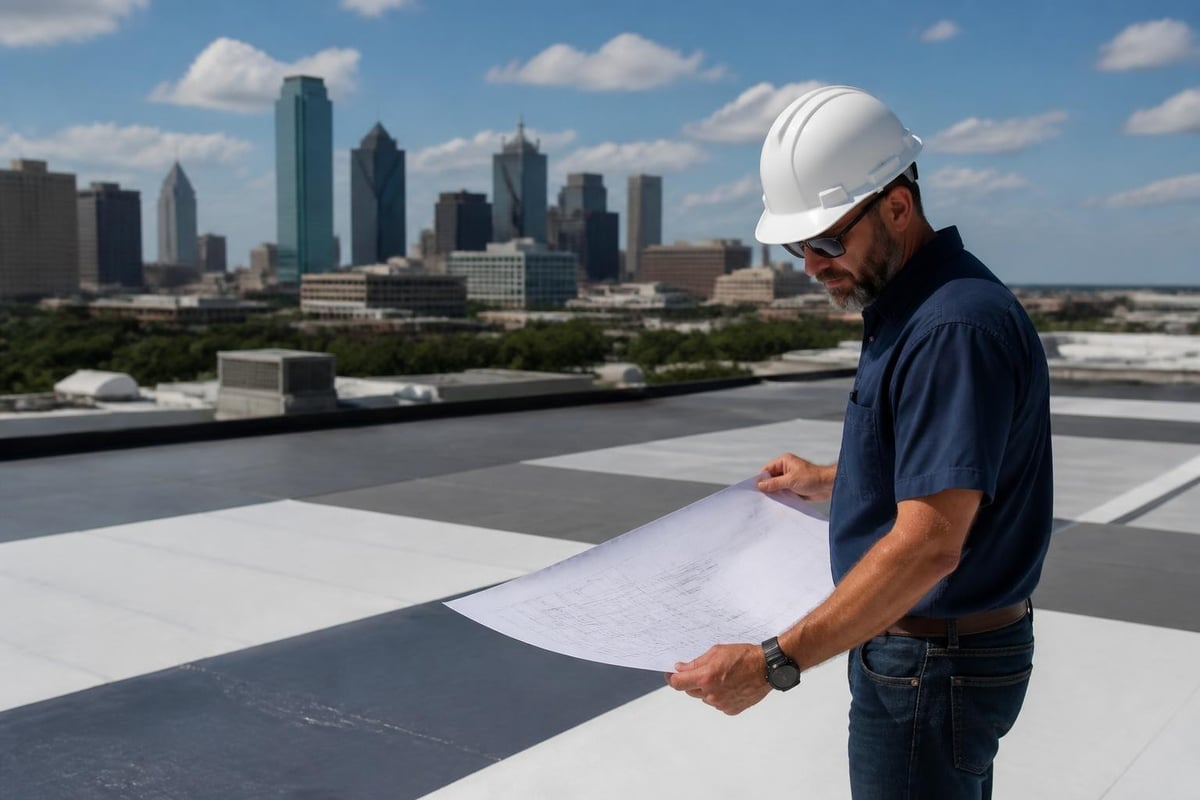
The quality of installation determines whether your roofing system achieves its expected performance and lifespan. Texas property managers must prioritize contractor qualifications, in-house crew capabilities, and installation methodology.
In-House Crews Versus Subcontractors
Many roofing contractors operate as project managers who subcontract actual installation work to third-party crews. This approach creates quality control challenges, communication gaps, and accountability issues when problems arise. Companies using dedicated in-house crews maintain consistent quality standards, ensure proper training on specific systems, and provide clear accountability from inspection through completion.
Commercial Roofing Systems require experienced installers familiar with membrane welding, proper fastening patterns, and flashing details specific to Texas building codes and climate demands.
Manufacturer Certifications and Warranties
Manufacturer certifications verify that contractors have completed required training and maintain quality standards necessary to install specific roofing systems. These certifications become essential for activating extended material warranties that can reach 20-30 years.
Property managers should verify contractor certifications directly with manufacturers and confirm that proposed materials match the building's requirements. Extended warranties typically require specific installation methods, approved substrate conditions, and certified applicators.
Key Differences Between Residential and Commercial Applications
The structural and functional distinctions between residential and commercial roofing create different requirements, material options, and installation approaches. Understanding Texas residential versus commercial roofing differences helps property managers set appropriate expectations.
Structural Considerations
Commercial buildings typically feature flat or low-slope roof designs with large uninterrupted spans, heavy equipment installations, and drainage systems that differ fundamentally from residential applications. These structures experience different load distributions, expansion and contraction patterns, and water management challenges.
Commercial roofs must accommodate HVAC units, exhaust systems, satellite equipment, and other mechanical installations. Proper curb design, equipment support, and waterproofing around penetrations become critical installation details.
Accessibility and Maintenance Requirements
Commercial facilities often require regular roof access for equipment maintenance, creating wear patterns and potential damage points. Roofing systems must withstand this foot traffic while maintaining waterproof integrity. Walk pads, protective coatings around high-traffic areas, and reinforced membranes address these demands.
Regular maintenance becomes even more critical for commercial properties due to the higher costs of business interruption and potential liability from leaks. Establishing proactive inspection schedules and addressing minor issues before they escalate prevents costly emergency situations.
Maintenance Strategies for Texas Commercial Roofs
Implementing systematic maintenance protocols extends roof lifespan, prevents emergency repairs, and protects the substantial investment represented by your roofing system.
Scheduled Inspection Protocols
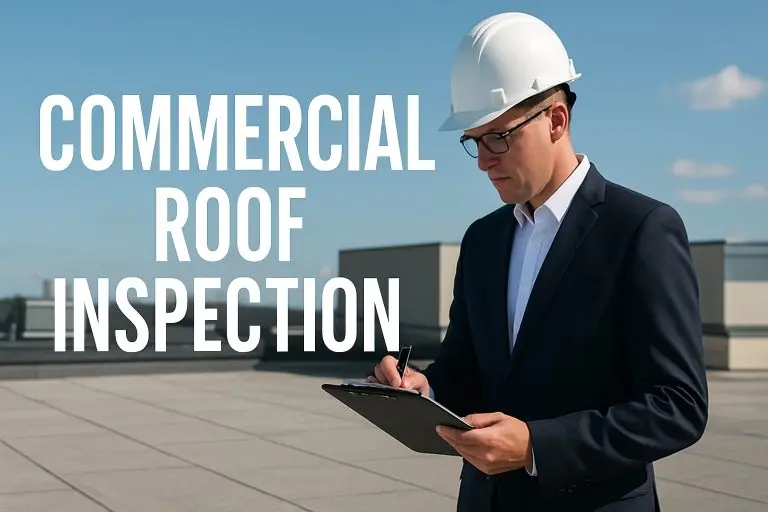
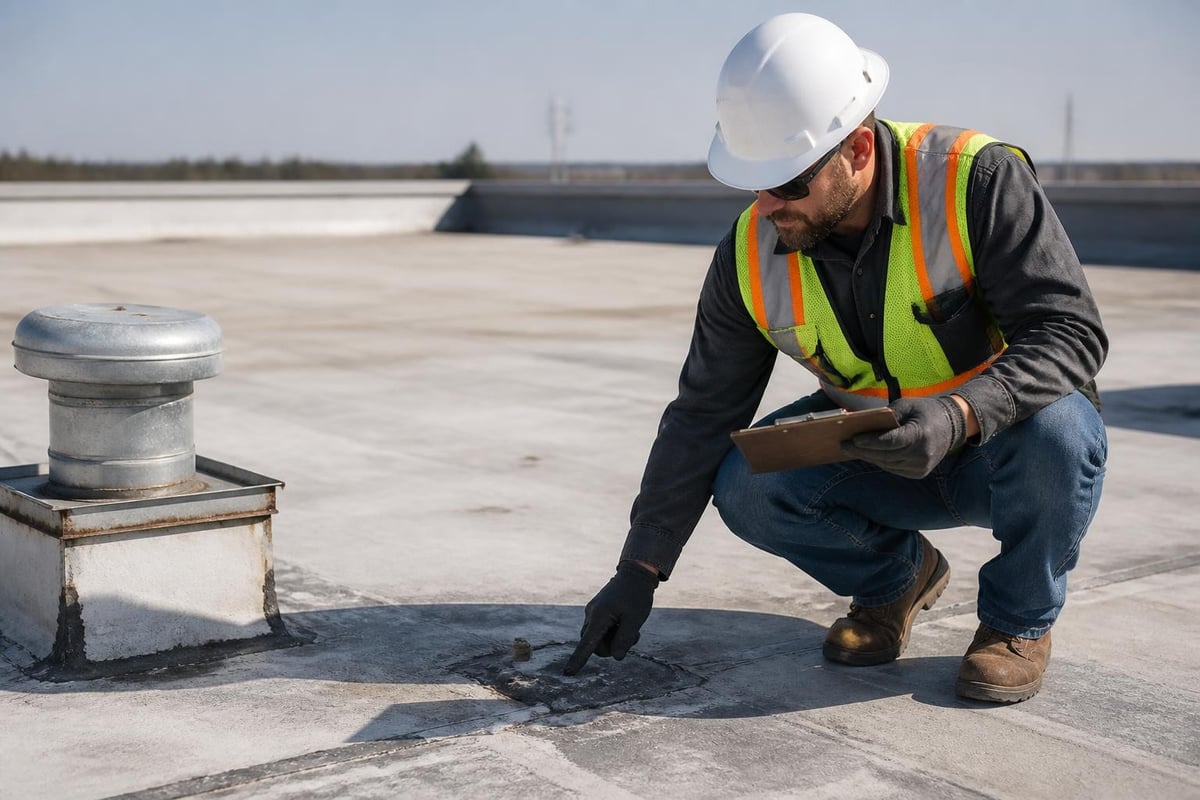
Professional inspections should occur at minimum twice annually-spring and fall-with additional evaluations following severe weather events. These inspections identify developing problems before they cause water intrusion or structural damage.
Critical inspection points include:
- Membrane condition and surface deterioration
- Seam integrity and weld quality
- Flashing condition around penetrations and roof edges
- Drainage system function and debris accumulation
- Fastener security and substrate attachment
- Equipment curb and support conditions
Detailed documentation from each inspection creates a maintenance history that tracks roof condition over time and supports planning for eventual replacement. Commercial roof inspection services provide the detailed reporting necessary for informed decision-making.
Proactive Repair Approaches
Addressing minor issues immediately prevents them from developing into major failures requiring extensive repairs. Small membrane punctures, loose flashing, or developing seam separations cost hundreds to repair when caught early but can escalate to thousands when allowed to cause water damage.
Current Texas commercial roof repair trends emphasize preventive maintenance over reactive emergency response. Property managers who invest in regular upkeep experience fewer disruptions, lower total maintenance costs, and extended roof service lives.
Roof Coating Solutions
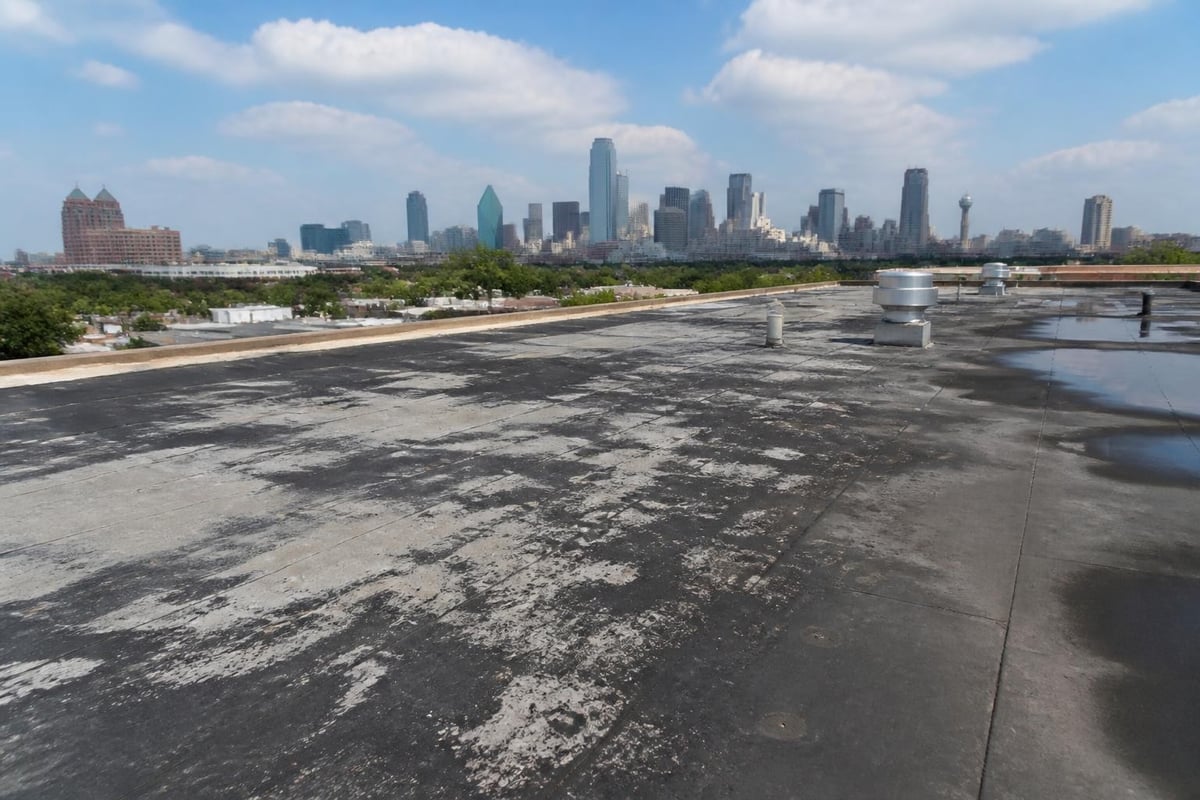
Protective coatings offer cost-effective methods to extend existing roof lifespan, improve energy efficiency, and delay full replacement. These systems work particularly well for roofs showing surface degradation but maintaining structural integrity.
Coating Types and Applications
Silicone, acrylic, and polyurethane coatings each offer specific benefits suited to different substrate materials and performance goals. Roof coatings for commercial buildings in Texas must withstand intense UV exposure, thermal cycling, and ponding water conditions common across the state.
Silicone coatings provide superior resistance to ponding water and UV degradation, making them ideal for flat roofs with drainage challenges. Acrylic systems offer excellent reflectivity and dirt resistance at lower costs. Polyurethane coatings deliver impact resistance and durability for high-traffic applications.
Cost-Benefit Analysis
Restoration coatings typically cost $2-$4 per square foot installed, delivering 10-15 years of additional service life when applied to structurally sound roofs. This represents 30-40% of full replacement costs while avoiding the disruption and waste associated with tear-off projects.
The return on investment becomes particularly attractive when combined with energy savings from increased reflectivity. Property managers can reduce cooling costs by 15-25% while postponing capital expenses for roof replacement.
Regional Considerations Across Texas
The state's geographic diversity creates distinct roofing challenges in different regions. Dallas-Fort Worth experiences different weather patterns than Houston, San Antonio, or West Texas markets.
North Texas Climate Factors
The Dallas-Fort Worth metroplex faces some of the state's most severe hail exposure, with multiple damaging storms occurring annually. Commercial property owners in this region must prioritize impact-resistant systems and maintain detailed documentation of roof condition for potential claims.
Wind exposure increases with building height and open surroundings common in suburban commercial developments. Proper edge securement and enhanced fastening patterns become critical for preventing wind damage.
Coastal and Gulf Region Demands
Houston and coastal markets contend with higher humidity, salt air exposure, and hurricane-force wind potential. These conditions accelerate corrosion of metal components and create ideal environments for algae and biological growth on roof surfaces.
Commercial roofing systems in coastal areas benefit from corrosion-resistant fasteners, enhanced drainage capacity to handle intense rainfall, and materials resistant to moisture-related degradation.
West Texas and Arid Climates
Extreme temperature swings and intense solar radiation characterize West Texas commercial roofing environments. Daily temperature variations exceeding 40-50 degrees create expansion and contraction cycles that stress roofing materials and seams.
Lower humidity reduces some moisture-related concerns but increases static electricity risks during installation and creates different adhesive curing conditions that require adjusted application methods.
Energy Efficiency and Building Performance
Modern commercial roofing decisions increasingly incorporate energy efficiency considerations as property managers recognize the impact of roof systems on operating costs and tenant comfort.
Cool Roof Technologies
Reflective roofing materials and specialized coatings reduce heat absorption, lower cooling loads, and create more comfortable interior environments. Buildings with high-reflectivity roofs can experience cooling cost reductions of 20-30% compared to traditional dark-colored systems.
Cool roof standards have become common in municipal building codes and sustainability certification programs. Property managers targeting LEED certification or similar programs must specify roofing systems meeting minimum reflectivity and emissivity values.
Insulation Integration
Proper insulation works synergistically with reflective roofing to optimize building thermal performance. Commercial roof assemblies typically incorporate rigid insulation boards providing R-values appropriate for Texas climate zones.
Tapered insulation systems eliminate ponding water while maintaining required R-values. This dual function addresses both energy efficiency and drainage concerns critical for flat commercial roofs.
Making Informed Decisions
Selecting the right roofing system for your commercial property requires balancing immediate budget constraints against long-term performance needs. Comparing commercial roofing options for Texas buildings involves evaluating multiple factors simultaneously.
Decision Framework
Property managers should develop evaluation criteria weighted to their specific priorities. A warehouse prioritizing durability and low maintenance may select metal roofing despite higher initial costs. An office building focused on energy efficiency might choose premium TPO with high reflectivity values.
Essential evaluation factors:
- Expected service life and replacement timing
- Maintenance requirements and access needs
- Energy impact and operational cost implications
- Hail and weather resistance for your location
- Building occupancy and business interruption risks
- Budget constraints and financing options
- Warranty coverage and contractor accountability
Documentation and Planning
Thorough documentation supports informed decision-making and provides valuable records for future reference. Request detailed proposals including material specifications, installation methodology, warranty terms, and project timelines.
Photographic documentation of current roof condition, written reports identifying specific deficiencies, and clear scopes of work prevent misunderstandings and establish accountability. Companies that provide detailed documentation demonstrate professionalism and transparency that translate to better project outcomes.
Storm Damage Response and Recovery
Texas commercial property owners must prepare for inevitable storm damage through established response protocols and qualified contractor relationships.
Immediate Response Procedures
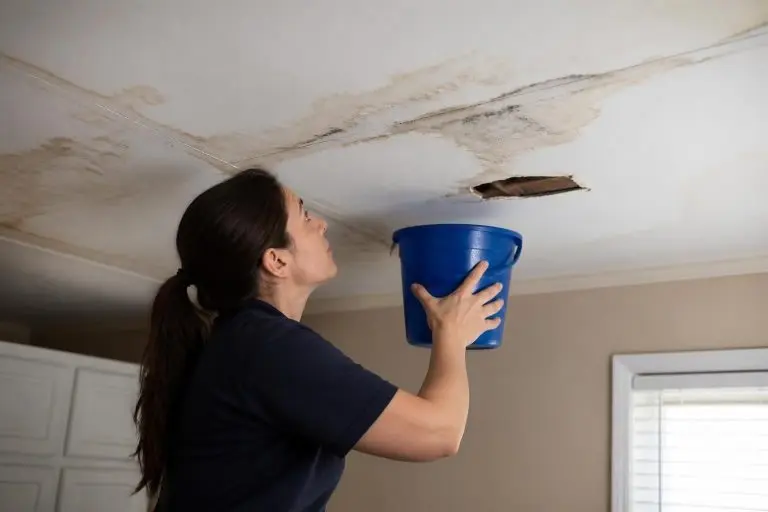
After severe weather, conduct preliminary visual inspections from ground level to identify obvious damage requiring immediate attention. Active leaks demand emergency response to prevent water damage to building contents and systems.
Emergency tarping and temporary waterproofing protect property until permanent repairs can be scheduled. Establish relationships with commercial roofing companies capable of same-day response before emergencies occur.
Damage Documentation
Thorough documentation of storm and hail damage provides the detailed evidence necessary for property claims. Professional roof inspections conducted after weather events should include extensive photography, measurements of damaged areas, and detailed written reports.
This documentation serves the property owner's needs when submitting information to their own adjuster. Detailed inspection reports clarify the extent of damage, necessary repairs, and material requirements without requiring the roofing contractor to participate in claim negotiations or adjustments.
Commercial roofing in Texas demands strategic material selection, qualified installation, and proactive maintenance to withstand the state's challenging climate conditions. Property managers who prioritize lifecycle value over initial cost, verify contractor qualifications, and implement systematic maintenance protocols protect their investments and avoid costly failures. Texcore Construction delivers the in-house expertise, detailed documentation, and accountability Fort Worth commercial property owners need for confident roofing decisions-from thorough inspections and transparent recommendations through quality installations backed by five-year labor warranties.