Flat Roofing Companies: Selection & Quality Guide
Selecting the right contractor for commercial flat roofing projects requires understanding what separates qualified professionals from underprepared vendors. Property owners, facility managers, and commercial real estate professionals need flat roofing companies that demonstrate material expertise, employ skilled in-house crews, maintain proper insurance, and deliver documented quality throughout every phase of installation and repair. The stakes are high: a poorly installed flat roof leads to water intrusion, structural damage, operational disruption, and premature replacement costs. This guide examines the critical factors that distinguish capable flat roofing companies from those that compromise quality, helping you make informed decisions that protect your investment and ensure long-term building performance.
Understanding Flat Roofing System Expertise
Professional flat roofing companies must demonstrate comprehensive knowledge across multiple membrane systems, each with distinct installation requirements and performance characteristics.
Material Specialization and Application Knowledge
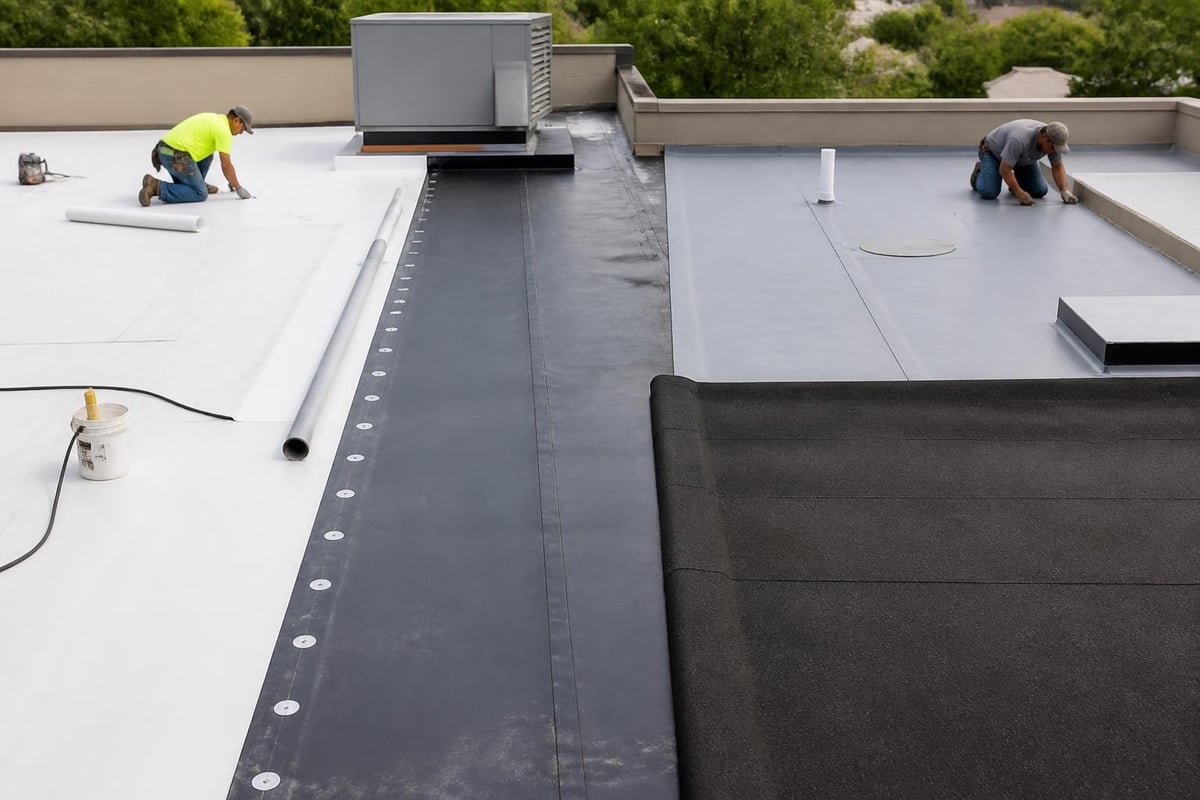
TPO (thermoplastic polyolefin), EPDM (ethylene propylene diene monomer), PVC (polyvinyl chloride), and modified bitumen systems each require specific installation techniques, seam welding methods, and substrate preparation protocols. Companies that claim to "install everything" often lack depth in any single system. Different flat roofing materials demand specialized training, equipment, and field experience that cannot be acquired superficially.
Qualified contractors understand membrane thickness options, reinforcement layers, and how climate conditions affect material selection. A company experienced with TPO on retail centers should articulate heat-welding procedures, corner detail specifications, and how ponding water affects membrane longevity. Those without hands-on expertise resort to generic descriptions and vague timelines.
Key material competencies include:
- Substrate evaluation and preparation standards for each membrane type
- Seam integrity testing methods and acceptance criteria
- Flashing integration at parapet walls, penetrations, and equipment curbs
- Insulation compatibility and attachment specifications
- Manufacturer certification status and ongoing training requirements
System Design and Engineering Capabilities
Flat roofing companies worth hiring understand that membrane selection represents only one component of complete roof system design. Proper insulation layers, vapor retarders, drainage configuration, and structural loading all impact system performance.
| System Component | Function | Contractor Responsibility |
|---|---|---|
| Membrane | Waterproofing barrier | Proper seam welding and attachment |
| Insulation | Thermal performance and slope | Correct R-value and taper system design |
| Vapor Retarder | Moisture control | Placement based on climate zone |
| Substrate | Structural deck | Assessment and preparation |
| Drainage | Water removal | Slope verification and scupper placement |
Experienced contractors coordinate with structural engineers when adding insulation layers or planning roof-mounted equipment. They calculate dead loads, verify deck capacity, and ensure compliance with local building codes. Companies that skip these steps expose property owners to structural risks and code violations.
Evaluating Contractor Qualifications and Credentials
The commercial roofing industry contains significant variation in contractor capabilities, making credential verification essential before awarding contracts.
Manufacturer Certifications and Warranty Authorization
Reputable flat roofing companies maintain current certifications from major membrane manufacturers, demonstrating their crews meet installation standards required for warranty coverage. These certifications require documented training, quality audits, and insurance verification.
Manufacturer-authorized contractors can offer extended system warranties that cover both materials and labor, often extending 10 to 20 years. Non-certified installers void manufacturer warranties, leaving property owners with material-only coverage that excludes installation defects. This distinction carries significant financial implications when premature failures occur.
Request copies of current certifications and verify them directly with manufacturers. Some contractors claim certifications they held years ago but failed to maintain through ongoing training requirements.
Insurance Coverage and Bonding Requirements
Commercial flat roofing work exposes contractors to substantial liability from property damage, worker injuries, and installation defects. Flat roofing companies must carry adequate general liability insurance (minimum $2 million aggregate recommended), workers' compensation coverage, and commercial auto insurance.
Essential insurance verification steps:
- Request certificates of insurance naming you as additional insured
- Contact insurance carriers directly to verify active coverage
- Confirm policy limits match project scope and building value
- Verify workers' compensation coverage for all field personnel
- Review insurance renewal dates to ensure coverage throughout project duration
Companies using subcontractors introduce additional liability exposure. If subcontractors lack proper insurance, property owners may face claims when workers are injured onsite. This makes the crew structure question critical during contractor evaluation.
Crew Structure and Quality Control Systems
How flat roofing companies organize their workforce directly impacts installation quality, project timelines, and long-term accountability.
In-House Crews Versus Subcontractor Networks
The most significant operational distinction among flat roofing companies involves crew structure. Contractors employing dedicated in-house teams maintain consistent quality standards, invest in ongoing training, and retain accountability throughout project lifecycles. They control hiring, training, equipment maintenance, and quality protocols.
Companies relying on subcontractor networks introduce quality variability. Subcontractors rotate between general contractors, often prioritizing speed over precision, and disappear when warranty issues emerge. Communication breaks down between multiple parties, and accountability becomes fragmented.
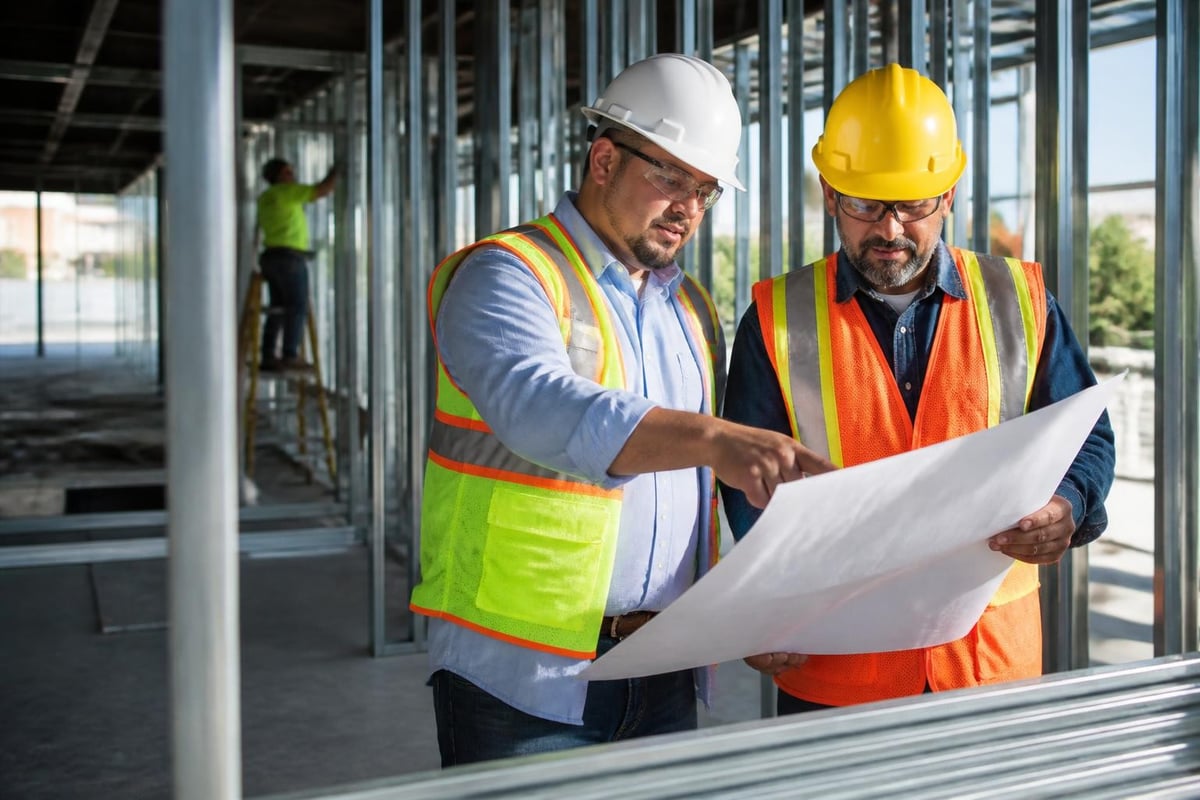
When interviewing contractors, ask these direct questions:
- Do you employ your own roofing crews or subcontract installation work?
- How long have your crew leaders been with your company?
- What ongoing training do installers receive?
- Who supervises daily field operations?
- What happens if installation defects appear during the warranty period?
Evasive answers or claims that "all our subs are highly qualified" indicate reliance on labor networks rather than controlled teams. For commercial projects, particularly those involving commercial roofing systems with strict performance requirements, in-house crews provide measurably better outcomes.
Project Documentation and Communication Protocols
Professional flat roofing companies implement systematic documentation throughout project phases, creating clear records that support warranty claims, building evaluations, and future maintenance planning.
Quality documentation includes:
- Pre-installation roof condition assessments with photographs
- Daily progress reports with weather conditions noted
- Material delivery confirmations and batch numbers
- Installation photos showing substrate preparation, seam details, and flashing work
- Third-party inspection reports when required
- Final completion documentation with warranty certificates
Contractors who resist documentation or provide only invoice-level records lack quality control infrastructure. Transparent communication means returning calls within business hours, providing project updates without prompting, and addressing concerns before they escalate into disputes.
Material Selection and Performance Standards
Flat roofing companies should guide material selection based on building type, climate conditions, budget parameters, and expected service life rather than promoting single-product solutions.
Climate-Specific Material Recommendations
Texas commercial buildings face intense UV exposure, thermal cycling, hail events, and occasional wind-driven rain. Flat roofing system selection must account for these regional factors rather than applying generic product recommendations.
TPO membranes offer excellent UV resistance and heat-reflective properties ideal for reducing cooling loads in hot climates. White TPO surfaces reflect solar radiation, lowering roof surface temperatures by 50 degrees compared to dark membranes. However, TPO requires precise heat-welding techniques that inexperienced crews frequently compromise.
PVC systems provide superior chemical resistance for buildings with rooftop HVAC equipment, kitchen exhaust, or industrial processes. The higher material cost is offset by exceptional durability in demanding environments. EPDM remains cost-effective for buildings prioritizing budget over energy performance, though its dark surface absorbs heat.
| Membrane Type | Best Applications | Climate Suitability | Average Lifespan |
|---|---|---|---|
| TPO | Retail, office, warehouses | Excellent heat/UV resistance | 15-25 years |
| PVC | Restaurants, industrial, hospitals | Chemical resistance priority | 20-30 years |
| EPDM | Budget-conscious projects | Moderate performance | 12-20 years |
| Modified Bitumen | Retrofit applications | Good heat tolerance | 12-20 years |
Contractors pushing a single material regardless of building characteristics lack comprehensive system knowledge. Qualified professionals present options with honest performance comparisons and budget implications.
Warranty Coverage and Long-Term Performance
Material warranties mean nothing without proper installation, making installer workmanship warranties equally important. Flat roofing companies should offer labor warranties covering installation defects separate from manufacturer material warranties.
Standard labor warranties range from one to five years, though some contractors extend coverage to ten years on premium installations. These warranties should cover seam failures, flashing leaks, and attachment problems resulting from installation errors. Manufacturers typically warrant membrane materials for 10 to 30 years depending on system type and maintenance compliance.
Review warranty exclusions carefully. Most exclude damage from building settlement, subsequent trades, lack of maintenance, and severe weather beyond design parameters. Understanding what warranties do not cover prevents false security about long-term protection.
Storm Response and Emergency Repair Capabilities
Commercial building operations cannot pause for extended roof repairs, making contractor responsiveness critical when leaks occur.
Emergency Service Infrastructure
Flat roofing companies serving commercial clients must maintain emergency response capabilities including after-hours contact systems, material inventories, and crew availability for urgent repairs. A warehouse experiencing active leaks cannot wait three days for a callback.
Companies with genuine emergency capabilities answer phones 24/7, dispatch crews within hours, and carry inventory to execute temporary waterproofing immediately. They understand that emergency response means stopping water intrusion first, then scheduling permanent repairs during normal business operations. When unexpected roof damage occurs, having access to emergency roof repair services can prevent thousands of dollars in interior damage and business interruption.
Contractors claiming "emergency services" but routing calls to voicemail after 5 PM lack infrastructure for genuine urgent response. Test their systems by calling outside business hours before you need them.
Storm Damage Documentation and Assessment
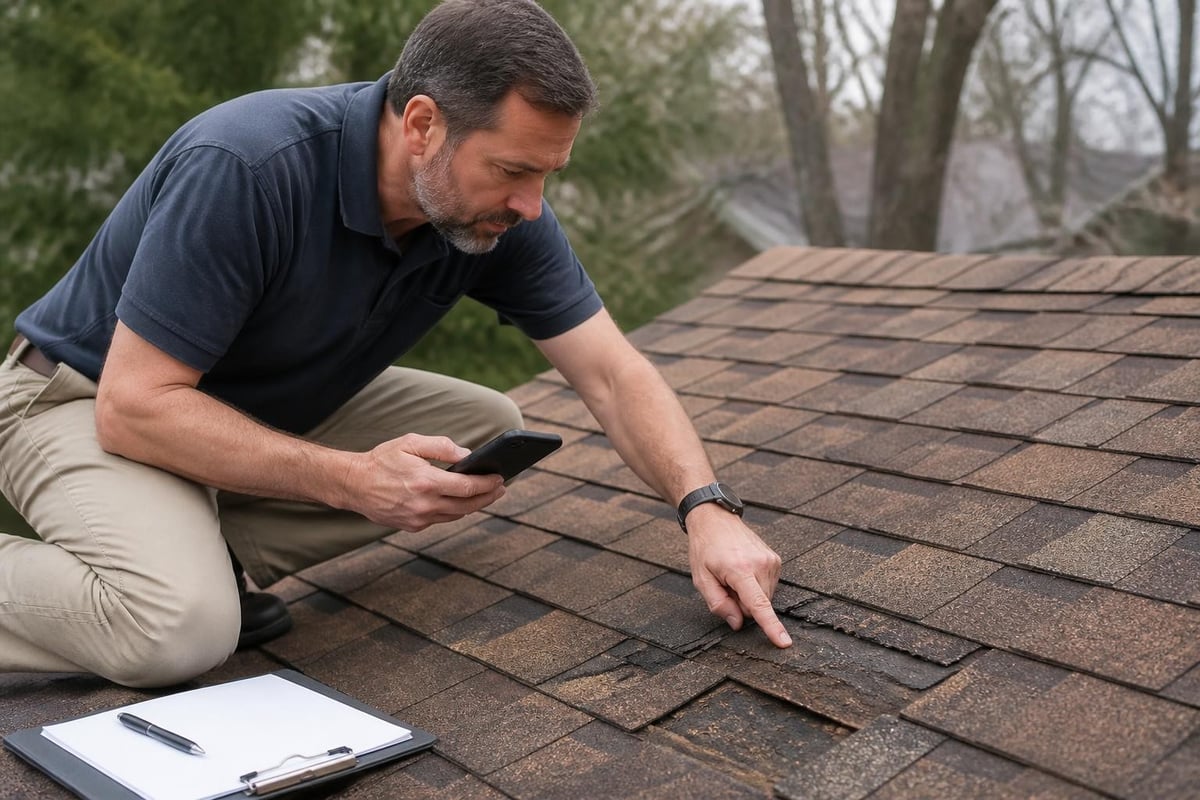
Severe weather events require thorough roof inspections to identify damage before it causes leaks. Professional flat roofing companies provide detailed damage assessments following hail storms, high winds, or heavy rain events.
Proper damage documentation includes:
- Comprehensive roof surface inspection noting membrane punctures, seam separation, or surface impacts
- Photographs with measurement references showing damage extent
- Flashing and penetration inspection identifying vulnerable points
- Detailed written reports describing findings and recommended repairs
- Scope of work documents outlining repair procedures and materials
This documentation supports property owners when submitting claims to their insurance adjusters, though contractors should document damage without handling claim negotiations or adjustments. Understanding flat roofing systems helps property managers recognize when professional inspections are warranted after weather events.
Installation Standards and Quality Benchmarks
The gap between adequate and excellent flat roof installations appears in details most building owners never see but eventually pay for through premature failures.
Substrate Preparation and Moisture Testing
Quality installations begin with proper substrate evaluation and preparation. Flat roofing companies should test existing roof decks for moisture content before installing new systems, particularly during reroofing projects. Trapped moisture causes insulation deterioration, reduces R-values, and promotes deck rot.
Nuclear moisture scanners or capacitance meters identify wet insulation requiring replacement. Installing new membranes over wet substrates guarantees premature system failure regardless of membrane quality. Contractors who skip moisture testing either lack equipment or prioritize speed over performance.
Substrate preparation requirements vary by membrane type but generally include:
- Deck fastener inspection and replacement of loose or missing fasteners
- Surface cleaning removing all debris, oils, and loose materials
- Primer application when specified by membrane manufacturers
- Insulation board installation with proper attachment patterns
- Cover board placement for puncture resistance
Cutting corners during preparation saves hours during installation but costs years from system lifespan.
Seam Integrity and Water Testing Protocols
Membrane seams represent the most common failure points in flat roofing systems, making seam quality the defining characteristic of installation excellence. TPO and PVC installations require hot-air welding creating molecular bonds between membrane sheets. Proper welds should be continuous, uniform in width, and tested for adhesion.
Critical seam quality factors:
- Consistent welding temperature appropriate for membrane thickness and ambient conditions
- Proper overlap dimensions per manufacturer specifications
- Visual inspection of all seams before testing
- Destructive testing of sample seams to verify peel strength
- Non-destructive probe testing of production seams
- Immediate repair of any failed test sections
Professional flat roofing companies perform water testing on completed sections, flooding membrane areas and inspecting for leaks before proceeding. This identifies installation defects immediately rather than discovering them after building occupancy when repairs disrupt operations.
Cost Structure and Pricing Transparency
Understanding how flat roofing companies structure pricing helps identify realistic proposals and avoid contractors using artificially low bids to win contracts they later abandon or upcharge through change orders.
Comprehensive Bid Components
Detailed proposals should itemize materials, labor, equipment, disposal costs, and project management separately. This transparency allows property owners to understand where money goes and compare proposals accurately.
| Bid Component | Typical Percentage | What It Covers |
|---|---|---|
| Materials | 40-50% | Membrane, insulation, fasteners, adhesives |
| Labor | 30-40% | Installation crew wages and supervision |
| Equipment | 5-10% | Lifts, welding machines, safety equipment |
| Disposal | 3-7% | Tear-off removal and disposal fees |
| Overhead/Profit | 15-20% | Insurance, management, warranty support |
Contractors providing single lump-sum numbers without itemization either lack estimating sophistication or intentionally obscure cost structure. When proposals vary significantly, itemized bids reveal whether differences stem from material quality, crew efficiency, or profit margins.
Beware of contractors offering to reduce prices by "covering your deductible" or promising "no out-of-pocket costs." These approaches violate insurance requirements and indicate companies willing to compromise ethics for contracts.
Payment Terms and Project Milestones
Standard commercial roofing payment structures tie disbursements to project milestones rather than requiring large upfront deposits. Flat roofing companies with adequate working capital request modest deposits (10-15%), progress payments at defined completion stages, and final payment upon project acceptance.
Red flags include requests for 50% upfront, cash-only payments, or final payment before completion. These patterns indicate financial instability or intentional fraud. Legitimate contractors understand that earned payment builds trust and protects both parties.
Selecting Among Local Flat Roofing Companies
Geographic proximity matters more for commercial roofing than many construction trades due to emergency response needs, warranty service accessibility, and local building code knowledge.
Regional Expertise and Code Compliance
Contractors operating within specific metropolitan areas develop expertise with local building departments, understand regional weather patterns, and maintain relationships with inspectors who review their work. This familiarity translates to smoother permitting, faster inspections, and installations meeting local requirements.
National Roofing Authority guidance on flat roofing systems emphasizes that regional expertise significantly impacts project outcomes, particularly for commercial applications with complex code requirements. Fort Worth commercial buildings, for example, face specific wind load requirements and drainage standards that contractors unfamiliar with local conditions may overlook.
Regional knowledge indicators:
- Active projects visible throughout the service area
- References from similar buildings in the region
- Familiarity with local building officials and inspection processes
- Understanding of area-specific weather challenges
- Relationships with local material suppliers for quick restocking
Out-of-area contractors may offer lower prices but cannot provide responsive service when problems emerge. A company based three hours away will not dispatch crews quickly when leaks occur during weekend storms.
Reference Verification and Project History
Professional flat roofing companies provide current references from projects matching your building type, membrane system, and scope. Speaking directly with facility managers or property owners who hired the contractor reveals performance patterns proposals cannot show.
Effective reference questions include:
- Did the crew complete work within the quoted timeline?
- How did they handle unexpected conditions or weather delays?
- Was the job site kept clean and safe throughout the project?
- Did they communicate proactively about progress and issues?
- Have you experienced any leaks or problems since completion?
- How responsive were they to warranty service requests?
- Would you hire them again for future roofing work?
Contractors hesitant to provide recent references or offering only years-old project contacts likely have quality or service issues they prefer to conceal. The most reliable flat roofing companies eagerly connect prospects with satisfied clients because their work speaks for itself.
Long-Term Maintenance and Relationship Value
Initial installation represents only the beginning of flat roof system lifecycle. Ongoing maintenance relationships determine whether systems achieve or exceed expected service life.
Preventive Maintenance Programs
Forward-thinking flat roofing companies offer scheduled maintenance programs that extend system life and prevent minor issues from becoming major failures. These programs typically include biannual inspections, debris removal, drain cleaning, and minor repairs as needed.
Regular maintenance identifies membrane shrinkage, seam separation, flashing deterioration, and ponding water before they cause interior leaks. The cost of routine maintenance is a fraction of emergency repair expenses and business interruption from unexpected failures. Building owners should explore commercial roof coatings as part of long-term maintenance strategies that restore aged membranes and extend serviceable life.
Maintenance agreements should specify inspection frequency, services included, hourly rates for additional repairs, and priority scheduling for contract holders. Companies offering maintenance programs demonstrate commitment to long-term client relationships rather than transaction-focused sales approaches.
Performance Tracking and System Lifecycle Planning
Sophisticated flat roofing companies help property owners track roof system performance over time, documenting inspections, repairs, and conditions to inform replacement timing decisions. This data-driven approach prevents premature replacement of serviceable roofs and avoids delaying replacement until emergency failures occur.
Annual inspection reports should note membrane condition percentages, remaining service life estimates, and recommended repair priorities. This information supports capital planning and budget allocation for eventual replacement. Property managers armed with performance data make informed decisions about repair versus replacement timing, avoiding crisis-driven projects that disrupt operations and limit contractor selection options.
Selecting qualified flat roofing companies requires evaluating material expertise, crew structure, documentation practices, emergency capabilities, and long-term service commitment beyond initial installation pricing. Property owners who prioritize these factors over lowest-bid selection protect their buildings and avoid the costly consequences of inadequate contractors. When your Fort Worth commercial or residential property needs expert flat roof installation, repair, or emergency response delivered by insured in-house crews with transparent communication and documented quality, Texcore Construction provides the accountability and craftsmanship that ensure long-term performance and peace of mind.