Local Roofing Contractors: Choosing the Right Team
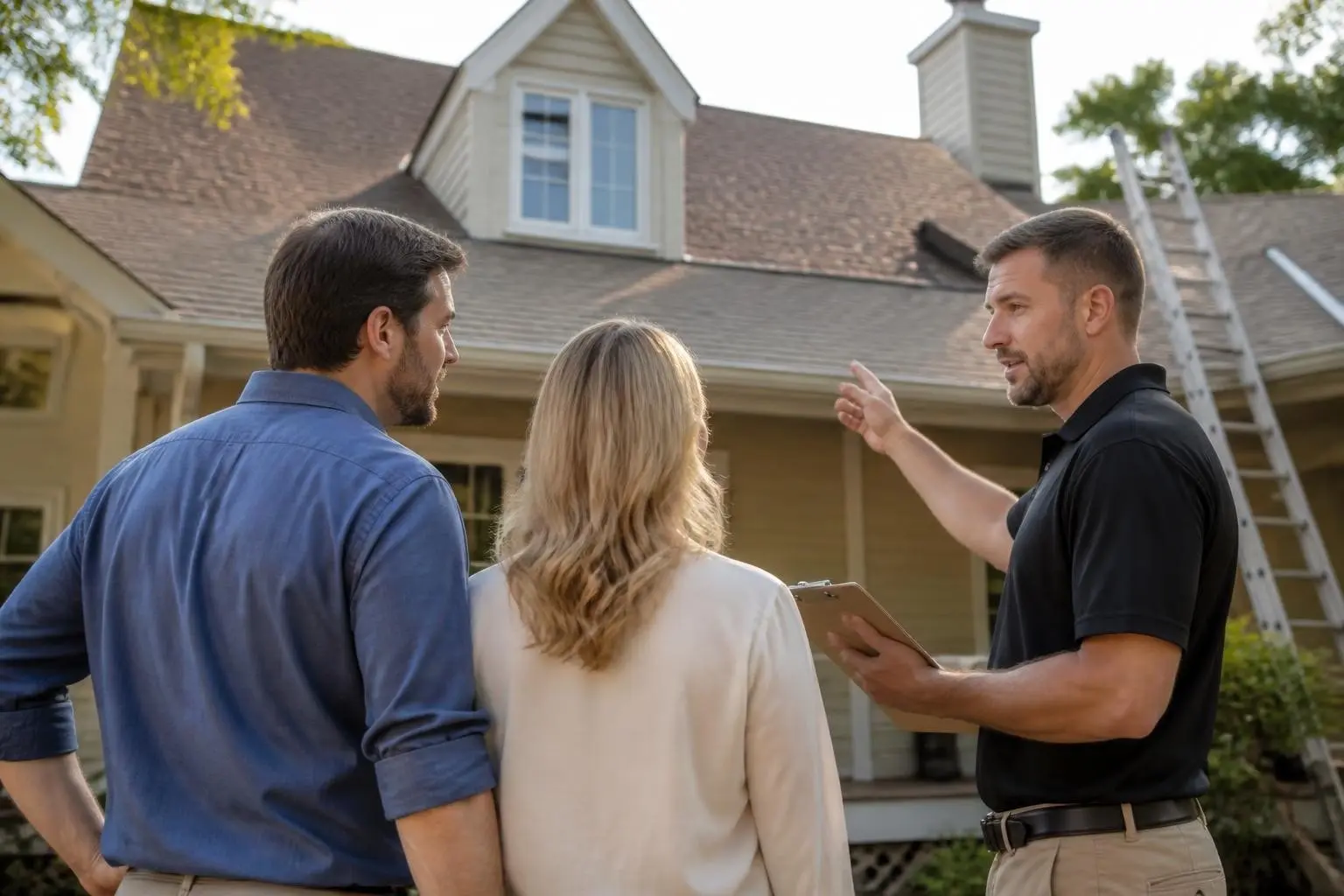
Selecting the right roofing contractor can determine whether your investment delivers decades of protection or becomes a costly source of frustration. Property owners and managers throughout Fort Worth and surrounding communities face this decision when leaks appear, storm damage occurs, or aging systems reach the end of their service life. The difference between local roofing contractors often comes down to accountability, transparency, and the ability to deliver consistent results through in-house crews rather than subcontracted labor. Understanding how to evaluate contractors, verify credentials, and recognize quality workmanship ensures you make an informed decision that protects your property and budget.
What Defines Quality Local Roofing Contractors
Quality roofing contractors distinguish themselves through measurable standards, not marketing promises. Business credentials form the foundation of legitimacy, including proper insurance coverage, local business registration, and verifiable physical addresses. Contractors operating from post office boxes or lacking general liability and workers' compensation insurance expose property owners to significant financial risk.
Verification Standards That Matter
The National Roofing Contractors Association provides guidelines for evaluating contractor qualifications that emphasize documentation over claims. Property owners should request certificates of insurance directly from the carrier, not copies provided by the contractor. This verification confirms active coverage and appropriate limits.
Key credentials to verify include:
- General liability insurance with minimum $2 million aggregate coverage
- Workers' compensation insurance for all crew members
- Active business registration in your county or city
- Physical business address with established operations
- Manufacturer certifications for specific roofing systems
Local roofing contractors who maintain these standards demonstrate commitment to professional operations. The absence of any single element should raise concerns about accountability and long-term reliability.
Insurance Coverage and Risk Management
Adequate insurance protection separates professional contractors from operations that shift risk onto property owners. When uninsured workers sustain injuries on your property, liability falls to the property owner regardless of contractor agreements. General liability coverage protects against property damage during installation, while workers' compensation covers medical costs and lost wages for injured crew members.
Request updated certificates before work begins, and verify coverage directly with the insurance carrier. Contractors who hesitate to provide carrier contact information or current policy numbers often lack adequate protection. This verification takes minimal time but prevents substantial financial exposure.

Evaluating Work Quality and Methodology
How contractors approach roofing projects reveals their commitment to long-term performance versus quick completion. Local roofing contractors who prioritize speed over proper installation create future problems that surface after warranties expire or businesses change ownership. Understanding best practices for roofing installations helps property owners recognize quality work.
In-House Crews Versus Subcontractor Models
The crew composition directly impacts consistency, quality control, and accountability. Contractors who maintain in-house teams control every aspect of installation, from material handling to cleanup standards. Subcontractor-dependent businesses introduce variables beyond their direct supervision, creating inconsistent results and complicated warranty enforcement.
| Aspect | In-House Crews | Subcontractor Model |
|---|---|---|
| Quality Control | Direct supervision daily | Limited oversight capability |
| Accountability | Single point of contact | Multiple parties involved |
| Scheduling | Predictable timelines | Variable availability |
| Training | Standardized methods | Inconsistent techniques |
| Communication | Clear chain of command | Fragmented information flow |
Projects completed by dedicated in-house teams demonstrate consistent workmanship across all phases. Property owners receive uniform quality from initial tear-off through final inspection, with clear communication throughout the process.
Documentation and Inspection Protocols
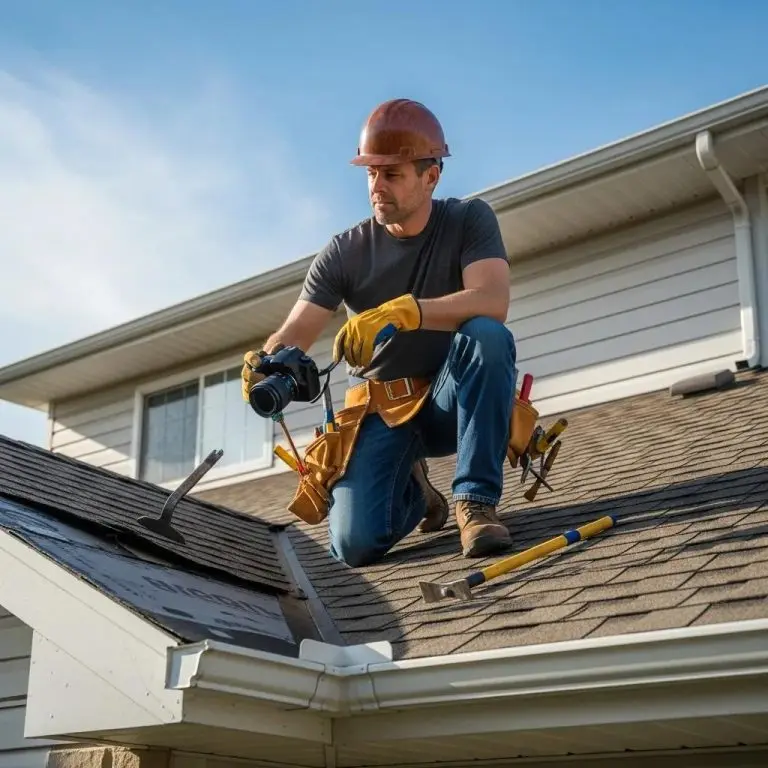
Thorough documentation separates comprehensive contractors from those who provide minimal service. Detailed photo documentation of existing conditions, identified damage, and completed repairs creates accountability and supports informed decision-making. This becomes particularly important when documenting storm and hail damage for property records.
Professional local roofing contractors provide:
- Pre-installation condition reports with dated photographs
- Material specifications and manufacturer data sheets
- Installation progress documentation at key phases
- Final completion photos from multiple angles
- Warranty information and maintenance recommendations
This documentation protects property owners by establishing clear baselines and completed work standards. Contractors who resist providing detailed reports often lack confidence in their workmanship or aim to avoid accountability for substandard installation.
Geographic Service Areas and Response Capabilities
Service area size affects response times, travel costs, and long-term warranty support. Local roofing contractors based in Fort Worth deliver faster emergency response than regional companies traveling from distant locations. Geographic proximity becomes critical during severe weather events when multiple properties require simultaneous attention.
Emergency Response and Availability
Storm damage demands immediate attention to prevent secondary water intrusion and interior damage. Contractors with local operations staff and equipment warehouses respond within hours rather than days. This speed advantage stops minor leaks from becoming major restoration projects.
Response time benchmarks for local contractors:
- Same-day response for active leaks and emergency situations
- 24-48 hour site visits for damage assessment
- Immediate temporary protection while permanent repairs are scheduled
- Direct communication with on-site project managers
Distance impacts these capabilities significantly. A contractor based 60 miles away cannot provide the same emergency support as one operating from your community. This difference matters most when urgent protection determines the extent of interior damage.
Long-Term Warranty Support
Warranties mean nothing without accessible service. Local roofing contractors remain available to address callback items, warranty claims, and routine maintenance throughout the coverage period. Companies that close, relocate, or operate from distant markets cannot honor these commitments regardless of written guarantees.
Five-year labor warranties backed by local operations provide enforceable protection. Property owners should verify the contractor maintains a permanent address, consistent phone numbers, and established business relationships within the community. These factors indicate stability and long-term commitment to warranty obligations.
Price Evaluation and Contract Transparency
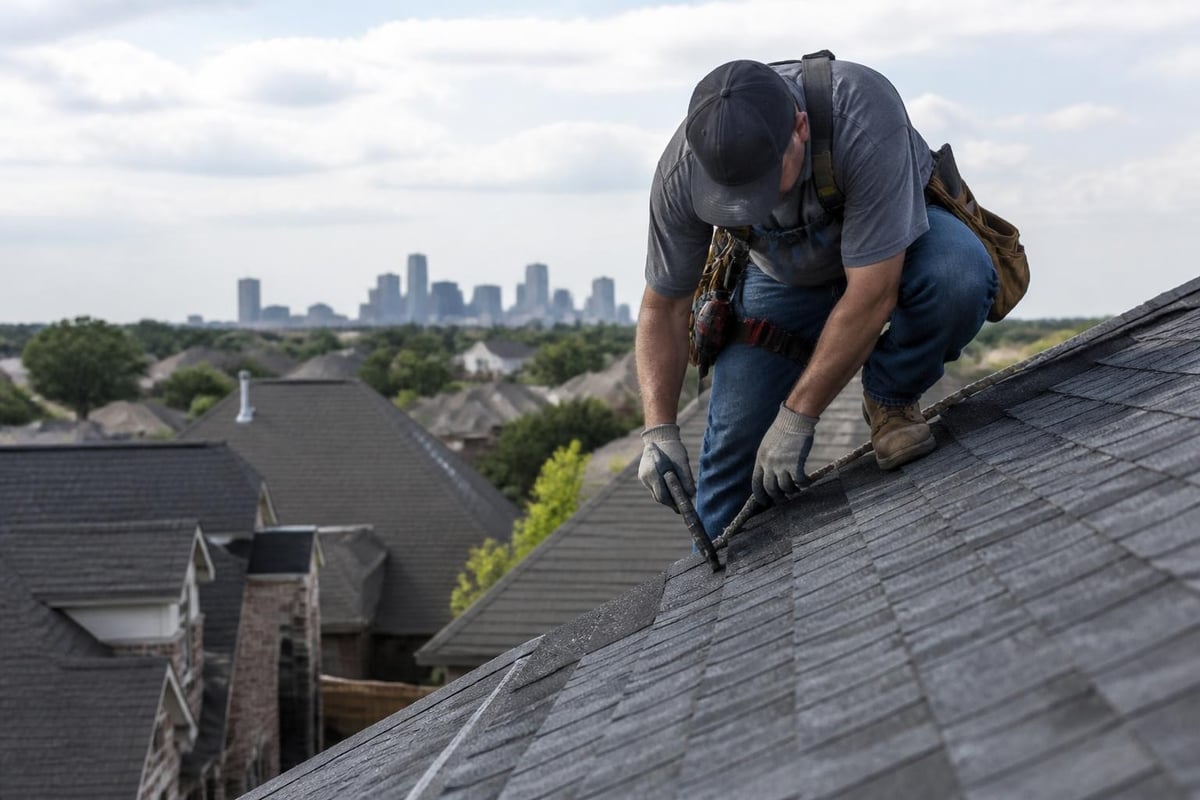
Cost comparisons require understanding what estimates include beyond base installation. Local roofing contractors who provide detailed line-item pricing enable accurate comparisons, while vague proposals hide costs that surface during installation. Transparency in pricing reflects overall business practices and commitment to honest dealings.
Understanding Estimate Components
Comprehensive estimates break down labor, materials, disposal, and protection costs separately. This detail allows property owners to identify where contractors cut corners or inflate specific line items. Unusually low bids often reflect substandard materials, inadequate crew size, or planned cost additions through change orders.
Complete estimates should specify:
- Exact roofing material specifications with manufacturer and model
- Square footage calculations and waste factor percentages
- Labor costs separated from material expenses
- Disposal and debris removal procedures
- Site protection and cleanup standards
- Payment schedule tied to completion milestones
Contractors who resist providing this detail or claim "proprietary pricing methods" prevent informed decision-making. Professional operations explain every cost component and justify pricing through material quality and skilled labor investment.
Red Flags in Contractor Proposals
Certain proposal elements indicate problematic business practices that create future complications. Property owners should recognize these warning signs before signing contracts or issuing deposits. Industry accreditation standards emphasize transparency and complete disclosure in contractor agreements.
| Warning Sign | What It Indicates | Proper Alternative |
|---|---|---|
| Upfront payment over 10% | Cash flow problems | Progress payments tied to completion |
| No written warranty terms | Avoiding accountability | Detailed warranty document with coverage |
| Pressure for immediate signing | High-pressure sales tactics | Time to review and compare proposals |
| Verbal-only agreements | No enforceable terms | Complete written contracts |
| Generic material specifications | Substitution of inferior products | Exact manufacturer and model numbers |
These red flags appear across industries but prove particularly costly in roofing where problems surface years after installation. Taking time to evaluate proposals thoroughly prevents expensive corrections when contractors disappear or refuse warranty service.
Material Selection and System Performance
Roofing system performance depends equally on material quality and installation expertise. Local roofing contractors with manufacturer certifications understand proper application methods for specific products. This knowledge prevents premature failures caused by incompatible materials or incorrect installation sequences.
Commercial Versus Residential Systems
Commercial and residential properties require different roofing approaches, materials, and installation methods. Commercial flat roofing systems demand specialized knowledge of TPO, EPDM, and modified bitumen applications that differ substantially from residential asphalt shingle installation. Contractors should demonstrate specific experience with your property type.
Commercial roofing considerations include:
- Roof access requirements for maintenance personnel
- Equipment attachment and penetration details
- Drainage system capacity for flat or low-slope designs
- Energy efficiency standards for commercial buildings
- Code compliance for fire ratings and wind uplift
Residential roofing services focus on aesthetic appeal, longevity, and weather protection for homes. Homeowners prioritize warranty coverage, color selection, and installation speed that minimizes disruption. These differing priorities require contractors to understand both market segments thoroughly.
Manufacturer Certifications and Training
Roofing material manufacturers provide certification programs that train contractors in proper installation methods specific to their products. These programs ensure contractors understand application requirements, substrate preparation, and fastening specifications that affect warranty coverage. Understanding roofing certifications helps property owners distinguish between marketing claims and verified expertise.
Certified contractors access manufacturer support, technical guidance, and extended warranty options unavailable through standard installations. This certification demonstrates investment in ongoing education and commitment to installation excellence. Property owners should request proof of current certifications for the specific materials proposed for their project.
Communication Standards and Project Management
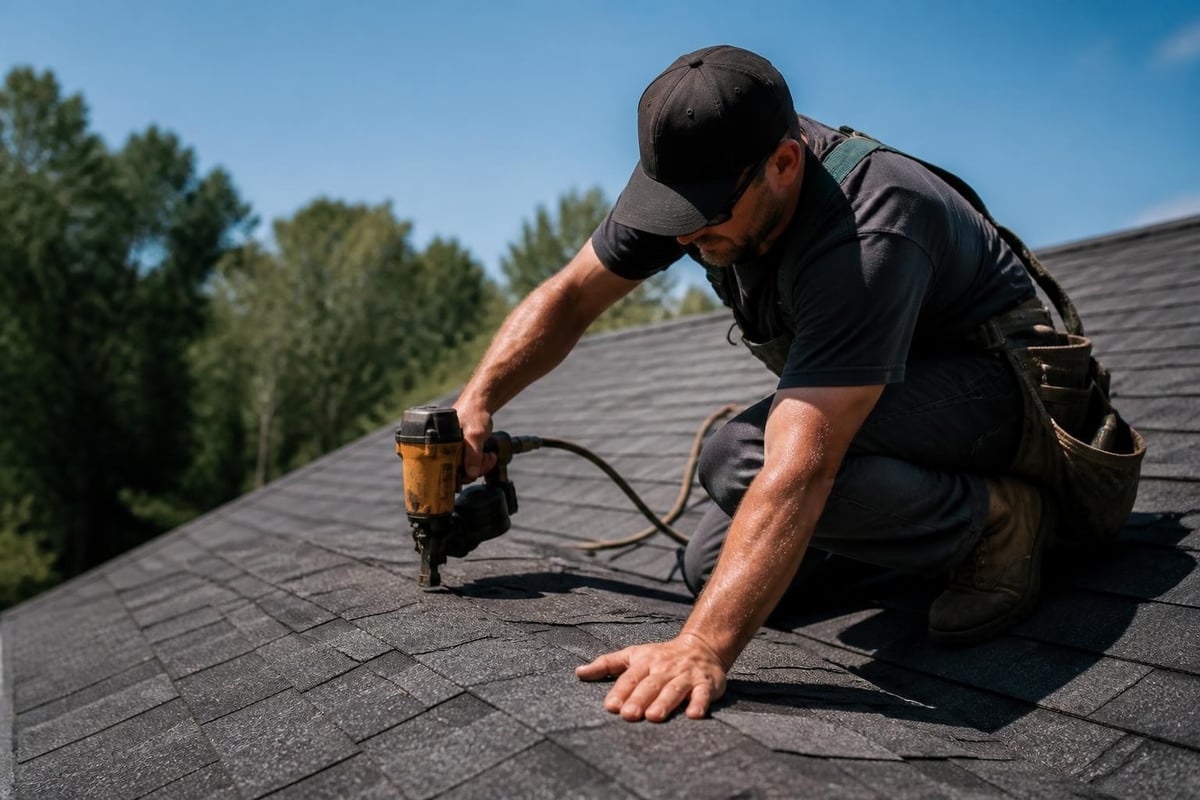
Clear communication throughout roofing projects prevents misunderstandings and ensures expectations align with delivered results. Local roofing contractors who assign dedicated project managers provide consistent contact points rather than rotating customer service representatives unfamiliar with specific projects.
Project Timeline and Schedule Management
Realistic timelines account for weather delays, material delivery schedules, and proper installation sequences that cannot be rushed. Contractors who promise unrealistic completion dates either employ excessive crew sizes that compromise supervision or plan to cut corners during installation. Professional project management balances speed with quality requirements.
Typical timeline elements include:
- Pre-installation inspection and measurement verification
- Material ordering and delivery coordination
- Weather window identification for installation
- Daily work schedules with crew arrival times
- Completion inspection and final documentation
Weather-dependent construction requires flexibility within established timeframes. Contractors should communicate delays promptly and adjust schedules transparently rather than disappearing during weather interruptions. This communication builds confidence in professional operations.
Site Protection and Cleanup Standards
Job site management reflects overall professionalism and respect for property. Comprehensive contractors protect landscaping, vehicles, and adjacent structures throughout installation. Daily cleanup prevents debris accumulation that creates safety hazards and property damage.
Professional site management includes:
- Magnetic sweepers for nail and fastener collection
- Protective coverings for plants and outdoor equipment
- Designated material staging areas away from traffic
- Daily debris removal rather than end-of-project cleanup
- Restoration of disturbed landscaping to original condition
These practices require additional time and equipment but prevent property damage that costs more than preventive protection. Local roofing contractors maintain reputation through consistent site management standards across all projects. You can learn more about professional standards through roofing industry associations that establish best practices.
Reference Verification and Past Performance
Past performance provides the most reliable indicator of future results. Local roofing contractors with established track records willingly provide references from recent projects similar in scope to yours. Speaking directly with property owners and managers reveals contractor strengths and weaknesses beyond marketing claims.
Effective Reference Check Questions
Reference conversations should explore specific aspects of contractor performance rather than general satisfaction. Targeted questions reveal patterns across multiple projects that indicate consistent business practices or recurring problems.
Questions to ask references:
- Did the project stay within original budget and timeline estimates?
- How did the contractor handle unexpected issues or complications?
- What was the cleanup and site management quality throughout installation?
- Has warranty service been responsive and complete when needed?
- Would you hire this contractor again for future roofing work?
References who hesitate or provide qualified responses suggest problems the contractor may not disclose directly. Consistent positive feedback across multiple references indicates reliable performance and professional operations.
Online Reviews and Digital Reputation
Digital reviews supplement personal references by providing broader performance samples. Property owners should evaluate review patterns rather than focusing on individual complaints or praise. Consistent themes across multiple reviews reveal genuine business characteristics versus isolated incidents.
Review analysis should consider:
- Response patterns to negative feedback and complaints
- Frequency of repeat customers and referrals
- Specific performance mentions beyond general satisfaction
- Timeline of reviews indicating current versus historical performance
- Balance between commercial and residential project feedback
Contractors with predominantly positive reviews spanning multiple years demonstrate sustained quality. Recent negative review clusters may indicate business changes, new management, or declining standards that affect current projects.
Building Code Compliance and Permit Requirements
Proper permitting protects property owners through required inspections and code compliance verification. Local roofing contractors familiar with Fort Worth building codes navigate permit processes efficiently while ensuring installations meet current building codes and standards. Contractors who suggest skipping permits create liability and potential insurance complications.
Permit Application and Inspection Processes
Building permits require specific documentation, engineering calculations for commercial projects, and scheduled inspections at installation milestones. Professional contractors handle permit applications, inspection scheduling, and correction of any deficiencies identified during review.
The permit process typically involves:
- Submission of project plans and material specifications
- Review by building department for code compliance
- Issuance of permit and posting at job site
- Mid-installation inspection of substrate and installation methods
- Final inspection and approval for certificate of completion
This oversight ensures installations meet minimum safety standards and proper material application. Property owners who allow unpermitted work lose this protection and may face difficulties with future property sales or insurance claims.
Insurance Implications of Code Compliance
Insurance companies may deny claims for damage to unpermitted roofing work or installations that violate building codes. This denial extends beyond the immediate damage to include secondary losses from water intrusion or structural failures. Storm damage roofers understand these implications and ensure all work meets code requirements that protect insurance coverage.
Code-compliant installation requires:
- Proper fastening patterns meeting wind uplift requirements
- Adequate ventilation preventing moisture accumulation
- Correct flashing details at penetrations and transitions
- Fire-rated materials where required by building classification
- Structural load capacity verification for material weight
These technical requirements separate professional installations from substandard work that creates long-term problems. Contractors who understand code requirements protect property value and insurance coverage through compliant installation methods.
Storm Response and Emergency Capabilities
Severe weather events test contractor capabilities and reveal true emergency response capacity. Local roofing contractors with dedicated storm response teams mobilize quickly to prevent secondary damage while planning permanent repairs. This rapid response capability distinguishes established operations from contractors who appear only after major storms.
Temporary Protection and Damage Assessment
Immediate temporary protection stops water intrusion while allowing time for thorough damage assessment and permanent repair planning. Professional contractors provide emergency tarping, board-up services, and temporary waterproofing within hours of notification. This speed prevents minor roof damage from becoming major interior restoration projects.
Storm response includes:
- 24/7 emergency contact availability
- Immediate dispatch of assessment crews
- Temporary protection installation same-day
- Detailed damage documentation with photographs
- Coordination with property management for access
These capabilities require local crews, equipment inventory, and established emergency protocols. Contractors based outside the immediate service area cannot provide the same rapid response regardless of advertised coverage areas. For urgent situations, property owners can reach emergency roof repair services that operate locally.
Documentation for Property Records
Thorough storm damage documentation creates detailed records for property files and supports informed repair decisions. Professional contractors photograph damage from multiple angles, measure affected areas precisely, and identify all compromised components. This documentation becomes particularly valuable for properties that may need detailed records for future reference.
Comprehensive documentation should include:
- Dated photographs showing damage extent and location
- Measurements of damaged areas in square feet
- Identification of specific components requiring replacement
- Assessment of structural substrate condition
- Recommendations for repair versus replacement decisions
This level of detail enables property owners to make informed decisions about repair scope and budget allocation. Contractors who provide minimal documentation or verbal-only assessments prevent thorough evaluation and planning. When dealing with insurance claims for roof damage, detailed documentation becomes essential for accurate claim submission.
Selecting qualified local roofing contractors requires verifying credentials, evaluating past performance, and understanding how business practices affect long-term results. Property owners who invest time in contractor evaluation protect their properties through quality workmanship, enforceable warranties, and reliable emergency response. When you need roofing services backed by in-house crews, detailed documentation, and transparent communication throughout Fort Worth, Texcore Construction delivers commercial and residential roofing solutions built for long-term performance and accountability.