Re Roofing: Complete Guide to Replacement & Options
Re roofing represents one of the most significant investments property owners make in building maintenance and protection. Whether you manage a commercial property or own a residential home, understanding the nuances of re roofing-from material selection to installation methods-determines whether your investment delivers decades of reliable performance or becomes a costly mistake. This comprehensive guide explores the essential considerations, regulatory requirements, and decision-making factors that separate successful re roofing projects from problematic ones.
Understanding Re Roofing vs. Other Roofing Solutions
Re roofing encompasses multiple approaches to replacing or upgrading an existing roof system. The term itself often creates confusion because it can refer to different installation methods depending on context and regional terminology.
A complete re roofing project typically involves:
- Full removal of existing roofing materials down to the deck
- Inspection and repair of underlying structural components
- Installation of new underlayment and waterproofing barriers
- Application of entirely new roofing materials
- Updated flashing, ventilation, and edge details
This differs significantly from a roof overlay, where new materials are installed directly over existing layers. While overlays cost less initially, they come with substantial limitations and risks that property owners must carefully evaluate.
The Overlay Approach: Benefits and Limitations
Roof overlays-sometimes called "recover" installations-involve installing new shingles or roofing material directly over one existing layer. This approach appeals to property owners seeking immediate cost savings, but it carries important restrictions.
Most building codes limit properties to two total layers of roofing material. If your property already has two layers, California building codes and regulations require complete tear-off before re roofing can proceed. Beyond legal requirements, additional weight on the roof structure creates potential safety concerns, particularly in areas prone to heavy snow or where roof framing wasn't designed for multiple material layers.
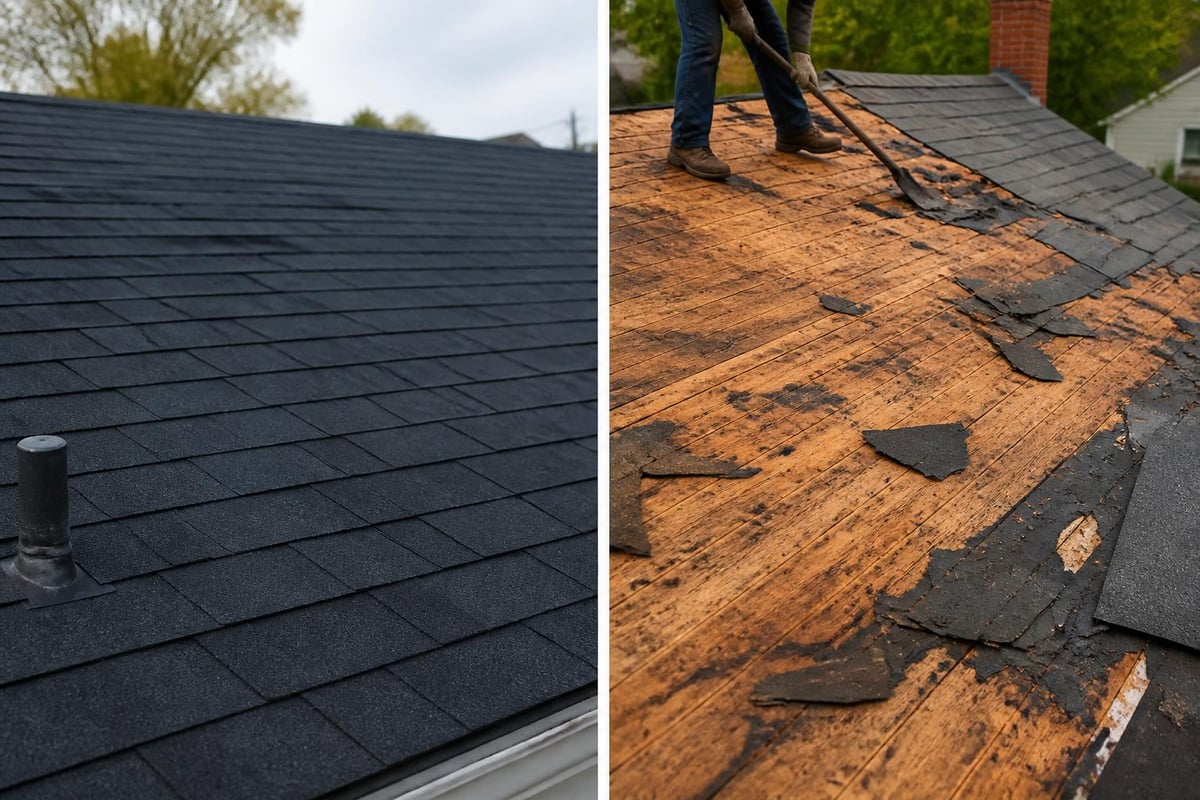
Overlays also prevent thorough inspection of the roof deck and underlying structure. Hidden rot, moisture damage, or deteriorating sheathing remains undetected until problems become severe enough to show through the new surface layer. According to building code requirements from the National Roofing Contractors Association, proper assessment of substrate conditions is essential for warranty compliance and long-term performance.
When Complete Re Roofing Becomes Necessary
Several conditions make complete tear-off re roofing the only viable option for property protection. Recognizing these situations early prevents emergency repairs and costly secondary damage.
| Condition | Why Complete Re Roofing Required | Risk If Delayed |
|---|---|---|
| Multiple existing layers | Building code compliance, structural load limits | Potential collapse, failed inspections |
| Extensive deck damage | Cannot repair substrate with materials in place | Progressive rot, interior water damage |
| Severe granule loss | Indicates end of material lifespan | Accelerated leak development |
| Widespread curling/cupping | Compromised waterproofing integrity | Multiple simultaneous leak points |
| Sagging sections | Structural failure or water accumulation | Complete deck replacement needed |
Sagging or uneven roof surfaces signal serious structural issues that no overlay can address. These conditions require immediate professional assessment and typically necessitate comprehensive commercial roof repairs before re roofing can even begin.
Storm Damage Considerations
Hail damage, wind-blown debris, and severe weather events often create hidden compromises in roofing systems. While surface damage may appear minimal, impact can fracture shingle bonds, crack sealant strips, and damage underlying felt paper. In these scenarios, insurance coverage through roof replacement insurance claims frequently provides the resources for complete re roofing rather than temporary overlay solutions.
Property owners in Fort Worth and similar regions with volatile weather patterns should prioritize complete replacement after major storm events. The documentation and thorough inspection required for insurance claims naturally align with the assessment process needed for proper re roofing planning.
Material Selection for Re Roofing Projects
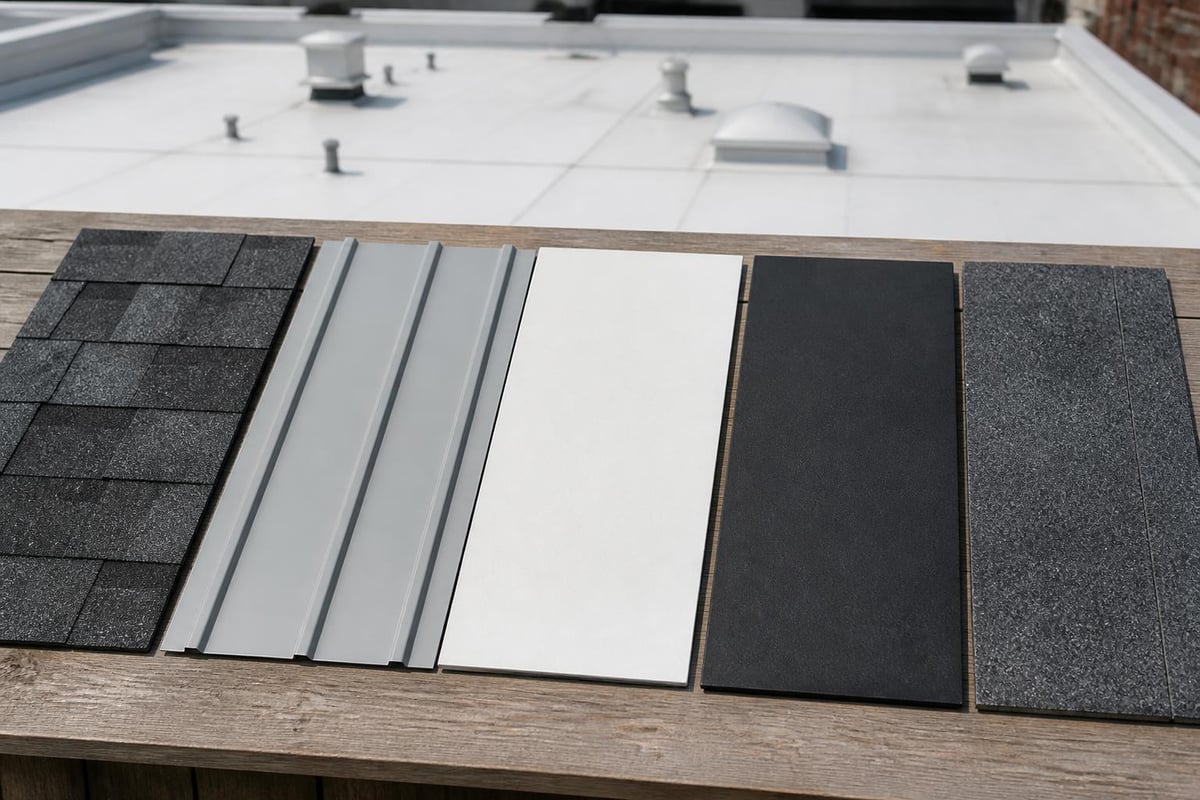
The roofing material selected for your re roofing project dramatically impacts longevity, performance, and total lifecycle costs. Each option carries distinct advantages, installation requirements, and suitability for different building types.
Residential Re Roofing Materials
Asphalt Shingles
Three-tab and architectural shingles dominate residential re roofing due to cost-effectiveness and reliable performance. Modern architectural shingles offer 25-50 year lifespans with superior wind resistance and aesthetic appeal compared to older three-tab designs.
Metal Roofing
Standing seam metal and metal shingle systems provide exceptional durability with 40-70 year lifespans. While initial costs run higher than asphalt, metal roofing delivers superior energy efficiency, fire resistance, and minimal maintenance requirements.
Tile and Slate
Concrete or clay tile and natural slate represent premium re roofing options with potential lifespans exceeding 100 years. These materials require structural verification to ensure existing framing can support the added weight.
Commercial Re Roofing Systems
Commercial properties require different material considerations based on roof slope, building use, and drainage requirements.
- TPO (Thermoplastic Polyolefin): Heat-welded seams, excellent UV resistance, energy-efficient white surface
- EPDM (Rubber Membrane): Proven performance, cost-effective, ideal for low-slope applications
- Modified Bitumen: Self-adhering or torch-applied, excellent for areas with temperature extremes
- Built-Up Roofing (BUR): Multiple plies with hot tar, traditional system for flat commercial roofs
Understanding trade-offs between different commercial roofing approaches helps property managers make informed decisions aligned with building use, budget constraints, and long-term maintenance strategies.
Code Compliance and Permit Requirements
Re roofing projects fall under strict building code jurisdiction regardless of project size. Understanding these requirements prevents costly corrections and ensures your investment meets all legal standards.
Permits are typically required when:
- Removing existing roofing materials
- Installing more than 100 square feet of new roofing
- Changing roofing material type
- Modifying roof structure or support systems
Local jurisdictions may impose additional requirements beyond international building codes. Fort Worth property owners should verify specific municipal requirements before beginning re roofing work to ensure full compliance with local ordinances.
Energy Code Considerations
Modern energy codes significantly impact re roofing projects, particularly regarding insulation requirements. Guidelines from the International Energy Conservation Code mandate that when existing insulation is removed or disturbed during re roofing, replacement insulation must meet current minimum R-value requirements-not the standards in place when the building was originally constructed.
This requirement can substantially impact project costs but delivers long-term energy savings and improved building performance. Property owners should factor these potential upgrades into budget planning when exploring re roofing options.
Re Roofing Project Timeline and Process
Successful re roofing requires careful planning, proper sequencing, and realistic timeline expectations. Understanding each phase helps property owners prepare and minimize disruption.
Pre-Construction Phase (1-3 Weeks)
- Initial Inspection and Assessment: Professional evaluation of existing conditions, structural integrity, and necessary repairs
- Material Selection: Choosing appropriate roofing system based on building type, climate, and budget
- Permit Application: Submitting required documentation and obtaining municipal approvals
- Scheduling: Coordinating weather windows, material delivery, and crew availability
Active Re Roofing Phase
The actual re roofing installation timeline varies significantly based on project scope, building size, and weather conditions.
| Building Type | Typical Size | Average Duration | Weather Dependency |
|---|---|---|---|
| Single-family home | 2,000-3,000 sq ft | 2-4 days | High |
| Multi-family building | 10,000-20,000 sq ft | 1-2 weeks | High |
| Small commercial | 5,000-15,000 sq ft | 3-7 days | Moderate |
| Large commercial/industrial | 50,000+ sq ft | 2-6 weeks | Moderate |
Daily Re Roofing Sequence:
Morning preparation includes site protection, equipment staging, and safety setup. Tear-off proceeds systematically across roof sections, immediately followed by deck inspection and repair. New underlayment installation begins as soon as cleaned sections receive approval. Final material installation, flashing work, and cleanup conclude each day's work.
Professional contractors maintain clean job sites throughout the re roofing process, removing debris daily and protecting landscaping, HVAC equipment, and building perimeters from falling materials.
Cost Factors and Budget Planning
Re roofing costs vary dramatically based on multiple project-specific factors. Understanding these variables helps property owners develop realistic budgets and evaluate contractor proposals accurately.
Primary cost drivers include:
- Existing material removal: Tear-off labor and disposal fees for old roofing
- Deck repairs: Replacing damaged sheathing, rafters, or structural components
- Material selection: Premium materials cost 2-4 times basic options
- Roof complexity: Multiple valleys, chimneys, skylights, and penetrations increase labor
- Building height: Multi-story structures require additional safety equipment and labor
- Access challenges: Limited site access increases material handling costs
Budget planning should include 10-15% contingency for unexpected discoveries during tear-off. Hidden damage to roof decking, deteriorated fascia boards, or compromised ventilation systems frequently emerge once old materials are removed.

Financing and Insurance Considerations
Many re roofing projects qualify for insurance coverage when storm damage, hail impact, or covered perils caused the deterioration. Working with experienced contractors who understand best practices from leading Fort Worth roofing companies ensures proper documentation and maximizes insurance claim success.
For projects not covered by insurance, property owners can explore financing options including home equity loans, property improvement loans, and contractor financing programs. Comparing total lifecycle costs-including energy savings and maintenance reductions-often justifies premium material selections over cheaper alternatives.
Quality Assurance and Contractor Selection
The contractor selected for your re roofing project determines whether your investment delivers decades of reliable performance or becomes a source of ongoing problems. Critical selection criteria separate reputable professionals from problematic operators.
Essential contractor qualifications:
- Licensed and insured for roofing work in your jurisdiction
- Established business history with verifiable references
- In-house crews rather than subcontracted labor
- Detailed written proposals with specific material specifications
- Clear warranty coverage for both materials and labor
Requesting multiple detailed proposals allows meaningful comparison beyond simple price differences. Proposals should specify exact material brands, grades, and installation methods rather than vague descriptions like "quality shingles" or "standard installation."
Installation Standards and Best Practices
Professional re roofing follows manufacturer specifications and industry best practices regardless of material type. Proper installation techniques demonstrated in professional guides include appropriate fastener placement, adequate ventilation, proper flashing integration, and weather-appropriate sealant application.
Quality contractors maintain clean, organized job sites with clear communication throughout the re roofing process. Daily progress updates, immediate response to questions, and thorough final walkthroughs distinguish professional operations from problematic ones.
Warranty Coverage and Long-Term Protection
Re roofing investments should include comprehensive warranty protection covering both materials and workmanship. Understanding warranty terms prevents disputes and ensures recourse if problems develop.
Material Warranties cover manufacturing defects and premature failure of roofing products. These warranties range from 20 years for basic materials to lifetime coverage for premium products. However, material warranties typically exclude damage from installation errors, improper maintenance, or external factors.
Labor Warranties protect against installation defects and workmanship problems. Reputable contractors provide minimum 5-year labor warranties, with premium contractors offering 10-year or longer coverage. This protection proves invaluable if leaks, blow-offs, or other installation-related problems emerge after project completion.
Warranty coverage requires proper maintenance and documentation. Property owners should maintain inspection records, repair documentation, and evidence of regular maintenance to preserve warranty validity throughout the coverage period.
Maintenance Requirements After Re Roofing
Even properly executed re roofing requires ongoing maintenance to achieve maximum lifespan and performance. Establishing regular maintenance protocols immediately after installation protects your investment and prevents premature deterioration.
Annual Maintenance Checklist:
- Professional inspection of all roof surfaces, flashings, and penetrations
- Gutter and downspout cleaning to prevent water backup
- Debris removal from valleys and low-slope areas
- Verification of adequate attic ventilation
- Documentation of any damage or developing issues
Identifying minor problems during routine inspections allows simple repairs before damage spreads. A small flashing separation detected and repaired during annual inspection costs minimal amounts compared to the extensive interior damage that develops if water infiltration continues undetected for years.
Property managers and commercial building owners should consider professional maintenance agreements that include regular inspections, priority response for urgent issues, and discounted repair services. These programs often pay for themselves through early problem detection and prevention of emergency situations requiring roof repair services.
Special Considerations for Different Building Types
Re roofing requirements and optimal approaches vary significantly between residential, commercial, and industrial properties. Each building category presents unique challenges and opportunities.
Multi-Family and Apartment Re Roofing
Multi-family properties require coordination with tenants, phased installation to minimize disruption, and attention to individual unit penetrations, vents, and services. Re roofing large apartment complexes often proceeds in sections, allowing portions of the building to remain fully functional while work progresses.
Communication with residents about noise, access restrictions, and safety protocols becomes essential for smooth project execution. Professional contractors provide advance notice, establish clear work zones, and maintain safety barriers protecting residents throughout the re roofing process.
Commercial and Industrial Considerations
Low-slope commercial roofs present different re roofing challenges compared to steep-slope residential applications. Proper drainage becomes critical, as standing water accelerates deterioration and compromises waterproofing integrity. Professional recommendations for commercial roofing systems emphasize thorough evaluation of drainage patterns, expansion joints, and penetration sealing.
Industrial facilities with specialized equipment, chemical exposures, or temperature extremes require material selection specifically suited to operating conditions. Food processing facilities, manufacturing plants, and chemical storage buildings may require roofing systems with specific resistance properties or regulatory compliance certifications.
Insurance Claims and Documentation
Storm damage often triggers re roofing needs, making insurance claim navigation essential for many property owners. Proper documentation and professional assessment maximize claim approval rates and coverage amounts.
Critical Documentation Elements:
- Detailed photo documentation of all damage
- Professional inspection reports with scope of work
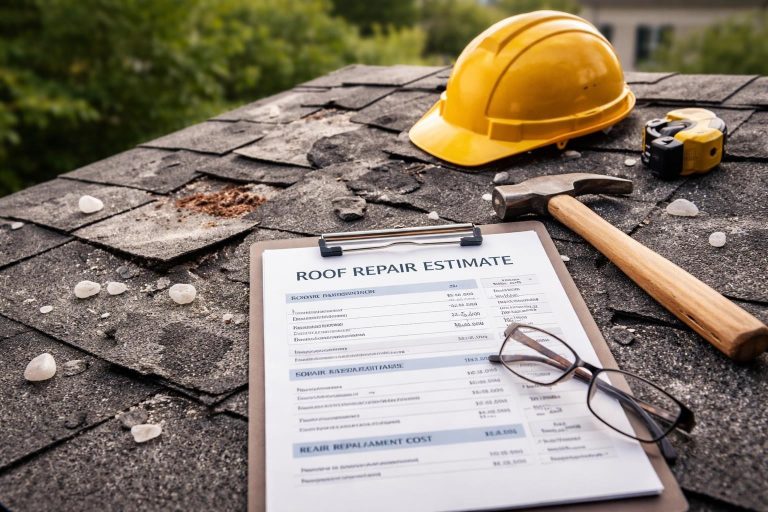
- Material and labor cost estimates
- Evidence of proper maintenance history
- Timeline documentation showing damage occurred during covered event
Insurance adjusters evaluate whether damage resulted from covered perils or normal wear and deterioration. Properties with documented maintenance histories demonstrating proper care receive more favorable claim consideration than neglected properties showing years of deferred maintenance.
Working with contractors experienced in comparing re roofing approaches for insurance purposes ensures claims include all necessary repairs and comply with code requirements for complete restoration.
Re roofing represents a major investment requiring careful planning, informed decision-making, and selection of qualified professionals to ensure lasting results. Whether your property needs complete replacement after storm damage or proactive re roofing before problems develop, working with experienced contractors who prioritize quality, transparency, and proper documentation makes the difference between a roof that protects your investment for decades and one that creates ongoing problems. Texcore Construction delivers expert re roofing services throughout the Fort Worth area with in-house crews, detailed assessments, and five-year labor warranties backing every project, ensuring your property receives the protection it deserves with the professionalism you expect.