7 Essential Roof Repair Insurance Claim Tips for 2026
Severe weather events are striking more often, and the cost of a roof repair insurance claim has soared in 2026. As storms intensify and insurers tighten their requirements, navigating a roof repair insurance claim has never been more complex or essential for homeowners and property managers.
This guide empowers you with the latest, actionable strategies to maximize your claim’s success. Discover seven essential tips designed for today’s evolving insurance landscape, so you can protect your property and secure the coverage you deserve. Ready to take control of your claim process? Read on to get started.
Understanding Roof Repair Insurance Claims in 2026
The roof repair insurance claim environment in 2026 is more complex than ever. Insurers have updated policy terms, raised deductibles, and narrowed coverage to address rising claim volumes and costs. Homeowners and property managers must pay close attention to these evolving details when considering a roof repair insurance claim.
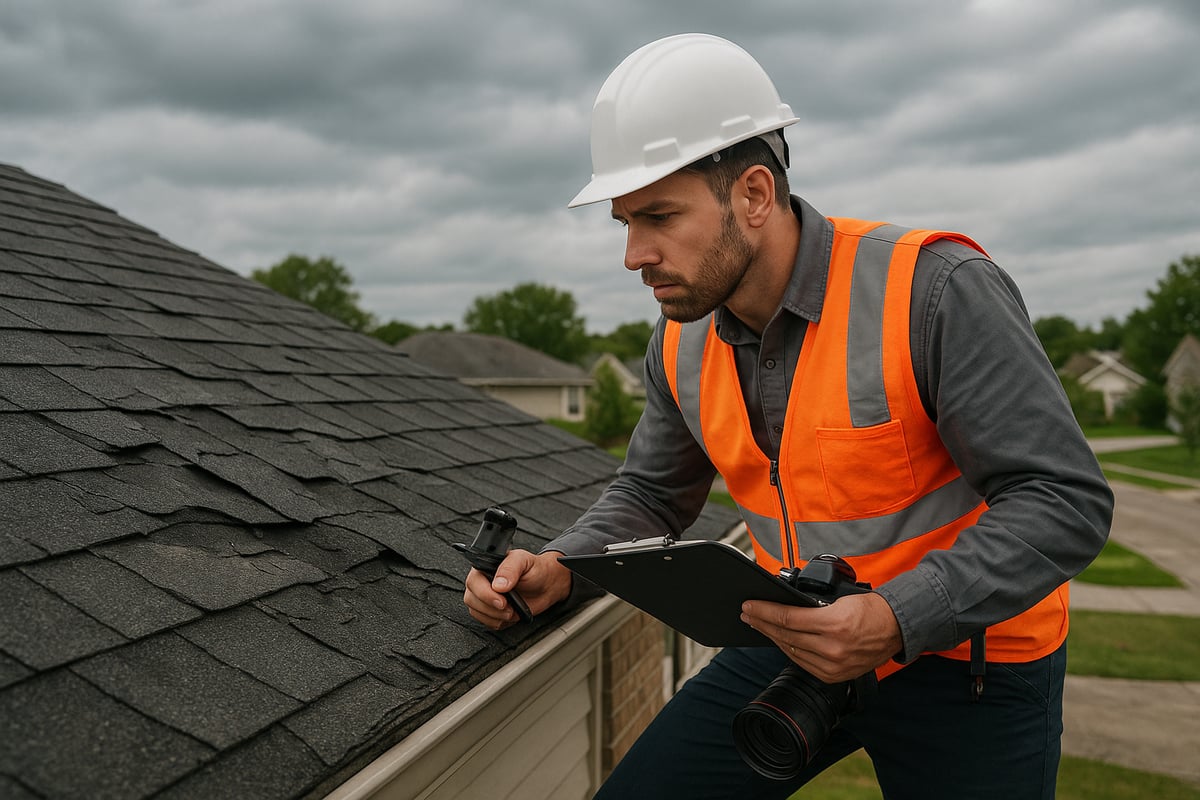
Severe weather events are now the most common reason for filing a roof repair insurance claim. Hailstorms, high winds, and rapid temperature swings have become more frequent, largely due to climate change. In 2025 alone, over 40% of all property insurance claims involved roof damage, according to the National Association of Insurance Commissioners (NAIC). Aging roofs also contribute to claim frequency, especially when deferred maintenance is involved.
Insurers are scrutinizing every roof repair insurance claim more closely. They often require comprehensive documentation, including before and after photos, maintenance records, and detailed contractor estimates. The standard claims process includes these steps:
- Inspection and damage assessment
- Submission of documentation and claim initiation
- Adjuster evaluation and onsite visit
- Determination of payout based on policy terms
Understanding terminology is essential. Most policies pay either Actual Cash Value (ACV) or Replacement Cost Value (RCV) for a roof repair insurance claim. ACV accounts for depreciation, paying less for older roofs, while RCV covers the full cost to replace with similar materials. Policyholders must also review coverage exclusions, code upgrade endorsements, and deadlines for reporting damage.
Due to a surge in claim filings, processing times have lengthened, and denial rates have increased. Insurers are especially cautious about claims following major storms, as fraudulent or exaggerated losses are on the rise. Preparation is key: knowing your policy, documenting your roof's condition, and responding quickly after damage can make the difference between approval and denial. For a step-by-step guide to filing a successful claim, see Claiming roof repairs on insurance.
In summary, the roof repair insurance claim landscape in 2026 demands greater diligence, organization, and policy knowledge. Staying informed and proactive will help you navigate these new challenges and maximize your claim success.
7 Essential Roof Repair Insurance Claim Tips for 2026
Facing a roof repair insurance claim in 2026 is more than just paperwork—it’s about maximizing your financial protection in an era of rising storm losses and stricter insurance scrutiny. Each tip below is designed to help homeowners and property managers avoid common pitfalls, streamline the claims process, and secure the fairest settlement possible. Whether you’re new to the process or a seasoned property manager, these tips provide the clarity and confidence you need for claim success in the evolving insurance landscape.
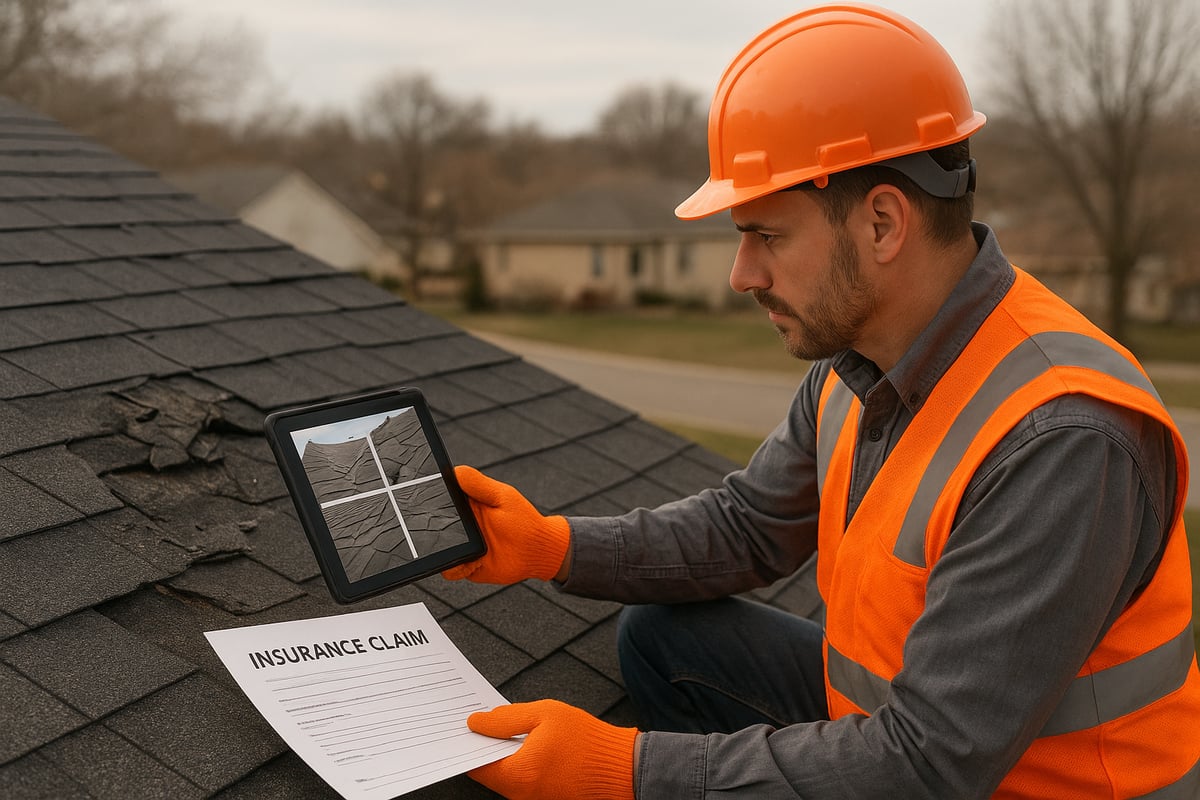
1. Review and Understand Your Insurance Policy Thoroughly
Before disaster strikes, take time to read your insurance policy from start to finish. This step is critical for any roof repair insurance claim. Policy language can be dense, but understanding it ensures you know your coverage limits, exclusions, deductible amounts, and claim deadlines.
Pay close attention to sections on endorsements, depreciation clauses, and code upgrade coverage. Many policyholders overlook these details, only to discover after a loss that certain repairs or upgrades are not covered. For example, some homeowners miss out on code-required roof upgrades because they did not realize their policy excluded them.
Did you know that 30% of claims are underpaid due to policyholder misunderstanding? This figure from the Insurance Information Institute highlights why proactive policy review is essential. If any language is unclear, ask your insurance agent for clarification or use digital policy management tools for easier access and reminders.
Key Areas to Check:
- Coverage limits for roof repair insurance claim
- Exclusions (such as wear and tear)
- Deductible amounts
- Claim reporting deadlines
- Endorsements for code upgrades or ordinance changes
- Depreciation and replacement cost terms
For a deeper dive into these concepts and real-world FAQs, see roof repair insurance tips and FAQs.
Keep digital copies of your policy and set calendar reminders for annual reviews. Staying informed now makes navigating your roof repair insurance claim much smoother.
2. Document Roof Condition With Photos and Maintenance Records
Strong documentation is your best defense when filing a roof repair insurance claim. Start by taking clear, timestamped photos of your roof before any damage occurs. Include wide shots and close-ups of all roofing materials, flashing, gutters, and any previous repairs.
Maintain a roof inspection log. Record the date, findings, and any maintenance performed, such as cleaning gutters or replacing shingles. Aim for annual inspections, plus additional checks after major storms. Use cloud storage to keep records safe and accessible.
When damage happens, update your photo log immediately. Capture all visible issues, water stains, and debris. Claims with thorough documentation are approved 40% faster, according to J.D. Power. Adjusters often prioritize claims with organized evidence, leading to quicker and more favorable outcomes.
Checklist for Documentation:
- Pre-loss photos (wide and close-up)
- Annual inspection logs
- Post-storm photos with timestamps
- Receipts for repairs or maintenance
- Cloud backup of all files
Present records in a logical order during your roof repair insurance claim inspection. Organized evidence can mean the difference between a delayed, denied, or successful claim.
3. Act Quickly After Damage Occurs
Immediate action is vital after roof damage. The longer you wait, the greater the risk of further deterioration and potential claim denial. Insurers expect policyholders to mitigate additional loss as soon as possible.
First, make temporary repairs if it’s safe. Cover leaks with tarps, remove debris, and document all emergency measures with photos. Save receipts for materials or emergency services, as these may be reimbursable in your roof repair insurance claim.
Notify your insurer right away—most policies require claim filing within 24 to 72 hours. Delays can lead to reduced settlements or outright denial. For example, claims are often denied if the insurer determines the policyholder failed to prevent further damage.
Key Steps:
- Secure the property and prevent further loss.
- Take detailed photos and notes.
- Contact your insurer to initiate the roof repair insurance claim.
- Retain all receipts and communication records.
Remember, legal obligations require you to take reasonable steps to protect your property. Quick action not only meets these requirements but also demonstrates your commitment to a valid roof repair insurance claim.
4. Obtain Multiple Estimates From Licensed Roofing Contractors
Insurance companies often require more than one repair estimate to validate the scope and cost of your roof repair insurance claim. Seek estimates from reputable, local contractors—preferably those with experience in insurance work. Avoid “storm chasers” or out-of-area companies who may offer lowball bids or vanish after payment.
A professional estimate should detail materials, labor, work scope, and timeline. Having multiple estimates allows you to compare proposals and ensures the insurer’s offer is fair. In one case, a homeowner’s claim increased by $5,000 after a thorough secondary estimate uncovered overlooked damage.
Statistics show that 60% of underpaid claims are corrected after secondary contractor review. Present each estimate, along with documentation, to your adjuster for consideration.
Red Flags in Estimates:
- Vague descriptions
- Unusually low prices
- Lack of itemized breakdowns
- No local references
When submitting your roof repair insurance claim, highlight the credentials of your chosen contractors and the thoroughness of their estimates. This approach reduces disputes and supports a fair settlement.
5. Communicate Clearly With Your Insurance Adjuster
Effective communication with your insurance adjuster is crucial for a successful roof repair insurance claim. Prepare for the adjuster’s inspection by gathering all documentation, including photos, maintenance records, and contractor estimates.
Be assertive and factual in your discussions. Avoid emotional appeals—focus on presenting organized, relevant information. Keep a written log of all communications, noting dates, times, and key points discussed. This log can be invaluable if disputes arise.
If you disagree with the adjuster’s findings, request a reinspection or escalate the matter to a supervisor or independent appraiser. For example, a homeowner successfully negotiated a higher payout after presenting detailed documentation and a secondary contractor estimate.
Common Adjuster Tactics:
- Downplaying the extent of damage
- Citing policy exclusions
- Offering quick, low settlements
By staying organized and professional, you can counter these tactics and advocate effectively for your roof repair insurance claim.
6. Leverage Professional Insurance Claim Support When Needed
Sometimes, complex or disputed claims require professional assistance. Public adjusters and claim specialists work on your behalf to maximize your roof repair insurance claim payout and reduce stress.
These professionals review your policy, inspect damage, and negotiate with the insurer. In one documented case, a homeowner received 25% more after hiring a public adjuster. Claims involving public adjusters settle for 19% higher amounts, according to OPPAGA.
Understand the cost structure before hiring—most public adjusters charge a percentage of the settlement. Vet credentials, read reviews, and check references to ensure you are working with a reputable expert.
When to Seek Help:
- Large or complex losses
- Disputed claim amounts
- Denied claims with strong documentation
- Overwhelming paperwork or deadlines
Insurers must cooperate with your representative, and in some cases, legal support may be needed. Choosing the right professional can make all the difference in your roof repair insurance claim outcome.
7. Stay Informed About Local Building Codes and Ordinances
Building codes can change frequently, affecting both the repair scope and the payout of your roof repair insurance claim. In 2026, several Texas municipalities, including Fort Worth, updated their wind mitigation and roof installation standards.
Insurance policies may only cover repairs to code, not upgrades required by new ordinances—unless you have a code upgrade endorsement. Claims have been denied when repairs failed to meet updated standards, leaving homeowners to cover costly upgrades.
Work with contractors familiar with local codes and request documentation of compliance. Ask your insurer about code upgrade endorsements to protect against unexpected expenses.
Resources for Staying Informed:
- City and county websites
- Professional roofing associations
- Your insurance agent or contractor
Staying current on local codes ensures your roof repair insurance claim includes all eligible repairs and upgrades, reducing the risk of denial or out-of-pocket costs.
How to Choose the Right Roofing Contractor for Insurance Claims
Selecting the right contractor is crucial for a successful roof repair insurance claim. With the volume and complexity of claims rising in 2026, insurers are scrutinizing projects more closely. The contractor you choose can make the difference between claim approval and denial, so it pays to be thorough.
What to Look for in a Roofing Contractor
Start by verifying that each contractor is fully licensed and insured in your state. Local reputation is key—seek out contractors with a proven track record in your area, especially those experienced in roof repair insurance claim work. Ask if they have handled claims with your insurer before.
Here are essential questions to ask:
- Do you provide a written warranty, and what does it cover?
- Who handles documentation for the claim?
- Will you be present during the adjuster's inspection?
- What is your process for communicating with homeowners and insurers?
A contractor familiar with the roof replacement insurance claim process can help ensure you meet every documentation requirement, reducing the risk of delays or underpayment.
In-House Crews vs. Subcontractors
Contractors with in-house crews offer greater quality control and accountability than those relying on subcontractors. In-house teams are trained to follow company standards for installation, safety, and documentation. This consistency benefits your roof repair insurance claim by providing clear, reliable records.
Subcontractors may vary in skill and communication, which can lead to inconsistencies that jeopardize your claim. Always ask who will be working on your property and confirm their credentials.
Documentation, Communication, and Red Flags
A top-tier contractor will conduct a detailed, photo-documented inspection and provide a transparent, itemized estimate. This is vital for supporting your roof repair insurance claim and ensures you have the evidence needed if disputes arise. Reliable contractors maintain open lines of communication, keeping you informed at every step.
Be wary of red flags such as:
- High-pressure sales tactics urging you to sign immediately
- Lack of local references or online reviews
- Vague pricing or missing written estimates
Before hiring, verify credentials through state licensing boards and read independent reviews. For those in Texas, region-specific guidance on roofing insurance claims in Fort Worth can provide additional assurance you are making the right choice.
Choosing a contractor who understands the insurance process and prioritizes transparency can maximize your claim outcome. Whether you are managing a first claim or navigating new policy complexities, the right partner is essential for a smooth, successful roof repair insurance claim experience.
Common Mistakes to Avoid During Roof Repair Insurance Claims
Navigating a roof repair insurance claim in 2026 comes with new challenges and higher stakes. Many homeowners and property managers overlook critical steps, risking delayed payouts or outright denials. By recognizing the most common mistakes, you can avoid costly errors and strengthen your claim from day one.
Failing to Document Damage and Maintenance History
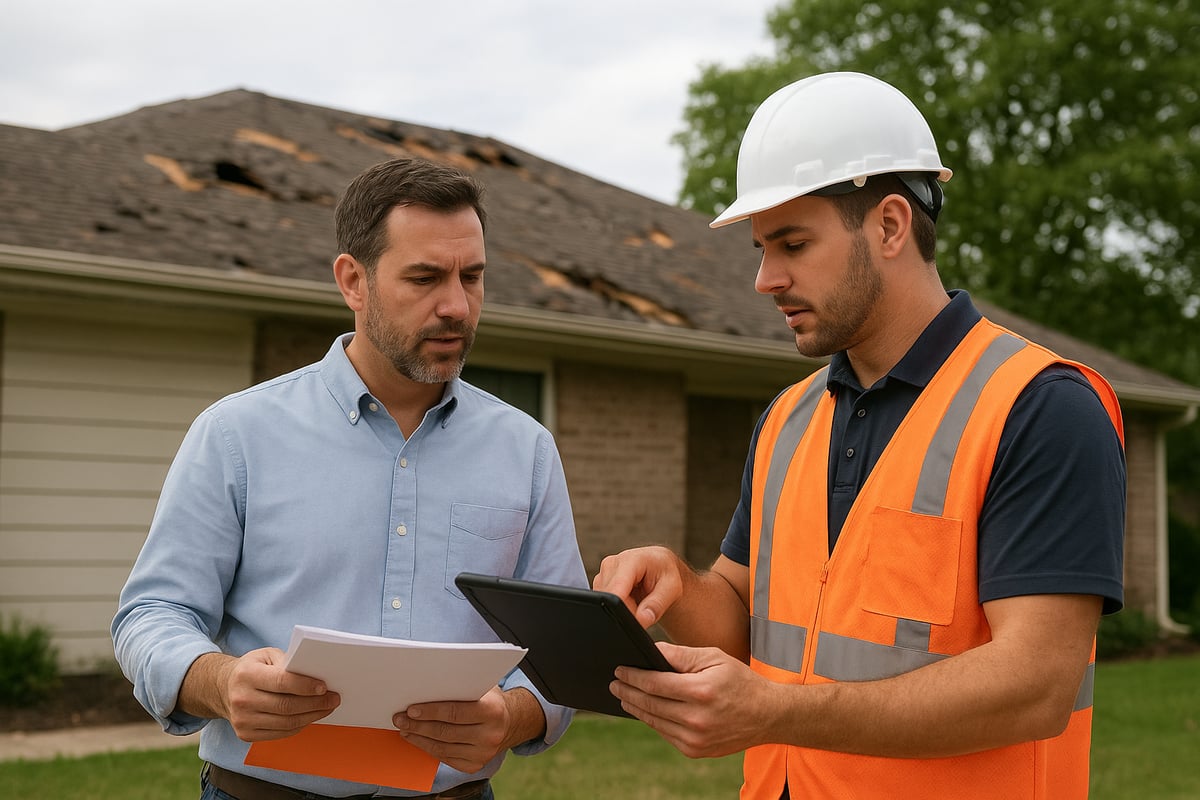
A frequent pitfall is not documenting the roof’s condition before and after a storm. Insurers require proof of maintenance and damage to validate a roof repair insurance claim. Without photos, inspection logs, and receipts, your claim may stall or be underpaid.
To build a strong file, conduct annual inspections and keep detailed records. Use digital photos with timestamps and save everything in a secure location. For a comprehensive maintenance checklist, consult Roof Maintenance Tips.
Delaying Filing or Mitigation Steps
Time is critical after roof damage. Waiting to file your roof repair insurance claim or neglecting temporary repairs can lead to further loss. Most policies require prompt reporting, often within 24 to 72 hours.
Failing to act quickly may result in claim denial due to “failure to mitigate.” Always cover leaks, remove debris, and notify your insurer immediately. Emergency repairs should be documented with photos and invoices.
Accepting the First Insurance Offer Without Review
Another common mistake is accepting the initial settlement without question. Insurance companies may underestimate repair costs, especially if documentation is lacking or the adjuster misses hidden damage.
Request a detailed explanation of the offer and compare it with independent contractor estimates. If needed, negotiate or request a reinspection to ensure your roof repair insurance claim is fully valued.
Using Unlicensed or Out-of-Area Contractors
Hiring unlicensed or “storm chaser” contractors puts your claim and property at risk. Insurers prefer reputable, local professionals who follow proper documentation and safety protocols.
Always verify credentials, check references, and ensure your contractor is familiar with insurance work. For more guidance on selecting qualified professionals and understanding your responsibilities, review Insurance and Your Roof.
Not Understanding Policy Exclusions and Depreciation Clauses
Many policyholders overlook critical details in their insurance contract. Exclusions, depreciation clauses, and code upgrade coverage can significantly impact your roof repair insurance claim payout.
Read your policy thoroughly, ask your agent for clarification, and make note of any recent changes. This knowledge can prevent unpleasant surprises and help you advocate for a fair settlement.
Ignoring Local Building Code Requirements
Building codes in Texas have evolved rapidly, especially in areas like Fort Worth. Claims may be denied if repairs do not meet current code standards or if code upgrade coverage is missing from your policy.
Work with contractors who understand local requirements and request code endorsements when renewing your policy. Staying informed will ensure your roof repair insurance claim is not jeopardized by compliance issues.
Overlooking Professional Claim Support
Finally, some homeowners attempt to handle complex claims alone. Public adjusters and claim specialists can help maximize your settlement, especially when negotiations stall or documentation is disputed.
If your roof repair insurance claim involves major damage or policy complexity, consider professional support for peace of mind and better outcomes.
Checklist: Avoiding Common Pitfalls
- Document pre- and post-damage conditions with dated photos
- File your roof repair insurance claim promptly after a loss
- Use licensed, local contractors with insurance experience
- Review and understand your insurance policy details
- Address temporary repairs to prevent further damage
- Stay updated on local building codes and ordinances
- Seek professional claim support if needed
By staying proactive and informed, you can avoid these mistakes and achieve a smoother, more successful roof repair insurance claim process.
Now that you have these essential tips for navigating roof repair insurance claims in 2026, you can approach your next claim with greater confidence and clarity. Remember, the right support can make all the difference when dealing with complex policies and insurance adjusters. If you want guidance tailored to your property’s unique needs, or if you simply have questions about your roof’s eligibility, don’t hesitate to Talk to Our Insurance Claims Team Today. We’re here to help you protect your investment and maximize your claim success every step of the way.