Essential Guide to Roof Replacement Services in 2026
A secure, well-maintained roof is the first line of defense for every property, shielding your home or business from the elements and unexpected risks. Navigating roof replacement services can feel overwhelming, yet making the right decisions today ensures lasting protection and peace of mind.
This essential guide empowers both homeowners and property managers with the knowledge needed to confidently approach roof replacement services. You will discover when a new roof is necessary, explore modern materials, understand the replacement process, learn how to choose a qualified contractor, review costs and financing, and gain tips for extending your roof’s lifespan.
Take the first step toward a safer, more reliable property with expert guidance you can trust.
Understanding When You Need Roof Replacement
A well-maintained roof is essential for protecting your home and maintaining its value. Knowing when to consider roof replacement services can save you from costly repairs and unexpected damage. Recognizing early warning signs and understanding your options ensures you make informed choices for your property.
Common Signs Your Roof Needs Replacement
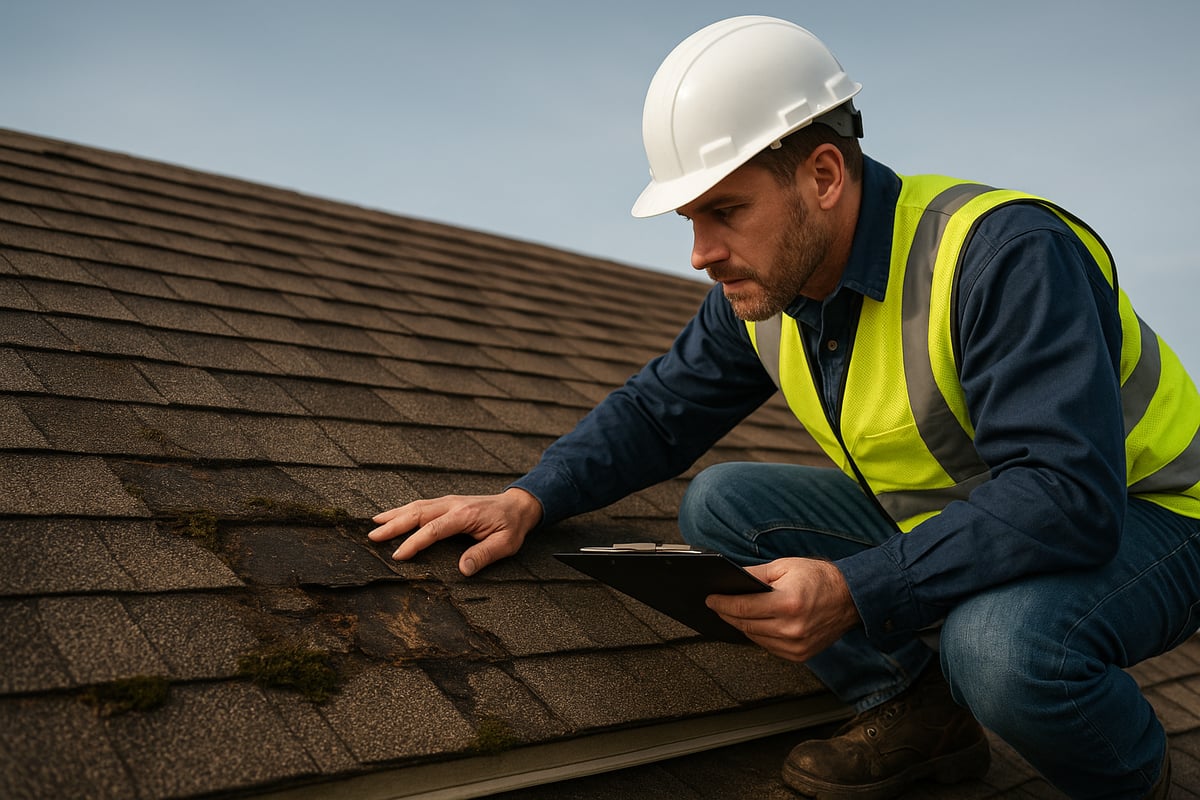
Identifying when to seek roof replacement services starts with spotting visible warning signs. Look for missing, curling, or cracked shingles on your roof. These issues often indicate weathering or material failure.
Inside the home, water stains or leaks may signal a compromised roof. Pay attention to sagging rooflines or structural irregularities. Granule loss from shingles, visible in clogged gutters, is another red flag.
Mold, moss, or algae growth can speed up deterioration. If your roof is between 15 and 30 years old, age alone could mean it is time for a replacement. Unexpected increases in energy bills may point to poor roof insulation, affecting your home's efficiency.
Assessing Roof Damage vs. Repairs
Not all roofing issues require full roof replacement services. Some minor damage, like a few missing shingles, may be resolved with repairs. However, widespread problems or recurring leaks often mean replacement is the safer, more cost-effective choice.
Delaying replacement can lead to structural risks and potential hazards. Insurance policies may cover storm or hail damage, but only if addressed promptly. A professional inspection is critical for an accurate assessment. For more guidance on whether to repair or replace, consult this Residential Roof Repair vs. Replacement guide.
If you notice extensive water intrusion, sagging, or repeated repairs, replacement is usually necessary. Rely on a trusted contractor's expertise for an unbiased recommendation.
The Impact of Delaying Roof Replacement
Postponing roof replacement services can have serious and expensive consequences. Small leaks and minor damage can escalate, resulting in costly repairs to walls, ceilings, and interiors.
Delays may void existing warranties or lead to denied insurance claims. Over time, a failing roof can decrease your property's value and curb appeal. Health risks increase as leaks foster mold and mildew growth.
According to industry data, average repair costs rise significantly the longer replacement is delayed. Investing in timely roof replacement protects both your finances and your family's safety.
Regional and Climate Considerations
Local climate plays a major role in when to seek roof replacement services. In areas with frequent hail, like Texas, roofs may deteriorate faster due to impact damage. Regions with heavy snowfall require materials that can handle weight and moisture.
Building codes and material suitability also vary by region. For example, tile roofs are popular in the Southwest for their heat resistance, while northern states favor materials that withstand snow and ice. Reviewing local trends and storm data can help you select the right roofing solution for your climate.
Choosing materials and timing replacement based on your region ensures a longer-lasting, more resilient roof.
Exploring Roofing Materials and Modern Options
Choosing the right roofing material is a crucial step in any roof replacement services project. The material you select impacts your roof’s durability, energy efficiency, and overall value. Today’s homeowners have more choices than ever, each offering unique benefits for different climates, budgets, and architectural styles.
Asphalt Shingles: Pros, Cons, and Innovations
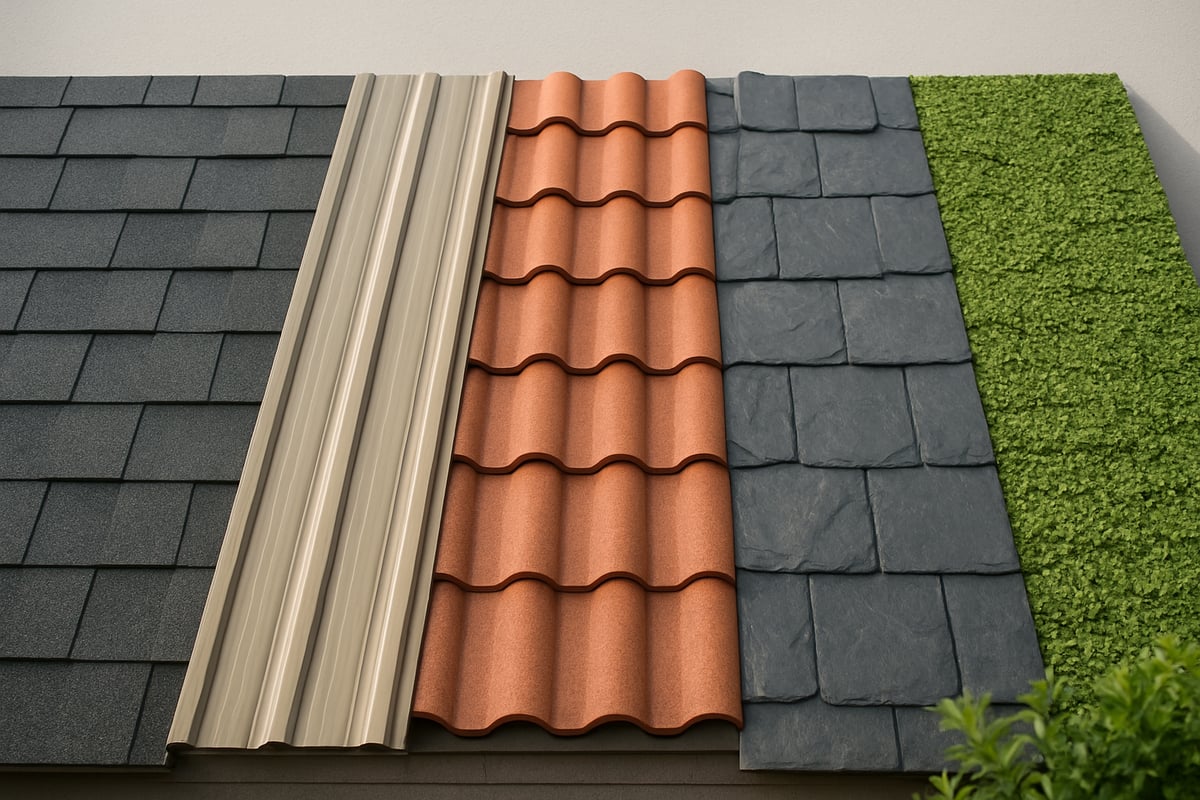
Asphalt shingles remain the most popular choice for roof replacement services in North America. Their affordability, wide color selection, and straightforward installation make them suitable for many homes. There are three main types: 3-tab, architectural, and luxury shingles. Architectural shingles offer greater durability and a dimensional look, while luxury options mimic slate or cedar.
Recent innovations include impact-resistant shingles and reflective granules for better energy efficiency. However, asphalt shingles typically last 15 to 30 years and may be less durable in extreme climates. Compared with cedar or metal, asphalt shingles provide a cost-effective solution but require more frequent replacement.
Metal Roofing Systems
Metal roofing systems have surged in popularity for both residential and commercial roof replacement services. Available styles include standing seam, corrugated panels, and metal shingles. Metal roofs offer exceptional longevity, often lasting 40 to 70 years with minimal maintenance.
Their reflective properties help reduce cooling costs, making them ideal for hot climates. Metal is lightweight yet strong, and many manufacturers back their products with robust warranties. Homeowners appreciate the variety of finishes that complement modern or traditional architecture. Metal is also a sustainable choice, as many panels feature recycled content.
Tile, Slate, and Specialty Roofs
Tile and slate roofs are favored for their timeless beauty and remarkable durability. Clay or concrete tiles can last over 50 years, while natural slate may endure for a century or more. These materials are ideal for roof replacement services in regions with hot, dry climates or homes with Mediterranean or Southwestern designs.
However, tile and slate are heavy, requiring reinforced roof structures. Upfront costs are higher, but their longevity offsets the investment. Specialty roofs, such as wood shakes or synthetic materials, offer unique aesthetics but may require extra maintenance. Regional trends often influence the popularity of these options.
Eco-Friendly and Innovative Roofing Solutions
Sustainable options are transforming roof replacement services for eco-conscious property owners. Green roofs, featuring live vegetation, improve insulation and stormwater management. Solar-integrated shingles allow you to generate clean energy while protecting your home.
Recycled roofing materials, such as rubber or composite shingles, combine durability with environmental responsibility. Many eco-friendly roofs qualify for tax credits or incentives, further enhancing their appeal. Performance data from recent installations show improved energy efficiency and lower long-term costs, making these choices increasingly attractive.
Choosing the Right Material for Your Property
Selecting the best material for your roof replacement services depends on several factors. Consider your local climate, home style, budget, and building codes. Compare material lifespans and maintenance needs to maximize your investment. Some materials, like metal or slate, boost resale value, while others offer quick installation at a lower upfront cost.
Reviewing case studies and checklists can help you make an informed decision. For a thorough comparison of material pros, cons, and costs, refer to this Guide to Choosing the Best Roofing Materials (2026). Consulting with a professional ensures your choice meets both your needs and local requirements.
The Roof Replacement Process: Step-by-Step
Replacing your roof is a significant investment, and understanding what to expect can make the process far less stressful. Roof replacement services follow a structured approach to ensure safety, durability, and long-term value for your property.
From the initial inspection to the final walkthrough, each step is crucial to the success of your new roof. Let’s break down the entire roof replacement process so you can approach your project with confidence.
Initial Inspection and Project Assessment
Every roof replacement services project begins with a thorough inspection. A qualified contractor will examine the entire roofing system, looking for signs of damage, leaks, or structural concerns.
Expect detailed documentation, including photos and written reports. This step helps identify any hidden issues that could affect the scope of work. Contractors use this data to provide accurate estimates and timelines for your roof replacement services.
During the inspection, key elements like decking, flashing, and ventilation are evaluated. You’ll receive a checklist outlining necessary repairs, ensuring nothing is overlooked before moving forward with your roof replacement services.
Planning, Permitting, and Preparation
Once the assessment is complete, the planning phase of roof replacement services begins. Your contractor will handle permit applications and ensure all work meets local building codes.
You’ll receive a clear timeline for the project, including permit approval and material delivery. Preparing your property is essential—move vehicles, secure outdoor furniture, and communicate with neighbors or your HOA about upcoming work.
Safety measures are a top priority. Contractors set up barriers and signage to protect your family and property throughout the roof replacement services process.
Removal of Old Roofing and Site Protection
With preparations in place, the old roofing materials are carefully removed. Roof replacement services use protective tarps and plywood to shield landscaping, siding, and windows from debris.
Debris management is critical. Professional crews separate recyclable materials and keep the job site clean. As the old roof is stripped away, hidden damage such as rotten decking or compromised structures may be revealed, allowing for immediate repairs.
Throughout this phase, site protection and cleanliness remain central to the roof replacement services standard of care.
Installation of New Roofing System
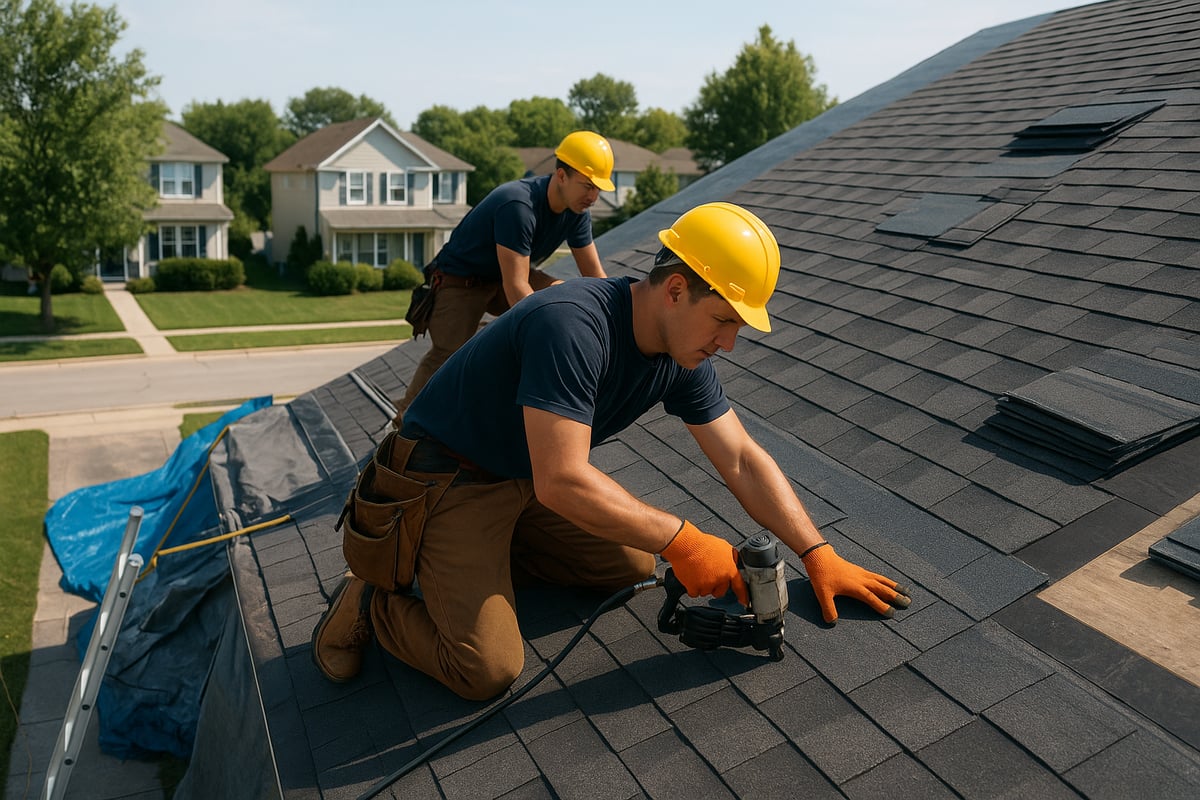
The installation phase is where roof replacement services truly shine. Contractors begin with underlayment, ensuring a waterproof barrier before laying new materials.
Proper ventilation and insulation upgrades are addressed to improve energy efficiency. Flashing, drip edges, and water barriers are installed meticulously, following manufacturer specifications for your chosen material.
Quality control checks are performed at every stage. This ensures that your roof replacement services deliver a result that meets or exceeds industry standards for performance and durability.
Final Inspection, Cleanup, and Documentation
After installation, roof replacement services conduct a comprehensive final inspection. The contractor walks through the project with you, reviewing work quality and confirming all details are complete.
A thorough cleanup removes all debris, nails, and leftover materials. You’ll receive warranty documentation and a final inspection checklist for your records.
If you want a more detailed breakdown of these steps, consult this Comprehensive Roof Replacement Guide to help you prepare for each stage of the process.
Timeline and What to Expect During the Project
Roof replacement services typically take one to three days for most residential projects, though larger or more complex roofs may require additional time. Weather and material availability can impact the schedule, so flexibility is important.
Expect some noise and limited access to certain areas during the project. Contractors provide daily updates and maintain open communication to address any concerns.
By understanding the expected timeline and staying informed, you can ensure your roof replacement services proceed smoothly and efficiently from start to finish.
Choosing the Right Roofing Contractor
Selecting the right professional for your roof replacement services is one of the most important decisions you will make as a property owner. A qualified contractor ensures your investment is protected and your home remains safe for years to come. Let’s break down the essential factors to consider during your search for the ideal roofing partner.
Credentials, Licensing, and Insurance
Before hiring any company for roof replacement services, verify that they are fully licensed, insured, and bonded. Ask for proof of state or local licensing, as requirements can vary by region. Insurance is crucial to protect both you and the workers in case of accidents or property damage.
Look for certifications from major roofing manufacturers, such as GAF or CertainTeed. These credentials indicate that the contractor has met strict industry standards. Membership in professional associations like the National Roofing Contractors Association is another positive sign.
Hiring an unlicensed or uninsured contractor can put your property at risk and may void warranties or insurance coverage. Always confirm these details before moving forward.
Evaluating Experience and Reputation
A contractor’s experience with roof replacement services is vital for quality results. Research their years in business and ask about their specific expertise with your type of roof. Look for a track record of successful projects similar to yours.
Read customer reviews on independent platforms and request references from recent clients. Examine completed project portfolios to assess workmanship and reliability. Be cautious of contractors who cannot provide verifiable references or who have inconsistent feedback.
Red flags include poor communication, vague answers, or reluctance to share documentation. Trustworthy professionals will be transparent and eager to demonstrate their qualifications.
Comparing Estimates and Proposals
When seeking roof replacement services, request detailed written estimates from multiple contractors. Each proposal should clearly outline the scope of work, materials, labor costs, warranty terms, and payment schedule.
Beware of unusually low bids, which may signal subpar materials or hidden fees. Compare labor and material warranties side by side to understand what is covered and for how long. A reputable contractor will provide a comprehensive breakdown and answer all your questions.
The table below summarizes key elements to look for in an estimate:
| Estimate Element | What to Expect |
|---|---|
| Scope of Work | Detailed description |
| Materials | Types, brands, and quantities |
| Labor Costs | Transparent, itemized pricing |
| Warranties | Manufacturer and labor coverage |
| Payment Terms | Schedule and accepted methods |
Communication, Professionalism, and Jobsite Practices
Effective communication is a cornerstone of successful roof replacement services. Your contractor should provide regular updates, answer questions promptly, and address concerns before and during the project.
Professionalism extends to jobsite cleanliness and safety protocols. Expect daily cleanup, proper disposal of materials, and respect for your property and neighbors. The best contractors have clear processes for managing unexpected issues, ensuring minimal disruption to your home or business.
Ask about project management, including who your point of contact will be and how progress will be tracked. Reliable contractors set realistic expectations and keep you informed every step of the way.
Texcore Construction: Fort Worth’s Trusted Roofing Partner
Texcore Construction stands out for its commitment to quality roof replacement services in Fort Worth and North Texas. Their in-house, licensed crews deliver consistent results without relying on subcontractors, ensuring accountability on every project.
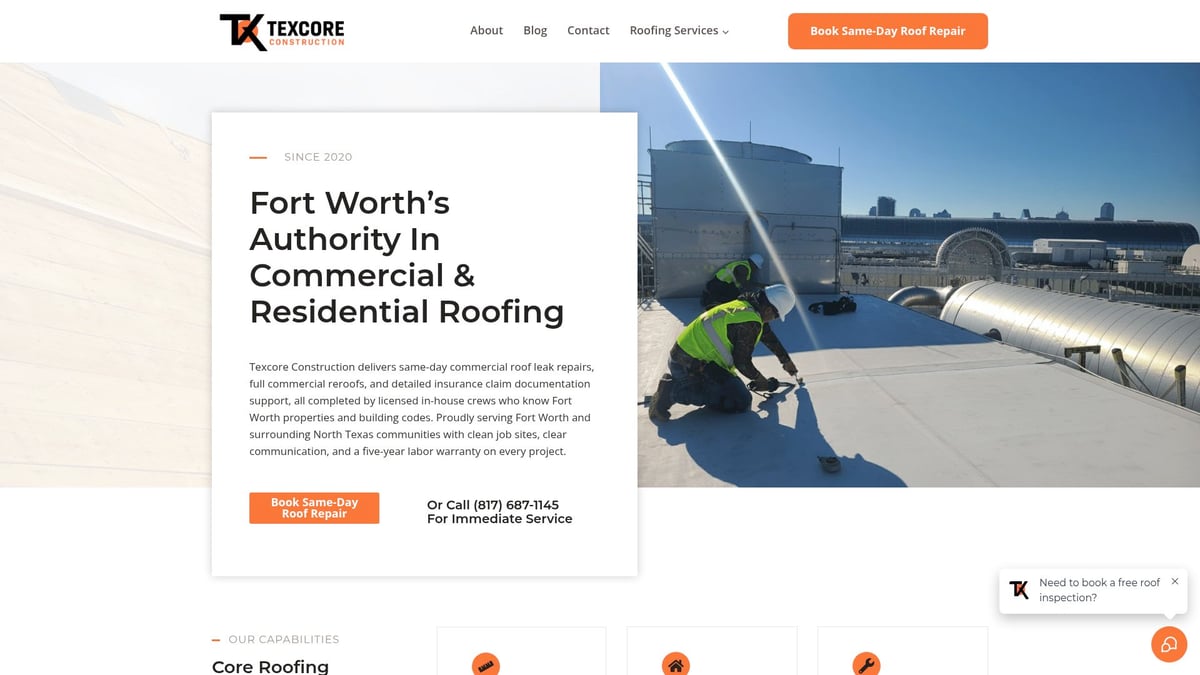
Texcore specializes in both residential and commercial roofing, offering same-day repairs, full reroofs, storm response, and expert insurance claim support. Their five-year labor warranty, transparent proposals, and 24/7 emergency service provide peace of mind for property owners.
With a proven 5.0-star reputation and a focus on craftsmanship, Texcore Construction is a trusted choice for those seeking reliable roof replacement services that stand the test of time.
Roof Replacement Costs, Financing, and Value
Understanding the financial aspects of roof replacement services is crucial for homeowners and property managers. Whether you are planning a full roof overhaul or responding to unexpected storm damage, knowing what influences costs, what financing options exist, and how to maximize your investment can make the process smoother and more rewarding.
Key Factors Affecting Roof Replacement Costs
Several elements impact the total price of roof replacement services. The type of roofing material, size and pitch of the roof, and complexity of the structure all play significant roles. Local labor rates and permit requirements can also cause variation in costs.
For a more detailed breakdown specific to your area, the Roof Replacement Cost Guide Fort Worth provides valuable insights into regional pricing and what to expect.
Common cost factors include:
- Material choice (asphalt, metal, tile, etc.)
- Roof size and accessibility
- Structural repairs or upgrades
- Disposal of old materials
- Permit and inspection fees
By understanding these factors, you can better prepare for the investment in roof replacement services.
Understanding Warranties and Long-Term Value
Warranties are a vital component of roof replacement services. Most installations come with both manufacturer and labor warranties, each covering different aspects. Manufacturer warranties typically address defects in roofing materials, sometimes lasting up to 50 years for premium products. Labor warranties, on the other hand, protect against installation errors, often ranging from one to ten years.
It is essential to review what is covered and what is excluded in your warranty documentation. A strong warranty can enhance your home’s resale value and provide peace of mind. When comparing roof replacement services, always inquire about both types of warranties and how they might transfer to a new owner if you decide to sell your property.
Financing Options for Roof Replacement
Roof replacement services can represent a significant investment, but a variety of financing solutions are available to make the process more manageable. Homeowners may consider home equity loans, personal loans, or financing plans offered by reputable contractors.
Some companies provide 0% APR promotions or flexible payment terms to help spread out the cost. When exploring financing, review eligibility requirements and the application process with your lender or contractor. Financing not only makes roof replacement services more accessible but also allows you to address urgent repairs without delay.
Insurance Claims and Storm Damage Restoration
Many homeowners turn to their insurance provider when roof replacement services are needed due to storms or unexpected damage. Coverage typically applies if the damage is sudden and accidental, such as from hail or wind. To maximize your claim, document all damage thoroughly with photos and written descriptions.
Work closely with your roofing contractor and insurance adjuster to ensure proper assessment and approval. Understanding your policy, deductible, and claim process can help you navigate insurance claims efficiently and restore your roof with minimal out-of-pocket expense.
Maximizing Your Investment: ROI and Home Value
Investing in roof replacement services often delivers a strong return, both in immediate comfort and long-term property value. New roofs enhance curb appeal, improve energy efficiency, and reduce ongoing repair costs. Statistics show that homeowners can recoup a significant portion of their investment when selling their property.
To maximize ROI, choose materials that suit your climate and property style, and ensure professional installation. Quality roof replacement services can increase buyer interest and confidence, making your home stand out in a competitive market.
Maintaining and Extending the Life of Your New Roof
A new roof is a major investment, so maximizing its lifespan is essential for protecting your property and budget. Consistent care, timely repairs, and proactive planning can help you get the most out of roof replacement services. Let’s explore key steps to preserve your roof’s value and performance.
Routine Inspections and Preventive Maintenance
Regular inspections are vital for maintaining the integrity of your new roof. Schedule a professional assessment at least once a year, and always after severe weather. These evaluations help identify minor issues before they escalate into expensive repairs.
Simple maintenance tasks, like cleaning gutters, removing debris, and checking for damaged flashing, can prevent water intrusion and structural problems. Document findings with photos and keep a detailed maintenance log. Many homeowners find that routine care not only extends the life of their roof but also keeps roof replacement services from being needed prematurely.
For a deeper dive into maintenance best practices, review these Extending Your Roof’s Lifespan tips from industry experts.
Addressing Minor Repairs Promptly
Even with a new roof, small issues can develop over time. Loose shingles, cracked sealant, or minor leaks should be addressed as soon as they appear. Ignoring these problems can allow moisture to penetrate, leading to hidden damage and more costly roof replacement services down the road.
Decide whether a repair is suitable for DIY or requires a professional. Always err on the side of caution with more complex or high-risk jobs. Keep a record of repairs and update your maintenance log regularly. Prompt action protects your investment and ensures your roof continues to perform as intended.
Protecting Your Roof from Weather and Environmental Damage
Weather is one of the biggest threats to roof longevity. Hail, high winds, intense sun, and moisture can all accelerate wear and tear. Consider installing impact-resistant materials if you live in a storm-prone region, and ensure proper attic ventilation to prevent heat buildup and ice dams.
Trim overhanging branches and clear moss or algae growth to avoid moisture retention. These preventive measures support the effectiveness of roof replacement services, reducing the risk of premature failure. Following regional best practices can make a significant difference in your roof’s lifespan.
Planning for Future Upgrades and Roof Longevity
Looking ahead, plan for upgrades that enhance your roof’s performance and efficiency. Upgrading attic insulation, improving ventilation, or even integrating solar panels can add years to your roof’s service life. Track warranty milestones and set reminders for periodic inspections.
Budgeting for future roof replacement services ensures you’re prepared when the time comes. Stay informed about new roofing technologies and materials, as these can offer better protection and value. Proactive planning is the key to long-term durability and peace of mind for property owners.
Frequently Asked Questions About Roof Replacement Services
Understanding the ins and outs of roof replacement services helps homeowners approach projects with confidence. Below, we address the most common questions to guide you through each stage of the process.
How Long Does a Roof Replacement Take?
The duration of roof replacement services varies based on several factors. For most homes, asphalt shingle roofs are replaced in one to three days. Metal, tile, or slate roofs may take longer, often up to a week, due to increased complexity.
Weather conditions play a significant role in scheduling. Rain, high winds, or extreme temperatures can introduce delays. Larger or more intricate roof designs add to the timeline. For commercial projects, expect a longer process, especially if structural repairs are involved.
Recent roofing industry statistics show that most residential projects are completed within five days. Open communication with your contractor will ensure you have realistic expectations and understand each phase.
What Should I Look for in a Roof Replacement Contract?
A contract for roof replacement services should be detailed and transparent. Look for the following essentials:
| Contract Element | Description |
|---|---|
| Scope of Work | Exact tasks to be completed |
| Materials | Brands, types, and quantities listed |
| Timeline | Start and finish dates |
| Payment Terms | Deposit, progress payments, final balance |
| Warranty Documentation | Manufacturer and labor coverage |
| Insurance Verification | Proof of contractor’s insurance |
Understand how changes or unforeseen issues will be addressed. Contracts should outline procedures for change orders and include a clear process for dispute resolution. With the rising costs of roof replacement services, as reported in U.S. Roof Claims Costs Reached Over $30 Billion In 2024, protecting yourself with a thorough agreement is more important than ever.
Can I Stay in My Home During Roof Replacement?
Most homeowners remain in their property throughout roof replacement services. However, be prepared for increased noise, dust, and vibrations. Contractors often recommend keeping pets and small children away from work areas for safety.
Access to your driveway or certain rooms may be restricted for short periods. Plan ahead by moving vehicles and valuables, covering items in your attic, and securing fragile decor. If you or your family members are sensitive to noise or disruption, consider staying elsewhere during peak work hours.
Communication with your contractor will help minimize inconvenience and ensure you are aware of daily progress.
How Do I Prepare My Property for Roof Replacement?
Proper preparation makes roof replacement services more efficient and protects your home. Here’s a checklist to guide your efforts:
- Move vehicles away from the work zone.
- Remove patio furniture, grills, and potted plants.
- Cover landscaping and delicate garden areas.
- Take down wall hangings and secure attic items.
- Notify neighbors and, if applicable, your HOA.
Preparation not only safeguards your property but also supports a smooth workflow for your roofing team. Following these steps helps prevent accidental damage and streamlines the overall project.
After exploring the key signs of roof wear, modern material options, and the essential steps for a successful replacement, you’re now equipped to make confident decisions that protect your property for years to come. But the best next step is to see exactly where your roof stands—because every home and building is unique. If you want expert insight tailored to your needs, I encourage you to Schedule Your Free Certified Roof Inspection. This no obligation inspection provides clear answers, honest recommendations, and the peace of mind that comes from working with Fort Worth’s trusted roofing professionals.